
1. The Bold Ambition of a Rising Queen
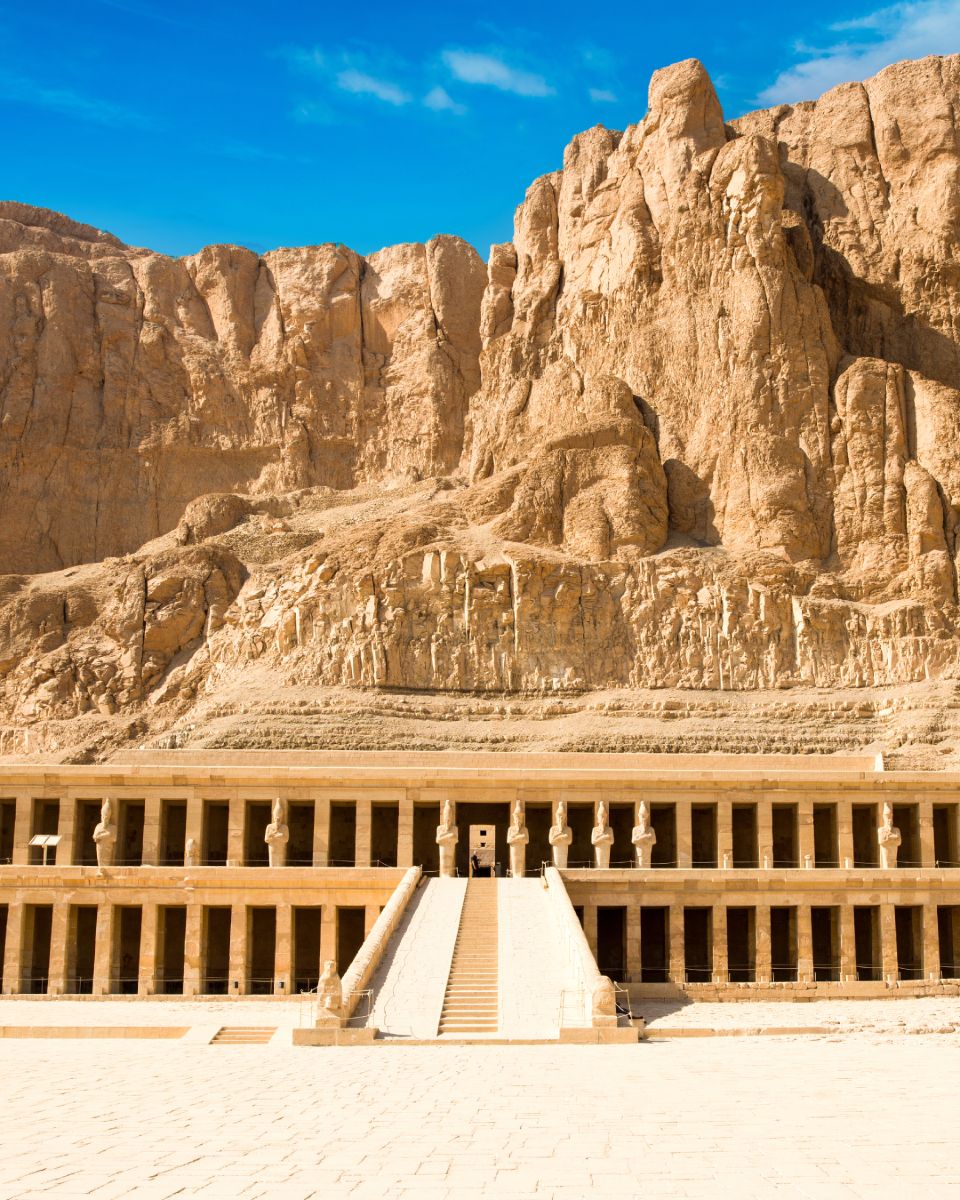
The story of this temple begins with the rise of Maatkare Hatshepsut, a figure who navigated the complex corridors of power with unparalleled grace and strategic brilliance. Born as the daughter of Thutmose I, she initially served as queen-regent for her young stepson, Thutmose III. However, her ambition could not be contained by traditional roles. In a world governed by male kingship, Hatshepsut took the revolutionary step of declaring herself Pharaoh, adopting the full royal titulary and the traditional false beard. This temple was her ultimate PR campaign—a grand stage designed to legitimize her reign by showcasing her divine right to rule. Every stone laid here was a brick in the foundation of her authority, blending religious devotion with political necessity. By commissioning her royal architect, Senenmut, to create something never before seen, she ensured that her name would be whispered by the winds of the Nile forever. To the modern visitor, this paragraph of history represents the first time a woman commanded the total resources of the Egyptian Empire to immortalize her image. Her reign was characterized by peace and the restoration of trade routes, yet her most enduring legacy remains this limestone sanctuary. As you walk through the first courtyard, you are walking through the physical manifestation of a woman’s dream to be remembered as a king among kings. She broke the glass ceiling of the 18th Dynasty, proving that leadership was not a matter of gender, but of divine selection and administrative genius. This temple is the primary evidence of her success, standing firm against the backdrop of the Theban peaks, inviting every traveler to witness the dawn of a golden age led by a visionary woman who refused to stay in the shadows of history.
2. Senenmut: The Visionary Behind the Stone
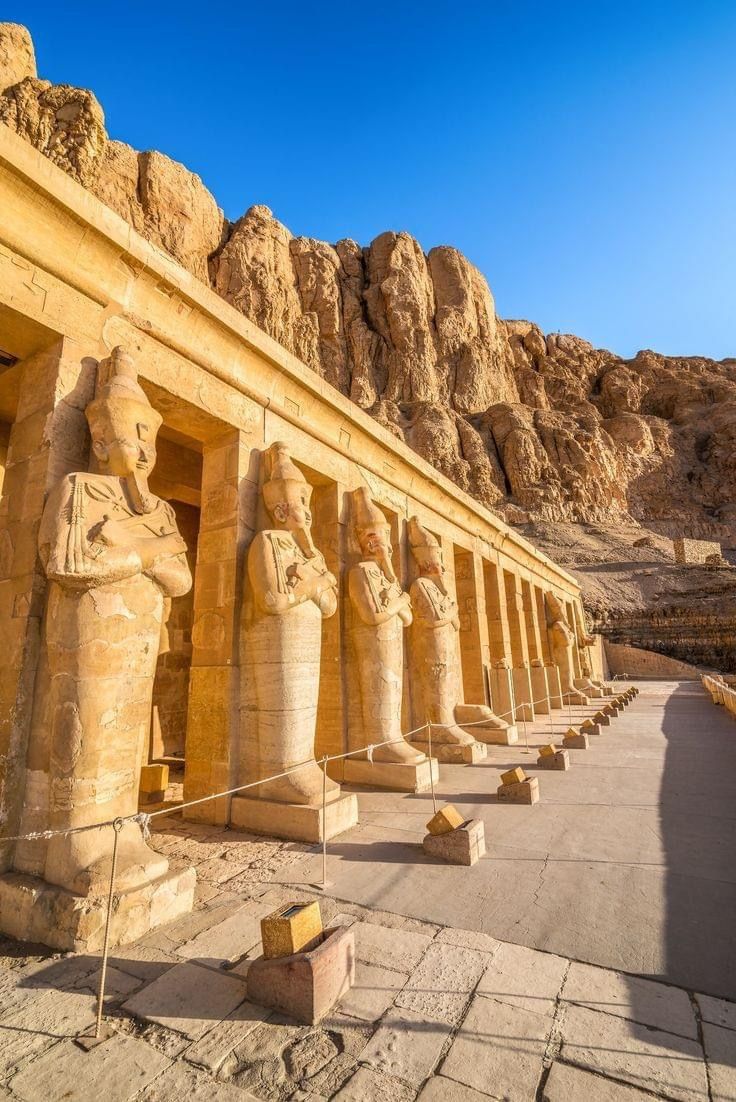
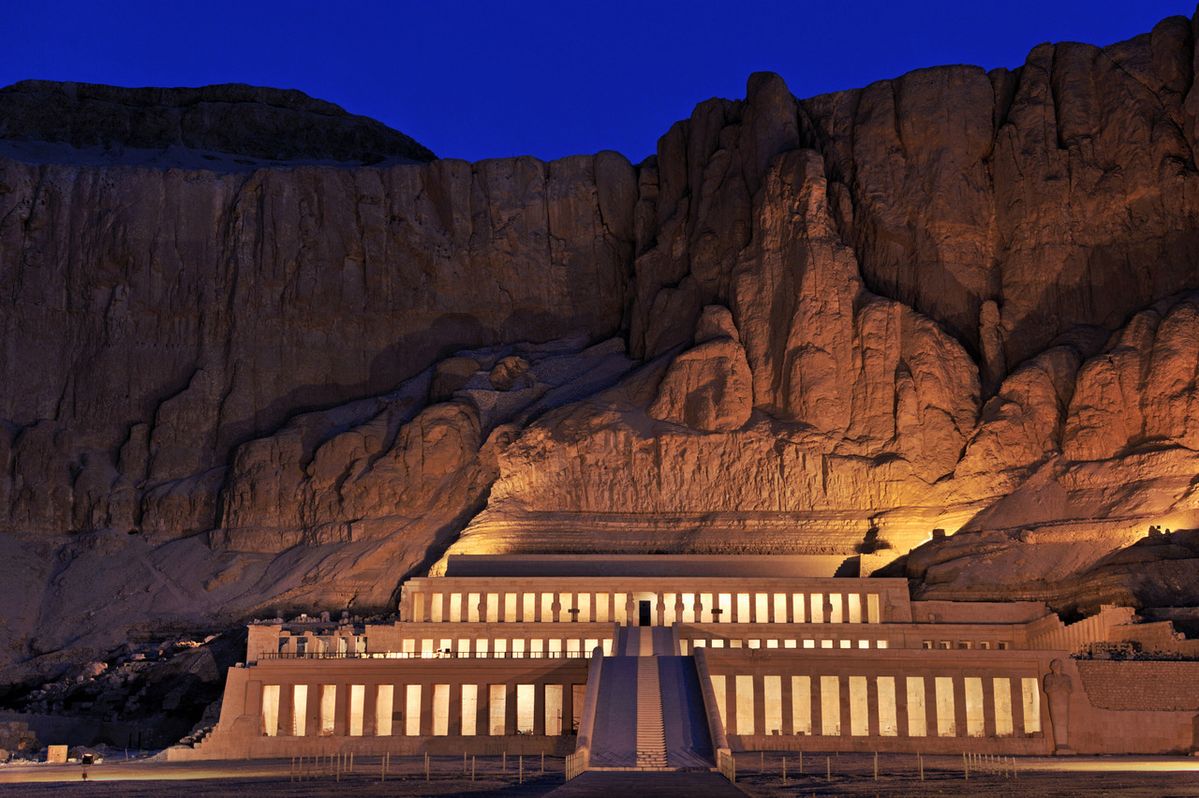
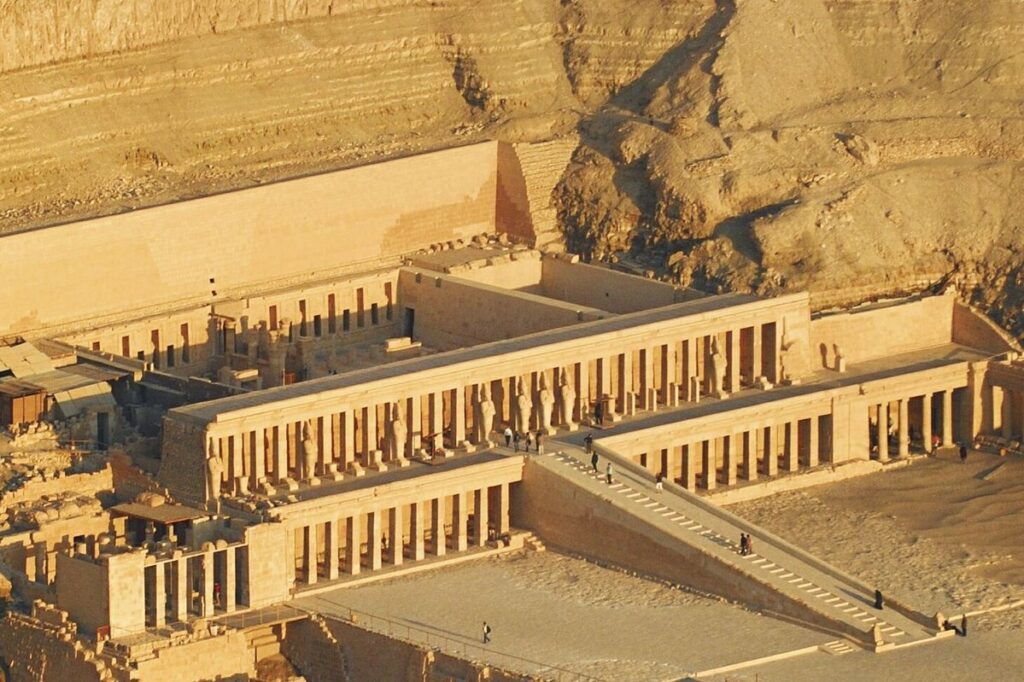
To understand the temple’s unique aesthetic, one must understand Senenmut, the Queen’s closest advisor and rumored confidant. Unlike the traditional temple designs found in Karnak or Luxor, Senenmut looked to the surrounding cliffs for inspiration, creating a structure that utilized horizontal lines to contrast with the verticality of the mountains. This was the first true example of “environmental architecture” in history. The temple’s design creates a visual dialogue with the natural landscape, making the massive cliffs of Deir el-Bahari feel like a protective backdrop for the Queen’s sanctuary. Senenmut’s genius lay in his ability to use light and shadow to create a sense of movement as visitors ascended the ramps. This partnership between pharaoh and architect birthed a monument that feels surprisingly modern, even today, emphasizing harmony, proportion, and a seamless integration with the earth. Beyond his architectural skill, Senenmut held over eighty titles in the royal court, making him the most powerful non-royal in Egypt. His influence is felt in every colonnade and every perfectly aligned terrace. Scholars often marvel at how he broke away from the heavy, enclosed styles of the past to create something that felt light and celestial. By using local limestone, he ensured the temple would blend perfectly with its surroundings, appearing as if it were carved by nature itself rather than by human hands. This design philosophy was radical for its time, challenging the rigid standards of Egyptian art. When you visit today, you see his signature in the precision of the porticos and the elegant flow of the terraces. Senenmut did not just build a temple; he built a bridge between the mortal world and the divine, ensuring that his Queen’s spirit would have a home that was as innovative as her reign was revolutionary.
3. The Sacred Terraces of Deir el-Bahari
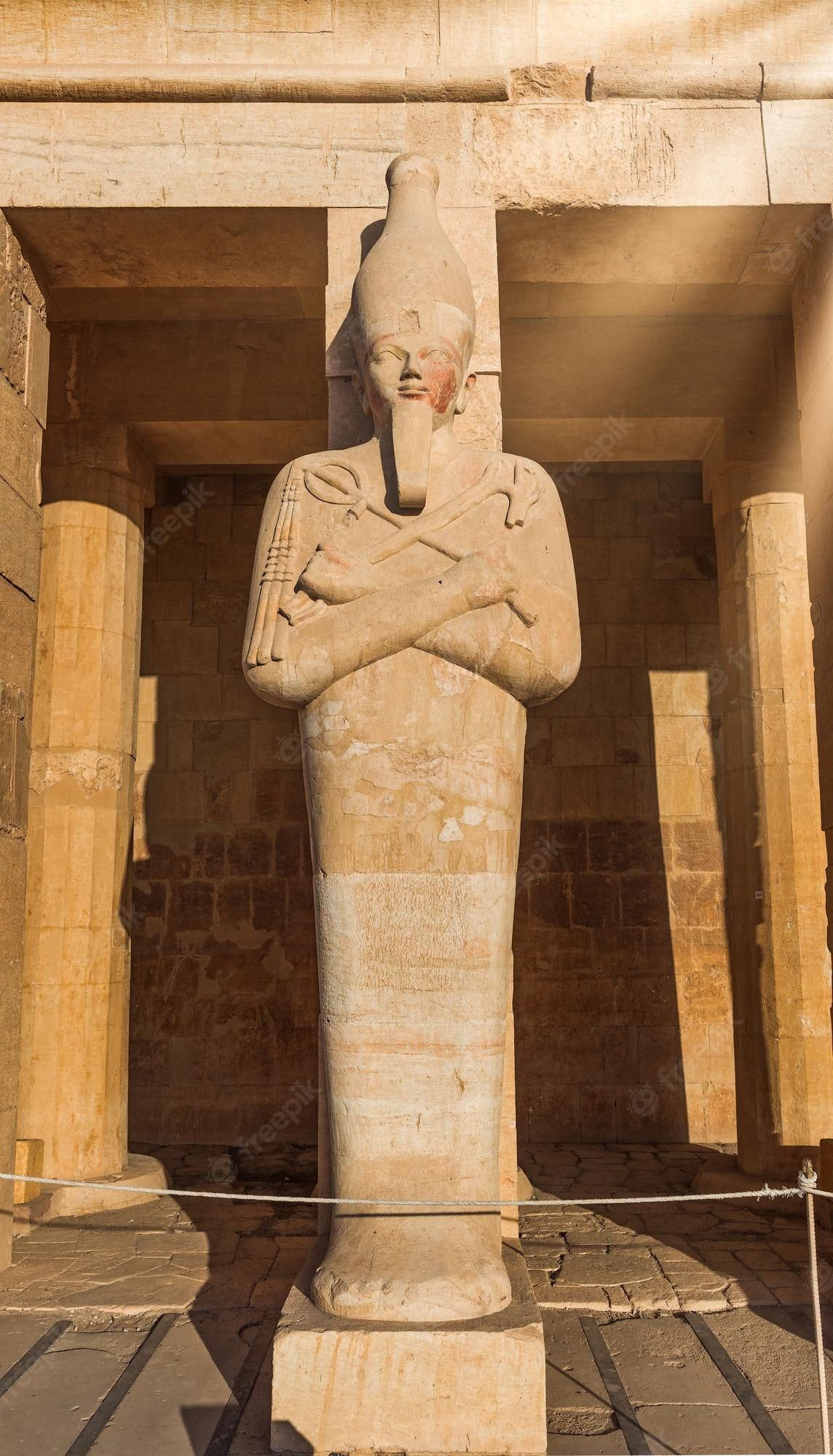
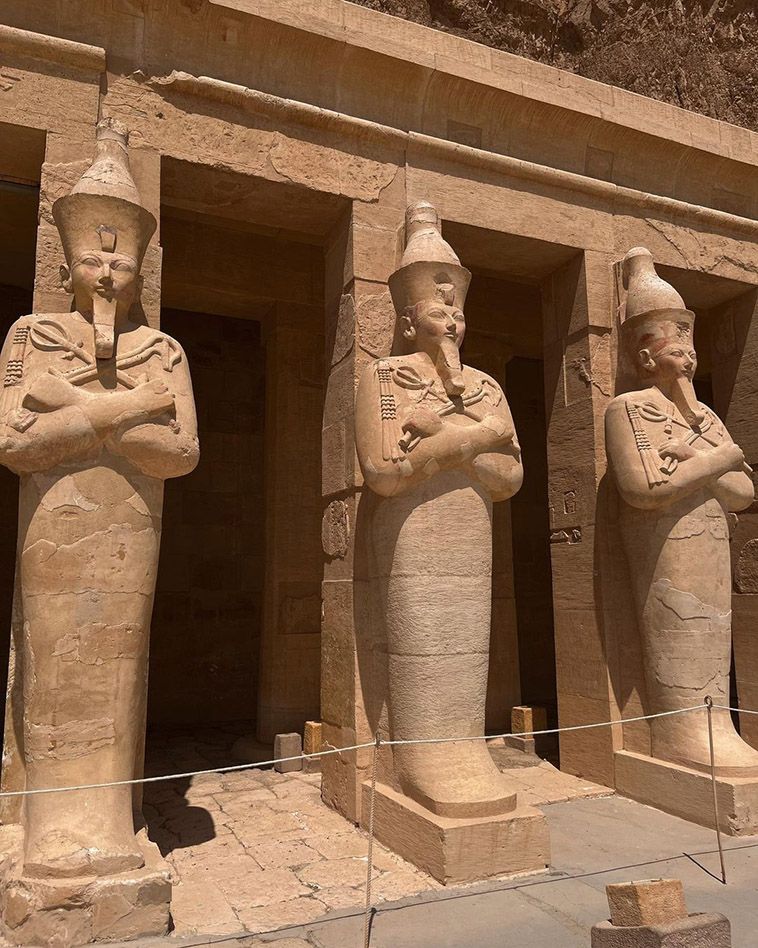
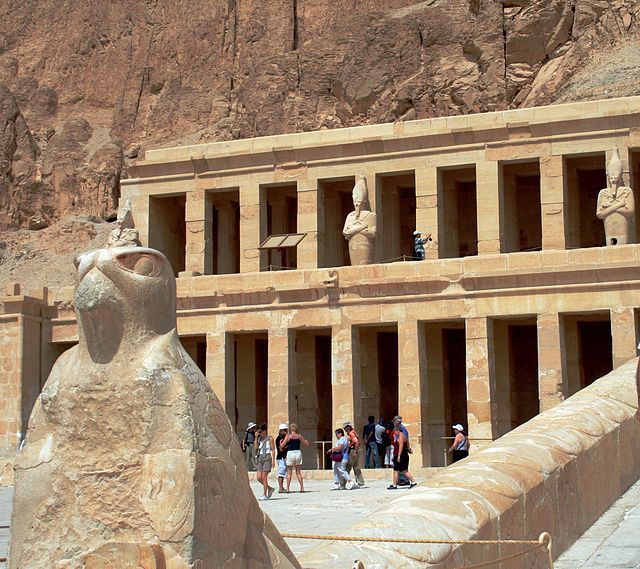
The temple’s layout is a masterpiece of hierarchical progression, organized into three distinct levels that symbolize the journey from the earthly realm to the divine. The lower terrace, once a lush garden filled with exotic trees brought from foreign lands, served as the welcoming ground for worshippers. Moving up the grand central ramp, visitors reach the middle terrace, which houses the famous birth colonnade and the Punt reliefs. Finally, the upper terrace houses the inner sanctum, where the Queen communed with the gods. Each level was once guarded by sphinxes and lined with vibrant statues of the Queen in the guise of Osiris. This tiered approach allowed for a dramatic unfolding of the temple’s narrative, ensuring that every step taken toward the mountain was a step closer to the gods themselves. In antiquity, the approach to the temple was a multisensory experience; the smell of burning incense from the Punt expedition filled the air, and the reflection of the sun on the white limestone was blindingly beautiful. The terraces are not just floors; they are stages for the performance of royal and religious rituals. As guests ascended, the noise of the Nile Valley faded away, replaced by the sacred silence of the mountain. This architectural progression served a psychological purpose, humbling the visitor while elevating the status of the Pharaoh. Today, as you climb these same ramps, the scale of the achievement becomes clear. The engineering required to move these massive blocks and align them with such mathematical precision is staggering. Each terrace offers a new perspective of the Luxor landscape, connecting the temple to the wider sacred landscape of Ancient Thebes. It is a place where the horizontal lines of human ambition meet the vertical majesty of the gods, creating a space that feels both grounded in history and suspended in eternity.