
Welcome to

Unfinished Obelisk: The Ancient Masterpiece Frozen in Time

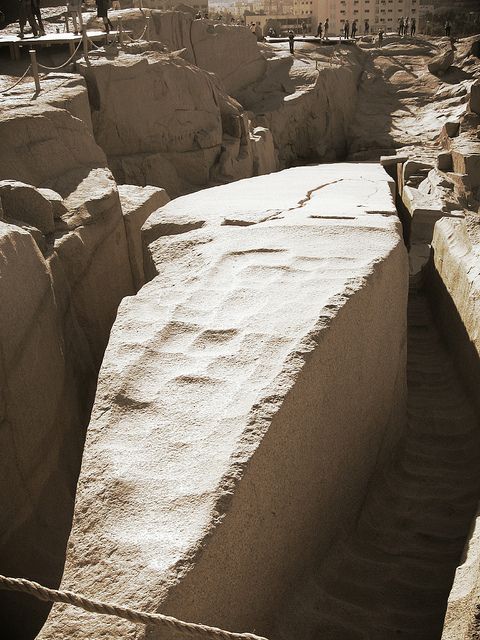
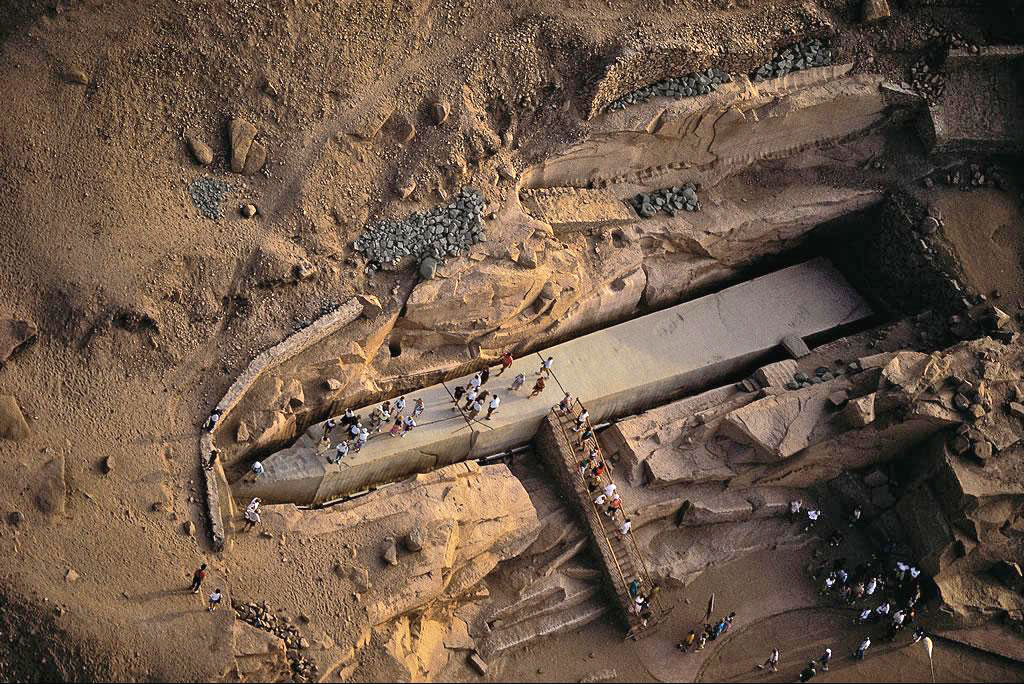
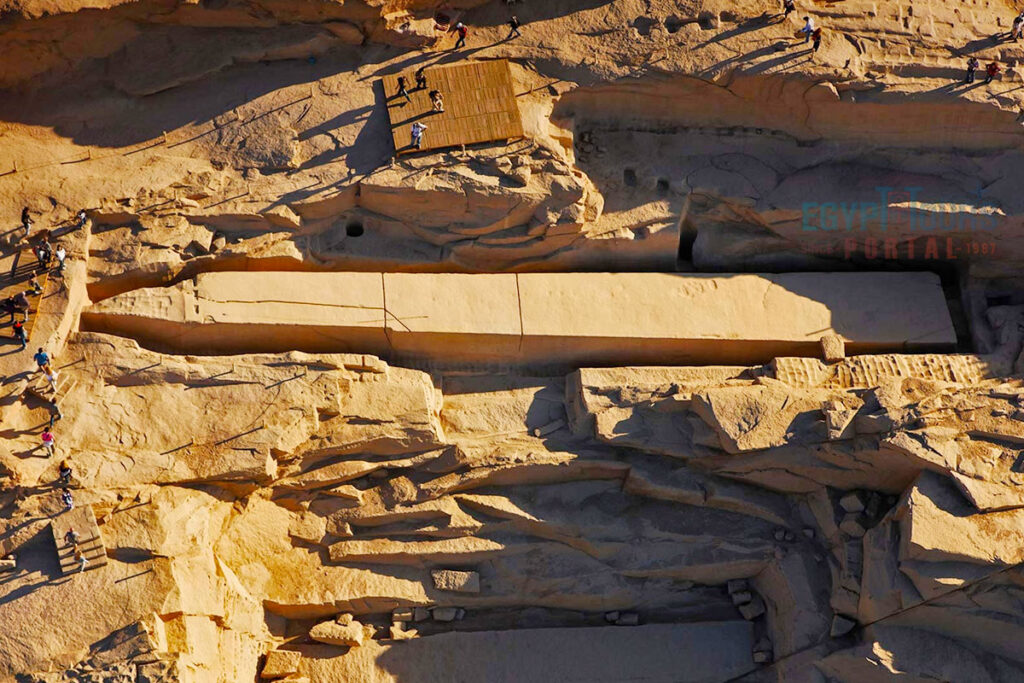
The Unfinished Obelisk in Aswan stands as one of the most fascinating archaeological discoveries in Egypt, offering visitors a rare and unforgettable glimpse into the engineering brilliance of ancient Egyptian civilization. Unlike temples and monuments that were completed and erected thousands of years ago, this enormous obelisk remains exactly where ancient craftsmen abandoned it inside the granite quarries of Aswan. Believed to date back to the reign of Queen Hatshepsut during the 18th Dynasty, the massive structure was intended to become the largest obelisk ever created in ancient Egypt. Had it been completed, it would have measured over forty meters in length and weighed more than one thousand tons. However, cracks began to appear in the granite during the carving process, forcing workers to abandon the project before it could be separated from the bedrock. Today, this unfinished monument provides historians, archaeologists, and travelers with an extraordinary opportunity to understand the techniques, tools, and craftsmanship used by ancient Egyptian builders more than three thousand years ago.

What makes the Unfinished Obelisk especially unique is that it serves as an open-air workshop frozen in time. Visitors can clearly see the marks left by ancient stonecutters, revealing how workers carved enormous monuments directly from solid granite using simple tools and remarkable precision. The site demonstrates the immense ambition and skill of the ancient Egyptians, whose architectural achievements continue to amaze the modern world. Surrounded by the warm desert landscape and the famous granite quarries of Aswan, the Unfinished Obelisk offers an entirely different perspective compared to Egypt’s temples and tombs. Rather than showcasing completed perfection, it reveals the human effort, challenges, and engineering processes behind the construction of monumental architecture. For travelers exploring Aswan, the site is an essential stop that connects them directly to the creativity and determination of the ancient builders who shaped Egypt’s greatest wonders from stone beside the eternal Nile River.

Aswan

1. The Story Behind the Unfinished Obelisk

The Unfinished Obelisk is one of the most remarkable archaeological sites in Aswan because it provides an extraordinary look into the construction methods of ancient Egyptian civilization. Historians believe the obelisk was commissioned during the reign of Queen Hatshepsut, one of the most powerful female pharaohs in ancient Egyptian history. The monument was intended to stand at the entrance of a major temple complex, likely in Karnak near Luxor, as a symbol of royal authority and devotion to the gods. Ancient Egyptians considered obelisks sacred monuments connected to the sun god Ra, and they were designed to represent rays of sunlight reaching from the heavens to the earth. If completed, this obelisk would have become the largest ever constructed in ancient Egypt, measuring more than forty meters in length and weighing over one thousand tons. Its enormous size demonstrates the ambition and engineering confidence of the ancient builders who continuously pushed the limits of architecture and stonework.

However, during the carving process, large cracks appeared in the granite, making the structure unstable and impossible to transport safely. Rather than attempting to repair it, the workers abandoned the project entirely, leaving the obelisk partially attached to the bedrock where it remains today. This unexpected failure became a priceless gift for modern historians and archaeologists because it preserved clear evidence of ancient construction techniques. Visitors walking around the site can still observe the unfinished sides of the obelisk and the visible tool marks left by workers thousands of years ago. Unlike completed monuments that hide the building process, the Unfinished Obelisk exposes every stage of ancient craftsmanship in raw detail. The site therefore acts as an enormous historical classroom, allowing travelers to better understand the scale of labor, planning, and precision required to create Egypt’s monumental architecture. More than just a failed project, the Unfinished Obelisk stands as a powerful reminder of the human effort and ambition behind the wonders of ancient Egypt.
2. Ancient Engineering and Stone-Carving Techniques

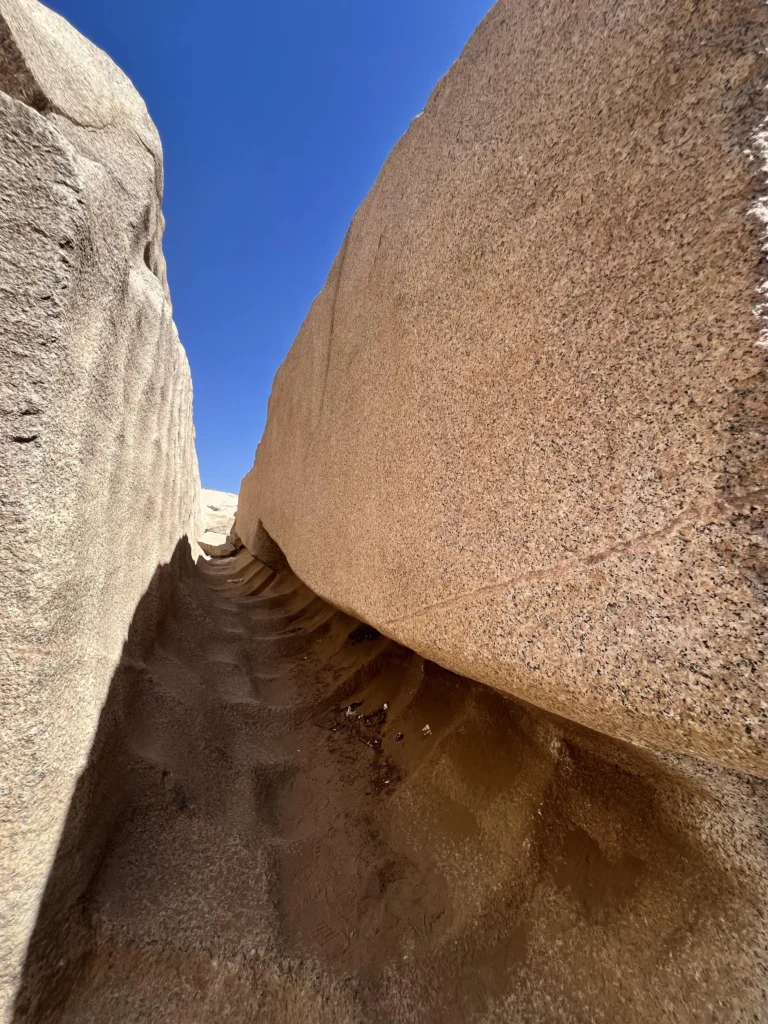
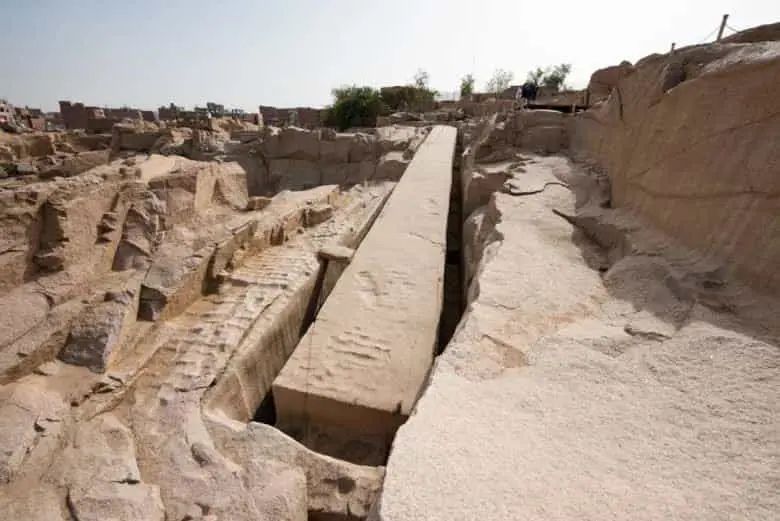
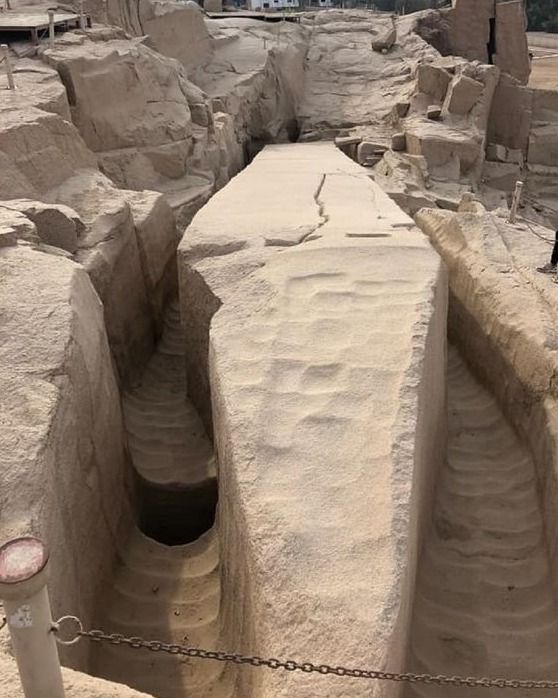
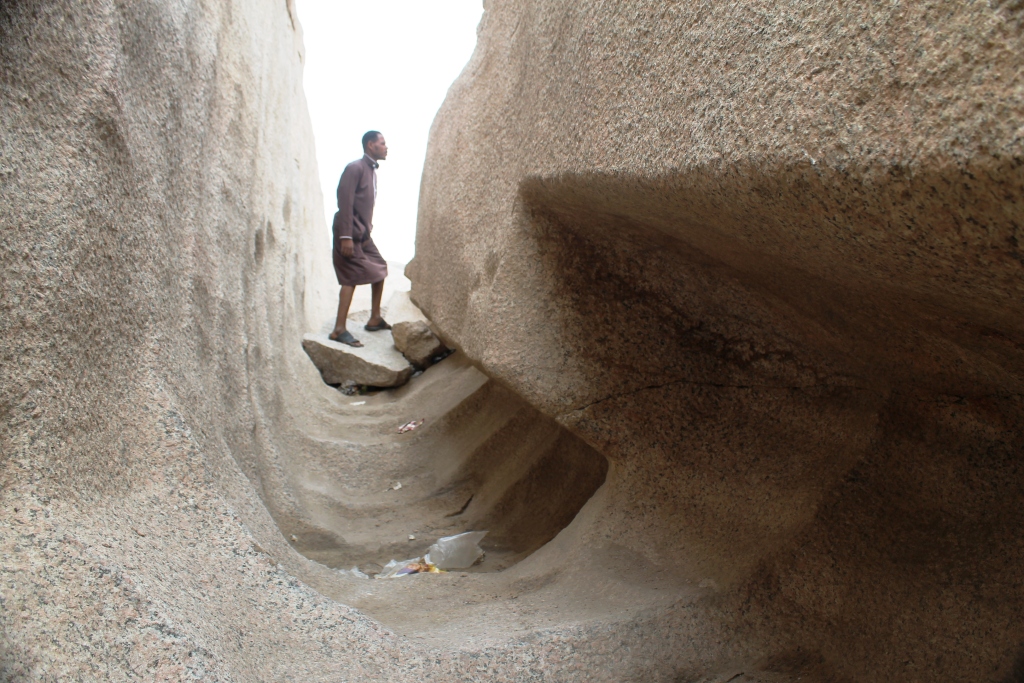
One of the most fascinating aspects of the Unfinished Obelisk is the incredible insight it provides into the engineering methods used by ancient Egyptian stoneworkers more than three thousand years ago. Unlike modern construction projects that rely on machines and advanced technology, the ancient Egyptians shaped massive granite monuments using surprisingly simple tools and extraordinary human skill. The obelisk was carved directly into the granite bedrock of Aswan’s famous quarries, which were known throughout ancient Egypt for producing some of the finest and strongest stone used in temples, statues, and monuments. Workers used rounded dolerite stones as pounding tools to chip away at the granite surface over long periods of time. By repeatedly striking the stone, they gradually created deep channels around the obelisk until it was nearly separated from the surrounding rock. The visible grooves and marks left behind remain clearly preserved today, offering a rare and direct connection to the daily labor of ancient craftsmen.

The enormous scale of the Unfinished Obelisk continues to amaze engineers and archaeologists because transporting such a massive structure would have required remarkable planning and coordination. Historians believe workers intended to slide the completed obelisk onto large wooden sledges before transporting it to the Nile River, where it would be loaded onto specially designed barges. Considering the monument’s estimated weight of more than one thousand tons, this process would have been an astonishing logistical achievement even by modern standards. The abandoned project reveals not only the brilliance of ancient Egyptian engineering but also the challenges and risks involved in working with natural stone. The cracks that forced the workers to stop demonstrate how even the most skilled builders faced difficulties and limitations. For modern visitors, the site offers a unique opportunity to appreciate the ingenuity and patience required to construct Egypt’s famous monuments. Standing beside the unfinished granite giant allows travelers to imagine the sounds of pounding stone, the heat of the desert quarry, and the determination of the workers who transformed raw rock into symbols of eternal power and divine connection.
3. Visiting the Unfinished Obelisk Today

Today, the Unfinished Obelisk remains one of the most important and educational archaeological attractions in Aswan, drawing visitors from around the world who want to better understand the hidden process behind ancient Egyptian architecture. Unlike temples filled with decorated walls and towering columns, the quarry site offers something entirely different: a direct look at the practical craftsmanship and engineering techniques used by ancient builders. Walking through the granite quarry allows travelers to experience an environment that feels authentic and untouched by time. The unfinished monument lies exactly where ancient workers abandoned it thousands of years ago, creating a powerful sense of historical connection. Visitors can clearly observe the enormous size of the obelisk from multiple angles, helping them fully appreciate the incredible ambition behind the project. The surrounding quarry landscape, filled with exposed granite surfaces and ancient carving marks, provides further evidence of the immense labor required to shape Egypt’s monumental structures.

Most travelers visit the site as part of a broader tour of Aswan that often includes nearby attractions such as Philae Temple and the Aswan High Dam. Because the Unfinished Obelisk is located in an open quarry area, early morning visits are highly recommended, especially during warmer months when temperatures in southern Egypt can become extremely high. Comfortable walking shoes, hats, sunscreen, and water are essential for a pleasant experience. Local guides are also available to explain the history of the site and demonstrate how ancient stoneworkers cut and transported massive blocks of granite using basic tools and remarkable precision. For photographers and history enthusiasts, the location offers dramatic visuals that differ greatly from Egypt’s traditional temple landscapes. Rather than showcasing finished perfection, the Unfinished Obelisk reveals the unfinished side of history — the effort, challenges, and human determination hidden behind the creation of ancient wonders. Visiting the site leaves travelers with a deeper respect for the engineering genius and artistic ambition that defined one of the world’s greatest civilizations.
4. The Symbolism and Religious Importance of Obelisks in Ancient Egypt

Obelisks were among the most powerful and meaningful monuments created by the ancient Egyptians, serving not only as architectural masterpieces but also as sacred symbols connected to religion, kingship, and the divine power of the sun. The Unfinished Obelisk in Aswan provides valuable insight into the spiritual importance these massive structures held within Egyptian civilization. Ancient Egyptians believed obelisks represented petrified rays of sunlight descending from the heavens to the earth, directly connecting the gods with the human world. For this reason, obelisks were strongly associated with Ra, the sun god who symbolized creation, life, and cosmic order. Most obelisks were placed at the entrances of major temples, where they stood as symbols of divine protection and royal authority. Their towering height and pointed tops were designed to capture and reflect the sunlight, reinforcing their sacred connection to the heavens and emphasizing the pharaoh’s role as the chosen intermediary between the gods and the Egyptian people.

The rulers who commissioned obelisks often covered them with hieroglyphic inscriptions celebrating military victories, religious devotion, and achievements made during their reigns. These monuments therefore served both spiritual and political purposes, projecting the power and legitimacy of the pharaoh across the kingdom. The fact that the Unfinished Obelisk was likely ordered by Queen Hatshepsut adds another layer of historical importance because she used monumental architecture to strengthen her position as one of the few female rulers in ancient Egyptian history. Had the obelisk been completed and transported successfully, it would have stood as an extraordinary statement of wealth, engineering skill, and royal ambition. Today, although the monument remains unfinished, it still reflects the deep religious beliefs and symbolic traditions that shaped ancient Egyptian society for thousands of years. Visiting the site allows travelers to understand that obelisks were never simply decorative structures; they were sacred monuments designed to honor the gods, celebrate rulers, and demonstrate humanity’s desire to connect with eternal divine forces through architecture and stone.

5. The Granite Quarries of Aswan: The Source of Egypt’s Monuments

The granite quarries of Aswan played a crucial role in shaping the architectural identity of ancient Egypt, supplying the stone used to construct some of the civilization’s greatest temples, statues, obelisks, and monuments. The Unfinished Obelisk remains the most famous feature of these quarries, but the surrounding landscape itself holds immense historical significance because it reveals where the raw materials for Egypt’s architectural wonders originated. Aswan granite was highly valued for its strength, durability, and rich reddish color, making it one of the preferred building materials for important religious and royal structures throughout the country. Massive granite blocks from Aswan were transported hundreds of kilometers north along the Nile to sites such as Karnak, Luxor, and Giza, where they became part of monuments that still stand today. The scale of these operations demonstrates the extraordinary organizational skills and engineering capabilities of ancient Egyptian society.

Walking through the quarries today gives visitors a rare opportunity to witness the early stages of monument creation before stone was transformed into polished temples or colossal statues. Ancient tool marks remain visible across the quarry surfaces, allowing travelers to observe the techniques workers used to carve enormous blocks directly from the bedrock. Historians believe thousands of laborers, craftsmen, engineers, and supervisors worked within these quarries under extremely difficult desert conditions. The process required careful planning, teamwork, and remarkable precision to prevent cracks or damage during extraction. The Unfinished Obelisk itself stands as evidence of the risks involved in such ambitious projects, reminding visitors that even ancient Egypt’s greatest builders sometimes faced failure. Despite these challenges, the granite quarries of Aswan became essential to the development of Egypt’s monumental architecture and helped shape the visual identity of one of the world’s most advanced ancient civilizations. For modern travelers, exploring the quarry landscape creates a deeper appreciation for the hidden labor behind Egypt’s iconic monuments and highlights the remarkable relationship between natural resources, engineering, and artistic achievement in the ancient world.

6. Why the Unfinished Obelisk Is One of Aswan’s Most Fascinating Attractions

Among the many historical attractions found in Aswan, the Unfinished Obelisk remains one of the most fascinating because it reveals a side of ancient Egyptian civilization that visitors rarely see elsewhere. Most archaeological sites in Egypt display completed masterpieces—temples, statues, tombs, and monuments that survived through thousands of years. The Unfinished Obelisk, however, tells the story behind the construction process itself. Instead of presenting perfection, the site exposes the hard work, engineering challenges, and human effort required to create monuments on a massive scale. This unfinished state gives the location a unique authenticity that deeply interests historians, archaeologists, engineers, and travelers alike. Standing beside the enormous granite structure, visitors can truly appreciate the ambition of ancient Egyptian builders and imagine the incredible determination needed to carve and transport such a colossal monument using only simple tools and human labor.

Another reason the site remains unforgettable is the emotional impact created by its incompletion. The visible cracks running through the granite remind visitors that even one of the world’s greatest civilizations encountered obstacles and limitations. In many ways, the abandoned obelisk humanizes ancient Egypt, transforming its builders from distant historical figures into real people who faced technical difficulties, made decisions, and adapted to unexpected problems. The peaceful quarry setting also adds to the atmosphere of the site. Surrounded by warm desert landscapes and ancient stone surfaces marked by thousands of years of history, the Unfinished Obelisk offers a quieter and more reflective experience compared to some of Egypt’s busier tourist attractions. For travelers exploring Aswan, the site provides a deeper understanding of the hidden craftsmanship behind Egypt’s monumental achievements. It is more than just a failed construction project; it is a remarkable educational and cultural landmark that preserves the creativity, ambition, and engineering brilliance of ancient Egyptian civilization in one of the most authentic ways possible.

Aswan

7. Queen Hatshepsut and the Ambition Behind the Unfinished Obelisk

The Unfinished Obelisk in Aswan is widely believed to have been commissioned during the reign of Queen Hatshepsut, one of the most powerful and influential rulers of ancient Egypt. Hatshepsut ruled during the 18th Dynasty and is often remembered for her bold building projects and her ability to assert authority in a male-dominated royal tradition. Obelisks were a key part of her legacy, as she used monumental architecture to demonstrate divine legitimacy and reinforce her connection to the gods. The unfinished obelisk was intended to be the largest ever created in Egyptian history, which reflects the ambitious vision she had for her reign. If completed, it would have stood as a powerful symbol of her devotion to the sun god Ra and her desire to leave a lasting architectural mark on the landscape of Egypt.

The project itself reflects the enormous scale of royal construction during this period, where entire quarries were transformed into industrial work zones filled with skilled craftsmen, engineers, and laborers. The obelisk was carved directly from the bedrock, a process that required immense planning and precision. The fact that such a massive structure was attempted shows how confident ancient Egyptian rulers were in their engineering capabilities. Even though the project was ultimately abandoned due to cracks forming in the granite, it still represents the extraordinary ambition of Hatshepsut’s architectural program. Today, visitors can still see the partially carved monument exactly where it was left, offering a rare connection to the vision of one of Egypt’s most remarkable female pharaohs. The site helps travelers understand not only the technical side of ancient construction but also the political and symbolic power behind these monumental projects, where architecture was used as a language of authority, devotion, and eternal memory.

8. Engineering Challenges and the Abandonment of the Obelisk Project

The story of the Unfinished Obelisk is not only about ambition but also about the real engineering challenges faced by ancient builders in Aswan. During the carving process, workers discovered a major flaw in the granite—a deep crack that ran through the stone. This defect made it impossible to safely detach and transport the obelisk from the quarry. In ancient times, moving such a massive structure required absolute structural integrity, because even a small weakness could cause the entire monument to break during transportation along the Nile. Faced with this serious issue, the builders made the difficult decision to abandon the project entirely, leaving the obelisk still attached to the bedrock. This moment of failure, however, has become one of the most valuable insights into ancient Egyptian engineering practices.

The techniques used in carving the obelisk reveal how labor-intensive and time-consuming monument construction was. Workers used dolerite pounding stones to gradually chip away at the granite, a process that required patience, coordination, and precision over many months or even years. The visible tool marks across the surface today show how systematically the stone was removed layer by layer. The discovery of the crack demonstrates that ancient engineers also performed quality checks and assessments, ensuring that only structurally sound monuments were completed. When problems were detected, abandoning a project—despite the effort already invested—was sometimes the only safe option. This decision reflects the practical intelligence behind ancient Egyptian construction rather than simple trial and error. For modern visitors, the site provides a rare and honest look at the challenges behind monumental architecture, showing that even one of the world’s most advanced ancient civilizations had to balance ambition with natural limitations.

9. The Visitor Experience Today: A Journey Into Ancient Stoneworking

Visiting the Unfinished Obelisk today offers one of the most unique archaeological experiences in Aswan because it allows travelers to step directly into an ancient construction site frozen in time. Unlike traditional temples or museums, there are no reconstructed walls or restored decorations here—only the raw, untouched surface of granite shaped by ancient hands thousands of years ago. This creates a powerful sense of authenticity that helps visitors imagine the reality of life in the ancient quarries. As they walk around the enormous horizontal obelisk still attached to the bedrock, they can clearly see the cracks that caused the project to be abandoned, as well as the deep grooves carved by workers using primitive stone tools. These physical details make the site feel almost like an open-air laboratory of ancient engineering.

Most travelers visit the site as part of a half-day tour combined with other major attractions in Aswan, such as nearby temples or Nile viewpoints. The quarry area is open and exposed, so early morning visits are highly recommended, especially during warmer months when the sun can be intense. Guides often explain the carving process in detail, helping visitors understand how workers created such massive monuments without modern machinery. The experience is especially engaging for those interested in engineering, archaeology, or ancient history, as it provides a rare opportunity to study construction methods in their original context. Photographers also find the site compelling due to its dramatic textures, shadows, and vast scale. More than just a historical stop, the Unfinished Obelisk offers a reflective journey into human creativity and perseverance, allowing travelers to connect directly with the ancient craftsmen who shaped Egypt’s monumental legacy from the heart of the granite quarries.

10. The Legacy of the Unfinished Obelisk in Egyptian History

The Unfinished Obelisk in Aswan holds a unique place in the broader story of ancient Egyptian civilization because it reveals both the ambition and the limitations of one of history’s greatest engineering cultures. Unlike completed monuments that primarily celebrate success, this unfinished project tells a more complex story about planning, risk, and decision-making in ancient construction. It demonstrates that even highly advanced civilizations like ancient Egypt had to carefully evaluate structural safety before completing massive architectural works. The fact that the obelisk was abandoned due to cracks in the granite shows that ancient engineers prioritized stability over completion, even when dealing with royal commissions. This insight adds depth to our understanding of Egyptian engineering, proving that their achievements were not only based on artistic vision but also on practical problem-solving and careful material assessment.

Over time, the site has become an essential reference point for archaeologists studying ancient stone-working techniques. Because it was never completed or removed, it preserves every stage of the carving process in a way that no finished monument can. This makes it an invaluable educational site for understanding how obelisks, statues, and large temple components were originally created. It also helps historians reconstruct the workflow of ancient quarry operations, from initial planning and carving to transportation preparation. In modern Egyptology, the Unfinished Obelisk is often used as a case study to explain how ancient builders combined human labor, geological knowledge, and engineering skill to achieve monumental results. Its legacy continues to grow as new research techniques and technologies allow scholars to study its surface in greater detail, further uncovering secrets about ancient construction methods that shaped Egypt’s architectural identity for thousands of years.

11. The Aswan Quarry Landscape: A Living Archaeological Site

The Unfinished Obelisk is located within the ancient granite quarries of Aswan, an area that functioned as one of the most important industrial zones in ancient Egypt. This vast quarry landscape is not just the backdrop of the obelisk but an archaeological site in its own right, filled with evidence of thousands of years of stone extraction and construction activity. The quarries provided the raw materials used to build temples, statues, and obelisks across the country, making Aswan a critical supplier of monumental stone. Walking through the area today, visitors can see unfinished blocks, deep cutting channels, and tool marks left behind by ancient workers, all preserved in the natural rock formations. These details transform the landscape into an open-air museum where every surface tells part of the story of ancient Egyptian craftsmanship.

The environment itself also reflects the challenges faced by ancient workers. The intense heat of southern Egypt, combined with the physical demands of cutting and transporting heavy granite, made quarry work extremely difficult. Despite these conditions, ancient engineers developed highly organized systems for labor distribution, resource management, and transport logistics. Large teams of workers operated under strict supervision to ensure precision and efficiency in every stage of production. The proximity of the quarries to the Nile River was essential, as it allowed finished stone blocks to be transported northward on boats and barges. Today, the contrast between the rugged quarry terrain and the smooth, monumental surfaces of finished Egyptian temples highlights the transformation that took place through human effort and ingenuity. For modern visitors, exploring this landscape offers a rare opportunity to see where Egypt’s greatest monuments truly began—not in finished temples, but in the raw, powerful stone of Aswan’s ancient quarries.

12. Why the Unfinished Obelisk Is a Must-Visit Attraction in Aswan

The Unfinished Obelisk remains one of the most essential stops for anyone exploring Aswan because it provides a perspective on ancient Egypt that is both educational and deeply engaging. While many visitors come to Egypt to see finished wonders like temples, pyramids, and statues, this site offers something different: an honest look at the construction process behind those achievements. It reveals the effort, planning, and occasional failure that were part of ancient engineering, making it one of the most realistic representations of how monumental architecture was actually created. This makes the experience especially valuable for travelers who want to move beyond surface-level sightseeing and gain a deeper understanding of Egyptian civilization.

Another reason the site is highly recommended is its accessibility and simplicity. Unlike large temple complexes that require extensive walking or structured tours, the Unfinished Obelisk allows visitors to explore freely and at their own pace. Its open layout makes it easy to observe the monument from multiple angles, helping visitors fully grasp its immense scale. The surrounding quarry also enhances the experience by providing context and atmosphere, connecting the obelisk to its natural environment. Many travelers find that visiting this site changes their perception of ancient Egypt, shifting their focus from completed beauty to the human effort behind construction. It is a place that encourages reflection, curiosity, and appreciation for ancient craftsmanship. For this reason, the Unfinished Obelisk is not just a historical attraction—it is a key educational landmark that completes any cultural journey through Aswan and offers a powerful reminder of the creativity and determination that defined one of the world’s greatest civilizations.

Unfinished Obelisk : Frequently Asked Questions

The Unfinished Obelisk is located in the ancient granite quarries in Aswan, in southern Egypt. It lies exactly where it was originally carved from the bedrock thousands of years ago, offering a rare in-place archaeological experience.

The project was abandoned after large cracks were discovered in the granite during carving. These cracks made the obelisk unsafe to detach, transport, and erect. Ancient engineers decided to leave it unfinished rather than risk structural failure during construction.

Historians believe it was commissioned during the reign of Queen Hatshepsut of the 18th Dynasty. She was known for ambitious building projects, and this obelisk was intended to be one of the largest ever created in ancient Egypt.

It is one of the most important archaeological sites in Egypt because it preserves direct evidence of ancient stone-carving techniques. Visitors can clearly see tool marks, carving methods, and the exact stage at which obelisks were cut from the rock.

Yes, it is highly recommended for anyone visiting Aswan. It offers a unique educational experience that is different from temples and tombs, giving visitors a real understanding of how ancient Egyptian monuments were actually constructed.