
1. The Karnak Temple Complex: A Forest of Stone and Spiritual Might
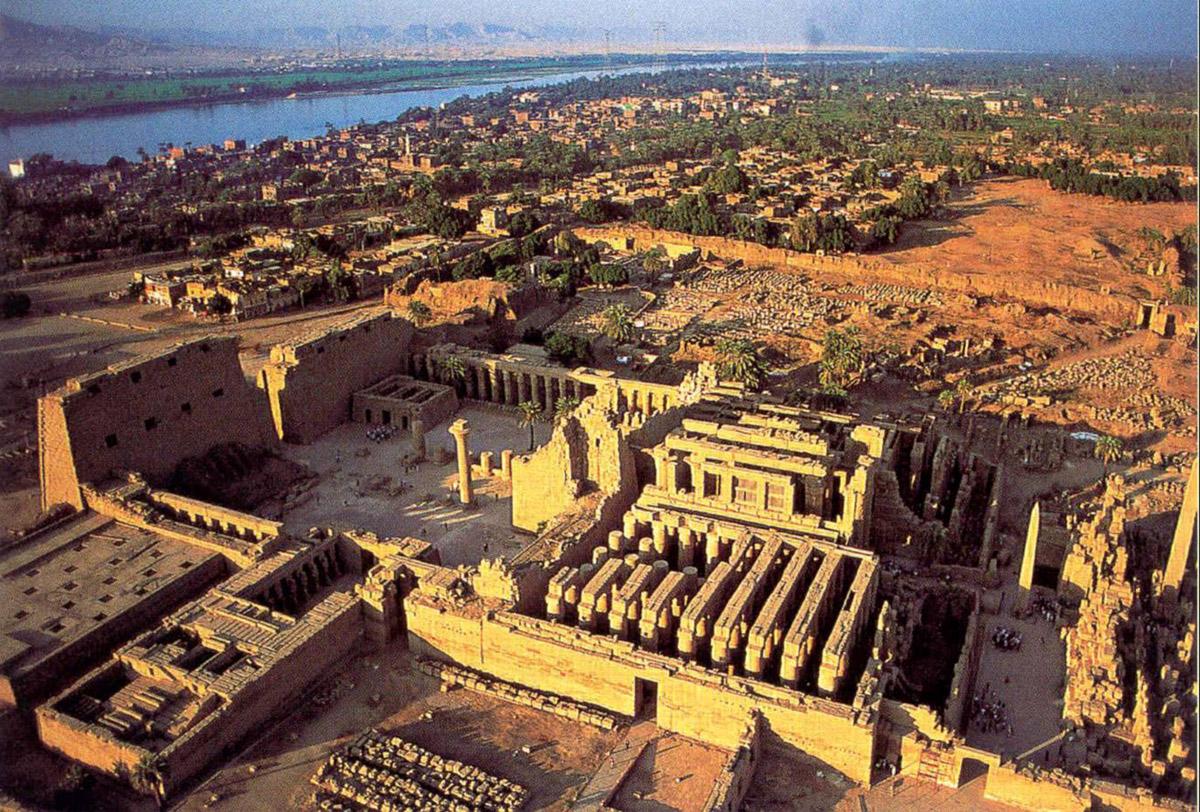
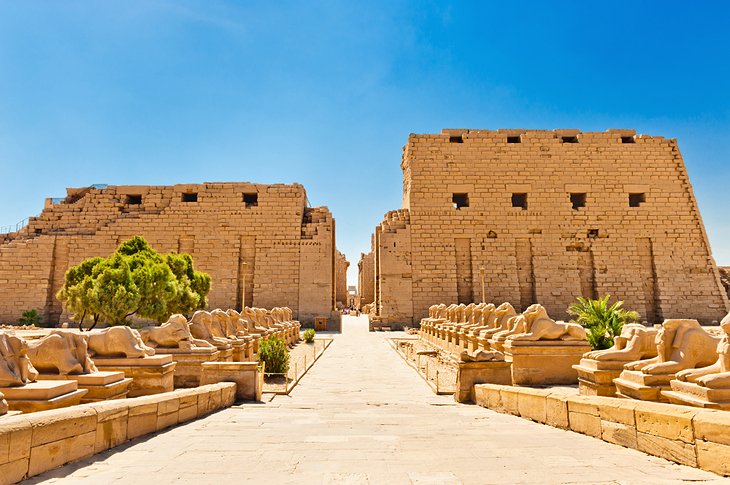
The Karnak Temple Complex stands as the most massive religious structure ever built, a sprawling stone forest that served as the primary place of worship for the god Amun-Ra for over 1,500 years. Spanning more than 200 acres, this architectural marvel was not the work of a single ruler but a continuous project contributed to by generations of Pharaohs, from the Middle Kingdom to the Ptolemaic period. The crown jewel of the complex is the Great Hypostyle Hall, an awe-inspiring chamber containing 134 massive sandstone columns, the largest of which soar nearly 21 meters into the air. Walking through this hall, one is struck by the sheer scale of human ambition; the intricate hieroglyphics still visible on the stone surfaces narrate tales of divine offerings, military triumphs, and royal devotion. Beyond the columns lies the sacred lake, where priests once purified themselves, and the towering obelisks of Queen Hatshepsut and Thutmose I, which remain as testament to the engineering genius of the ancient world. For the modern visitor, Karnak is more than just a ruin; it is a profound journey into the spiritual psyche of ancient Egypt, a place where the sun’s rays filter through the stone canopy to illuminate a legacy of faith that has endured for millennia.
2. The Luxor Temple: A Cinematic Sanctuary of Royal Transformation
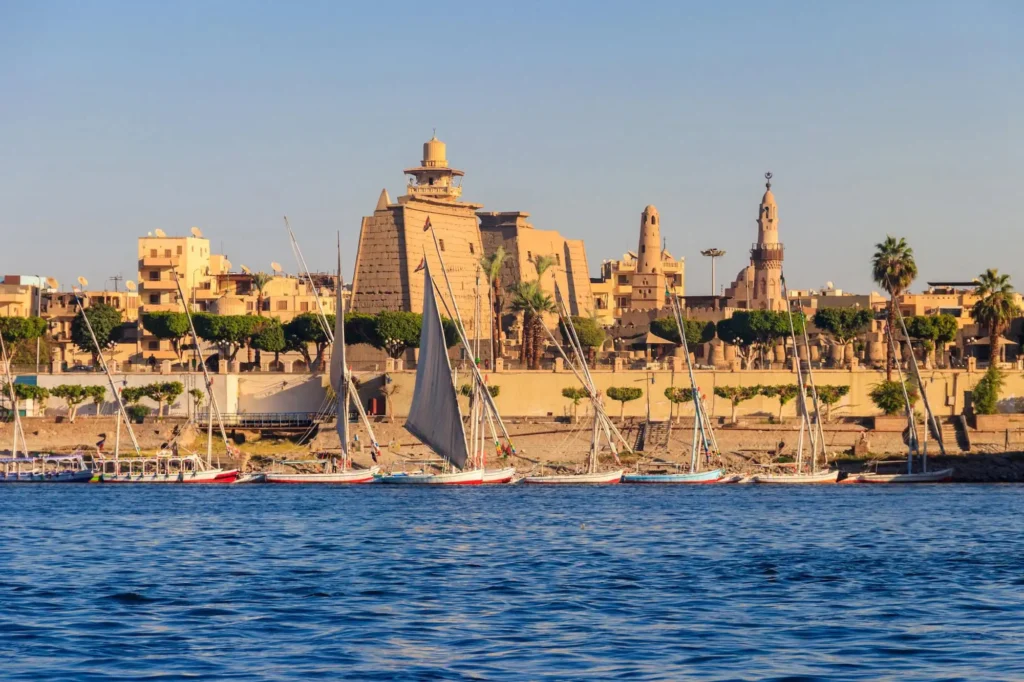
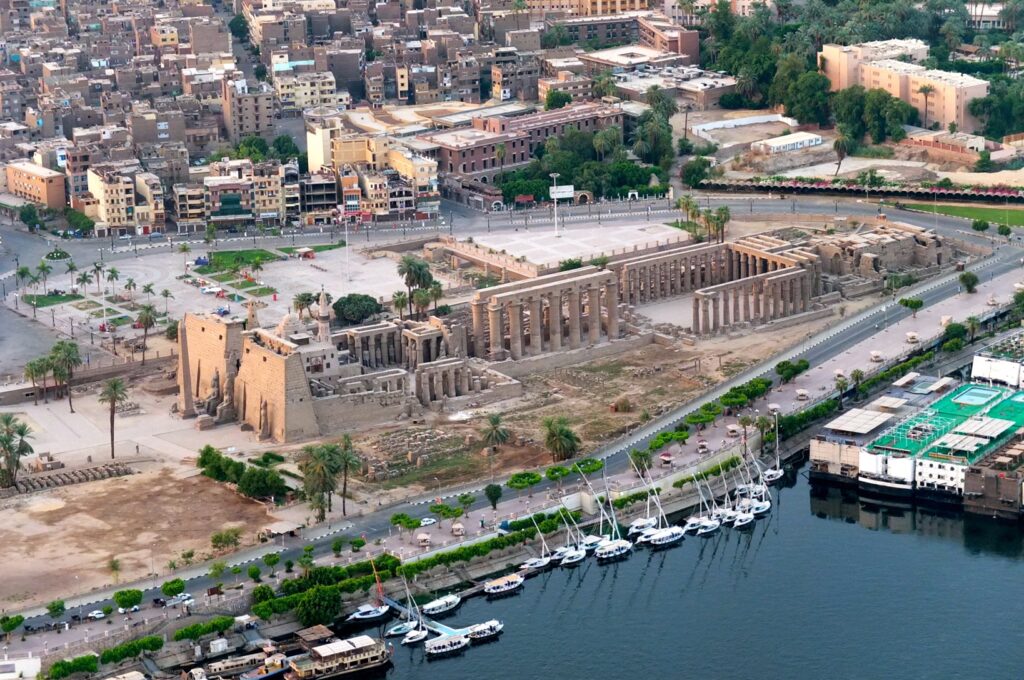
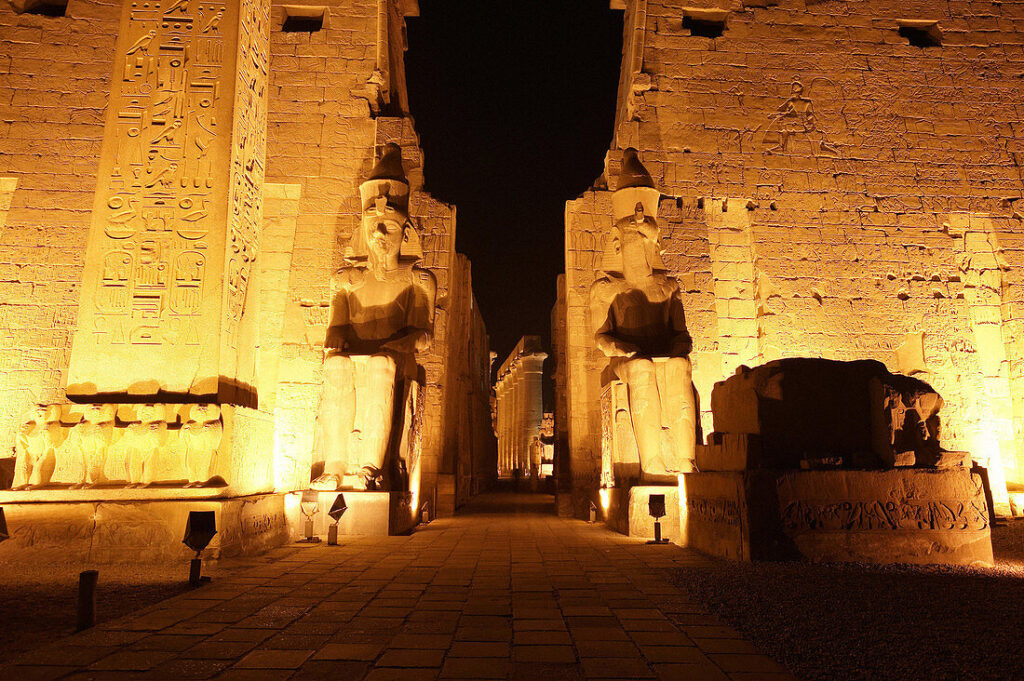
While Karnak represents the magnitude of the state religion, the Luxor Temple offers a more intimate and cinematic experience, situated gracefully in the heart of the modern city. Known to the ancients as “The Southern Sanctuary,” this temple was the primary setting for the annual Opet Festival, where the statues of the Theban Triad were paraded from Karnak to renew the divine kingship of the Pharaoh. The temple is unique for its architectural layers, showcasing the contributions of Amenhotep III and Ramesses II, and even featuring a shrine dedicated to Alexander the Great. As evening falls, the temple undergoes a breathtaking transformation; artfully placed lighting illuminates the colossal statues of Ramesses II and the elegant papyrus-bundle columns, creating a golden glow that reflects off the nearby Nile. A striking feature of Luxor Temple is its historical continuity; within its walls sits the Mosque of Abu Haggag, built atop the ancient structures, symbolizing thousands of years of uninterrupted worship. Exploring this site at twilight provides a surreal bridge between the ancient world and the living city, where the call to prayer echoes over the same stones where Pharaohs once walked, making it the most romantic and visually arresting monument on the East Bank.
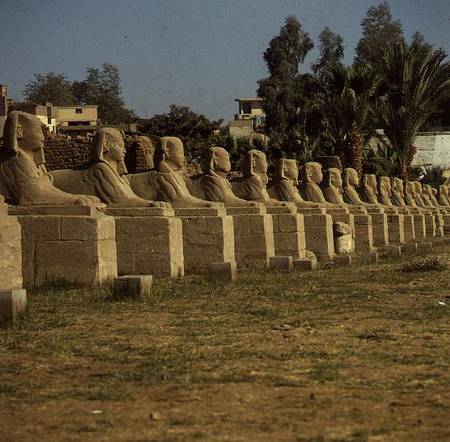
3. The Avenue of Sphinxes: The Mythical Processional Path Reborn
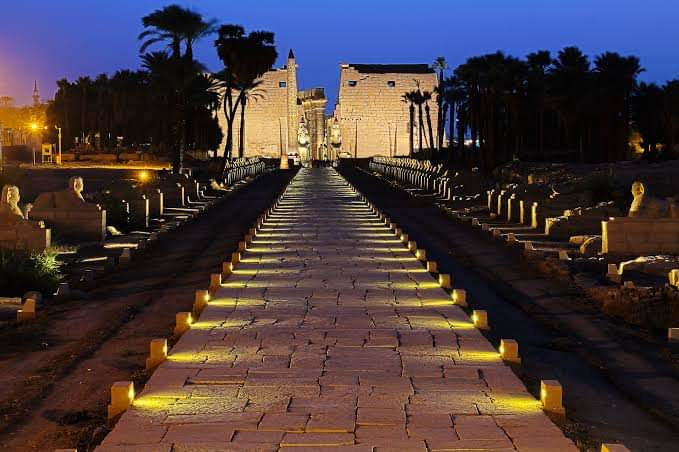
The Avenue of Sphinxes, or “The Path of God,” is a grand three-kilometer processional road that has recently been restored to its former glory, once again linking the Karnak and Luxor temples. Lined with over 1,000 human-headed and ram-headed sphinxes, this majestic stone thoroughfare was the stage for the most important religious processions in ancient Thebes. For centuries, much of this path lay buried beneath the sands and modern housing of Luxor, but today it stands as a triumphant example of archaeological restoration, allowing travelers to walk the same ceremonial route as the ancient priests and royalty. Walking along this avenue provides a unique perspective on the urban planning of ancient Egypt, revealing how the two great temples were integrated into a single, cohesive spiritual landscape. The sheer length of the path allows for a reflective stroll, where the transition from the massive gates of Karnak to the elegant pylons of Luxor Temple feels like a slow-motion journey through time. Especially at night, when the entire avenue is subtly lit, the experience of walking between the silent, stone guardians is hauntingly beautiful, offering a tangible connection to the pageantry and splendor that defined the golden age of the New Kingdom.