
1. The East Bank: Temples of Light and Grandeur
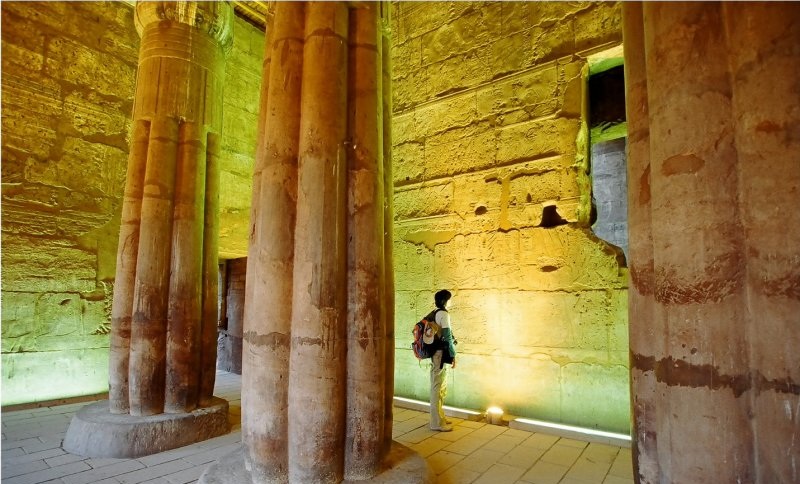
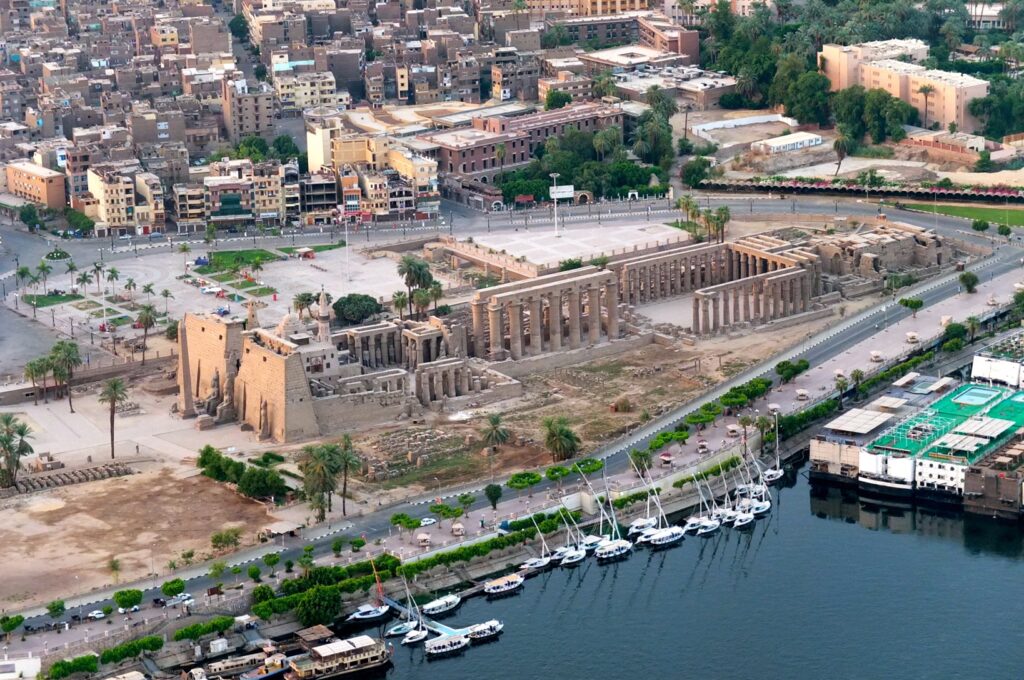
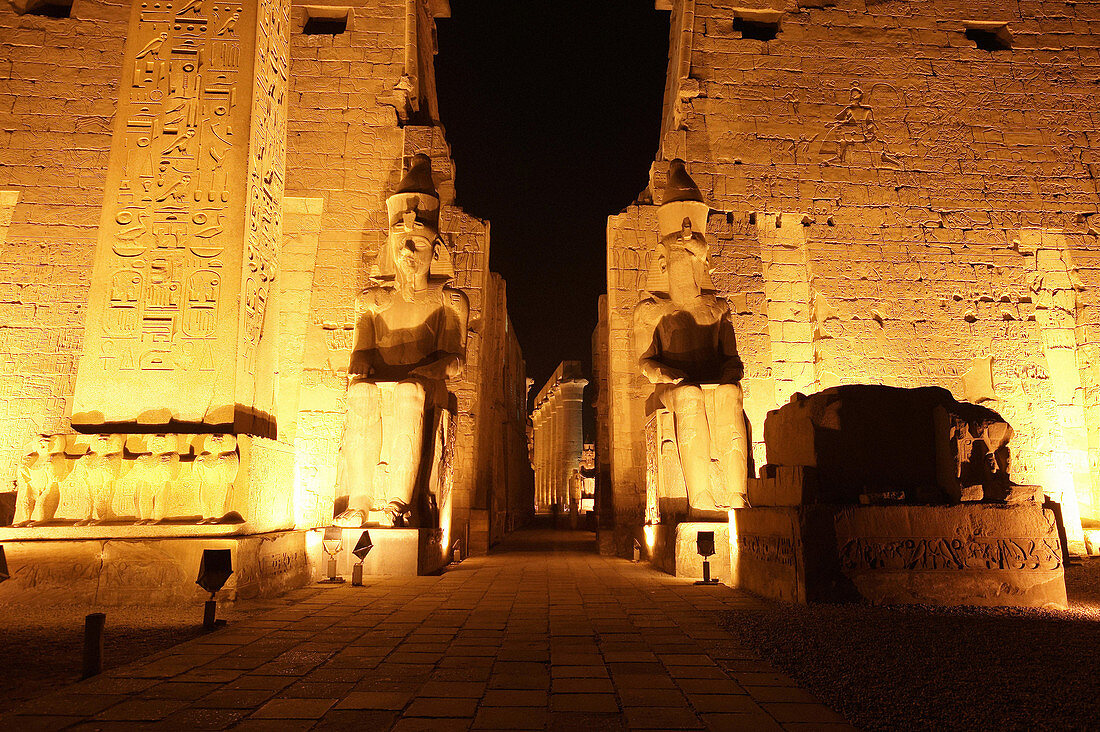
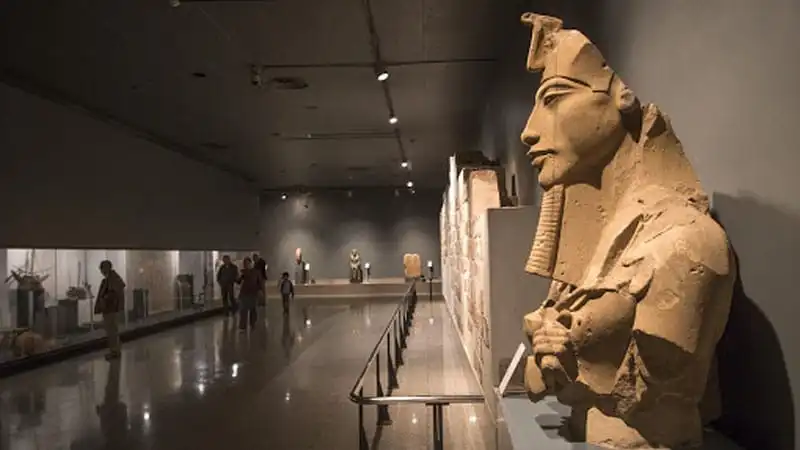
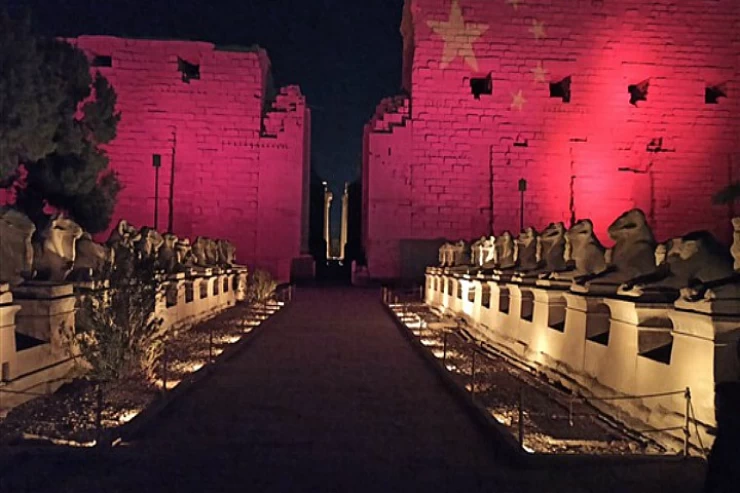
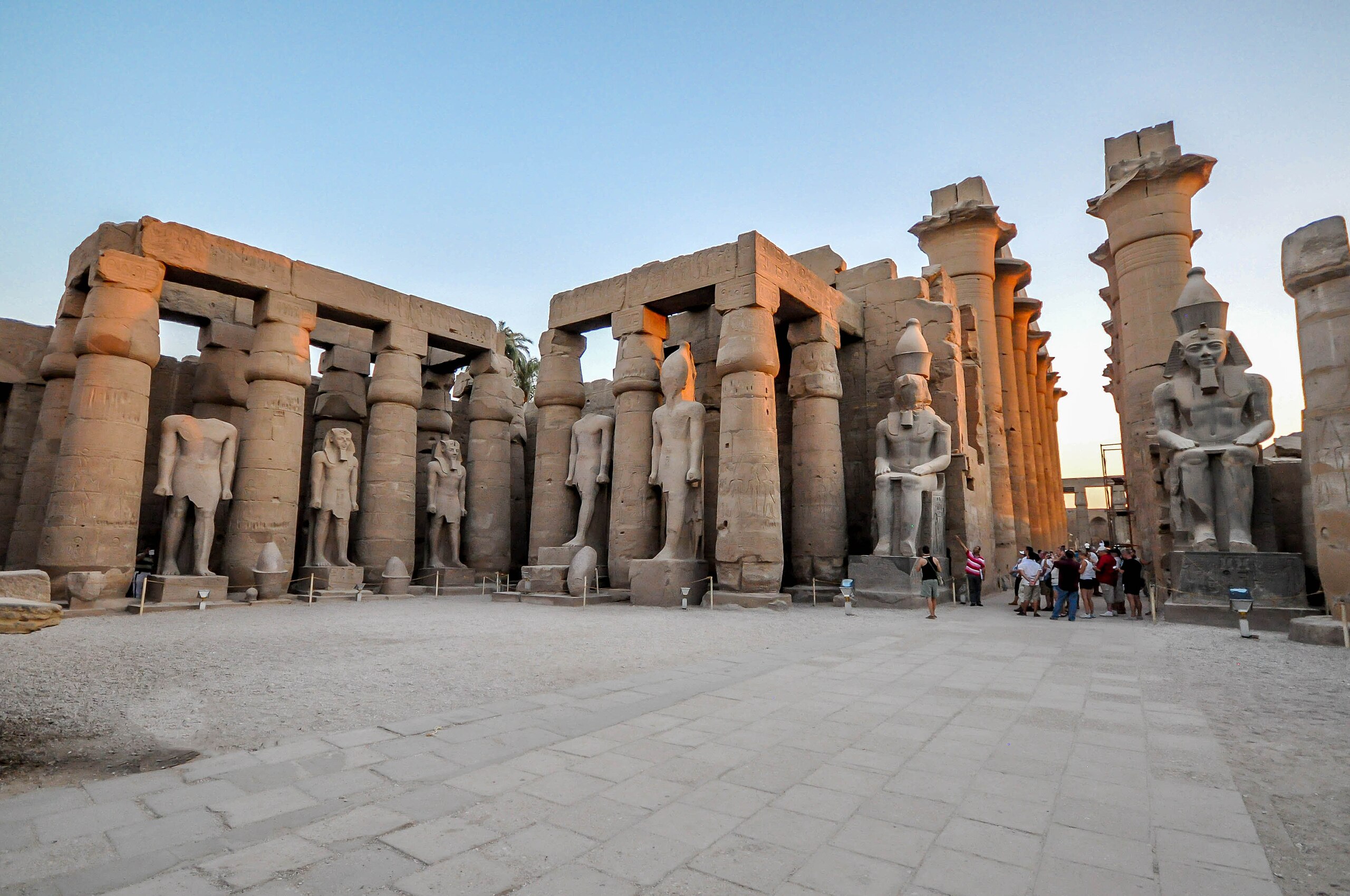
The East Bank of Luxor is defined by its grand temple complexes, which were once the center of religious and political life in ancient Thebes. The Karnak Temple Complex is arguably the most impressive site in the country; its massive Hypostyle Hall, with its towering columns, leaves visitors breathless at the sheer scale of the construction. This is a must-visit destination for those interested in historical tourism in Egypt. Just a short distance away, the Luxor Temple stands as a beautiful testament to the city’s continuity, where you can see layers of history ranging from pharaonic shrines to Roman frescoes and even a medieval mosque built into the ruins. Visiting these temples at sunset, when the stones begin to glow in the golden light, is one of the most magical experiences in all of Egypt. Unlike the silent tombs of the West Bank, the East Bank temples were places of celebration and religious fervor, and exploring them provides a deep, intellectual connection to the spiritual world of the pharaohs, making them an indispensable part of your Egyptian adventure.
2. The West Bank: Unlocking the Secrets of the Valley of the Kings
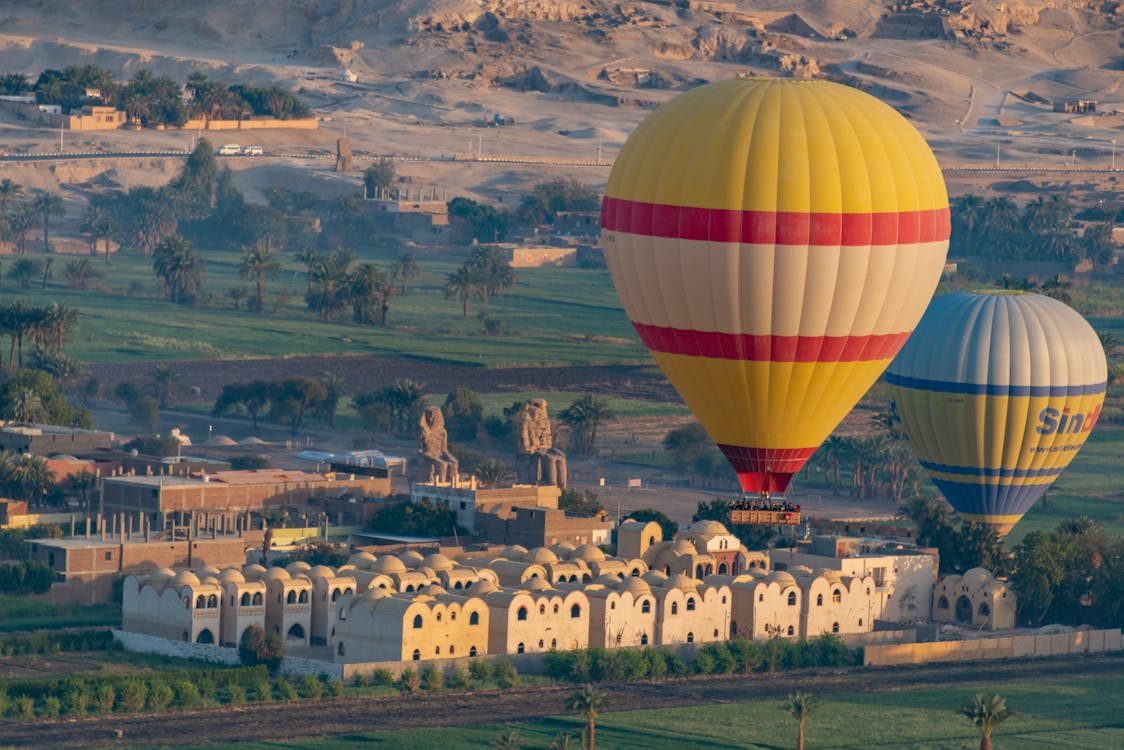
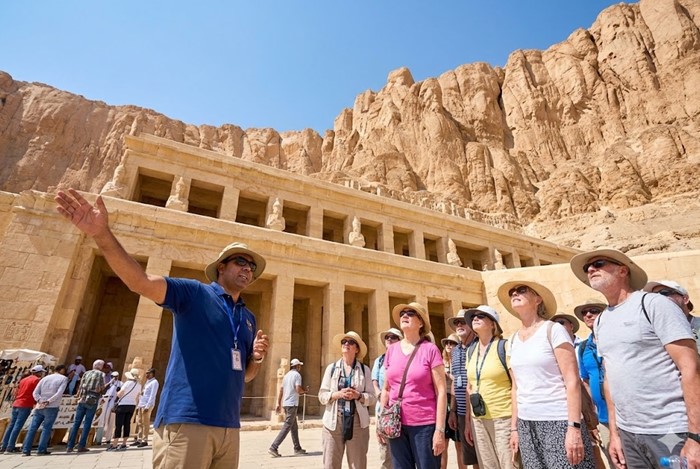
Crossing the Nile to the West Bank feels like stepping into a different realm—the realm of the afterlife. This area is home to the Valley of the Kings, the final resting place of legendary pharaohs like Tutankhamun and Ramses the Great. The intricate, colorful wall paintings inside these tombs have remained remarkably preserved for thousands of years, offering a direct, intimate look at the ancient Egyptian beliefs regarding death and the journey to eternity. For travelers on an archaeological tour in Egypt, the West Bank is the ultimate highlight. Beyond the royal tombs, the area features the stunning Mortuary Temple of Hatshepsut, a architectural marvel carved directly into a limestone cliff, and the towering Colossi of Memnon, which have stood watch over the landscape for millennia. Exploring this side of Luxor requires time and appreciation for the subtle beauty of the desert; it is a place of profound silence and wonder where every tomb tells a story of royalty, divinity, and the eternal quest for immortality, making it the highlight of any trip to Luxor.
3. The Nile and the Modern Pulse of Luxor
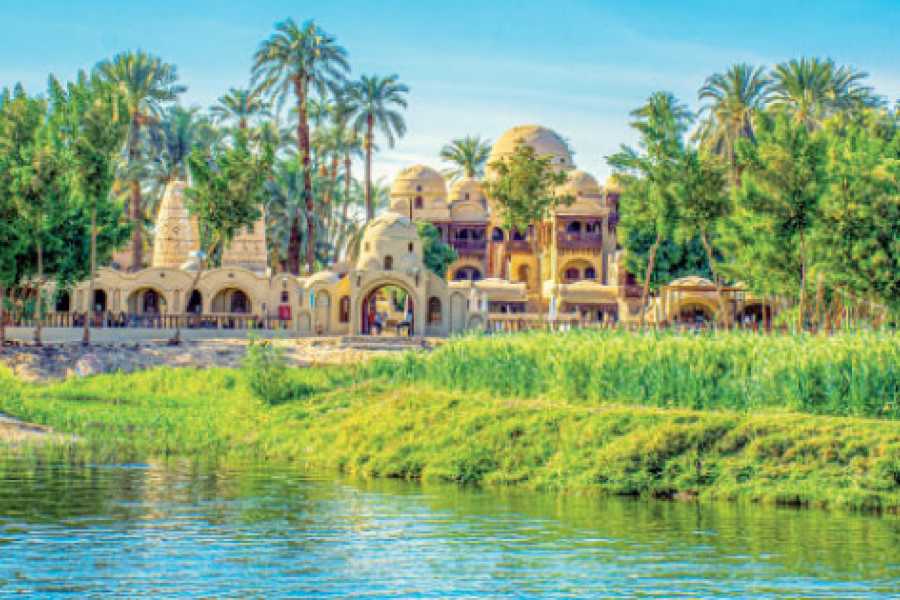
While Luxor is famous for its ancient monuments, the river that flows through it remains its vibrant heart. A Nile River cruise departing from Luxor is the most iconic way to experience the region, allowing travelers to enjoy the lush, green contrast between the riverbanks and the arid desert beyond. The city itself has evolved into a modern urban center that perfectly balances its ancient heritage with contemporary hospitality. Visitors can explore the lively local souks to find traditional crafts, enjoy authentic Egyptian cuisine at riverside restaurants, or take a peaceful hot air balloon ride at sunrise to witness the sprawling landscape of temples and dunes from above—an activity that has become a defining symbol of luxury travel in Egypt. Luxor’s atmosphere is a unique mix of the ancient and the current, where the call to prayer blends with the hum of modern life, and where the hospitality of the local people ensures that your journey is as comfortable as it is enlightening. It is a city that captures the imagination, offering a perfect blend of sightseeing, relaxation, and cultural immersion .