
1. The Architectural Grandeur of a Long-Lived Pharaoh
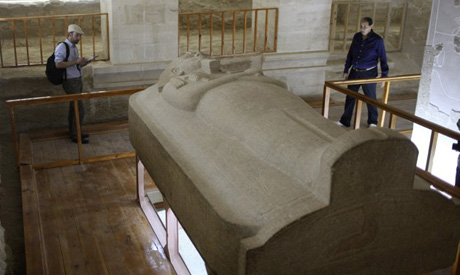
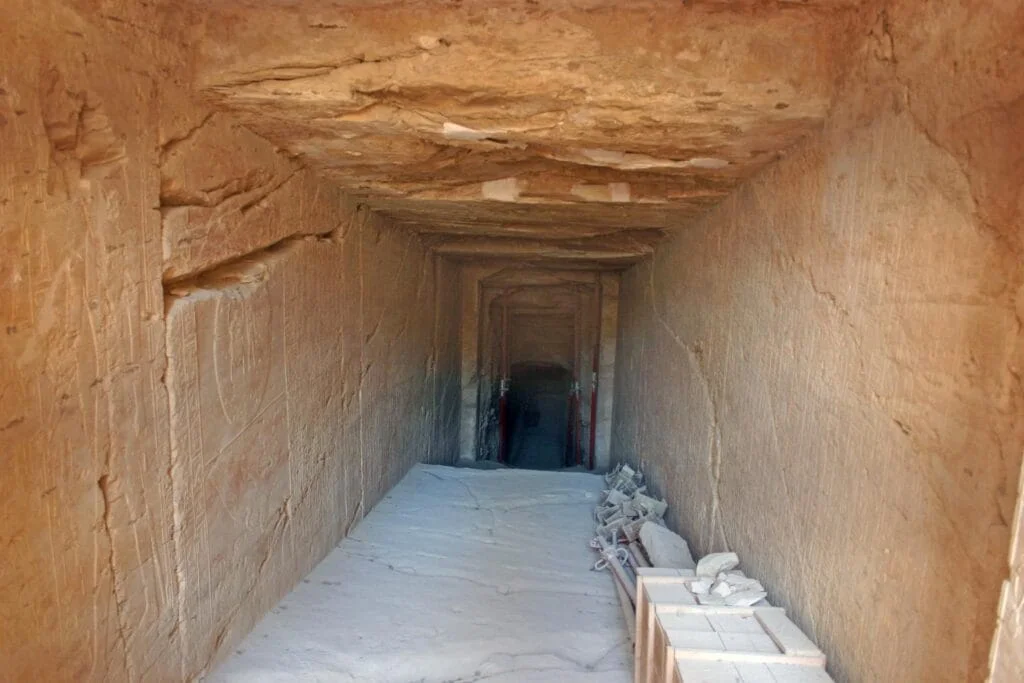
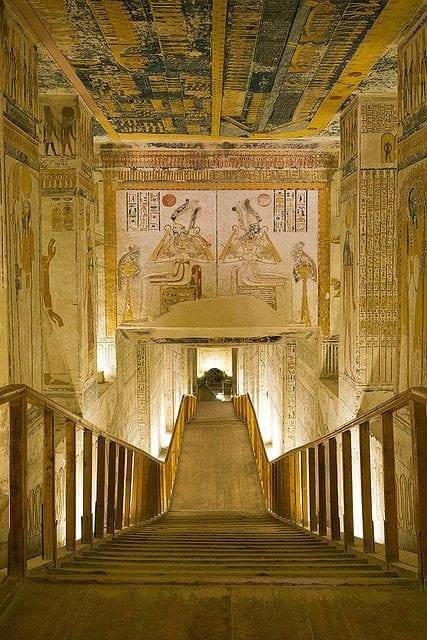
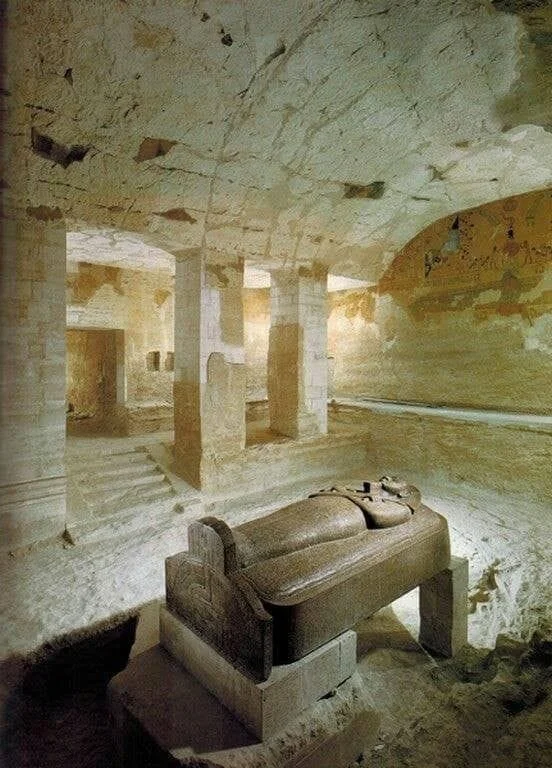
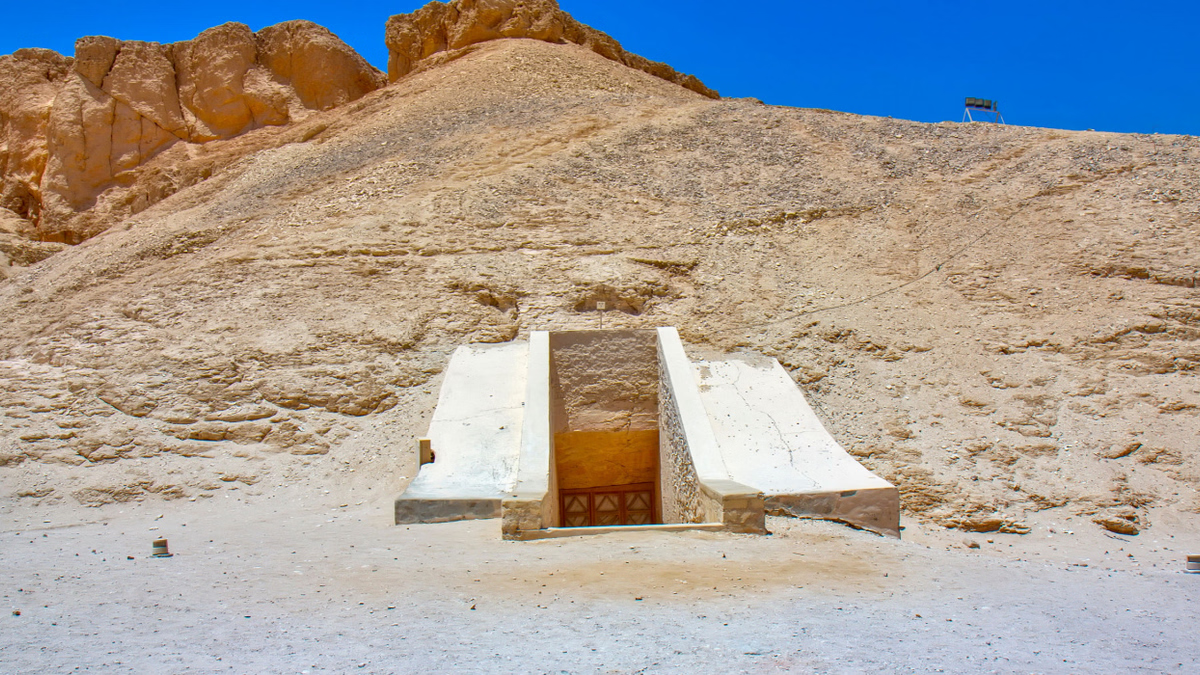
The architectural blueprint of KV7 is a physical manifestation of the immense power and longevity of Ramesses II’s reign. Unlike the straight-axis tombs of his later successors, this tomb features a complex “Bent Axis” design, which was characteristic of the earlier 19th Dynasty. As you descend, the tomb undergoes a dramatic 90-degree turn, creating a sense of labyrinthine mystery. It is one of the most extensive excavations in the Valley of the Kings, consisting of multiple descending corridors, a pillared hall, and a massive burial chamber surrounded by smaller side rooms. This scale was necessary to accommodate the vast quantities of funerary equipment and offerings required for a king who ruled for nearly seven decades. For the modern visitor, the sheer volume of the rock-cut space is overwhelming; it reflects a period when Egypt was at its economic and military peak. The precision with which the royal architects carved these deep chambers into the limestone—despite the complexity of the “bent” design—showcases a masterclass in ancient engineering. Even in its partially damaged state, the architectural skeleton of KV7 provides a profound look at the structural transition from the 18th to the 19th Dynasty, serving as a permanent stone record of the most ambitious builder in human history.
2. The Battle Against Nature: The Impact of Flash Floods
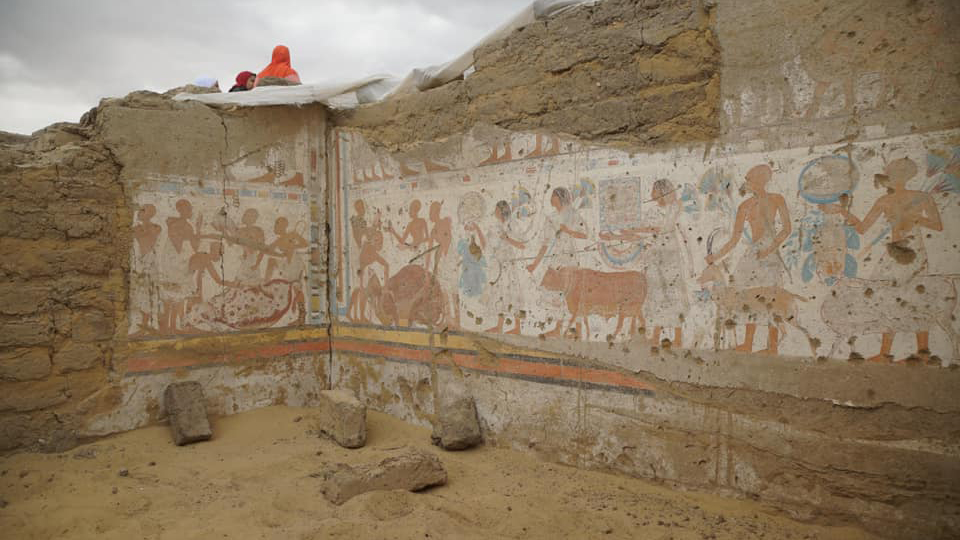
Perhaps no other royal tomb in Egypt has endured a more dramatic struggle against the forces of nature than KV7. Because of its location in the lower part of the main wadi, the tomb has been the victim of at least ten catastrophic flash floods over the millennia. These floods carried tons of debris, silt, and rocks deep into the burial chambers, acting like a giant hydraulic press that exerted immense pressure on the decorated walls. Over centuries, the humidity and the weight of the wet silt caused much of the vibrant plaster and painted reliefs to expand and crumble. This environmental tragedy is why KV7 does not share the same immediate visual “pop” as the tombs of his successors. However, for the serious traveler and the history student, this damage tells its own fascinating story. It highlights the vulnerability of human monuments to the climate and the immense effort required to protect Egypt’s heritage. In a strange irony, the very silt that damaged the paintings also helped preserve some of the lower levels from tomb robbers by completely sealing the chambers. Today, the tomb serves as a vital laboratory for geologists and conservators, where they study the effects of water on ancient limestone and develop new ways to safeguard the valley for future generations.
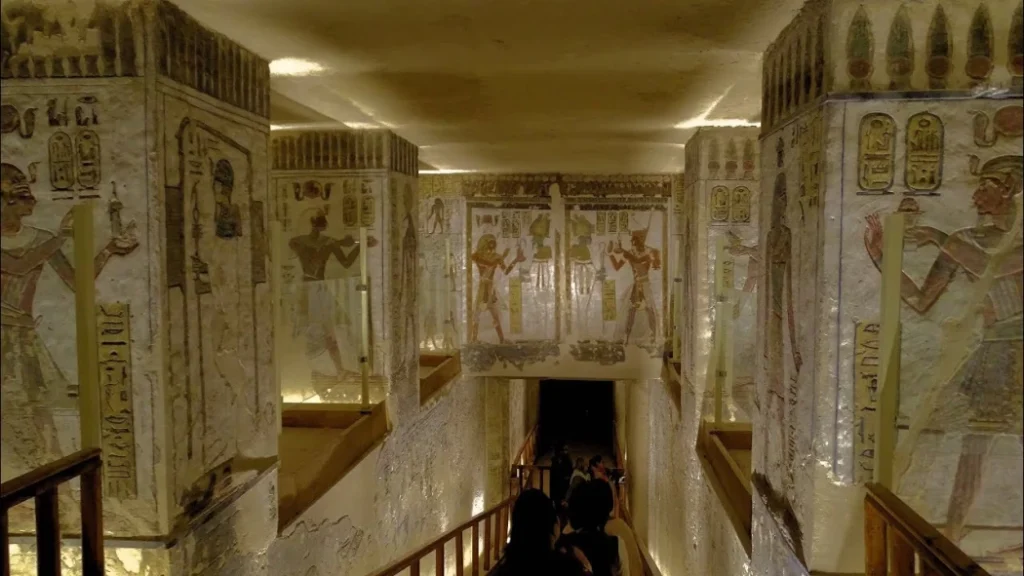
3. The Divine Decorative Program and Sacred Texts
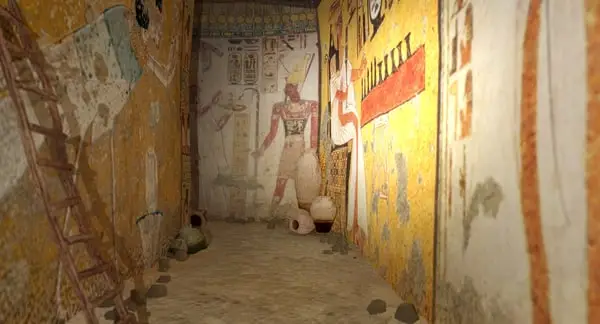
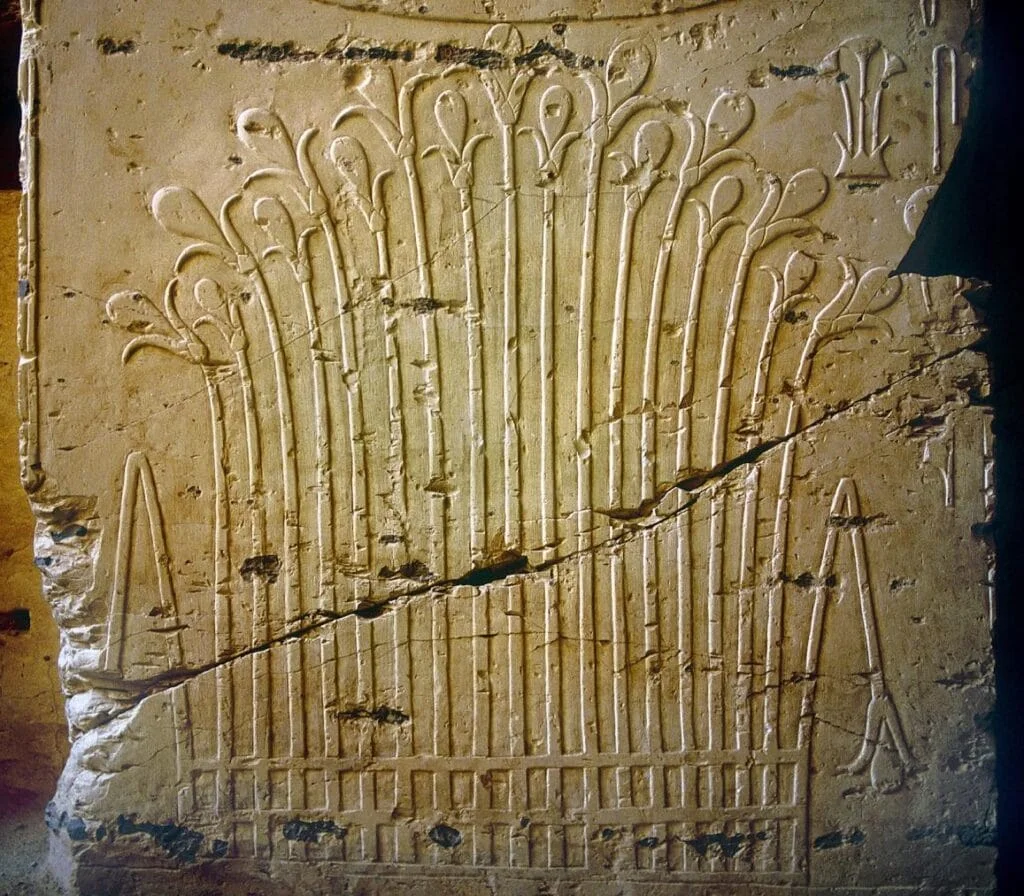
Despite the severe damage caused by floodwaters, the remaining fragments of decoration in KV7 reveal a complex and intellectually dense decorative program that was intended to guide the “Great Ancestor” through the afterlife. The walls were once entirely covered with the most prestigious funerary texts of the New Kingdom, including the Amduat, the Book of Gates, and the Litany of Ra. These inscriptions were carved in high-quality relief, and the fragments that remain show a level of artistic detail consistent with the temples at Abydos and Thebes. One of the most significant aspects of KV7’s decoration is the prominent role of the Sun God, Ra, emphasizing the Pharaoh’s identity as the “Son of the Sun.” For travel content creators, this tomb offers a unique narrative of “hidden beauty”—the thrill of spotting a perfectly preserved hieroglyph or a god’s face amidst the weathered stone. The decorative themes here are more than just art; they are a spiritual map designed to transform the deceased king into a divine being. As restoration teams continue to clean and stabilize the surfaces, we are beginning to see the true brilliance of the 19th Dynasty’s artistic style, characterized by bold lines and a sense of dynamic movement that reflected the energetic personality of Ramesses II himself.