
1. The Tomb of Tutankhamun: The Discovery That Shook the World
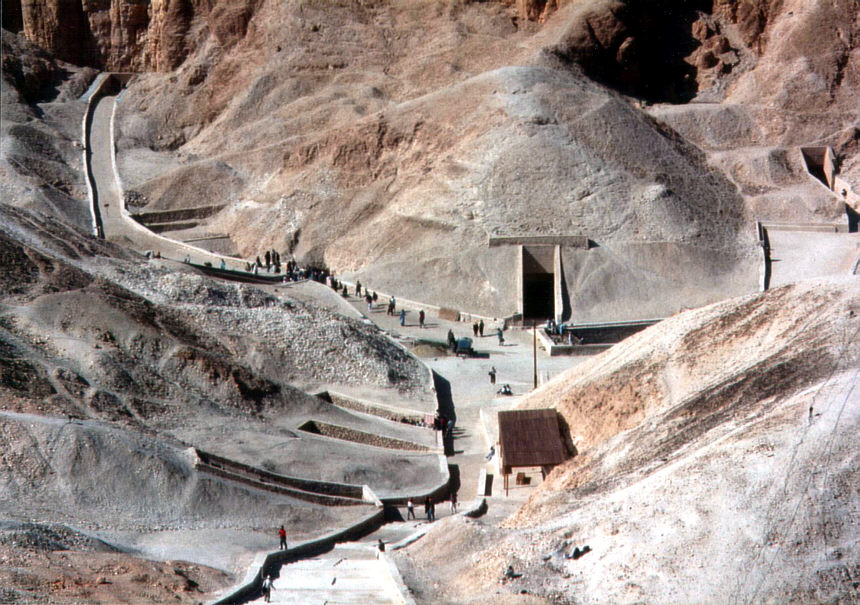
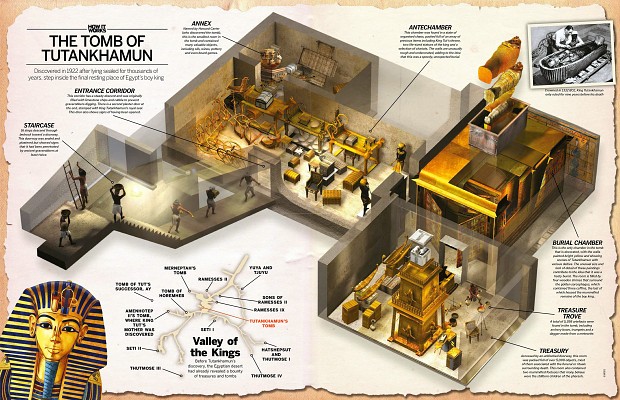
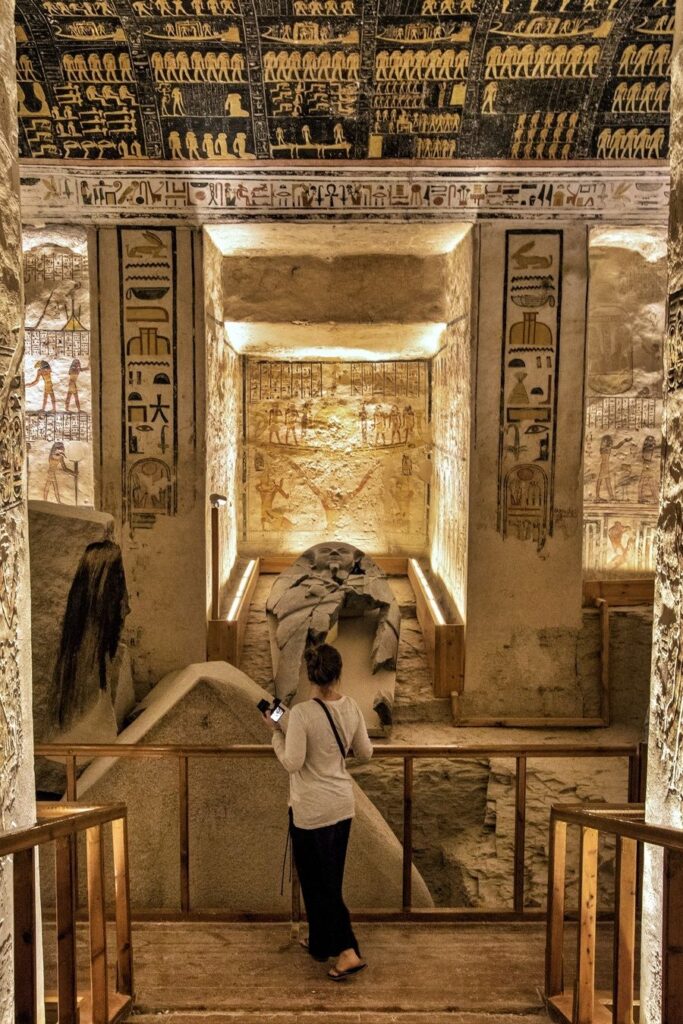
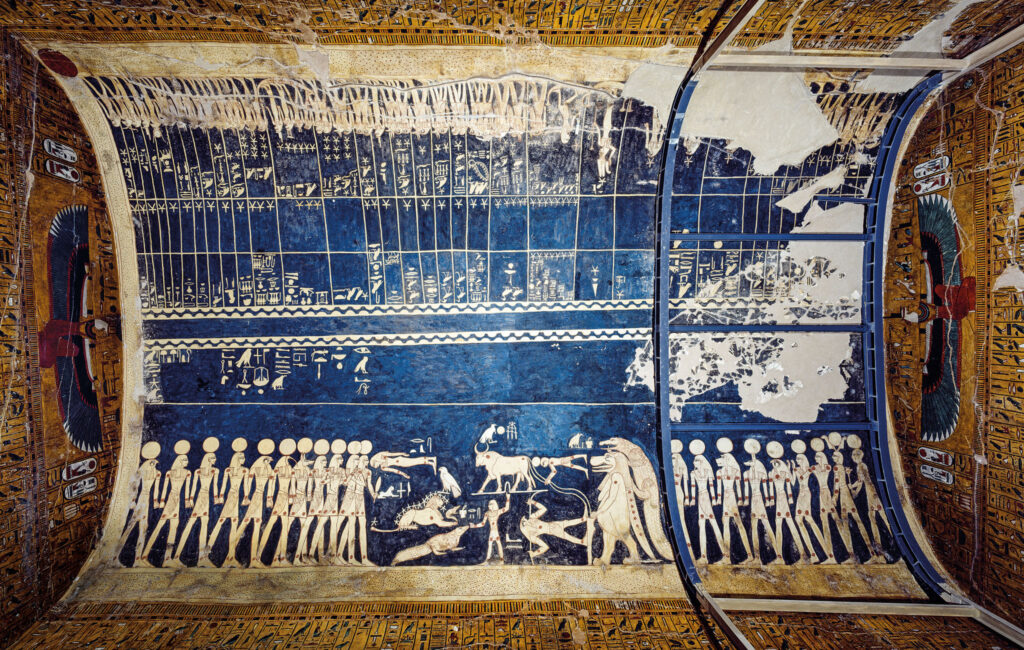
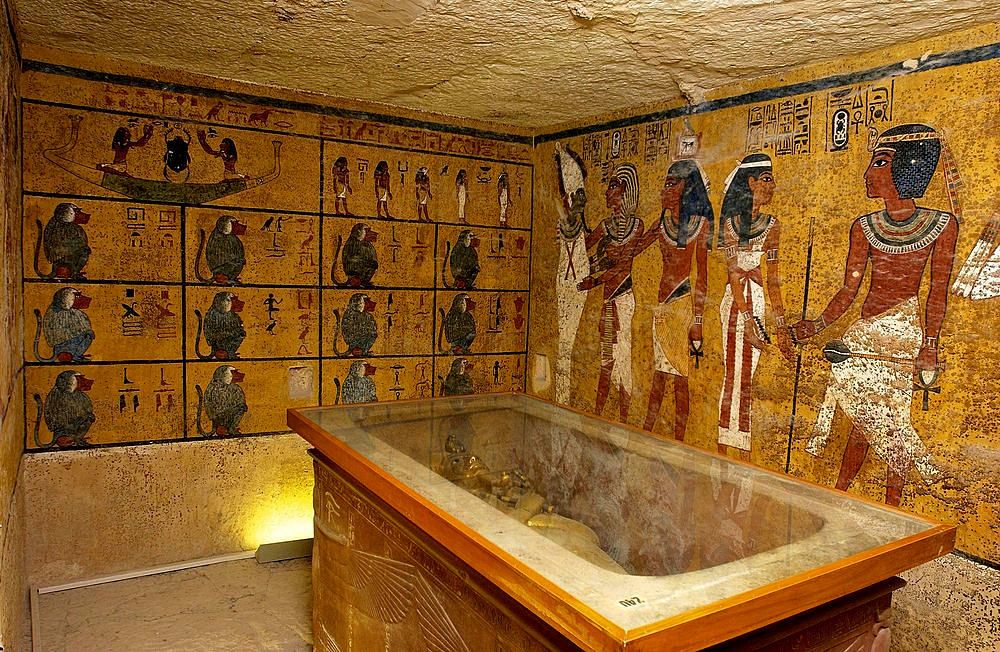
While relatively modest in size compared to the grand sepulchers of his predecessors, the tomb of Tutankhamun (KV62) remains the most famous archaeological discovery in history due to its near-intact state upon its opening in 1922. For travelers seeking a tangible connection to royal treasure, descending into this specific tomb offers a unique thrill; it is the only place in the valley where the king’s mummy still rests in its original burial chamber. The story of Howard Carter’s discovery—finding “wonderful things” after years of fruitlessly scouring the valley—has become a cornerstone of global archaeological lore. The tomb provides a fascinating glimpse into the hurried burial of a young king, featuring wall paintings that, while less expansive than others, are filled with symbolic power, depicting the transition of the boy-king into the hands of Osiris. The cramped quarters of the four small rooms once held thousands of priceless objects, from golden chariots to the iconic death mask, illustrating the sheer wealth that even a minor Pharaoh took into the afterlife. Visiting KV62 is a pilgrimage to the moment when the world rediscovered ancient Egypt, reminding us that even the most hidden secrets of the desert can eventually come to light, captivating the imagination of successive generations.
2. The Tomb of Seti I: The Zenith of Pharaonic Art and Architecture
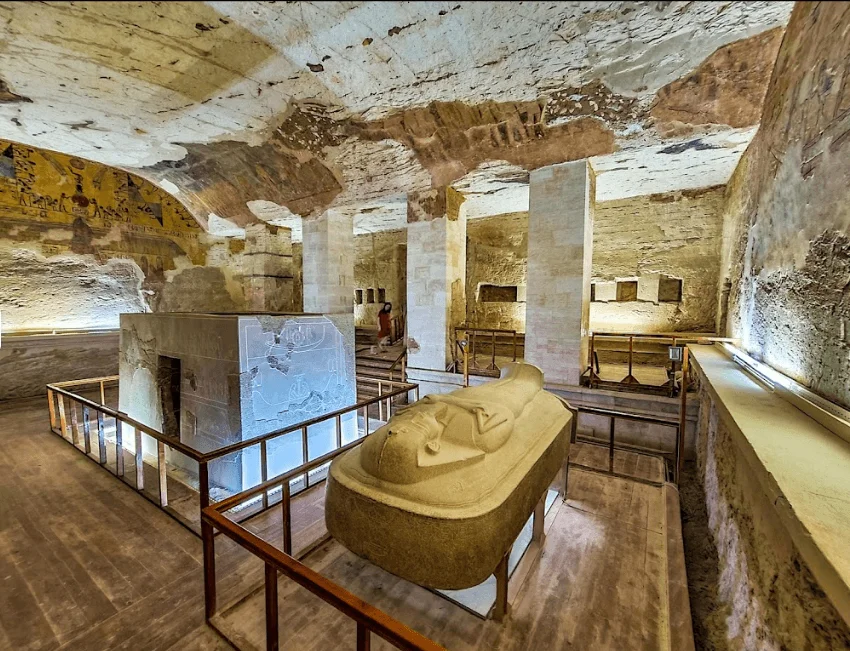
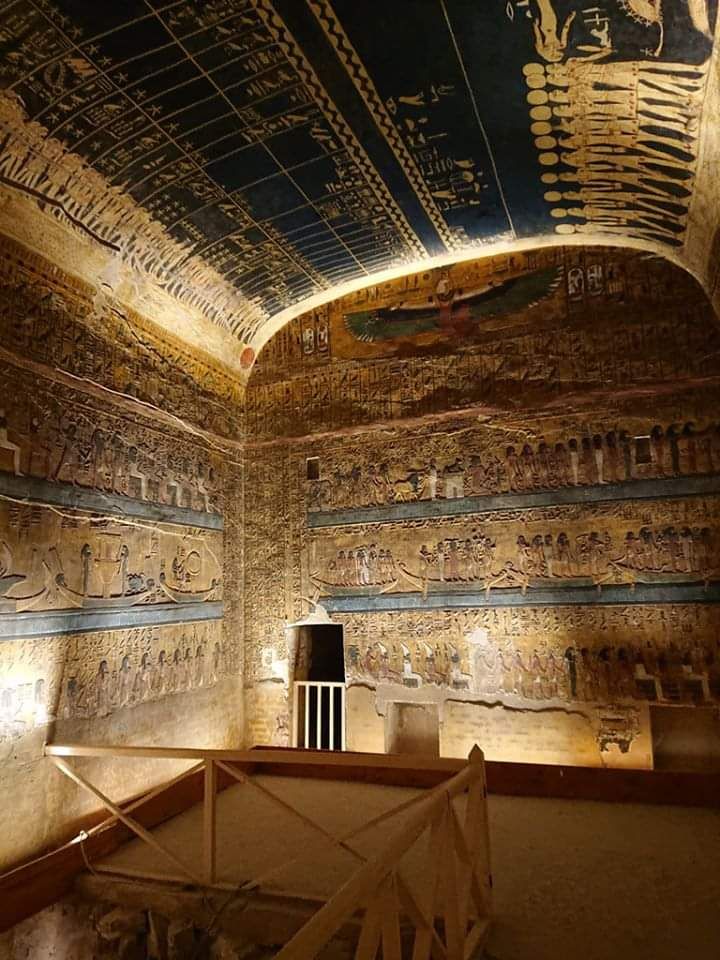
If Tutankhamun’s tomb is the most famous for its contents, the tomb of Seti I (KV17) is undoubtedly the most spectacular for its artistic and architectural scale. Stretching over 137 meters into the limestone rock, it is the longest, deepest, and most completely finished tomb in the entire valley. For those fascinated by master-level ancient craftsmanship, KV17 represents the pinnacle of the New Kingdom’s creative output. Every square inch of the walls and ceilings is covered in high-relief carvings and vibrant pigments that narrate the most complex funerary texts, including the Book of the Heavenly Cow and the Litanies of Ra. The astronomical ceiling of the burial chamber, painted in a deep celestial blue and adorned with golden stars and constellations, is one of the most breathtaking sights in Egypt, designed to represent the king’s eternal union with the cosmos. The level of detail—from the delicate facial features of the deities to the intricate hieroglyphic scripts—reflects a period of unprecedented prosperity and artistic confidence. Walking through its corridors feels like traversing a spiritual map of the underworld, where the Pharaoh’s power is asserted through stone and color. It remains the gold standard of royal burials, a monumental sanctuary that continues to awe visitors with its sheer beauty and intellectual depth.
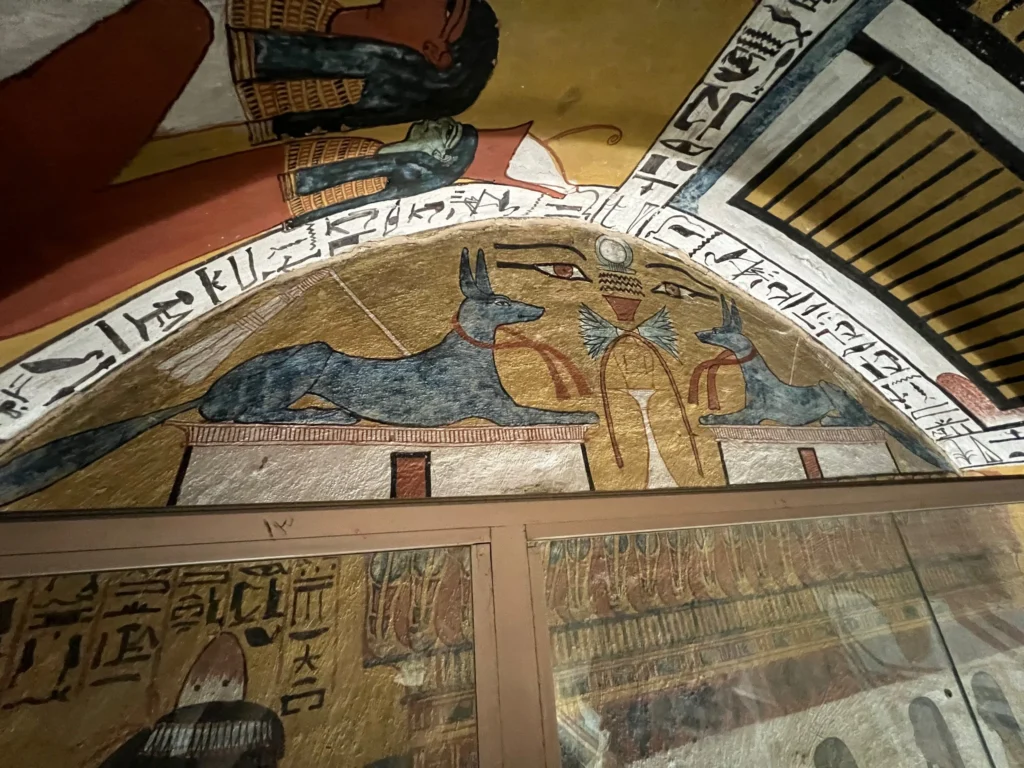
3. The Sacred Art of the Underworld: Symbolism and the Sun’s Journey
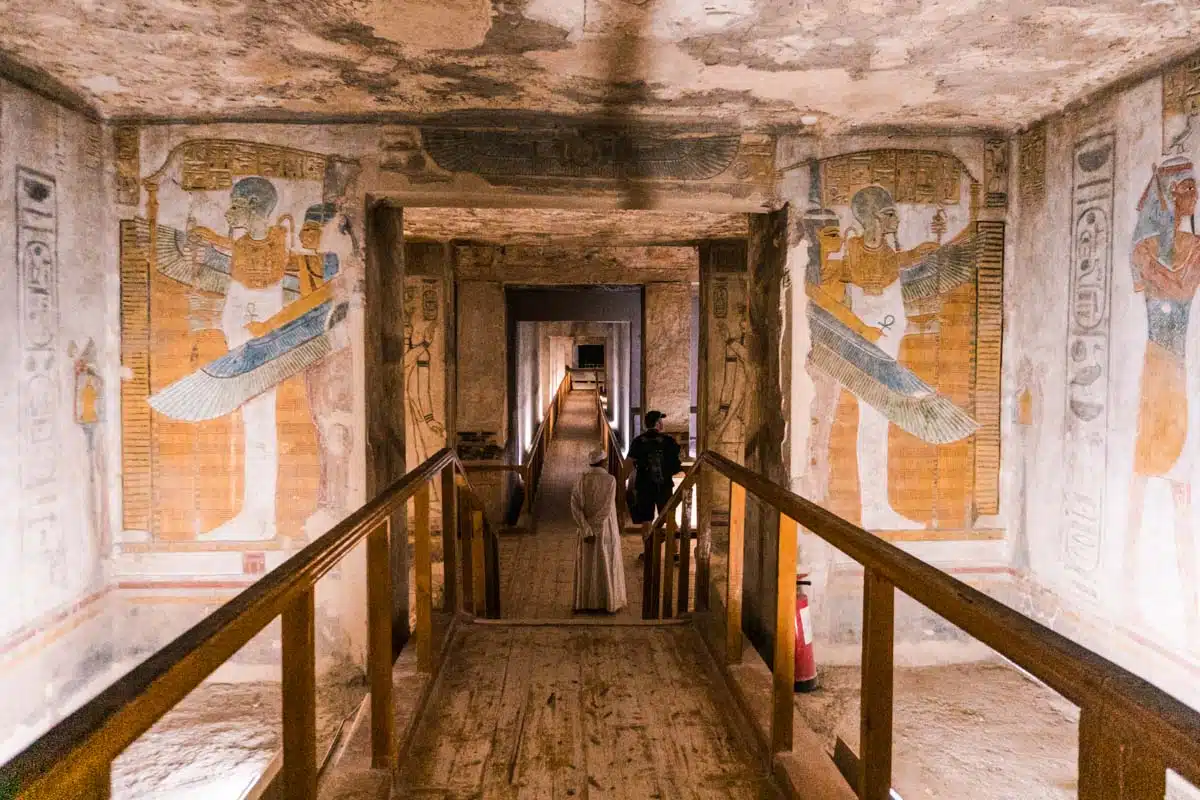
The artistic program within the tombs of the Valley of the Kings is not merely decorative; it is a functional, magical technology intended to ensure the Pharaoh’s safe passage through the twelve hours of the night. For the visitor interested in mythology and spiritual symbolism, the wall reliefs offer a dense narrative of the sun god Ra’s journey in his solar barque, battling the chaos serpent Apophis to be reborn at dawn. These scenes are often depicted through the Amduat (The Book of What is in the Underworld), which serves as a guide for the deceased king to navigate the perils of the afterlife. The use of color was highly symbolic: gold represented the flesh of the gods, blue symbolized the heavens and the Nile, and green represented the concept of rebirth and vegetation. By surrounding the king with these images and texts, the ancient Egyptians believed they were providing him with the spells and knowledge necessary to achieve “Maat” (universal balance) and join the eternal cycle of the stars. Understanding these motifs transforms a visit to the valley from a simple tour of ruins into a profound exploration of a civilization’s deepest hopes and fears regarding the mystery of death. It is a stone-carved philosophy of existence, proving that for the Pharaohs, the end of earthly life was merely the prologue to a much grander, celestial adventure.