
Welcome to

Philae Temple: The Sacred Jewel of the Nile

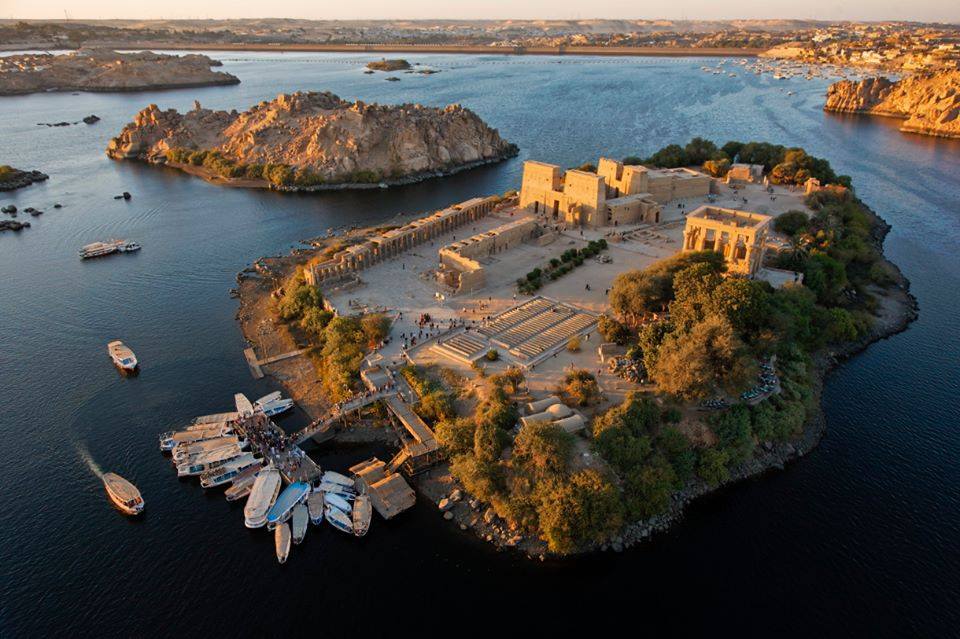
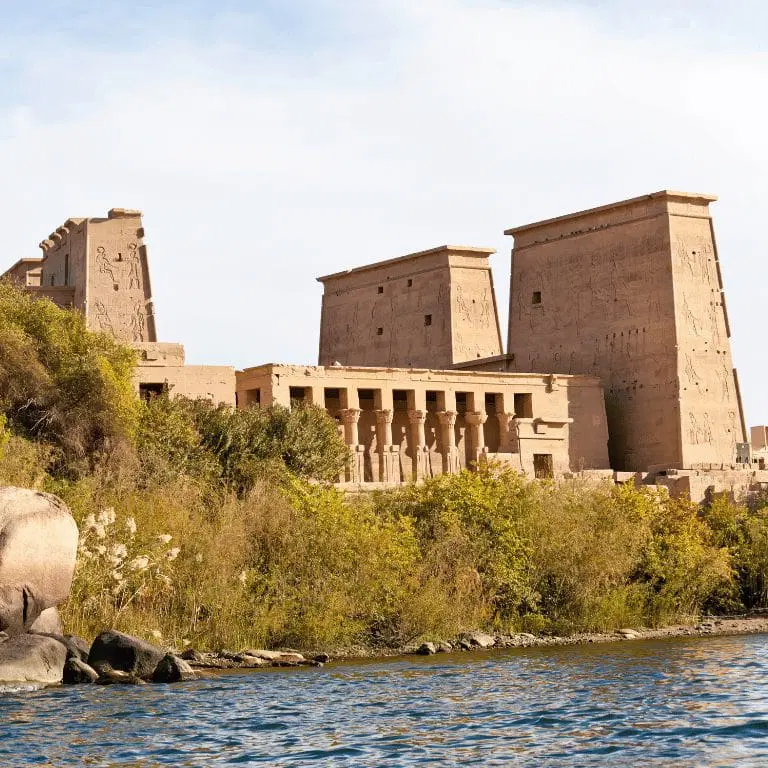
Philae Temple is one of Egypt’s most enchanting and spiritually significant archaeological treasures, a place where ancient history, divine symbolism, and natural beauty come together in a truly unforgettable setting. Located near Aswan, this remarkable temple complex was originally built on Philae Island and was dedicated primarily to the goddess Isis, one of the most important deities in ancient Egyptian religion. Revered as the goddess of motherhood, healing, and magic, Isis was deeply loved by the ancient Egyptians, and Philae became one of the final strongholds of her worship in the ancient world. What makes this temple especially captivating is not only its religious importance but also its extraordinary location. Surrounded by the calm waters of the Nile, the temple seems to rise from the river itself, creating a scene that feels timeless and almost otherworldly.

For travelers exploring Aswan and southern Egypt, Philae Temple offers far more than a historical stop; it offers an atmosphere. The journey to reach it by boat adds to the sense of anticipation, and the moment the temple comes into view, its elegant columns and sanctuaries appear like a vision from another age. The site is also famous for its incredible preservation story, as the entire temple complex was carefully relocated to Agilkia Island to save it from flooding caused by the construction of the Aswan High Dam. This dramatic rescue made Philae not only a symbol of ancient devotion, but also a modern triumph of cultural preservation. Visiting Philae Temple allows travelers to step into a world where myth, architecture, and the eternal rhythm of the Nile meet in perfect harmony, making it one of the most memorable highlights of any Egypt journey.

1. The Sacred Legacy of Isis: The Spiritual Heart of Philae Temple

Philae Temple was not merely a place of worship; it was one of the most sacred religious centers in the ancient Egyptian world and the spiritual home of the goddess Isis. For centuries, pilgrims traveled from distant lands to honor Isis, the goddess associated with motherhood, protection, healing, and resurrection. According to Egyptian mythology, Isis used her magical powers to revive her husband Osiris after his death, making her one of the most beloved and respected deities in ancient Egypt. The temple complex at Philae became the center of her cult, attracting priests, nobles, and ordinary worshippers who believed in her divine power and compassion. Walking through the temple today, visitors can still feel the mystical atmosphere that once surrounded these sacred halls. The walls are covered with beautifully preserved carvings and hieroglyphics that depict religious ceremonies, offerings to the gods, and scenes from the legendary story of Isis and Osiris. Every chamber inside the temple was carefully designed to honor the gods and reinforce the spiritual importance of the site.

What makes Philae Temple especially fascinating is that it remained active long after many other Egyptian temples had closed. Even during the Greek and Roman periods, rulers continued to expand and preserve the sanctuary because of its immense religious significance. This blending of Egyptian, Greek, and Roman influences created a unique architectural style that can still be admired today. Visitors can see elegant Roman columns standing beside traditional Egyptian pylons and sanctuaries, reflecting centuries of cultural continuity along the Nile. For travelers interested in ancient Egyptian religion and mythology, Philae offers one of the richest spiritual experiences in the country. It is not simply an archaeological monument; it is a place where stories of gods, magic, devotion, and eternal life continue to echo through the stone walls, allowing modern visitors to connect deeply with the sacred beliefs that shaped ancient Egyptian civilization for thousands of years.
2. The Great Rescue Mission: Saving Philae from the Rising Nile

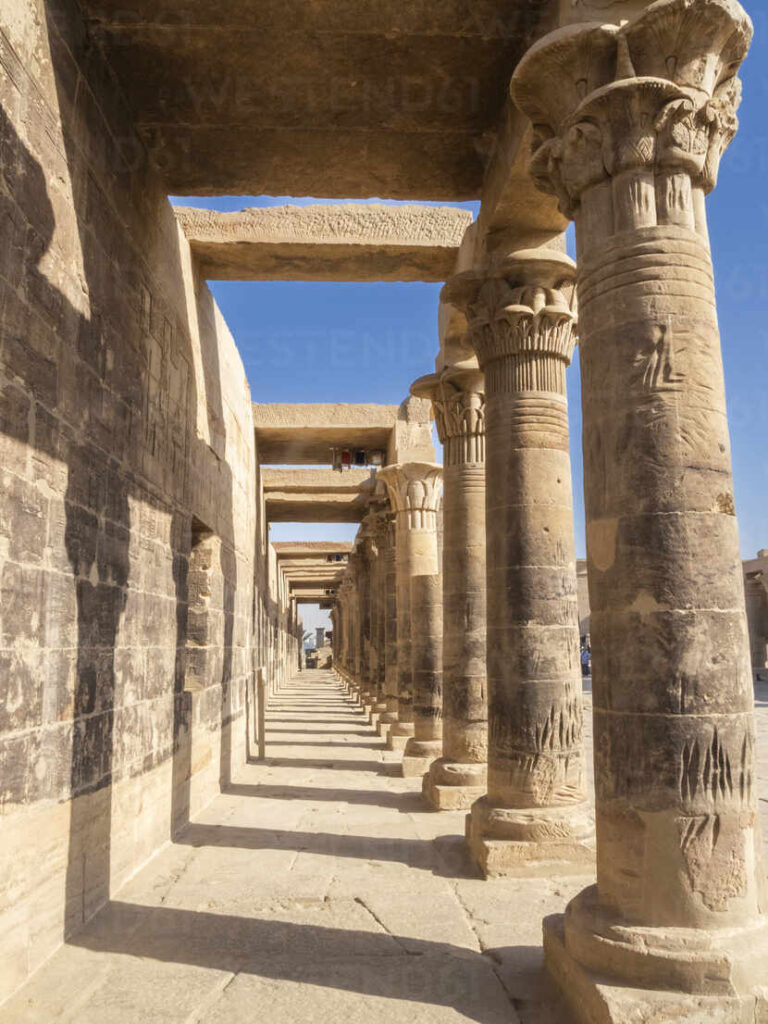
One of the most extraordinary chapters in the history of Philae Temple is the incredible international rescue mission that saved the monument from disappearing beneath the waters of the Nile. During the construction of the Aswan High Dam in the 1960s, rising water levels threatened many ancient Nubian and Egyptian monuments throughout southern Egypt. Philae Temple was among the most endangered sites because its original island location became heavily flooded for much of the year. Without urgent action, one of Egypt’s most treasured temples could have been permanently damaged or lost forever. In response, UNESCO launched a massive global preservation campaign to protect the region’s heritage, and Philae became one of its greatest success stories. Engineers, archaeologists, and historians from around the world collaborated in a remarkable effort to dismantle the temple stone by stone and reconstruct it on the nearby higher ground of Agilkia Island.

The relocation process was a masterpiece of engineering and cultural dedication. Each block of stone was carefully numbered, documented, and transported to ensure that the temple would be rebuilt exactly as it originally stood. The surrounding landscape of Agilkia Island was even redesigned to resemble the temple’s historic setting as closely as possible. Thanks to this monumental effort, visitors today can still experience the breathtaking beauty of Philae Temple almost exactly as ancient pilgrims once did. The rescue of Philae symbolizes humanity’s commitment to protecting world heritage and preserving the achievements of ancient civilizations for future generations. It also transformed the temple into more than just a historical site; it became an international symbol of cooperation, cultural respect, and preservation. For modern travelers, understanding the story behind this relocation adds emotional depth to the visit, because every column and every carved stone standing on Agilkia Island today represents a victory against time, nature, and destruction.
Temple of Philae - Try Egypt tours

3. The Journey Across the Nile: Arriving at Philae Temple

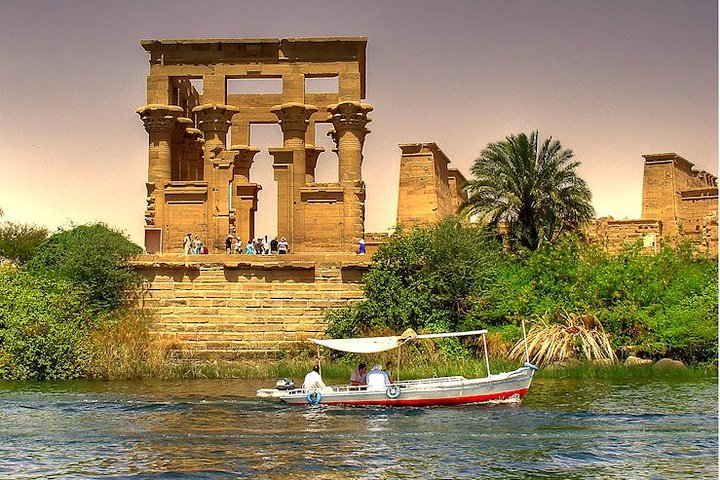
One of the most magical aspects of visiting Philae Temple is the unforgettable journey across the Nile that leads travelers to the island sanctuary. Unlike many historical monuments that are approached by road or through crowded city streets, Philae begins with a peaceful boat ride through calm waters surrounded by granite rocks, palm trees, and the golden landscapes of Aswan. This approach creates a sense of mystery and anticipation long before visitors step inside the temple itself. As the boat glides closer to Agilkia Island, the majestic pylons and towering columns of the temple slowly emerge against the bright Egyptian sky, creating one of the most iconic views in southern Egypt. Many travelers describe this arrival as deeply emotional because it feels as though the temple rises directly from the Nile, untouched by time and modern life.

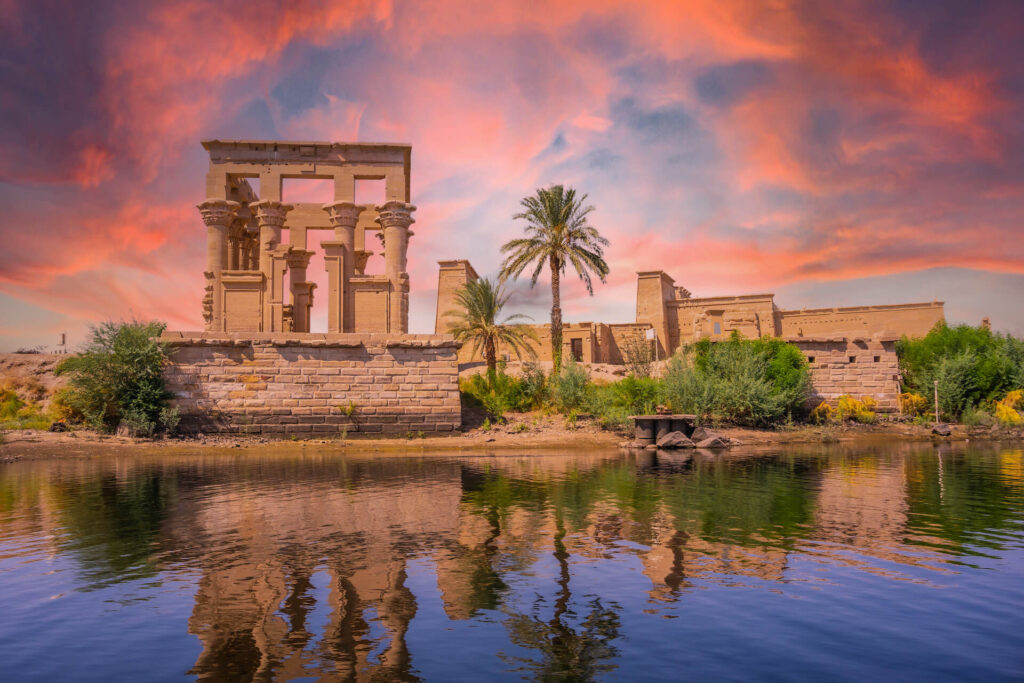
The atmosphere around Philae is especially captivating during sunrise and sunset when the changing light reflects beautifully on the water and illuminates the ancient sandstone walls with golden colors. The tranquility of the surrounding Nile gives the site a dreamlike quality that distinguishes it from many other archaeological locations in Egypt. Visitors often hear only the sound of birds, moving water, and the soft voices of local boatmen, making the experience peaceful and immersive. The boat journey itself reflects the ancient connection between Egyptian civilization and the Nile River, which served as the lifeline of the country for thousands of years. Ancient priests, merchants, and pilgrims would have arrived at Philae in much the same way centuries ago, creating a powerful connection between the past and present. For photographers, history lovers, and travelers seeking memorable experiences in Egypt, the arrival at Philae Temple is not simply transportation; it is an essential part of the adventure and one of the most beautiful introductions to ancient Egyptian history anywhere along the Nile.
4. Architectural Beauty and Symbolism: The Artistic Wonders of Philae Temple

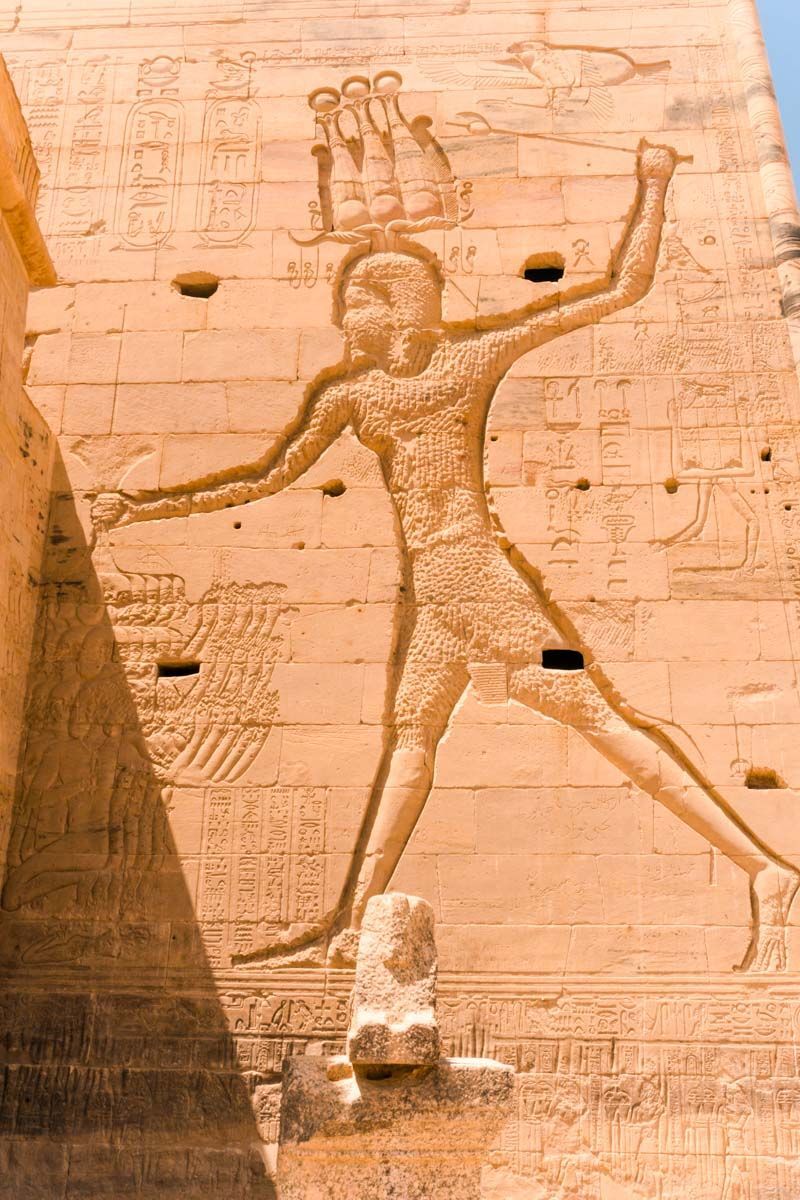
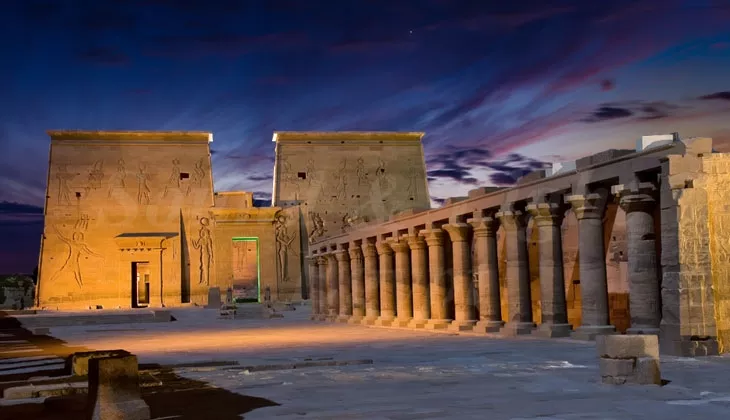
Philae Temple stands as one of the finest examples of ancient Egyptian architecture, combining elegance, symbolism, and remarkable artistic detail in every part of its design. From the moment visitors pass through the massive entrance pylons, they are surrounded by towering columns, sacred courtyards, hidden sanctuaries, and beautifully carved reliefs that tell stories of gods, kings, and religious rituals. Unlike some temples that feel overwhelming in scale, Philae possesses a graceful and balanced beauty that creates a more intimate and spiritual atmosphere. The temple was carefully designed to honor Isis and the divine mythology connected to her worship, and every architectural element carries symbolic meaning linked to rebirth, protection, and eternal life. The detailed carvings on the walls depict pharaohs presenting offerings to the gods, scenes of sacred ceremonies, and episodes from the famous myth of Isis and Osiris, allowing visitors to visually follow the spiritual beliefs of ancient Egypt as they move through the complex.

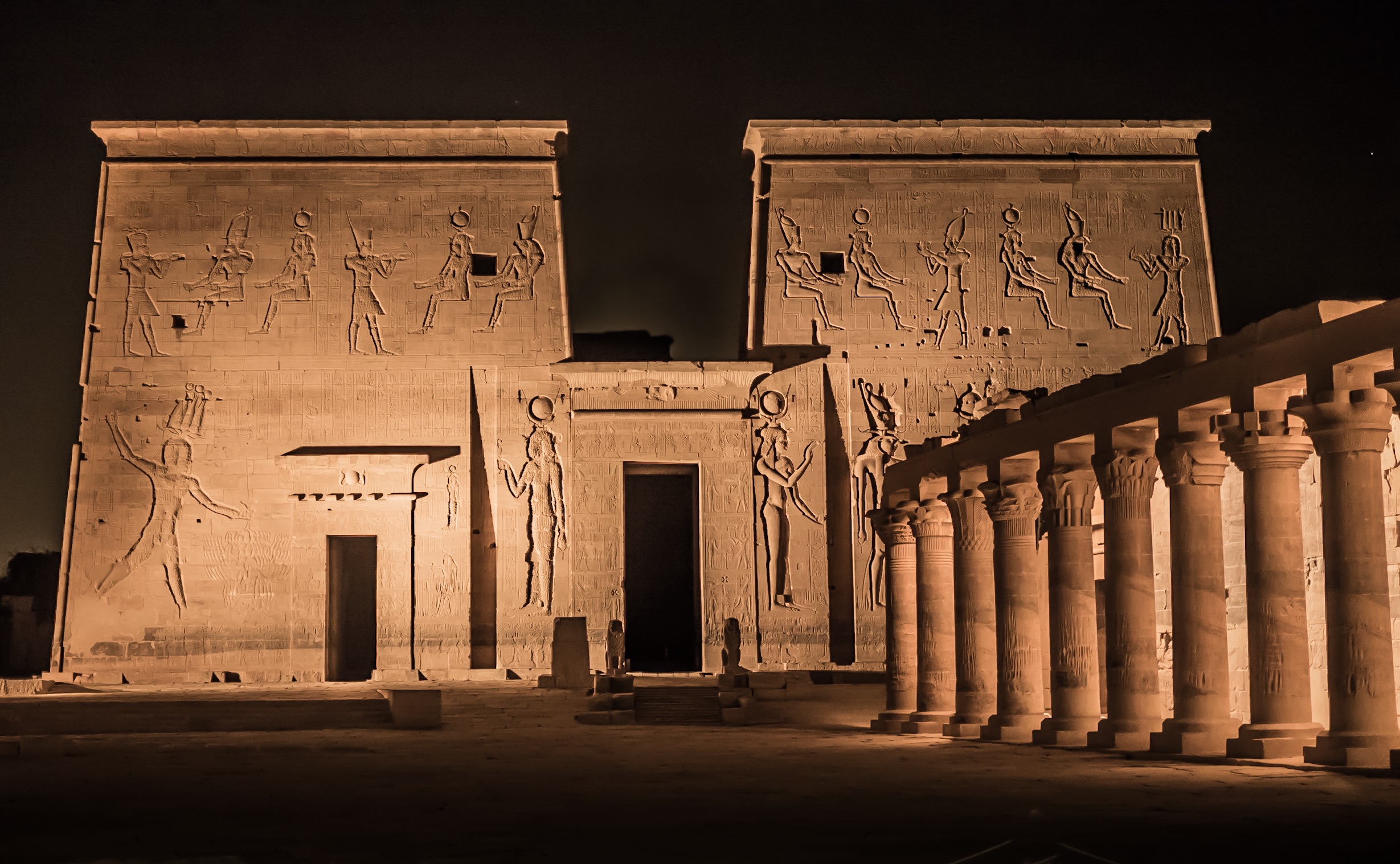
One of the most fascinating aspects of Philae’s architecture is the combination of Egyptian, Greek, and Roman influences that developed over centuries of construction and expansion. Because the temple remained active during different historical periods, various rulers contributed to its design while still respecting the traditional Egyptian style. As a result, visitors can admire classical Roman columns alongside ancient Egyptian hieroglyphics and monumental gateways. This unique blend creates an atmosphere that feels both historically rich and artistically refined. The Temple of Hathor, located near the main sanctuary, is especially admired for its elegant reliefs and decorative details celebrating music, joy, and femininity. At night, the temple becomes even more magical during the famous sound and light show, where illuminated walls and dramatic storytelling bring the history of Philae to life beneath the stars. For travelers interested in architecture, mythology, and ancient art, Philae Temple offers a visual masterpiece where every stone reveals a deeper story about the civilization that built it and the timeless beliefs that shaped its sacred identity.

5. Philae Temple at Night: The Magic of the Sound and Light Experience

While Philae Temple is breathtaking during the daytime, its beauty becomes truly unforgettable after sunset when the famous Sound and Light Show transforms the ancient sanctuary into a living theatrical masterpiece. As darkness falls over the Nile and the temple walls begin to glow with carefully placed lights, visitors are transported into the world of ancient Egypt through dramatic narration, music, and storytelling. The experience begins with a peaceful boat ride across the water at night, where the illuminated temple slowly appears in the distance like a golden vision floating on the Nile. This nighttime arrival creates an atmosphere of mystery and anticipation that perfectly complements the legends and history associated with the site. Once inside the temple complex, guests walk through the ancient courtyards and halls while hearing stories about Isis, Osiris, and the rulers who helped preserve the temple throughout history.

What makes the Sound and Light Show so special is its ability to combine historical education with emotional storytelling. Instead of simply observing ruins, visitors experience the temple as a place that once pulsed with life, devotion, and ceremony. The narration explains the mythology of Isis and the importance of Philae as one of the final centers of ancient Egyptian religion, while changing lights highlight the carvings, columns, and sacred chambers in dramatic ways. Reflections of the illuminated temple on the Nile create stunning visual scenes that are especially popular among photographers and travelers seeking romantic or memorable experiences in Egypt. The calm silence of the surrounding water adds to the dreamlike atmosphere, making the evening feel both peaceful and deeply immersive. For many visitors, seeing Philae at night becomes one of the emotional highlights of their entire journey through Egypt because it captures the mystery, spirituality, and timeless beauty of the ancient world in a truly unforgettable setting.

6. Why Philae Temple Is One of Egypt’s Most Unforgettable Experiences

Among the countless historical attractions found throughout Egypt, Philae Temple remains one of the most unforgettable destinations because it offers far more than ancient ruins alone. The temple combines mythology, natural beauty, spirituality, architecture, and emotional atmosphere in a way that few archaeological sites in the world can achieve. Unlike crowded urban monuments surrounded by modern development, Philae feels peaceful and isolated, allowing visitors to experience the timeless magic of the Nile and the sacred environment that ancient Egyptians once considered holy. From the boat ride across the river to the first sight of the towering pylons rising above the water, every moment of the visit feels cinematic and deeply personal. Travelers often describe Philae not simply as a place to photograph, but as a place to feel — a destination that leaves a lasting emotional impression long after the journey ends.

Another reason Philae Temple stands out is its remarkable ability to appeal to every kind of traveler. History enthusiasts are fascinated by the temple’s religious significance and beautifully preserved carvings, while architecture lovers admire the elegance of its design and the fusion of Egyptian, Greek, and Roman artistic influences. Nature lovers appreciate the serene Nile scenery surrounding the island, and cultural travelers value the deeper connection to Nubian heritage and southern Egyptian history. The story of the temple’s rescue and relocation also adds a powerful modern dimension, reminding visitors that preserving human history requires global cooperation and dedication. Whether experienced during a quiet morning visit or beneath the glowing lights of the nighttime show, Philae leaves visitors with a sense of wonder that is difficult to describe. It represents the soul of Upper Egypt — peaceful, spiritual, and timeless. For anyone planning a journey through Aswan and the Nile Valley, visiting Philae Temple is not merely an optional excursion; it is one of the defining experiences of Egypt itself.

7. The Myth of Isis and Osiris: The Eternal Story Behind Philae Temple

The spiritual importance of Philae Temple is deeply connected to one of the most powerful and emotional legends in ancient Egyptian mythology: the story of Isis and Osiris. This ancient myth formed the foundation of Egyptian religious beliefs surrounding life, death, resurrection, and eternal love. According to legend, Osiris was a wise and beloved king who was betrayed and murdered by his jealous brother Seth. After his death, Isis—the devoted wife of Osiris and goddess of magic—searched tirelessly across Egypt to recover his scattered body parts and bring him back to life through her divine powers. Their son, Horus, would later avenge his father and restore balance to the kingdom. Philae Temple became one of the most sacred locations associated with Isis because ancient Egyptians believed the island possessed strong spiritual energy connected to her miracles and mourning rituals. Pilgrims traveled from distant regions to pray for healing, protection, fertility, and blessings from the compassionate goddess.

As visitors walk through the temple today, they can still see detailed carvings illustrating scenes from this legendary story. The walls depict Isis nursing Horus, performing sacred rituals, and standing beside Osiris in moments that symbolize loyalty, rebirth, and eternal devotion. These artistic representations were not simply decorative; they carried profound religious meaning for the people who worshipped there thousands of years ago. The mythology of Isis and Osiris also influenced beliefs far beyond Egypt, spreading throughout the Mediterranean world during Greek and Roman times. Even after many ancient Egyptian temples closed, Philae remained one of the final centers where the worship of Isis continued. This enduring spiritual significance gives the temple a unique atmosphere unlike any other site in Egypt. Travelers visiting Philae often feel a deep emotional connection to the timeless themes represented in the myth—love, loss, hope, and resurrection—which continue to resonate with people across cultures and generations. More than just an archaeological monument, Philae Temple stands as a sacred reminder of humanity’s enduring search for meaning, faith, and eternal life.

8. Exploring the Hidden Corners of Philae Temple Complex

Although the grand pylons and central courtyards of Philae Temple immediately capture attention, the true beauty of the complex often lies in its quieter corners, hidden chambers, and smaller sanctuaries that many visitors overlook. Beyond the main entrance, the temple unfolds like a sacred maze filled with intricate details waiting to be discovered. Narrow passageways lead to intimate prayer rooms where priests once performed secret rituals dedicated to Isis and other deities. Small chapels dedicated to gods such as Hathor and Horus reveal delicate carvings that remain astonishingly well preserved despite the passing centuries. Each area of the complex tells its own story, creating an immersive experience that rewards visitors who take time to explore slowly and carefully. Sunlight filtering through ancient columns creates shifting shadows across the stone floors, adding a sense of mystery and quiet beauty to the surroundings.

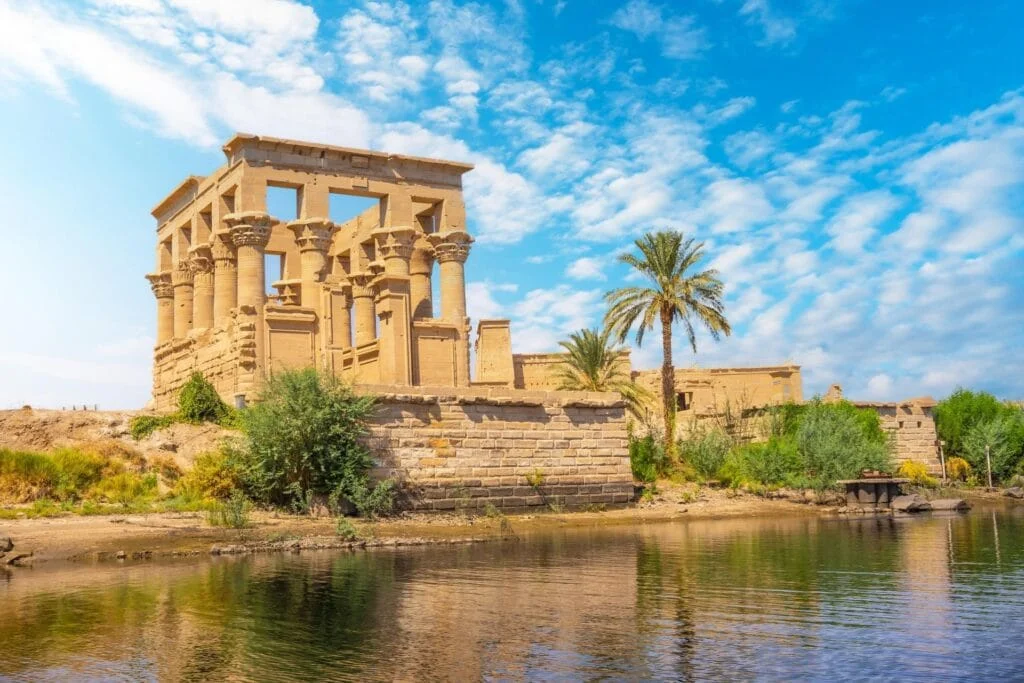
One particularly fascinating feature of Philae is Trajan’s Kiosk, an elegant open structure near the waterfront that was likely used for ceremonial processions connected to the worship of Isis. With its tall columns and dramatic riverside setting, it remains one of the most photographed spots in Aswan today. Visitors can also observe traces of early Christianity within the temple complex, including crosses carved into some walls after the site was converted into a church during the Byzantine period. These additions reflect the long and layered history of Philae as different civilizations reused and adapted the sacred island over time. Exploring these hidden details allows travelers to appreciate how the temple evolved across thousands of years rather than belonging to a single historical moment. For photographers, historians, and curious travelers, every section of Philae offers opportunities for discovery and reflection. The more time spent wandering through its corridors and sanctuaries, the more the temple reveals itself as a living archive of religion, culture, art, and human devotion preserved beside the eternal waters of the Nile.

Temple of Philae - Try Egypt tours

9. Visiting Philae Temple Today: Travel Tips and Visitor Experience

Visiting Philae Temple today is one of the most rewarding experiences in southern Egypt, offering travelers a perfect combination of history, scenery, and peaceful atmosphere. The temple is located on Agilkia Island near Aswan and can only be reached by motorboat, which adds a special sense of adventure to the journey. Most visitors arrive either early in the morning or late in the afternoon when temperatures are cooler and the lighting is ideal for photography. Morning visits provide a calm and quiet atmosphere with soft sunlight illuminating the temple walls, while sunset visits create breathtaking reflections across the Nile as the sandstone structures glow in shades of gold and orange. The boat ride itself is part of the experience, allowing travelers to admire the beauty of the Nile, nearby islands, and granite rocks that define the landscape of Aswan. Local guides are often available to explain the temple’s rich history and mythology, helping visitors better understand the significance of the carvings and religious symbolism throughout the site.

For travelers planning their Egypt itinerary, Philae Temple is considered one of the easiest and most comfortable archaeological sites to explore because of its manageable size and peaceful setting. Unlike some larger temple complexes that require extensive walking in intense heat, Philae offers shaded areas, open courtyards, and a relaxed pace that allows visitors to fully absorb the atmosphere. Comfortable walking shoes, sunscreen, and water are recommended, especially during warmer months. Many tourists also choose to combine their visit with nearby attractions such as the Aswan High Dam, the Unfinished Obelisk, or a traditional felucca ride on the Nile. In the evening, the famous Sound and Light Show provides an entirely different perspective of the temple, making a second visit worthwhile for those staying overnight in Aswan. Whether you are passionate about ancient history, photography, architecture, or cultural travel, Philae Temple delivers an unforgettable experience that captures the timeless spirit of Egypt and leaves visitors with memories that remain vivid long after their journey ends.

10. Philae Temple and Nubian Heritage: A Cultural Connection Along the Nile

Philae Temple is not only an ancient Egyptian religious monument; it is also deeply connected to the cultural identity and history of Nubia, the southern region of Egypt that has long served as a crossroads between civilizations. For centuries, Nubian communities lived along the Nile surrounding the temple, developing a close relationship with the sacred island and the spiritual traditions connected to Isis worship. The Nile in this region was more than a river—it was the center of daily life, trade, transportation, and cultural exchange. As a result, Philae became a meeting point where Egyptian, Nubian, Greek, and Roman influences blended together over thousands of years. This cultural diversity is reflected in the architecture, artistic styles, and historical layers that visitors can still observe throughout the temple complex today. Exploring Philae therefore offers travelers not only insight into ancient Egyptian religion, but also a deeper understanding of the rich multicultural heritage that shaped southern Egypt.

The construction of the Aswan High Dam during the twentieth century dramatically changed life in Nubia, forcing many Nubian communities to relocate from their ancestral villages because of rising water levels from Lake Nasser. The rescue and relocation of Philae Temple occurred during this same historic period, connecting the monument’s story to the broader experience of Nubian displacement and preservation. Today, many visitors choose to combine their temple visit with an excursion to nearby Nubian villages, where brightly painted homes, traditional music, handmade crafts, and warm hospitality continue to preserve the spirit of Nubian culture. This combination creates a more meaningful travel experience because it allows travelers to connect ancient history with the living traditions of the region’s people. The atmosphere around Philae still reflects the peaceful rhythm of Nubian life and the timeless relationship between communities and the Nile. For cultural travelers seeking authenticity in Egypt, understanding the connection between Philae Temple and Nubian heritage transforms the site from a beautiful archaeological landmark into a symbol of resilience, cultural continuity, and the enduring human bond with the river that shaped civilization itself.

Temple of Philae - Try Egypt tours

11. The Best Time to Visit Philae Temple and Seasonal Experiences

Choosing the right time to visit Philae Temple can greatly enhance the overall experience, as the atmosphere of the island changes beautifully with the seasons and the shifting light of the Nile Valley. The most popular period to visit Aswan and Philae is during the cooler months between October and April, when temperatures are pleasant enough for comfortable sightseeing and outdoor exploration. During this season, travelers can enjoy walking through the temple courtyards without the extreme summer heat that often characterizes southern Egypt. The mild winter climate also creates ideal conditions for boat rides across the Nile, sunset photography, and evening visits to the famous Sound and Light Show. Early mornings at Philae are especially magical because the site is quieter, the air feels fresh, and the sunlight softly illuminates the temple walls, revealing the delicate carvings and hieroglyphics in stunning detail.

Sunset visits offer an entirely different atmosphere, transforming the temple into a glowing masterpiece reflected across the calm waters surrounding Agilkia Island. The warm golden tones of the late afternoon light create breathtaking views that attract photographers and romantic travelers from around the world. During the summer months, temperatures in Aswan can become extremely high, often exceeding forty degrees Celsius, which is why many visitors prefer early morning tours during that season. However, even in the summer, the beauty of the Nile breeze and the peaceful setting of the island continue to make Philae worth visiting. Travelers planning their Egypt itinerary should also consider local cultural events and festivals taking place in Aswan, as these celebrations add extra energy and atmosphere to the city. Regardless of the season, Philae Temple maintains its timeless charm throughout the year. Whether experienced beneath the cool winter sun or during a glowing summer sunset, the sacred island continues to captivate visitors with its combination of spirituality, natural beauty, and historical grandeur that remains unmatched anywhere else along the Nile.

12. An Unforgettable Farewell to the Timeless Beauty of Philae Temple

As visitors prepare to leave Philae Temple, many find themselves carrying more than photographs or historical knowledge; they leave with a deep emotional connection to one of the most magical places in Egypt. The peaceful boat ride back across the Nile often becomes a quiet moment of reflection, where travelers look back at the ancient columns slowly fading into the distance and realize they have experienced something truly timeless. Philae is not simply a monument built of stone—it is a living symbol of faith, resilience, beauty, and human creativity preserved across thousands of years. From the sacred mythology of Isis and Osiris to the remarkable modern rescue operation that saved the temple from destruction, every part of Philae tells a story that continues to inspire visitors from around the world. Its unique setting on the Nile, surrounded by calm waters and golden desert landscapes, creates an atmosphere unlike any other archaeological site in Egypt.

What makes Philae especially unforgettable is the balance it offers between grandeur and tranquility. Unlike larger and busier temple complexes, Philae feels personal and intimate, allowing travelers to move slowly through its halls and absorb the spiritual energy that still lingers within its ancient walls. The temple appeals equally to historians, photographers, couples, cultural travelers, and anyone searching for meaningful experiences during their journey through Egypt. It represents the soul of Aswan and the enduring connection between civilization and the Nile River. Long after the journey ends, visitors often remember the soft sound of water surrounding the island, the golden sunlight reflecting on ancient carvings, and the quiet sense of wonder that accompanies every step through the temple complex. For anyone exploring southern Egypt, Philae Temple is far more than a tourist attraction—it is a destination that awakens imagination, emotion, and admiration for one of the world’s greatest civilizations. It remains a timeless masterpiece waiting to welcome every traveler who seeks beauty, history, and inspiration along the eternal Nile.

Philae Temple : Frequently Asked Questions

Philae Temple is located near the city of Aswan in southern Egypt. The temple stands on Agilkia Island in the Nile River and can only be reached by a short motorboat ride. Its peaceful island setting is one of the reasons why it is considered one of the most beautiful temples in Egypt.

Philae Temple is famous for being dedicated to the goddess Isis, one of the most important deities in ancient Egyptian mythology. It is also renowned for its stunning Nile location and for the incredible UNESCO rescue mission that relocated the entire temple complex to save it from flooding after the construction of the Aswan High Dam.

Most visitors spend around 1.5 to 3 hours exploring Philae Temple, depending on their interest in history, photography, and guided tours. Travelers who attend the evening Sound and Light Show usually spend additional time enjoying the nighttime experience.

The best time to visit Philae Temple is during the cooler months from October to April. Early mornings and late afternoons are especially recommended because the temperatures are more comfortable and the lighting creates beautiful views of the temple reflected on the Nile.

Absolutely. Philae Temple is considered one of the top attractions in Aswan and one of the most unforgettable historical experiences in Egypt. Its combination of mythology, architecture, peaceful scenery, and cultural significance makes it a must-visit destination for travelers exploring the Nile Valley.