
Welcome to

Temple of Khnum at Esna: The Sunken Jewel of the Nile

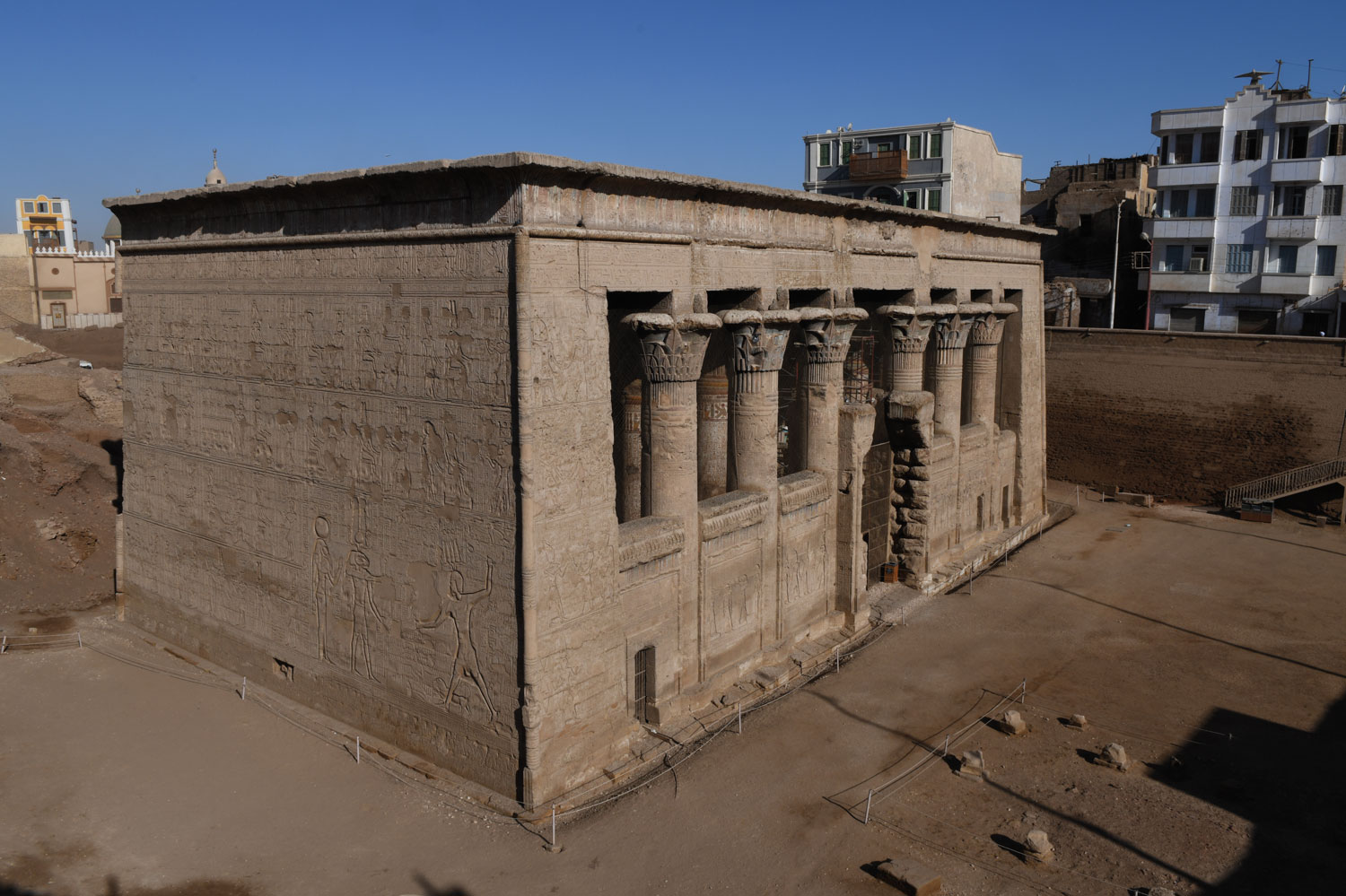
The Temple of Khnum at Esna stands as one of the most remarkably preserved and atmospheric monuments of the Greco-Roman period in Egypt. Located approximately 55 kilometers south of Luxor, this temple offers a starkly different experience from the sprawling complexes of Karnak or the elevated heights of Edfu. What makes Esna truly unique is its physical position; the temple sits in a massive hollow, nine meters below the modern street level of the bustling city that grew around it over two millennia. Dedicated to the ram-headed god Khnum—the divine potter who was believed to have fashioned humankind on his wheel—the temple is a masterpiece of late Egyptian architecture. While only the magnificent Hypostyle Hall remains visible today, it serves as a stunning testament to the enduring power of Egyptian theology and the artistic refinement that continued to flourish under Ptolemaic and Roman rule.

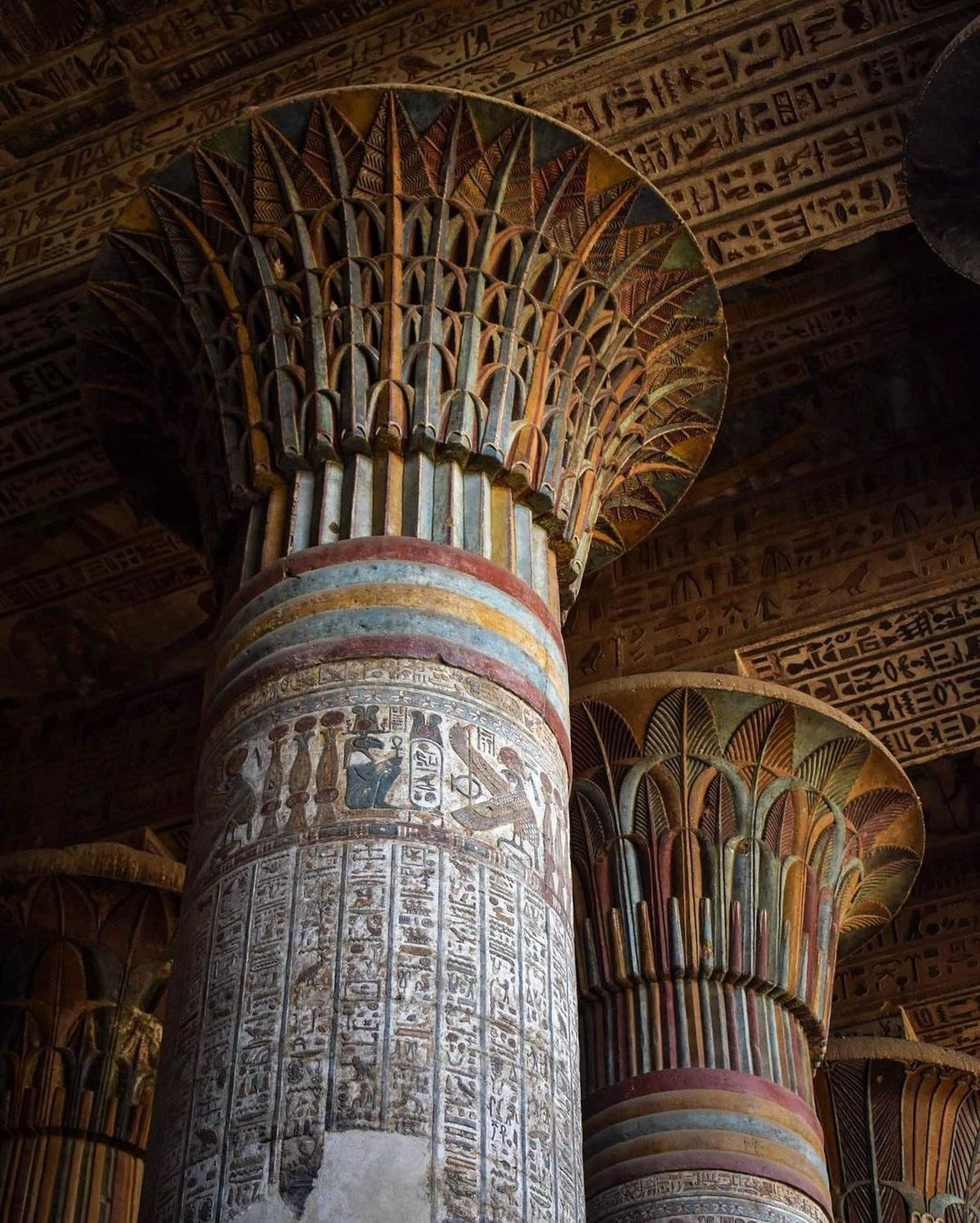
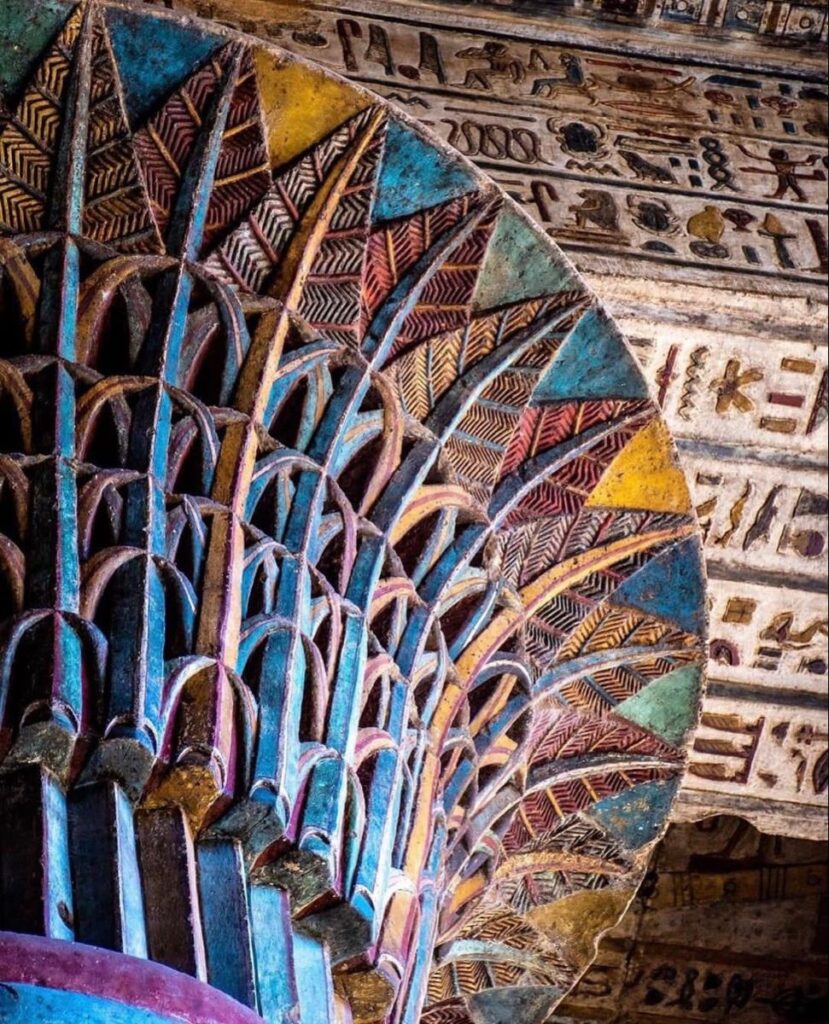
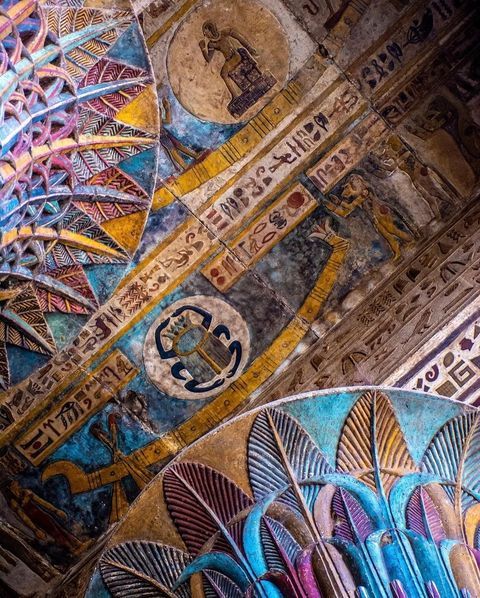
For the modern traveler, entering the Temple of Esna feels like descending into a vibrant time capsule. Because the hall was buried under protective layers of debris and silt for centuries, its interior has been shielded from the bleaching effects of the desert sun. Recent, groundbreaking restoration projects have stripped away layers of soot and dust to reveal a breathtaking explosion of original pigments—vibrant blues, deep reds, and golden yellows that are arguably the best-preserved in all of Egypt. The temple is not merely a ruin; it is a living canvas that narrates the complex relationship between the Pharaohs, the Roman Emperors, and the ancient gods. For those seeking a “hidden gem” that combines archaeological mystery with world-class artistic restoration, the Temple of Khnum at Esna is an essential stop, offering a rare and intimate look at the final, glorious flourish of ancient Egyptian temple culture.

1. The Architectural Forest: The Hypostyle Hall of Esna

The surviving Hypostyle Hall of the Temple of Khnum is an architectural marvel that demonstrates the technical sophistication of the Greco-Roman period. Supported by 24 massive columns, each standing over 13 meters high, the hall creates a “stone forest” effect that is both intimate and awe-inspiring. What truly distinguishes Esna from other temples is the incredible variety found in its floral capitals. Unlike earlier Egyptian periods that repeated uniform designs, the architects at Esna crafted each capital with unique botanical details, depicting various stages of blooming papyrus, lotus, and palm fronds. The structural integrity of the hall is a testament to the master builders who constructed it during the reigns of Roman Emperors like Claudius and Vespasian, blending traditional Egyptian monumentalism with the ornate tastes of the Roman era. For travelers, the scale of these columns, viewed from the sunken floor of the temple, provides a dramatic perspective on ancient engineering. It serves as a reminder that even as the political power of Egypt shifted toward Rome, the sacred architectural traditions of the Nile remained vibrant, powerful, and capable of creating spaces that feel as though they were built to bridge the gap between the earth and the heavens.
2. The Celestial Calendar: Esna’s Astronomical Ceiling

The ceiling of the Temple of Khnum is perhaps its most significant intellectual treasure, functioning as a massive stone map of the ancient cosmos. It features a dense and complex decorative program that includes the signs of the zodiac, the phases of the moon, and the “decans” or star groups used to mark the hours of the night. This astronomical ceiling is one of the few examples in Egypt that illustrates how ancient Egyptian star-lore was harmonized with Greek astrological concepts during the Ptolemaic period. As restoration teams have removed centuries of soot, they have uncovered a sky painted in a deep, radiant Egyptian blue, populated by golden deities sailing in celestial barks. These inscriptions were not merely decorative; they were functional calendars that helped the priests track the religious festivals and the rising of the Nile. For the modern visitor, looking up at this ceiling is like viewing an ancient “planetarium.” It provides a rare glimpse into the scientific mind of the late Egyptian priesthood, showcasing a civilization that remained deeply obsessed with the alignment of human life on Earth with the eternal movements of the stars and planets above.
3. The Resurrection of Color: A Modern Restoration Triumph

The ongoing restoration of the Temple of Esna is currently one of the most talked-about projects in global archaeology. For centuries, the interior of the temple was blackened by the smoke of fires used by locals who sought shelter within its walls, leaving the carvings obscured by a thick layer of soot, grease, and bird droppings. However, a joint Egyptian-German mission has utilized specialized chemical cleaning techniques to “resurrect” the temple’s original brilliance. The results have been nothing short of miraculous; colors that were thought to be lost forever—such as the delicate turquoise of the goddesses’ dresses and the vivid red of the royal crowns—have reappeared with the freshness of a new painting. This restoration has transformed Esna from a “dark, dusty ruin” into a vibrant, high-definition gallery of ancient life. For tourism marketing, this is a crucial narrative: travelers are no longer just visiting a temple; they are witnessing a historical rebirth. The visual impact of seeing “true” ancient color makes Esna a unique destination that challenges the common perception of Egypt as a monochrome world of sand-colored stone, offering instead a world of technicolor majesty.
4. Khnum: The Divine Potter and Creator of Life

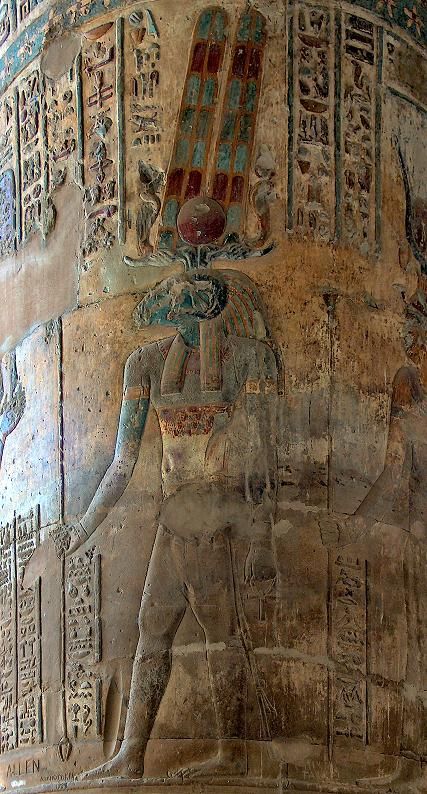
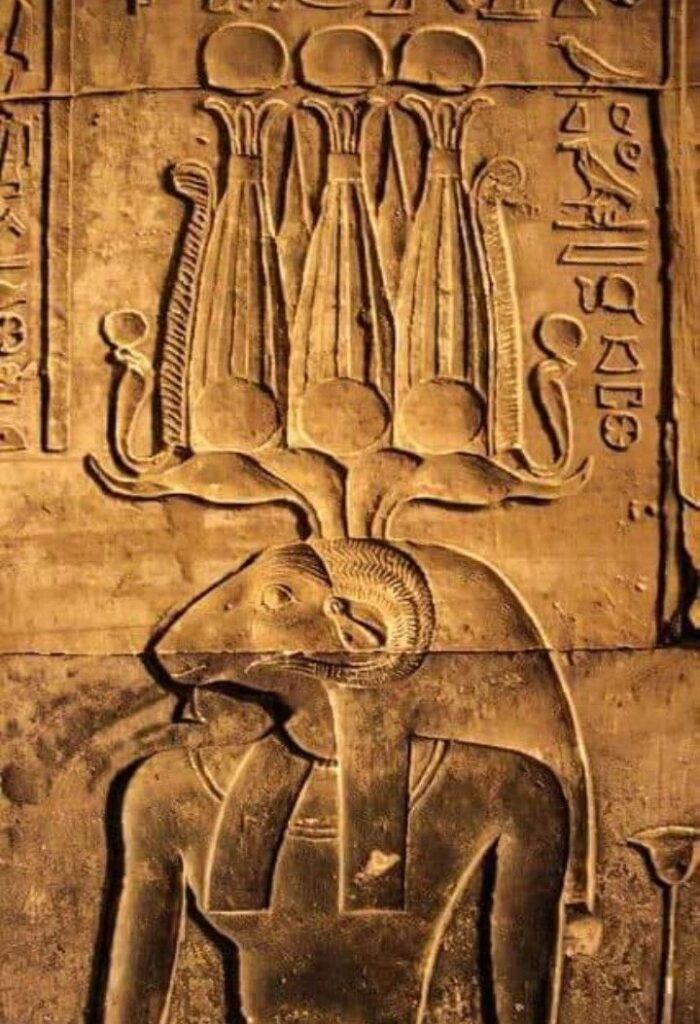
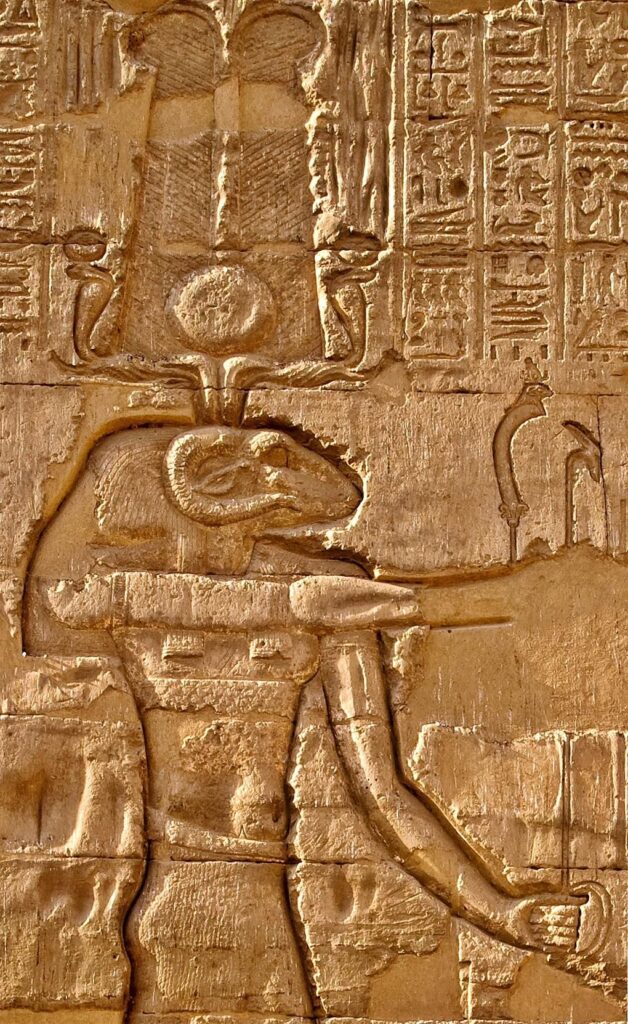
The heart of Esna’s spiritual significance lies in its dedication to the god Khnum, one of the oldest and most revered deities in the Egyptian pantheon. Represented as a man with the head of a ram, Khnum was worshipped here as the “Lord of the Cataract” and the divine potter. According to local theology, Khnum sat at his potter’s wheel and fashioned the physical bodies of human beings and their “Ka” (souls) out of the fertile clay of the Nile. The temple’s walls are adorned with rare and beautiful scenes showing Khnum in this creative act, highlighting the ancient Egyptian belief in the sanctity of craftsmanship and the origin of life. For travelers, this narrative provides a deeply human connection to the site; it is a place that celebrates the very act of creation. In the Greco-Roman period, this role was expanded to include Khnum as a cosmic deity who controlled the flow of the Nile, making the temple a vital center for prayers regarding the annual inundation that brought life to the entire country.

5. Cryptographic Hieroglyphs: The Intellectual Peak of the Late Period

One of the most fascinating aspects of the Temple of Esna for scholars and curious travelers alike is its unique “cryptographic” hieroglyphs. During the Roman period, the priests of Esna developed a highly sophisticated and secretive form of writing that used rare signs and complex puns to encode sacred hymns. Some of the most famous inscriptions here are the “Hymn of the Rams” and the “Hymn of the Crocodiles,” where almost every character is a variation of a ram or a crocodile. This was a deliberate attempt by the priesthood to preserve their ancient wisdom in a world that was becoming increasingly Hellenized and Romanized. For the tourism industry, these inscriptions offer a “da Vinci Code” style of mystery; they represent the final, brilliant effort of the Egyptian elite to protect their intellectual heritage. Walking through the temple, you aren’t just seeing art—you are seeing a sophisticated language that was designed to be a puzzle for the initiated, proving that even in its final centuries, the Egyptian temple remained a powerhouse of intellectual innovation.

6. The Temple and the Town: A Living Heritage

Unlike many Egyptian temples that stand in isolated archaeological parks, the Temple of Khnum is deeply integrated into the modern fabric of Esna. Its position nine meters below the current street level creates a striking visual contrast between the ancient world and the vibrant life of a modern Upper Egyptian market town. To reach the temple, visitors walk through local souqs filled with the scent of spices and the vibrant colors of Egyptian textiles, making the journey feel like an authentic cultural immersion. This proximity creates a “Living Heritage” experience that is highly valued by modern travelers looking for more than just a museum visit. The temple isn’t just a relic; it is a historical anchor for the local community. For marketers, this provides a wonderful opportunity to promote Esna as a “dual-purpose” destination—a place where one can admire world-class archaeological restoration in the morning and engage with traditional Egyptian craft and trade in the afternoon, creating a holistic and unforgettable travel experience.

7. The Roman Connection: Emperors as Pharaohs

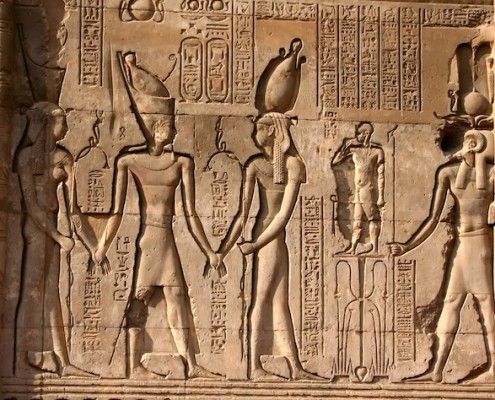
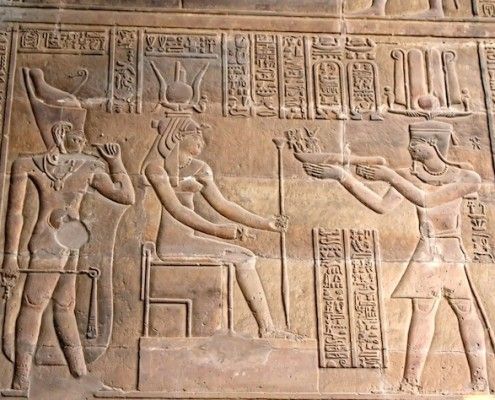
The Temple of Esna provides one of the most fascinating examples of how Roman Emperors embraced the role of the Egyptian Pharaoh to consolidate their power. On the temple walls, you can see detailed reliefs of Emperors like Tiberius, Claudius, and Antoninus Pius dressed in traditional Egyptian regalia, making offerings to Khnum and Menhit. These are not just generic depictions; the hieroglyphic inscriptions accompanying them often include the Emperor’s name translated into the sacred script. This cultural “blending” is a key selling point for history enthusiasts, as it illustrates a period of intense globalization where the rulers of Rome felt it necessary to honor the local traditions of the Nile. For the visitor, it’s a surreal experience to see the leaders of the Roman Empire participating in rituals that were already thousands of years old, proving that the spiritual gravity of Egypt was powerful enough to captivate even the masters of the Mediterranean.

8. The Essential Stop on the Nile Cruise Circuit

Logistically, the Temple of Khnum is perfectly positioned as a highlight of the classic Nile cruise between Luxor and Aswan. Most travelers encounter Esna while their ship waits to pass through the famous Esna Lock. This creates a unique “timed” excursion opportunity that feels like a rewarding break in the journey. Rather than just waiting on the deck, visitors can step directly into the heart of the town and descend into the sunken temple. In the world of travel planning, Esna is often the “surprise favorite” of a cruise itinerary because it is less crowded than Edfu or Kom Ombo, offering a much more peaceful and intimate atmosphere. The proximity of the temple to the docking area makes it an effortless yet high-impact cultural addition, providing travelers with a dense “hit” of color and history before they continue their voyage up or down the river.

9. The Masterpiece Beneath the Streets: A Marketing Marvel

From a tourism marketing perspective, the Temple of Khnum is the ultimate “hidden gem” narrative. Its physical location—tucked nine meters below the bustling modern city—creates a dramatic “reveal” that never fails to captivate travelers. It offers a rare opportunity to market a site that feels exclusive and freshly “discovered,” thanks to the ongoing restoration that continues to unveil new colors every season. For content creators and luxury travel planners, Esna represents the perfect blend of authenticity and awe; it’s a place where visitors can walk through a traditional Egyptian market and then descend into a technicolor sanctuary. Positioning the temple as a “living time capsule” allows for a storytelling approach that emphasizes both the resilience of ancient art and the vibrant spirit of modern Egypt, making it an essential, high-impact stop that distinguishes a standard itinerary from a truly curated cultural expedition.

10. The Scientific Symbolism of the Potter’s Wheel

The dedication of the temple to Khnum is not merely a mythological choice but a reflection of a sophisticated ancient understanding of biological creation and the elements. As the “Lord of the Potter’s Wheel,” Khnum represented the intersection of earth, water, and divine energy—the literal ingredients of life. The temple served as a sanctuary for the study of embryology and human origin in a spiritual context, where the act of molding clay was seen as a metaphor for the intricate formation of the human body. For the modern visitor, this adds a profound philosophical layer to the site. It positions the Temple of Esna as a place where ancient science and theology converged, celebrating the complexity of life and the “engineering” of the soul. Understanding this role transforms the temple from a stone structure into a monument of human existence, honoring the creative force that the Egyptians believed resided in every living being.

11. Technical Mastery: The Engineering of the Sunken Sanctuary

The preservation and structural survival of the Temple of Esna is a triumph of both ancient and modern engineering. To build a hall of such immense proportions within the silty terrain of the Nile floodplain required the ancient architects to design a foundation capable of supporting 24 massive stone columns without shifting over millennia. Today, the challenge is reversed; maintaining a site that sits nine meters below the modern water table and street level requires constant technical vigilance. The modern drainage and ventilation systems installed during recent excavations are invisible marvels that prevent the “wicking” of salt into the precious pigments. For the traveler with an interest in technology, Esna represents a unique “site of survival,” where ancient stone-cutting precision meets modern chemical conservation to keep the abyss dry and the colors vibrant, ensuring the temple remains a safe and stunning sanctuary in the heart of a rising city.

12. Conclusion: The Eternal Glow of the Divine Potter

In conclusion, the Temple of Khnum at Esna stands as a spectacular bridge between the earthly and the divine, surviving the weight of centuries to remind us of the eternal brilliance of the Pharaohs. It is a site where history is not just seen, but felt—in the cool shadows of its massive columns and the radiant blue of its celestial ceiling. The meticulous restoration has turned this “sunken treasure” into one of the most visually stunning monuments in the world, proving that the artistry of the “Divine Potter” remains as powerful today as it was two thousand years ago. To visit Esna is to witness a masterpiece that refused to be buried by time, offering every traveler a chance to stand in the presence of true, undying color. As the dust of ages continues to be cleared away, the Temple of Khnum remains a beacon of Egypt’s enduring legacy, inviting the world to descend into its depths and emerge with a soul renewed by the beauty of the ancient world.

Temple of Khnum at Esna : Frequently Asked Questions

The temple sits about nine meters below the current street level because, over 2,000 years, the modern city of Esna was built on top of the accumulated debris, silt from Nile floods, and ruins of older mud-brick buildings. This is a common phenomenon in Egypt (known as a “Tell”), but at Esna, it is particularly visible, creating a dramatic “sunken” appearance that actually helped protect the temple’s interior from the elements.

Currently, only the Hypostyle Hall (the entrance hall with 24 columns) has been fully excavated and is visible to the public. The rest of the temple—the inner sanctuary and the rear chambers—is still buried under the houses and shops of modern Esna. While this makes the visible part feel smaller, the density of the decoration within the hall is so high that it offers more to see than many larger, more empty temples.

While both are famous, the Esna Zodiac is unique because it was carved during the Roman period and represents a later, even more complex understanding of astrology. It includes specific constellations and decans that were uniquely significant to the priests of Khnum. The recent cleaning has also made the colors of the Esna Zodiac much more vivid and “readable” compared to other sites.

Khnum is most often accompanied by the goddess Menhit, a lion-headed war goddess, and their son Heka, who was the personification of magic. Together, they form the “Esna Triad.” Seeing these specific deities helps travelers understand that each Egyptian city had its own unique “family” of gods that served as the guardians of the local community.

Because the site is compact but very detailed, a high-quality guided tour usually takes between 45 to 60 minutes. This allows enough time to admire the restored colors on the ceiling, study the unique floral capitals of the columns, and take photos of the Roman Emperors in their Egyptian crowns. Its manageable size makes it a perfect, low-stress addition to a busy travel schedule.