
1. A Legacy of Hellenistic Splendor and Intellectual History
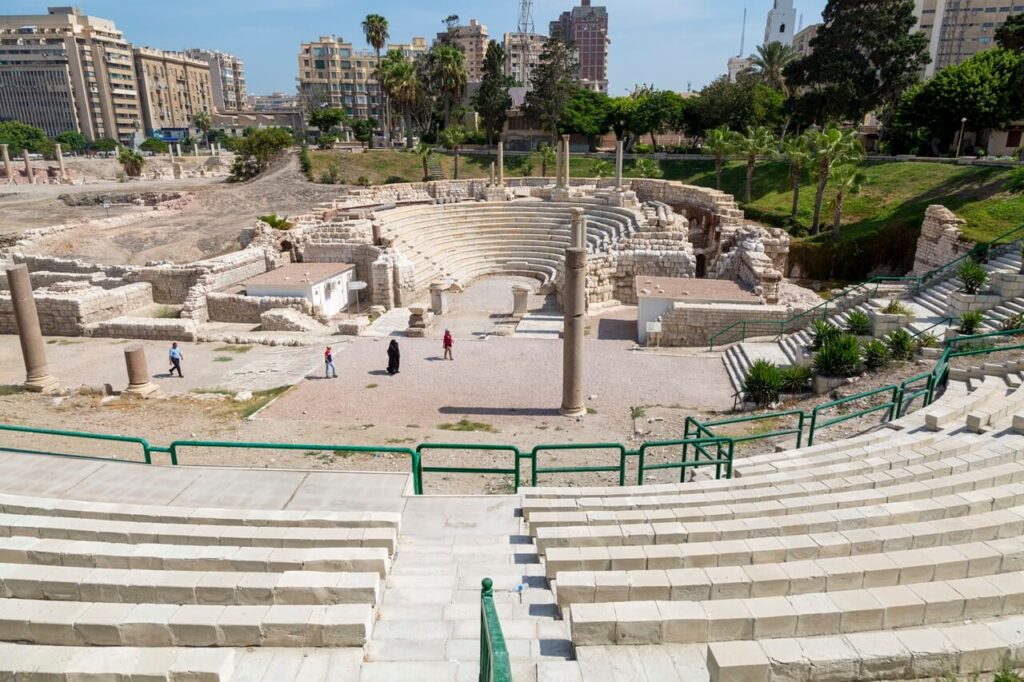
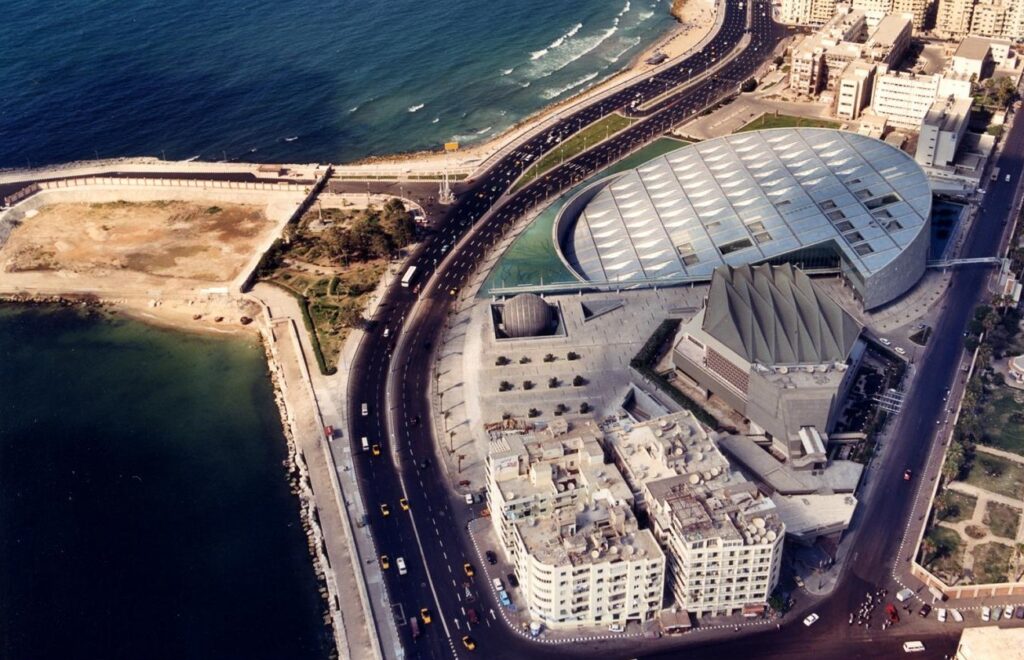
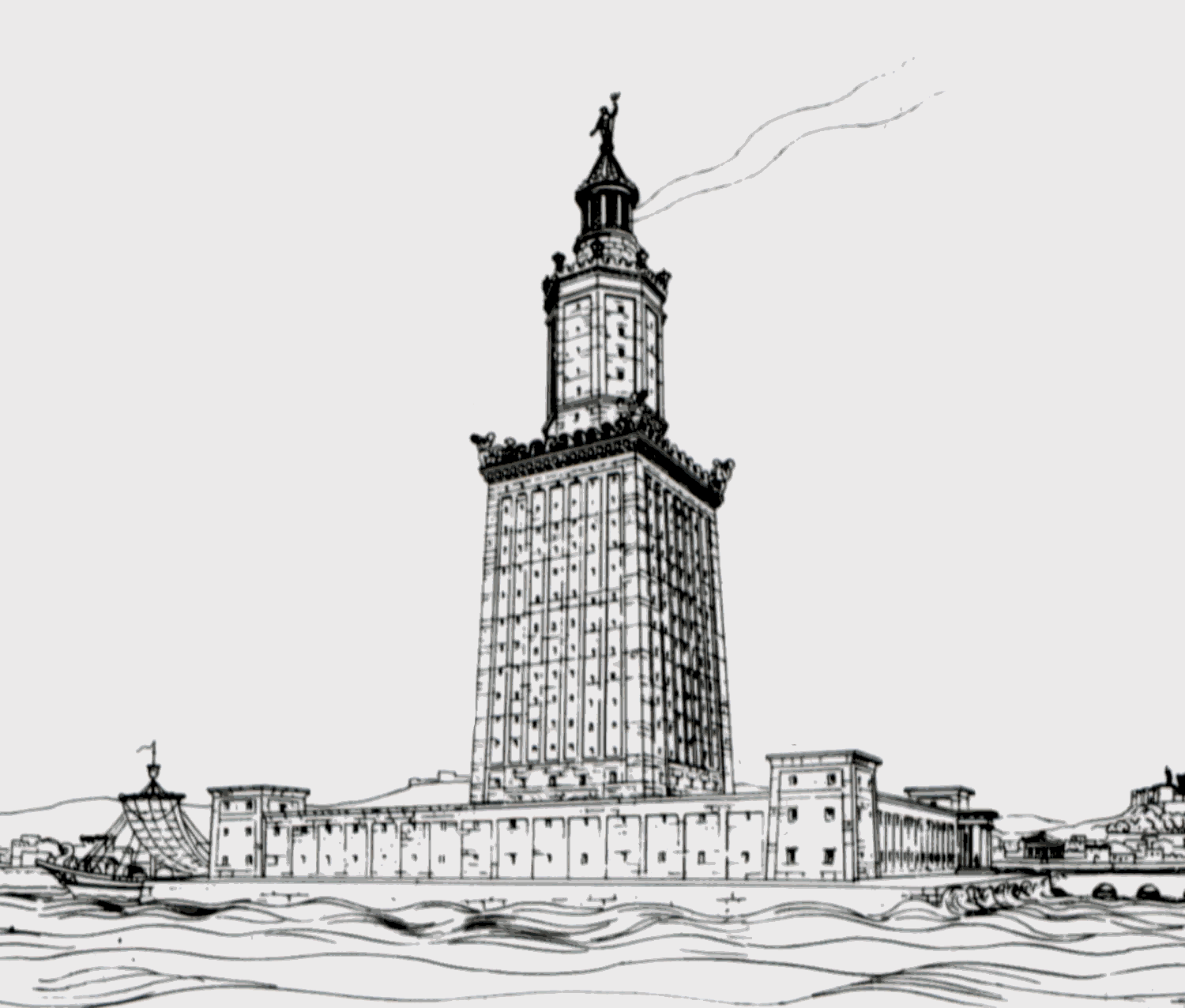
The historical significance of Alexandria is rooted in its identity as the intellectual capital of the ancient world. Once the home of the legendary Great Library of Alexandria and the Pharos Lighthouse—one of the seven wonders of the ancient world—the city remains a monumental site for those interested in historical tourism in Egypt. Today, visitors can still feel the echoes of this intellectual golden age at the modern Bibliotheca Alexandrina, a stunning architectural masterpiece that pays homage to the ancient institution. Exploring the city’s past involves wandering through the Catacombs of Kom El Shoqafa, a subterranean marvel that beautifully illustrates the syncretism of Egyptian, Greek, and Roman art and burial practices. Unlike the pharaonic temples of Upper Egypt, the sites here offer a unique window into the Hellenistic and Roman eras, showcasing intricate carvings and marble statuary. For history enthusiasts, Alexandria is not merely a coastal town; it is an open-air museum where every corner narrates a tale of conquest, scholarly pursuit, and cultural fusion. Understanding this deep-seated heritage is a fundamental part of appreciating the complex, multi-layered identity that defines modern-day travel in Alexandria.
2. Architectural Wonders and the Corniche Experience
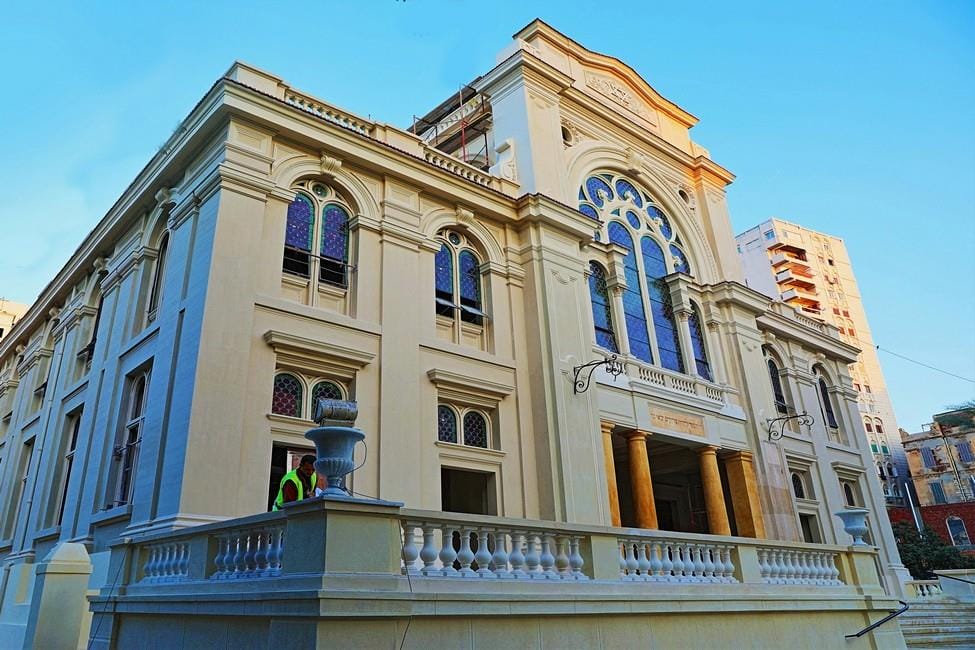
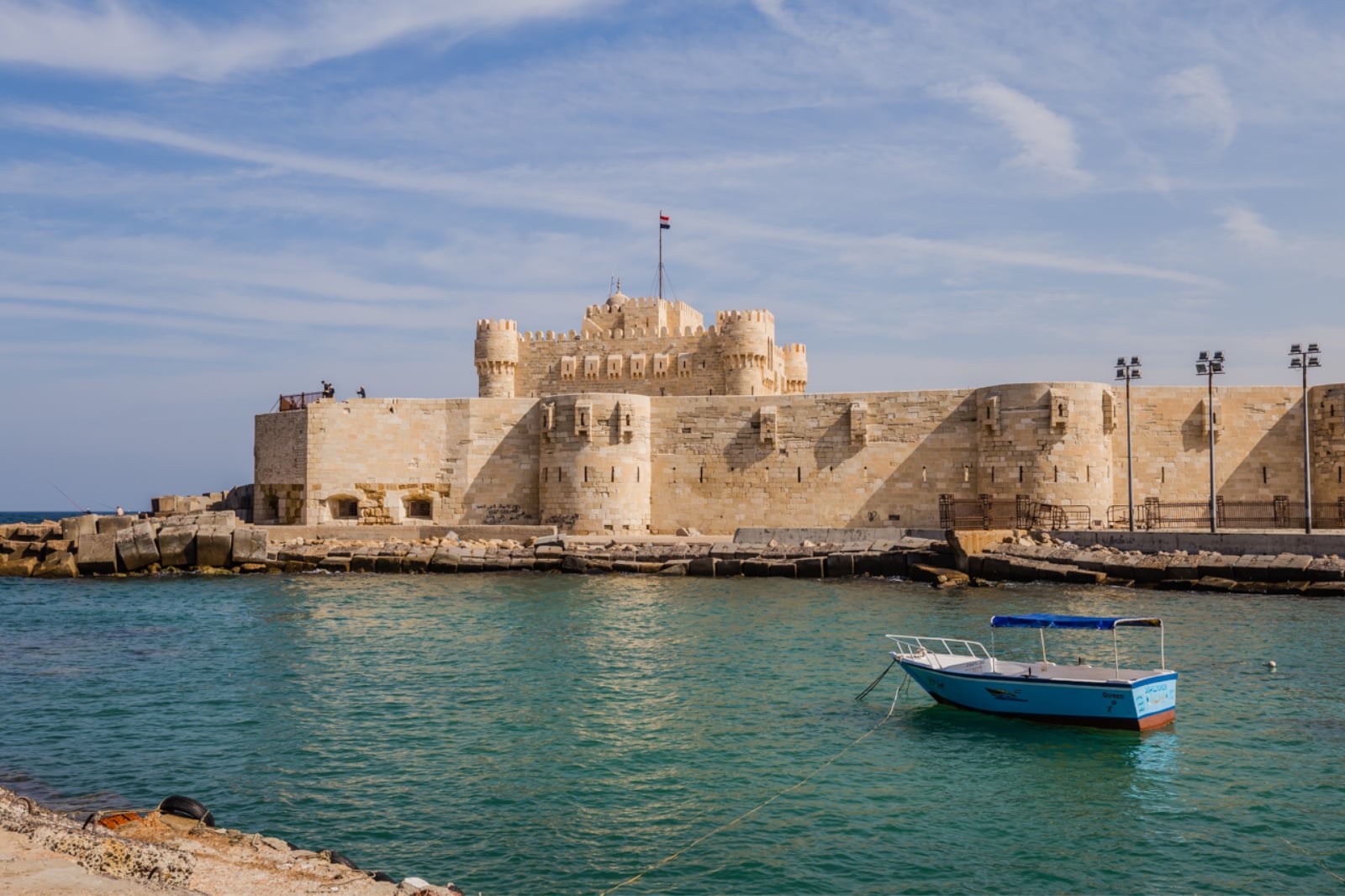
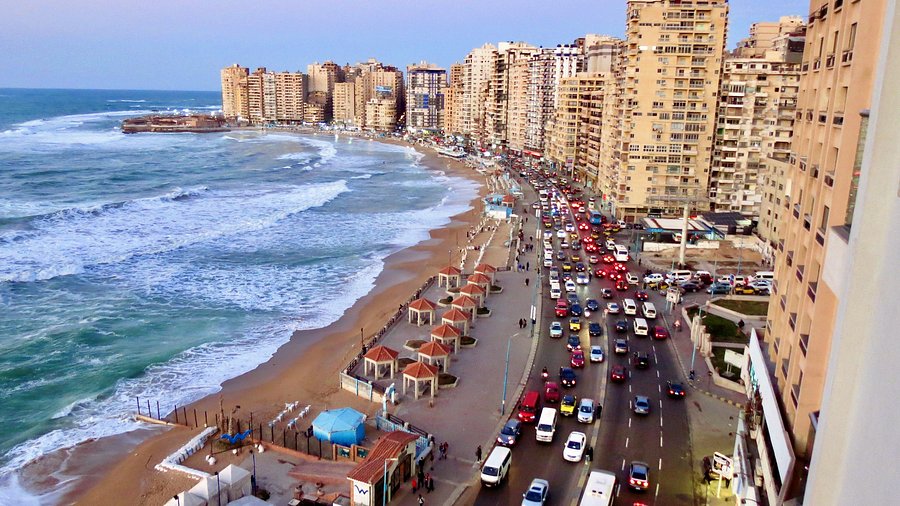
The aesthetic appeal of Alexandria is primarily defined by its sprawling, crescent-shaped Corniche, a coastal promenade that serves as the city’s beating heart. This lively thoroughfare offers breathtaking views of the Mediterranean Sea and provides a perfect vantage point to appreciate the city’s diverse architectural evolution. As you walk along the shore, you will encounter the Citadel of Qaitbay, a 15th-century fortress built on the exact site of the ancient Pharos Lighthouse, utilizing some of its original stones. This imposing structure is a hallmark of sightseeing in Alexandria, offering a profound sense of continuity across centuries. The city’s architecture further delights with its mix of Italianate palazzos, French colonial buildings, and grand squares that mirror the charm of southern European cities. Navigating the streets of downtown Alexandria, you’ll find hidden gems of Art Deco design and historic hotels that have hosted international luminaries. The Corniche is more than just a road; it is a social space where locals and visitors mingle, enjoy the sea breeze, and witness the sunset, making it a cornerstone of the Egypt travel experience for those who appreciate the intersection of natural beauty and human-made grandeur.
3. Cultural Diversity and the Modern Mediterranean Vibe
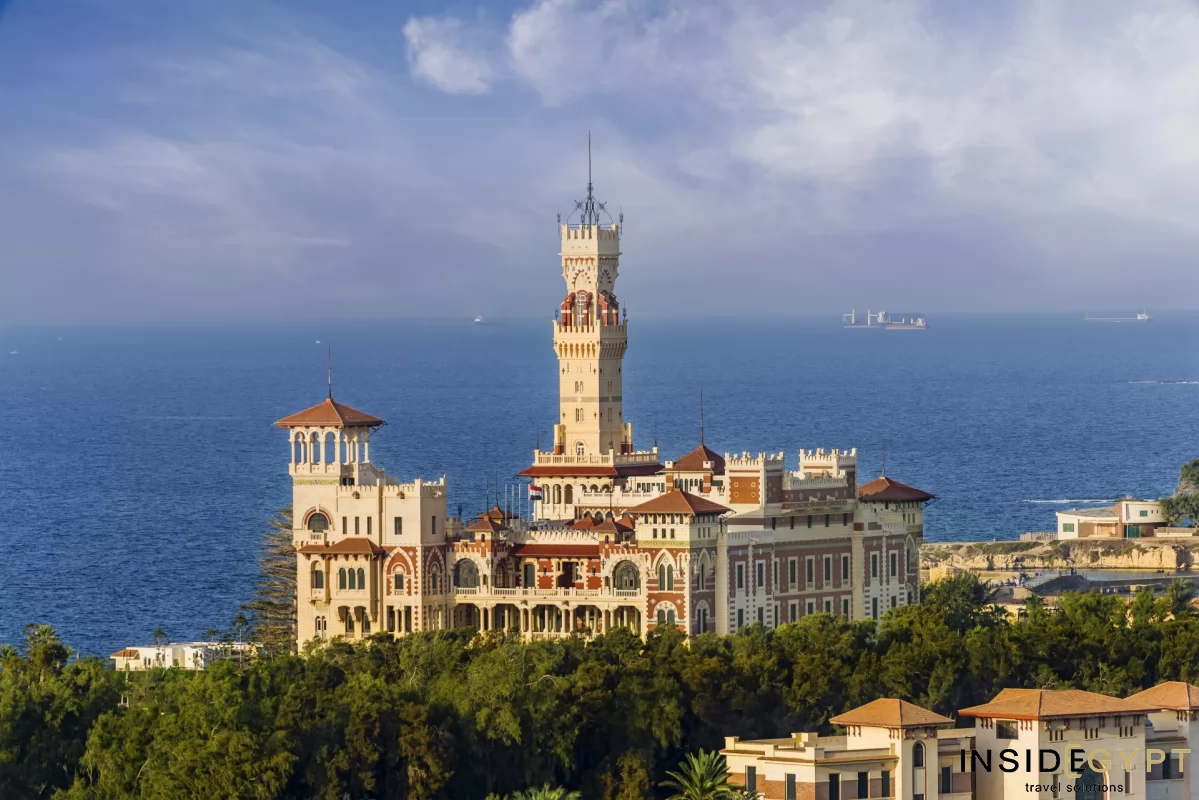
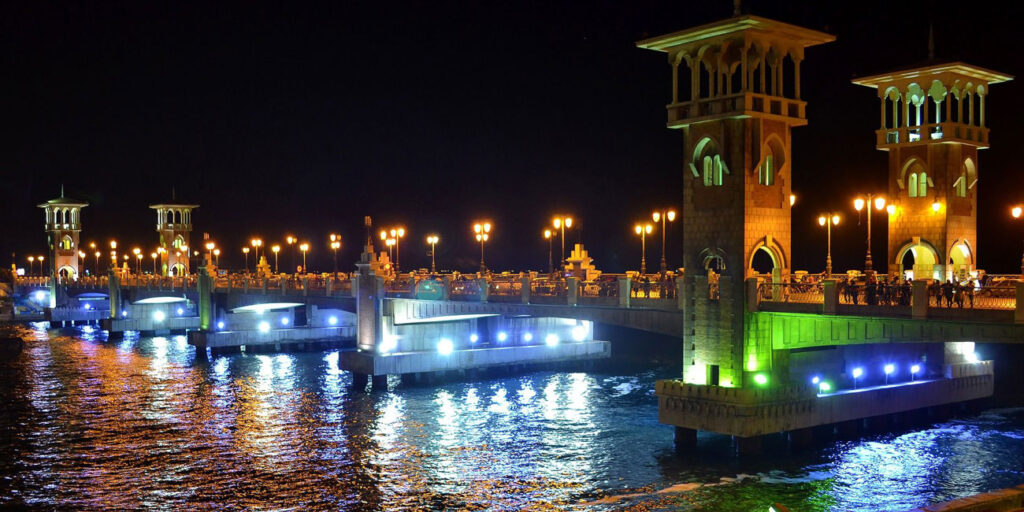
Alexandria possesses a distinctive cultural spirit that feels more Mediterranean than Middle Eastern, a direct result of its long history as a cosmopolitan port city. This diversity is reflected in its vibrant culinary scene, where fresh seafood—caught daily from the Mediterranean—is a local specialty that every visitor must experience. Dining at a traditional seaside restaurant, accompanied by the sight of local fishing boats, is an essential part of the Egyptian adventure in this city. Furthermore, Alexandria’s influence on literature and the arts is legendary; it has inspired global figures from Cavafy to Lawrence Durrell, whose works immortalize the city’s elusive and romantic atmosphere. Today, the city continues to thrive as a hub for artistic expression, hosting film festivals, exhibitions, and musical performances that attract talent from across the region. Exploring the local markets, visiting the royal gardens of Montazah Palace, and sipping coffee in the historic cafés where intellectuals once gathered offers a deeply immersive experience. Alexandria remains a testament to the idea that a city can be both a guardian of the past and a dynamic, forward-looking urban center, cementing its status as an unmissable destination for those looking to uncover the hidden gems of tourism in Egypt.