
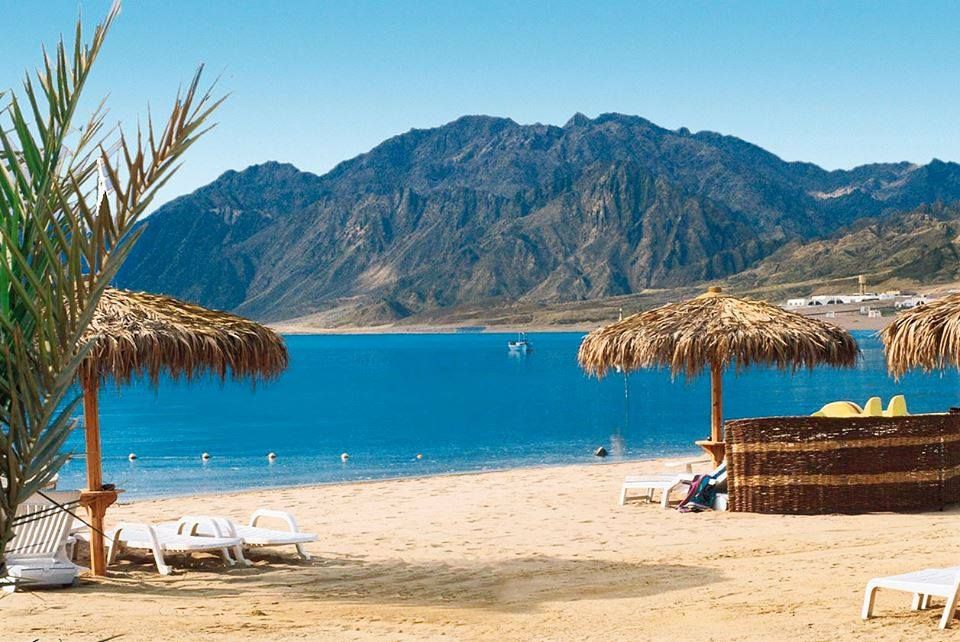
Welcome to

Nuweiba: The Gateway to Sinai’s Serene Wilderness and Coastal Bliss

Nuweiba, often described as the “hidden soul” of the Sinai Peninsula, is a destination that offers a profound departure from the high-energy pulse of Egypt’s larger tourist hubs. Located strategically between Dahab and Taba on the Gulf of Aqaba, this coastal gem is a place where the mountains literally meet the sea, creating a landscape of raw, breathtaking beauty. For travelers seeking a meditative and rustic Egypt vacation, Nuweiba provides a sanctuary of silence defined by its vast sandy beaches, turquoise lagoons, and the warm, traditional hospitality of the local Bedouin tribes. Originally a strategic port and an oasis for desert nomads, Nuweiba has transformed into a world-class center for eco-tourism and “slow travel,” attracting those who value a deep connection with nature over commercial luxury. The town is a gateway to some of Sinai’s most spectacular natural wonders, from the vibrant sandstone canyons of the interior to the lush, hidden oases that flourish in its wadis. Whether you are spending a night under the Milky Way in a traditional bamboo hut or exploring the ancient history of its Ottoman fortresses, Nuweiba offers a sense of freedom and timelessness. It is a destination that invites you to breathe, to disconnect from the digital world, and to immerse yourself in a landscape where the golden desert sands and the sapphire waters of the Red Sea exist in perfect, unhurried harmony.

1. The Eco-Lodge Revolution: A Masterclass in Sustainable Living

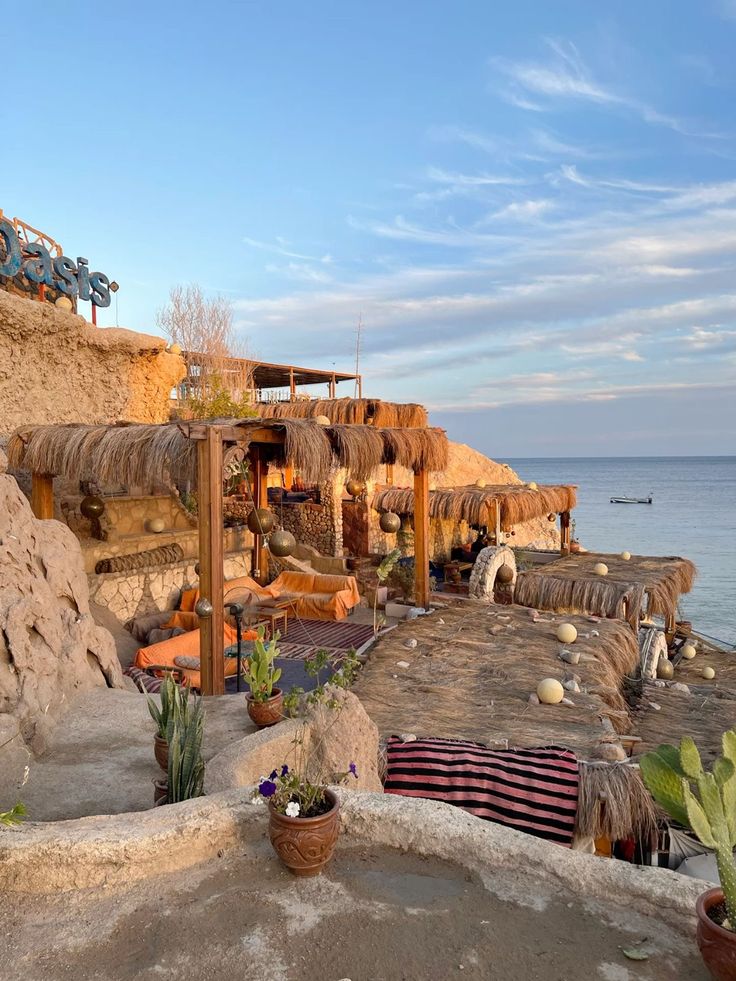
Nuweiba is the birthplace of the eco-lodge movement in Egypt, offering a unique hospitality model that prioritizes environmental integrity and cultural preservation. The coastline is dotted with sustainable retreats and camps—like the legendary Basata Eco-Lodge—where the architecture is crafted from natural materials like bamboo, reed, and mud-brick to blend seamlessly with the desert topography. For travelers seeking sustainable and regenerative tourism in Sinai, these lodges provide an immersive experience that is both simple and deeply restorative. Guests are encouraged to live in harmony with the local environment, often participating in community-led initiatives such as organic gardening and reef conservation. Unlike the standardized luxury of modern resorts, the “Luxury” in Nuweiba is found in the clarity of the night sky, the purity of the sea breeze, and the rhythmic sound of the waves just steps from your doorstep. This commitment to low-impact travel ensures that the beaches remain uncrowded and the surrounding ecosystems remain pristine. It is an ideal setting for those who wish to practice “Digital Detox,” replacing screen time with sunrise yoga sessions on the sand or quiet contemplation by the shore. In Nuweiba, the hospitality reflects the Bedouin philosophy of “Basata” (Simplicity), proving that the most enriching travel experiences are often those that leave the smallest footprint on the earth.
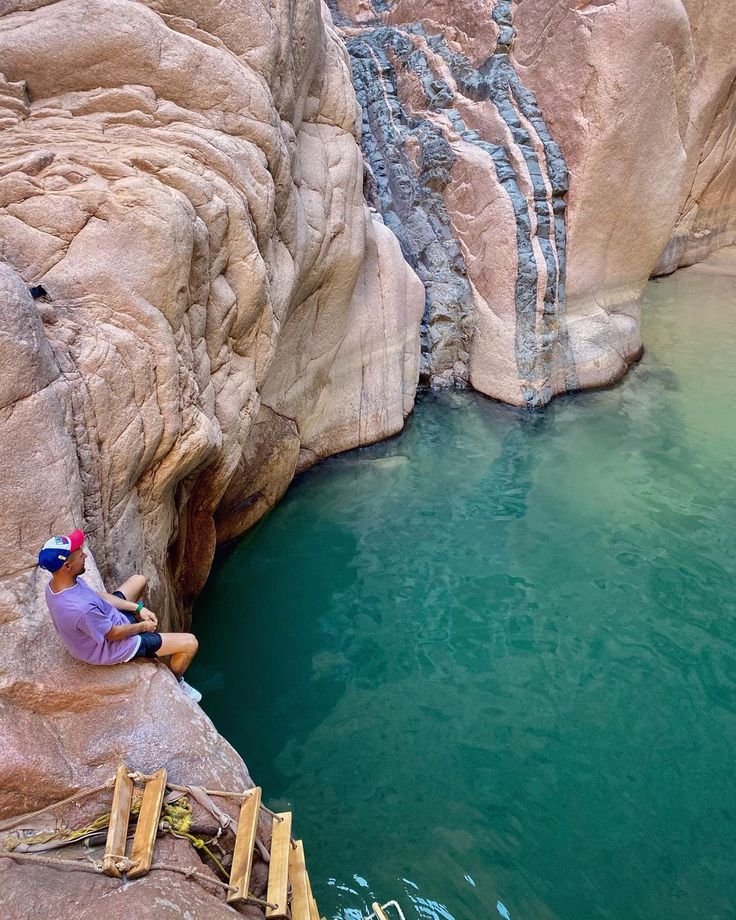
2. Wadi Al-Washwashy: The Hidden Emerald Pools of the Desert

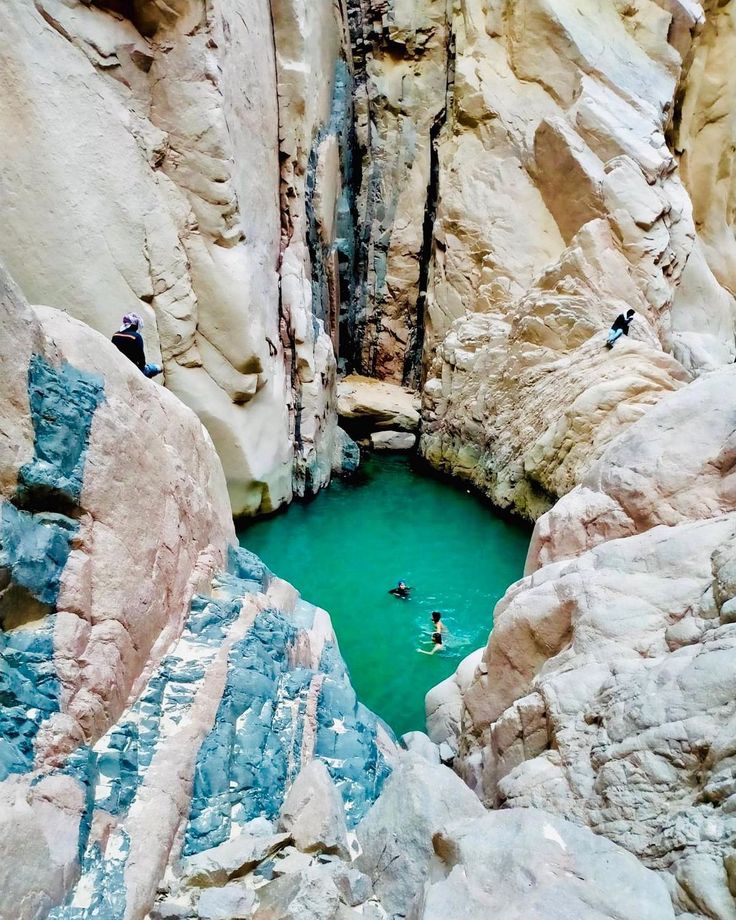
Hidden deep within the rugged granite mountains surrounding Nuweiba lies Wadi Al-Washwashy, a natural geological wonder that feels like a scene from an adventure novel. This secret canyon is famous for its “hidden pools”—natural emerald-green basins formed by rainwater collected over centuries within the heart of the mountains. For adventure seekers and nature enthusiasts in Egypt, a journey to Al-Washwashy is an essential experience that involves a thrilling 4×4 Jeep safari followed by a hike through narrow, towering sandstone walls. The climax of the trek is the opportunity to dive into the cool, deep waters of the pools, which are framed by majestic rock formations that glow with hues of red, gold, and purple. The water’s unique green tint is a result of the surrounding granite minerals, creating a stunning visual contrast with the arid desert landscape. Visiting this site is not just about the physical challenge; it is a spiritual journey into the silence of the Sinai wilderness, where the only sounds are the echoes of your own footsteps. The wadi remains largely untouched by mass tourism, maintaining a sense of mystery and exclusivity. It is a place that rewards the curious traveler with a rare glimpse into the desert’s hidden vitality, serving as a powerful reminder of the life-giving force of water in one of the most beautiful and challenging environments on earth.
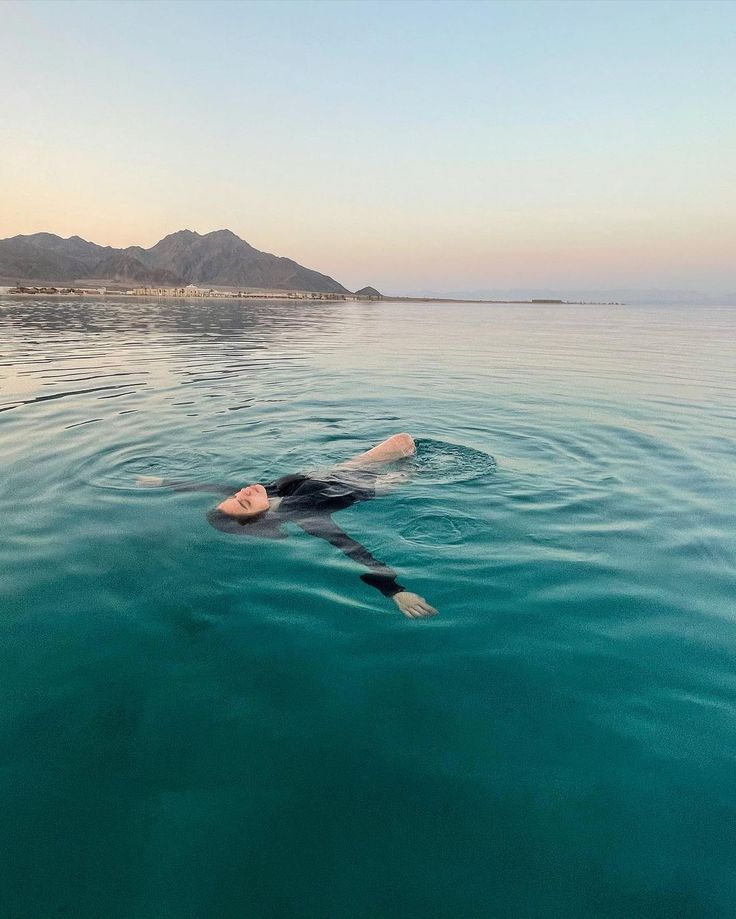
3. Tarabin: The Historic Heart and Bedouin Spirit

The northern district of Nuweiba, known as Tarabin, is the historical and cultural heart of the town, offering a vibrant immersion into the Bedouin way of life. Named after the powerful Tarabin tribe that has inhabited the region for generations, this area is characterized by its colorful waterfront promenade, traditional seaside cafes, and the ruins of a 16th-century Ottoman Fortress. For those seeking an authentic cultural experience in Sinai, Tarabin provides a lively yet laid-back atmosphere where the boundaries between history and modern life are beautifully blurred. The local market is a treasure trove of artisanal Bedouin crafts, from hand-woven textiles and intricate beadwork to traditional herbal remedies and spices. Dining in Tarabin is a culinary ritual; you can sit on colorful cushions by the shore and enjoy “Sayadiya” fish or Bedouin-style grilled meats, followed by a glass of tea infused with “Marmaraya” (desert sage). The area also serves as a hub for local social life, where storytellers and musicians often gather in the evenings to share the folklore of the Sinai. This cultural richness is the foundation of Nuweiba’s charm; it is a place where every traveler is treated as an honored guest, invited to share in a legacy of hospitality that has defined the peninsula for thousands of years. Walking through Tarabin at sunset, with the call to prayer echoing from the local mosque and the mountains turning a deep violet, you feel the true, enduring spirit of the Red Sea coast.
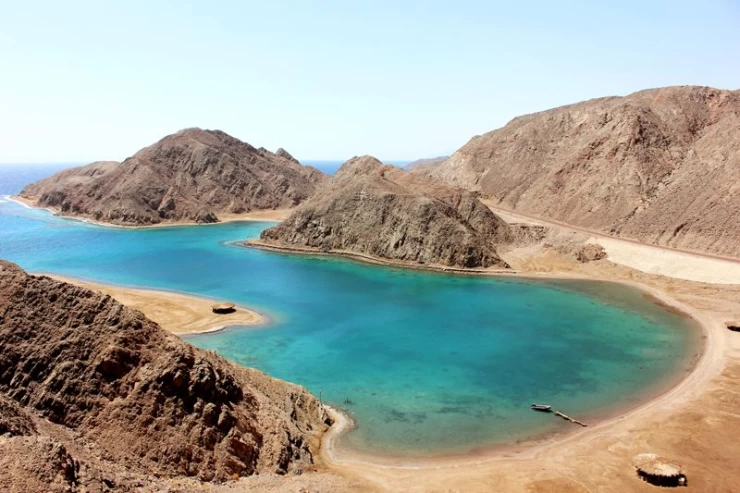
4. Ras Shitan: The Spiritual Epicenter of "Moon-Phase" Tourism

Located just north of the town center, Ras Shitan (the “Devil’s Head”) is a legendary coastal stretch that has become a global pilgrimage site for those seeking an alternative, spiritual travel experience. Despite its name, this area is a haven of profound peace, characterized by unique rock formations that divide the shoreline into secluded, turquoise lagoons. For travelers interested in meditation and holistic retreats in Egypt, Ras Shitan offers a collection of world-renowned bamboo camps where the “luxury” is defined by the absence of walls and the presence of the stars. The culture here is deeply rooted in the “Moon-Phase” rhythm, with acoustic music circles and communal drum sessions often coinciding with the lunar cycle. The water is incredibly shallow and clear, making it a perfect spot for “shore-snorkeling” among vibrant, untouched coral patches. There is no pretension here; guests share communal meals on the sand, sleep in open-air “Arishas,” and spend their days in a state of creative flow. It is a place that challenges the modern concept of travel, inviting you to trade your digital devices for a deeper connection with the elements, making it one of the most soul-enriching destinations on the entire Sinai Peninsula.

5. Pharaoh’s Island: A Floating Monument of Medieval History

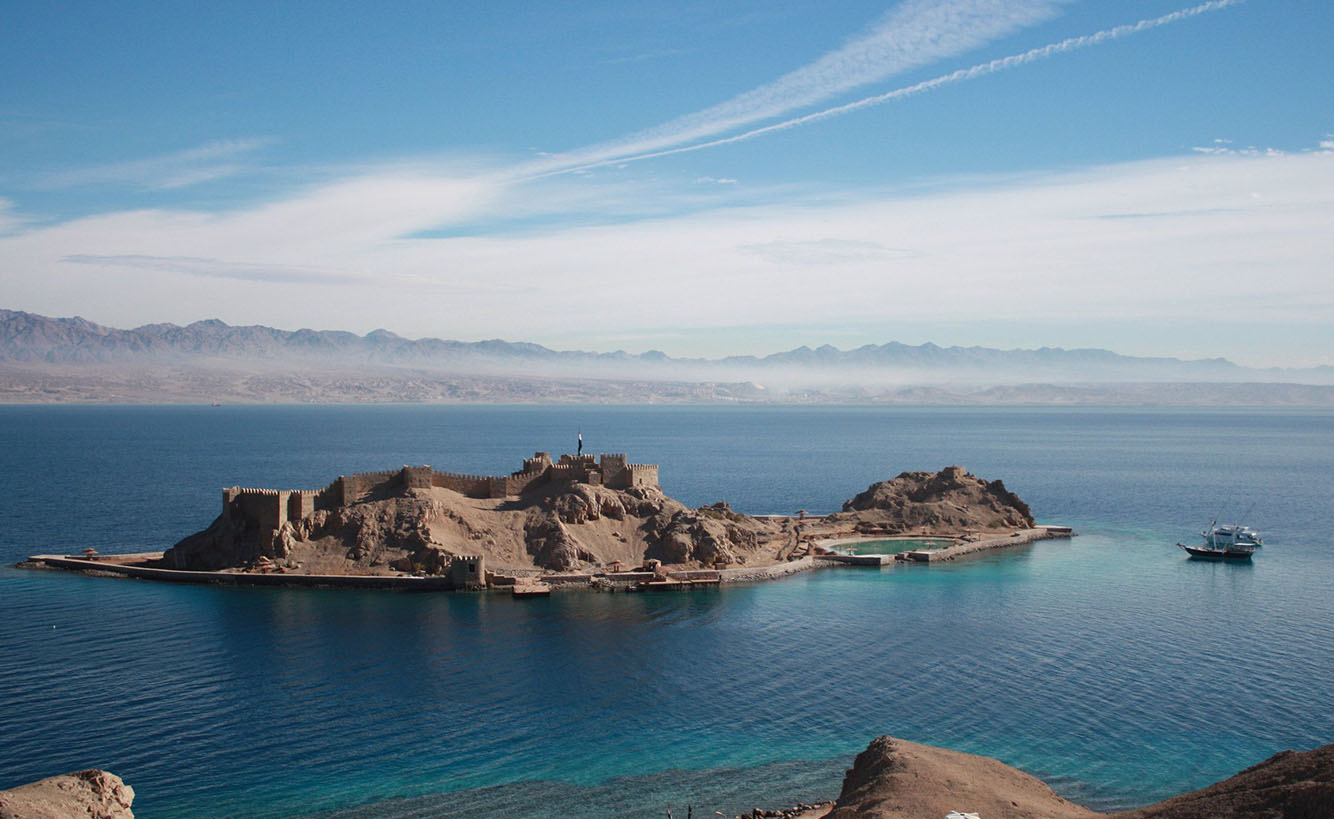
A short boat ride from the coast of Nuweiba and Taba lies Pharaoh’s Island (Jezirat Farun), home to the magnificent 12th-century Salah El-Din Citadel. This UNESCO World Heritage site is a strategic and architectural marvel, built by the legendary Sultan Saladin to protect the pilgrim and trade routes between Egypt, the Levant, and the Hejaz. For history enthusiasts seeking cultural heritage sites in Sinai, the island offers a spectacular journey back to the Middle Ages. The fortress, with its towering granite walls and restored battlements, provides a panoramic 360-degree view of the Gulf of Aqaba, where the coastlines of Egypt, Israel, Jordan, and Saudi Arabia converge in a single, breathtaking horizon. Exploring the inner chambers, watchtowers, and the ancient mosque within the walls allows you to imagine the life of the soldiers who once guarded this vital maritime gateway. The surrounding waters are also a premier diving spot, featuring the “Picasso Reef,” where the underwater topography is as intricate as the fortress above. Visiting Pharaoh’s Island is a powerful reminder of Nuweiba’s strategic importance throughout history, blending military grandeur with the natural splendor of the Red Sea in a way that feels both heroic and timeless.

6. The Blue Frontier: Diving into Nuweiba’s Secret Reefs

While the diving scenes in Sharm El Sheikh and Dahab are world-famous, the underwater world of Nuweiba remains a “best-kept secret,” offering a level of exclusivity and pristine condition that is rare in the modern world. The reefs here, such as Abu Loulou and The Caves, are characterized by their massive coral heads and a staggering diversity of marine life that has flourished in the absence of mass diver traffic. For those on a luxury diving holiday in Nuweiba, the experience is intimate and personalized; you are often the only person on the reef, allowing for a quiet, meditative immersion into the blue. The region is particularly famous for its sightings of rare nudibranchs, seahorses, and the elusive “Spanish Dancer,” making it a premier destination for underwater photographers. The “shore-entry” nature of Nuweiba’s diving means you can transition from your beach hut to a world-class dive site in seconds. The water temperature remains pleasant year-round, and the exceptional visibility often exceeds 30 meters, revealing a landscape of vibrant soft corals and teeming schools of tropical fish. This “Blue Frontier” represents the purest form of Red Sea exploration, where the focus is on the silent beauty of the ecosystem and the thrill of discovering reefs that feel like they have never been touched by the outside world.

7. The Coloured Canyon: A Masterpiece of Natural Architecture

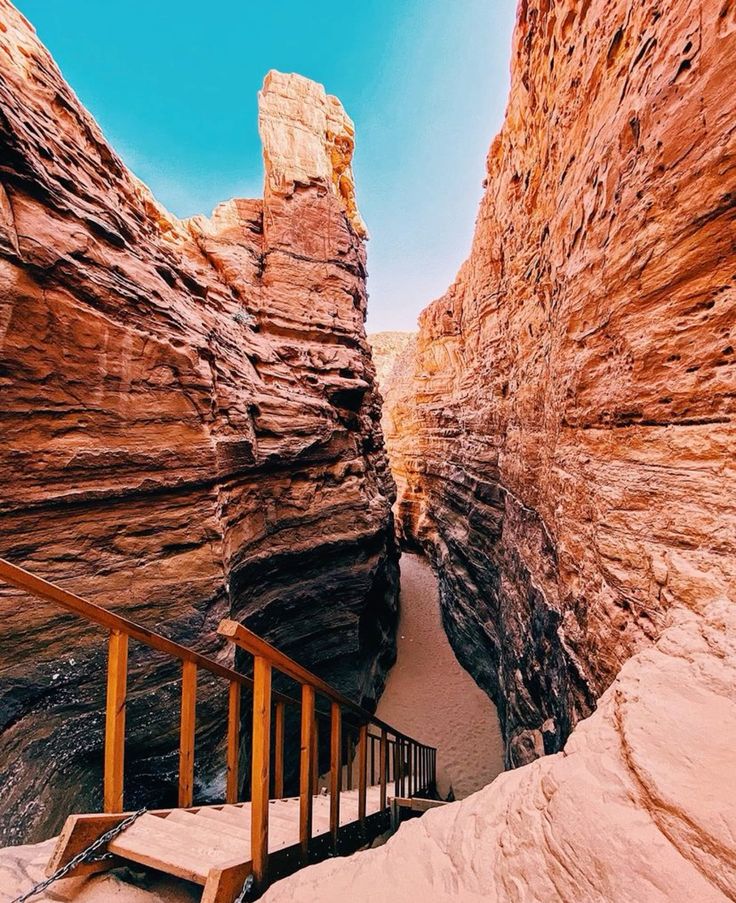
A short expedition into the desert interior from Nuweiba leads to the Coloured Canyon, one of the most visually stunning geological formations in the Middle East. This narrow labyrinth of towering rocks is a testament to millions of years of water erosion and tectonic activity, resulting in sandstone walls that shimmer with an almost metallic spectrum of deep purples, vibrant oranges, and golden yellows. For travelers seeking active desert adventures in Sinai, hiking through the canyon provides a tactile connection to the earth’s history. The path winds through narrow passages where the rocks have been smoothed into fluid, wave-like shapes, creating a natural gallery of abstract art. Professional guides from the local Bedouin tribes lead these excursions, sharing ancestral knowledge about the desert’s flora and the ancient trade routes that once passed through these corridors. The sheer scale of the canyon, with its dramatic shifts in light and shadow, offers an incredible opportunity for landscape photography and quiet reflection. It is a place where the silence of the desert is palpable, providing a stark and majestic contrast to the vibrant life of the coastal reefs.

8. The Maritime Bridge: Connecting Egypt and the Levant

Nuweiba’s identity is uniquely shaped by its status as a vital maritime gateway, serving as the primary link between Egypt and the Hashemite Kingdom of Jordan. The Nuweiba-Aqaba Ferry is more than just a logistical convenience; it is a legendary travel route that has carried pilgrims, traders, and adventurers across the Red Sea for decades. For modern travelers, this strategic connection allows for a “Dual-Kingdom” itinerary, making it possible to breakfast in a Sinai eco-lodge and spend the afternoon exploring the ancient city of Petra or the desert of Wadi Rum. This international transit adds a distinct cosmopolitan flavor to the town, as travelers from across the globe pass through its port, sharing stories of their journeys across the Levant and North Africa. The sight of the large ferries gliding across the Gulf of Aqaba against the backdrop of the Saudi Arabian mountains is a quintessential Nuweiba scene. This connectivity positions Nuweiba not just as a secluded retreat, but as a “Bridge of Cultures,” offering a logistical ease that encourages a broader exploration of the region’s shared history and breathtaking geography.

9. Bedouin Gastronomy: The Art of Desert Dining

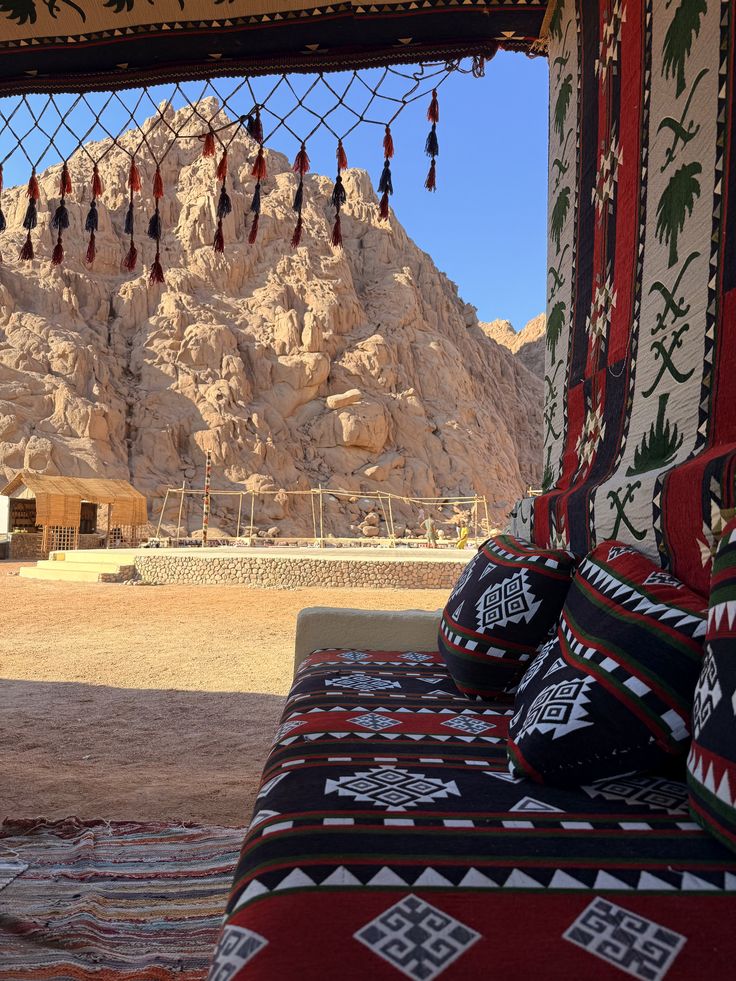
Dining in Nuweiba is a profound cultural ritual that centers on the ancestral traditions of the Bedouin people, emphasizing fresh, local ingredients and slow-cooking methods. The hallmark of Bedouin cuisine in Nuweiba is the “Zarb” or “Mandhi,” where seasoned meats and vegetables are slow-cooked in an airtight underground pit, resulting in a depth of flavor that is impossible to replicate in a modern kitchen. For the culinary-minded traveler, an evening meal is usually a communal affair, set in a “Bait Al-Sha’ar” (traditional goat-hair tent) or on colorful cushions spread directly on the sand. You might enjoy freshly baked “Libba” bread, cooked directly on hot coals, served alongside mountain-harvested honey, locally pressed olive oil, and the catch of the day from the Gulf. No meal is complete without the iconic Bedouin tea, heavily infused with “Habak” (desert mint) or “Marmaraya” (sage), which serves as a gesture of hospitality and a digestive aid. This focus on “Slow Food” reflects the overall pace of life in Nuweiba—it is an invitation to linger over conversation, to savor the smoky aromas of the campfire, and to appreciate a culinary heritage that has been refined by the desert for millennia.

10. The "Slow Travel" Philosophy: A Masterclass in Mindful Living

Nuweiba has become the unofficial capital of the “Slow Travel” movement in Egypt, attracting a global audience of travelers who prioritize depth, connection, and mindfulness over the rapid pace of traditional sightseeing. In Nuweiba, the luxury of the experience is found in the deliberate removal of modern distractions—many camps and retreats encourage a “low-tech” lifestyle, allowing guests to recalibrate their internal clocks to the rising sun and the shifting tides. This philosophy extends to every aspect of the stay, from the unhurried service in local cafes to the long, contemplative walks along the coastline. For the modern professional, Nuweiba offers a profound mental and emotional detox, providing the space necessary to reflect, create, and breathe. It is a place where you don’t just “visit” a site; you inhabit the landscape, learning to appreciate the subtle changes in the desert light and the quiet resilience of the local flora. This commitment to a slower pace of life is a powerful antidote to the burnout of the digital age, proving that the most transformative journeys are often those where we do less and perceive more.

11. Practical Travel Insights: Navigating the Oasis of Peace

To ensure a seamless journey to this tranquil corner of Sinai, a few strategic insights can help you navigate Nuweiba with ease. Most travelers arrive via a scenic two-hour drive from Sharm El Sheikh International Airport (SSH) or a shorter 90-minute trip from Taba. While the town is accessible by public bus, arranging a private car or “limousine” transfer through your eco-lodge is the most reliable way to navigate the desert checkpoints and reach your destination comfortably. Once in Nuweiba, the most popular way to move between the port, Tarabin, and the northern camps is by the local pickup-truck taxis, which are affordable and part of the authentic local experience. Regarding the climate, Nuweiba is warmer than the northern highlands, making it a perfect winter sun destination in Egypt, though summer evenings remain surprisingly pleasant due to the sea breeze. It is highly recommended to carry Egyptian Pounds, as ATMs are centralized near the port and may not always be accessible from the remote coastal camps. Additionally, remember to pack light, breathable clothing, a high-quality sun hat, and perhaps a good book; Nuweiba is a place where your primary activity will be relaxation and immersion in the natural world.

12. Conclusion: The Timeless Allure of the Gateway to Sinai

In conclusion, Nuweiba remains a timeless beacon for those who seek the raw, unfiltered beauty of the Sinai Peninsula. It is a destination that successfully preserves the delicate balance between historical significance and natural serenity, offering a sanctuary that is increasingly rare in our rapidly changing world. From the emerald depths of Wadi Al-Washwashy to the starlit silence of its eco-lodges, Nuweiba provides a multifaceted experience that nourishes the spirit and honors the earth. It is a place for the dreamer, the eco-warrior, and the weary traveler who understands that true wealth is found in a clear horizon and a warm welcome. As you depart this “Gateway of Peace,” you carry with you more than just a tan or a souvenir; you take with you a piece of the Bedouin soul and a renewed appreciation for the power of simplicity. Whether you came for the canyons, the culture, or the quietude of the Gulf, Nuweiba remains a destination that stays in the heart, an eternal reminder that even in the modern age, there are still places where the soul can find its way home.

Nuweiba: Frequently Asked Questions

  • Yes, Nuweiba is exceptionally welcoming for solo travelers, offering a safe, communal atmosphere in its eco-camps where it is easy to meet like-minded people around a campfire.

  •  

  • Yes, the Nuweiba-Aqaba Ferry makes it possible to visit Jordan, though most travelers prefer to stay overnight in Aqaba or Wadi Rum to fully enjoy the experience.

  •  

  • While Dahab has a more vibrant “backpacker-chic” and digital nomad scene, Nuweiba is significantly quieter and more rustic, focusing on eco-lodges and total seclusion.

  •  

  • Nuweiba is famous for having some of the best sandy beaches in Sinai, making it ideal for long walks and easy swimming compared to the rocky entries in other Red Sea towns.

  •  

  1. While many camps offer Wi-Fi in communal areas, the connection can be slower than in major cities. Most travelers use a local SIM card with a data plan for more reliable access.