
1. The Secrets of the "Place of Truth"
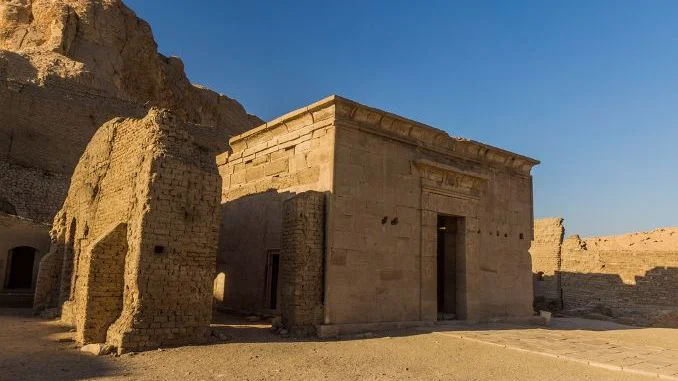
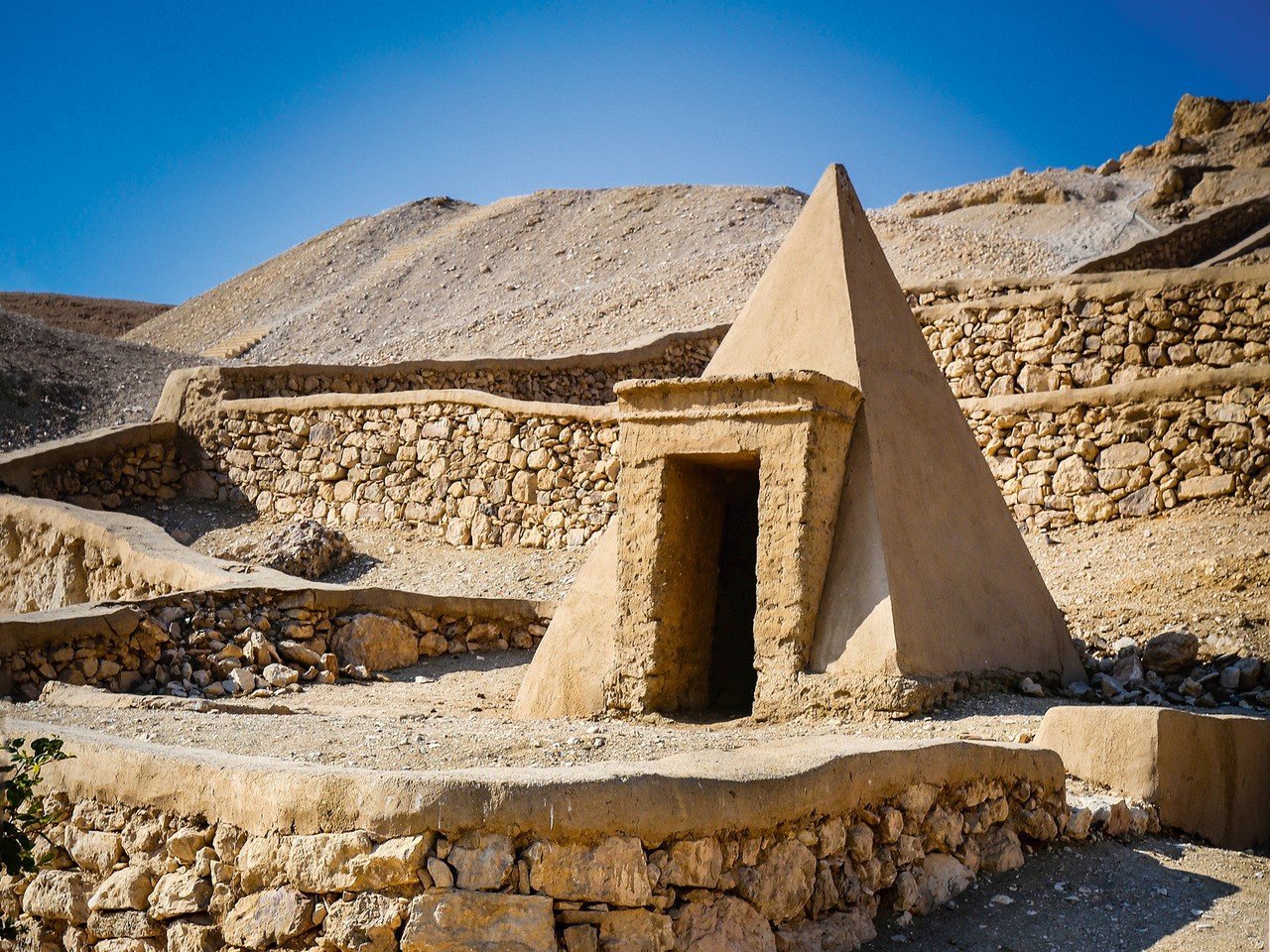
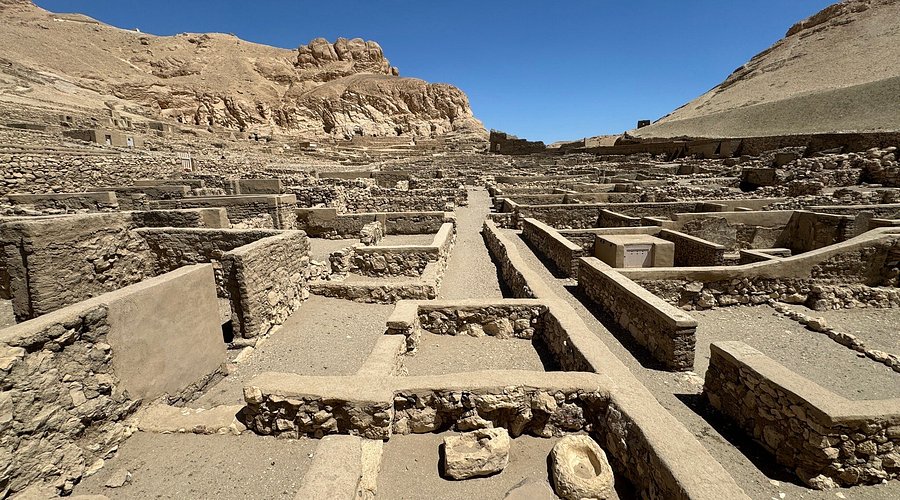
The village of Deir el-Medina was a highly specialized and restricted community, established specifically to keep the secrets of the royal tombs safe. Because these workers were responsible for carving and decorating the most sacred and treasure-filled sites in the empire, they lived in a gated settlement under the direct patronage of the Pharaoh. The village was remarkably self-sufficient, with its own local governing body and a sophisticated supply chain that brought water, food, and materials from the Nile valley. For history enthusiasts, the layout of the village is fascinating; you can still walk through the narrow streets and see the foundations of the limestone houses where generations of artists lived. This “exclusivity” created a unique culture within the village—a community of highly literate and skilled professionals who took immense pride in their work. Understanding the social structure of Deir el-Medina changes how you view the Valley of the Kings; you no longer see the tombs as anonymous creations, but as the life’s work of a specific, vibrant community of neighbors and families.
2. The Ostraca: Voices from 3,000 Years Ago
What makes Deir el-Medina truly exceptional is the massive amount of “Ostraca”—shards of limestone and pottery used as scrap paper—found at the site. These fragments have provided historians with a treasure trove of information about the mundane details of ancient life. Through these inscriptions, we know about the workers’ medical excuses, their legal disputes, their laundry lists, and even the world’s first recorded labor strike during the reign of Ramses III. For the traveler, these stories bring the ruins to life. You aren’t just looking at broken walls; you are standing in the place where a father wrote to his son about an inheritance, or where a craftsman complained about the quality of his rations. This wealth of written evidence makes Deir el-Medina the “social media” of the ancient world, offering a voice to the common people whose names are rarely found on the great pylons of Karnak. It is a humbling and deeply moving experience to realize that the challenges and joys of these ancient workers were so remarkably similar to our own.
3. The Tombs of the Artists: A Masterclass in Detail
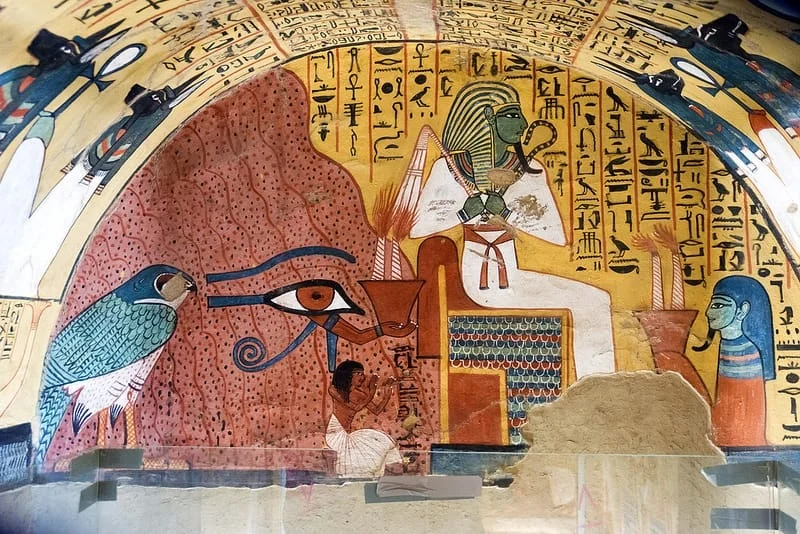
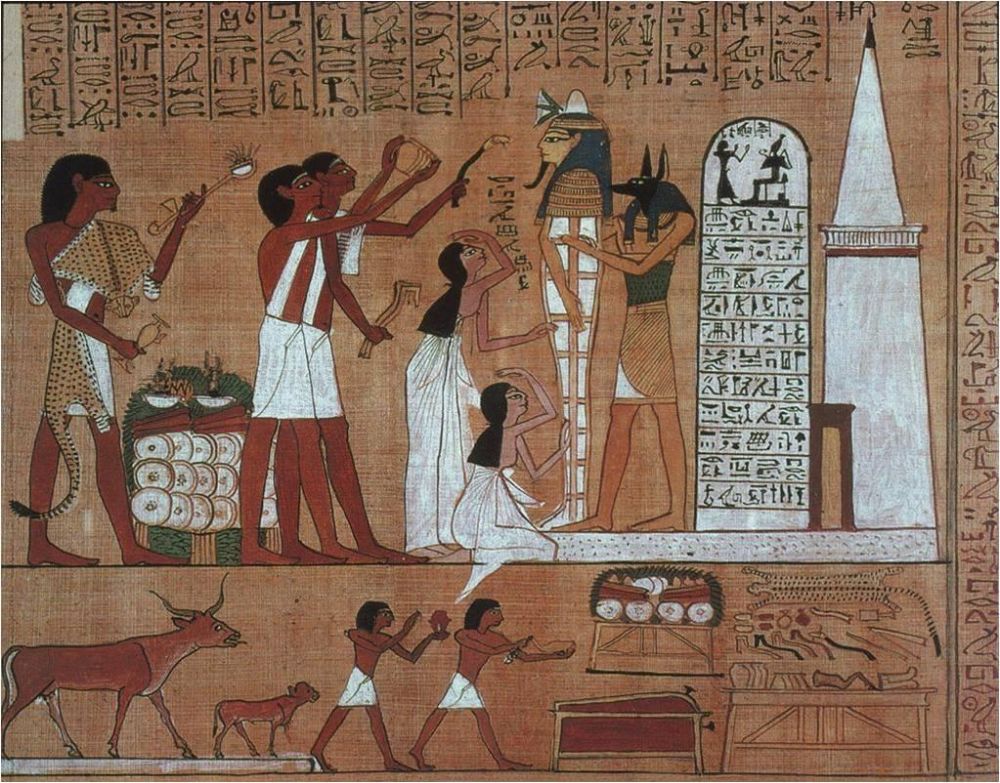
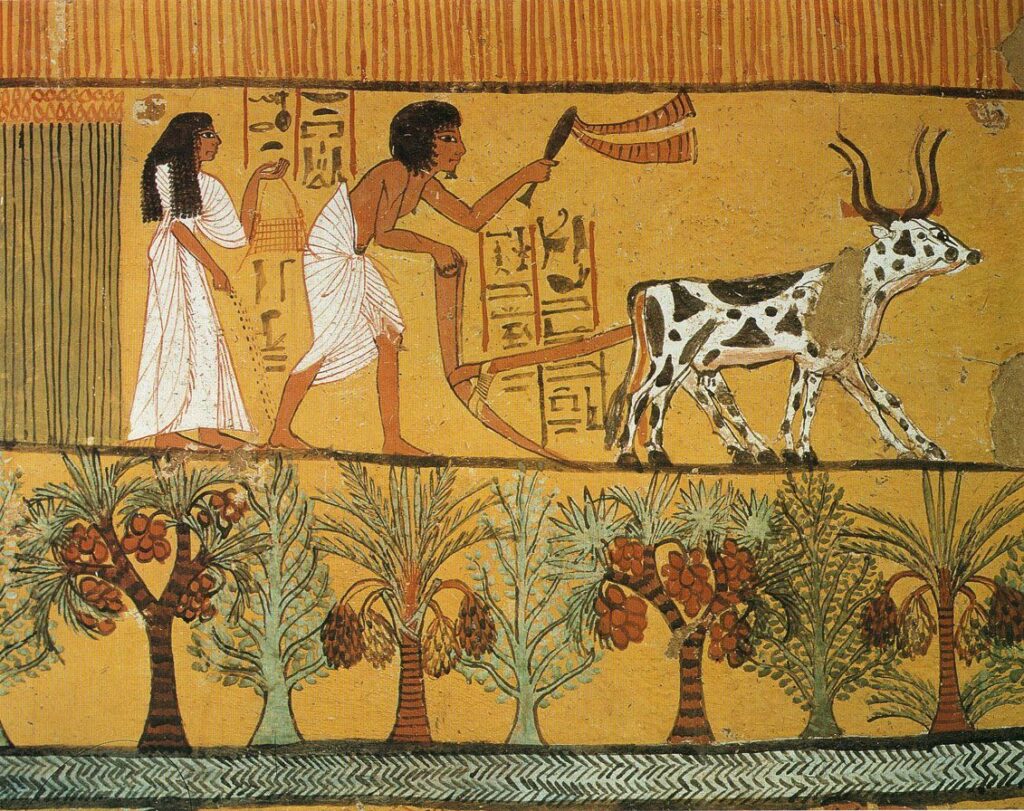
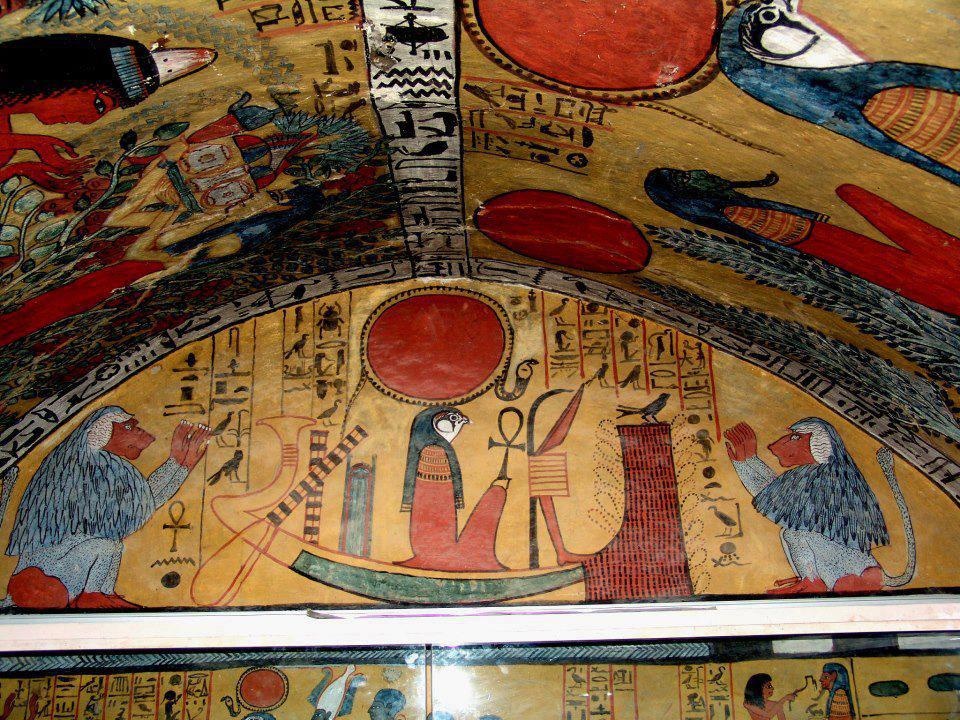
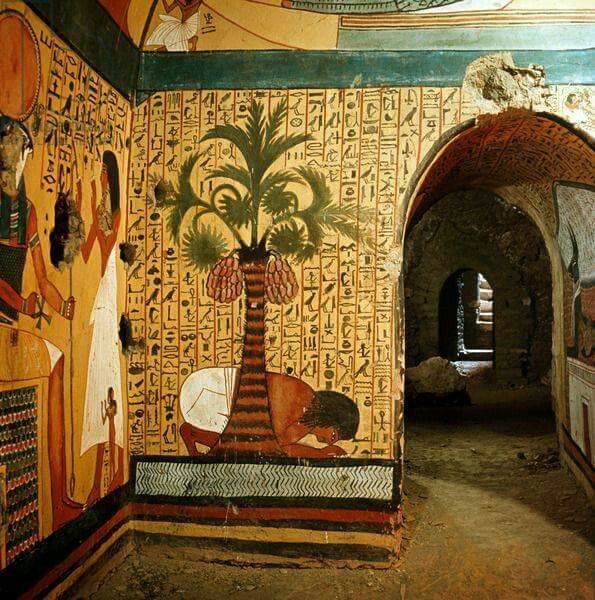
While the royal tombs were vast and imposing, the private tombs of the workers at Deir el-Medina are celebrated for their incredible detail and vibrant colors. Because these men were the masters of their craft, they used their spare time to create spectacular resting places for themselves and their families. The tombs of Sennedjem and Inherkha, for example, are famous for their perfectly preserved yellow-background paintings that depict scenes of agriculture, religious rituals, and the lush gardens of the afterlife. Unlike the formal, rigid art found in royal settings, these scenes often have a touch of personal flair and artistic freedom. The colors are so fresh they look as if the paint was applied yesterday. For visitors, these tombs provide a more “accessible” beauty; they are smaller and more intimate than the royal tombs, allowing you to get much closer to the artwork. They stand as a testament to the fact that in ancient Egypt, beauty and spiritual excellence were not reserved solely for the Pharaoh, but were attainable goals for the talented commoner as well.