
Welcome to

The Luxor Hot Air Balloon: A Celestial Journey Over the World’s Greatest Open-Air Museum

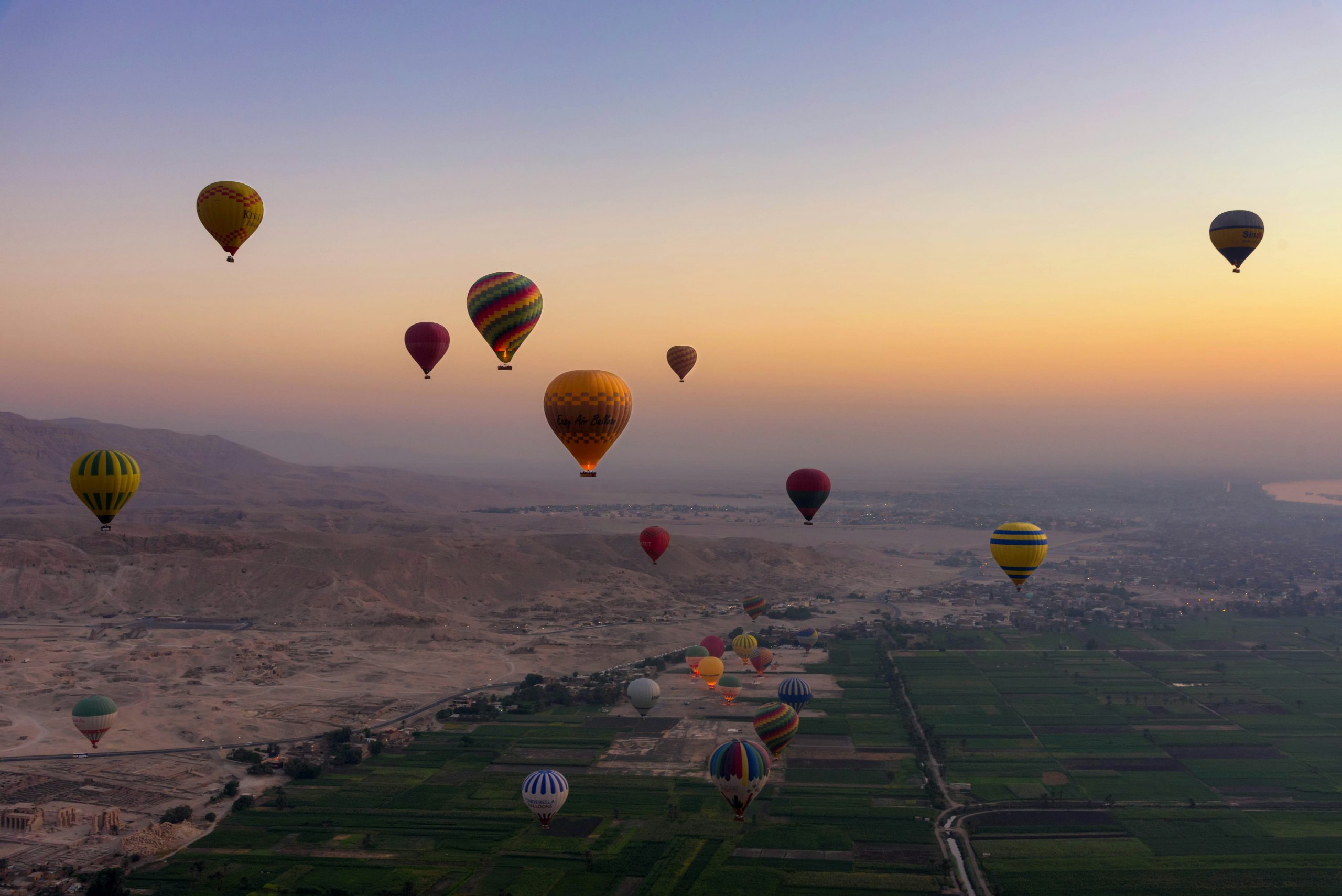
As the first light of dawn begins to break over the rugged peaks of the Theban Hills, a quiet transformation takes place on the West Bank of the Nile. The rhythmic roar of burners punctuates the morning silence, inflating a fleet of vibrant balloons that prepare to lift travelers into a realm of absolute serenity. A hot air balloon ride in Luxor is not merely a tourist activity; it is a spiritual and visual pilgrimage that offers the most comprehensive perspective of Egypt’s ancient soul. From a height of several hundred meters, the rigid boundaries of time seem to dissolve, allowing you to witness the seamless connection between the life-giving green of the Nile valley and the silent, golden eternity of the desert. This experience provides a unique vantage point that no ground-level tour can replicate, revealing the intricate layout of mortuary temples, the hidden entrances of royal tombs, and the sprawling network of ancient villages that have thrived in this landscape for millennia. It is a moment of profound peace, where the only sound is the occasional whisper of the wind, and the world below looks like a perfectly preserved map of human history. For anyone seeking to capture the true scale of the pharaonic empire, this celestial journey is an essential highlight of an Egyptian itinerary, turning a simple sunrise into a lifelong memory of majesty and wonder. As the balloon drifts gracefully with the currents, you gain a sense of the divine order that the ancients called Ma’at—the perfect balance between nature, humanity, and the gods that is still palpable in the air above Luxor today.

1. The Ritual of the Pre-Dawn Launch

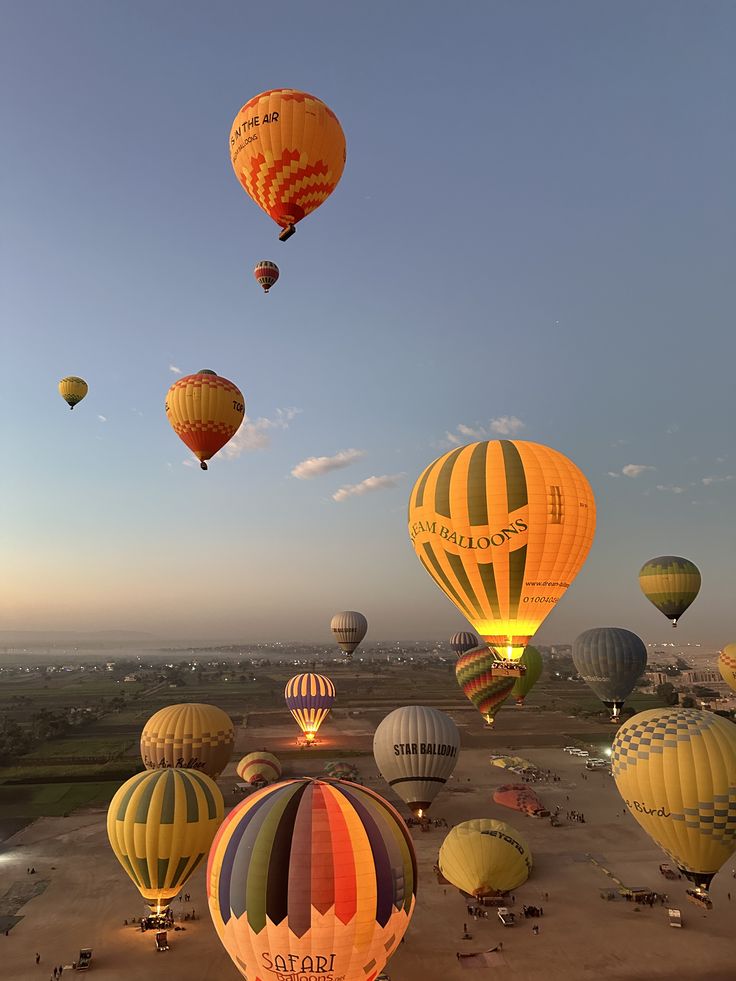
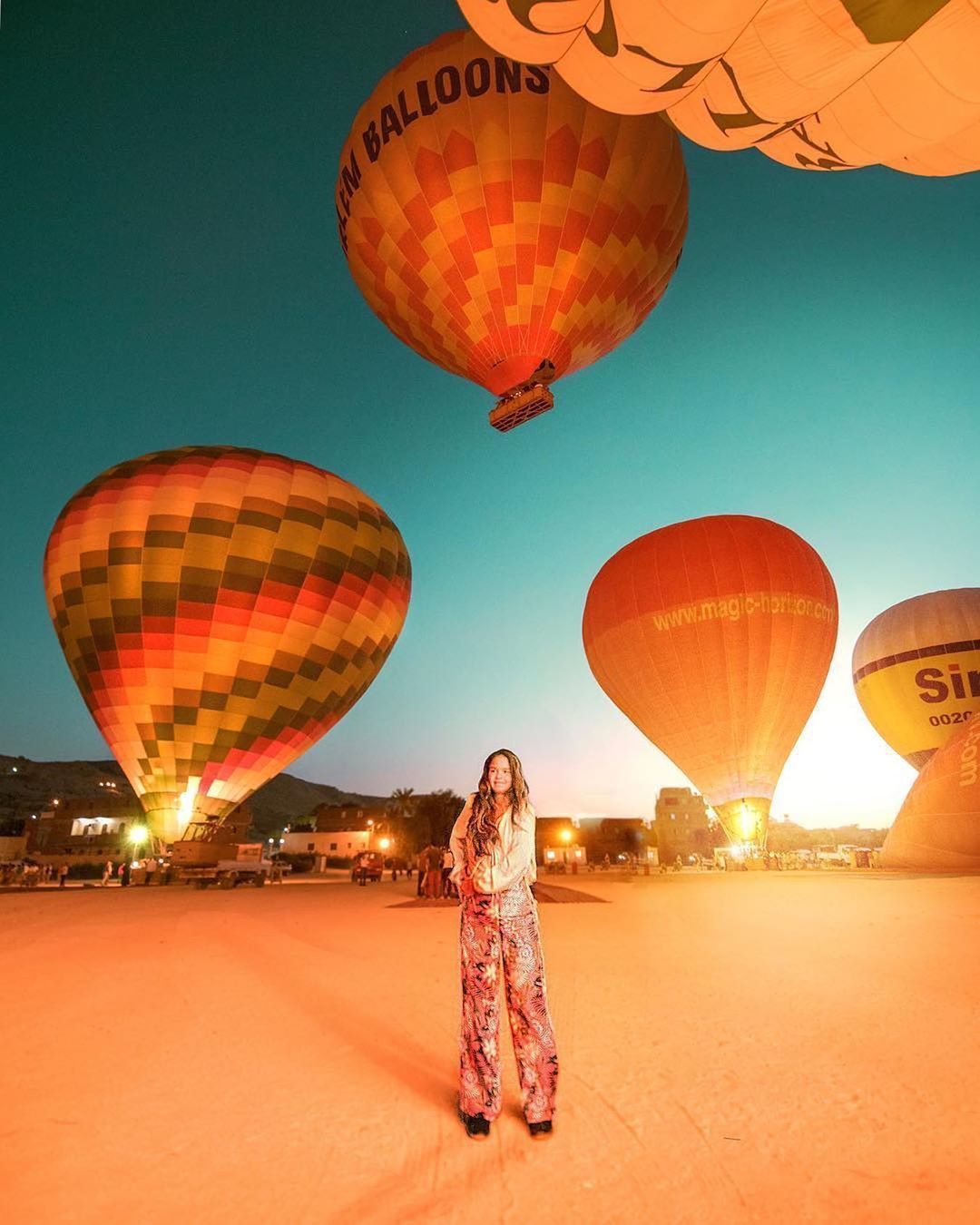
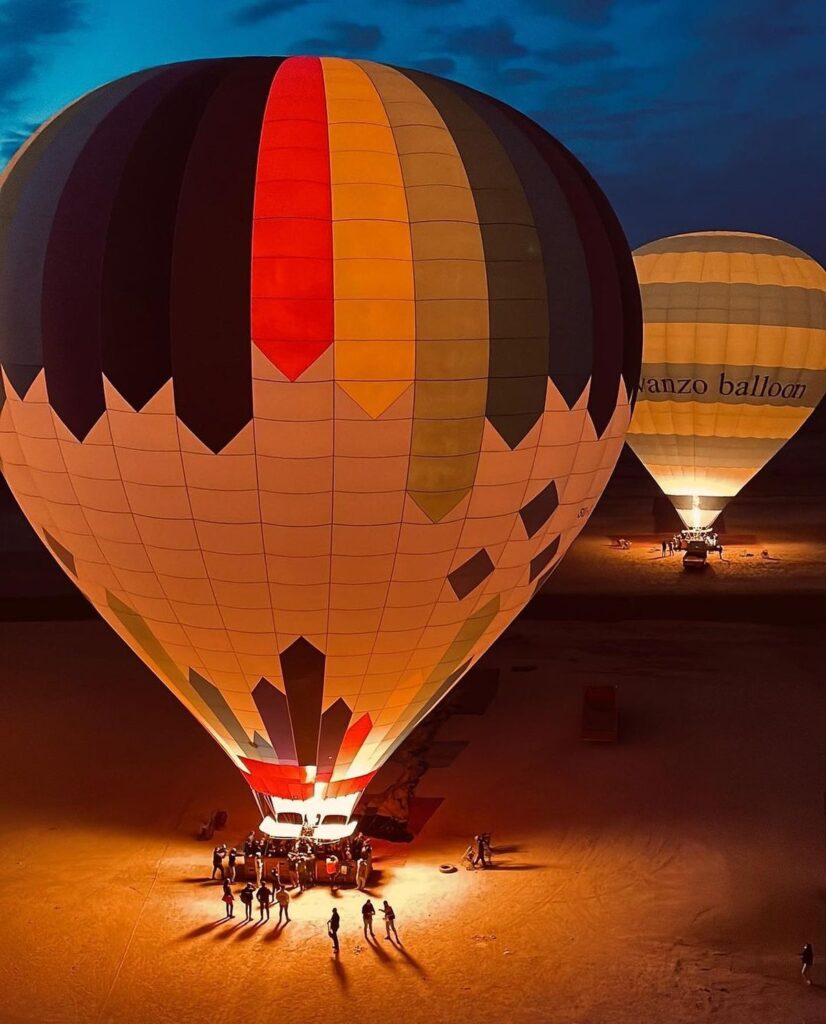
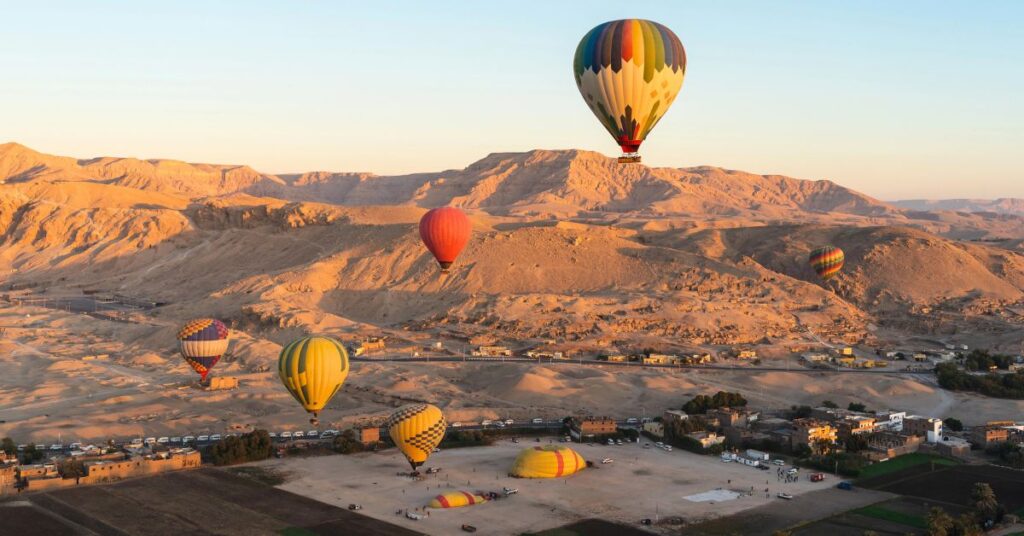
The adventure begins long before the balloon leaves the ground, offering a behind-the-scenes look at the precision and coordination required for a safe aerial voyage. Travelers are typically ferried across the Nile under the cover of starlight, enjoying the cool river breeze before arriving at the launch site on the West Bank. Here, the atmosphere is electric with anticipation as dozens of massive nylon envelopes are laid out across the sand. Watching the “cold inflation” process—where giant fans blow air into the balloons followed by the dramatic “hot inflation” with towering pillars of flame—is a spectacle in itself. The transition from a limp piece of fabric to a towering, seven-story vessel is a marvel of modern physics and ancient wonder. As the air inside the balloon heats up, the basket begins to right itself, and the pilot performs final safety checks. For the passenger, stepping into the wicker basket in the dim twilight creates a sense of camaraderie with fellow adventurers. It is a moment of shared excitement, where the ground crew’s synchronized efforts and the pilot’s expert handling of the burners build a foundation of trust. This pre-flight ritual is an integral part of the narrative, grounding the upcoming ethereal flight in the tangible reality of human skill and preparation.
2. A Bird’s-Eye View of the Theban Necropolis

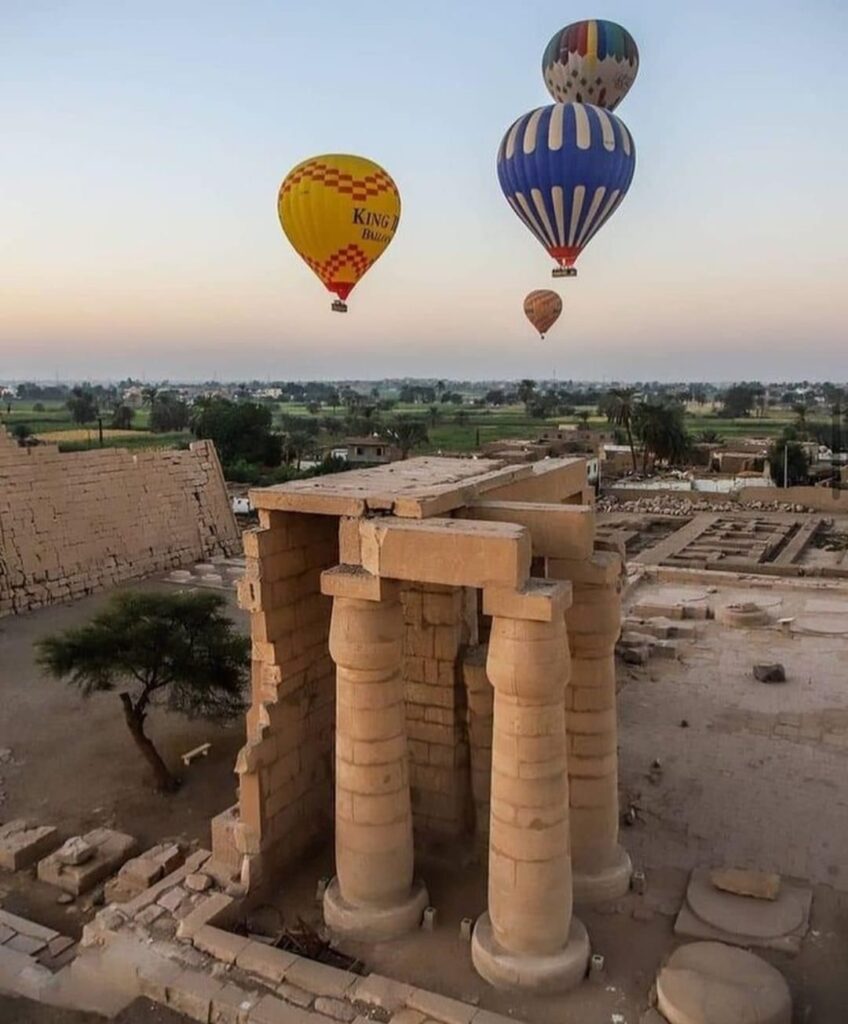
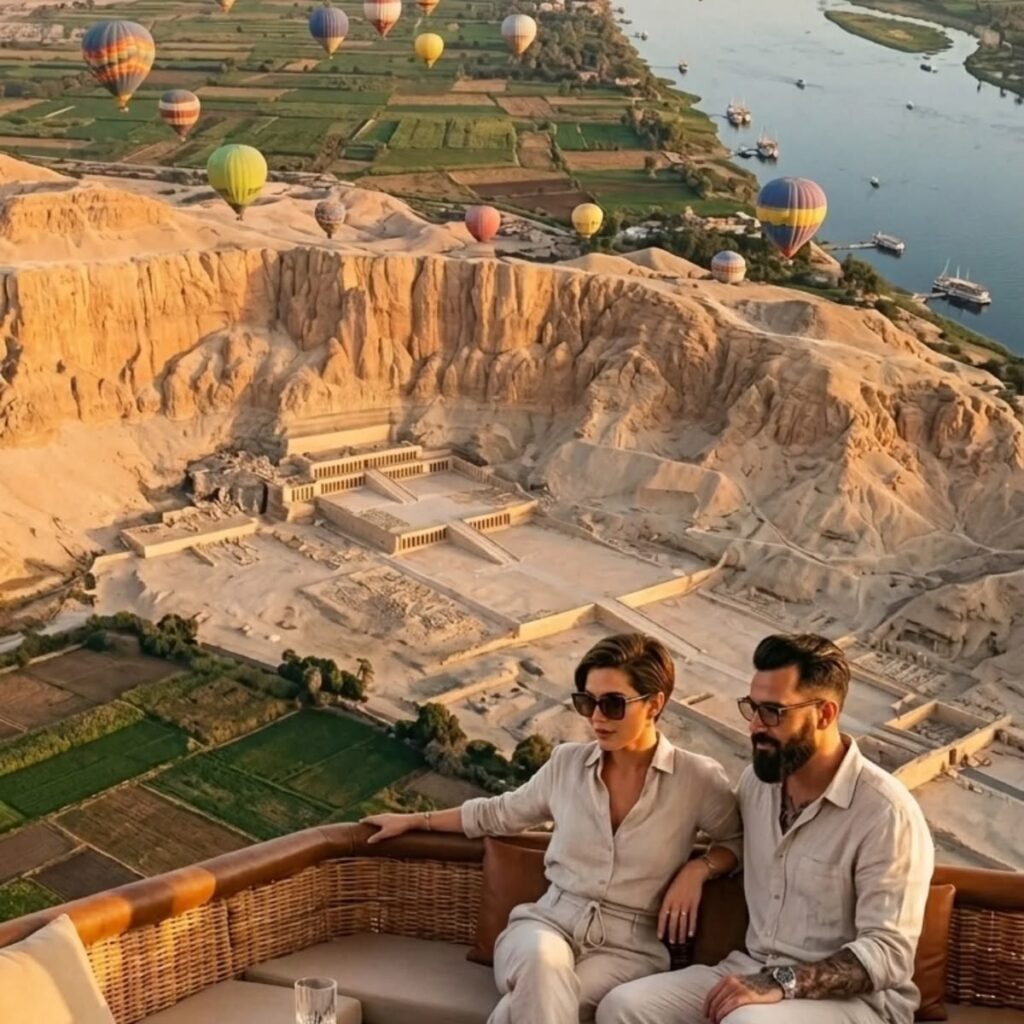
As the balloon gently detaches from the earth, the true scale of the Theban Necropolis begins to unfold in a breathtaking panoramic display. While walking through the Valley of the Kings offers an intimate look at the tombs, seeing the landscape from above reveals how the ancient architects utilized the natural topography of the desert. From this height, you can trace the processional paths that once connected the mortuary temples of the West Bank to the grand religious centers of the East Bank across the Nile. The Temple of Hatshepsut, carved directly into the limestone cliffs of Deir el-Bahari, looks particularly stunning from the air, its symmetrical terraces appearing like a natural extension of the mountain. You can also spot the sprawling ruins of the Ramesseum and the massive pylon of Medinet Habu, their layouts perfectly visible like a giant architectural blueprint. This aerial perspective allows history enthusiasts to understand the strategic placement of these monuments in relation to the rising sun and the fertile floodplain. It is a visual lesson in urban planning and religious symbolism, showing how the ancients transformed an entire geographic region into a sacred landscape dedicated to the eternal life of the pharaohs and the glory of the gods.
3. The Living Nile: Where Green Meets Gold

One of the most striking visual contrasts experienced during a Luxor balloon flight is the “Black Land” meeting the “Red Land”—the sharp, undeniable line where the lush green vegetation of the Nile valley stops and the harsh, golden desert begins. From the vantage point of the balloon, this distinction is a vivid reminder of why the Nile has been the lifeblood of Egypt for thousands of years. You can see the intricate network of irrigation canals that feed the fields of sugar cane, wheat, and clover, and observe the local farmers beginning their day’s work just as their ancestors did in the time of the pharaohs. The sight of small villages waking up, with smoke rising from kitchen fires and donkeys grazing along the riverbanks, adds a layer of “living history” to the flight. This contrast between the vibrant, productive green and the silent, protective desert provides a deep geographical context for the rise of the Egyptian civilization. It highlights the fragility and the resilience of life in this region, making the flight as much an exploration of modern rural Egypt as it is a journey into its ancient past. Watching the Nile glisten like a silver ribbon under the mounting sun completes this masterpiece of nature, offering a sense of peace that only comes from witnessing such a perfect environmental balance.
4. The Physics of Flight and the Pilot’s Skill

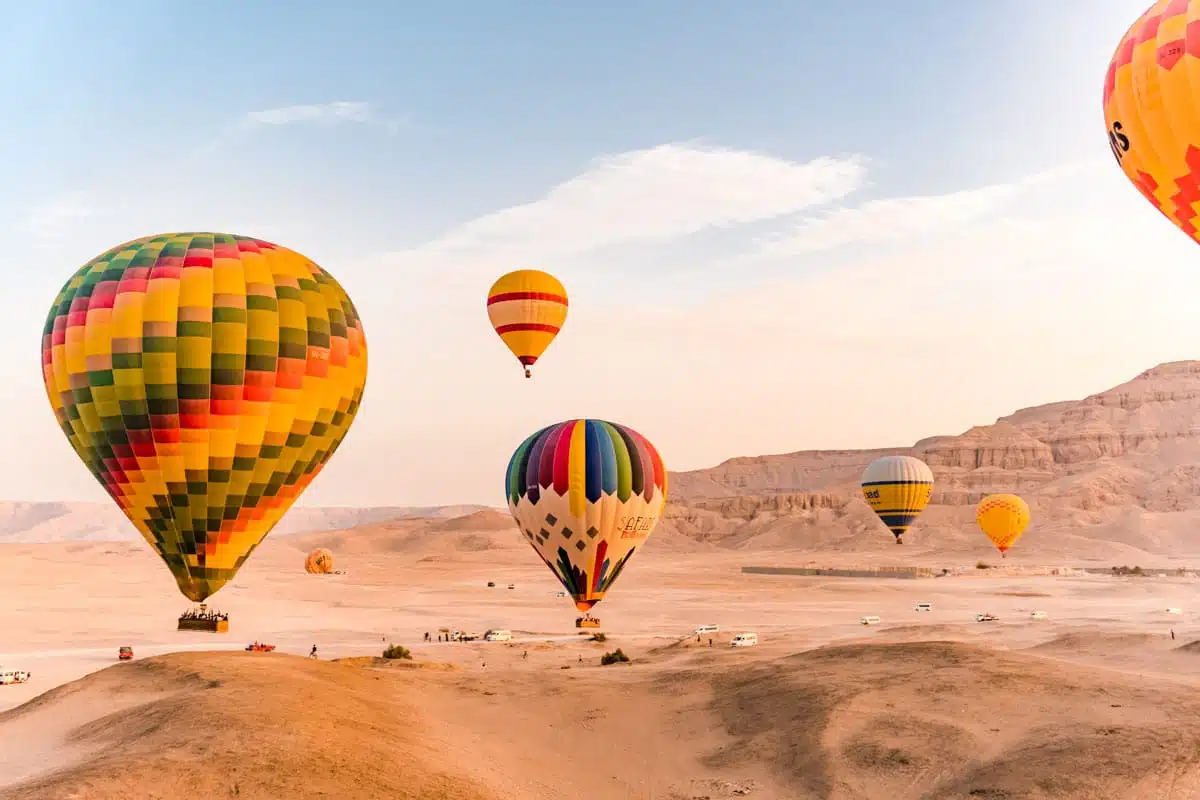
Navigating a hot air balloon over a landscape as historically sensitive as Luxor requires a unique blend of scientific precision and intuitive skill. Unlike other forms of aviation, a balloon cannot be “steered” in the traditional sense; it moves entirely with the prevailing wind currents. The pilot’s mastery lies in their ability to find different wind directions at varying altitudes by skillfully adjusting the temperature of the air inside the envelope. By firing the burners to rise or allowing the air to cool to descend, the pilot “hunts” for the specific air layer that will carry the basket toward the desired landmarks. This vertical navigation is a delicate dance with nature, as the pilot must also account for the thermal pockets created by the sun hitting the desert cliffs. For the passenger, this creates a fascinating sensation of being part of the atmosphere rather than just passing through it. Observing the pilot monitor the altimeter and GPS while maintaining a constant watch on the ground reveals the high level of professionalism required to ensure a smooth and safe journey. It is a technical performance that turns the unpredictable winds of the Sahara into a reliable guide through the sky.

5. Capturing the Golden Hour: A Photographer’s Paradise

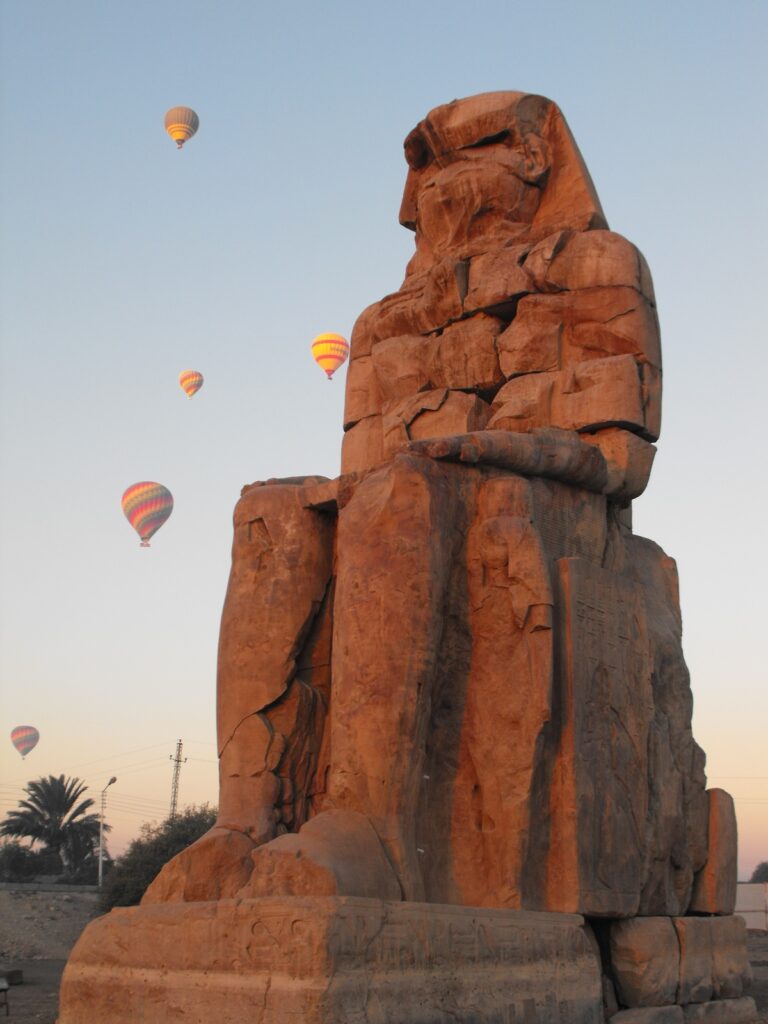
For photographers and digital content creators, the Luxor hot air balloon ride provides the ultimate “golden hour” opportunity. As the sun clears the horizon on the East Bank, it bathes the West Bank in a soft, amber light that emphasizes the textures of the limestone mountains and the intricate carvings of the temple pylons. From the air, the long shadows cast by the Colossi of Memnon and the columns of the Ramesseum create a sense of depth and drama that is impossible to capture from the ground. The elevation offers a clean, unobstructed background, allowing for stunning wide-angle shots of the entire necropolis or tight zooms on the vibrant sails of the traditional feluccas on the Nile below. Furthermore, the presence of dozens of other colorful balloons in the sky adds a whimsical and dynamic element to every frame, creating a sense of scale against the vast desert backdrop. This flight is a premier opportunity to collect high-quality visual assets that showcase Egypt’s beauty from a modern, adventurous perspective. Whether you are using a professional DSLR or a high-end smartphone, the constant shift in light and perspective ensures that no two photos are ever the same, making every passenger an artist for an hour.

6. The Serenity of the Descent and the Ground Celebration

The conclusion of the flight is as memorable as the ascent, characterized by a gradual return to the earth as the balloon finds a suitable landing spot in the desert or on the edge of the cultivated fields. The descent offers a final, close-up look at the local landscape, often skimming low enough to wave to children in the villages or see the details of the desert flora. Landing a balloon is a coordinated effort between the pilot and the ground chase crew, who track the balloon’s path from below to meet it at the moment of touchdown. Once the basket settles on the ground, a traditional celebration often ensues, marked by the presentation of flight certificates and local music or dancing. This “soft landing” is a moment of reflection, allowing passengers to decompress and share their awe with one another. The transition from the silent heights back to the bustling reality of the Egyptian countryside is handled with a sense of hospitality that is characteristic of the region. This final phase of the journey reinforces the connection between the traveler and the local community, turning a high-flying adventure into a grounded, human experience that celebrates the successful completion of a shared voyage.

7. Safety Standards and Modern Aviation Protocols

The safety of hot air ballooning in Luxor is governed by rigorous standards overseen by the Egyptian Civil Aviation Authority, ensuring that every flight meets international safety benchmarks. Each morning, before any balloon is permitted to inflate, a specialized weather balloon is launched to analyze wind speeds and directions at multiple altitudes. Pilots, who undergo extensive training and must maintain valid commercial licenses, receive a final “green light” only if the conditions are deemed perfectly stable. The balloons themselves are subject to regular mechanical inspections, and the equipment—from the heavy-duty wicker baskets to the dual-burner systems—is designed with multiple redundancies. For travelers, this high level of professional oversight provides peace of mind, allowing them to fully immerse themselves in the experience. Understanding the technical checks and the constant communication between the pilots and the control tower reveals that while the flight feels like a dream, it is supported by a robust framework of modern aviation technology. This commitment to safety ensures that the magic of the sunrise is never compromised, making it one of the most reliable and secure adventure activities in the Middle East.

8. The Seasonal Magic of the Luxor Skies

While the hot air balloon experience is available year-round, each season brings a distinct atmosphere and visual palette to the skies of Luxor. During the winter months, the air is crisp and exceptionally clear, providing visibility that can stretch all the way to the distant peaks of the Red Sea mountains. The cool morning temperatures make the heat from the burners feel particularly cozy, and the low angle of the winter sun creates long, dramatic shadows that are perfect for architectural photography. In contrast, a flight during the spring or autumn offers a softer, more hazy light that gives the temples a romantic, ethereal glow. Even in the summer, the early dawn departure ensures that passengers are back on the ground before the heat of the day sets in, with the rising thermals often allowing for higher-altitude flights. Each trip is a unique reflection of the time of year, influenced by the moisture in the air and the state of the agricultural cycle below. This seasonal variability means that no two flights are ever identical, encouraging repeat visitors to see the landscape of the pharaohs through a constantly changing seasonal lens.

9. Integrating the Flight into a Professional Itinerary

For travel planners and tour operators, the hot air balloon ride serves as the perfect “curtain-raiser” for a day of exploration on the West Bank. By scheduling the flight at dawn, travelers gain a comprehensive mental map of the Theban Necropolis before they ever set foot in a tomb or temple. This “aerial orientation” makes the subsequent ground tours much more meaningful, as visitors can relate the specific sites they visit—like the Valley of the Kings or Medinet Habu—to the vast landscape they surveyed from above. It also allows for efficient time management; since the flight concludes by 7:30 or 8:00 AM, guests can be among the first to enter the archaeological sites, beating the midday heat and the larger crowds. Professionally, the balloon ride adds a high-value “bucket list” item to any itinerary, elevating a standard historical tour into a multi-dimensional adventure. It provides the emotional and visual peak that many travelers are looking for, ensuring that their visit to Luxor is not just an educational trip, but a transformative life experience that balances the weight of ancient history with the lightness of modern flight.

10. The Cultural Impact on Local Communities

The hot air balloon industry is not just a highlight for tourists; it is a vital economic engine for the communities living on the West Bank of Luxor. A single launch involves a massive logistical team, including ground crews, drivers, boat captains, and maintenance engineers, many of whom come from the local villages of Gurna and nearby agricultural areas. This industry provides stable employment and supports the local economy, creating a symbiotic relationship between ancient heritage and modern livelihoods. As the balloons drift over the fields, the interaction with the people below—farmers waving from their tractors or children running through the greenery—adds a layer of human warmth to the journey. For the conscious traveler, knowing that their adventure supports the preservation of local skills and provides a sustainable income for hundreds of families adds a deeper sense of purpose to the flight. It transforms the experience from a simple sightseeing tour into a meaningful exchange that helps keep the vibrant culture of Upper Egypt thriving in the shadow of its monumental past.

11. Environmental Harmony and Silent Flight

One of the most remarkable aspects of hot air ballooning is its status as one of the most environmentally friendly ways to experience a historical site. Because the balloon relies on the natural buoyancy of heated air and moves at the mercy of the wind, it leaves a minimal carbon footprint compared to motorized transport. Furthermore, the flight is characterized by long periods of absolute silence between the short bursts of the burners. This lack of constant engine noise prevents the disturbance of local wildlife and maintains the tranquil atmosphere of the sacred Theban Necropolis. The balloons do not require paved runways or permanent infrastructure in the desert, allowing the landscape to remain largely untouched. For travelers who prioritize eco-friendly and low-impact tourism, the balloon offers a way to witness the beauty of Luxor without compromising the integrity of its environment. It is a masterclass in “silent tourism,” where the majesty of the earth is respected and the traveler becomes a quiet observer of the eternal rhythms of the Nile valley.

12. A Lifetime Milestone: The Emotional Resonance of the Flight

In conclusion, a hot air balloon flight over Luxor is more than the sum of its parts; it is an emotional milestone that stays with a traveler long after they have returned home. There is a profound psychological shift that occurs when you are suspended between the earth and the heavens, watching a civilization that is five thousand years old wake up beneath you. It provides a rare moment of perspective, reminding us of the enduring nature of human achievement and the breathtaking beauty of the natural world. Whether you are celebrating a special occasion or simply fulfilling a lifelong dream of seeing the pyramids and temples of Egypt, the flight offers a sense of clarity and wonder that is difficult to find in the hustle of modern life. As you finally step out of the basket and receive your flight certificate, you carry with you a new understanding of the word “majesty.” The Luxor skies have shared their secrets, and the memory of that golden sunrise over the West Bank becomes a permanent part of your own personal history—a jewel in the crown of your Egyptian adventure.

Luxor Hot Air Balloon : Frequently Asked Questions

Safety is the top priority for the Egyptian Civil Aviation Authority. Every morning, a “test balloon” is launched to check wind speeds at different altitudes. If the wind exceeds safe limits (usually around 8–10 knots), all flights are canceled across the board. Furthermore, pilots must undergo rigorous training and medical checks, and the balloons are inspected daily to ensure they meet international aviation standards.

While flights operate year-round, the “peak” season is from October to April when the weather is cooler. During these months, the air is incredibly crisp and clear, offering the best visibility for photography. However, a summer flight is also spectacular; the dawn departure ensures you are back at your hotel before the heat of the day truly begins.

Balloons require stable air to fly safely. Just before and during sunrise, the atmosphere is at its most calm, and the winds are predictable. As the sun rises higher, it heats the ground, creating “thermals” (rising pockets of hot air) that can make the balloon difficult to control. The early start also offers the “Golden Hour” lighting, which is the most beautiful for viewing the temples.

A balloon cannot be steered like a car; it goes where the wind blows. However, experienced pilots can “steer” vertically by finding different wind directions at different heights. They use this skill to navigate toward safe landing zones in the desert or empty fields. A dedicated ground crew follows the balloon in vans and is always there to meet the basket the moment it touches down.

Even in summer, the desert can be chilly before dawn, so dressing in layers is highly recommended. You won’t feel the wind once you are in the air (because you are moving with the wind), and the heat from the burners actually keeps the basket quite warm. Most importantly, bring a camera with a neck strap and avoid bringing large backpacks, as space in the basket is limited.