
1. The Architectural Grandeur of the Mortuary Temple
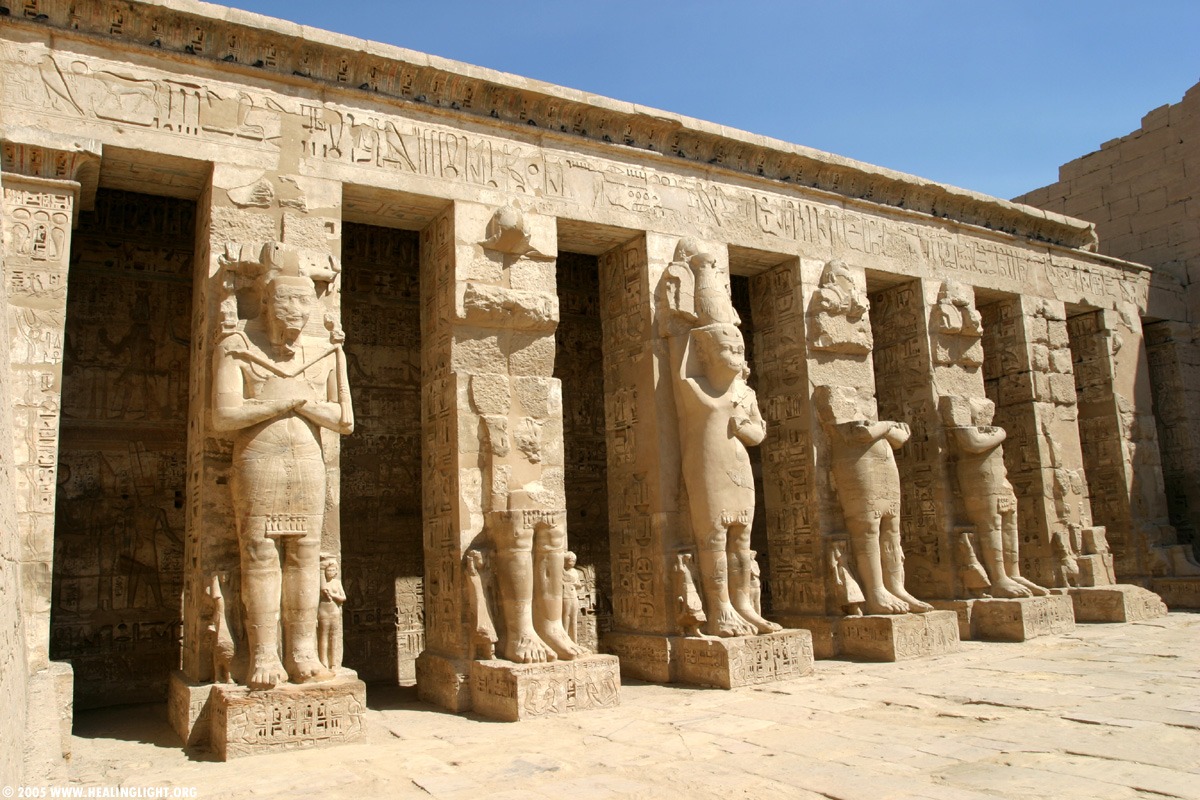
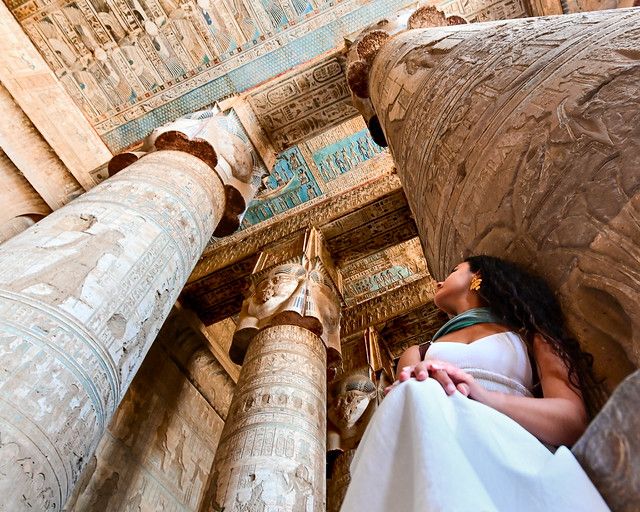
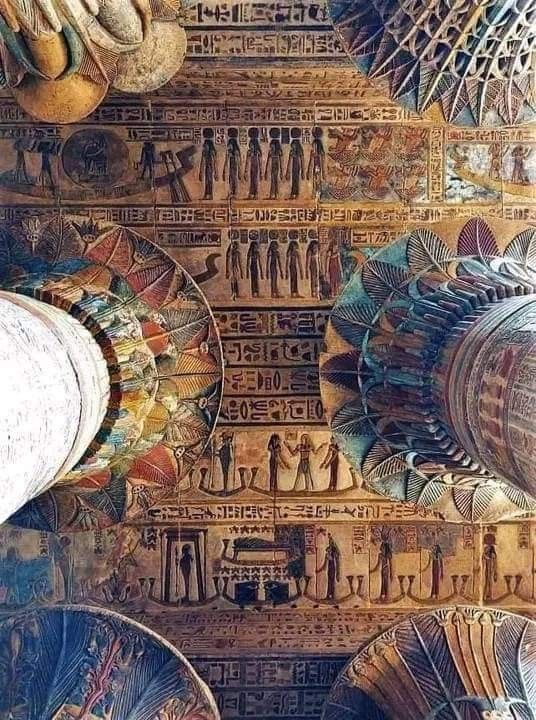
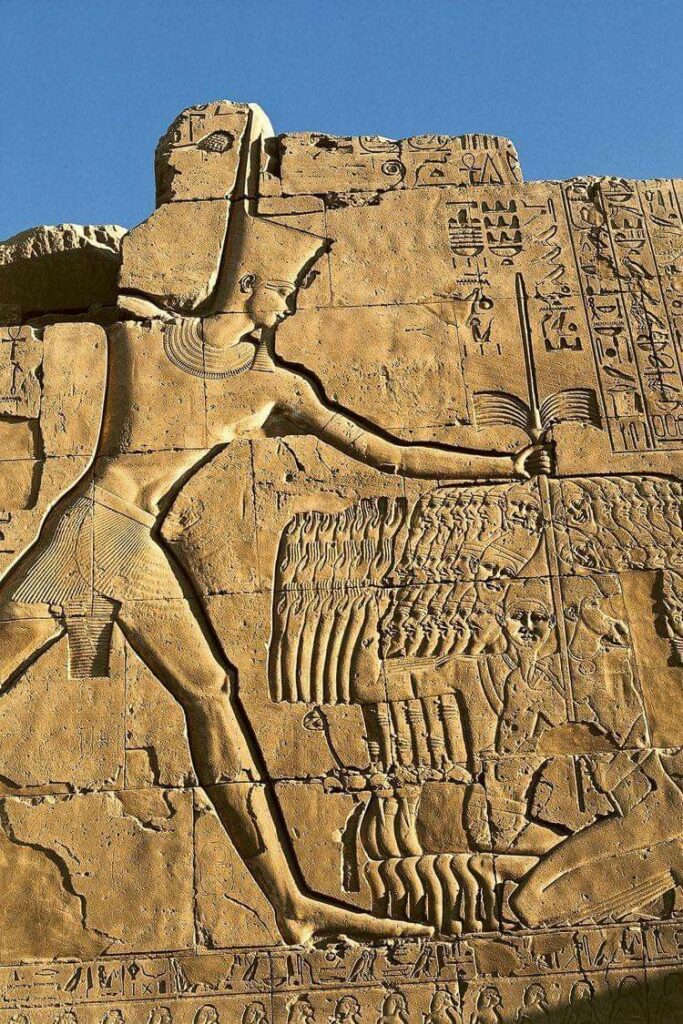
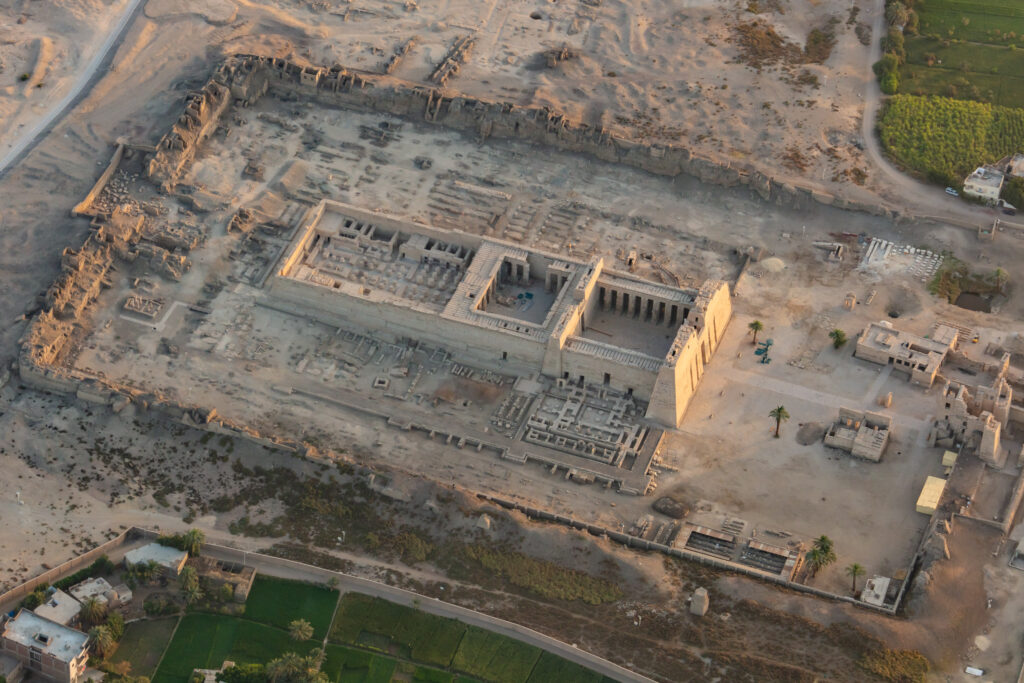
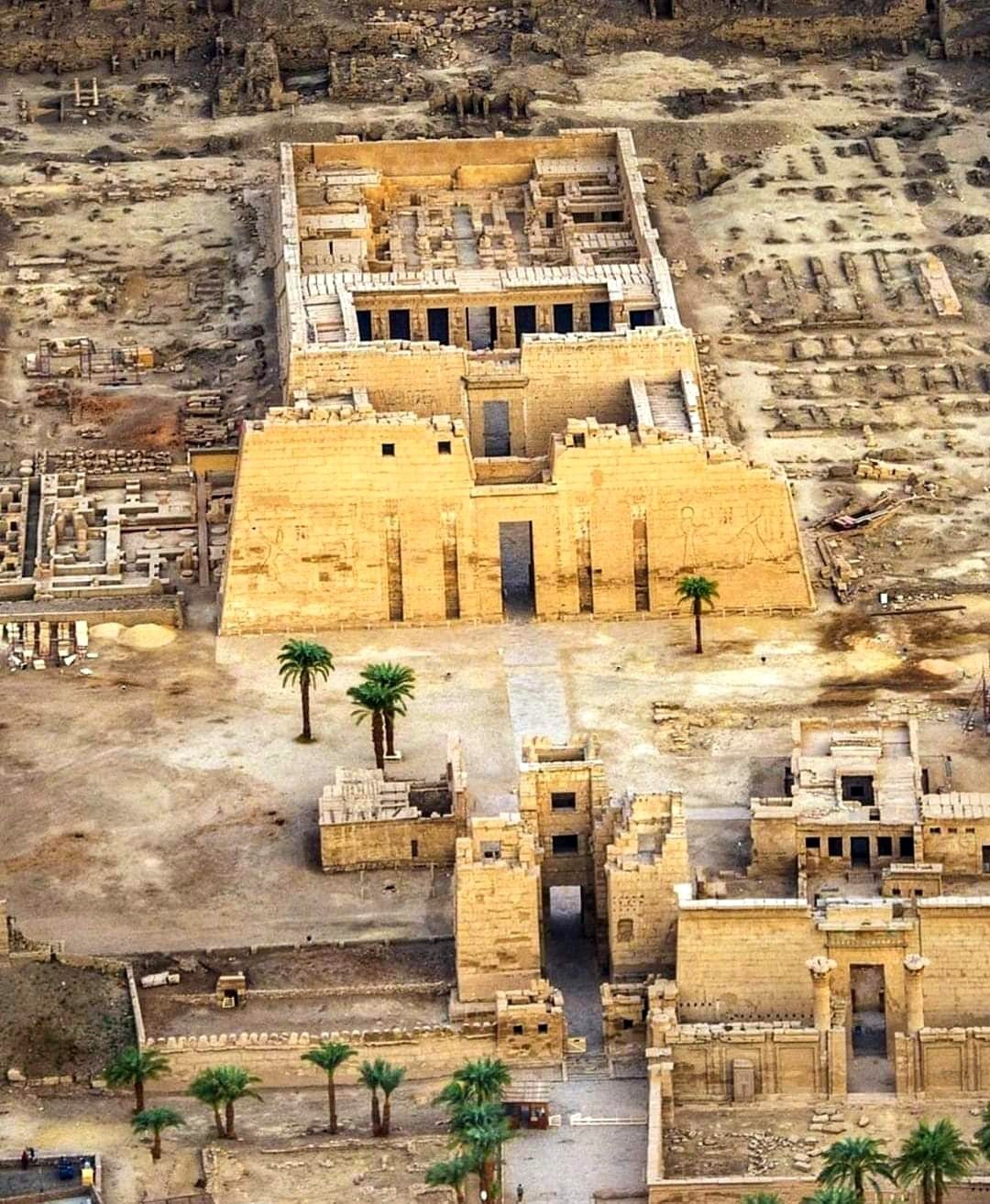
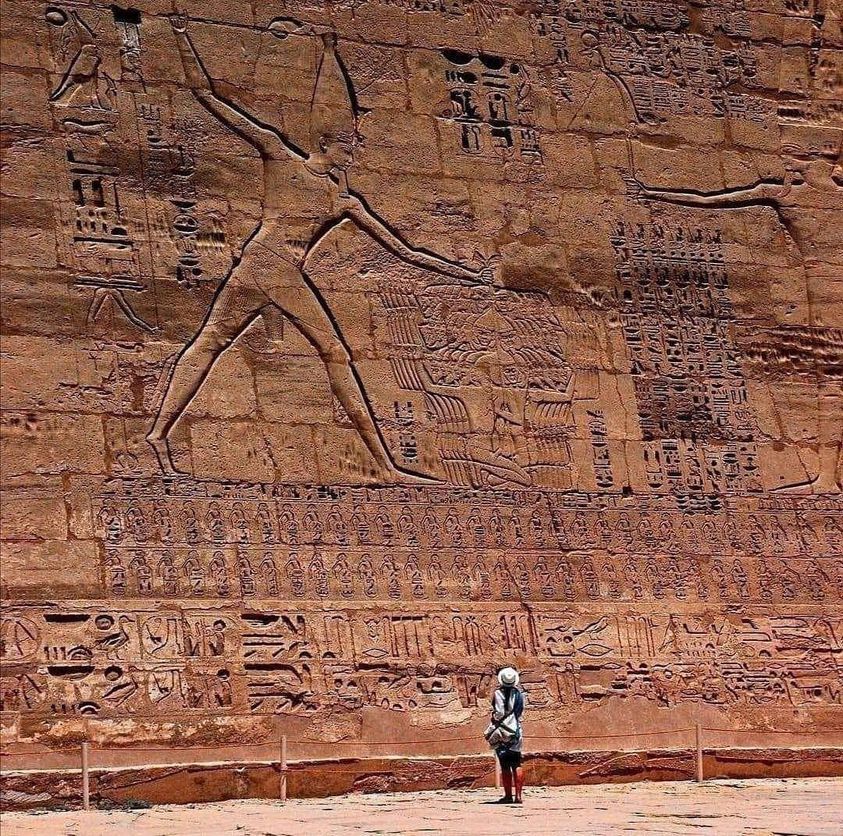
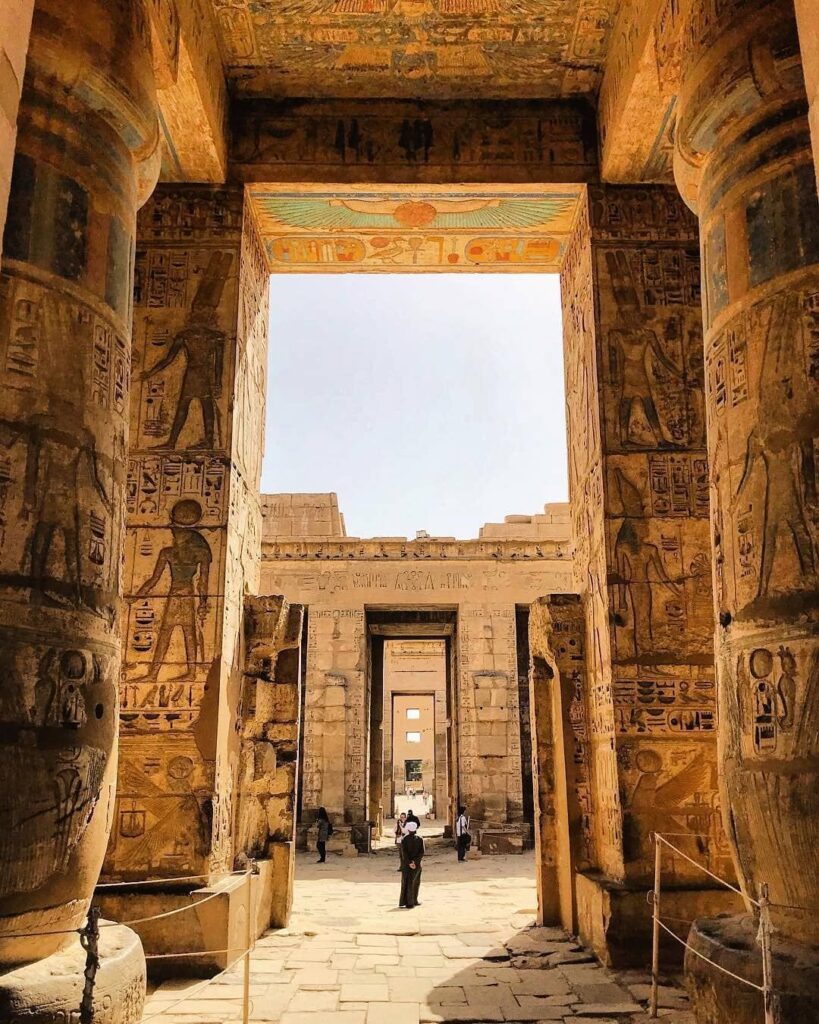
The primary structure at Medinet Habu is the Mortuary Temple of Ramses III, an architectural masterpiece that mirrors the design of the Ramesseum but surpasses it in preservation. This temple was designed to be the eternal home for the king’s cult, where priests would perform daily rituals to ensure his divinity in the afterlife. The design follows the classic New Kingdom temple layout but on a monumental scale, beginning with two massive pylons that are covered in breathtaking scenes of military triumph. What sets this temple apart from others is the depth of its carvings; Ramses III ordered his scribes and artists to cut the reliefs unusually deep into the stone, fearing that future kings might attempt to erase his name and achievements—a common practice among pharaohs. Because of this strategic foresight, the temple’s exterior remains incredibly sharp and legible today. As you walk through the first and second courtyards, you are surrounded by towering columns and massive statues of the king in his Osiride form. The ceiling of the second courtyard still bears the vibrant blue of the Egyptian sky, painted with yellow stars that have survived the passage of time. This level of preservation allows travelers to experience the temple much as it would have looked three thousand years ago, providing a sensory connection to the past that is rare even in a city as rich as Luxor.
2. The Epic Battles Against the Sea Peoples
The walls of Medinet Habu serve as a stone library documenting one of the most critical periods in ancient history: the invasion of the Sea Peoples. During the reign of Ramses III, the Mediterranean world was in a state of chaos as mysterious confederations of seafaring tribes collapsed empires and threatened the borders of Egypt. The exterior walls of the temple are covered in incredibly detailed scenes of the Great Naval Battle, the first recorded sea battle in human history. Here, you can see the Egyptian navy outmaneuvering the enemy ships, with archers raining arrows down from the shore. The reliefs go beyond mere propaganda; they provide an ethnographic record of the invaders, showing their unique feathered headdresses, weapons, and even their families traveling in ox-carts. These carvings were intended to broadcast the king’s role as the protector of Ma’at, or divine order, against the forces of chaos. For a modern traveler, standing before these scenes is like watching an ancient epic movie frozen in stone. The intensity of the carvings, showing the tangled bodies of the defeated and the triumph of the Egyptian army, highlights the military prowess that allowed the New Kingdom to survive one of its greatest existential threats. It is a must-visit for anyone interested in the military history of the ancient world, offering a narrative power that few other monuments can match.
3. The Migdol Gate and the Royal Palace
One of the most distinctive features of Medinet Habu is its entrance, known as the Migdol Gate. Unlike the traditional pylons found at the entrance of most Egyptian temples, this gate is designed to look like a high-walled Asiatic fortress, reflecting the military campaigns Ramses III conducted in the Levant. This structure served a dual purpose: it was a formidable defensive gateway and a luxury apartment for the pharaoh when he visited the West Bank for festivals. On the upper floors of the gate, there are intimate and rare scenes of the king relaxing with the ladies of his harem, showing a softer, more human side of the royal life that is rarely depicted in public temple art. Adjacent to the first courtyard of the temple are the ruins of the Royal Palace, where the foundations, doorways, and even the king’s private bath can still be traced. While the mud-brick walls of the palace have largely eroded over time, the stone elements remain, allowing visitors to visualize the daily life of the court within the temple’s protective embrace. This combination of a fortress, a palace, and a temple makes Medinet Habu a microcosm of the Egyptian state, where the religious, military, and domestic lives of the pharaoh were inextricably linked. Exploring this area gives travelers a profound sense of the complexity of the 20th Dynasty’s royal administration and the king’s dual role as both a god on earth and a military commander.