
Welcome to

Egypt: The Cradle of Civilization and a Journey Through Time

Egypt, a land where history breathes through every grain of sand and whispers from the stones of ancient temples, stands as one of the world’s most captivating travel destinations. Stretching across the northeastern corner of Africa, this mesmerizing nation serves as a living bridge between the grandeur of the past and the vibrant energy of the present. For travelers seeking an unforgettable vacation in Egypt, the country offers an unparalleled tapestry of experiences, from the iconic pyramids that define the skyline to the sun-drenched beaches of the Red Sea. Whether you are a history enthusiast, a seeker of culture, or simply looking for luxury travel in Egypt, this timeless destination provides endless possibilities. As you traverse the banks of the Nile, the world’s longest river, you aren’t just visiting a country; you are stepping into a profound chronicle of human achievement. Egypt’s unique blend of archaeological wonders and modern hospitality makes it a must-visit location on any global traveler’s bucket list.

1. The Timeless Legacy of Ancient Egypt

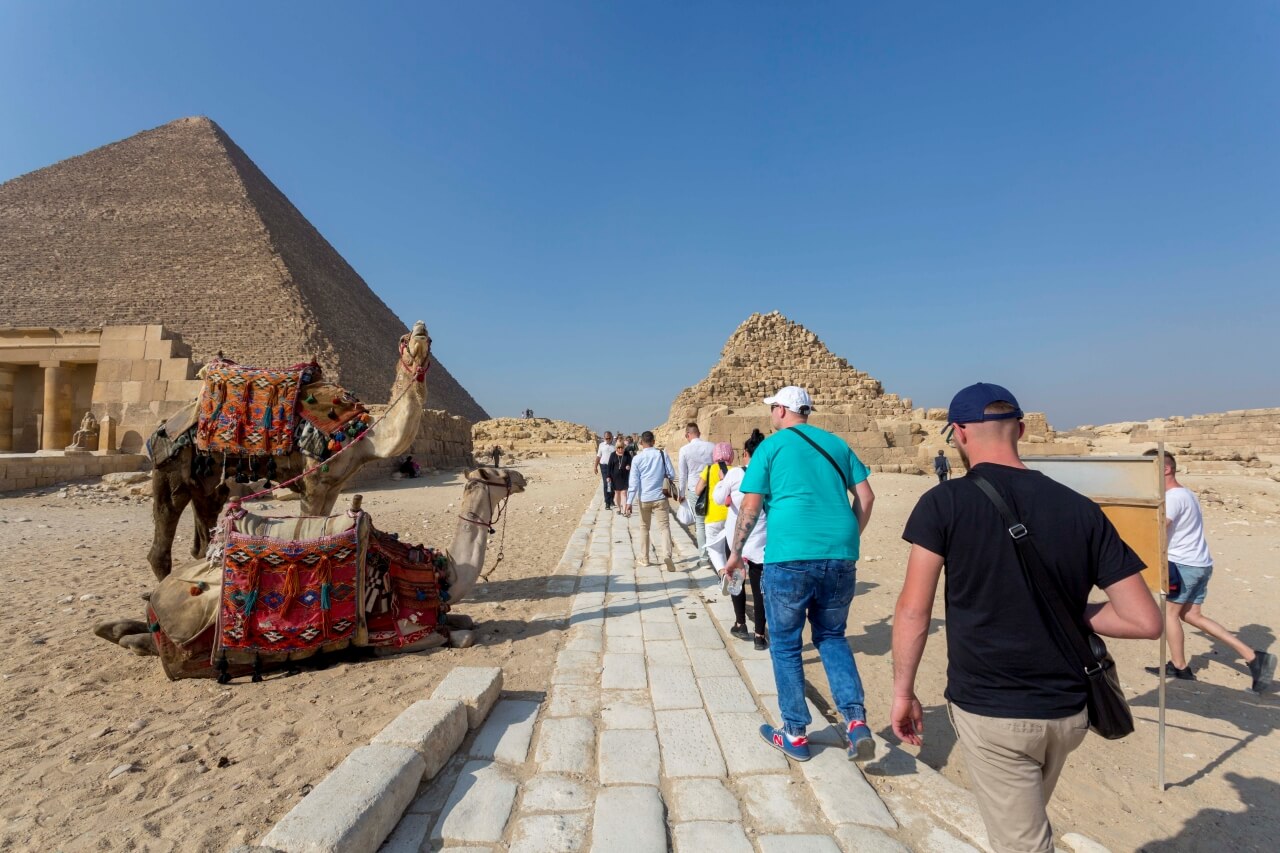
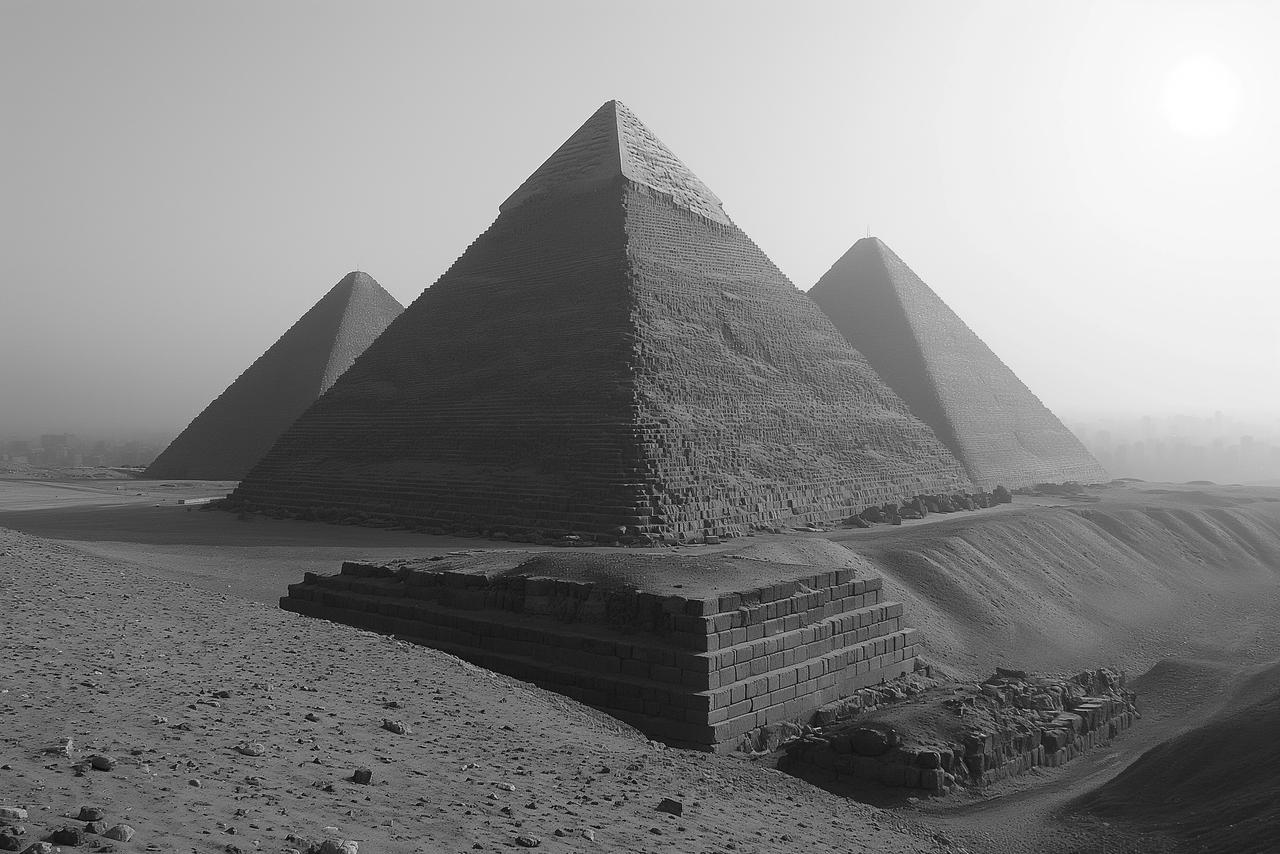
Ancient Egypt remains the primary draw for millions of international visitors eager to witness the architectural marvels left behind by the pharaohs. When planning tours to Egypt, the Giza Plateau is almost always the starting point, home to the Great Pyramid of Khufu, the last remaining wonder of the ancient world. However, the legacy extends far beyond these monuments; it is etched into the hieroglyphics of temples like Karnak and Luxor, which reflect the advanced civilization that thrived thousands of years ago. The preservation of these sites offers a unique window into the religious, political, and social fabric of an era that shaped human history. For those interested in cultural tourism in Egypt, understanding the pharaonic heritage is essential. Each ruin tells a story of gods, kings, and commoners, providing a deep, intellectual connection to the land. As you explore these open-air museums, you realize that Egypt is not just a destination; it is an immersive historical journey that challenges and expands your perception of antiquity.
The Majestic Nile

2. The Majestic Nile: The Lifeblood of Egypt

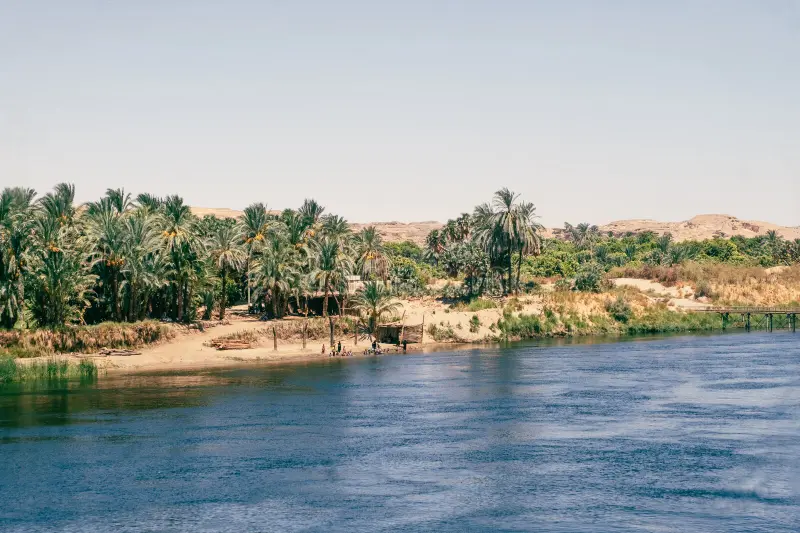
No exploration of this nation is complete without experiencing the legendary Nile River, which has been the cornerstone of Egyptian life since the dawn of time. A Nile River cruise is widely considered one of the most relaxing and scenic ways to traverse the country, connecting the historical hubs of Luxor and Aswan. As you sail along the serene waters, you witness the rhythmic life of farmers in lush green fields, reminiscent of scenes depicted in ancient tomb paintings. This journey allows travelers to visit remote temples and hidden archaeological sites that are only accessible by water, offering a peaceful respite from the bustling city life. Beyond its historical significance, the river offers stunning sunset views and a unique perspective on the Egyptian landscape. For travelers looking for Egypt travel packages, integrating a river cruise provides a perfect balance of leisure and sightseeing, ensuring that the essence of the Nile—the true heart of Egypt—remains a highlight of your travel experience.
 

Cairo Excursions

3. Cairo: Where Modernity Meets Ancient Grandeur

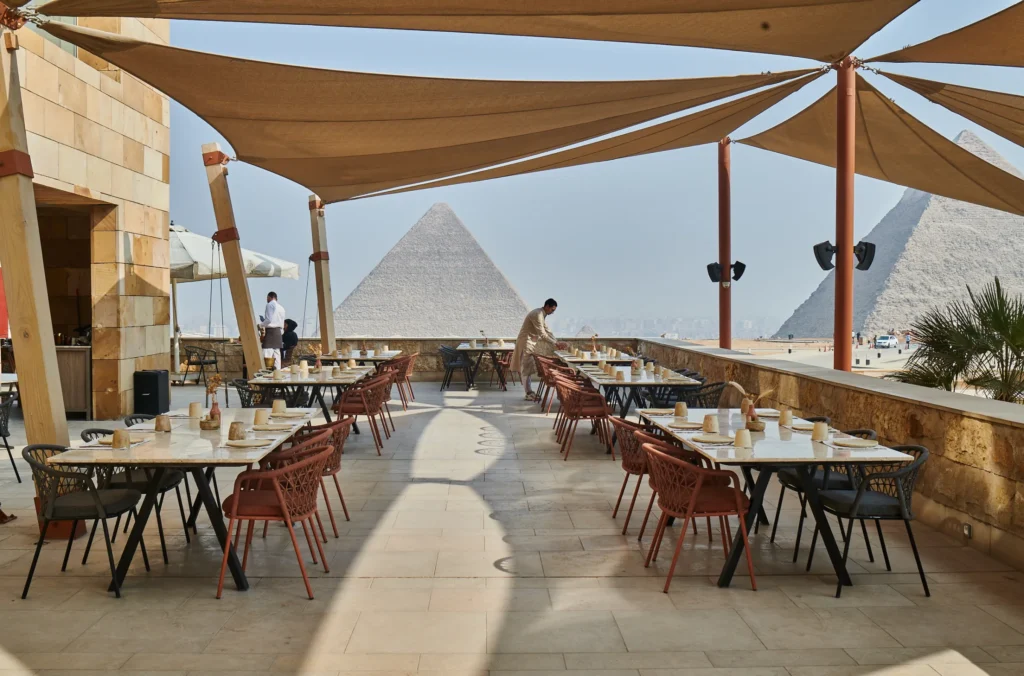
Cairo, the bustling capital city, is a sensory explosion that perfectly encapsulates the chaotic yet charming spirit of Egypt. Known as the “City of a Thousand Minarets,” Cairo is home to a staggering array of Islamic and Coptic architecture, alongside the undeniable proximity to the Giza necropolis. Navigating through the narrow alleys of Khan el-Khalili bazaar offers a glimpse into local life, where the scent of spices and the sound of traditional music create an atmosphere that feels unchanged for centuries. As you plan your Egypt travel itinerary, Cairo serves as the essential gateway, offering luxury hotels, fine dining, and world-class museums like the Grand Egyptian Museum. The city represents the intersection of Egypt’s deep-rooted traditions and its aspiration toward a modern future. It is a place where you can spend your morning marveling at ancient artifacts and your evening enjoying a sophisticated dinner overlooking the Nile, making Cairo an indispensable part of your Egyptian adventure.
4. Coastal Paradises: The Red Sea Riviera

While the historical wonders of the Nile Valley are profound, Egypt’s coastal allure is equally mesmerizing, particularly along the Red Sea. Cities like Hurghada and Sharm El-Sheikh have transformed into world-class destinations for scuba diving in Egypt and snorkeling enthusiasts. The Red Sea is renowned for its crystalline turquoise waters, vibrant coral reefs, and a staggering diversity of marine life, making it one of the top diving spots globally. For travelers seeking beach holidays in Egypt, these resorts offer a perfect blend of luxury, relaxation, and water-based adventure. Beyond the aquatic activities, the Red Sea Riviera provides high-end accommodations, championship golf courses, and vibrant nightlife, catering to diverse preferences ranging from family vacations to romantic getaways. The dramatic contrast between the arid desert mountains and the sparkling sea creates a unique landscape that is both serene and exhilarating. Whether you choose the bustling waterfront promenades of Hurghada or the sophisticated resorts of Sharm El-Sheikh, the coastal region represents the quintessential Egypt vacation experience for those looking to unwind. As you immerse yourself in the warm waters, you will understand why this region remains a cornerstone of the country’s thriving tourism industry, attracting sun-seekers and adventurers from every corner of the globe throughout the year.

Role of Qaitbay - Try Egypt tours

5. Alexandria: The Mediterranean Jewel and Roman Legacy

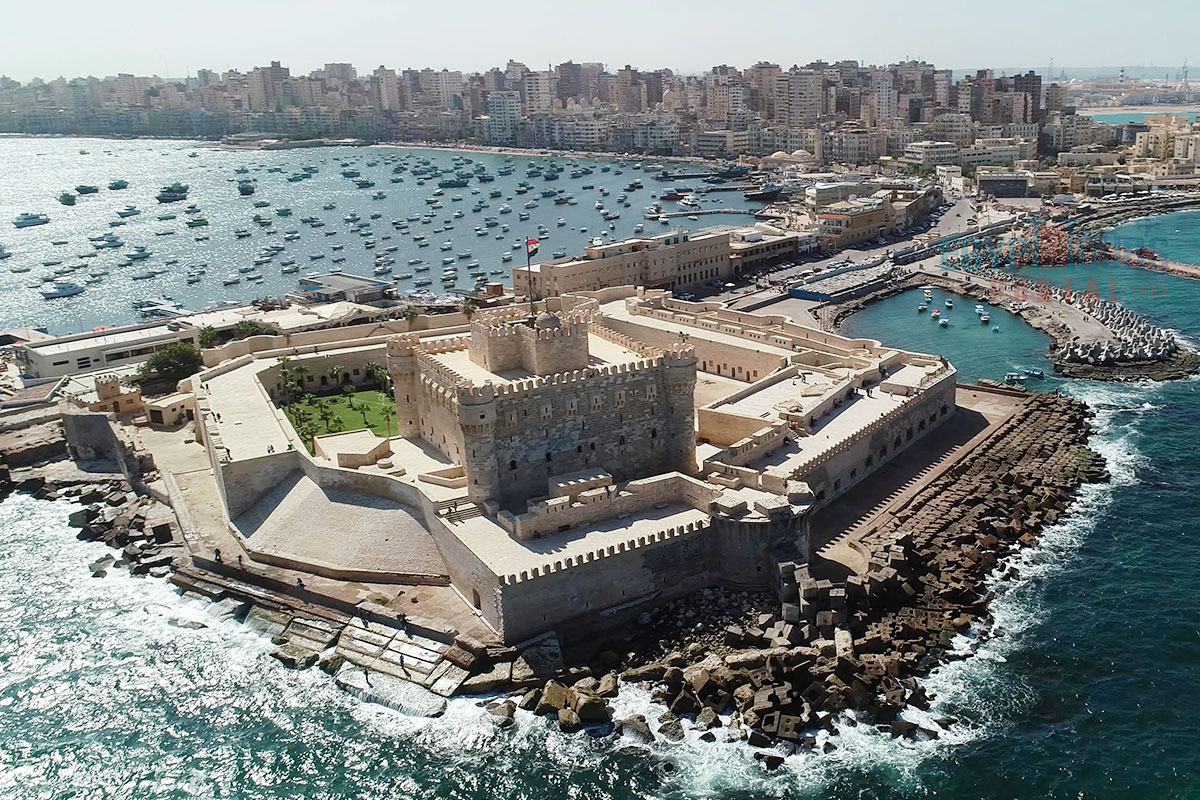
Alexandria, established by Alexander the Great, stands as a testament to Egypt’s cosmopolitan history and its enduring connection to the Mediterranean world. Often referred to as the “Pearl of the Mediterranean,” the city offers a distinct architectural and cultural character that sets it apart from the rest of the country. Visitors interested in historical sites in Egypt will find Alexandria’s unique blend of Greco-Roman heritage and modern maritime charm truly captivating. Key attractions such as the Catacombs of Kom El Shoqafa, the Roman Amphitheatre, and the legendary Citadel of Qaitbay serve as reminders of the city’s past as a global intellectual and commercial hub. Unlike the desert-dominated landscapes of the south, Alexandria features a temperate climate and a breezy, European-style atmosphere, complete with beautiful corniche walks and historic libraries. Exploring Alexandria provides a deeper understanding of the Hellenistic influences on Egyptian civilization. It is an essential stop for any traveler planning an Egypt sightseeing tour, offering a refreshing change of pace from the intense heat of the Upper Egypt archaeological sites. The city’s seafood cuisine, vibrant cafes, and legacy as the home of the Great Library make it a multifaceted destination that appeals to history buffs and leisure travelers alike, rounding out the diverse narrative of Egypt.

Siwa Oasis

6. The Mystique of the Western Desert and Siwa Oasis

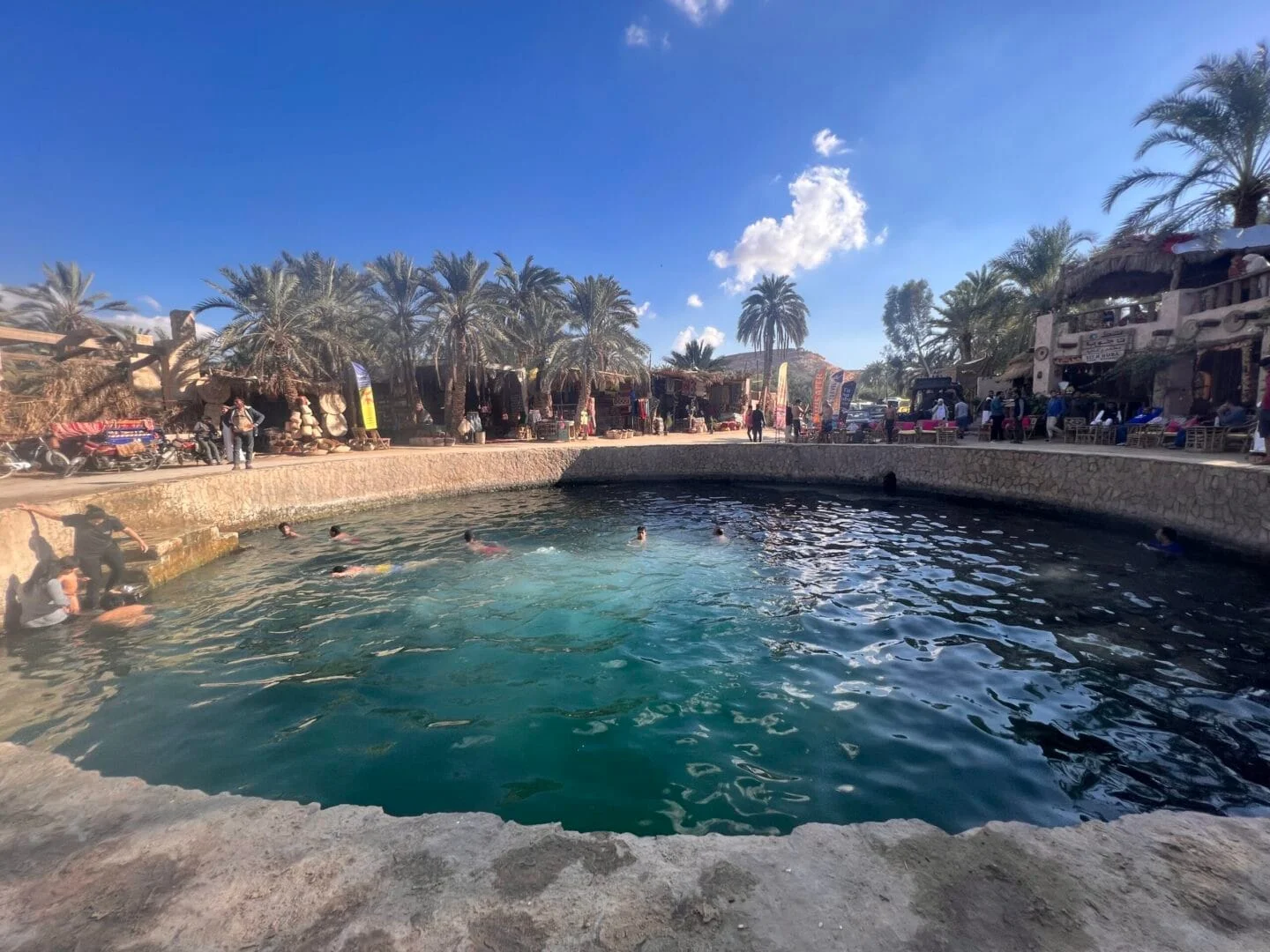
For those looking to venture off the beaten path, the Western Desert of Egypt offers an otherworldly experience characterized by vast dunes, surreal rock formations, and hidden oases. At the heart of this region lies the Siwa Oasis, a remote paradise that has preserved its unique Berber culture, traditions, and language away from the rapid pace of modern life. Siwa is famous for its natural salt pools, date palm groves, and the ancient ruins of the Temple of the Oracle, where Alexander the Great is said to have sought prophecy. Traveling to this region is an adventure in itself, often involving safari tours in Egypt that traverse the Great Sand Sea. The desert landscape, particularly the White Desert with its ghostly chalk rock structures, provides an incredible backdrop for camping under the stars, offering a sense of solitude and wonder that is hard to find elsewhere. For eco-tourists and those seeking adventure travel in Egypt, the Western Desert is an unmissable highlight. It offers a rare glimpse into the ancestral way of life in an environment that feels untouched by time. The blend of extreme natural beauty and deep cultural authenticity makes the Siwa Oasis and the surrounding desert one of the most intriguing frontiers for travelers looking to explore the hidden, quiet, and mystical side of the Egyptian wilderness.

Spiritual Egypt

7. Spiritual Egypt: A Journey Through Religious History

Egypt has long been a sanctuary for spiritual seekers, serving as a pivotal land for the three Abrahamic religions. For travelers interested in religious tourism in Egypt, the country offers a profound journey through sacred history, from the path of the Holy Family to the majestic Islamic architecture of the medieval era. Old Cairo, also known as Coptic Cairo, is a treasure trove of ancient churches, including the famous Hanging Church and the Church of St. Sergius and Bacchus, which is believed to have sheltered the Holy Family during their flight into Egypt. Simultaneously, the city’s Islamic heritage is breathtakingly displayed in the Al-Azhar Mosque and the Mosque-Madrasa of Sultan Hassan, showcasing intricate geometric designs and soaring minarets. Beyond the capital, Saint Catherine’s Monastery at the foot of Mount Sinai stands as one of the oldest working Christian monasteries in the world, a UNESCO World Heritage site that attracts pilgrims and hikers alike. This spiritual diversity is a core pillar of Egyptian cultural heritage, offering visitors a chance to reflect on the coexistence of faiths throughout the centuries. Including these sites in your Egypt travel itinerary adds a layer of depth that goes beyond traditional sightseeing, revealing the soul of a nation that has been a beacon of faith for millennia.

8. Culinary Delights: A Taste of Traditional Egyptian Flavors

One of the most authentic ways to connect with the local culture is through its vibrant and aromatic cuisine. Egyptian street food is a legendary experience that every visitor must embrace, offering a rich palette of flavors influenced by Mediterranean, Middle Eastern, and African traditions. The national dish, Kushari—a hearty mix of pasta, rice, lentils, and chickpeas topped with spicy tomato sauce and crispy onions—is a must-try for anyone seeking a true taste of Cairo. For breakfast, “Ful Medames” (slow-cooked fava beans) serves as the quintessential fuel for Egyptians, often enjoyed with fresh Aish Baladi (traditional flatbread). Foodies will also delight in succulent Grilled Kofta, Kebab, and the unique Molokhia, a savory green jute soup that is a staple in Egyptian households. If you are looking for luxury dining in Egypt, the major cities offer high-end restaurants that reinvent traditional recipes with a modern flair, often accompanied by stunning views of the Nile. Exploring the local markets and “Baladi” eateries is not just about nourishment; it is a social experience that reflects the legendary hospitality of the Egyptian people. This culinary journey is an essential component of tourism in Egypt, ensuring that your memories of the country are as delicious as they are visually stunning.

Practical Travel Tips for a Seamless Egypt Trip

9. Practical Travel Tips for a Seamless Egypt Trip

To fully enjoy the wonders of the land of the pharaohs, being well-prepared with practical information is key for any international visitor. When planning your Egypt vacation, timing is crucial; the peak season runs from October to April when the weather is pleasantly cool, making it ideal for exploring the temples of Upper Egypt. Understanding the local currency, the Egyptian Pound (EGP), and having cash on hand for small purchases and tipping (Baksheesh) is standard practice. For transportation, while domestic flights are efficient for long distances, the Egyptian railway system offers a scenic and budget-friendly way to travel between Cairo, Luxor, and Aswan. Additionally, travelers should be aware of the dress code, especially when visiting religious sites, where modest clothing is respected and required. Tapping into Egypt travel advice from local guides can also enhance your safety and convenience, helping you navigate the bustling markets and negotiate prices with ease. Modern connectivity is excellent, with local SIM cards widely available to ensure you stay connected while sharing your adventures. By keeping these logistical details in mind, you can focus on the awe-inspiring sights and sounds, ensuring your trip to Egypt is smooth, comfortable, and entirely focused on the magic of your surroundings.

Egyptian Arts and Crafts

10. Egyptian Arts and Crafts: A Legacy of Craftsmanship

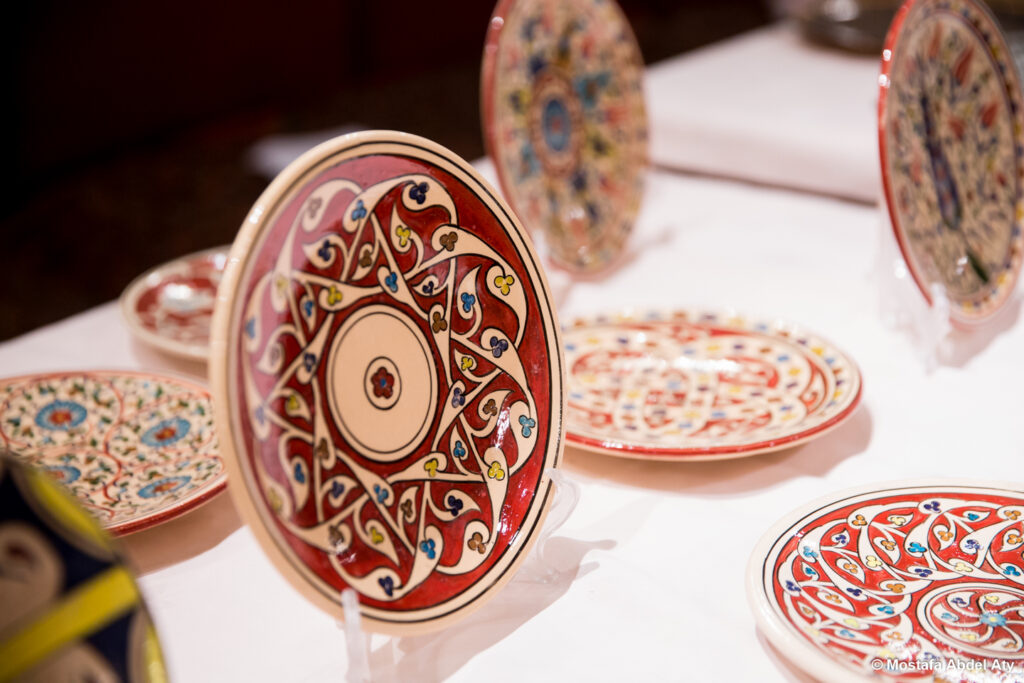
The artistic spirit of Egypt did not end with the pharaohs; it evolved into a vibrant tradition of handicrafts that continues to thrive in the workshops of Cairo, Luxor, and Aswan. For travelers seeking authentic Egyptian souvenirs, exploring the local markets reveals a world of meticulous craftsmanship. From the hand-loomed carpets of Saqqara to the delicate alabaster carvings of the West Bank in Luxor, every piece tells a story of inherited skill. The art of tent-making (Khayamiya), found in the historic heart of Islamic Cairo, showcases intricate appliqué work that once decorated nomadic desert tents and is now a prized decorative art. Additionally, the papyrus institutes allow visitors to see how the world’s first paper is made, using ancient techniques passed down through generations. Understanding Egyptian folk art is essential for those who want to support local communities and bring home a piece of the country’s soul. Whether it is handmade jewelry inspired by pharaonic symbols or finely beaten copperware, the craftsmanship encountered during your Egypt shopping experience is a testament to the enduring creativity of the Egyptian people. Investing in these crafts not only provides you with a unique memento but also helps preserve a cultural heritage that has survived for thousands of years.

Festivals and Celebrations

11. Festivals and Celebrations: The Vibrant Pulse of Egypt

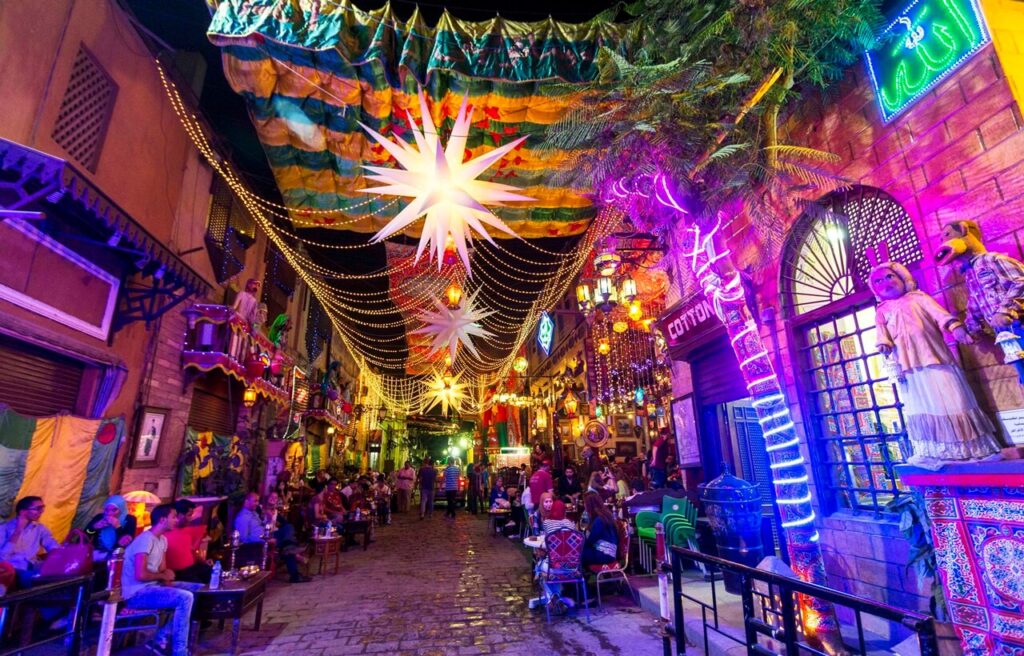
Egypt is a land that loves to celebrate, and its calendar is filled with festivals that blend ancient traditions with modern religious observances. Experiencing an Egyptian festival is a profound way to witness the country’s communal spirit and joy. One of the most unique celebrations is “Sham El-Nessim,” a spring festival dating back to pharaonic times, where Egyptians of all backgrounds gather in parks and along the Nile to eat salted fish and celebrate the renewal of nature. Religious occasions like Ramadan transform the streets, especially in Cairo, where traditional “Fanous” lanterns illuminate the nights and the air is filled with the spirit of charity and festive evening meals (Iftar). Another spectacular event is the Sun Festival at Abu Simbel, occurring twice a year when the sun aligns perfectly to light up the inner sanctum of Ramses II’s temple. For those planning tours to Egypt, timing your visit to coincide with these events offers a rare glimpse into the heart of the culture. These celebrations are characterized by music, dance, and a sense of belonging that is infectious to visitors. Engaging with Egyptian cultural events ensures that your journey is not just a tour of monuments, but a participation in the living, breathing energy of one of the world’s most hospitable nations.

12. Your Adventure in the Land of the Pharaohs Awaits

In conclusion, Egypt is far more than a collection of ancient ruins; it is a multi-dimensional destination that offers something for every type of traveler. From the towering peaks of the pyramids to the deep blue depths of the Red Sea, the diversity of experiences available makes traveling to Egypt a transformative journey. We have explored the historical grandeur of Cairo and Luxor, the serene beauty of the Nile, the Mediterranean charm of Alexandria, and the mystical silence of the Western Desert. As you prepare to book your Egypt holiday package, remember that you are not just embarking on a vacation, but a voyage through the chapters of human civilization. The warmth of the Egyptian people, the richness of the flavors, and the echoes of history at every corner create a tapestry that stays with you long after you return home. Whether you are seeking a luxury escape, an archaeological expedition, or a family adventure, Egypt stands ready to exceed your expectations. The land of the sun, the Nile, and the eternal monuments is waiting to tell you its story. Start planning your dream trip to Egypt today, and prepare to be captivated by a country that has been welcoming the world for over five thousand years .

Frequently Asked Questions About Egypt Travel

The ideal time to visit Egypt is during the winter months, from October to April. During this period, the weather is pleasantly cool, making it perfect for exploring outdoor archaeological sites like the Valley of the Kings and the Pyramids of Giza without the intense summer heat.

Most international travelers require a visa to enter Egypt. Many nationalities can obtain a renewable tourist visa on arrival at Egyptian airports, or they can apply for an e-visa online before departure. It is always recommended to check the latest requirements with the Egyptian embassy in your country.

Yes, Egypt is generally a very safe destination for tourists. The Egyptian government places a high priority on tourist security, especially in major hubs like Cairo, Luxor, Aswan, and Red Sea resorts. As with any travel, it is wise to follow local advice and stay aware of your surroundings.

The official currency is the Egyptian Pound (EGP). While credit cards are widely accepted in major hotels, luxury restaurants, and large malls, it is essential to carry cash for smaller shops, local markets (souks), and tipping.

Egypt is a conservative country, so it is respectful to dress modestly. While light, breathable fabrics are recommended for the heat, travelers should cover their shoulders and knees when visiting mosques or churches. At beach resorts, standard swimwear is perfectly acceptable.