
Welcome to

The Valley of the Queens: Sacred Resting Place of the Royal Matriarchs

The Valley of the Queens, known in ancient times as Ta-Set-Neferu, or the Place of Beauty, serves as the final and most serene resting place for the wives, daughters, and princes of the New Kingdom pharaohs. While the nearby Valley of the Kings often commands the most attention for its royal power, the Valley of the Queens offers a more intimate and delicate perspective on the Egyptian afterlife, focusing on the women who stood at the heart of the royal court. Located in a secluded wadi on the West Bank of Luxor, the site was chosen for its symbolic proximity to the peak of the Theban hills, which the ancients associated with the goddess Hathor. For travelers seeking to understand the full complexity of Egyptian royalty, this valley is an indispensable destination that reveals the spiritual and political importance of the Great Royal Wives. The architecture here may be smaller in scale than the massive royal tombs of the pharaohs, but the artistry is often more refined and emotionally resonant. Visiting this site allows you to step away from the grand military narratives of the temples and enter a realm of divine femininity, where the walls are adorned with scenes of protection, motherhood, and the complex journey of the soul toward eternal light.

1. The Crown Jewel: The Tomb of Queen Nefertari

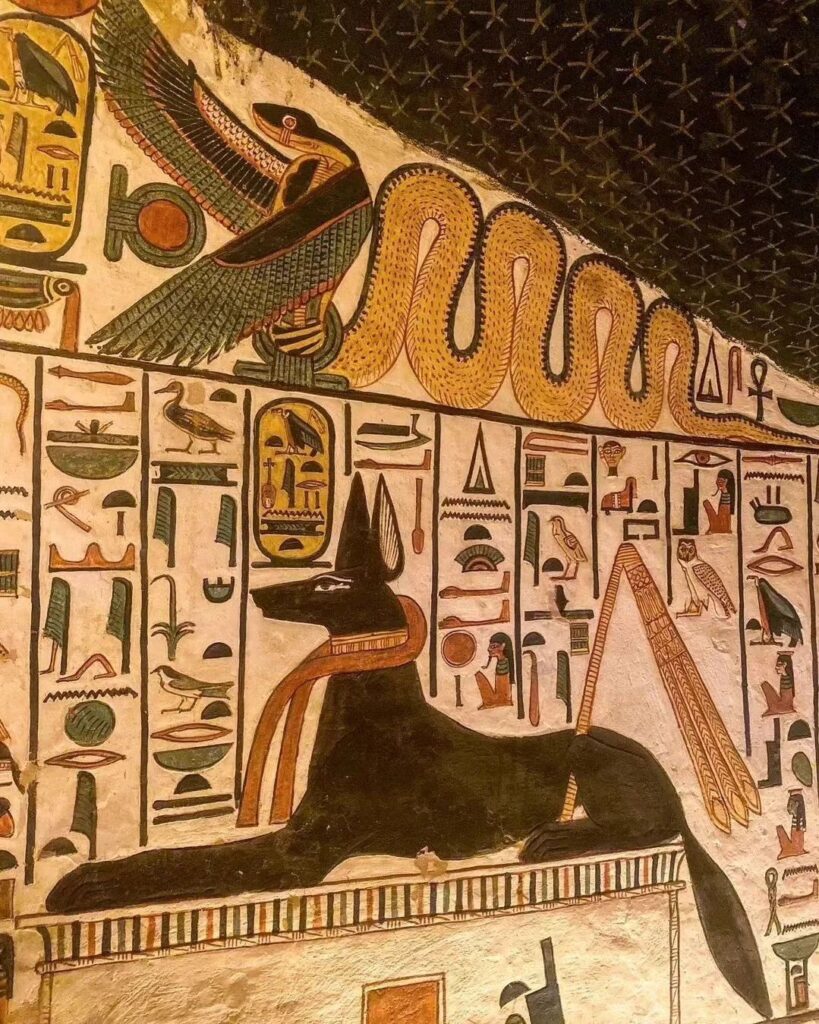
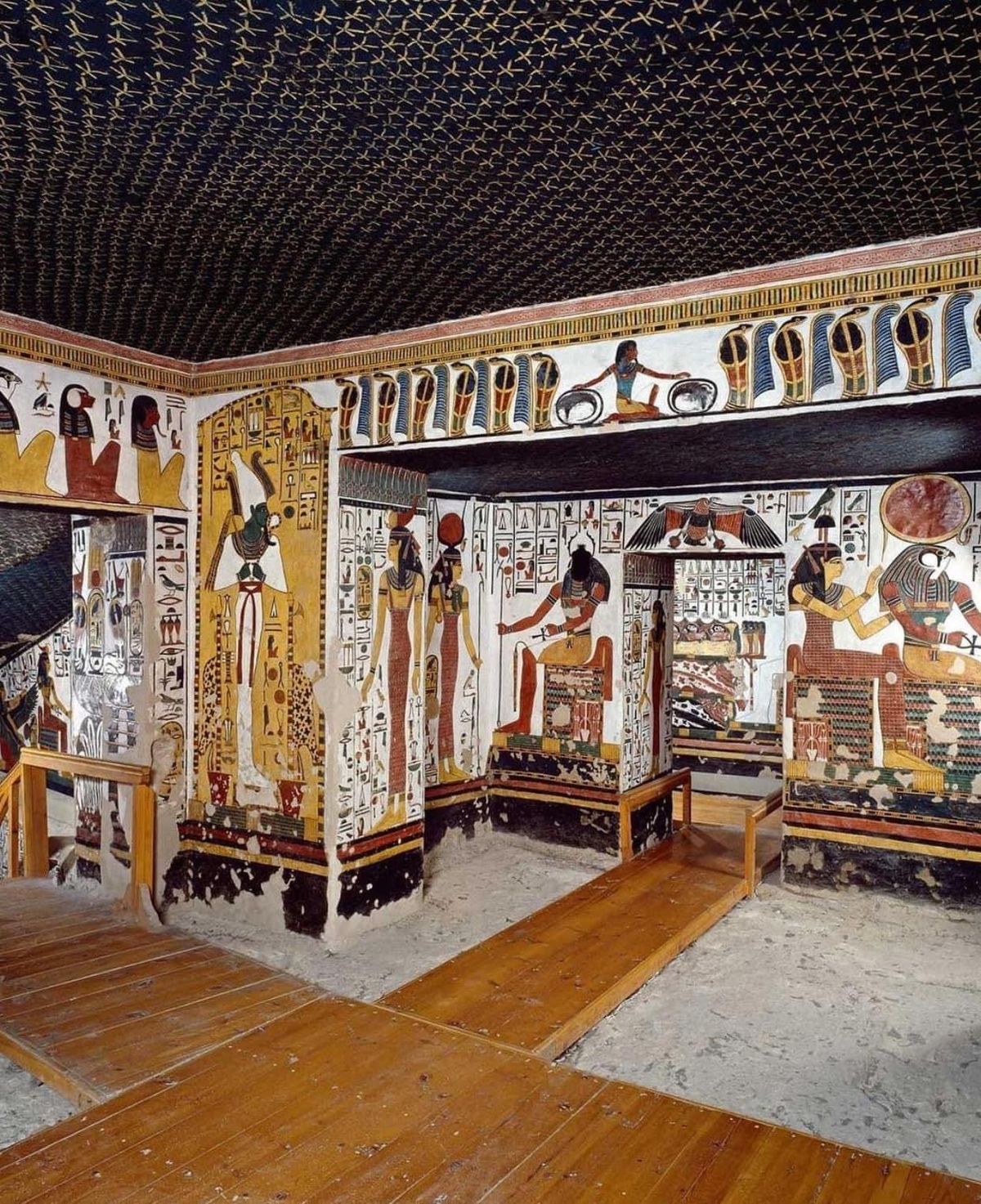
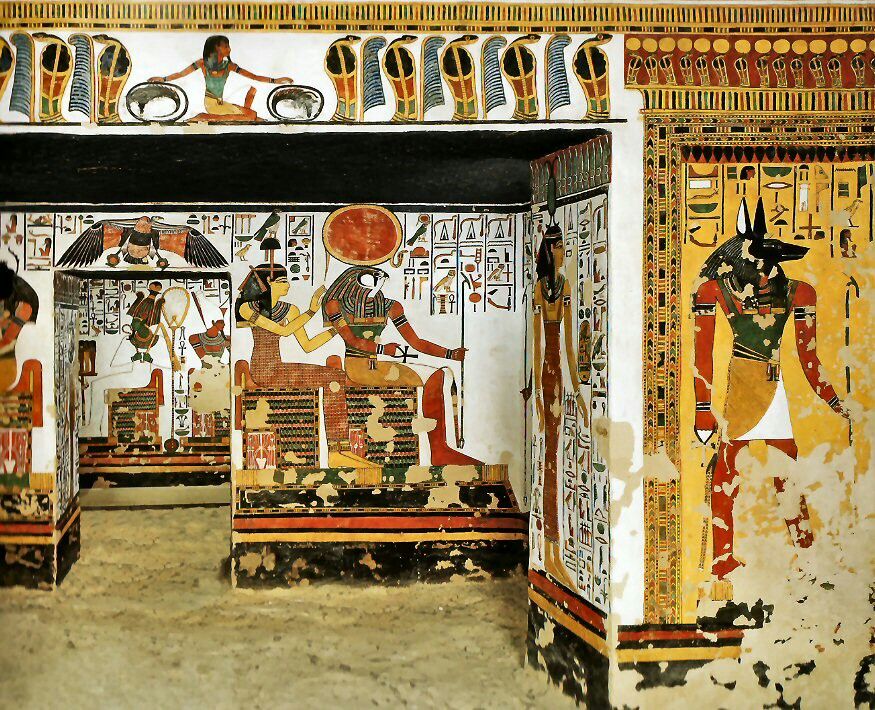
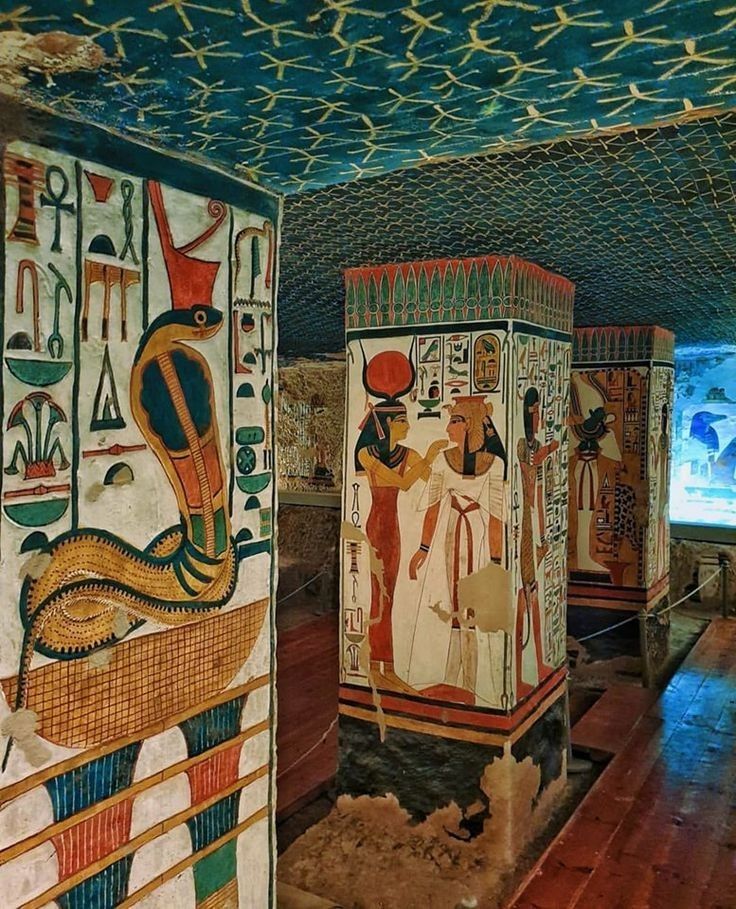
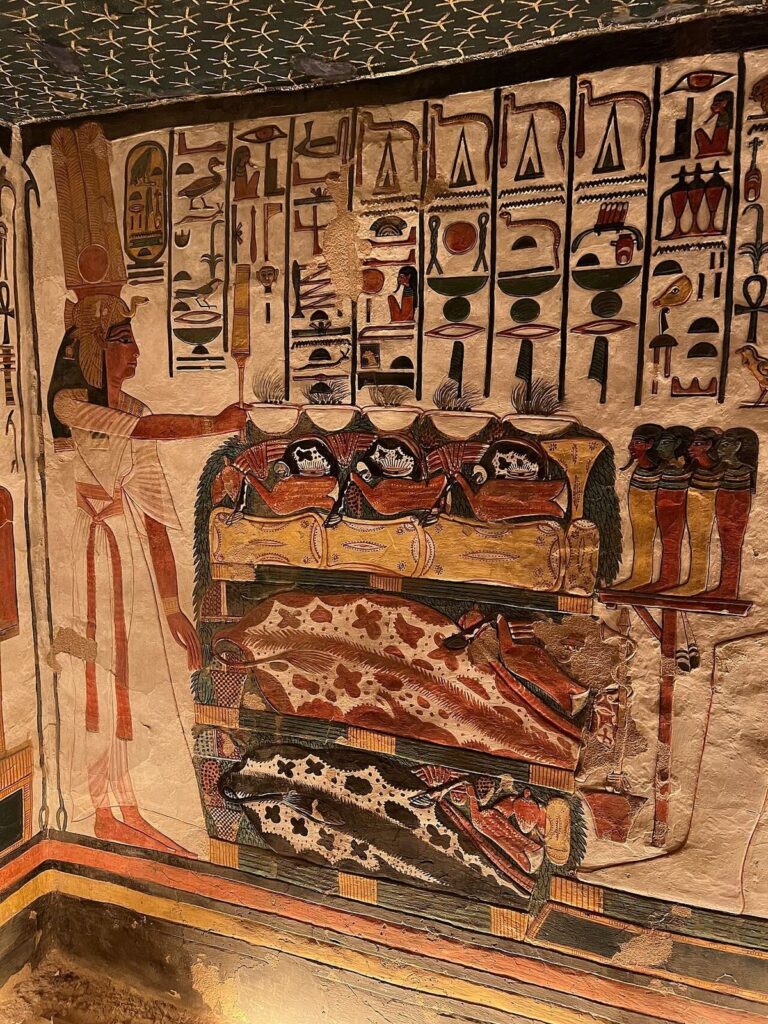
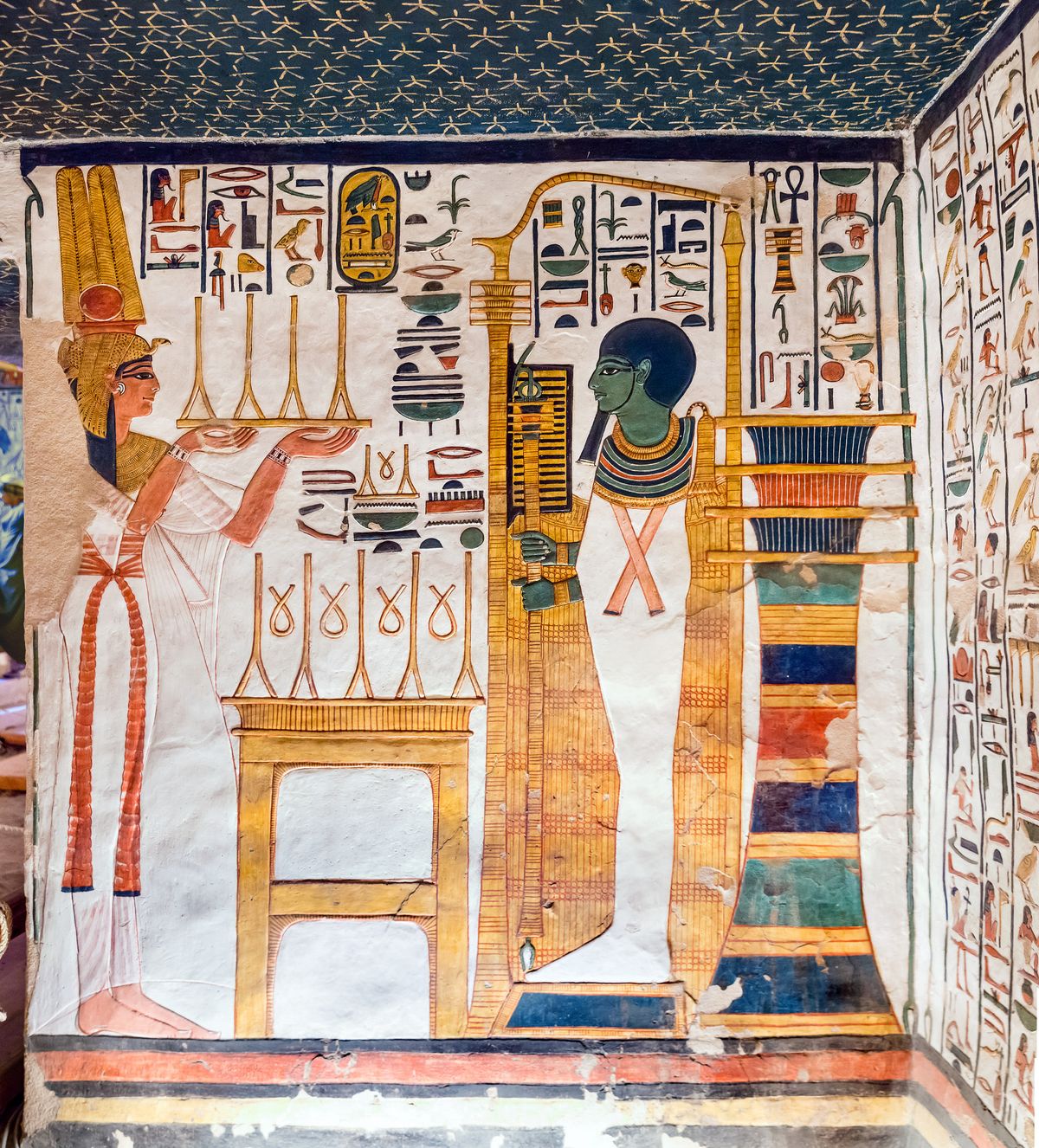
No discussion of the Valley of the Queens is complete without mentioning the Tomb of Nefertari, widely considered the most beautiful tomb ever discovered in Egypt. Nefertari was the favorite wife of Ramses the Great, and her tomb, designated as QV66, is a breathtaking masterpiece of ancient art that looks as though the paint was applied yesterday. Spanning over 500 square meters, the tomb’s walls are entirely covered in vibrant, high-quality reliefs that depict the Queen’s journey through the various gates of the underworld as described in the Book of the Dead. The colors are exceptionally vivid—deep lapis lazuli blues, brilliant golds, and striking whites—all used to illustrate Nefertari’s interactions with gods like Osiris, Anubis, and Hathor. What makes this tomb a highlight for any luxury traveler is the incredible detail in the Queen’s attire and the sheer elegance of her features, which convey a sense of grace and divinity that remains unmatched in pharaonic history. Because of its fragile state, the tomb has limited entry and requires a special ticket, but for those who enter, it provides a transformative experience that feels like walking inside a giant, three-dimensional jewel box. It is a testament to a husband’s love and a civilization’s peak artistic achievement, standing as the ultimate symbol of the “Place of Beauty.”
2. The Burial of Princes: Art and Innocence

Beyond the famous queens, the valley also serves as a poignant burial ground for many royal children, particularly the sons of Ramses III. Tombs such as those of Prince Khaemwaset and Prince Amenherkhepshef offer a unique and touching perspective on the royal family’s grief and their hopes for the next generation. In these tombs, the artwork frequently depicts the pharaoh leading his young sons by the hand, introducing them to the various gods of the afterlife. The princes are often shown with the traditional “sidelock of youth,” a hairstyle that signifies their childhood status. These scenes are remarkably different from the standard royal tombs, as they emphasize the protective role of the father and the vulnerability of the children who passed away before their time. The craftsmanship in these tombs is exceptional, with delicate paintings that have retained their brilliance for millennia. For cultural tourists, exploring the tombs of the princes provides a more human and relatable connection to the people of ancient Egypt. It shifts the focus from the untouchable god-king to the grieving father, reminding us that even the most powerful rulers in history faced the universal experiences of love and loss within their own families.
3. The Architecture of Eternity on the West Bank

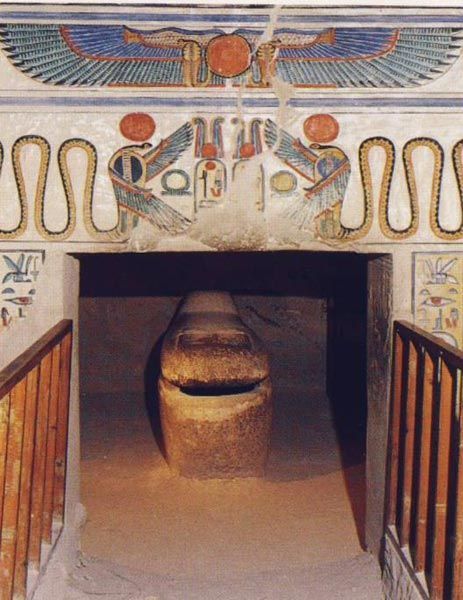
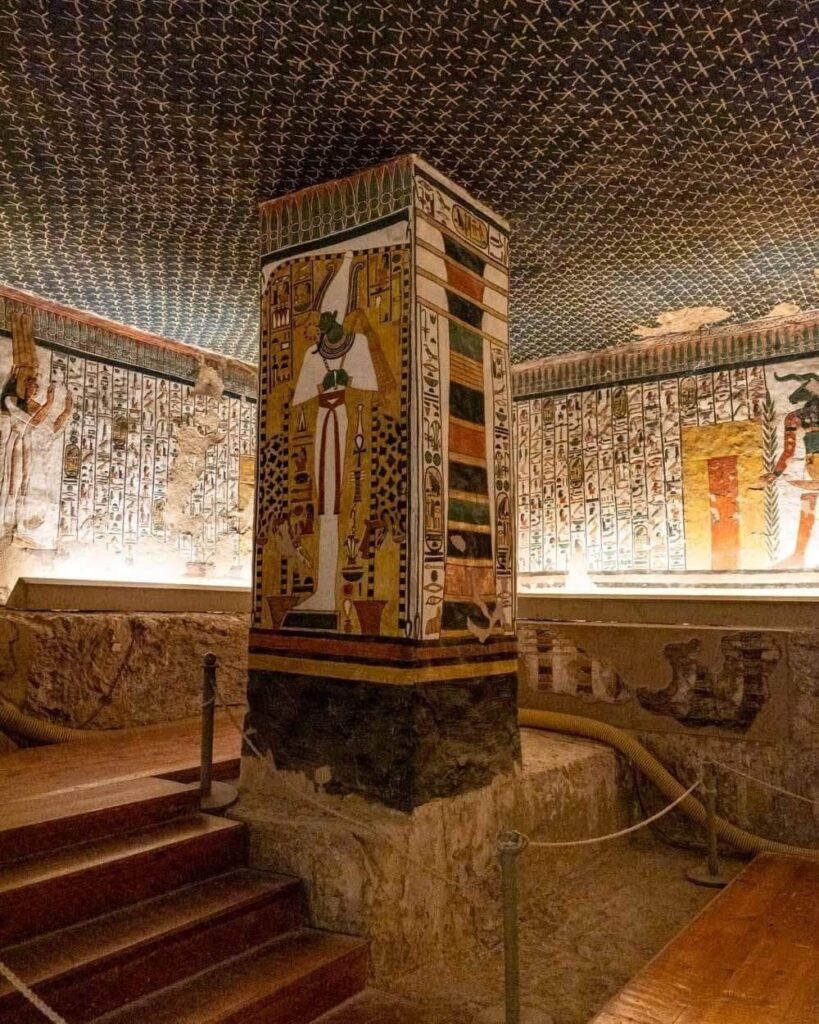
The construction and layout of the tombs in the Valley of the Queens reflect a sophisticated understanding of both geology and theology. Most tombs follow a similar architectural plan, beginning with a descending entrance corridor that leads to one or more chambers and finally the burial chamber where the sarcophagus was placed. Unlike the deep, winding shafts found in the Valley of the Kings, these tombs tend to be more compact, allowing for a more focused decorative program. The walls were first covered in a layer of plaster to smooth out the rough limestone, providing a perfect canvas for the scribes and artists to sketch and then carve the religious texts and scenes. This architectural consistency allowed the builders to create a standardized yet personalized environment for each royal inhabitant. For travelers interested in the technical side of Egyptology, observing the different stages of tomb completion throughout the valley offers an educational look at the ancient methods of excavation and decoration. The site’s peaceful atmosphere, nestled within the golden desert cliffs, provides the perfect backdrop for reflecting on the ancient Egyptians’ dedication to ensuring that their loved ones were provided with everything necessary for a successful and beautiful transition into the field of reeds.
4. The Symbolic Importance of the Valley’s Location

The geographic placement of the Valley of the Queens was a decision rooted deeply in both practicality and ancient Egyptian cosmology. Situated at the foot of the Theban hills, the valley is dominated by a natural rock formation that resembles a mountain peak, which the ancients associated with the goddess Hathor, the protector of the necropolis. This specific wadi was also chosen because it remains dry and secluded, offering a degree of protection for the delicate burials within. One of the most fascinating natural features of the site is the presence of a grotto at the end of the valley, which would have transformed into a spectacular waterfall during the rare but intense desert rains. For the ancient Egyptians, this sudden flow of water was seen as a manifestation of the celestial waters of the goddess Nut, symbolizing the womb and the promise of rebirth. For travelers who appreciate the connection between nature and spirituality, walking through the valley provides a sense of why this specific landscape was deemed sacred. The silence of the desert, interrupted only by the wind, creates an atmosphere of profound reverence, allowing visitors to visualize the grand funeral processions that once wound their way into this hidden canyon to lay the royal matriarchs to rest.

5. Religious Texts and the Journey of the Soul

The walls of the tombs in the Valley of the Queens serve as more than just decoration; they are functional “maps” designed to guide the deceased through the perils of the underworld. Most of the scenes are derived from the Book of the Dead and other sacred funerary texts, providing the spells and passwords necessary to appease the guardians of the gates in the afterlife. Unlike the more complex astronomical and military texts found in the tombs of the kings, the inscriptions here focus heavily on the themes of judgment and protection. You will frequently see the deceased queen being presented to the scales of Ma’at, where her heart is weighed against the feather of truth to determine her worthiness for eternity. Other scenes depict the “Opening of the Mouth” ceremony, a vital ritual that restored the queen’s senses so she could eat, speak, and breathe in the next world. For history enthusiasts, studying these reliefs offers a deep dive into the moral and spiritual framework of the New Kingdom. The repetition of these motifs across different tombs illustrates a collective belief system that valued virtue, ritual purity, and the constant presence of the divine, ensuring that even in death, the royal women were surrounded by the prayers and protections of their civilization.

6. The Role of the Great Royal Wives in Politics and Religion

Exploring the Valley of the Queens provides an opportunity to reflect on the immense influence held by the women of the 19th and 20th Dynasties. Figures like Queen Titi or the famous Nefertari were not merely companions to the pharaoh; they were powerful political actors and high priestesses who held titles such as “God’s Wife of Amun.” Their tombs reflect this elevated status, showing them wearing the vulture headdress associated with the goddess Mut and performing religious rites that were usually reserved for the king. In many scenes, the queens are depicted as independent figures standing before the gods, highlighting their direct access to the divine without the need for a male intermediary. This political and religious agency is a key theme for cultural tourists interested in the history of gender and power in the ancient world. By visiting the Valley of the Queens, travelers gain a more balanced view of the Egyptian state, recognizing that the stability and prosperity of the New Kingdom relied as much on the spiritual and diplomatic roles of its queens as it did on the military might of its kings. These tombs stand as permanent monuments to their authority, ensuring that their names and contributions to the “Place of Beauty” remained etched in stone for all of time.

7. The Restoration and Conservation Challenges of the Valley

Preserving the delicate artistry within the Valley of the Queens is one of the most significant challenges facing modern Egyptology. Unlike the deeply carved reliefs of the mortuary temples, the decorations in these tombs are often painted onto a layer of fine plaster, which is highly susceptible to changes in humidity and temperature. The influx of tourists brings moisture from breath and body heat, which can cause the salt in the limestone to crystallize and push the plaster off the walls. To combat this, the Egyptian Ministry of Tourism and Antiquities, in collaboration with international organizations like the Getty Conservation Institute, has implemented strict climate control measures and restoration projects. Visitors today can see the results of this meticulous work, particularly in the structural stabilization and the cleaning of soot and dust that had obscured the colors for centuries. For travelers, understanding these conservation efforts adds a layer of appreciation for the site; it is a reminder that our ability to witness these ancient wonders is a privilege maintained by constant scientific vigilance. It also highlights the importance of responsible tourism, ensuring that the Place of Beauty remains vibrant for those who will walk these corridors centuries from now.

8. Discoveries and the Italian Connection in Egyptology

The history of exploration in the Valley of the Queens is inextricably linked to the work of the Italian archaeologist Ernesto Schiaparelli, who served as the director of the Egyptian Museum in Turin. In the early 20th century, Schiaparelli’s excavations led to the discovery of the most significant tombs in the valley, including the legendary burial of Nefertari in 1904. His systematic approach and detailed documentation provided the first comprehensive map of the site’s historical development. This “Italian connection” is why many of the artifacts and statues originally found within the valley are now housed in the Museo Egizio in Turin, rather than in Cairo. For history enthusiasts, knowing this background enriches the visit, as it connects the silent desert wadi to the wider world of international archaeological discovery. The story of Schiaparelli’s team, working through the intense heat to uncover hidden doorways blocked by rubble, adds a sense of adventure to the landscape. It invites travelers to imagine the moment the first torchlight illuminated the face of a painted queen after thousands of years of darkness, a moment that bridged the gap between the modern world and the splendor of the New Kingdom.

9. Comparing the Valley of the Kings and the Valley of the Queens

While they are located in the same geographic region, the Valley of the Kings and the Valley of the Queens offer two distinct experiences that reflect the different roles of their inhabitants. The Valley of the Kings is defined by its massive scale, deep-reaching tunnels, and a focus on the solar journey and the pharaoh’s role as the cosmic maintainer of order. In contrast, the Valley of the Queens feels more personal and intimate. The artistic style here tends to be more graceful, focusing on the beauty of the feminine form and the protective nature of the goddesses. For a traveler planning an Egyptian itinerary, visiting both sites is essential to grasp the full spectrum of royal funerary traditions. While the Kings’ valley impresses with its power and architectural complexity, the Queens’ valley touches the heart with its elegance and spiritual serenity. Observing these differences allows for a deeper intellectual engagement with Egyptian culture, revealing how the ancients tailored their art and architecture to fit the specific spiritual identity of the soul being honored. It is the difference between a grand epic and a refined poem, both equally vital to the story of ancient Thebes.

10. The Mystery of the Unfinished Tombs

Scattered throughout the Valley of the Queens are several tombs that remain unfinished, providing a rare and technical look into the workspace of ancient Egyptian craftsmen. These sites are invaluable for historians as they reveal the step-by-step process of tomb creation, from the initial rough hewing of the limestone to the final application of color. In some chambers, you can still see the red grid lines drawn by master scribes to ensure the proportions of the figures were mathematically perfect according to the Egyptian canon of art. Often, these tombs were abandoned due to the sudden death of a royal family member or shifts in political stability, leaving a frozen moment in time where the tools were seemingly laid down just yesterday. For the curious traveler, these unfinished spaces offer a deeper connection to the human labor behind the monuments. They strip away the divine aura of the finished product to reveal the sweat, planning, and immense skill of the laborers who lived in the nearby village of Deir el-Medina. Observing these raw surfaces alongside the polished masterpieces of the valley highlights the monumental effort required to transform a rugged desert canyon into a sanctuary fit for the eternal rest of a queen.

11. Practical Tips for a Rewarding Visit

To make the most of your journey to the Valley of the Queens, a bit of strategic planning is highly recommended. The site is generally less crowded than the Valley of the Kings, but it is still wise to arrive early in the morning to enjoy the quietude and avoid the peak midday heat. While a standard entry ticket allows access to several impressive tombs, such as those of the princes and Queen Titi, the Tomb of Nefertari requires a separate, premium ticket that is significantly more expensive but universally considered worth the cost for its unparalleled beauty. It is important to note that photography is strictly regulated inside the tombs to protect the ancient pigments, so always check the current rules regarding “photo passes.” Wear comfortable walking shoes, as the terrain is uneven, and be sure to carry plenty of water, as there is very little shade in the valley outside of the tomb interiors. Engaging a knowledgeable guide who specializes in the New Kingdom will greatly enhance your experience, as they can point out the subtle differences in the hieroglyphic spells and the specific historical contexts of the royal women buried there, ensuring your cultural tour is as educational as it is visually stunning.

12. The Valley of the Queens as a Living Legacy

In conclusion, the Valley of the Queens stands as a profound monument to the grace, power, and spiritual significance of the women who shaped ancient Egyptian history. It is a place where the “City of the Dead” reveals its most delicate and beautiful secrets, offering a sanctuary of peace and reflection amidst the grand scale of the Theban necropolis. From the breathtaking heights of Nefertari’s painted chambers to the touching memorials of the young princes, the valley captures the full range of human emotion—from royal pride to parental grief. As you conclude your visit and look back at the sun-drenched cliffs, you carry with you a deeper understanding of a civilization that viewed death not as an end, but as a journey toward a more beautiful and perfected state of being. The Valley of the Queens remains an essential highlight of any Egyptian adventure, providing a vital balance to the story of the pharaohs and ensuring that the legacy of the royal matriarchs continues to inspire wonder in the hearts of travelers from around the world. It is truly the Place of Beauty, preserved in stone and spirit for all of eternity.

the Valley of the Queens : Frequently Asked Questions

No, the Tomb of Nefertari (QV66) requires a separate, premium ticket that is significantly more expensive than the standard valley entry. The general ticket usually includes access to three other tombs, such as those of the princes and Queen Titi. Because of the tomb’s fragility and its status as a world-class masterpiece, the number of visitors is strictly monitored to preserve the humidity levels and the delicate paint.

While the name suggests it is only for queens, the valley was also used as a burial site for many royal children, particularly the sons of Ramses III. During the 20th Dynasty, it became common to bury princes here in elaborate tombs that rivaled those of the queens in artistic quality. These tombs offer some of the most poignant scenes of family life and the protective relationship between a pharaoh and his children.

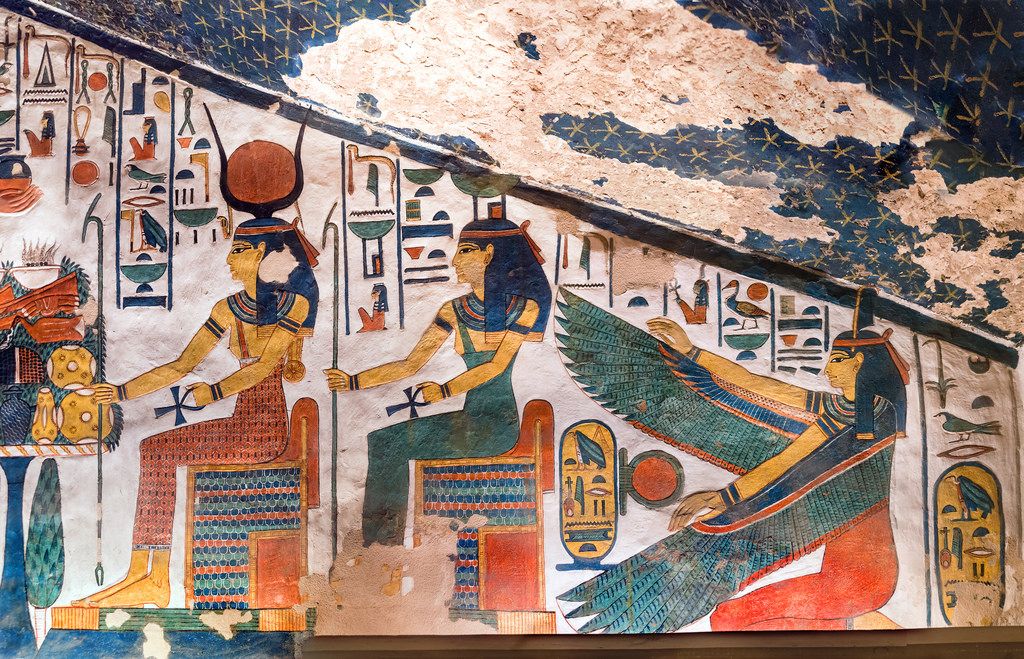
The art in the Valley of the Queens is often described as more refined and graceful. While the Kings’ tombs focus on the pharaoh’s solar journey and his role as a protector of the universe, the Queens’ tombs emphasize the beauty of the feminine form, divine motherhood, and the protective roles of goddesses like Hathor, Isis, and Selket. The colors used in the Valley of the Queens, especially in Nefertari’s tomb, are among the most vibrant and sophisticated in all of Egyptian art.

Photography rules in Egypt change frequently, but generally, professional cameras require a special “photo pass.” Most tombs allow mobile phone photography without a flash, as the intense light from a flash can damage the ancient pigments over time. It is always best to confirm with the guards at the entrance of each specific tomb and ensure your flash is turned off out of respect for the conservation efforts.

A thorough visit to the Valley of the Queens typically takes about 90 minutes to two hours. This allows enough time to walk through the wadi, visit the three tombs included in the general ticket, and spend quality time inside the Tomb of Nefertari if you have purchased the additional ticket. Since it is less crowded than the Valley of the Kings, you can often enjoy a much more peaceful and contemplative experience.