
1. The Embalmer’s Toolkit: Ancient Surgical Precision
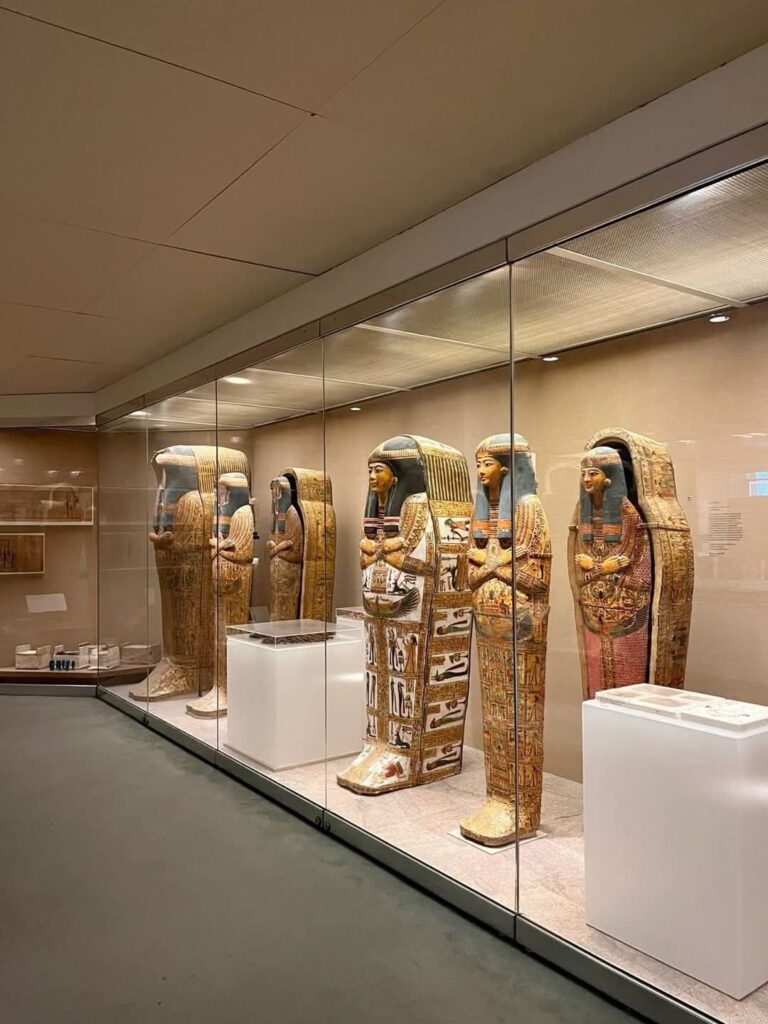
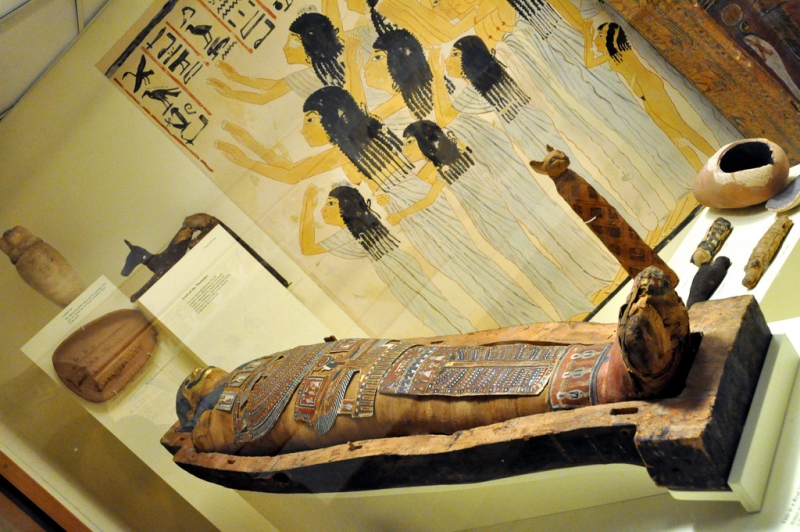
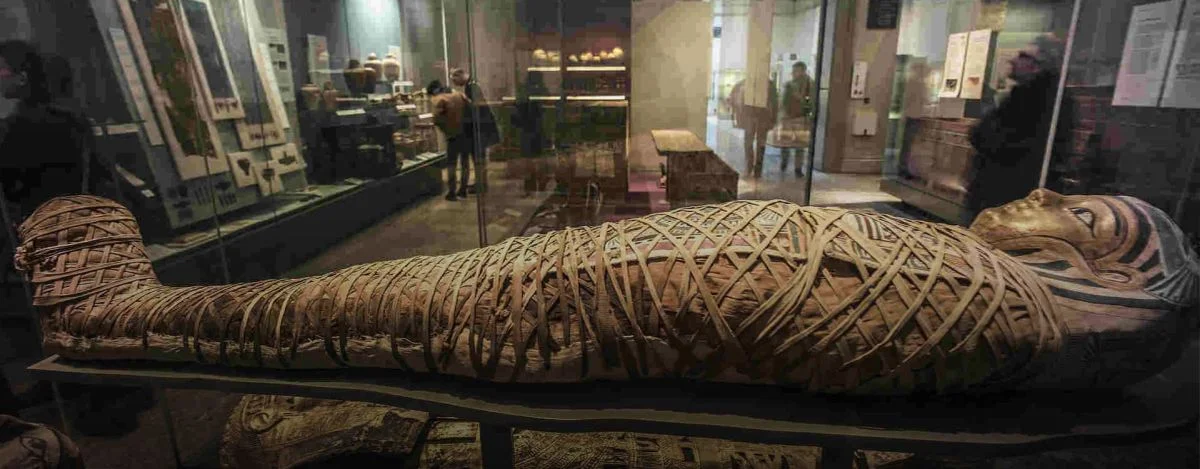
One of the most compelling displays in the museum is the collection of actual tools used by ancient embalmers. These bronze and flint instruments—including scalpels, hooks for brain extraction, and needles for suturing—reveal a staggering level of anatomical knowledge. Far from being primitive, these tools demonstrate that mummification was a highly specialized medical field. Visitors can see the specific instruments used to delicately remove internal organs, a process that required both steady hands and a deep understanding of human biology. For the modern traveler, this section demystifies the process, transforming “mummies” from movie monsters into masterpieces of ancient surgery and chemistry.
2. The Animal Gallery: Sacred Guardians of the Afterlife
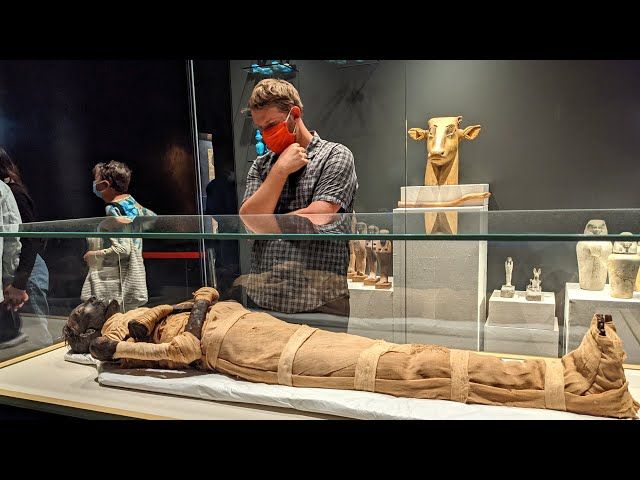
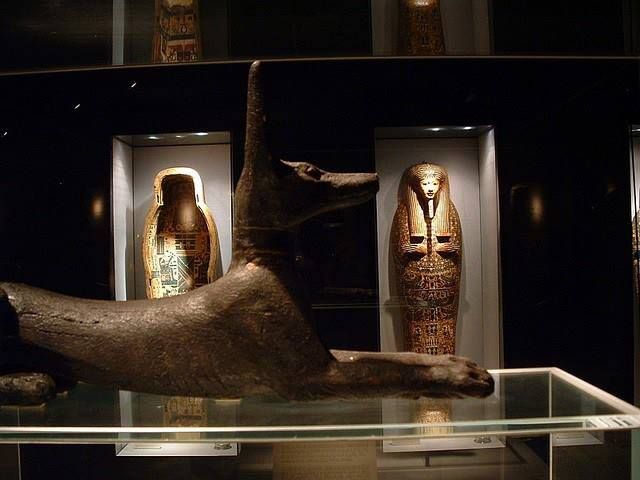
The Mummification Museum stands out for its dedicated section on animal mummies, which were often prepared with the same level of care as royalty. From mummified cats representing the goddess Bastet to crocodiles for Sobek and ibises for Thoth, these specimens highlight the deep spiritual bond between the Egyptians and the natural world. These were not mere “pets,” but votive offerings intended to carry prayers to the gods. The preservation quality is remarkable, with linen wrappings often featuring intricate geometric patterns. This gallery offers a unique narrative for tourism marketing, showcasing a side of Egyptian life that is both deeply religious and scientifically curious, proving that the gift of “eternity” was extended to all creatures of the Nile.
3. Materials of Eternity: The Chemistry of the Gods
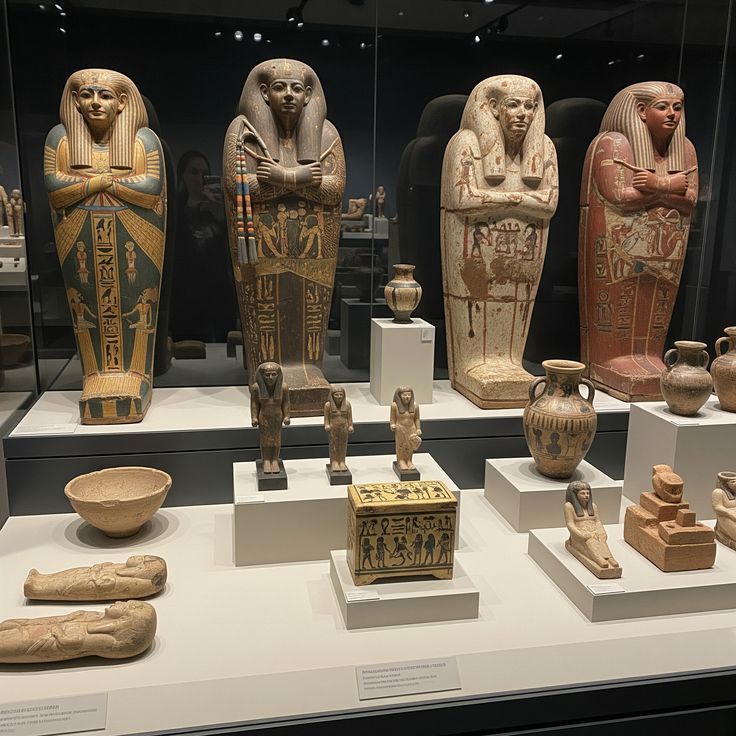
Beyond the tools and the bodies, the museum explores the “recipes” for immortality. A fascinating display showcases the various resins, spices, and salts used in the 70-day mummification process. The star of this show is Natron, a naturally occurring salt that was the secret to successful preservation by dehydrating the body. Visitors can also see jars of frankincense, myrrh, and cedar oil, materials often imported from across the ancient world. This section emphasizes the “global” nature of Egyptian mummification, showing how it drove trade and sparked early chemical innovation. It provides a sensory layer to the tour, allowing guests to visualize the smells and textures of the embalming workshop—the place where chemistry and faith converged to create the eternal.