
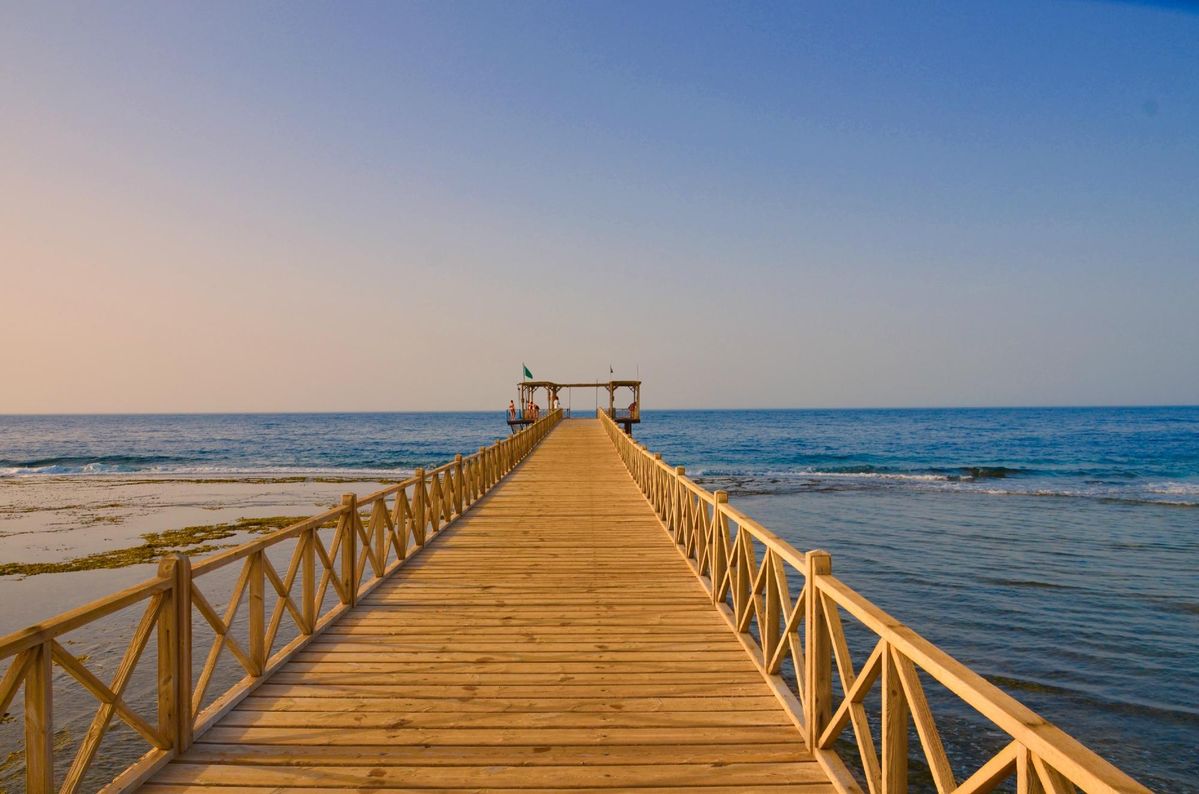
Welcome to

El Quseir: The Timeless Guardian of Red Sea History and Heritage

El Quseir is not just another coastal resort; it is a living museum and one of Egypt’s most ancient gateways to the sea, boasting a rich history that spans nearly 5,000 years. Located strategically between Hurghada and Marsa Alam, this historic port town once served as a vital link for Pharaonic expeditions to the Land of Punt, a pivotal station for the Roman Empire’s trade routes to India, and a key departure point for pilgrims journeying to Mecca. Unlike the modern, purpose-built tourist hubs nearby, El Quseir offers an authentic immersion into Egyptian coastal life, where the echoes of ancient maritime glory still resonate through its narrow streets. The town is characterized by its unique “coral-block” architecture, Ottoman-era fortresses, and a serene, laid-back atmosphere that stands in stark contrast to the bustling energy of the larger resorts. For the discerning traveler seeking a cultural Egypt vacation, El Quseir provides a rare opportunity to witness the intersection of history and natural beauty. With its pristine coral reefs that have remained largely untouched by mass tourism and its beautifully preserved old quarter, the town invites visitors to slow down and appreciate the enduring legacy of a community that has guarded the Red Sea shores since the dawn of civilization. It is a destination where every sun-bleached stone and weathered wooden balcony tells a story of trade, faith, and the eternal connection between the desert and the deep blue.

1. Architectural Heritage: A Glimpse into the Ottoman and Colonial Past

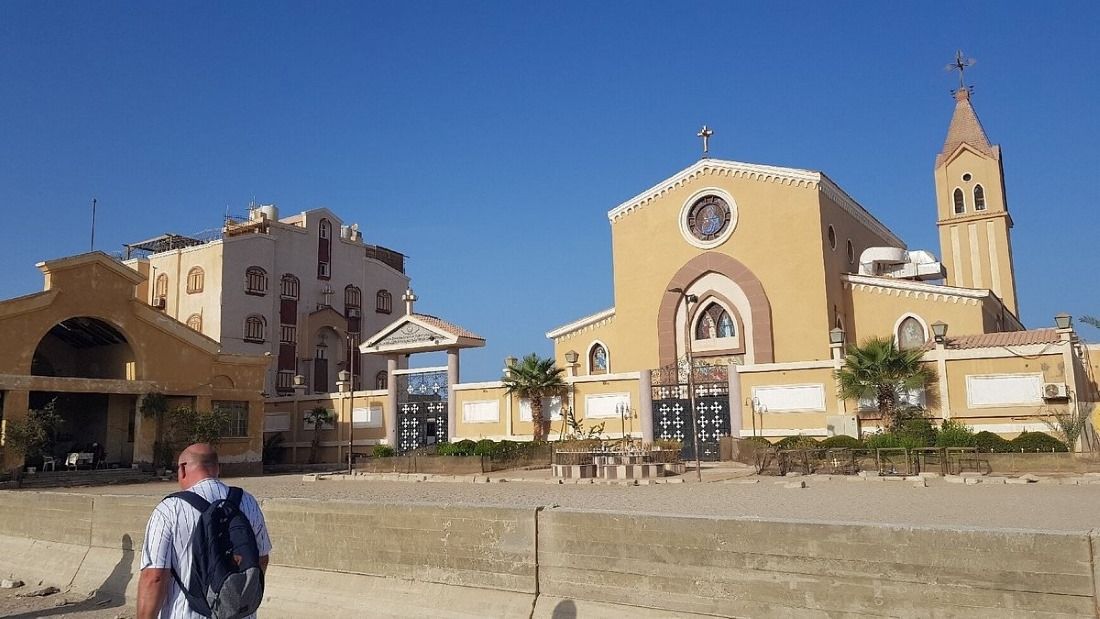
The architectural soul of El Quseir is a captivating blend of influences, reflecting its long history as a strategic crossroads of civilizations. Walking through the “Old Town” feels like stepping back in time, as the streets are lined with historic buildings constructed from local coral stone—a traditional building material that has weathered the salt air for centuries. One of the town’s most significant landmarks is the Ottoman Fort of Sultan Selim, built in the 16th century to protect the port and the pilgrim routes. This well-preserved fortress, with its high walls and panoramic watchtowers, offers breathtaking views of the harbor and provides a glimpse into the military strategies of the era. Beyond the fort, the town’s residential architecture features beautiful wooden “Mashrabiya” balconies and intricately carved doors that reflect a mix of Islamic and colonial styles. For those interested in heritage tourism in the Red Sea, El Quseir is a treasure trove of historical sites, including the Old Police Station overlooking the harbor and the historic Sheikh Tawfik House, which has been transformed into a charming boutique hotel. The restoration of these buildings is part of a local effort to preserve the town’s identity while accommodating modern visitors. This commitment to maintaining the architectural integrity of the old quarter ensures that El Quseir remains an authentic sanctuary, far removed from the standardized aesthetics of contemporary resorts. It is this “spatial memory” that defines the town’s charm, inviting guests to explore a landscape where the past is not just remembered but lived every day.
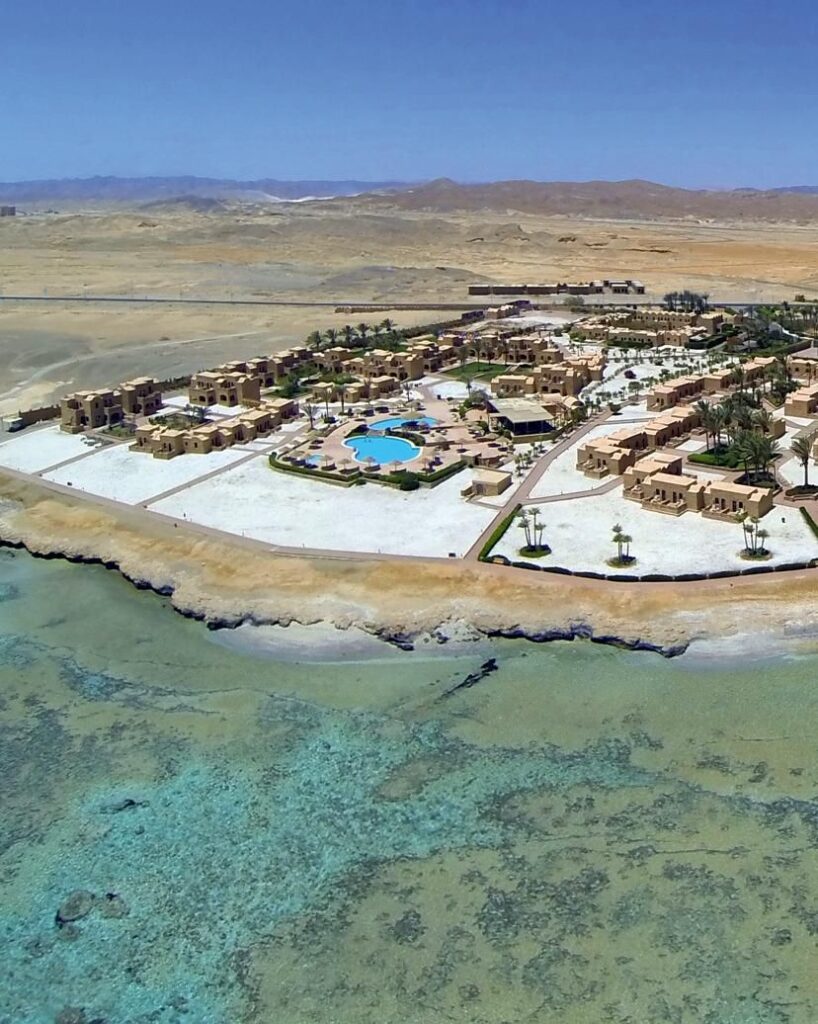
2. The Ancient Port: A Legacy of Trade and Pilgrimage

The harbor of El Quseir has for millennia been the focal point of the town’s existence, serving as one of the most important ports on the Red Sea throughout various historical epochs. In antiquity, the port was known as “Leucos Limen” (The White Port) during the Ptolemaic and Roman periods, acting as a vital terminal for spices, silks, and precious metals arriving from the East. For travelers seeking a historic Egyptian sea experience, the harbor remains a place of profound significance. It was from these very shores that Queen Hatshepsut famously launched her maritime expeditions to the Land of Punt, bringing back frankincense, myrrh, and exotic animals to the temples of Luxor. Later, during the Islamic era, El Quseir became the primary port for Upper Egypt, where thousands of pilgrims would gather before crossing the sea to Jeddah. Today, the harbor maintains a peaceful, rhythmic pulse, where traditional wooden fishing boats—known as feluccas—bob gently in the turquoise water alongside modern diving vessels. The waterfront promenade, or “Corniche,” provides a scenic path for evening walks, where the scent of roasting coffee and sea salt fills the air. This maritime legacy is the foundation of El Quseir’s cosmopolitan spirit; the town has always been a meeting point for travelers from across the world, creating a culture of hospitality and openness that is still palpable today. Exploring the harbor area is not just a scenic activity; it is a journey into the economic and spiritual history of the Red Sea, where the ancient trade routes once connected the Nile Valley to the far reaches of the Indian Ocean.
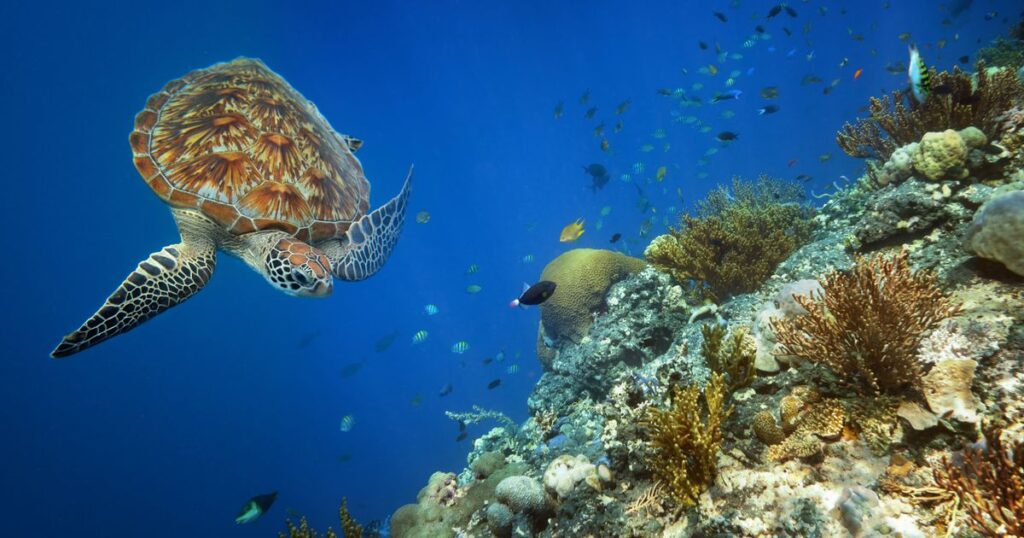
3. Pristine Marine Biodiversity: Untouched Reefs and Secret Canyons

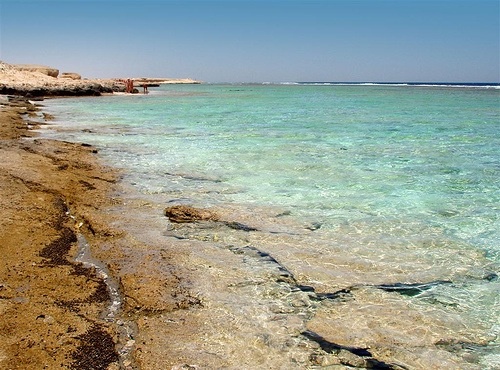
While El Quseir is celebrated for its history on land, its underwater world is equally spectacular and remains one of the Red Sea’s best-kept secrets. Because the region has avoided the heavy development seen in the north, its coral reefs are in an exceptional state of preservation, offering a vibrant and healthy ecosystem for marine life. For those on a luxury diving and snorkeling holiday, El Quseir provides access to “House Reefs” that are world-renowned for their biodiversity and unique topographical features, such as underwater canyons, caves, and coral gardens. Sites like El Quadim Bay and Zerib Kebir offer divers of all levels the chance to swim among hundreds of species of tropical fish, including crocodile fish, blue-spotted rays, and the occasional sea turtle or dolphin. What makes the diving experience here so unique is the “shore-entry” model; many of the best reefs are accessible directly from the beach, allowing for a more intimate and flexible underwater journey. The town’s dive centers are known for their ecological focus, emphasizing small groups and reef protection to ensure that the marine environment remains pristine for future generations. This focus on “sustainable diving” attracts a dedicated community of underwater enthusiasts who value the quiet beauty of the reefs over the crowded “circus” of more popular sites. In El Quseir, the sea is a sanctuary of silence and color, a place where the vibrant life beneath the waves mirrors the rich, multi-layered history of the town above, making it a premier destination for those who seek a genuine connection with the wonders of the deep.
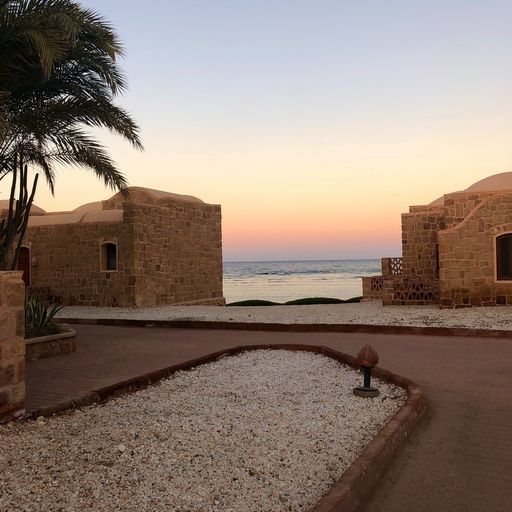
4. Secluded Luxury: The Rise of the Eco-Resort Concept

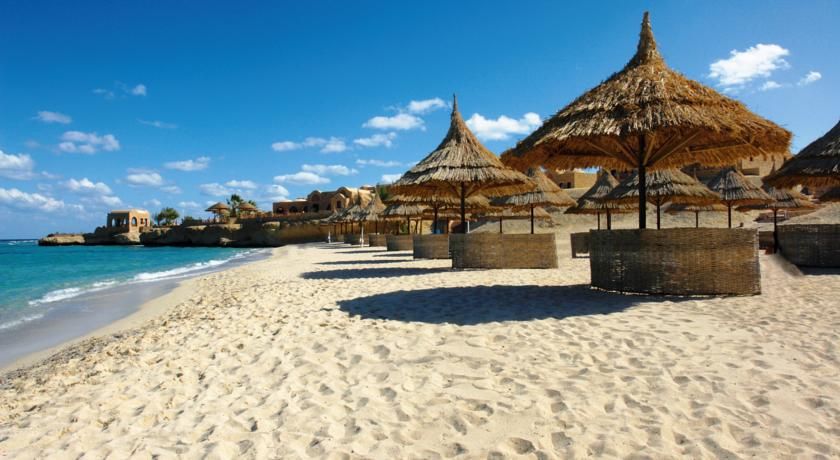
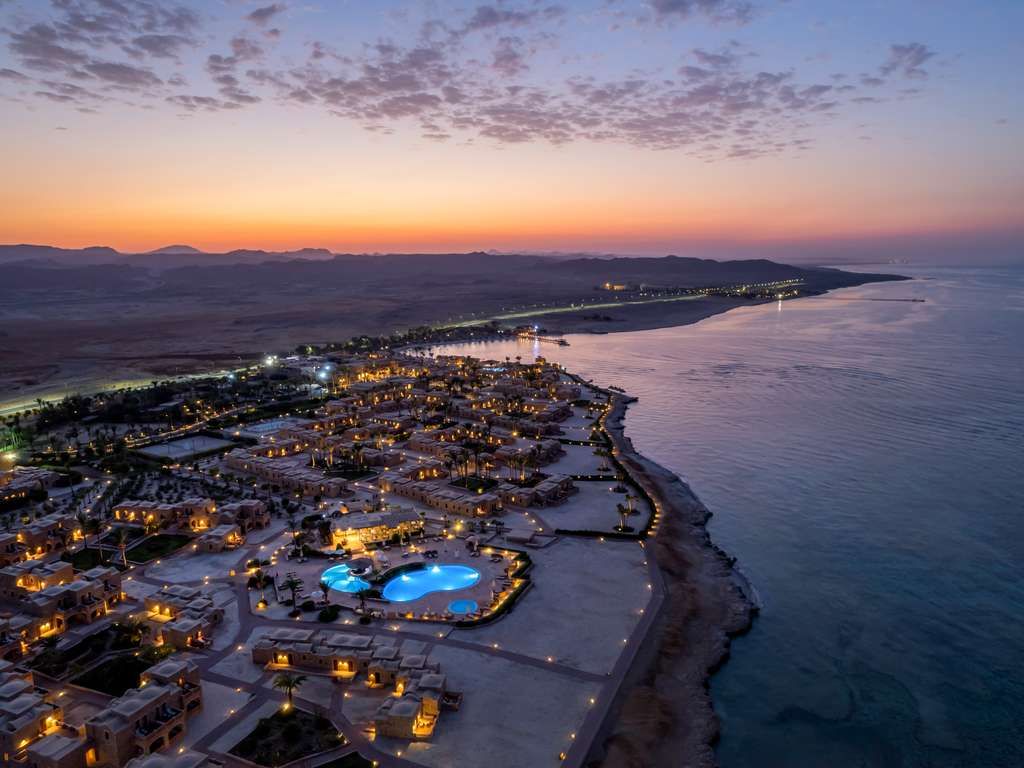
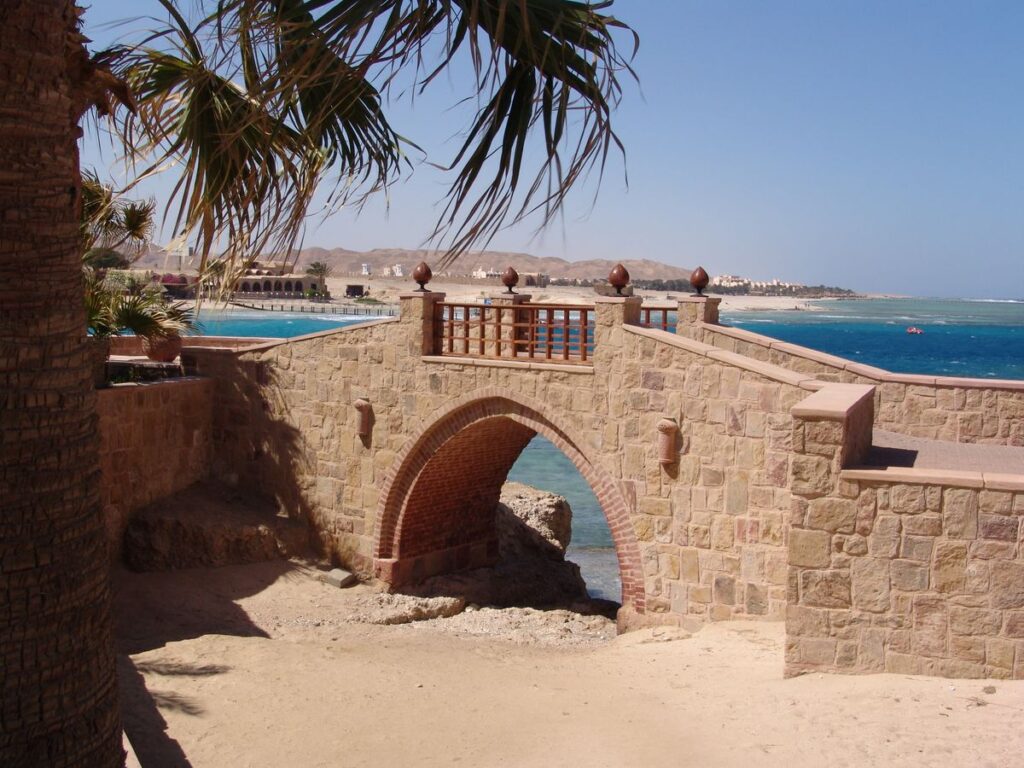
In El Quseir, the hospitality landscape is a masterclass in “quiet luxury,” focusing on high-end seclusion rather than mass-market appeal. The resorts in this region are often designed to be low-impact, blending seamlessly into the natural topography of the coastline. Unlike the towering hotel complexes found elsewhere, El Quseir is home to some of Egypt’s most prestigious eco-lodges and boutique resorts that prioritize environmental harmony and cultural authenticity. For travelers seeking a serene Egypt beach escape, these properties offer a unique “barefoot luxury” experience, where the focus is on world-class service, organic architecture, and a deep connection to the sea. Many resorts are built using traditional vaulted ceilings and local stone, providing natural climate control and an atmosphere of rustic elegance. This commitment to “secluded luxury” ensures that even during peak seasons, the beaches remain uncrowded and the atmosphere remains one of profound tranquility. These establishments often feature private jetties extending over the house reefs, allowing guests to transition from their luxury suites to the vibrant underwater world in a matter of minutes. The hospitality here is personalized and intimate, reflecting the town’s long history of welcoming travelers. It is a destination where the resort is not just a place to stay, but a sanctuary that respects the silence of the desert and the purity of the Red Sea, making it the perfect choice for those who value privacy and environmental consciousness above all else.

5. Desert Mysticism: Exploring the Ancient Mining Routes

The desert hinterland surrounding El Quseir is a place of profound mystery and historical depth, offering far more than just a typical safari experience. For millennia, the mountains behind the town were a major source of gold, emeralds, and precious stones for the Pharaonic and Roman Empires. Today, these ancient mining routes provide a spectacular landscape for adventure and heritage tourism in Egypt. Organized excursions take visitors deep into the rugged wadis, where you can still see the remains of Roman watchtowers and ancient rock inscriptions that guided the caravans of antiquity. One of the most significant sites is the Wadi Hammamat, a dried-up riverbed that served as the primary link between the Nile and the Red Sea, containing hundreds of hieroglyphic carvings left by travelers thousands of years ago. Exploring this landscape on a guided Jeep safari or a traditional camel trek allows you to witness the raw, mystical beauty of the Eastern Desert. The experience is often capped with a traditional Bedouin dinner under the vast, unpolluted night sky, where the stars shine with a brilliance rarely seen in the modern world. This connection to the “Old World” desert life adds a layer of depth to your holiday, bridging the gap between the coastal luxury of your resort and the timeless, silent majesty of the Egyptian wilderness. It is an invitation to walk in the footsteps of ancient explorers, uncovering the secrets of a landscape that has remained virtually unchanged for centuries.

6. Culinary Traditions: A Taste of the Old Red Sea

The culinary experience in El Quseir is as authentic and multi-layered as its history, offering a delightful departure from the standard international buffets of larger tourist hubs. The town’s food culture is rooted in its maritime heritage, where the daily catch from the Red Sea meets the aromatic spices brought over ancient trade routes from the East. For those seeking authentic Egyptian dining, the local restaurants along the Corniche and within the Old Town provide a sensory journey through the flavors of the coast. Freshly grilled sea bass, calamari, and “Sayadiya” rice (a traditional spiced fish rice) are staples of the local diet, prepared using recipes passed down through generations. However, what truly distinguishes the culinary scene in El Quseir is its famous coffee culture, particularly the “Gabana” coffee—a traditional Bedouin-style coffee roasted with ginger and cardamom, served in a distinctive clay pot. Sipping Gabana at a local cafe while watching the sunset over the Ottoman fort is a quintessential El Quseir experience. Furthermore, the town’s history as a pilgrim and trade hub has left a legacy of diverse influences, with hints of Levantine and Peninsular flavors appearing in the local mezze and desserts. This focus on “Slow Food” and traditional techniques ensures that every meal is an invitation to connect with the local community. For the modern traveler, dining here is not just about sustenance; it is a cultural exchange, a way to taste the history of a town that has been feeding weary travelers and hungry sailors for thousands of years.

7. Environmental Integrity: A Sanctuary for Sustainable Tourism

In an era of rapid coastal development, El Quseir has emerged as a bastion of environmental integrity, proving that tourism can thrive without compromising the natural world. The town’s residents and resort operators share a deep-seated respect for the “Blue Frontier,” resulting in some of the most successful conservation efforts in the Red Sea. For travelers who prioritize eco-conscious travel in Egypt, El Quseir offers a refreshing alternative where the protection of the reef is considered a sacred duty. Most resorts here operate with a minimal footprint, utilizing solar energy, sophisticated water treatment systems, and strict “no-touch” policies for their house reefs. This stewardship has allowed the coral systems to remain remarkably resilient, serving as a vital nursery for marine life that has been displaced from more high-traffic areas. Furthermore, the town is a center for marine research, with several international organizations working alongside local dive centers to monitor the health of the Red Sea. Guests are often invited to participate in “citizen science” programs, such as coral reef monitoring or beach clean-ups, providing a sense of purpose and contribution to their holiday. This commitment to sustainability ensures that El Quseir remains a sanctuary of biodiversity—a place where the water is so clear and the air so pure that you can truly feel the vitality of the planet. It is this “Natural Luxury” that attracts a sophisticated demographic of travelers who seek to minimize their impact while maximizing their connection to the earth.

8. Strategic Location: The Bridge Between the Nile and the Sea

El Quseir’s enduring relevance over five millennia is primarily due to its unique geographical position as the shortest point between the Red Sea and the Nile Valley. This strategic advantage remains a major draw for modern travelers who wish to experience the full spectrum of Egypt’s wonders. Located almost exactly halfway between the massive tourist hubs of Hurghada and Marsa Alam, the town serves as a tranquil “Middle Way” that offers easy access to both. For those planning cultural day trips in Egypt, El Quseir is the ultimate home base; it is the closest coastal point to the historic city of Qena and the magnificent Dendera Temple complex. Furthermore, a drive of just over three hours takes you through the stunning desert landscape of the Eastern Mountains directly into the heart of Luxor, allowing you to breakfast by the Red Sea and spend your afternoon in the shadows of the Colossi of Memnon. This “dual-heritage” travel model is a hallmark of the El Quseir experience, offering a logistical simplicity that is rare in such a vast country. Unlike other resort areas that feel isolated from the “real” Egypt, El Quseir feels like an extension of the Nile Valley’s history, reaching out to touch the waves. This connectivity allows you to create a diverse itinerary that blends the adrenaline of desert exploration, the depth of Pharaonic history, and the absolute relaxation of a world-class beach retreat, all within a single, seamless journey.

9. Practical Travel Insights: Navigating the Antique Coast

To truly appreciate the understated elegance of El Quseir, a few practical considerations will help ensure your stay is as enriching and effortless as possible. When planning your arrival, you have the luxury of choice; the town is situated approximately 140 kilometers from Hurghada International Airport and about 80 kilometers from Marsa Alam International Airport. Arranging a private transfer to El Quseir is highly recommended, as the drive through the desert mountains provides a stunning introduction to the region’s topography. Once in town, the best way to explore is on foot or by local taxi, as the old quarter is best experienced at a slow, walking pace that allows you to notice the architectural details and interact with the friendly locals. For those interested in shopping, El Quseir is famous for its high-quality spices, traditional textiles, and handmade jewelry—items that are often more authentic and reasonably priced than in the larger tourist bazaars. Regarding the climate, the town enjoys a refreshing sea breeze, but the sun can be intense, making high-factor protection and a hat essential for daytime exploration. If you plan to dive or snorkel, it is worth bringing your own equipment to fully enjoy the many shore-entry reefs at your leisure, though the local centers offer top-tier rentals. Finally, don’t forget to visit the Ottoman Fort early in the morning or late in the afternoon to avoid the midday heat and capture the most spectacular photos of the harbor. By following these El Quseir travel tips, you can move through this ancient landscape with confidence, uncovering its secrets and savoring its unique rhythm.

10. Therapeutic Serenity: A Haven for Natural Healing

El Quseir offers a unique form of wellness that is deeply rooted in its pristine natural environment and ancient traditions. Unlike the commercialized spa circuits of larger cities, wellness here is a holistic experience driven by the “clean” elements of the region: pure saline air, mineral-rich desert sands, and the therapeutic stillness of a town that has never known the rush of mass tourism. For those seeking wellness and restorative travel in Egypt, El Quseir provides a sanctuary where the environment itself acts as a healer. Many of the local eco-lodges emphasize “Slow Wellness,” offering meditation sessions on the cliffs overlooking the sea and yoga retreats that utilize the natural silence of the desert at dawn. The Red Sea’s high salt content in this area is particularly beneficial for skin health and respiratory well-being, a fact recognized since Roman times. Guests can indulge in authentic treatments that use local ingredients like hand-pressed olive oil, desert herbs, and sea minerals, often administered in simple, elegant settings that honor the local architecture. This focus on “Natural Therapy” allows visitors to undergo a profound digital and mental detox, replacing the noise of modern life with the rhythmic sound of the waves and the vast, starlit horizon. It is a place where you don’t just go for a treatment; you stay to recalibrate your entire pace of life.

11. Community and Connection: The Authentic Coastal Lifestyle

One of the most rewarding aspects of visiting El Quseir is the genuine sense of community and the warm hospitality of its people, which remains untainted by the transactional nature of high-traffic tourist zones. The residents of El Quseir take immense pride in their heritage, and visitors are often treated more like honored guests than mere tourists. For travelers who value authentic cultural exchange in Egypt, a stroll through the local markets or a visit to a traditional coffee house provides a window into a lifestyle that has remained remarkably consistent over decades. You might find yourself invited to share a glass of hibiscus tea with a shopkeeper or learn about the traditional fishing techniques from a local sailor at the harbor. This human connection is the “invisible luxury” of El Quseir; it adds a layer of warmth and depth to your stay that cannot be manufactured in a resort. The town’s social life centers around the “Gabana” coffee ritual and evening gatherings along the Corniche, where families enjoy the cool sea breeze. Engaging with the local community—whether through supporting artisanal crafts or simply sharing a conversation—ensures that your visit contributes positively to the local economy and preserves the town’s vibrant social fabric. It is this feeling of “belonging” that turns a standard holiday into a meaningful life experience, leaving you with memories of faces and stories as vivid as the colors of the reef.

12. Conclusion: The Eternal Charm of the White Port

In conclusion, El Quseir stands as a timeless beacon of history, heritage, and natural wonder on the Red Sea coast. It is a destination that successfully bridges the gap between the ancient world and the modern traveler’s desire for authenticity and peace. From the coral-stone walls of its historic old quarter to the vibrant, untouched canyons beneath its waves, El Quseir offers a multifaceted experience that is as intellectually stimulating as it is physically restorative. It is a place for the soul-searcher, the history buff, and the eco-conscious explorer who understands that true luxury is found in the preservation of the past and the protection of the environment. As you depart this “White Port,” you leave with a profound appreciation for the enduring spirit of the Red Sea—a spirit that has welcomed Pharaohs, pilgrims, and explorers for five millennia. El Quseir is not merely a stop on a journey; it is a destination that stays with you, a quiet reminder that even in a rapidly changing world, there are still places where time moves with the tide and history is etched into every sun-drenched stone. Whether you came for the ruins, the reefs, or the remarkable silence of the desert, El Quseir remains the undisputed heart of heritage tourism in Egypt, inviting you to return and rediscover its secrets time and time again.

El Quseir: Frequently Asked Questions

  • Yes, it is excellent for families seeking a quiet and educational holiday. The shallow house reefs and the safe, pedestrian-friendly old town make it a stress-free environment for children to explore.

  •  

  • Diving in El Quseir is primarily shore-based and much quieter. The reefs are exceptionally healthy due to lower diver traffic, and the unique underwater topography of canyons and caves offers a different aesthetic.

  •  

  • The most comfortable way is via a private car or organized tour. The journey takes about 3 to 3.5 hours through the scenic Eastern Desert, making it a very feasible day trip.

  •  

  • While the town is historic, the surrounding luxury resorts offer all modern amenities, including high-speed internet, international cuisine, and world-class spa facilities.

  •  

  1. It is a traditional Bedouin coffee roasted with ginger and cardamom. It is a cultural staple in El Quseir and is traditionally prepared in a clay pot over an open fire.