
Welcome to

The West Bank of Luxor: The Gateway to the Afterlife and the Silent Valleys of the Kings

The West Bank of Luxor stands as one of the most profound and mysterious archaeological landscapes in the world, representing the sacred realm where the sun sets and the journey into the afterlife begins. In ancient Egyptian cosmology, the western shore of the Nile was dedicated to the “City of the Dead,” a sprawling necropolis where Pharaohs, nobles, and commoners were laid to rest in a landscape dominated by the majestic, pyramid-shaped peak of Al-Qurn. Unlike the bustling “City of the Living” on the East Bank, the West Bank offers an atmosphere of haunting stillness and rugged beauty, characterized by sun-bleached limestone cliffs, hidden desert valleys, and lush green farmlands that fringe the river. For the modern traveler, crossing the Nile to the West Bank is a transition into a world of discovery, where the secrets of the New Kingdom’s greatest rulers are etched into the walls of subterranean tombs and monumental mortuary temples. This side of the river is home to legendary sites such as the Valley of the Kings, the Valley of the Queens, and the Temple of Hatshepsut, each offering a deep dive into the complex funerary rites and artistic mastery of a civilization that viewed death not as an end, but as a glorious transformation. Beyond the famous monuments, the West Bank maintains a rustic, traditional charm, with small villages, artisanal alabaster workshops, and a slower pace of life that allows visitors to reflect on the immense scale of history surrounding them. It is a place where every mountain pass and desert trail tells a story of divine aspirations and the eternal quest for immortality. Whether you are descending into the vibrant, color-drenched tomb of Nefertari or witnessing the sunrise from a hot air balloon over the Colossi of Memnon, the West Bank provides a spiritual and intellectual journey that remains unparalleled in the annals of global travel.

Valley of the Kings - Try Egypt tours 11

1. The Valley of the Kings: The Hidden Royal Labyrinth of the Underworld

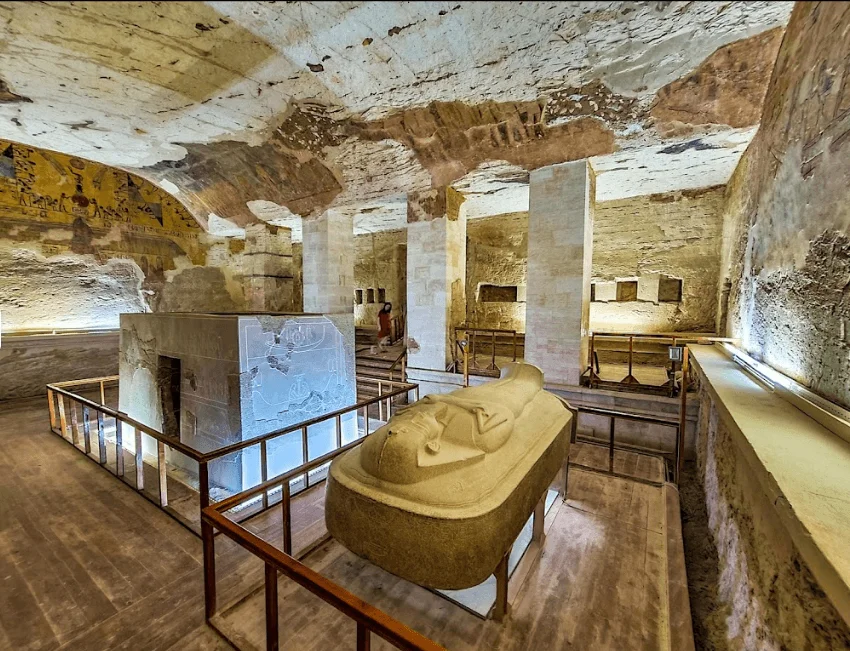
The Valley of the Kings serves as the ultimate testament to the New Kingdom’s desire for eternal preservation and royal secrecy, a stark contrast to the conspicuous pyramids of the north. Hidden behind the protective shadows of the Theban hills, this dry, rocky canyon houses over 60 tombs, including those of legendary figures such as Ramesses the Great, Thutmose III, and the boy-king Tutankhamun. For the modern visitor, descending into these subterranean chambers is a sensory revelation; the walls are adorned with incredibly vivid frescoes and intricate reliefs that depict the Pharaoh’s perilous journey through the “Duat” (the underworld). These artistic masterpieces, preserved by the arid desert climate for over 3,000 years, retain colors so brilliant they appear as if they were painted yesterday. The architecture of the tombs reflects a sophisticated understanding of geology and spirituality, with long descending corridors and pillared halls designed to facilitate the king’s transition into the divine realm of Osiris. Each tomb is a unique narrative of religious texts, such as the Book of Gates and the Amduat, intended to guide the soul past the trials of the afterlife. Standing in the silent depth of a royal burial chamber, surrounded by the silent gaze of deities and the golden shimmer of celestial ceilings, provides a profound connection to the ancient Egyptian psyche. The Valley remains a site of active discovery, where modern archaeology continues to peel back the layers of sand to reveal the untold stories of Egypt’s golden age. It is a place where the air feels heavy with history, and every step deeper into the earth is a step further into the eternal mysteries of the Pharaohs.
2. The Mortuary Temple of Hatshepsut: An Architectural Symphony in Stone

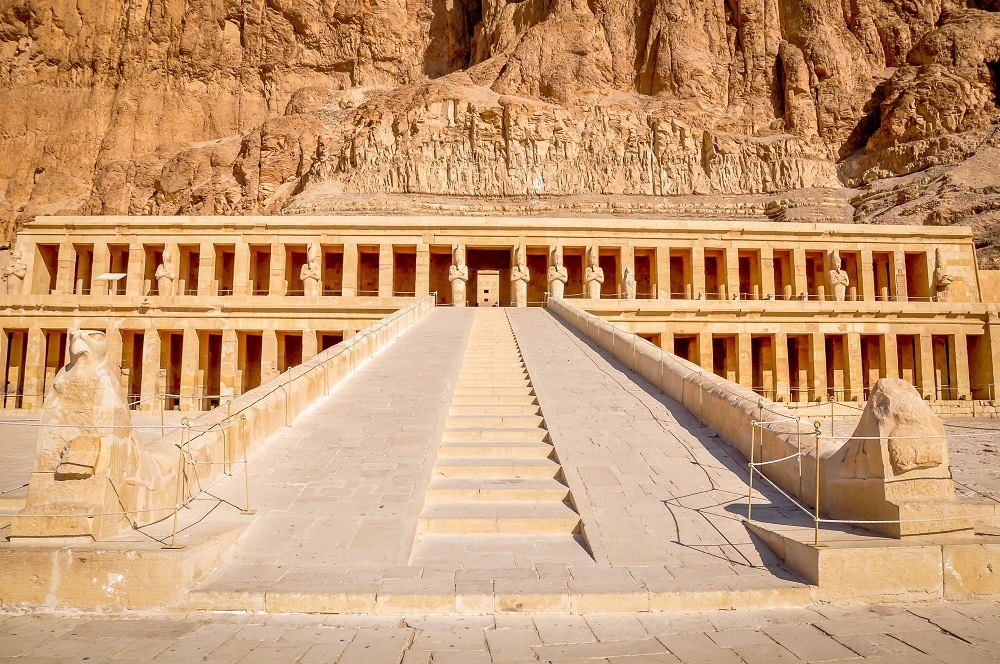
Emerging from the desert floor at Deir el-Bahari, the Mortuary Temple of Queen Hatshepsut stands as one of the most striking and revolutionary architectural achievements in human history. Dedicated to the sun god Amun and the pioneering female Pharaoh herself, the temple is composed of three massive, tiered terraces that seem to grow directly out of the towering limestone cliffs. This design, envisioned by her chief architect Senenmut, was a radical departure from the traditional temple structures of the time, emphasizing symmetry, light, and a seamless integration with the natural landscape. As you ascend the grand ramps, you are greeted by colonnades adorned with reliefs that document the most significant events of Hatshepsut’s reign, including the legendary maritime expedition to the Land of Punt and the miraculous story of her divine birth. The temple was once surrounded by lush gardens of frankincense and myrrh trees, traces of which can still be imagined as you walk through the sun-drenched courtyards. Despite later attempts by her successors to erase her name from history, the temple remains a powerful monument to her political genius and the sheer ambition of her rule. The vibrant statues of Osiris with Hatshepsut’s features and the delicate shrines dedicated to Anubis and Hathor provide a glimpse into the spiritual devotion that underpinned her authority. Visiting this site at sunrise, when the golden light first hits the white limestone facade, is a cinematic experience that highlights the majestic scale and enduring elegance of the woman who dared to rule as a King in a world of men.
3. The Colossi of Memnon: The Solemn Guardians of a Lost Empire

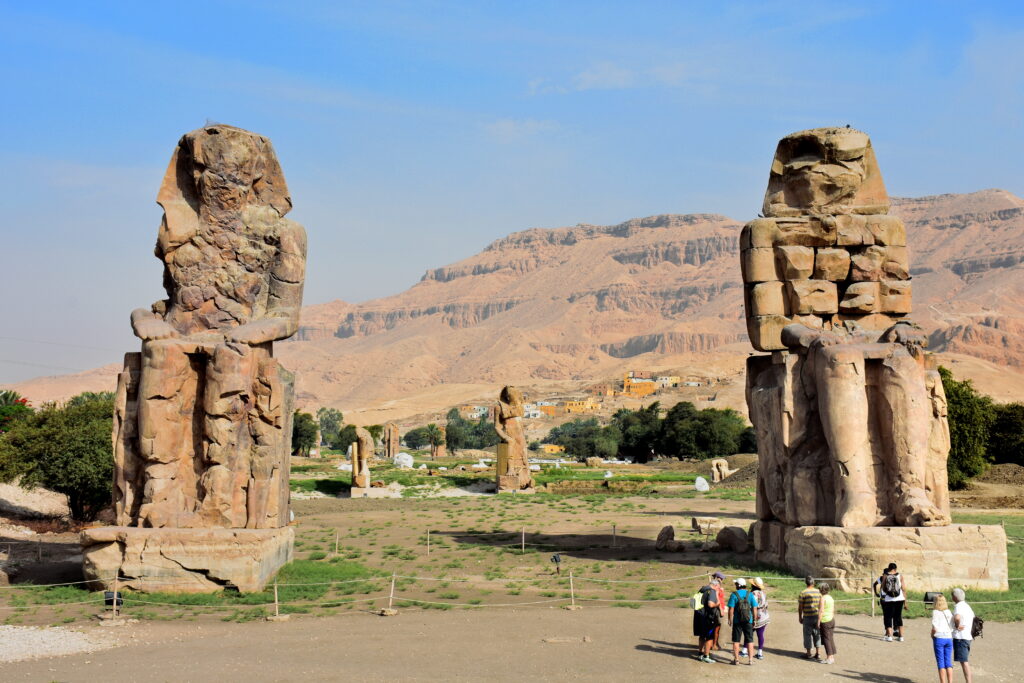
Standing as solitary sentinels on the fringe of the lush green floodplains and the arid desert, the Colossi of Memnon are the first monuments to greet travelers as they enter the West Bank. These two massive stone statues, each towering nearly 18 meters in height and weighing hundreds of tons, are all that remains of the once-grand mortuary temple of Amenhotep III, which was arguably the largest and most opulent temple complex in ancient Thebes. Carved from single blocks of quartzite sandstone, these figures represent the Pharaoh seated on his throne, gazing eastward toward the Nile and the rising sun. Over the millennia, earthquakes and the passage of time have weathered their features, yet they still exude a sense of indestructible power and stoic endurance. In the Roman era, these statues became legendary for the “musical” sound one of them emitted at dawn—a phenomenon caused by the expansion of the stone as it warmed, which the Greeks attributed to the mythological hero Memnon greeting his mother, Eos. Although a Roman restoration silenced the “song” centuries ago, the site remains a place of profound atmospheric beauty, especially during the early morning hours when the mist rises from the surrounding fields. The Colossi serve as a poignant reminder of the immense scale of the Pharaohs’ building projects and the inevitable decay of even the most magnificent earthly structures. They act as the symbolic gatekeepers to the necropolis beyond, bridging the gap between the living world of the river and the silent, eternal valleys that house the secrets of the gods and the kings.
4. The Valley of the Queens: A Sanctuary of Feminine Divine and Eternal Color

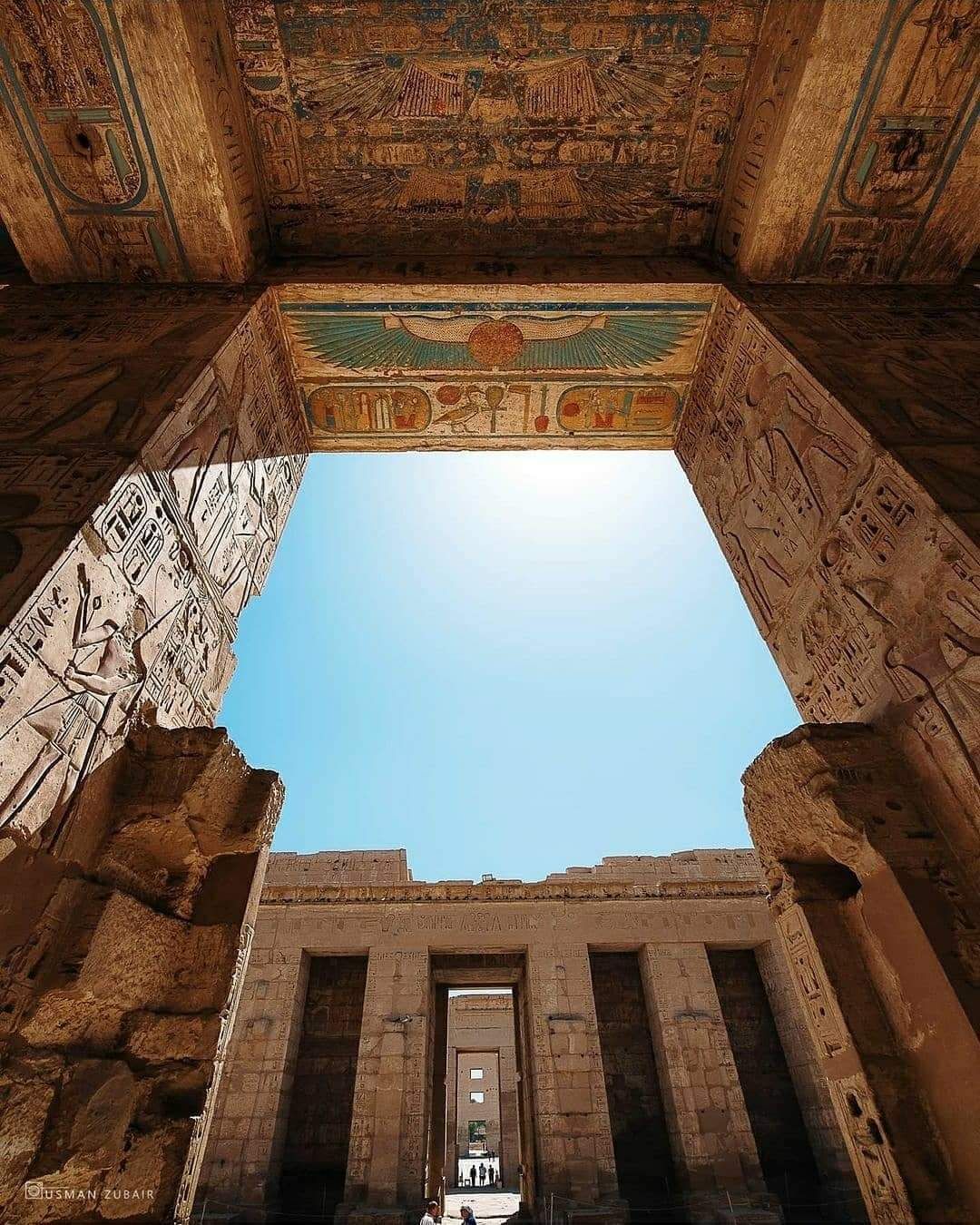
While the kings were buried in their secluded canyon, the royal wives and princes of the New Kingdom found their eternal rest in the Valley of the Queens, or “Ta-Set-Neferu,” meaning “The Place of Beauty.” This sacred site contains nearly 100 tombs, but it is internationally renowned for housing the tomb of Queen Nefertari, the beloved Great Royal Wife of Ramesses II. For the traveler seeking the pinnacle of ancient Egyptian artistry, the tomb of Nefertari is a non-negotiable experience; often referred to as the “Sistine Chapel of Ancient Egypt,” its walls are covered in the most exquisite and well-preserved paintings found anywhere in the world. The colors—deep lapis lazuli blues, vibrant ochre yellows, and rich cinnabar reds—are so fresh they appear to have been applied only days ago, depicting the Queen’s journey into the company of the gods with stunning detail. Unlike the more masculine and military-focused themes of the kings’ tombs, the art here emphasizes grace, divine protection, and the queen’s personal elegance. Beyond Nefertari’s tomb, the valley also holds the moving burial chambers of young princes, such as Amun-her-khepeshef, whose walls display tender scenes of the Pharaoh introducing his son to the deities of the underworld. The valley provides a softer, more intimate counterpoint to the rugged scale of the Valley of the Kings, offering a profound insight into the status of royal women and the deep familial bonds that were preserved even in the face of eternity.

5. Medinet Habu: The Great Fortress-Temple of Ramesses III

Medinet Habu is often overlooked by the casual tourist in favor of Karnak, yet it remains one of the most intellectually rewarding and visually spectacular sites on the West Bank. This massive complex served as the Mortuary Temple of Ramesses III and is widely considered the best-preserved example of New Kingdom religious architecture. What sets Medinet Habu apart is the sheer depth of its carvings; the reliefs are sunk so deeply into the sandstone that they have survived the erosive forces of wind and sand for over three millennia, retaining their sharp edges and original pigments. For history enthusiasts seeking military and political narratives, the temple’s exterior walls act as a stone archive, documenting the dramatic battles between the Egyptians and the “Sea Peoples” in vivid detail. The temple was designed as a fortified city, featuring a towering Syrian-style gate (Migdol) that underscores the Pharaoh’s role as a warrior-protector. Inside, the massive courtyards and the Great Hypostyle Hall are filled with colossal statues and columns that still bear the brilliant blues and greens of the ancient world. The site also includes the ruins of a royal palace and a sacred lake, offering a comprehensive look at the daily operations of a divine cult. Exploring Medinet Habu feels like walking through a living fortress of faith, where every pylon and corridor serves as a defiant proclamation of Egyptian power and the enduring legacy of the last great warrior king of the New Kingdom.

6. The Ramesseum: A Poignant Monument to Imperial Ambition

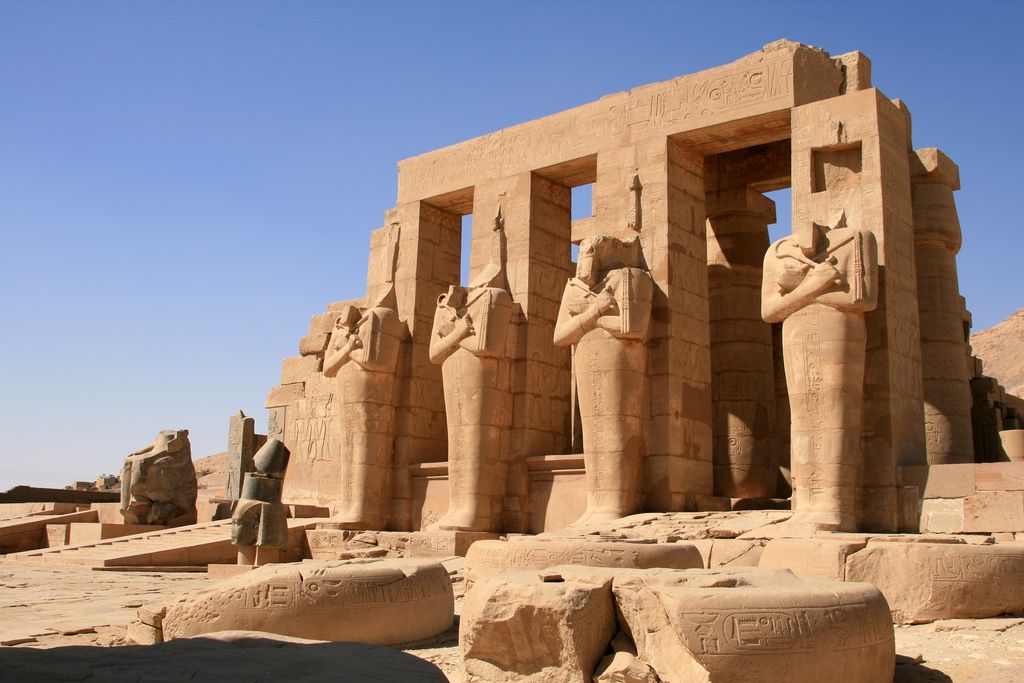
The Ramesseum, the grand mortuary temple of Ramesses II, stands as a hauntingly beautiful ruins that once represented the zenith of the Pharaoh’s imperial pride. Though it suffered more from the ravages of time and Nile floods than Medinet Habu, its fragmented remains possess a romantic, melancholic atmosphere that has inspired poets and travelers for centuries, most notably Percy Bysshe Shelley in his famous poem “Ozymandias.” The centerpiece of the site is the colossal fallen statue of Ramesses II, which once stood over 17 meters tall and weighed an incredible 1,000 tons—a feat of engineering that remains staggering even by modern standards. For those fascinated by monumental engineering and royal propaganda, the Ramesseum offers a fascinating look at how the Pharaoh used architecture to immortalize his victories, particularly the Battle of Kadesh, which is depicted in sprawling reliefs across the pylons. The temple also housed a world-renowned library and a “House of Life,” making it a center of learning and theology in ancient Thebes. Walking among the toppled granite heads and the remaining Osiride pillars, one feels the weight of human ambition and the inevitable transience of power. The surrounding mud-brick granaries, which still stand after thousands of years, provide a rare glimpse into the logistical scale required to maintain such a massive cult. The Ramesseum is a site of reflection, where the sheer scale of the ruins serves as a silent, powerful dialogue between the eternal ego of a king and the unrelenting passage of time.

7. The Tombs of the Nobles: A Glimpse into the Ancient Daily Life

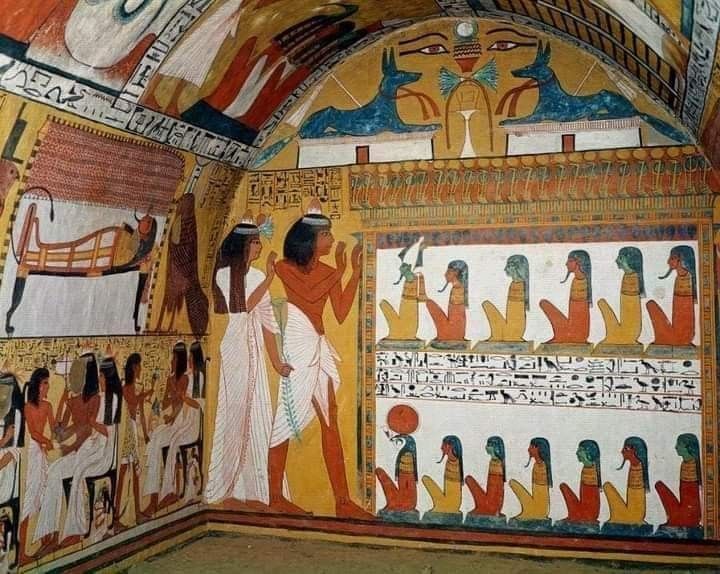
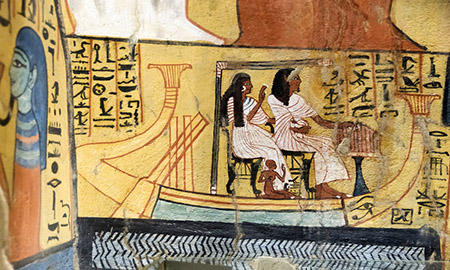
While the royal valleys focus on the divine journey of the Pharaohs, the Tombs of the Nobles provide a refreshingly human and intimate perspective on the ancient world. Scattered across the foothills of the Theban mountains, these hundreds of burial sites belonged to the high-ranking officials, scribes, and administrators who kept the wheels of the empire turning. For travelers seeking an authentic social history of Egypt, these tombs are a treasure trove of secular art, depicting scenes that are far removed from the rigid formality of royal funerary texts. Here, the walls come alive with vibrant illustrations of agricultural life, lavish banquets, hunting expeditions in the papyrus marshes, and craftsmen at work in their shops. Tombs like those of Ramose, Sennefer, and Rekhmire offer an incredible level of detail; you can see the intricate patterns of guests’ clothing, the rhythmic movements of dancers, and the bountiful harvests being brought to the granaries. These “non-royal” stories provide a vital bridge to understanding the aspirations, joys, and domestic realities of the people who inhabited the City of the Living. The artistry is often more experimental and fluid than that found in the royal tombs, reflecting a personal touch that makes the ancient Egyptians feel remarkably contemporary. Exploring these hidden gems allows you to step out of the shadows of the gods and into the sunlight of daily life in Thebes, where the enduring spirit of the Egyptian people is celebrated in every brushstroke.

8. Deir el-Medina: The Secrets of the Royal Tomb Builders

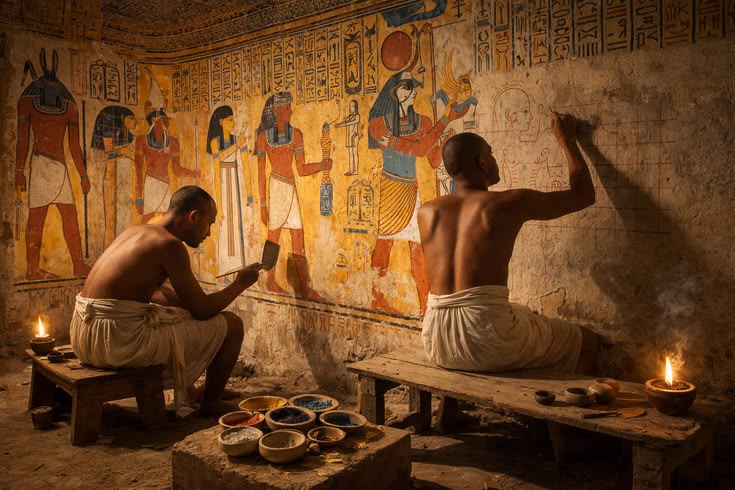
Deir el-Medina, known as the “Place of Truth,” is one of the most archaeologically significant sites in the world, as it preserves the remains of the specialized village where the artisans and workmen who constructed the royal tombs lived. For those interested in the archaeology of daily life and labor history, this site offers a rare opportunity to explore a residential community that thrived for over four centuries. The village layout, with its narrow streets and stone-walled houses, reveals a highly literate and organized society that enjoyed a unique status within the New Kingdom. The workers here were not slaves but elite craftsmen—stonecutters, painters, and draftsmen—who left behind a wealth of ostraca (inscribed pottery shards) that document their legal disputes, medical records, and even the first recorded strikes in history. The site also includes the workmen’s own private tombs, such as the Tomb of Sennedjem, which are famous for their exquisite beauty and intimate scale. Because these artists were painting for themselves, the quality of the work is exceptional, featuring warm, golden backgrounds and scenes of the afterlife that mirror the comfort of their own homes. Visiting Deir el-Medina is a humbling experience that shifts the focus from the kings to the creators, honoring the hands and minds that built the eternal monuments of the West Bank. It is a place where history becomes personal, reminding us that the grandeur of the Pharaohs was built upon the skill and dedication of a vibrant, living community.

9. Alabaster and Artistry: The Living Heritage of the Theban Hills

The West Bank is not only a museum of the dead but a thriving center for living traditional crafts, most notably the ancient art of alabaster carving. For generations, the families living in the shadow of the necropolis have maintained the techniques used by their ancestors to shape the translucent stone found in the local mountains. For the traveler seeking a tangible connection to Egyptian craftsmanship, a visit to a local alabaster workshop is a sensory experience where the rhythmic sound of hammers and the fine white dust of the stone create an atmosphere of timeless industry. Using simple hand tools, the artisans transform raw blocks of stone into delicate vases, bowls, and statues that glow when held to the light. This heritage is a source of immense pride for the West Bank community, and many workshops offer live demonstrations where you can see the skill required to hollow out a vase without breaking its paper-thin walls. Beyond alabaster, the West Bank is home to talented potters and weavers who continue to use traditional looms and kilns. Engaging with these artisans provides a deeper understanding of the local economy and the enduring resilience of Upper Egyptian culture. Purchasing a piece of hand-carved stone is more than just buying a souvenir; it is a way to support a lineage of artistry that has survived for thousands of years, ensuring that the creative spirit of ancient Thebes continues to flourish in the modern world.

10. Hot Air Ballooning: A Celestial Perspective of the Necropolis

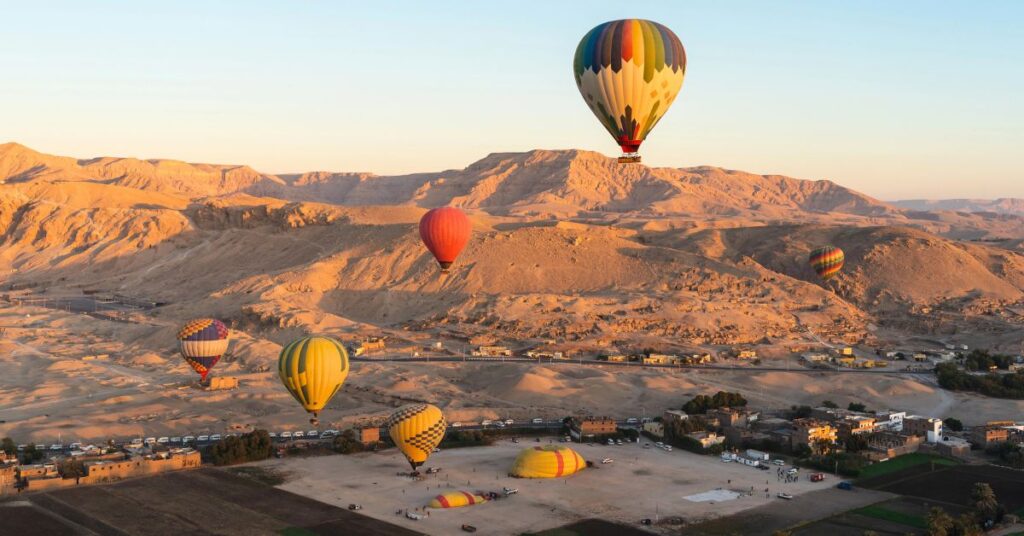
The most breathtaking way to comprehend the vastness of the West Bank is to ascend into the heavens during the predawn hours for a hot air balloon flight. As the first rays of the sun crest over the mountains of the East Bank, the entire landscape of the “City of the Dead” is revealed in a golden, ethereal light that is impossible to appreciate from the ground. For those seeking luxury adventure in Luxor, this experience provides a bird’s-eye view of the dramatic shift between the vibrant green agricultural lands and the harsh, sterile desert where the temples and tombs are hidden. From several hundred feet above, the architectural layout of Medinet Habu and the Ramesseum becomes clear, appearing like giant stone blueprints etched into the earth. The silence of the flight is broken only by the occasional roar of the burner, allowing for a meditative contemplation of the thousands of years of history lying beneath you. You can see the Nile winding like a silver ribbon through the valley, serving as the lifeblood that allowed this monumental civilization to flourish. Gliding over the Colossi of Memnon and the hidden valleys of the nobles, you gain a profound sense of the geographical sacredness that led the ancients to choose this specific site for their eternal rest. It is a transformative journey that combines the thrill of flight with the solemnity of an archaeological pilgrimage, offering a final, panoramic tribute to the enduring majesty of Thebes.

11. Practical Travel Insights: Mastering the Western Shore

Navigating the West Bank requires a different strategic approach than the more centralized East Bank, as the sites are spread across several kilometers of desert and mountain terrain. For a seamless experience, it is highly recommended to start your day as early as possible—ideally by 6:00 AM—to beat both the intense Upper Egyptian sun and the large tour groups that arrive from the cruise ships. For transportation, hiring a private driver for the day is the most efficient option, though the more adventurous can explore the primary temple areas by bicycle or even on donkey-back for a truly traditional feel. When visiting the Valley of the Kings, remember that your standard ticket allows entry to three tombs of your choice, but special “premium” tombs like those of Seti I and Tutankhamun require separate, additional tickets that are well worth the investment for enthusiasts. Comfortable, closed-toe walking shoes are essential for navigating the rocky paths, and carrying a high-quality flashlight can help you appreciate the finer details of the carvings in the darker chambers. Additionally, while the West Bank is more rustic, it offers several charming eco-lodges and traditional guesthouses that provide a peaceful alternative to the large hotels across the river. By balancing the “big ticket” monuments with the smaller, quieter tombs, you can curate a journey that is both historically comprehensive and personally enriching.

12. Conclusion: The Eternal Resonance of the Silent West

In conclusion, the West Bank of Luxor remains the world’s most evocative gateway to the past, a landscape where the boundary between the earthly and the divine feels uniquely thin. It is a destination that rewards patience and curiosity, inviting you to look beyond the massive stone pylons and into the intimate details of a civilization that mastered the art of immortality. From the soaring terraces of Hatshepsut’s Temple to the humble mud-brick homes of Deir el-Medina, the West Bank tells a complete story of human endeavor, faith, and the universal desire to be remembered. It is a place that challenges your perception of time, where a three-thousand-year-old painting can feel as immediate and vibrant as a modern masterpiece. As you eventually take the ferry back across the Nile, leaving the silent valleys behind, you carry with you a renewed sense of wonder and a deeper connection to the shared heritage of humanity. The West Bank is not merely a collection of ruins; it is a living testament to the heights that the human spirit can reach when it dares to build for eternity. Whether you come for the archaeology, the artistry, or the desert silence, the western shore of Thebes ensures that your journey into the afterlife of the Pharaohs will be a memory that lives forever.

West Bank : Frequently Asked Questions

While you can see the highlights in one full day, a two-day itinerary is recommended to explore the Tombs of the Nobles and Deir el-Medina without feeling rushed.


There is no official dress code, but modest, lightweight clothing is recommended out of respect for the local culture and to protect yourself from the intense desert sun.


Photography rules change frequently; currently, photography with a cell phone is allowed in most tombs, but professional cameras often require a special, expensive permit.


Yes, though the heat and walking can be tiring. Children often find the hot air balloon rides and the vivid “cartoon-like” paintings in the tombs of the nobles especially engaging.


The area near the public ferry dock and the road to the Colossi of Memnon features several wonderful rooftop restaurants serving authentic “tagine” dishes with incredible views of the farmlands.