
1. The Lost Temple of Amenhotep III
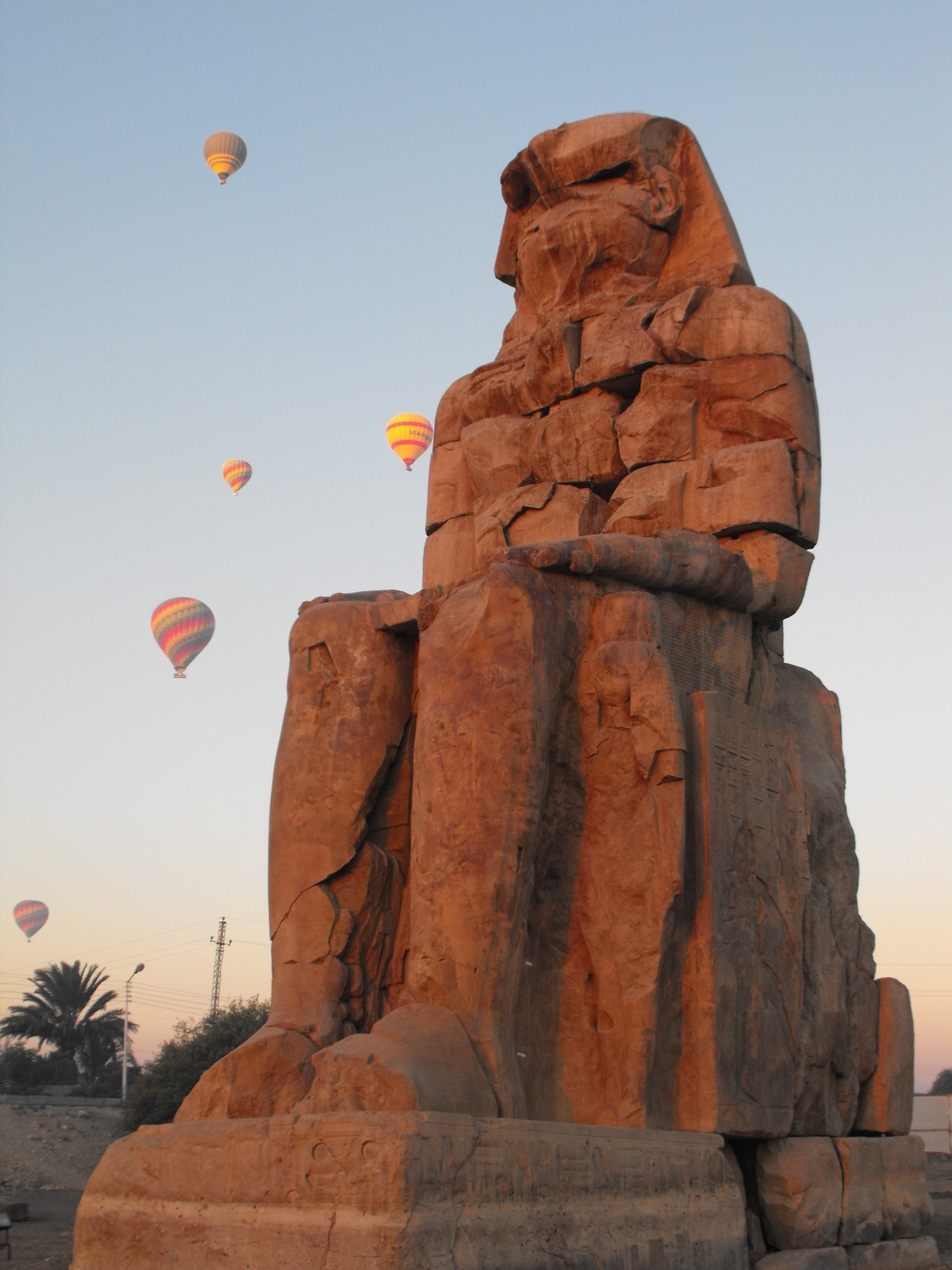
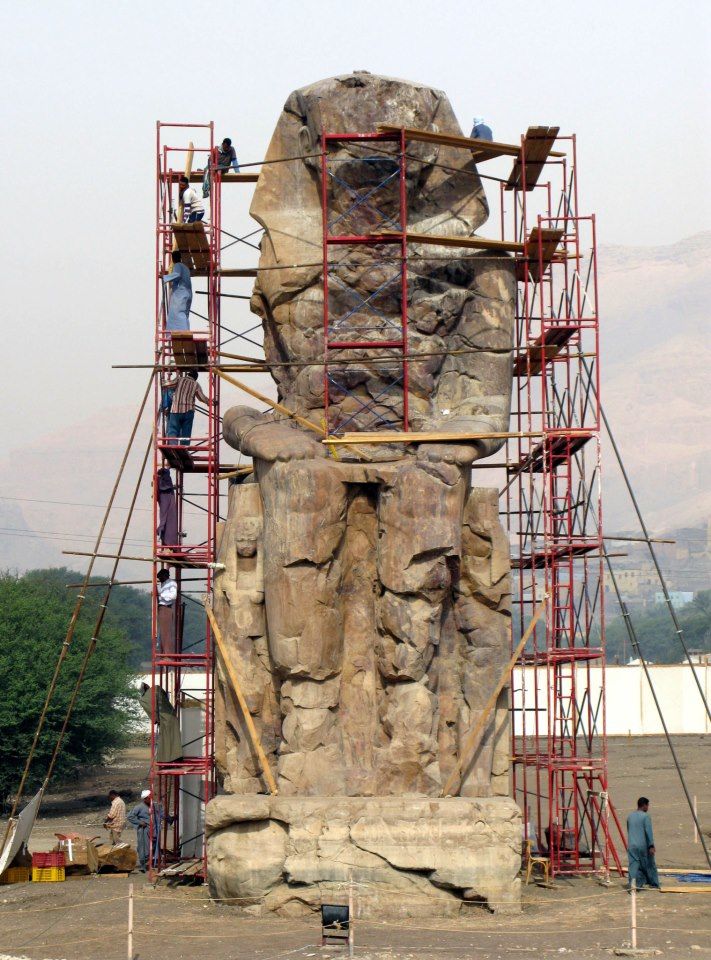
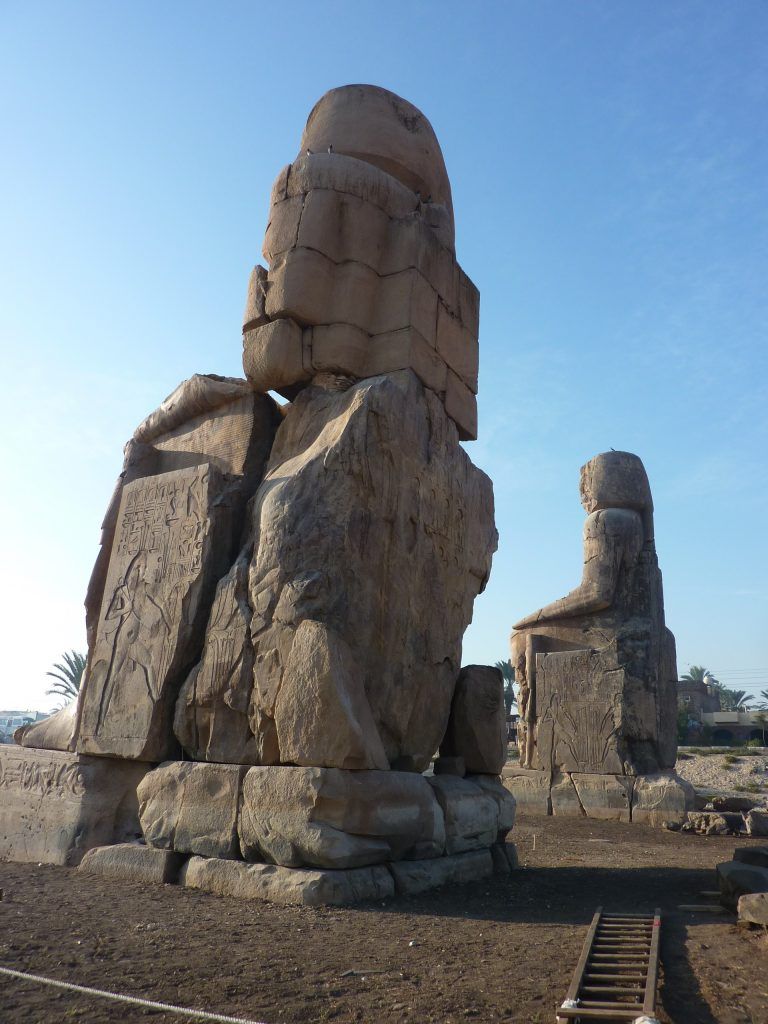
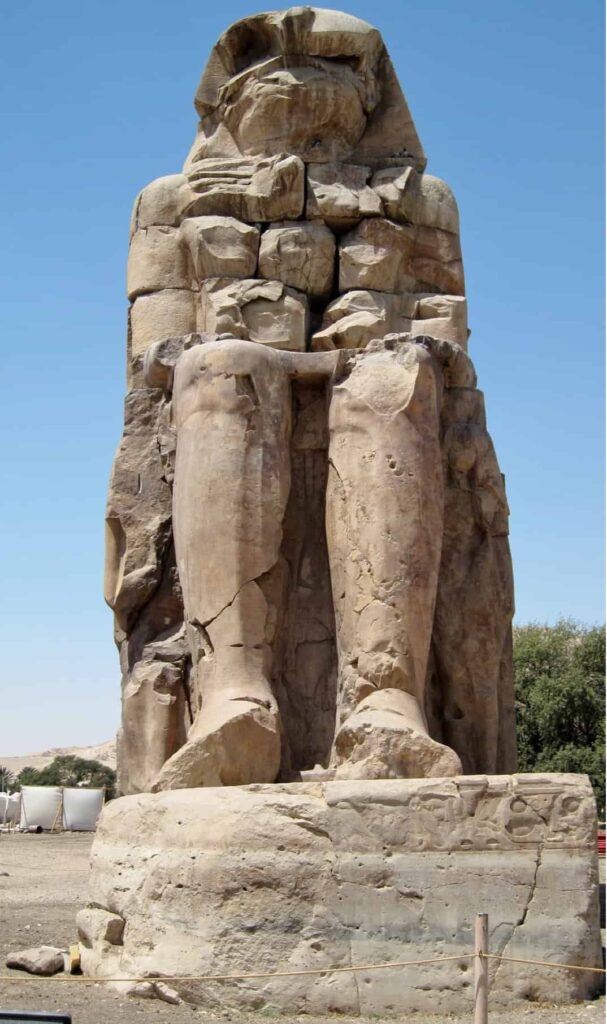
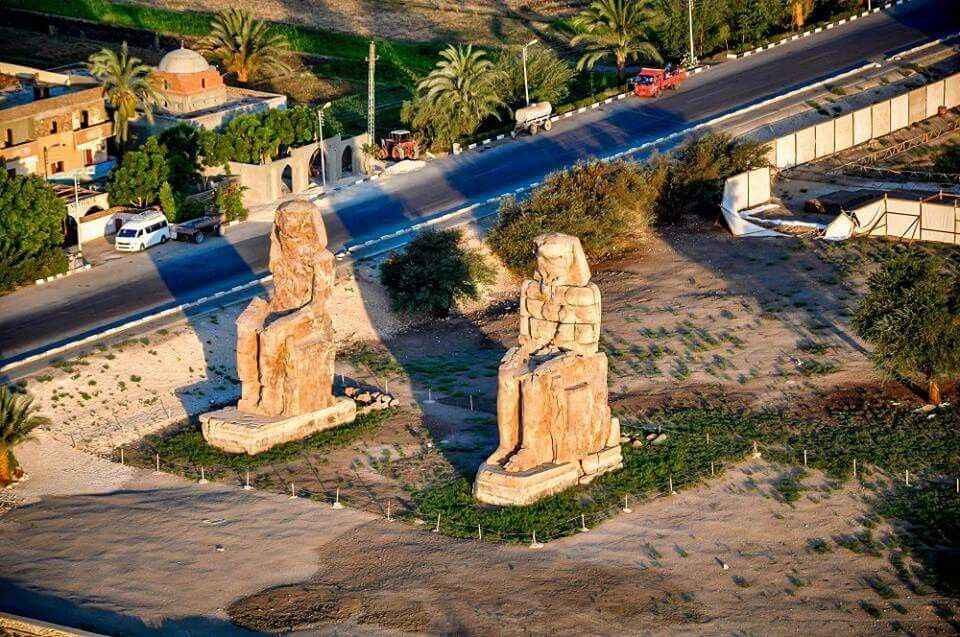
While today the Colossi of Memnon stand alone in an open plain, they were originally the sentinels for a temple that eclipsed even the great Karnak in size and opulence. The Mortuary Temple of Amenhotep III was a sprawling religious center filled with hundreds of statues, ornate courtyards, and towering pylons. Unfortunately, because the temple was built on the floodplains of the Nile, its mud-brick foundations were eventually reclaimed by the river’s annual inundations and devastating earthquakes. The Colossi are the sole survivors of this architectural masterpiece, standing exactly where they were placed millennia ago. Exploring this site provides travelers with a unique perspective on the fragility of history; while the grand walls and sanctuaries have crumbled, these twin giants remain, offering a silent testimony to the “Fortress of Brightness” that once defined the landscape of ancient Thebes.
2. The Legend of the Singing Statue
One of the most fascinating aspects of the Colossi of Memnon is the Greek legend that gave them their name. Following a major earthquake in 27 BC, the northern statue was partially shattered, creating a geological phenomenon where it would “sing” or “whistle” at dawn. Ancient Greek and Roman travelers believed the sound was the voice of Memnon, a hero of the Trojan War, greeting his mother Eos, the goddess of Dawn. This transformed the site into one of the world’s first major tourist attractions, drawing emperors like Hadrian and famous poets who carved their names into the stone to commemorate the “miracle.” Although the singing stopped after Roman repairs in the 2nd century AD, the aura of mystery remains. Visiting the site today allows you to connect with centuries of explorers who, like modern tourists, were drawn to the West Bank by the allure of the supernatural and the monumental.
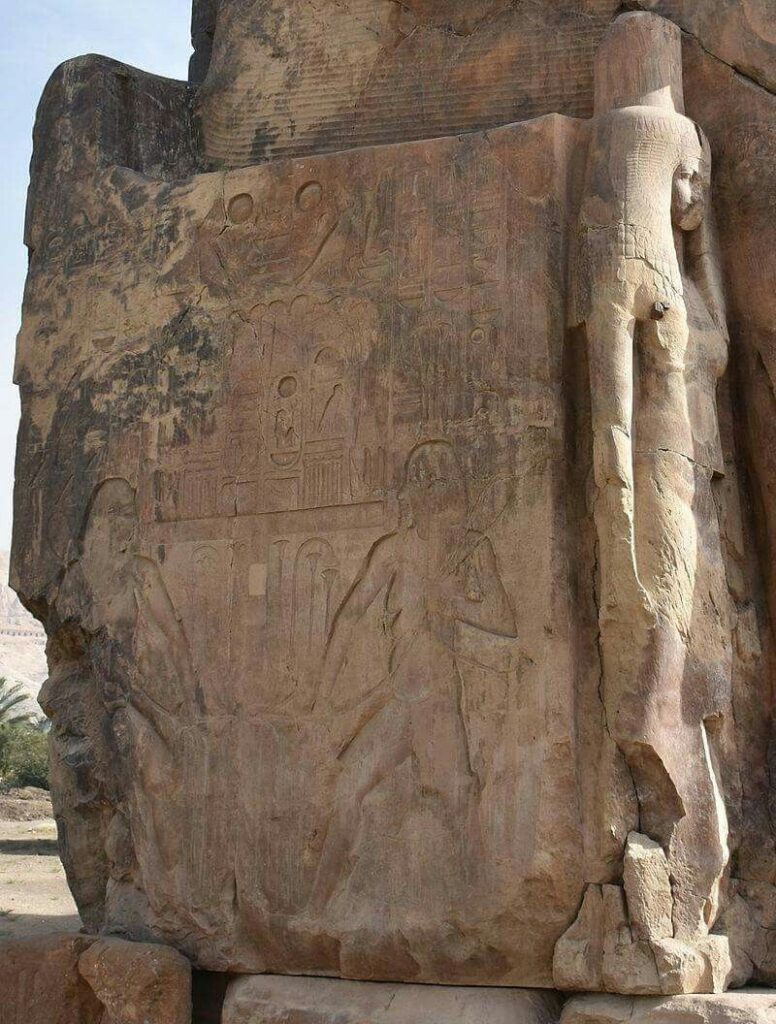
3. Mastery in Stone: The Art of Quatrzite
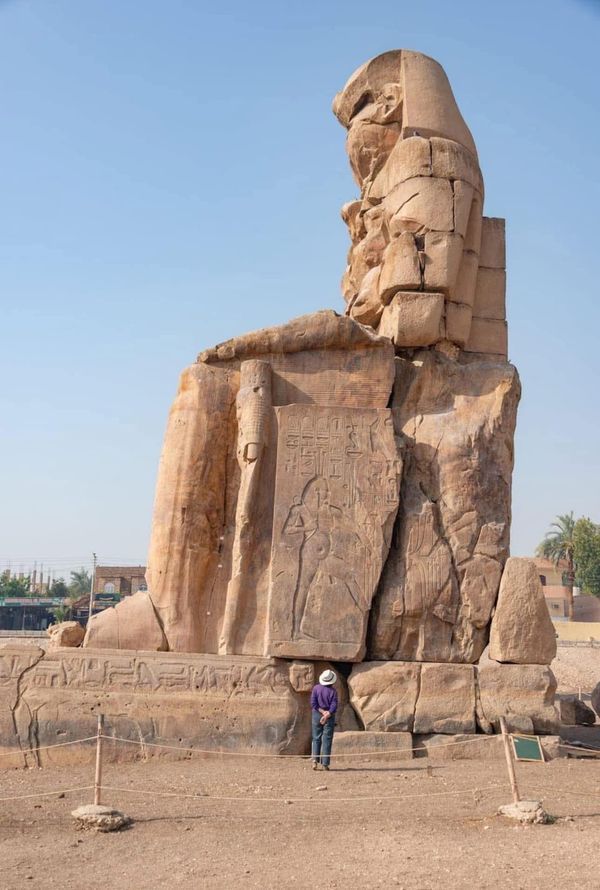
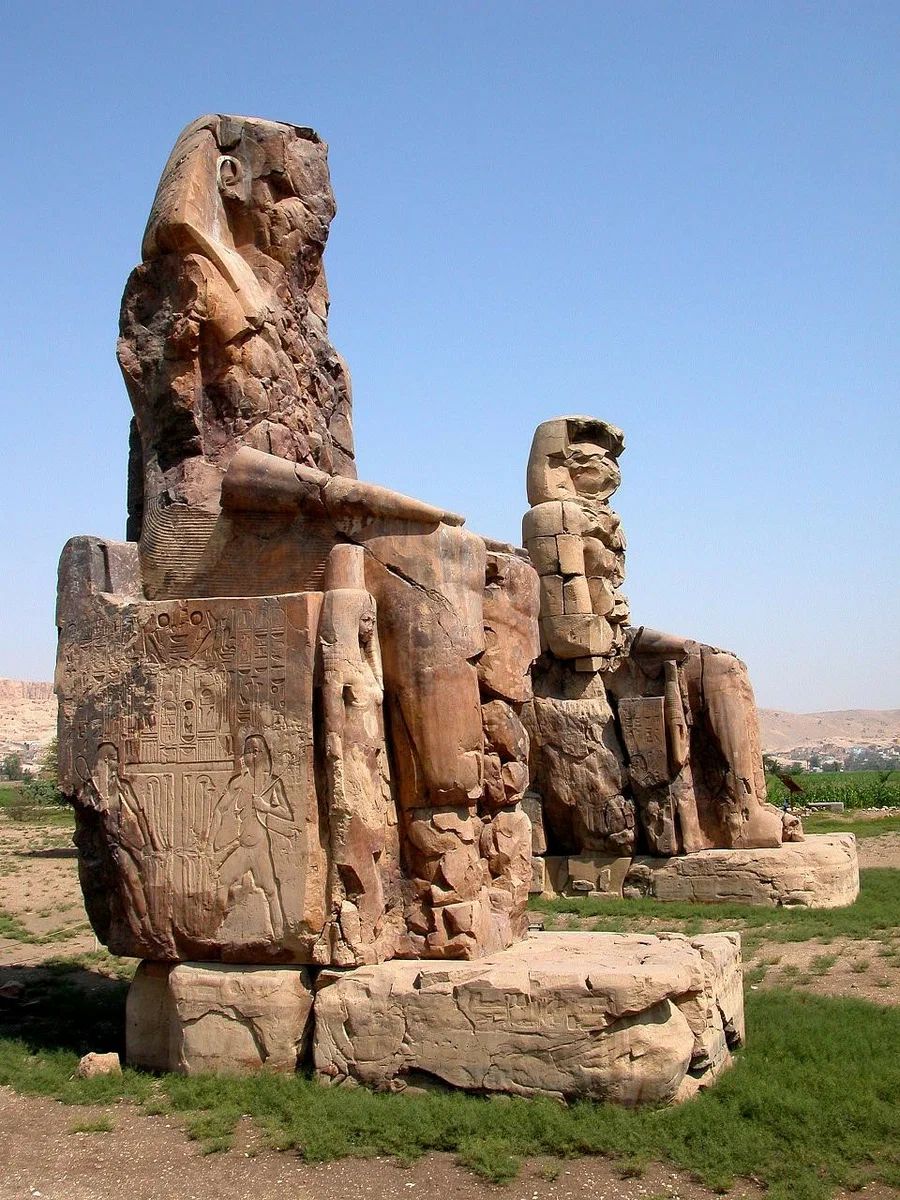
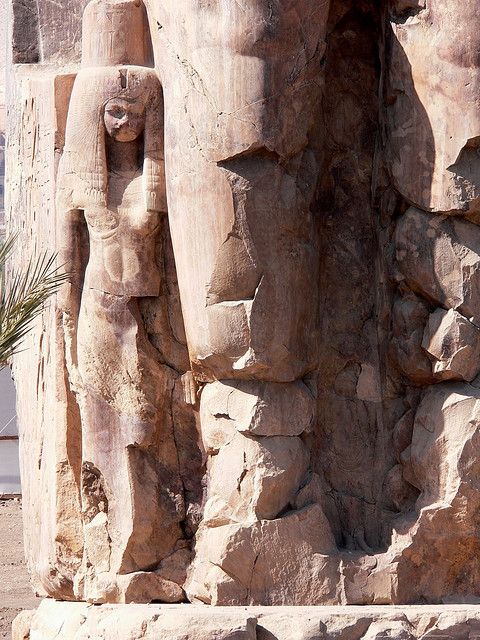
The sheer technical skill required to create the Colossi of Memnon is a highlight for anyone interested in the engineering of the ancient world. Each statue was carved from a single block of quartzite sandstone, a material so hard it is difficult to work even with modern tools. Archaeologists have determined that these massive blocks, weighing roughly 720 tons each, were transported over 400 miles from a quarry near modern-day Cairo to their current location in Luxor. This feat of logistics and artistry showcases the absolute power and resources available to Amenhotep III. Although centuries of erosion have softened their features, the intricate details of the Nile gods Hapi, carved into the sides of the thrones, are still visible, symbolizing the unification of Upper and Lower Egypt. Observing these details up close is a rewarding experience for cultural tourists, revealing the layers of political and religious symbolism embedded in every inch of Egyptian royal art.