
1. The Ritual of the Pre-Dawn Launch
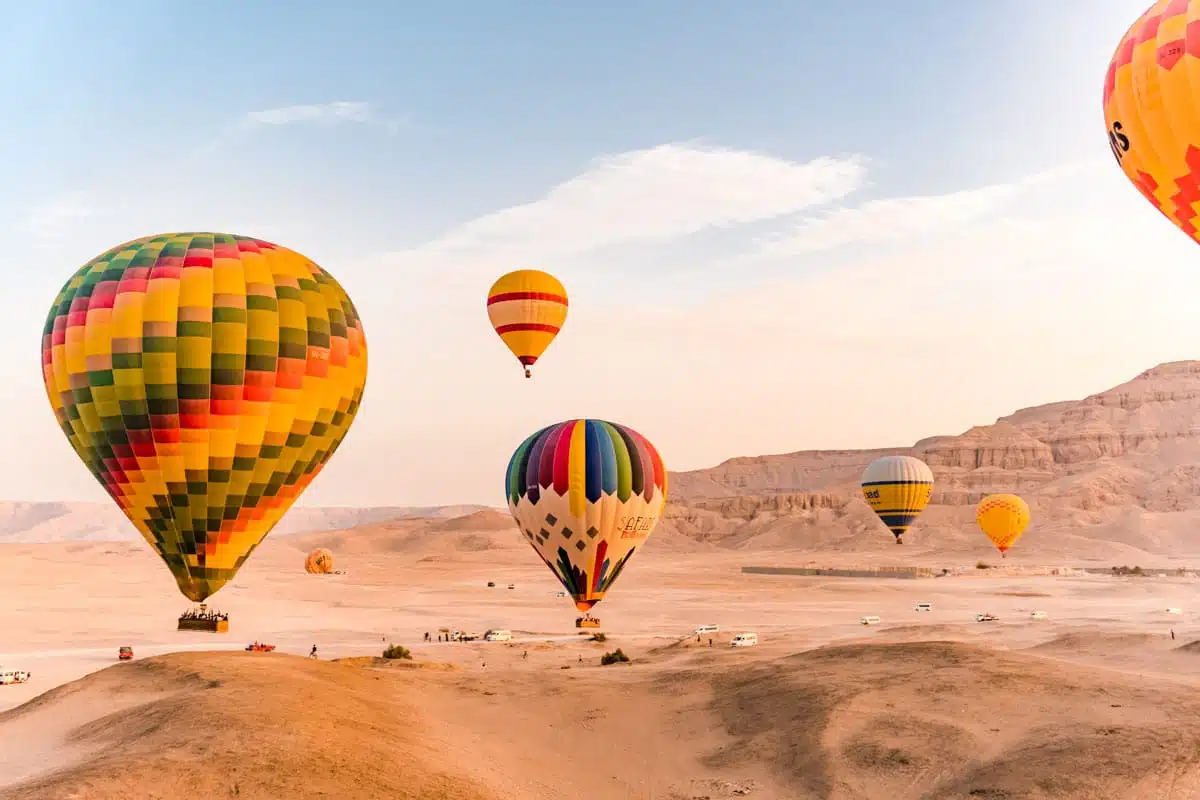
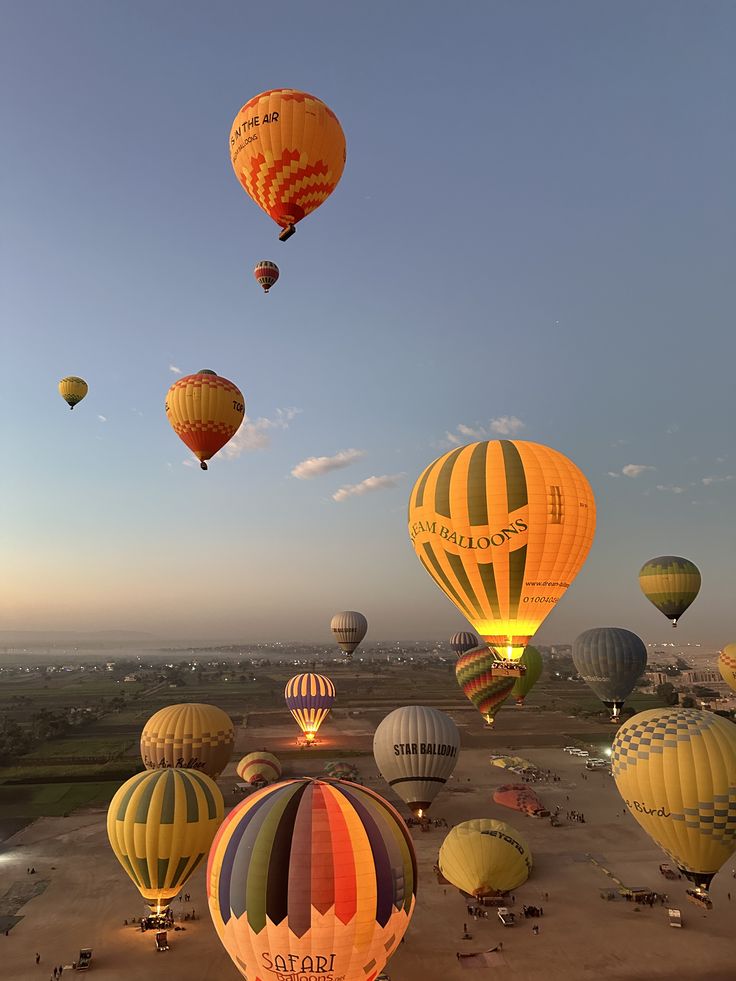
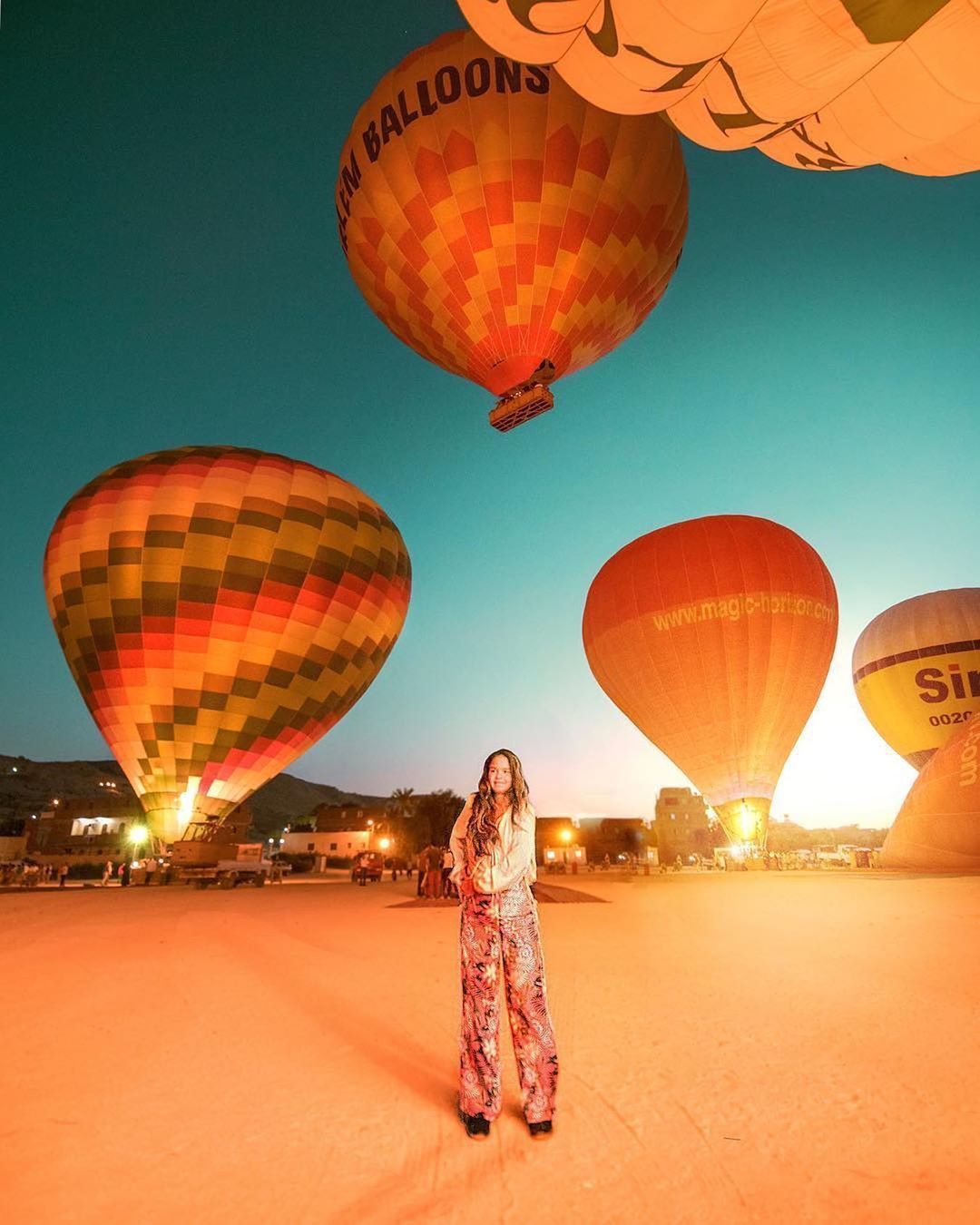
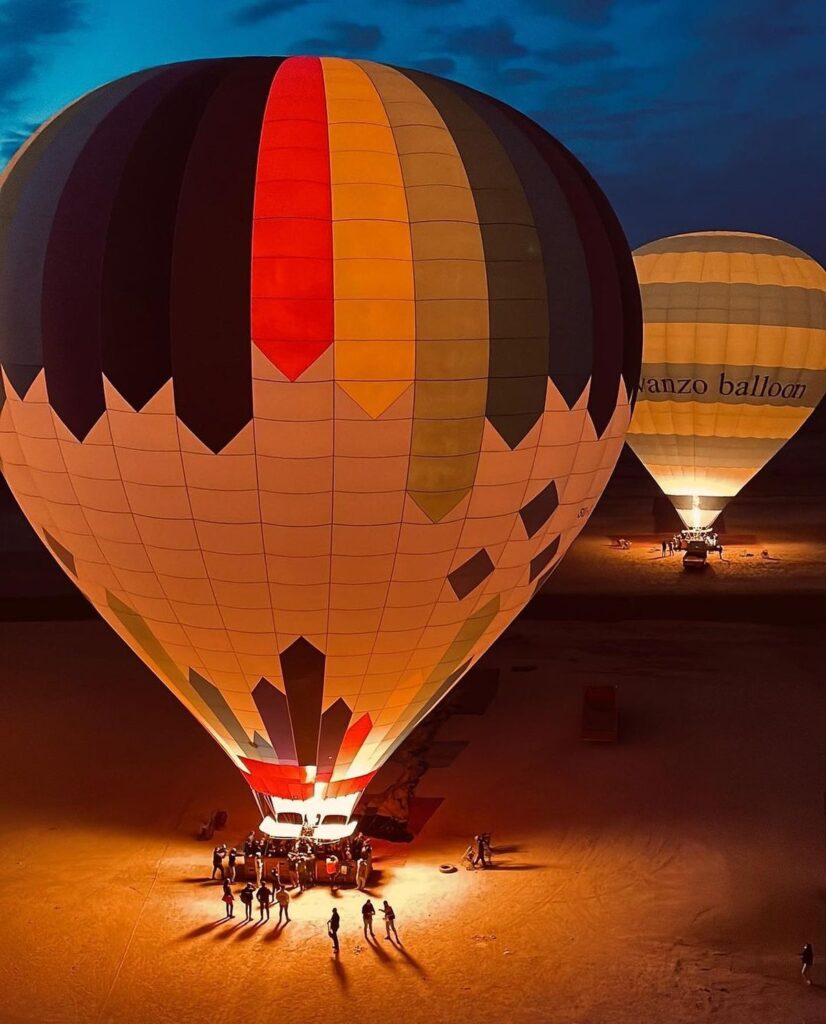
The adventure begins long before the balloon leaves the ground, offering a behind-the-scenes look at the precision and coordination required for a safe aerial voyage. Travelers are typically ferried across the Nile under the cover of starlight, enjoying the cool river breeze before arriving at the launch site on the West Bank. Here, the atmosphere is electric with anticipation as dozens of massive nylon envelopes are laid out across the sand. Watching the “cold inflation” process—where giant fans blow air into the balloons followed by the dramatic “hot inflation” with towering pillars of flame—is a spectacle in itself. The transition from a limp piece of fabric to a towering, seven-story vessel is a marvel of modern physics and ancient wonder. As the air inside the balloon heats up, the basket begins to right itself, and the pilot performs final safety checks. For the passenger, stepping into the wicker basket in the dim twilight creates a sense of camaraderie with fellow adventurers. It is a moment of shared excitement, where the ground crew’s synchronized efforts and the pilot’s expert handling of the burners build a foundation of trust. This pre-flight ritual is an integral part of the narrative, grounding the upcoming ethereal flight in the tangible reality of human skill and preparation.
2. A Bird’s-Eye View of the Theban Necropolis
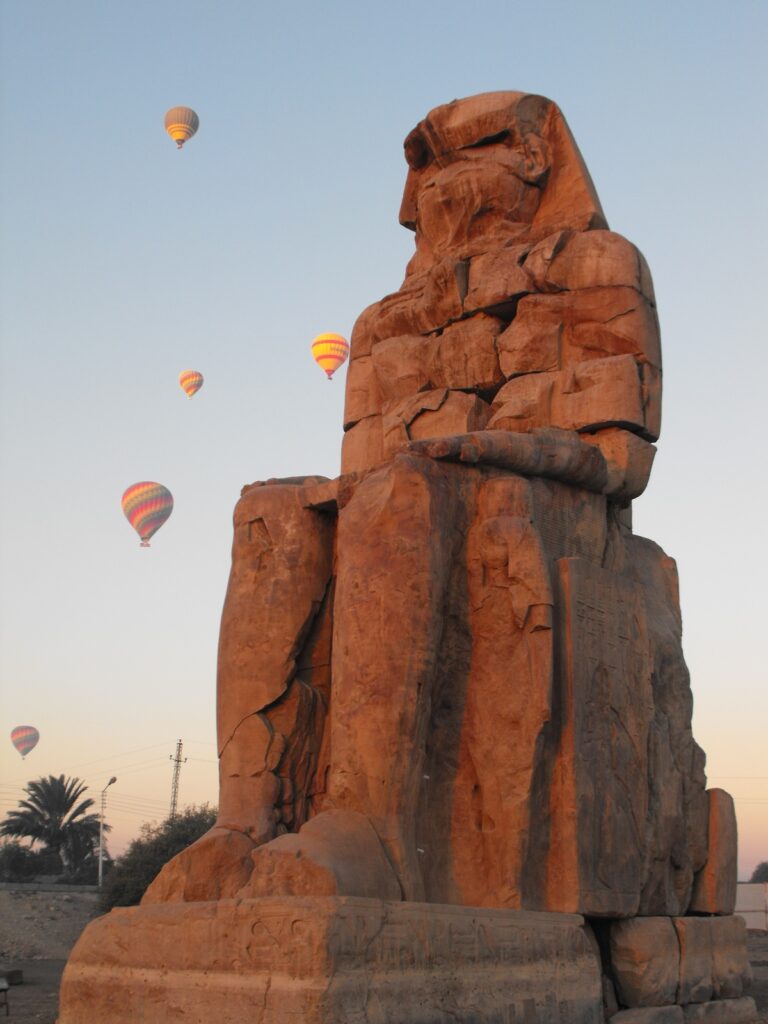
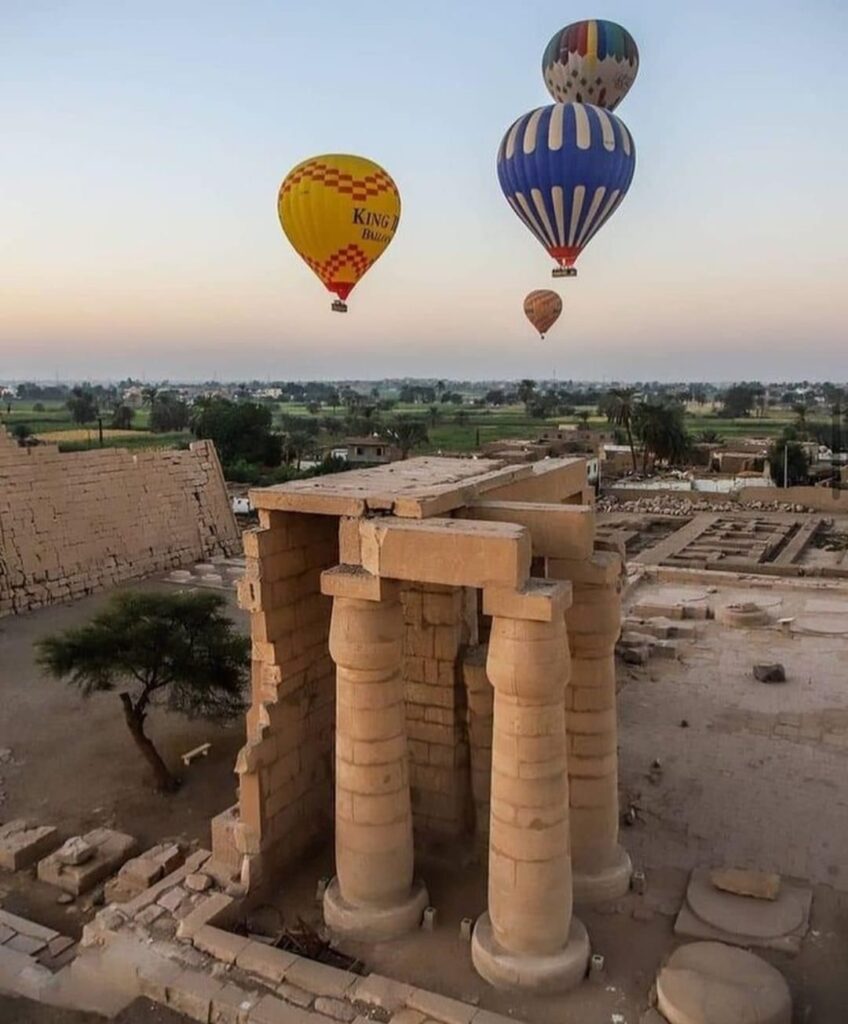
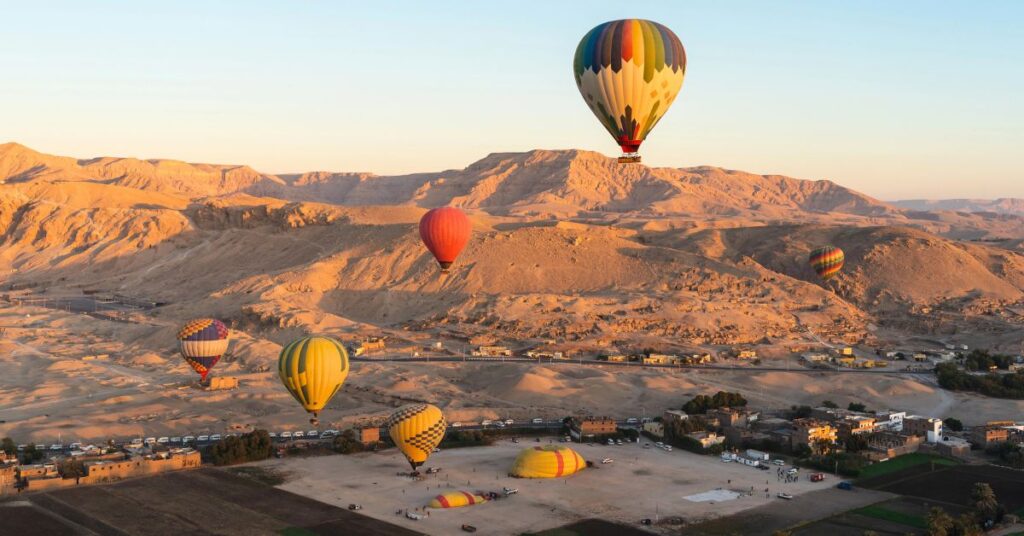
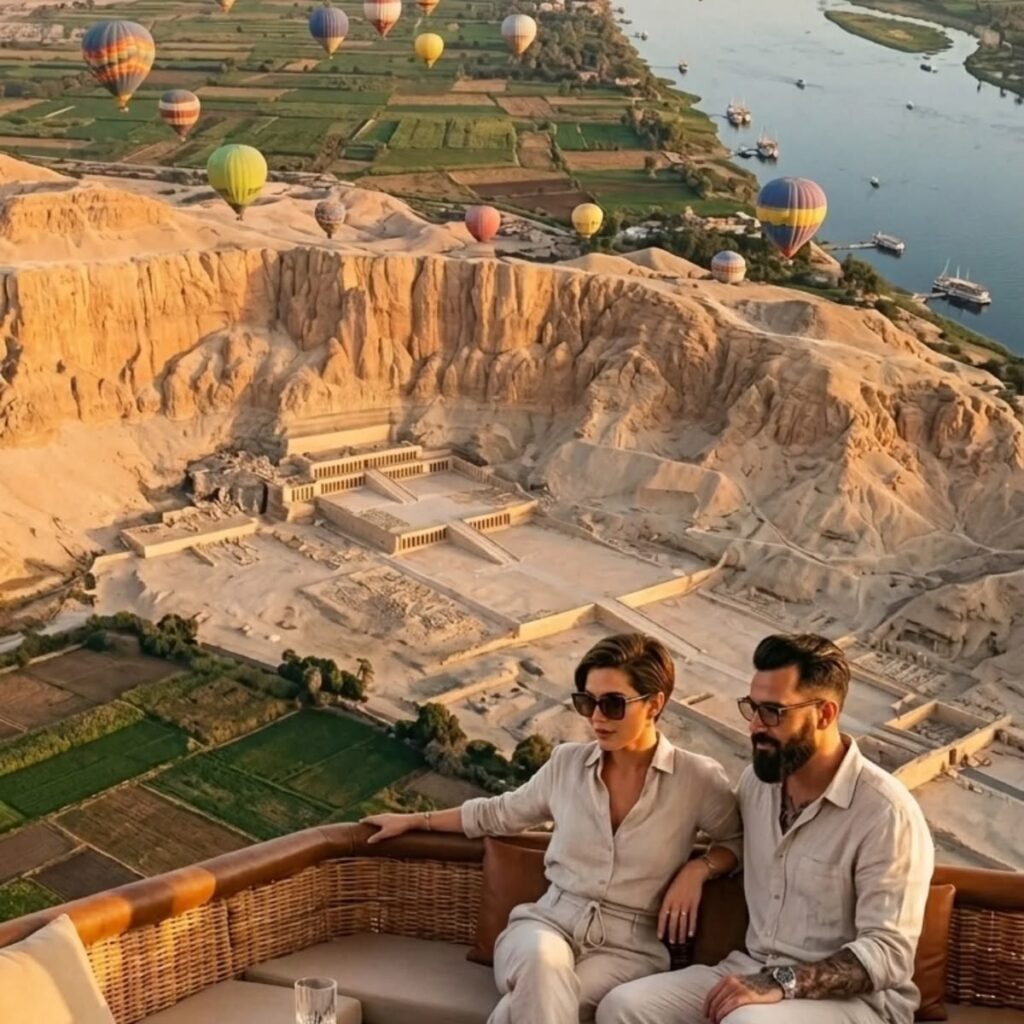
As the balloon gently detaches from the earth, the true scale of the Theban Necropolis begins to unfold in a breathtaking panoramic display. While walking through the Valley of the Kings offers an intimate look at the tombs, seeing the landscape from above reveals how the ancient architects utilized the natural topography of the desert. From this height, you can trace the processional paths that once connected the mortuary temples of the West Bank to the grand religious centers of the East Bank across the Nile. The Temple of Hatshepsut, carved directly into the limestone cliffs of Deir el-Bahari, looks particularly stunning from the air, its symmetrical terraces appearing like a natural extension of the mountain. You can also spot the sprawling ruins of the Ramesseum and the massive pylon of Medinet Habu, their layouts perfectly visible like a giant architectural blueprint. This aerial perspective allows history enthusiasts to understand the strategic placement of these monuments in relation to the rising sun and the fertile floodplain. It is a visual lesson in urban planning and religious symbolism, showing how the ancients transformed an entire geographic region into a sacred landscape dedicated to the eternal life of the pharaohs and the glory of the gods.
3. The Living Nile: Where Green Meets Gold
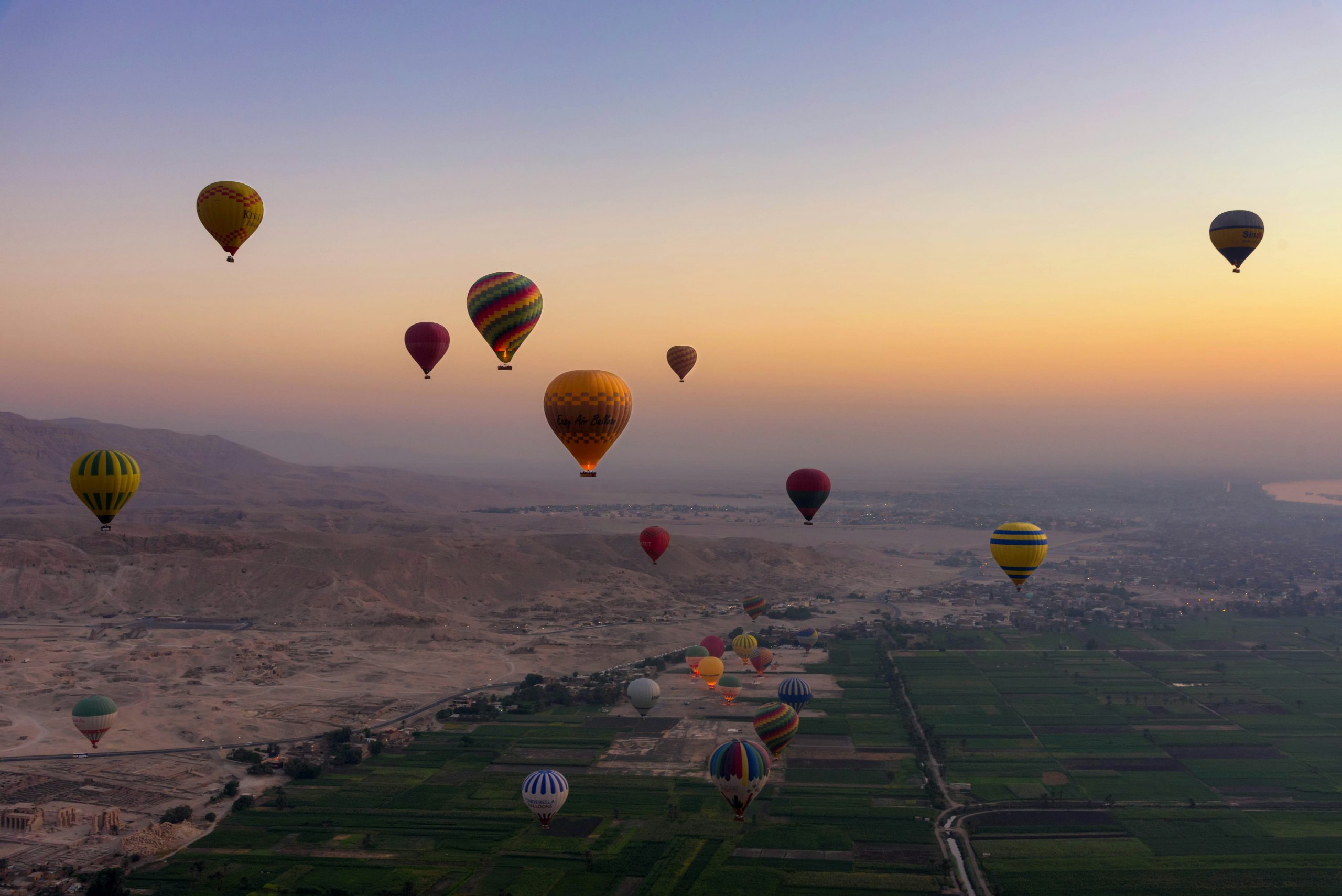
One of the most striking visual contrasts experienced during a Luxor balloon flight is the “Black Land” meeting the “Red Land”—the sharp, undeniable line where the lush green vegetation of the Nile valley stops and the harsh, golden desert begins. From the vantage point of the balloon, this distinction is a vivid reminder of why the Nile has been the lifeblood of Egypt for thousands of years. You can see the intricate network of irrigation canals that feed the fields of sugar cane, wheat, and clover, and observe the local farmers beginning their day’s work just as their ancestors did in the time of the pharaohs. The sight of small villages waking up, with smoke rising from kitchen fires and donkeys grazing along the riverbanks, adds a layer of “living history” to the flight. This contrast between the vibrant, productive green and the silent, protective desert provides a deep geographical context for the rise of the Egyptian civilization. It highlights the fragility and the resilience of life in this region, making the flight as much an exploration of modern rural Egypt as it is a journey into its ancient past. Watching the Nile glisten like a silver ribbon under the mounting sun completes this masterpiece of nature, offering a sense of peace that only comes from witnessing such a perfect environmental balance.