
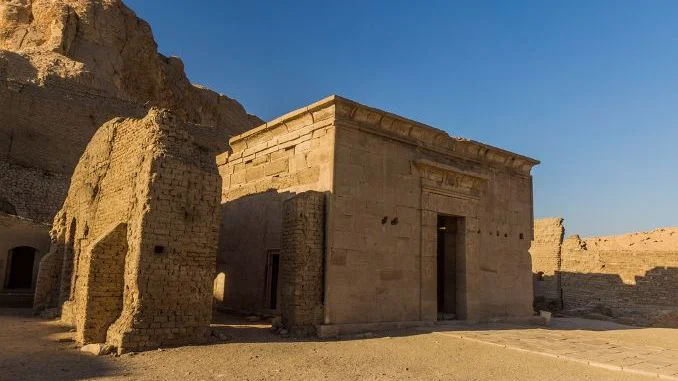
Welcome to

Deir el-Medina: The Village of the Artisans

Nestled in a small, hidden valley on the West Bank of Luxor lies Deir el-Medina, one of the most significant archaeological sites for understanding the daily lives of ancient Egyptians. Unlike the grand temples and royal tombs that focus on the afterlife of gods and kings, Deir el-Medina—anciently known as “Set Maat” (The Place of Truth)—was a living community. It was home to the elite craftsmen, painters, and stonemasons who created the masterpieces in the Valley of the Kings and the Valley of the Queens during the New Kingdom. For the modern traveler, this site offers a rare, intimate glimpse into the social history of Egypt. It is a place where history feels human and relatable; here, we find the remains of houses, the personal letters of workers, and the beautiful tombs they built for themselves. Visiting Deir el-Medina is essential for anyone who wants to move beyond the monumental and connect with the hands and hearts that literally carved the glory of the Pharaohs into the stone.

1. The Secrets of the "Place of Truth"

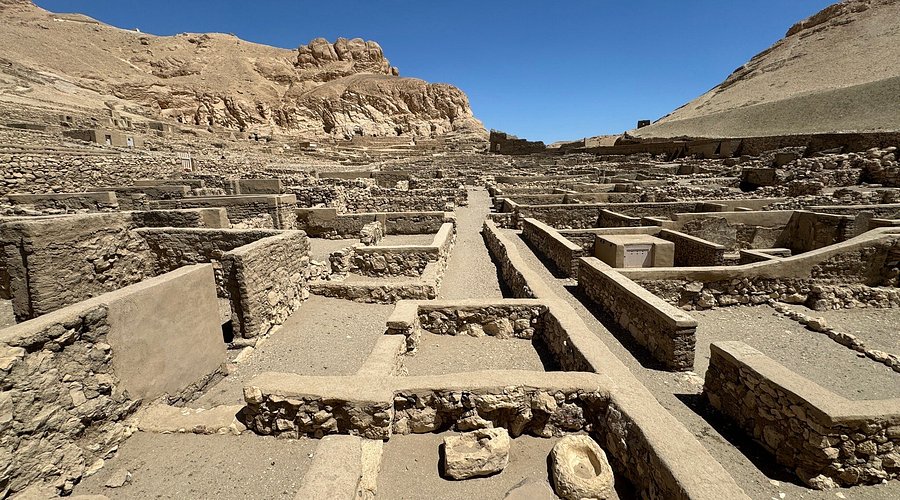
The village of Deir el-Medina was a highly specialized and restricted community, established specifically to keep the secrets of the royal tombs safe. Because these workers were responsible for carving and decorating the most sacred and treasure-filled sites in the empire, they lived in a gated settlement under the direct patronage of the Pharaoh. The village was remarkably self-sufficient, with its own local governing body and a sophisticated supply chain that brought water, food, and materials from the Nile valley. For history enthusiasts, the layout of the village is fascinating; you can still walk through the narrow streets and see the foundations of the limestone houses where generations of artists lived. This “exclusivity” created a unique culture within the village—a community of highly literate and skilled professionals who took immense pride in their work. Understanding the social structure of Deir el-Medina changes how you view the Valley of the Kings; you no longer see the tombs as anonymous creations, but as the life’s work of a specific, vibrant community of neighbors and families.
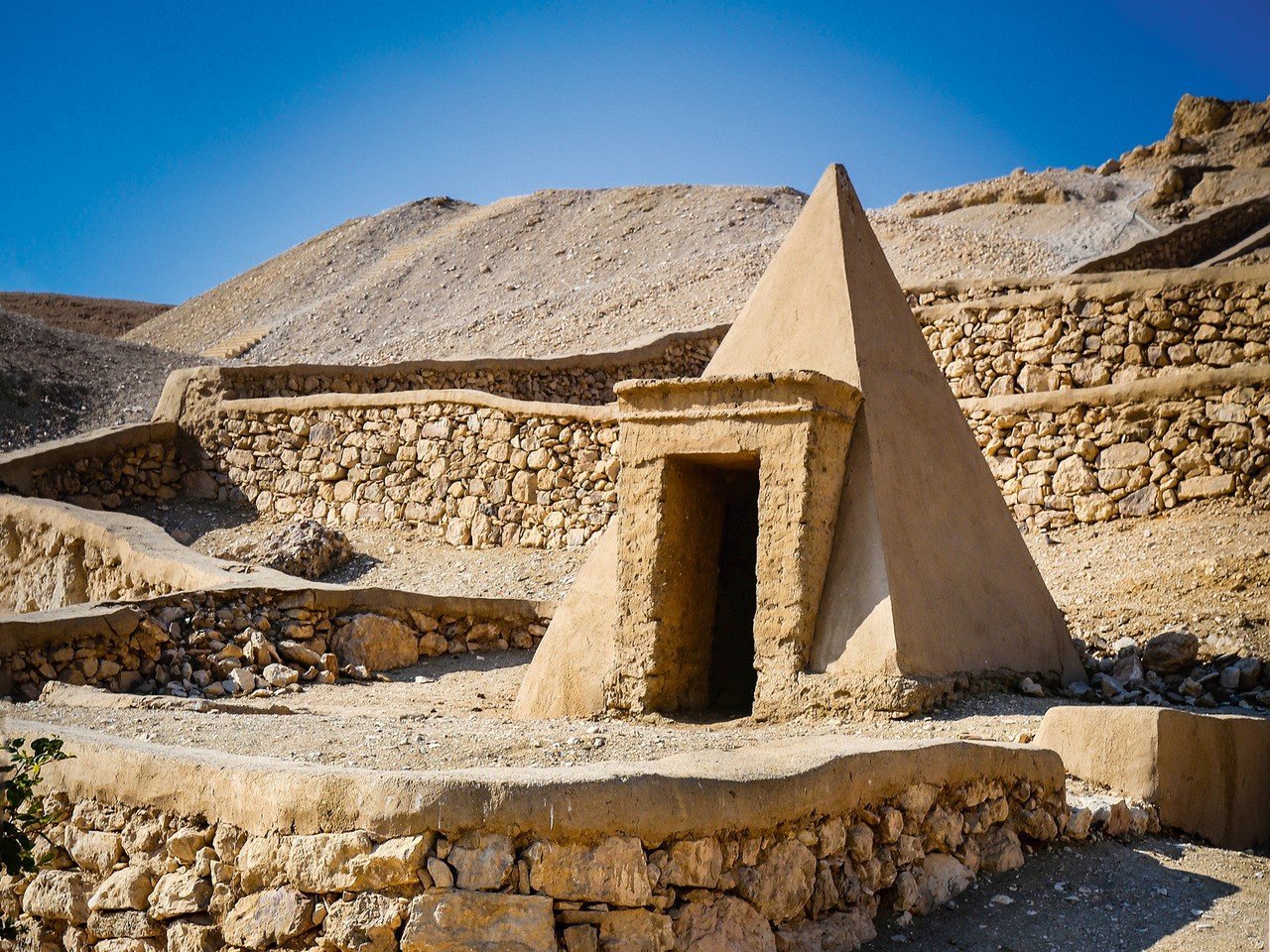
2. The Ostraca: Voices from 3,000 Years Ago

What makes Deir el-Medina truly exceptional is the massive amount of “Ostraca”—shards of limestone and pottery used as scrap paper—found at the site. These fragments have provided historians with a treasure trove of information about the mundane details of ancient life. Through these inscriptions, we know about the workers’ medical excuses, their legal disputes, their laundry lists, and even the world’s first recorded labor strike during the reign of Ramses III. For the traveler, these stories bring the ruins to life. You aren’t just looking at broken walls; you are standing in the place where a father wrote to his son about an inheritance, or where a craftsman complained about the quality of his rations. This wealth of written evidence makes Deir el-Medina the “social media” of the ancient world, offering a voice to the common people whose names are rarely found on the great pylons of Karnak. It is a humbling and deeply moving experience to realize that the challenges and joys of these ancient workers were so remarkably similar to our own.
3. The Tombs of the Artists: A Masterclass in Detail

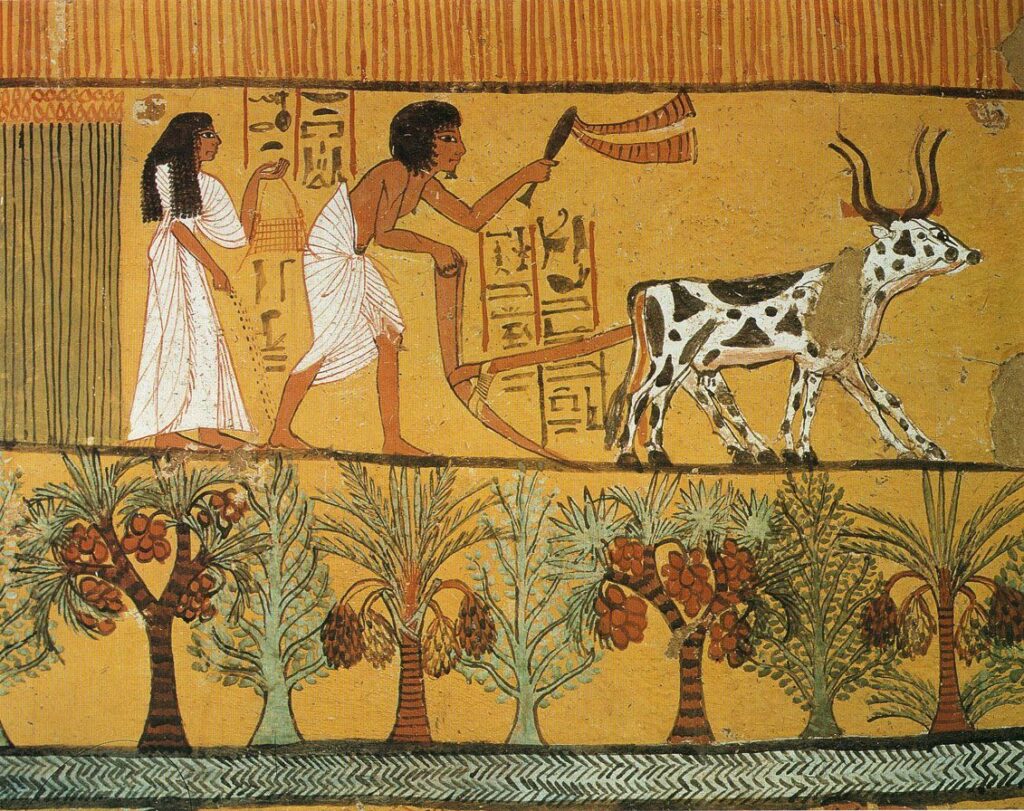
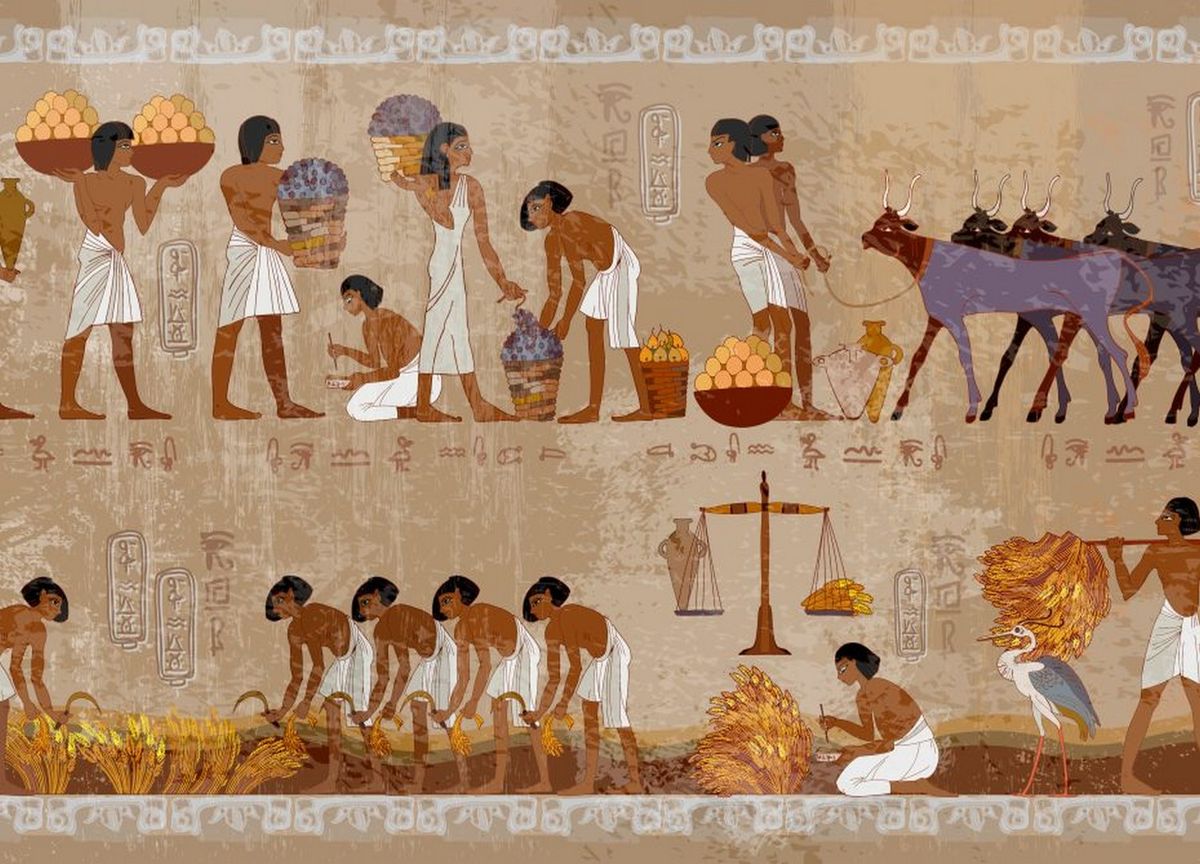
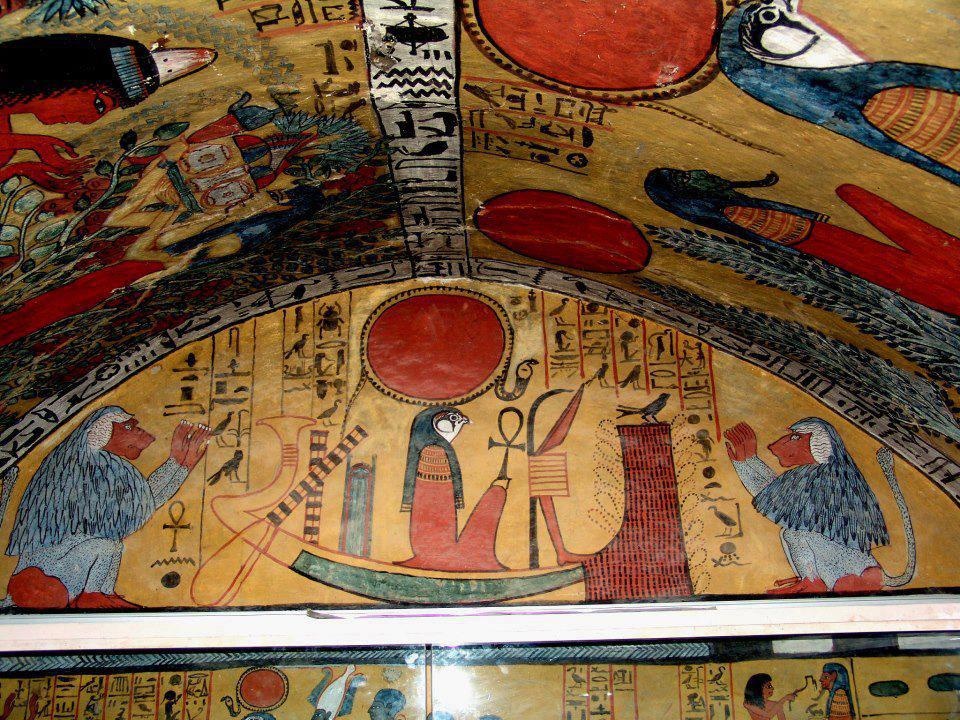
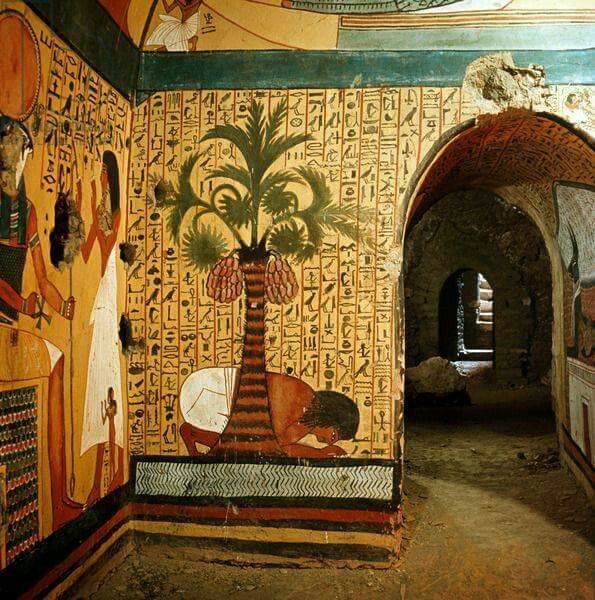
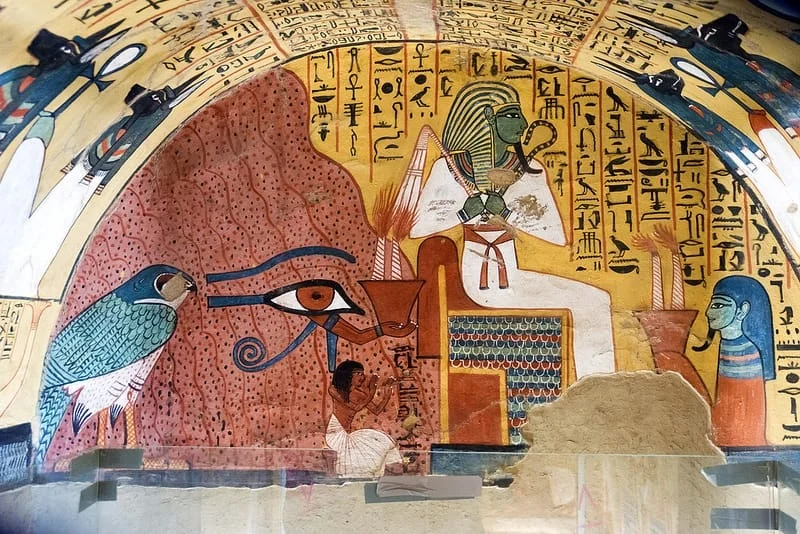
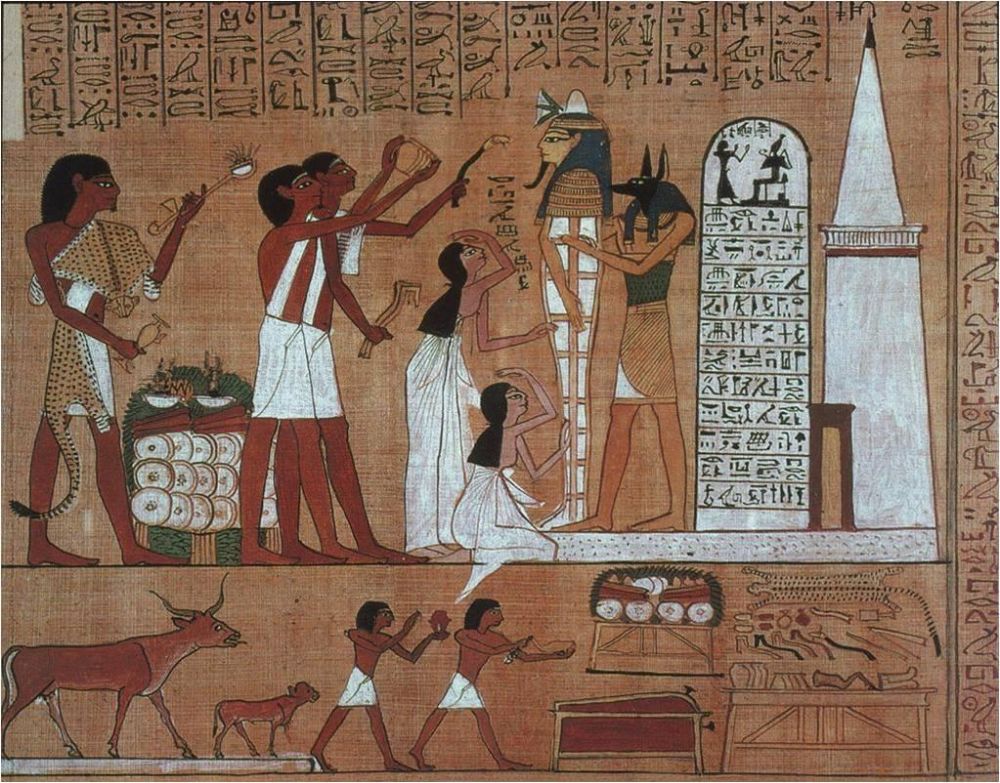
While the royal tombs were vast and imposing, the private tombs of the workers at Deir el-Medina are celebrated for their incredible detail and vibrant colors. Because these men were the masters of their craft, they used their spare time to create spectacular resting places for themselves and their families. The tombs of Sennedjem and Inherkha, for example, are famous for their perfectly preserved yellow-background paintings that depict scenes of agriculture, religious rituals, and the lush gardens of the afterlife. Unlike the formal, rigid art found in royal settings, these scenes often have a touch of personal flair and artistic freedom. The colors are so fresh they look as if the paint was applied yesterday. For visitors, these tombs provide a more “accessible” beauty; they are smaller and more intimate than the royal tombs, allowing you to get much closer to the artwork. They stand as a testament to the fact that in ancient Egypt, beauty and spiritual excellence were not reserved solely for the Pharaoh, but were attainable goals for the talented commoner as well.
4. The Great Pit: An Archaeological Time Capsule

One of the most intriguing features of the village is the “Great Pit,” a deep shaft originally intended to be a well for the community. When the workers failed to reach water, the pit was repurposed as a communal refuse heap for centuries. For modern archaeologists, this was an incredible stroke of luck. The dry desert air preserved thousands of artifacts thrown into the pit, ranging from discarded tools and broken furniture to thousands of the aforementioned ostraca. This “ancient trash” has allowed researchers to reconstruct the village’s diet, economy, and even their personal scandals with surgical precision. For the visitor, standing near the edge of the pit is a reminder that archaeology isn’t always about gold and jewelry; sometimes, the most profound historical truths are found in the discarded fragments of everyday life. It serves as a bridge between the physical ruins and the lived reality of the people who once called this valley home.

5. The Temple of Hathor and Ma’at

At the northern end of the village stands a charming and well-preserved Ptolemaic temple dedicated to Hathor, the goddess of love and beauty, and Ma’at, the goddess of truth and cosmic order. This temple was the spiritual heart of the community, where the workers sought divine favor for their difficult and dangerous tasks. The reliefs inside are remarkably detailed, featuring a rare and famous scene of the “Psychostasia,” or the weighing of the heart against the feather of truth. This specific image was deeply significant to the workmen, as their entire lives were dedicated to “The Place of Truth.” For travelers, this temple offers a peaceful conclusion to the village tour. Its smaller scale provides a sense of the local, communal religion that existed alongside the grand state cults of Luxor. The preservation of the colors and the fine craftsmanship of the late period carvings remind us that even as the New Kingdom faded, the sanctity and artistic importance of Deir el-Medina endured for centuries.

6. The Legacy of the First Known Labor Strike

Deir el-Medina holds a unique place in world history as the site of the first recorded labor strike in human history. During the 29th year of the reign of Ramses III, a breakdown in the grain supply chain led the frustrated workers to lay down their tools and walk off the job at the Valley of the Kings. They famously marched to the nearby mortuary temples, shouting, “We are hungry!” until their grievances were addressed. This event shattered the illusion that the pyramid builders were nameless slaves; instead, it proved they were a powerful, organized, and respected professional class who knew their worth. For the modern traveler, this story adds a layer of socio-political significance to the site. It transforms Deir el-Medina into a symbol of workers’ rights and human agency. Walking through the village, you aren’t just visiting an ancient ruin; you are visiting the birthplace of social activism, where the men who built the path to the afterlife fought for their dignity in the world of the living.

7. The Architecture of an Ancient Middle-Class Home

The residential ruins of Deir el-Medina provide the most accurate blueprint of a “middle-class” ancient Egyptian home. Each house followed a narrow, rectangular plan, typically featuring four rooms: an entrance hall with a raised mud-brick platform (likely used as a family altar or “divan”), a main living area with a central pillar, a storage room, and a kitchen at the rear with an open roof to let out smoke. Interestingly, many houses also had a small cellar for keeping food cool in the scorching desert heat. For travelers, wandering through these foundations is an exercise in imagination. You can visualize the bustling domesticity—the grinding of grain, the weaving of linen, and children playing in the corridors. These were not the sprawling palaces of the elite, but functional, comfortable spaces that prioritized community and family proximity. It is a rare chance to see the “human scale” of Egyptian architecture, showing that even the creators of the world’s grandest tombs lived in modest, tightly-knit neighborhoods.

8. Women of the Village: Literacy and Influence

While the men spent their days working in the royal tombs, the women of Deir el-Medina managed the village, often enjoying a level of independence and literacy that was rare in the ancient world. Evidence from the Ostraca suggests that many women could read and write, managing household accounts and engaging in legal transactions while their husbands were away. Some were priestesses in the local temples, while others acted as primary decision-makers in family disputes. The village records even mention “wise women” who were consulted for medical and spiritual advice. For the modern visitor, this adds a crucial dimension to the site’s history—it wasn’t just a “workers’ camp,” but a balanced society where women played a central role in maintaining the social and economic fabric of the community. Standing in the village center, you can appreciate that the legacy of Deir el-Medina was sustained by both the master artists in the tombs and the capable women who kept the “Place of Truth” thriving.

9. The Local Court and Self-Governance

Deir el-Medina operated under its own unique legal system, governed by a local council known as the Kenbet. This council, made up of the village’s leading workmen and scribes, handled everything from property disputes and petty thefts to marriage contracts and inheritance issues. Unlike the state courts that dealt with crimes against the Pharaoh, the village court was a “people’s court” focused on maintaining harmony within the community. The records show that the ancient Egyptians were quite litigious, frequently taking their neighbors to court over a borrowed tool or a disputed boundary line. For history buffs, this highlights the incredibly organized and bureaucratic nature of the village. It reveals a society that valued the rule of law and due process, ensuring that even in a remote valley in the Theban hills, justice was accessible and communal. It proves that the artisans were not just laborers, but citizens with rights and a structured civic life.

10. The Hierarchy of the Royal Workmen

The social structure of Deir el-Medina was as precise as the carvings the men produced. The community was divided into two distinct groups: the “Right Side” and the “Left Side,” each led by a foreman and a deputy. These teams worked on their respective halves of the royal tomb, competing in quality and speed. Above them was the Royal Scribe, the highest authority in the village, who acted as the liaison between the workers and the Vizier of Egypt. For the traveler, understanding this division adds a layer of depth to the ruins; it wasn’t a chaotic labor camp, but a highly disciplined military-style organization. You can still see the distinct administrative areas where these leaders met to record progress and distribute the monthly wages of grain, fish, and beer. This hierarchical clarity ensured that even the most complex tomb projects, spanning decades, were completed with mathematical precision and artistic consistency.

11. Health, Magic, and the "Physicians of the Tomb"

Life in the “Place of Truth” was physically demanding, and the health of the workers was a matter of national importance. The village had its own dedicated physician and “scorpion charmer,” combining medical knowledge with protective magic. Ostraca records show that the state provided paid “sick leave,” and workers were treated for everything from eye infections caused by limestone dust to work-related injuries. Interestingly, the community also relied heavily on personal amulets and household shrines to ward off illness and evil spirits. For the curious visitor, this blend of science and superstition is palpable in the village’s small shrines. It reminds us that for the ancient artisan, every chisel stroke was accompanied by a prayer, and the preservation of the body was just as vital for the worker as it was for the King he served.

12. The End of a Golden Era: The Abandonment of the Village

The story of Deir el-Medina came to a dramatic end during the late 20th Dynasty. As the central government weakened and the Valley of the Kings became frequent targets for tomb robbers, the remote location of the village became a liability. Plagued by Libyan raids and the breakdown of the grain supply, the community was eventually forced to abandon their homes and relocate within the fortified walls of nearby Medinet Habu for safety. For the modern visitor, there is a certain poignancy in the silence of the valley today. The village stands as a “ghost town” of the ancient world—a community that flourished for four centuries before finally surrendering to the tides of history. Its abandonment preserved it as a perfect time capsule, allowing us to walk through its streets today and feel the lingering presence of the artists who once held the secrets of the Pharaohs in their hands.

Deir el-Medina : Frequently Asked Questions

The artisans living here were the very painters who decorated the royal tombs. They had access to the highest quality pigments—such as “Egyptian Blue” and vibrant ochres—and they used their professional secrets on their own burial chambers. Because the tombs are smaller and were sealed in the dry desert hillside for millennia, the paint has remained startlingly fresh, often looking as though it was applied only days ago.

Absolutely not. This is a common misconception. The residents of Deir el-Medina were elite, highly paid, and literate government employees. They received monthly wages in the form of grain, oil, and beer, and they had a high social standing. They were a professional guild of artists who took immense pride in their work and were respected as the “servants in the Place of Truth.”

Originally intended to be a deep well to provide water for the village, the project was abandoned when the workers hit solid rock instead of the water table. It then became a massive communal trash heap. While that sounds unappealing, it was a goldmine for archaeologists; thousands of “ostraca” (inscribed limestone shards) found there revealed the personal letters, legal records, and daily complaints of the villagers.

The workers had to hike over the steep limestone ridge that separates their village from the Valley of the Kings. Even today, you can walk the ancient “workman’s path” that snakes over the mountain. They usually worked for eight days straight, sleeping in small “rest huts” near the royal tombs, and then returned to the village for a two-day weekend with their families.

The name is Arabic for “Monastery of the Town.” This is because, during the Coptic period (long after the pharaonic era), the ancient Ptolemaic temple at the site was repurposed as a Christian monastery. While the original name was Set Maat, the modern name reflects this later layer of Egyptian history.