
1. The Architectural Mastery of the Longest Descent
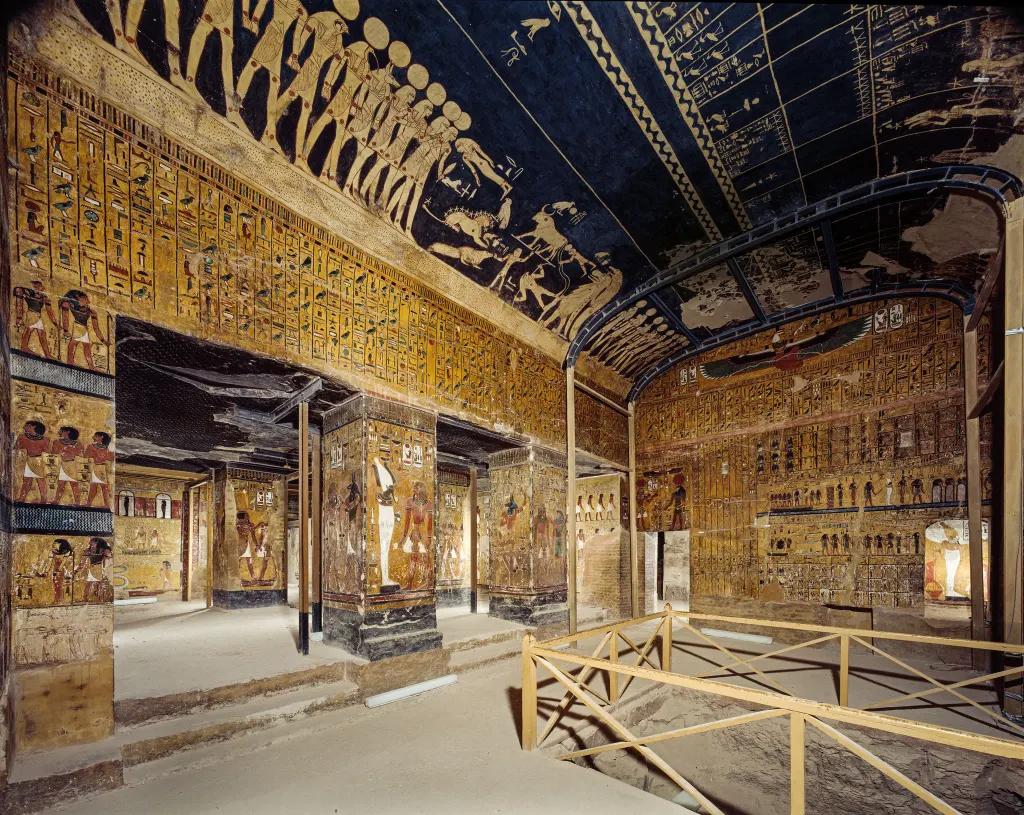
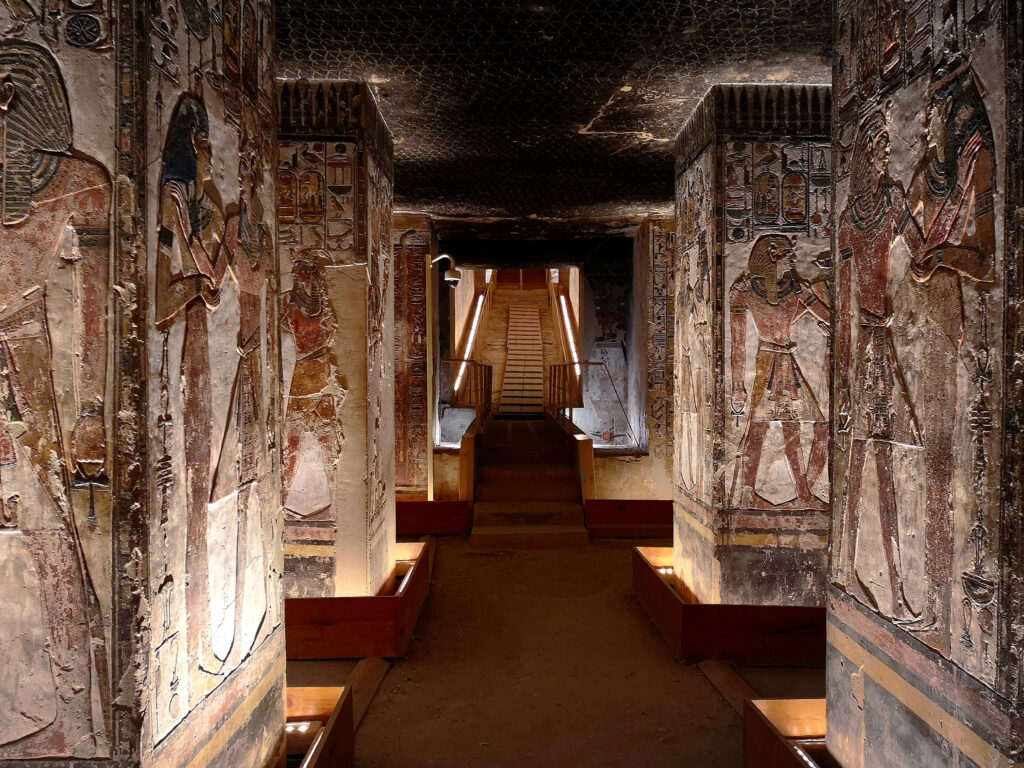
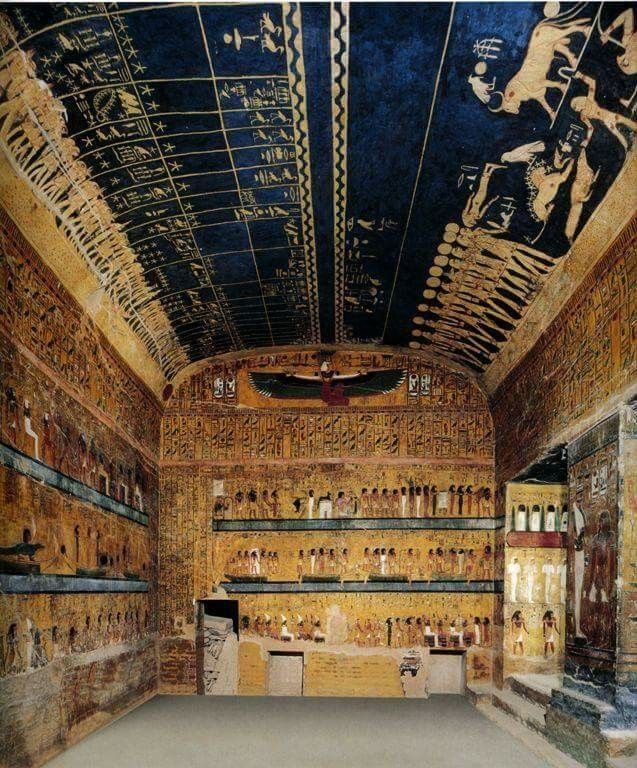
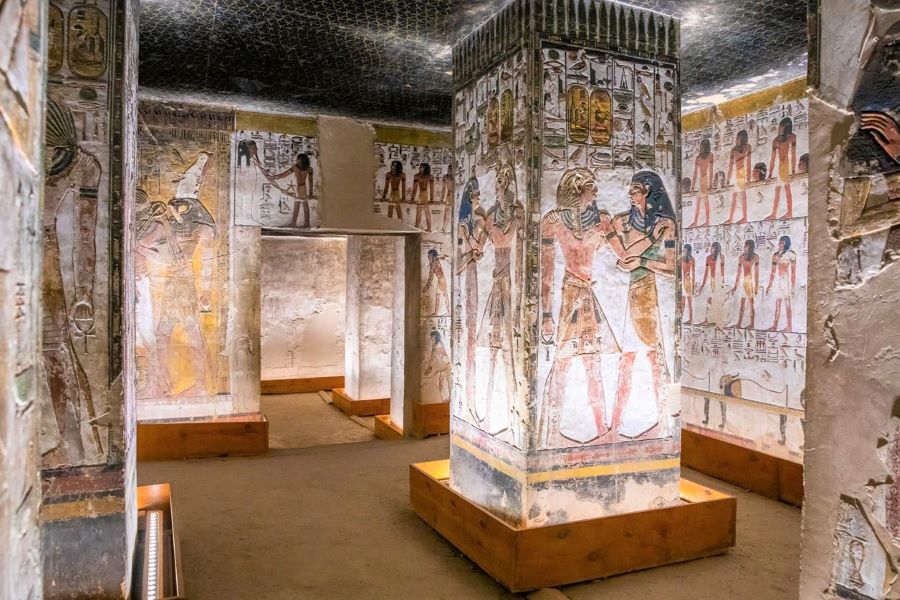
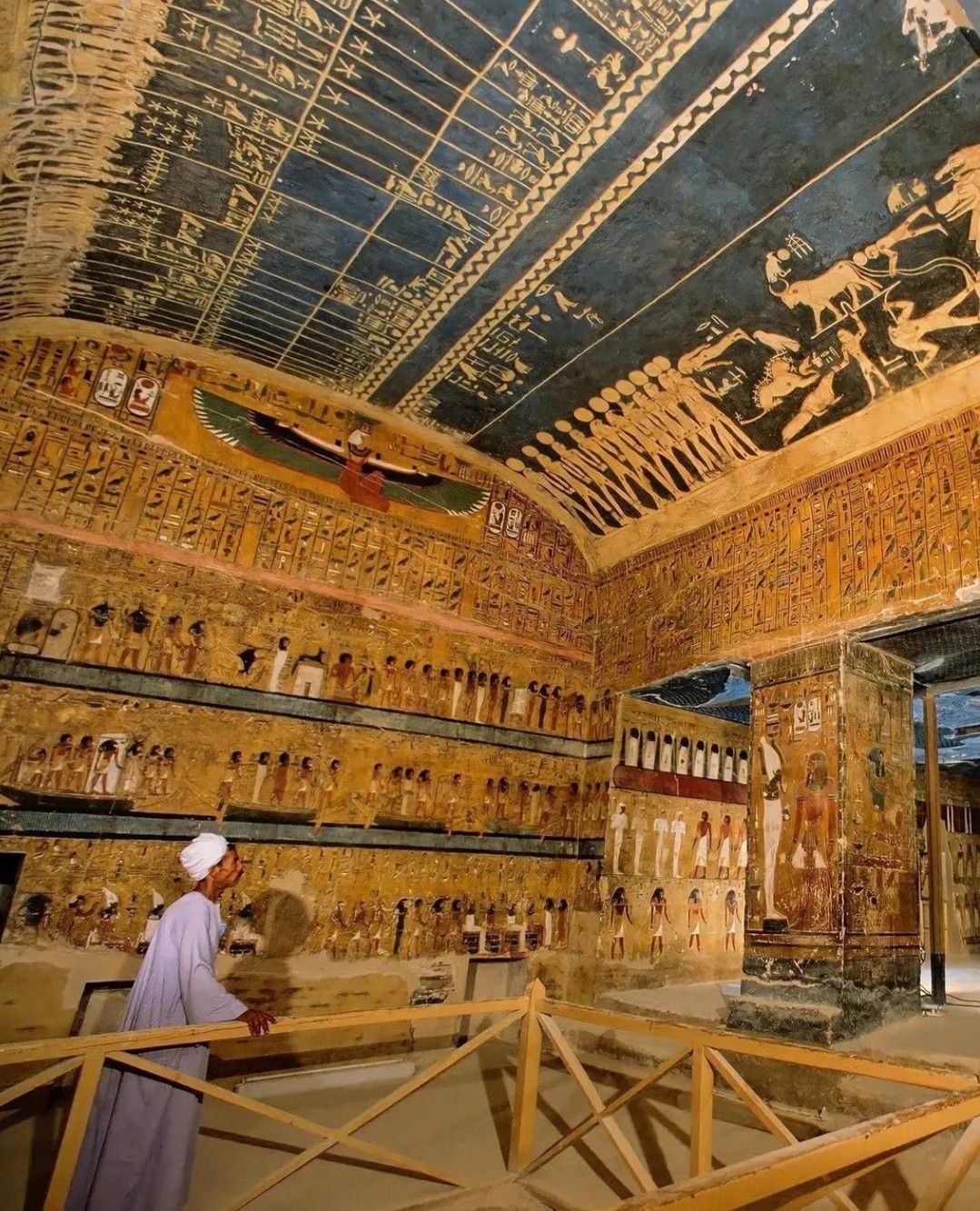
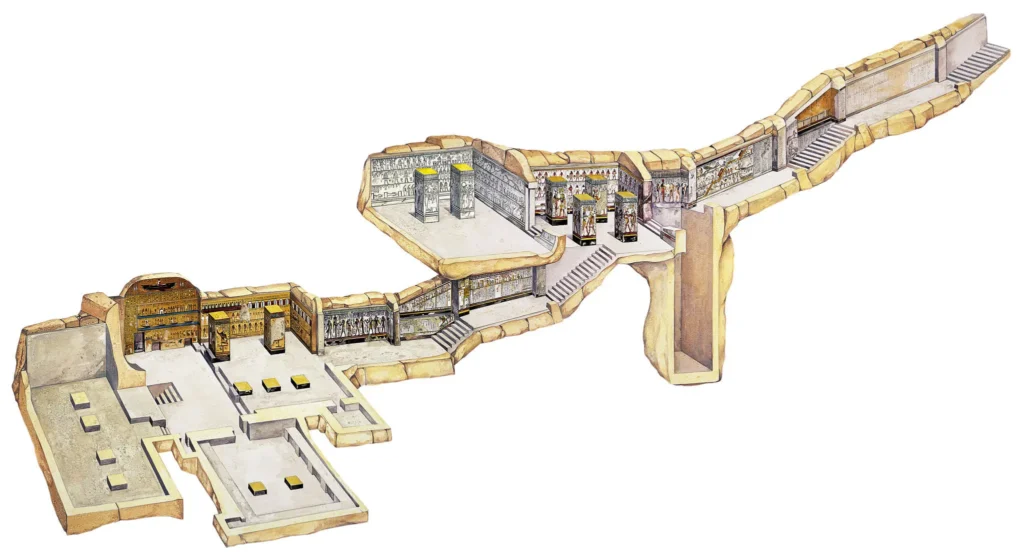
The architecture of KV17 is a towering achievement in the history of human construction, representing the most ambitious subterranean project of the New Kingdom. Spanning a total length of over 137 meters and descending vertically by more than 30 meters, the tomb is a masterpiece of spatial planning and engineering. It features a complex layout of three descending corridors, two pillared halls, and a majestic vaulted burial chamber, all connected by steep staircases that seem to plunge directly into the heart of the Earth. What makes Seti I’s tomb architecturally unique is its perfect symmetry and the introduction of the “Straight Axis” design, which replaced the “Bent Axis” of earlier dynasties. This straight alignment was intended to mirror the direct path of the sun god through the underworld. For the modern explorer, the descent into KV17 feels like an epic journey into another dimension; the air cools, and the silence deepens as you move further away from the desert surface. The technical skill required to carve these precise, smooth corridors into the limestone using only bronze tools and oil lamps is a feat that continues to baffle modern engineers. It is a structure built to endure for eternity, a stone corridor designed to funnel the King’s soul directly into the celestial realm.
2. The Artistic Pinnacle: Raised Reliefs and Vivid Pigments
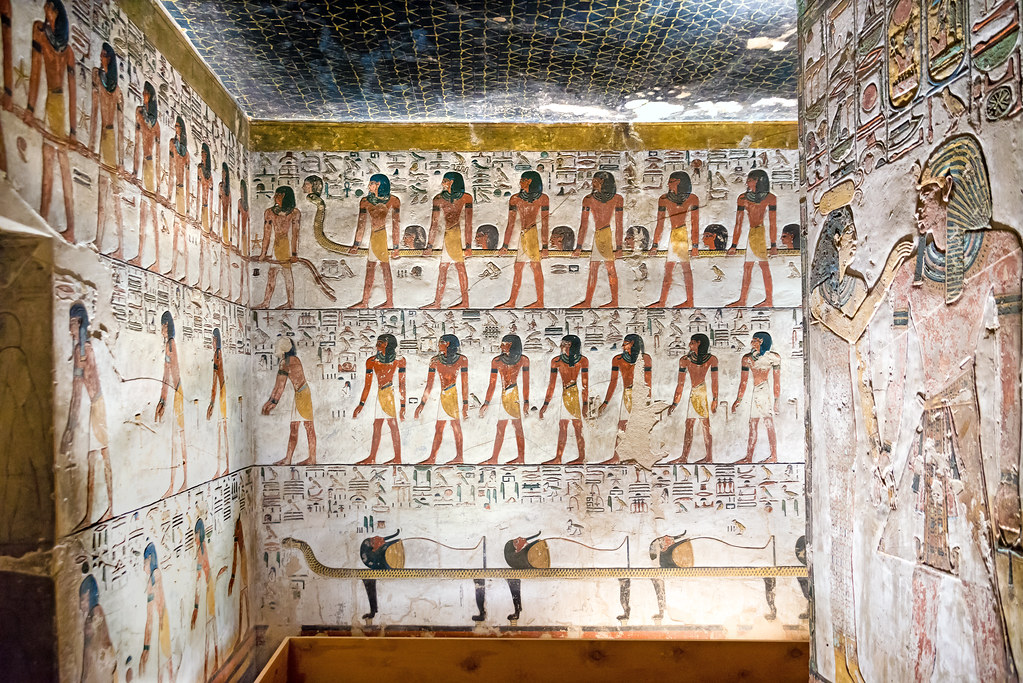
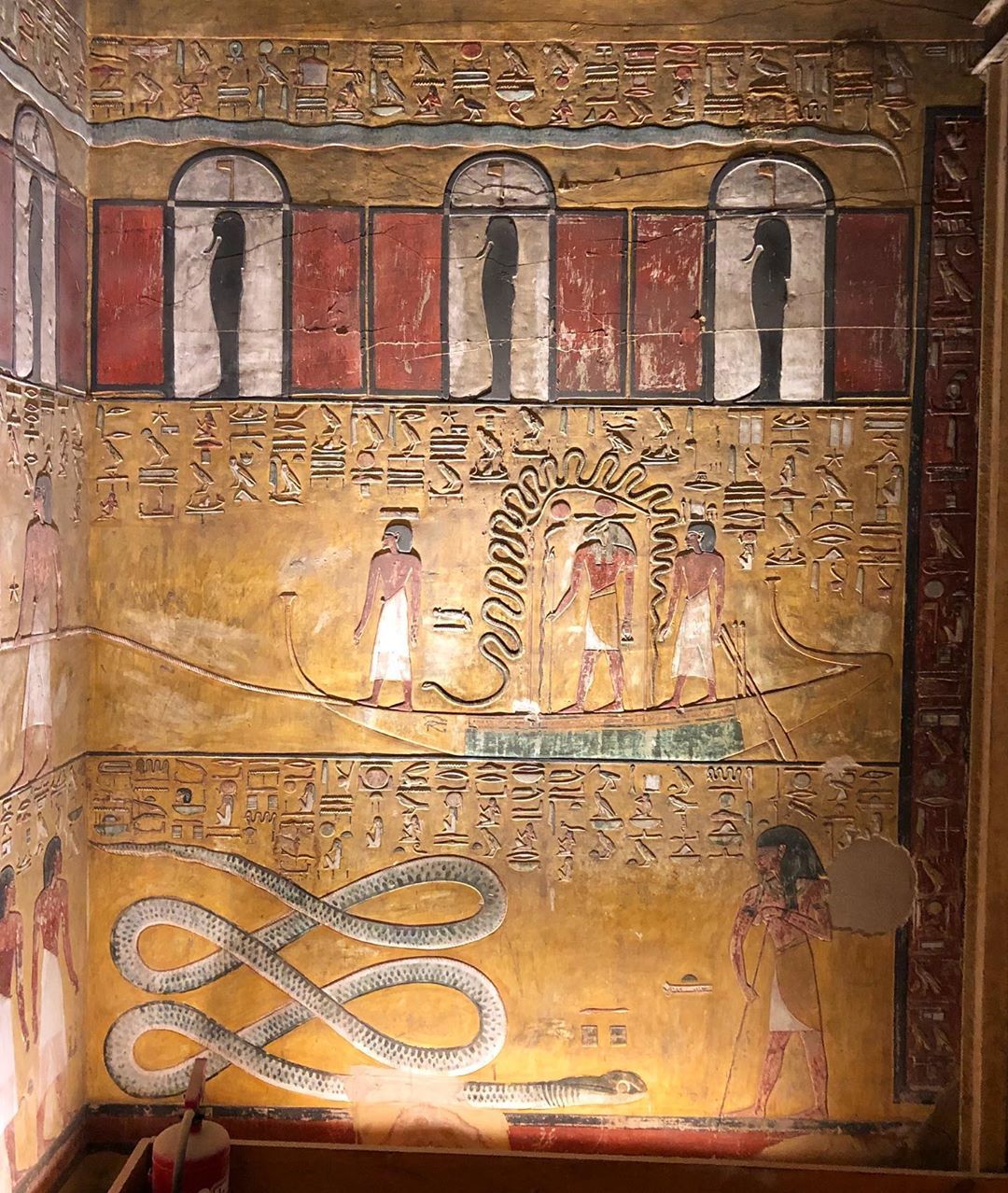
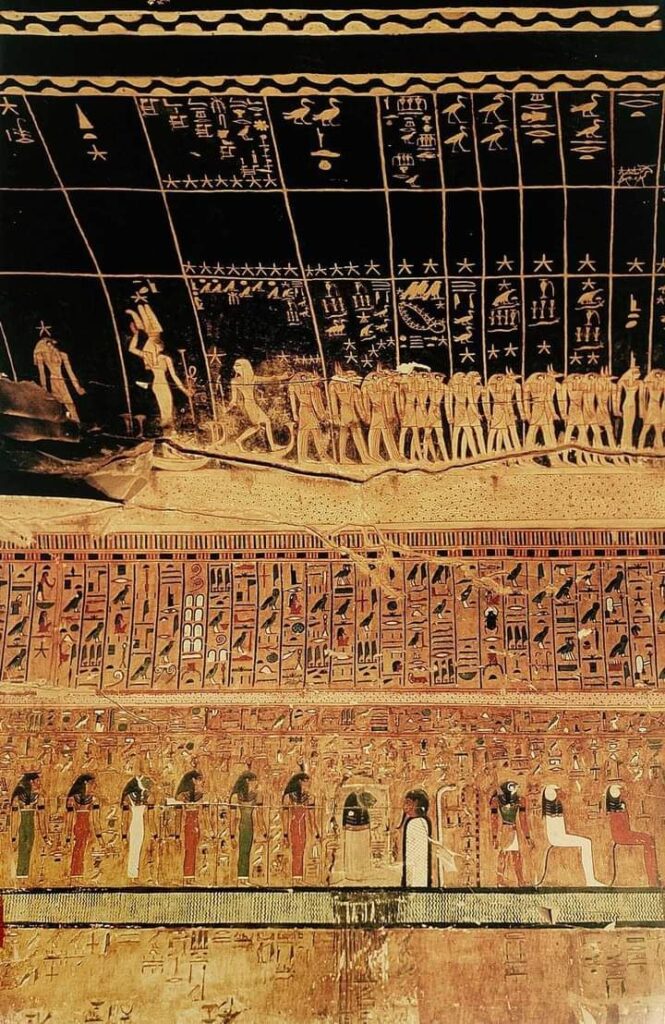
Artistically, the Tomb of Seti I stands in a category of its own, representing a moment in the 19th Dynasty when Egyptian craftsmanship reached its absolute zenith. Unlike many later tombs that used “Sunk Relief” to save time, KV17 is dominated by “Raised Relief,” a much more labor-intensive and delicate process where the background is carved away to leave the figures standing out from the wall. This technique gives the murals a stunning three-dimensional quality and a sense of lifelike texture. The colors used—vibrant blues made from lapis lazuli, deep ochres, and brilliant whites—have been preserved by the tomb’s extreme depth and stable environment. Every figure, from the protective goddesses Isis and Nephthys to the complex deities of the underworld, is rendered with a grace and fluidity that is unparalleled. For travel content creators and photographers, these walls provide an endless array of “perfect” compositions. The artistic program is so dense that one could spend days studying a single corridor without seeing every detail. This tomb is the definitive proof that the ancient Egyptians were not just builders, but some of the most sophisticated artists the world has ever known, creating a gallery that was never meant for human eyes, but for the gods themselves.
3. The Enigmatic Hidden Tunnel: The K-Corridor
One of the most enduring mysteries of the Valley of the Kings is the “K-Corridor,” a mysterious tunnel that begins at the floor of Seti I’s burial chamber and plunges even deeper into the mountain. For decades, archaeologists have speculated about the purpose of this passage, which extends for nearly 174 meters beyond the burial room. Some believe it was intended to reach the local water table, symbolizing the primordial waters of the Nun, while others suggest it was an unfinished project to link the tomb with another sacred site. Despite several excavation attempts—the most recent using high-tech robotic cameras—the end of the tunnel remains partially unexplored and filled with debris. This “hidden passage” adds a layer of adventure and intrigue to the KV17 narrative that is highly appealing to the modern traveler. It transforms the tomb from a static historical site into a living mystery that is still being solved. For the tourism industry, the K-Corridor is a powerful storytelling tool; it reminds us that even in a site as famous as the Valley of the Kings, there are still secrets waiting to be unearthed, and that Seti I’s journey into the afterlife may have been even more complex than we can imagine.