
1. The Great Hypostyle Hall: A Forest of Stone Giants
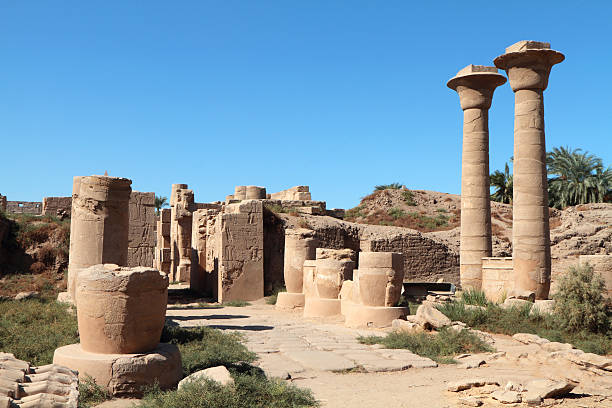
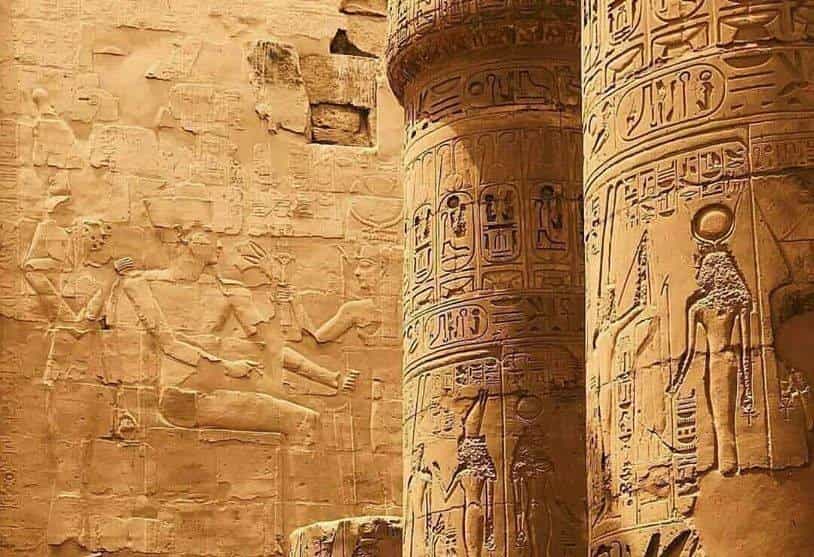
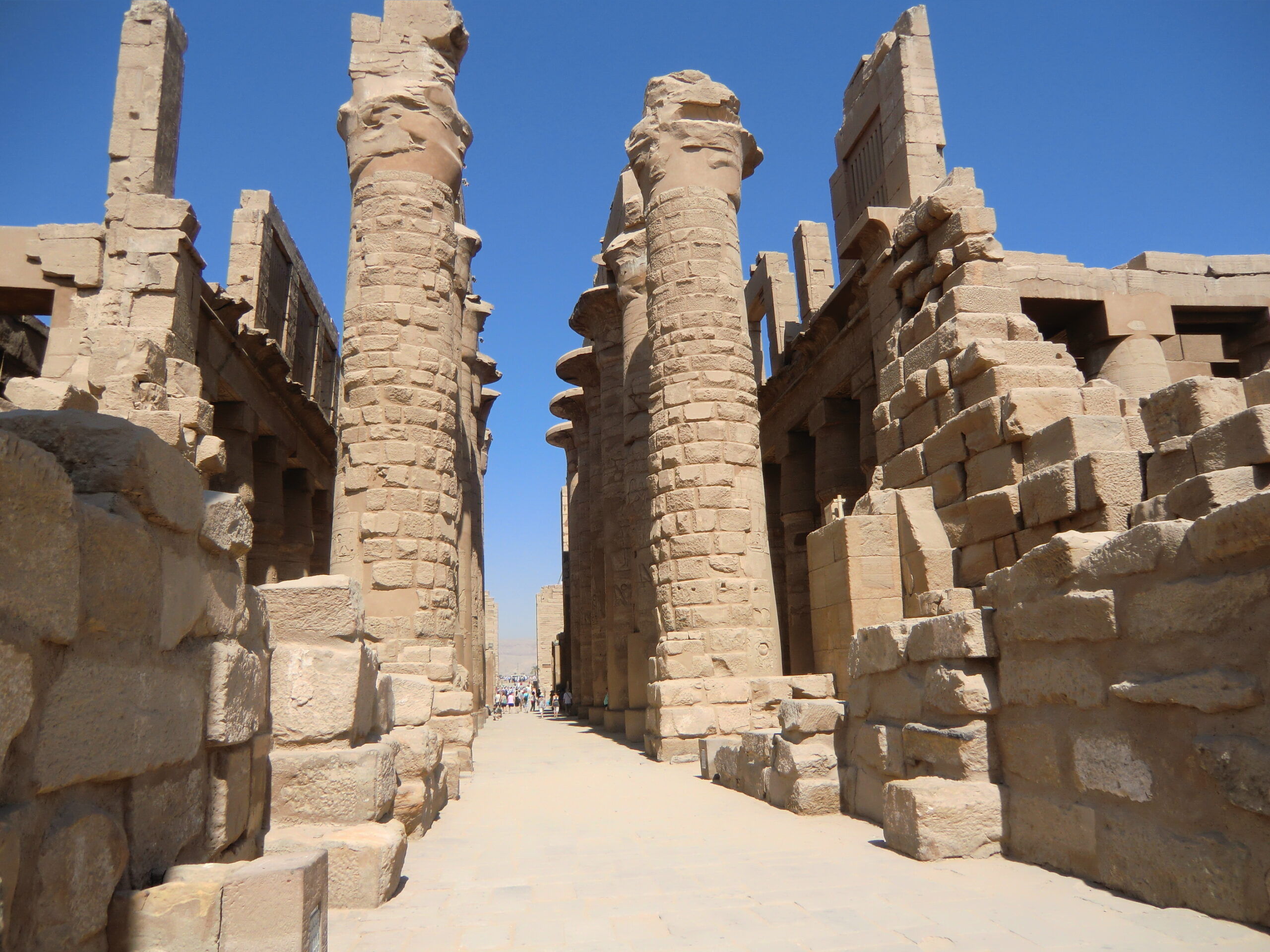
The Great Hypostyle Hall of Karnak is arguably the single most impressive architectural space in the ancient world, a breathtaking “forest of stone” that covers over 5,000 square meters. Completed primarily during the reigns of Seti I and Ramesses II, the hall features 134 colossal papyrus-shaped columns that once supported a massive stone roof. The twelve central columns stand an incredible 21 meters tall, with capitals large enough to accommodate a hundred standing men. To stand in the center of this hall is to feel the overwhelming power of the New Kingdom; the sheer verticality was designed to make the human visitor feel small in the presence of the divine. Originally, this space was a vibrant masterpiece of color, with every inch of the columns covered in deeply carved reliefs and brilliant pigments that narrated the King’s relationship with Amun-Ra. For the modern traveler, the hall is a playground of light and shadow, especially during the “golden hour” when the sun filters through the high clerestory windows, illuminating the intricate hieroglyphs. It remains a global benchmark for monumental engineering, proving that the ancient Egyptians had mastered the art of creating spaces that transcend time, transforming simple stone into a spiritual cathedral that continues to leave the modern world in absolute awe.
2. The Sky-Piercing Obelisks: Monuments of Light and Power
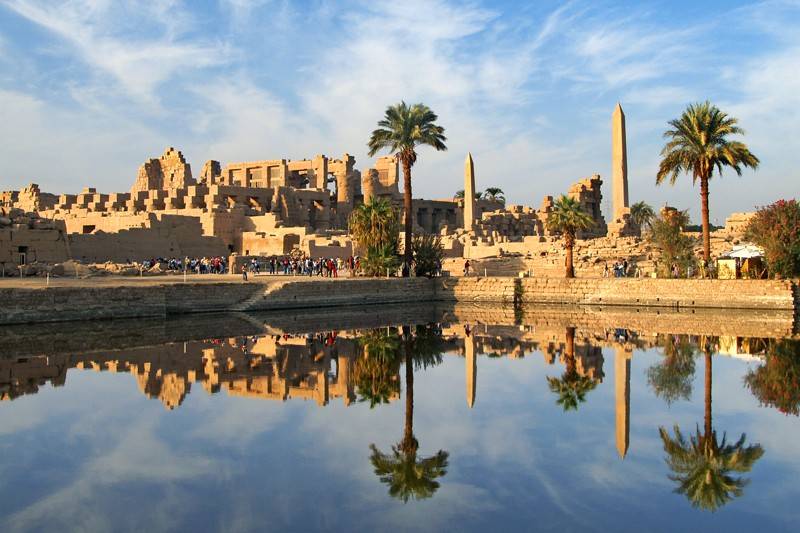
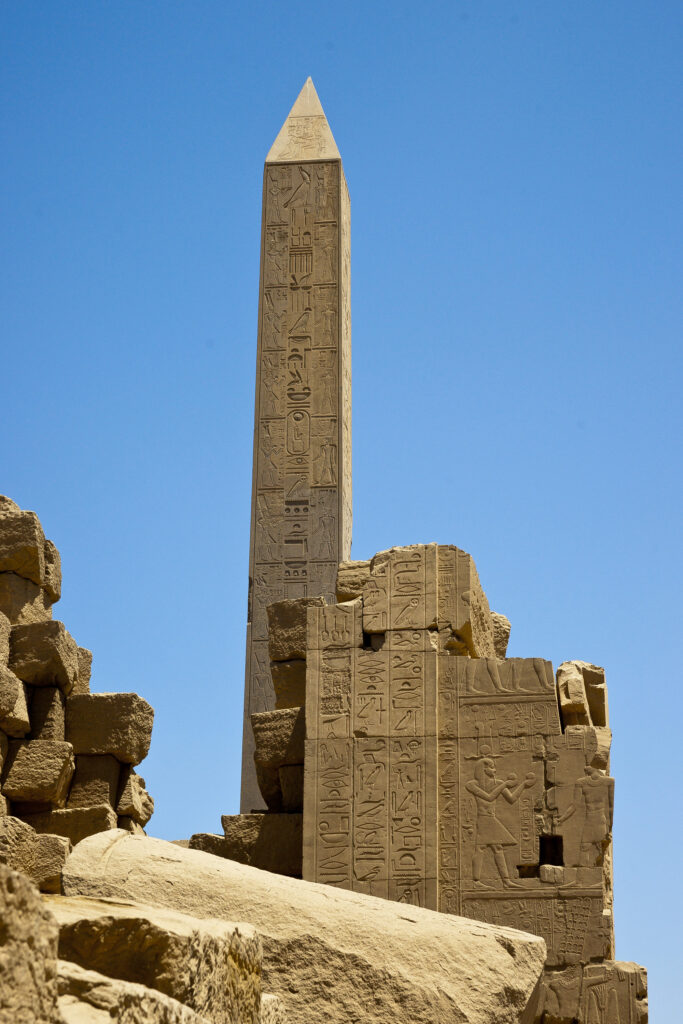
Rising above the horizontal sprawl of Karnak’s pylons are its legendary obelisks, monolithic needles of red granite that were intended to symbolize the “Benben” or the first ray of the sun. The most famous of these is the Obelisk of Queen Hatshepsut, which stands nearly 30 meters high and weighs over 300 tons. Carved from a single block of granite at the quarries of Aswan and transported hundreds of miles down the Nile, its erection was a feat of engineering that still puzzles modern scholars. These obelisks were originally tipped with “electrum” (a mix of gold and silver) to catch the first light of dawn, reflecting the sun’s glory across the entire city of Thebes. For the tourism narrative, the obelisks are a powerful symbol of royal legitimacy and divine connection. Hatshepsut’s obelisk, in particular, tells a story of a female Pharaoh’s triumph and her desire to be remembered for eternity. Standing at the base of these monuments, visitors are reminded of the incredible precision of ancient stone-cutting; the surfaces are so smooth and the inscriptions so sharp that they appear to have been laser-cut rather than hand-carved, standing as eternal witnesses to the “Age of Light.“
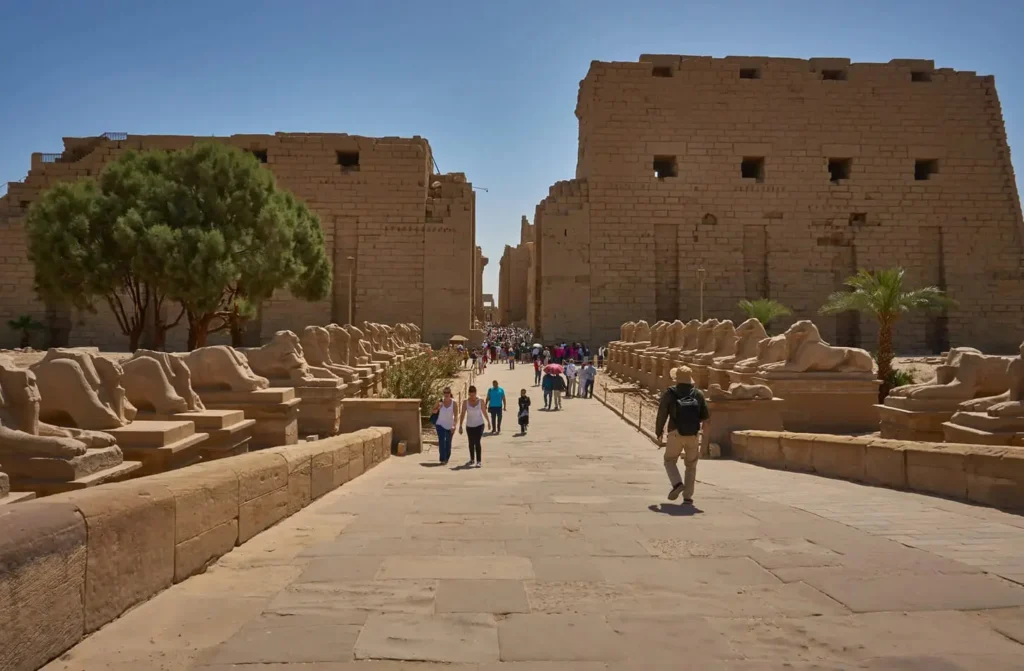
3. The Avenue of Sphinxes: The Sacred Path of the Gods
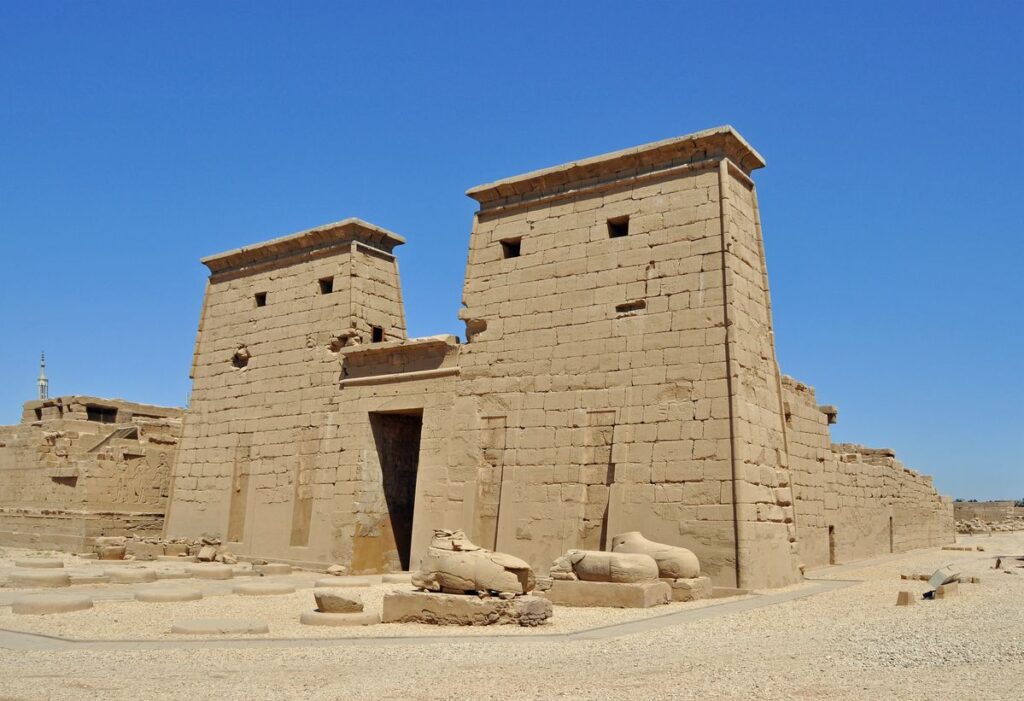
Connecting the temples of Karnak and Luxor is the magnificent Avenue of Sphinxes (Kebash Road), a 2.7-kilometer sacred road lined with hundreds of ram-headed and human-headed sphinxes. For centuries, much of this road was buried under the modern city, but recent, massive excavation and restoration efforts have fully reopened this “Way of the Gods” to the public. In antiquity, this avenue was the stage for the Opet Festival, one of the most important religious celebrations in Egypt, where the statues of the gods were carried in grand processions amidst music, dancing, and royal fanfare. For today’s travelers, walking this path provides a unique “processional” experience that links the two greatest temple complexes of Luxor into a single, unified historical narrative. The ram-headed sphinxes at the entrance of Karnak specifically honor Amun-Ra, symbolizing his protective power and wisdom. This avenue is more than just a road; it is a ceremonial bridge between the past and the present, offering a grand, cinematic entrance to the “Horizon of the Gods” and providing photographers with one of the most iconic vistas in all of archaeology—a literal path through the heart of history.