
1. The History Behind the Construction of the Aswan High Dam
The construction of the Aswan High Dam marked one of the most ambitious national projects in the modern history of Egypt. Before the dam was built, the Egyptian people relied heavily on the annual flooding of the Nile River to irrigate farmland and sustain agriculture across the country. While these floods brought fertile soil that supported farming for thousands of years, they were also unpredictable and often dangerous. Some years produced severe floods that destroyed villages and crops, while other years brought droughts that caused food shortages and economic hardship. By the middle of the twentieth century, Egypt’s growing population and increasing agricultural demands made it clear that better control of the Nile was necessary for the country’s future development. As a result, the Egyptian government launched plans to build a massive dam near Aswan to regulate the river’s flow, store water, and generate electricity for millions of people.
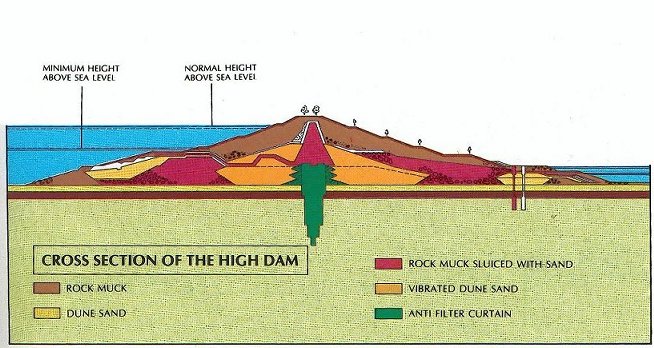
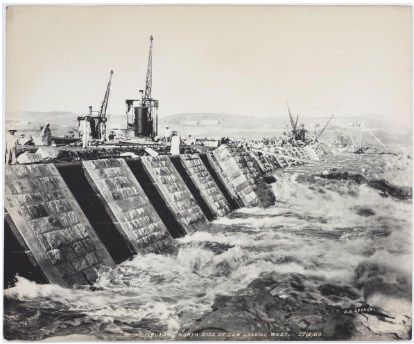
Construction of the Aswan High Dam officially began in 1960 during the presidency of Gamal Abdel Nasser, whose vision for modernization and economic independence made the project a national priority. Thousands of engineers, workers, and technicians participated in the enormous effort to complete the dam, which required moving millions of tons of rock and earth. International cooperation also played an important role, particularly with Soviet engineering and financial assistance during the Cold War era. After years of intense labor and planning, the dam was officially completed in 1970, becoming one of the largest embankment dams in the world at that time. The project not only transformed Egypt’s agricultural system but also became a symbol of national pride and technological achievement. Today, the history of the Aswan High Dam represents far more than construction alone; it reflects Egypt’s determination to modernize its economy, secure its water resources, and shape its own future through large-scale engineering and infrastructure development.
2. The Importance of the Aswan High Dam for Egypt’s Economy
The Aswan High Dam has played a critical role in transforming the economy of Egypt since its completion in the twentieth century. One of the dam’s most important achievements has been its ability to control the waters of the Nile River and provide a stable supply of water throughout the year. Before the construction of the dam, Egyptian agriculture depended entirely on seasonal flooding, which created uncertainty for farmers and limited agricultural productivity. By regulating the river’s flow and storing enormous quantities of water in Lake Nasser, the dam made it possible to expand irrigation systems across the country and support year-round farming. This allowed Egypt to increase food production, cultivate more land, and improve agricultural stability for millions of people living along the Nile Valley. The ability to manage water resources more effectively became especially important as Egypt’s population continued to grow rapidly during the modern era.
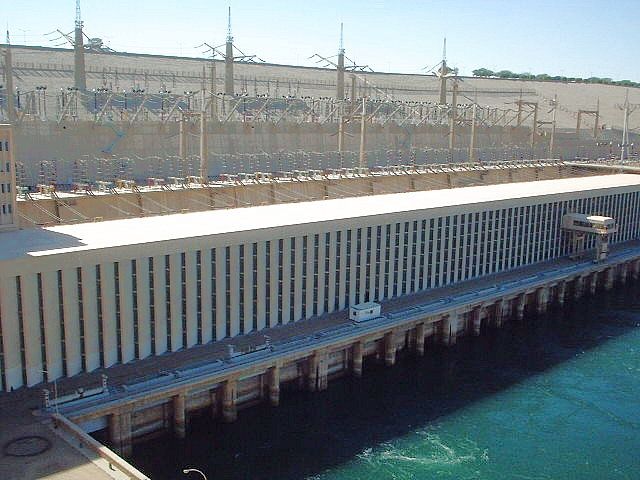
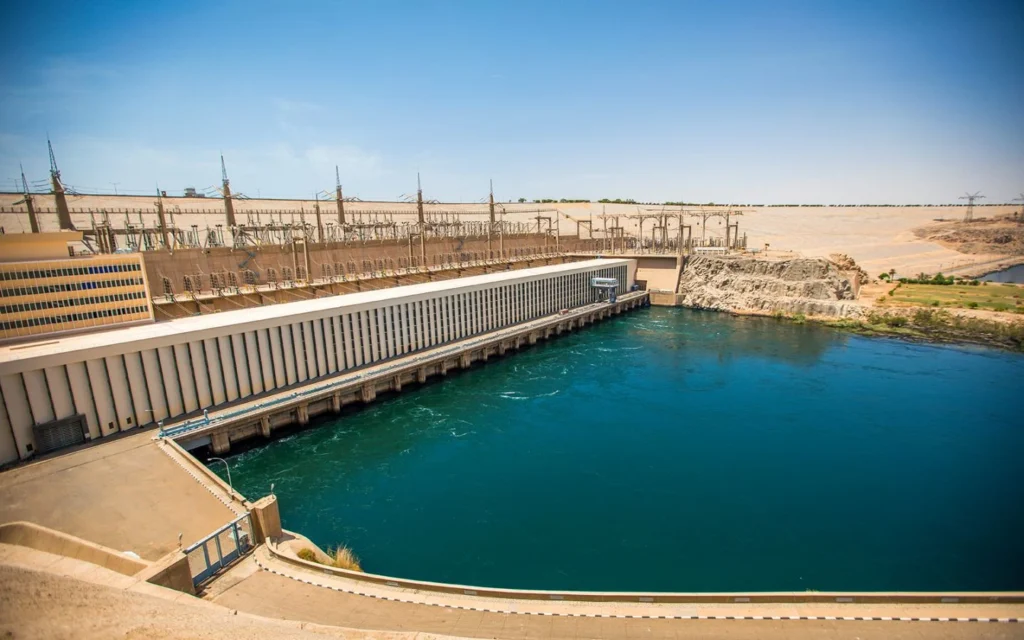
In addition to supporting agriculture, the Aswan High Dam became one of the country’s main sources of hydroelectric power. The electricity generated by the dam helped bring energy to cities, villages, factories, and industries across Egypt, contributing significantly to economic development and modernization. At the time of its construction, the hydroelectric station represented a major technological achievement that improved living standards and supported industrial growth throughout the country. The dam also reduced the risk of destructive floods and protected Egypt during periods of drought by storing water for future use. Although debates continue regarding the environmental impact of the dam, its economic importance remains undeniable. Today, the Aswan High Dam continues to support irrigation, electricity production, and water management systems that are essential to the daily lives of millions of Egyptians. For visitors exploring Aswan, the site represents not only an engineering achievement but also a symbol of how infrastructure projects can shape the economy, society, and future of an entire nation.
3. Visiting the Aswan High Dam Today
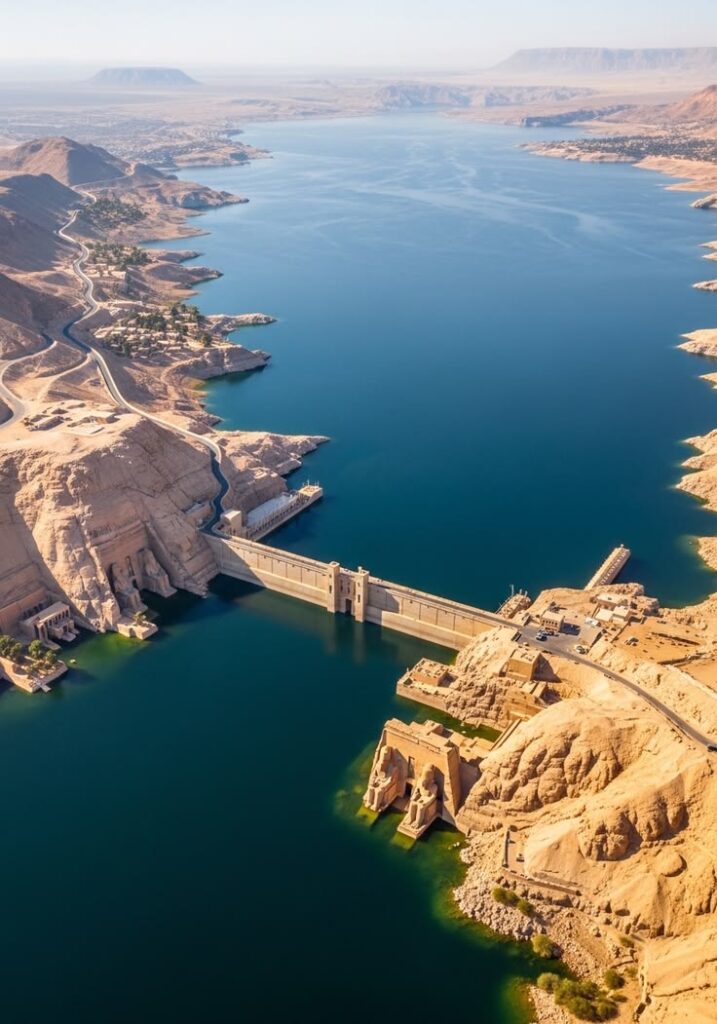
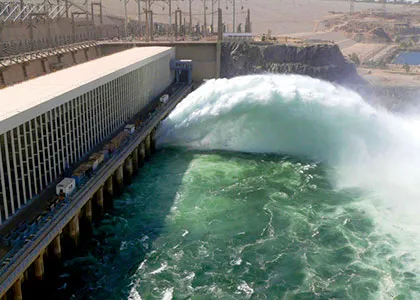
Today, the Aswan High Dam remains one of the most important tourist attractions in Aswan and offers visitors a fascinating look into the modern history and engineering achievements of Egypt. Unlike ancient temples and archaeological monuments that focus on Egypt’s distant past, the dam represents the country’s modern transformation and its efforts to control and utilize the Nile River for national development. Visitors standing on top of the dam can enjoy breathtaking panoramic views of the surrounding landscape, where the flowing Nile River stretches northward while the vast waters of Lake Nasser extend endlessly toward the south. This dramatic contrast between river and reservoir creates one of the most impressive views in southern Egypt and highlights the enormous scale of the project. The site also provides travelers with a deeper understanding of how engineering and water management continue to shape life in Egypt today.
Many travelers visit the Aswan High Dam as part of a larger sightseeing tour that often includes nearby attractions such as Philae Temple and the Unfinished Obelisk. Local guides usually explain the history of the dam, the reasons behind its construction, and the impact it had on agriculture, electricity production, and daily life across the country. The site is particularly interesting for travelers who enjoy engineering, history, and geography because it demonstrates how modern technology transformed one of the world’s oldest civilizations. Early morning and late afternoon visits are recommended due to the strong desert sun during midday hours. Visitors are encouraged to bring water, sunglasses, and cameras to fully enjoy the experience and capture the impressive scenery surrounding the dam. Exploring the Aswan High Dam allows travelers to connect not only with ancient Egypt but also with the modern story of a nation that continues to rely on the Nile River as the lifeblood of its economy, culture, and future development.