
Welcome to

Kalabsha Temple: A Hidden Nubian Treasure on the Shores of Lake Nasser

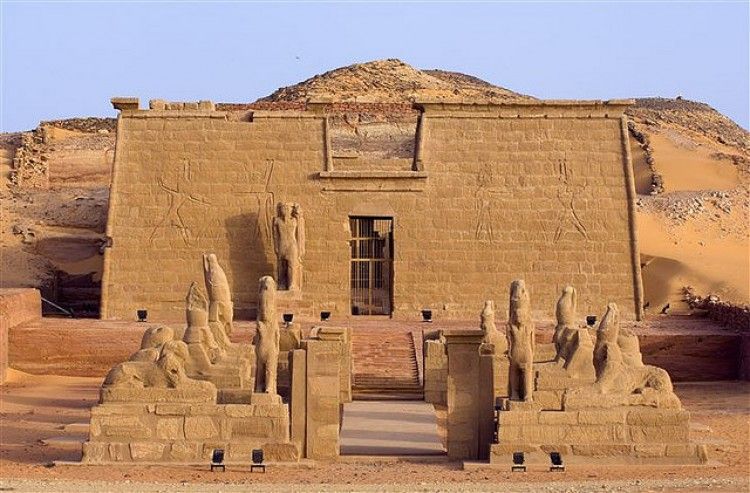
Kalabsha Temple is one of the most remarkable yet lesser-known ancient temples in southern Egypt, located near Aswan on the western shores of Lake Nasser. Dedicated primarily to the Nubian god Mandulis, the temple stands as a powerful example of the cultural and religious blend between ancient Egyptian and Nubian traditions. Originally built during the Roman period under Emperor Augustus, Kalabsha Temple reflects the continuation of ancient Egyptian architectural styles even after Egypt became part of the Roman Empire. Despite its historical importance and impressive scale, the temple remains quieter and less crowded than many other famous Egyptian sites, making it a hidden gem for travelers seeking a more peaceful and immersive historical experience.

The temple was originally located further south in ancient Nubia, but during the construction of the Aswan High Dam and the creation of Lake Nasser in the 1960s, it faced the danger of being permanently submerged. In one of the most important archaeological rescue operations in modern history, the entire temple was carefully dismantled and relocated block by block to its present location near Aswan. This extraordinary preservation effort saved not only the structure itself but also the artistic carvings and inscriptions that cover its walls. Today, Kalabsha Temple stands as a symbol of international cooperation and dedication to protecting cultural heritage.

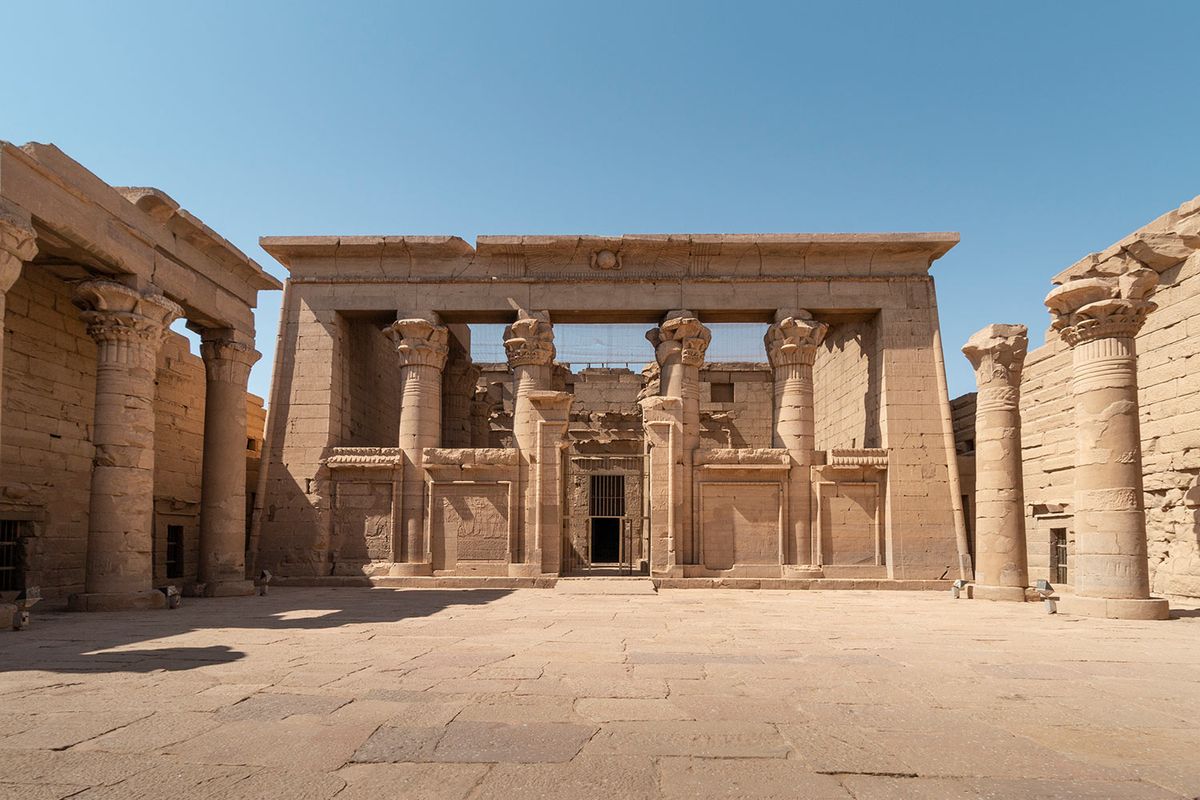
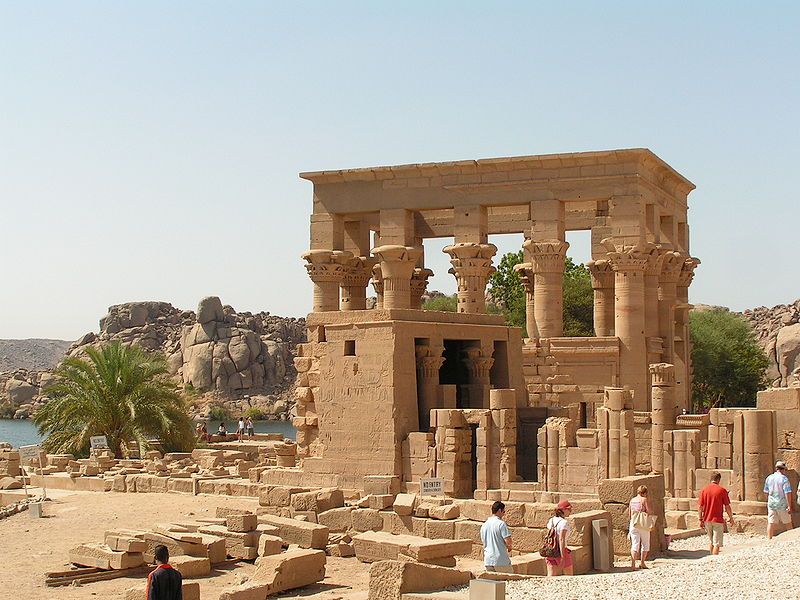
Architecturally, the temple features massive sandstone walls, detailed reliefs, and large columns decorated with scenes of Roman emperors making offerings to Egyptian and Nubian gods. Its location beside the calm waters of Lake Nasser creates a breathtaking atmosphere where ancient history meets natural beauty. Visitors to Kalabsha Temple can explore spacious courtyards, sacred halls, and beautifully carved chambers while enjoying panoramic views of the surrounding desert and lake. For travelers exploring southern Egypt, Kalabsha Temple offers a unique combination of archaeology, history, tranquility, and Nubian heritage, making it one of the most fascinating hidden treasures near Aswan.

1. The History and Origins of Kalabsha Temple

Kalabsha Temple, located near Aswan in southern Egypt, is one of the largest and most impressive Nubian temples from the Roman period. The temple was originally built during the reign of the Roman Emperor Augustus around the first century BCE, although parts of the site may have existed earlier during the Ptolemaic era. It was dedicated mainly to Mandulis, a Nubian sun god worshipped in Lower Nubia, reflecting the strong cultural connection between ancient Egyptian and Nubian religious traditions. Even under Roman rule, Egyptian architectural and spiritual customs continued to influence temple construction, and Kalabsha Temple became a significant religious center in the region.

The temple originally stood at Bab al-Kalabsha, south of Aswan near the Nile River, where it served local communities and travelers moving through Nubia. Its location made it an important cultural and religious site linking Egypt with regions further south in Africa. The walls of the temple contain inscriptions and reliefs showing Roman emperors presenting offerings to Egyptian and Nubian gods, demonstrating how foreign rulers adopted local traditions to strengthen their authority. Over the centuries, the temple also experienced periods of Christian influence, and some parts of the structure were later used as a church. This long history of religious transformation makes Kalabsha Temple an important example of cultural continuity and adaptation across different historical periods in Egypt and Nubia.
2. Architecture and Design of Kalabsha Temple

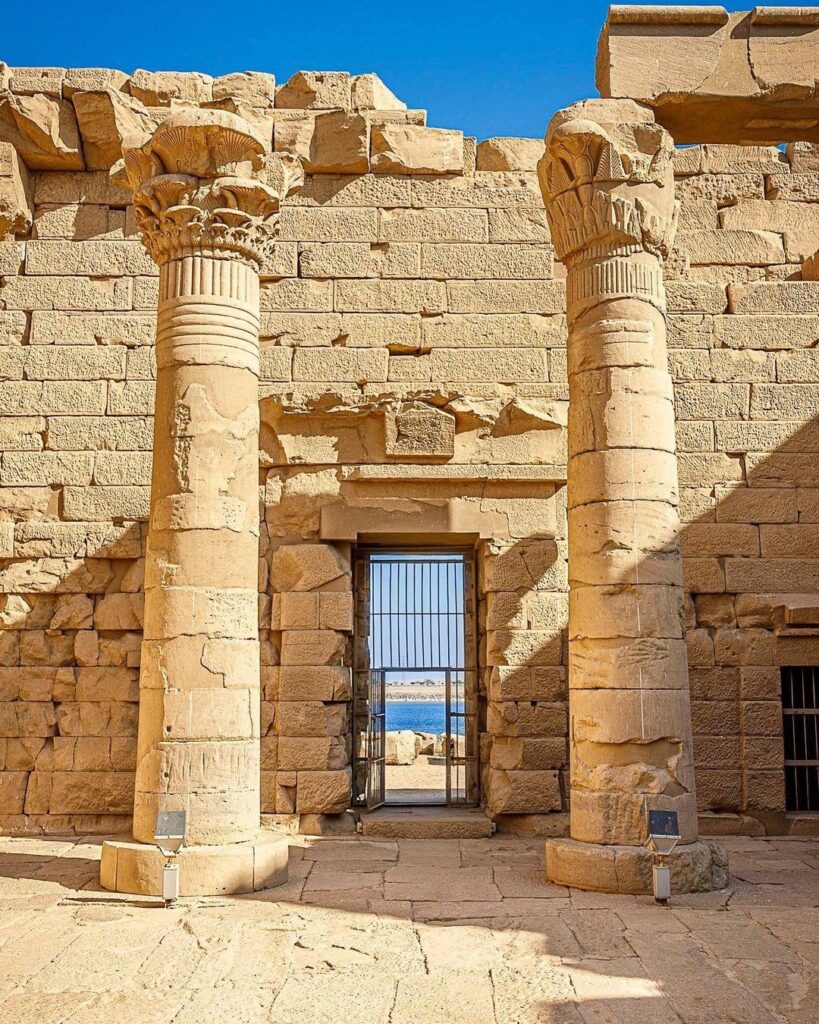
The architecture of Kalabsha Temple near Aswan reflects the grandeur of ancient Egyptian temple design while also incorporating elements from the Roman period in Egypt. Built primarily from sandstone, the temple follows the traditional layout of Egyptian religious architecture, beginning with a large entrance pylon that leads into an open courtyard surrounded by columns. Beyond the courtyard lies a hypostyle hall filled with decorated pillars, followed by smaller sacred chambers and the sanctuary dedicated to the god Mandulis. This progression from open public areas to increasingly sacred inner spaces reflects the spiritual hierarchy commonly found in ancient Egyptian temples.

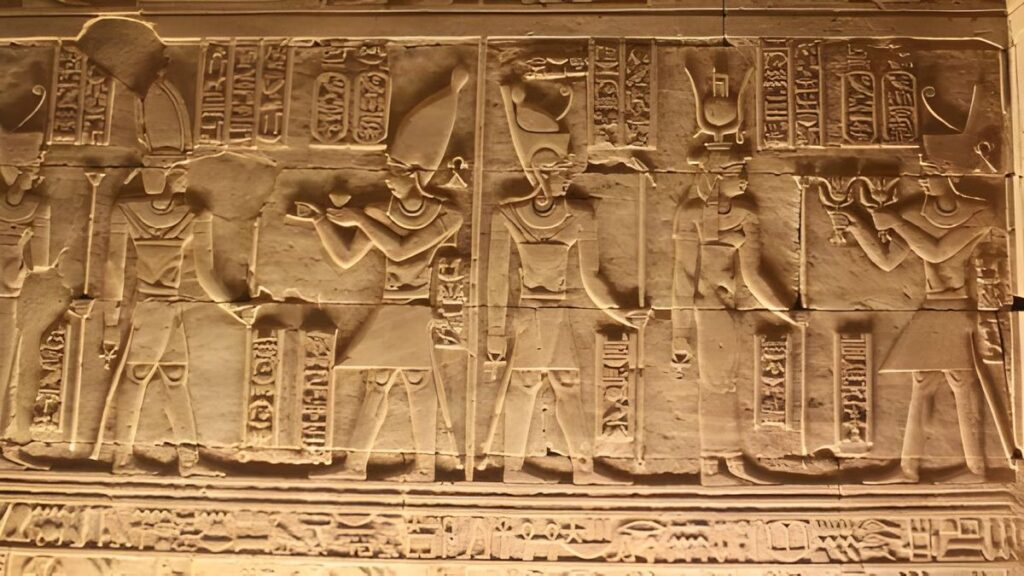
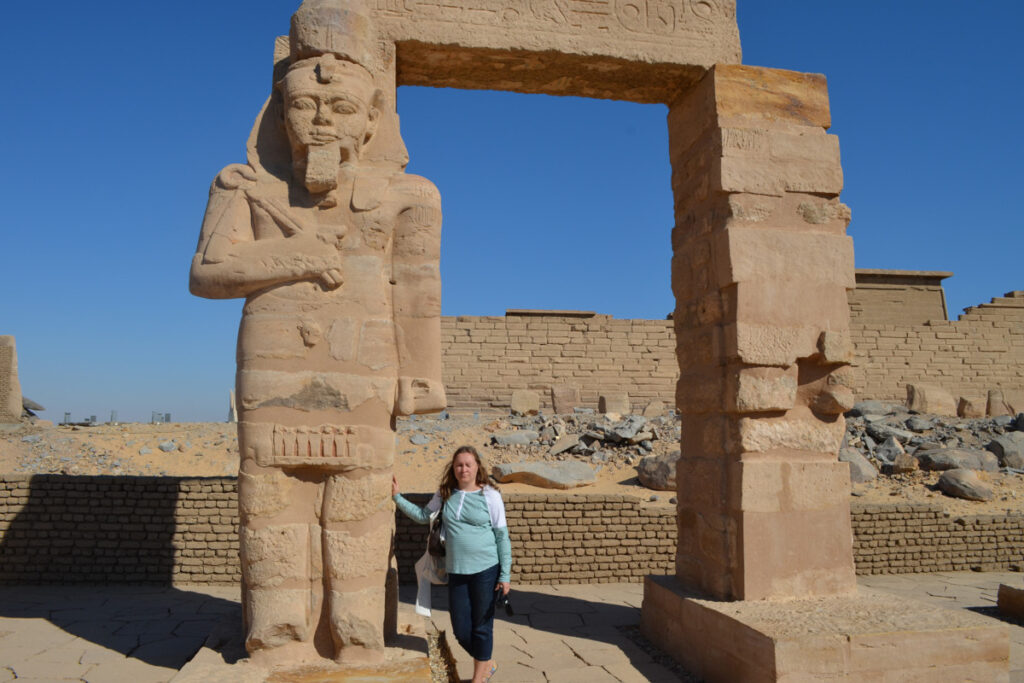
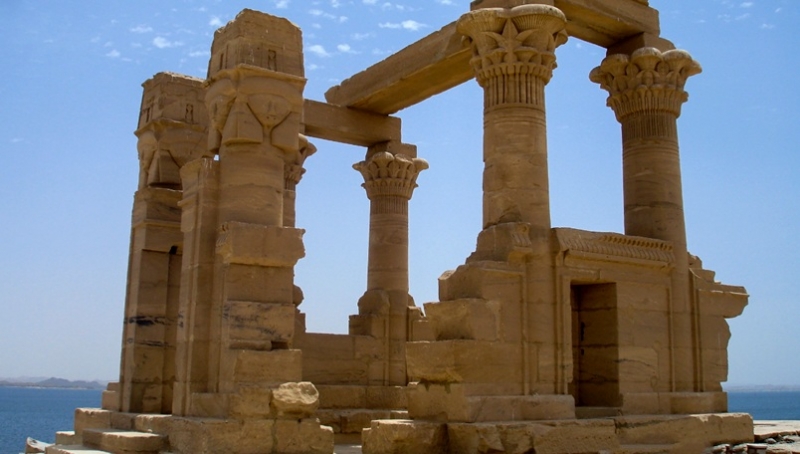
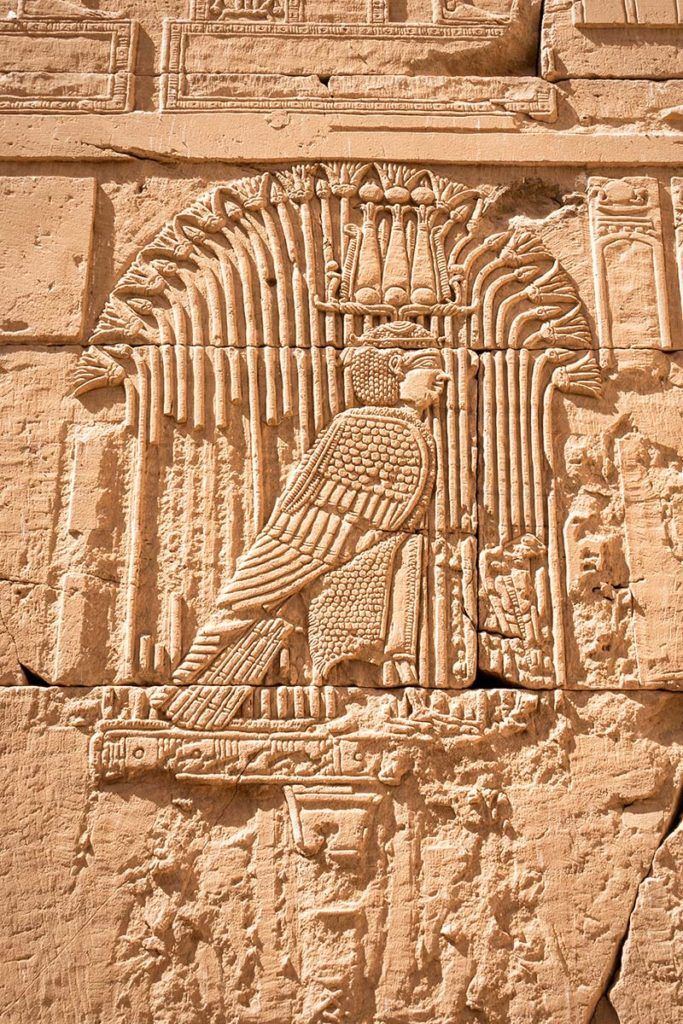
One of the most striking features of Kalabsha Temple is the quality and detail of its carvings and inscriptions. The walls are covered with scenes of emperors performing religious rituals and offering gifts to gods, blending Roman political imagery with traditional Egyptian symbolism. Hieroglyphic inscriptions accompany many of these scenes, preserving important religious and historical information. The temple’s columns are decorated with floral capitals and artistic patterns that demonstrate the high level of craftsmanship achieved during this period. Despite being built under Roman rule, the temple strongly maintains Egyptian architectural identity, showing how local artistic traditions continued to thrive. Its location beside Lake Nasser further enhances its beauty, as the reflection of the temple against the calm water creates a dramatic and peaceful atmosphere for visitors exploring the site today.
3. The Relocation and Preservation of Kalabsha Temple

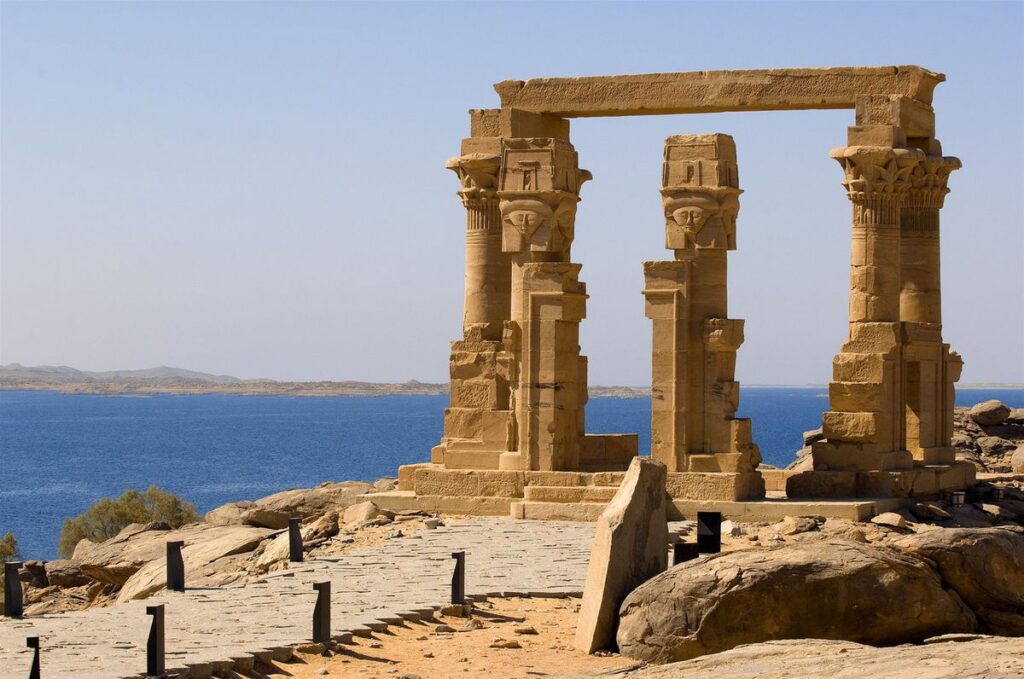
One of the most remarkable chapters in the history of Kalabsha Temple near Aswan is the story of its relocation and preservation during the twentieth century in Egypt. When the Aswan High Dam was constructed and Lake Nasser began to form, many ancient monuments in Nubia faced the threat of being submerged underwater forever. Kalabsha Temple was among the most important sites at risk. To save the temple, an international archaeological rescue operation was launched under the supervision of UNESCO. Engineers and archaeologists carefully dismantled the temple into thousands of individual stone blocks and transported them to higher ground near its current location beside Lake Nasser.

The relocation process required extraordinary precision and planning because every carved stone had to be documented, moved, and reconstructed exactly as it originally appeared. This massive preservation effort successfully protected the temple from destruction while maintaining its historical and artistic integrity. The rescue of Kalabsha Temple became part of one of the largest heritage preservation campaigns in modern history, which also included saving famous monuments such as Abu Simbel and Philae Temple. Today, visitors walking through Kalabsha Temple are not only experiencing ancient history but also witnessing a modern achievement in archaeological conservation. The temple stands as a symbol of international cooperation and humanity’s commitment to preserving cultural heritage for future generations, even in the face of major environmental and engineering changes.
4. Religious Importance of Kalabsha Temple

Kalabsha Temple near Aswan held great religious significance in ancient Egypt and Nubia, serving as an important center for the worship of the Nubian god Mandulis. Mandulis was associated with the sun and divine protection, and he was especially revered by communities living in Lower Nubia. The temple represented a spiritual meeting point where Egyptian and Nubian religious traditions blended together, reflecting the cultural diversity of the southern Nile region. Although the temple was built during Roman rule, it continued the ancient Egyptian tradition of constructing monumental temples dedicated to local gods. This demonstrates how religion remained deeply connected to daily life and political authority even under foreign leadership.

Inside the temple, priests performed rituals and ceremonies intended to honor the gods and maintain cosmic balance. Offerings of food, incense, and sacred objects were presented in the sanctuary, where only priests and selected religious officials could enter. The temple walls contain detailed carvings showing Roman emperors making offerings to Mandulis and other Egyptian deities, symbolizing the rulers’ connection to divine authority. Over time, the temple also experienced periods of Christian influence, and some sections were adapted for religious use during the early Christian era. This long spiritual history makes Kalabsha Temple a unique site that reflects centuries of religious transformation while preserving the sacred traditions of ancient Nubia and Egypt.

5. Artistic Reliefs and Inscriptions of Kalabsha Temple

The artistic carvings and inscriptions of Kalabsha Temple near Aswan are among its most valuable historical features in Egypt. Nearly every wall inside the temple is covered with detailed reliefs that depict religious rituals, divine figures, and royal ceremonies. These carvings provide important insight into the religious and political life of the Roman period in Nubia. The scenes commonly show emperors dressed in traditional Egyptian style while presenting offerings to gods such as Mandulis, Isis, and Horus. This artistic approach helped Roman rulers present themselves as legitimate successors to the ancient pharaohs.

The hieroglyphic inscriptions accompanying these scenes preserve valuable information about temple rituals, religious beliefs, and the relationship between rulers and the gods. The quality of the carvings demonstrates the skill of the craftsmen who continued ancient artistic traditions even centuries after the height of pharaonic civilization. Floral decorations, symbolic motifs, and carefully balanced compositions add beauty and harmony to the temple’s design. Some traces of original color can still be seen in protected areas, giving visitors a glimpse of how vibrant the temple once appeared in ancient times. Today, these reliefs remain an important source of information for historians and archaeologists studying the interaction between Roman, Egyptian, and Nubian cultures in southern Egypt.

6. Kalabsha Temple as a Tourist Destination

Today, Kalabsha Temple near Aswan is considered one of the hidden historical treasures of southern Egypt. Although it is less crowded than famous sites such as Abu Simbel or Philae Temple, many travelers consider this peaceful atmosphere part of its unique charm. The temple is located beside the calm waters of Lake Nasser, creating a beautiful natural setting where visitors can enjoy both archaeology and scenic landscapes. Most tourists reach the temple by boat, which adds a memorable experience as they approach the sandstone structure rising from the edge of the lake.

Visitors exploring Kalabsha Temple can walk through its large courtyards, decorated halls, and sacred chambers while observing remarkably preserved carvings and inscriptions. Guided tours often explain the temple’s connection to Nubian culture, Roman history, and the massive rescue mission that saved it from flooding during the construction of the Aswan High Dam. The quiet environment allows travelers to appreciate the details of the architecture without the heavy crowds found at larger tourist sites. Photographers are especially drawn to the temple because of the dramatic contrast between the golden sandstone, blue waters of Lake Nasser, and surrounding desert scenery. For travelers seeking a deeper and more peaceful historical experience in southern Egypt, Kalabsha Temple offers a unique combination of culture, history, and natural beauty.

7. Kalabsha Temple and Nubian Heritage

Kalabsha Temple near Aswan represents an important connection between ancient Egyptian civilization and Nubian heritage in southern Egypt. Unlike many temples located further north in Egypt, Kalabsha was deeply rooted in the cultural traditions of Nubia, a region known for its rich history and strong identity along the Nile Valley. The temple was dedicated mainly to Mandulis, a Nubian deity associated with the sun, showing how local beliefs were preserved even during periods of foreign rule. This blend of Egyptian architectural styles with Nubian religious traditions highlights the cultural exchange that shaped the southern regions of Egypt for centuries.

The temple also reflects the historical importance of Nubia as a crossroads between Africa and Egypt. Trade routes, religious practices, and artistic influences moved through the region, creating a unique cultural environment that can still be seen in the carvings and inscriptions of Kalabsha Temple. Even after the construction of the Aswan High Dam and the relocation of many Nubian communities, the temple remained a symbol of Nubian identity and resilience. Today, visitors exploring Kalabsha Temple gain insight into a side of Egyptian history that is often less known but equally important. The site preserves the memory of Nubian culture and demonstrates how deeply connected the peoples of the Nile Valley were throughout history.

8. The Surrounding Landscape and Lake Nasser Setting

One of the most striking aspects of Kalabsha Temple near Aswan is its breathtaking location beside Lake Nasser in southern Egypt. After the temple was relocated during the construction of the Aswan High Dam, it was carefully rebuilt on higher ground overlooking the calm blue waters of the lake. This setting creates a dramatic contrast between the golden sandstone of the temple, the deep blue water, and the surrounding desert hills. The peaceful environment adds to the spiritual atmosphere of the site, allowing visitors to experience both natural beauty and ancient history at the same time.

The surrounding landscape also reflects the transformation of the region after the creation of Lake Nasser. Areas that were once part of the Nile Valley became part of a vast artificial lake stretching across southern Egypt and into Sudan. Despite these changes, the area around Kalabsha Temple has developed into a quiet and scenic destination that attracts travelers looking for a more relaxed historical experience away from crowded tourist routes. Boat rides across the lake provide beautiful views of the temple and surrounding desert scenery, especially during sunrise and sunset when the light reflects off the sandstone walls. The location itself has become an important part of the visitor experience, turning Kalabsha Temple into a unique blend of archaeology and natural beauty.

9. Archaeological Importance of Kalabsha Temple

Kalabsha Temple near Aswan holds great archaeological importance in Egypt because it preserves valuable information about the Roman period in Nubia and the continuation of ancient Egyptian traditions. The temple is one of the largest free-standing Nubian temples ever built and provides historians with insight into how religion, politics, and culture evolved during Roman rule. Its inscriptions and reliefs document interactions between Roman emperors and local religious traditions, showing how rulers adapted Egyptian customs to strengthen their authority in the region. This makes the temple an important source for understanding cultural integration in ancient societies.

Archaeologists also value Kalabsha Temple because of its exceptional preservation and the success of its relocation project. During the UNESCO-led rescue mission, every stone block was carefully documented before being moved to its new location near Lake Nasser. This process allowed researchers to study the temple’s construction methods and artistic details in great depth. The site continues to provide information about ancient architecture, religious practices, and the relationship between Egypt and Nubia. Today, Kalabsha Temple stands not only as a tourist attraction but also as a major archaeological landmark that contributes to ongoing research about the history of southern Egypt and the Nile Valley civilizations.

10. Kalabsha Temple During the Roman Period

Kalabsha Temple near Aswan is one of the clearest examples of how ancient Egyptian traditions continued during the Roman period in Egypt. Although Egypt became part of the Roman Empire after the fall of the Ptolemaic Kingdom, Roman rulers adopted many local religious customs to strengthen their authority among the Egyptian population. Kalabsha Temple was constructed mainly during the reign of Emperor Augustus, yet its architecture, religious symbolism, and artistic style remained strongly Egyptian. Roman emperors were often depicted on temple walls wearing traditional pharaonic clothing and presenting offerings to Egyptian and Nubian gods, symbolizing their role as legitimate rulers chosen by the divine powers.

The temple demonstrates how Roman political influence blended with local culture rather than completely replacing it. Religious rituals continued inside the sanctuary, and priests maintained traditional ceremonies dedicated to Mandulis and other deities. This cultural continuity helped preserve ancient beliefs even as Egypt became part of a wider empire. Kalabsha Temple therefore serves as an important historical record of how civilizations interacted and adapted during periods of political change. It reveals how local identity and religious traditions remained strong despite foreign rule, making the temple a valuable example of cultural survival and integration in the ancient world.

11. Conservation Efforts and Cultural Preservation

The preservation of Kalabsha Temple near Aswan is considered one of the greatest achievements in archaeological conservation in Egypt. During the construction of the Aswan High Dam in the twentieth century, rising waters from Lake Nasser threatened to permanently flood many ancient monuments in Nubia. To prevent the loss of these historical treasures, UNESCO launched a large international rescue campaign that brought together archaeologists, engineers, and preservation experts from around the world. Kalabsha Temple was carefully dismantled into thousands of stone blocks, transported to higher ground, and reconstructed near its current location beside Lake Nasser.

This process required extraordinary precision because every carved stone had to be documented and placed back exactly in its original position. The success of the project demonstrated the importance of global cooperation in protecting world heritage sites. Conservation work did not stop after the relocation; ongoing efforts continue to protect the temple from environmental damage, erosion, and the effects of tourism. These preservation activities ensure that future generations will still be able to explore the temple and learn from its history. Today, Kalabsha Temple stands as both an ancient monument and a modern symbol of humanity’s commitment to safeguarding cultural heritage against environmental and developmental challenges.

12. The Legacy of Kalabsha Temple Today

Today, Kalabsha Temple near Aswan remains one of the most important cultural landmarks in southern Egypt, preserving the memory of Nubian civilization and the artistic traditions of ancient Egypt. Although it is less famous than temples such as Abu Simbel or Philae, many travelers consider Kalabsha one of the hidden gems of the Nile Valley because of its peaceful atmosphere and exceptional historical value. The temple allows visitors to experience ancient architecture without the large crowds found at more popular tourist sites, creating a more personal and reflective journey into history.

The legacy of Kalabsha Temple extends beyond tourism. It stands as a symbol of resilience, preservation, and cultural continuity across centuries of political and environmental change. From its origins as a Roman-era religious sanctuary to its modern rescue and relocation beside Lake Nasser, the temple tells a story of survival and adaptation. Its carvings, inscriptions, and architectural beauty continue to educate historians, archaeologists, and travelers about the relationship between Egypt and Nubia. Today, Kalabsha Temple serves not only as an archaeological treasure but also as a reminder of the importance of protecting cultural heritage in a rapidly changing world, ensuring that the history and identity of the Nile Valley remain alive for future generations.

Kalabsha Temple : Frequently Asked Questions

Kalabsha Temple is located near Aswan on the western shore of Lake Nasser in southern Egypt.

The temple was mainly dedicated to Mandulis, a Nubian sun god who was widely worshipped in the Nubian region during ancient times.

The temple was moved during the construction of the Aswan High Dam to protect it from being submerged by the rising waters of Lake Nasser.

Kalabsha Temple was primarily built during the Roman period under Emperor Augustus in the first century BCE, although earlier structures may have existed on the site.

Yes, Kalabsha Temple is highly worth visiting for travelers interested in Nubian history, Roman-era Egyptian temples, peaceful archaeological sites, and scenic views of Lake Nasser.