1. The Historical Background of Edfu Temple
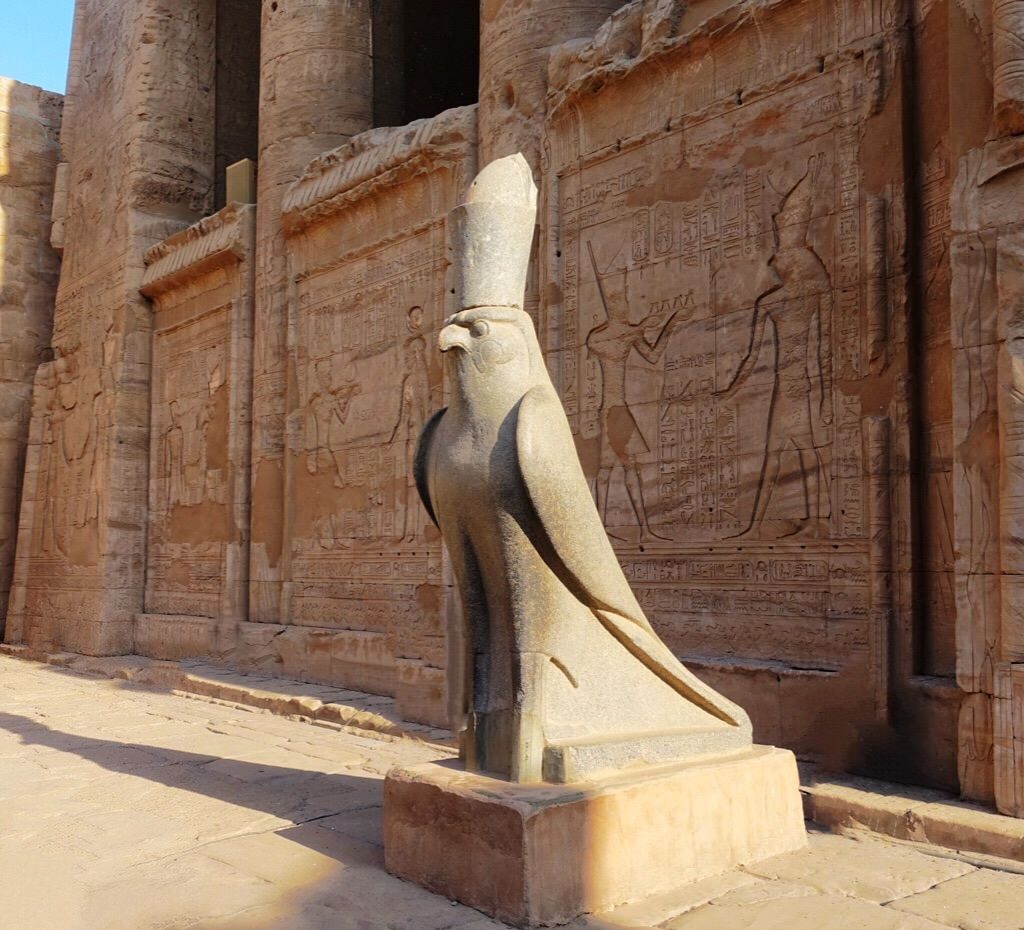
Edfu Temple in Edfu is one of the most important and best-preserved religious monuments in Egypt, reflecting the strength and continuity of ancient Egyptian beliefs during the late periods of its civilization. The temple was constructed during the Ptolemaic era, beginning in 237 BCE under Ptolemy III and completed in 57 BCE during the reign of Ptolemy XII. Although the rulers at that time were of Greek origin, they continued to honor traditional Egyptian gods and religious practices, which is clearly visible in the design and purpose of the temple. Edfu Temple was dedicated to Horus, the falcon-headed god associated with protection, kingship, and divine order. According to ancient mythology, Horus defeated Seth in a great battle representing the eternal struggle between good and evil, and this victory became the central theme of worship at the temple.
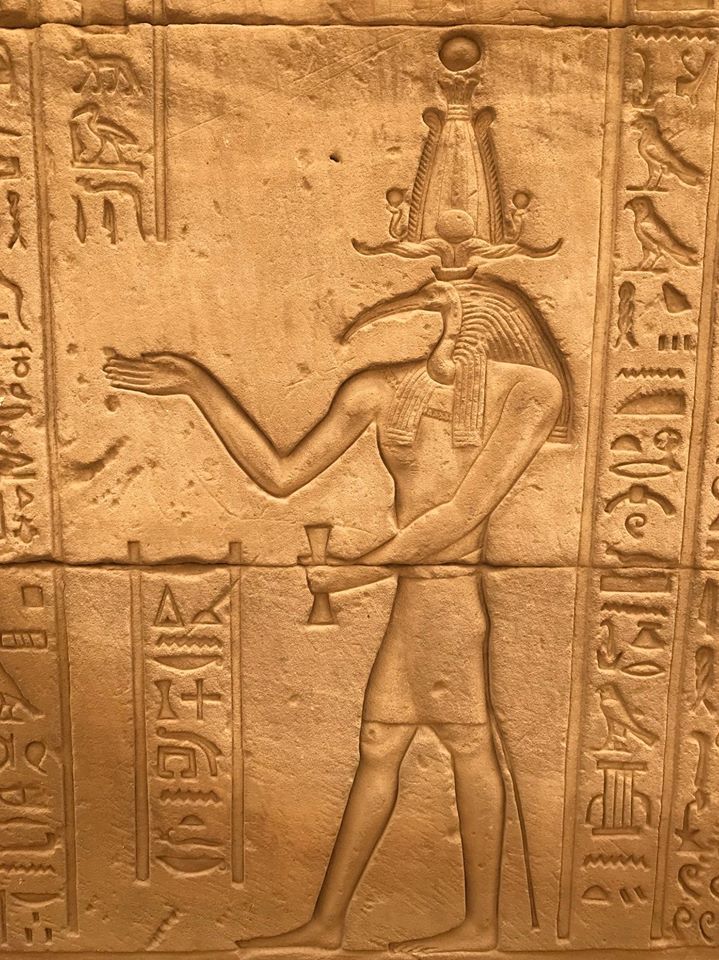
The construction of Edfu Temple took nearly two centuries, which demonstrates the scale and importance of religious architecture in ancient Egypt. Built on the site of an earlier shrine, the temple was designed to serve as a major cult center where priests performed rituals and ceremonies honoring Horus. The structure follows the traditional Egyptian temple layout, with massive entrance pylons, open courtyards, hypostyle halls, and inner sanctuaries where only high priests were allowed to enter. Its walls are covered with detailed inscriptions that describe religious rituals, myths, and historical events, providing valuable insight into the spiritual life of ancient Egyptians. Unlike many other ancient temples that have been damaged over time, Edfu Temple remained buried under sand for centuries, which helped preserve its walls, carvings, and architectural elements in remarkable condition. Today, it stands as a powerful link between the past and present, allowing visitors to explore one of the most complete examples of ancient Egyptian temple architecture.
2. The Myth of Horus and Seth
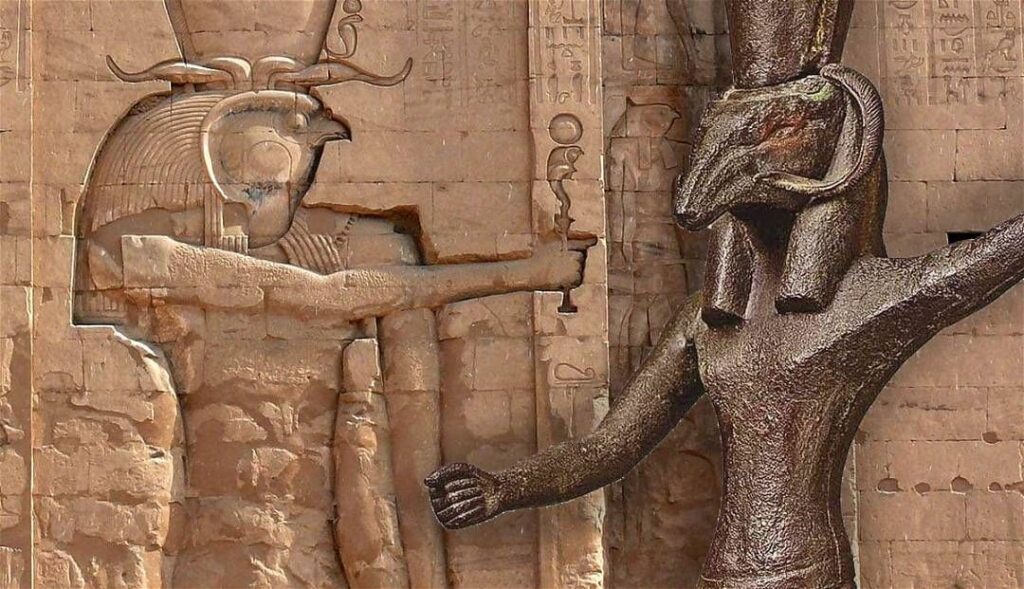
The religious importance of Edfu Temple is deeply connected to one of the most famous myths in ancient Egyptian mythology: the battle between Horus and Seth. This myth is central to understanding the spiritual meaning of the temple located in Edfu. According to legend, Seth murdered his brother Osiris and took control of Egypt, representing chaos and disorder. Osiris’s son, Horus, grew up seeking justice and eventually challenged Seth to restore balance and rightful order to the kingdom. Their battle symbolizes the eternal struggle between good and evil, order and chaos, light and darkness. Horus eventually emerged victorious, becoming the rightful ruler of Egypt and the protector of its people.
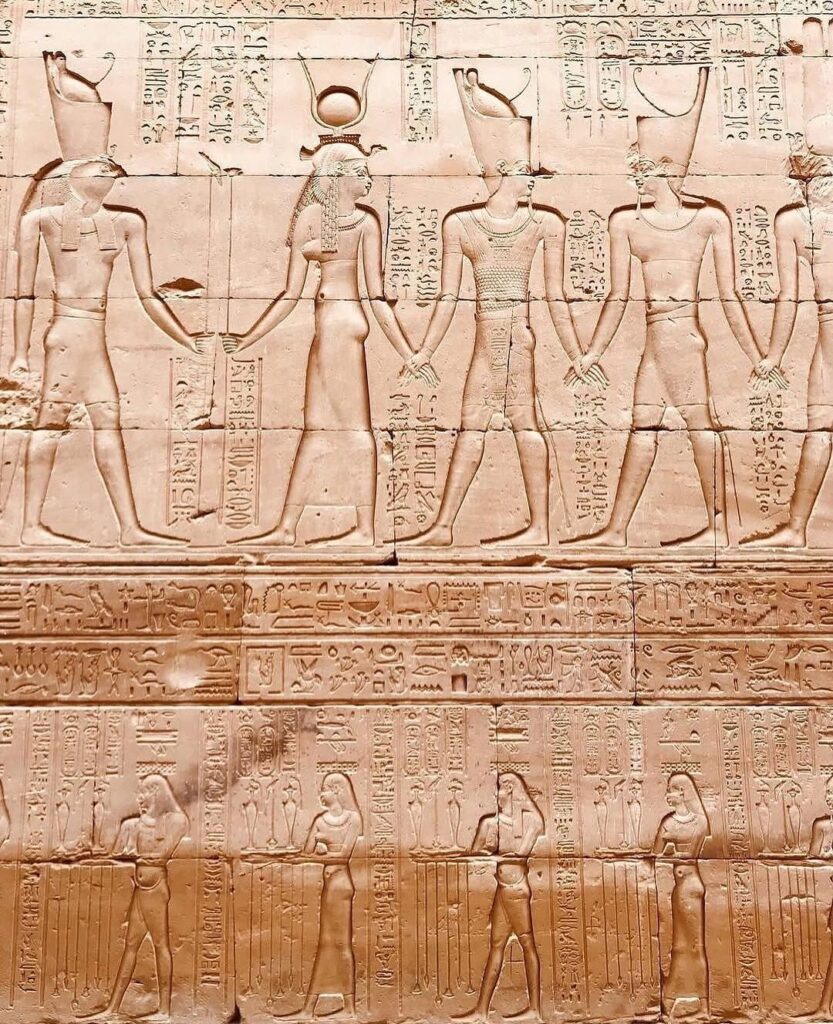
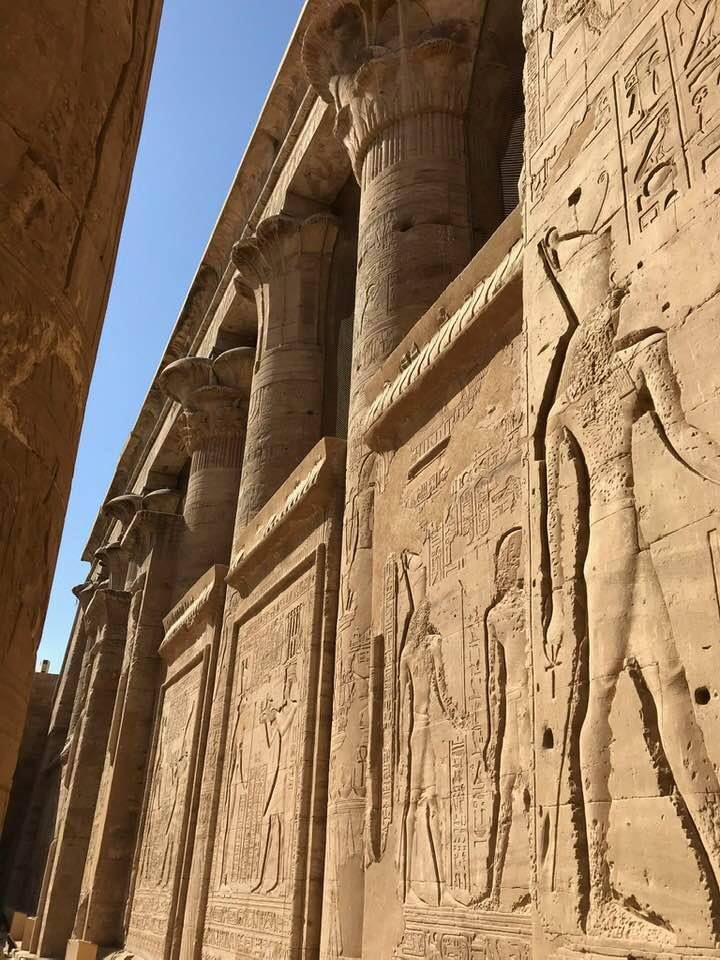
Edfu Temple was built to celebrate this victory and to honor Horus as the divine protector of kingship. The walls of the temple are covered with detailed scenes that illustrate different stages of the myth, including rituals, battles, and divine interventions. These inscriptions were not just decorative; they served a religious purpose by reinforcing the belief that the pharaoh was the living embodiment of Horus on earth. The annual festivals held at the temple re-enacted parts of this myth, allowing priests and worshippers to participate in symbolic ceremonies that strengthened the connection between gods and humans. The myth of Horus and Seth also reflects deeper philosophical ideas about justice, morality, and the balance of forces in the universe. Through its connection to this powerful story, Edfu Temple became one of the most important centers of religious life in ancient Egypt, preserving beliefs that shaped the identity of the civilization for centuries.
3. Architectural Design and Structure of Edfu Temple
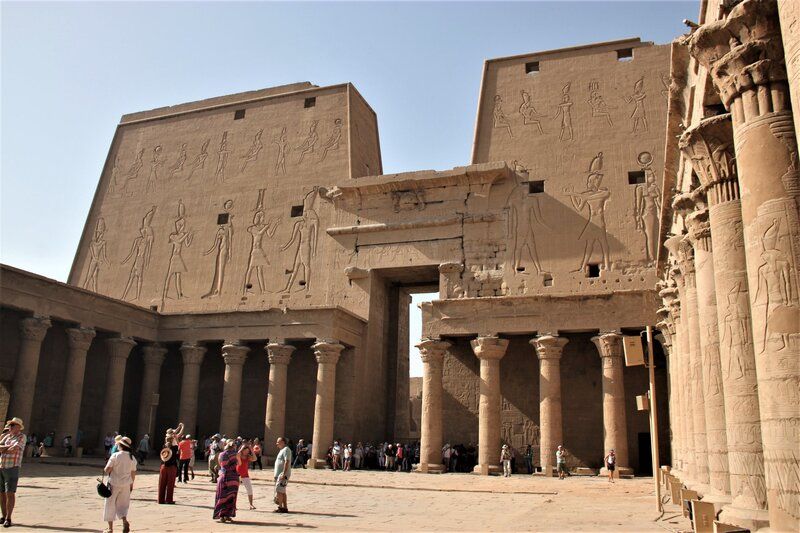
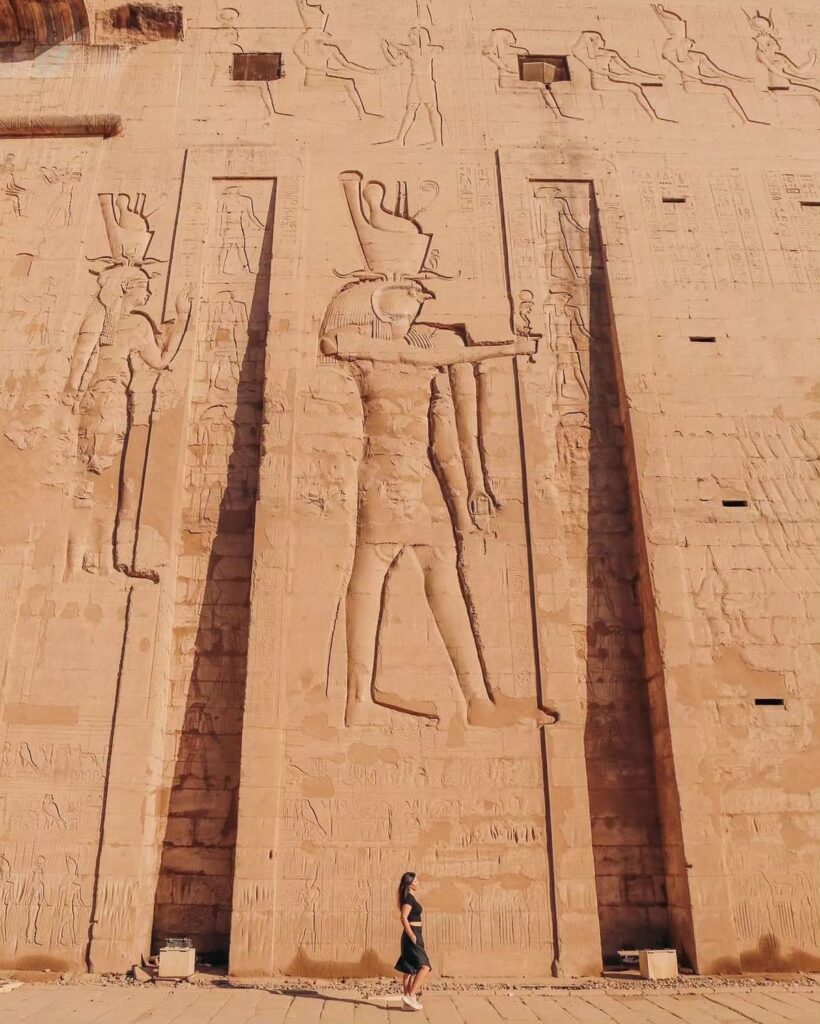
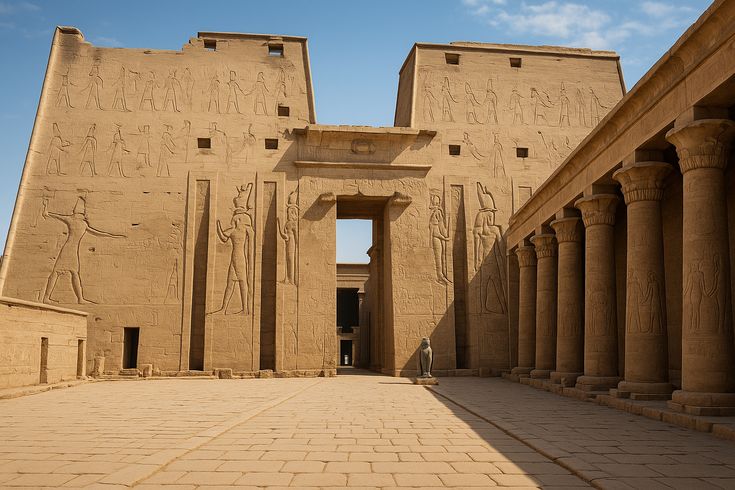
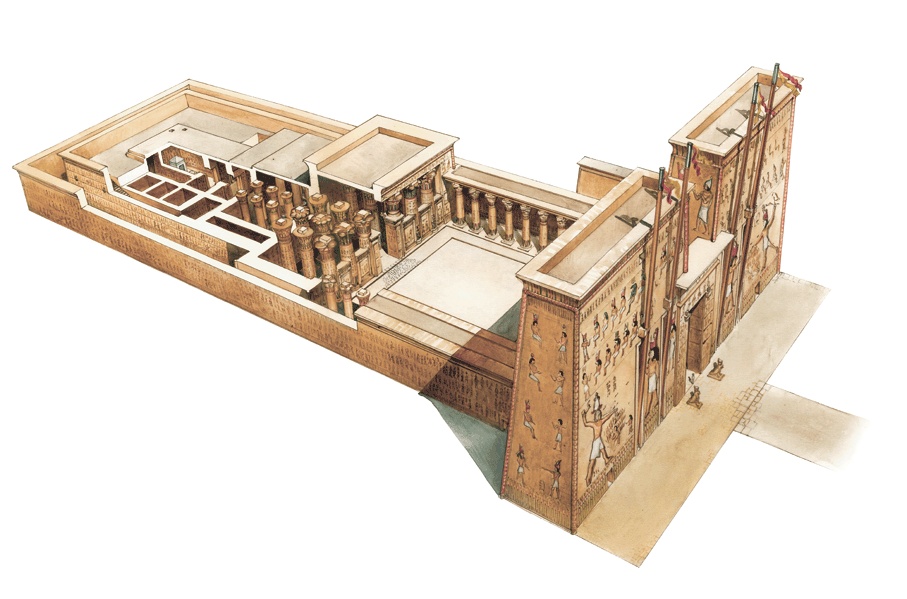
Edfu Temple in Edfu is considered one of the most perfectly preserved examples of ancient Egyptian temple architecture in Egypt, showcasing the traditional design principles that defined religious structures for thousands of years. The temple follows a symmetrical layout that guides visitors through a carefully structured sequence of spaces, each with increasing levels of sacred importance. It begins with the massive entrance pylon, one of the largest in Egypt, decorated with scenes of Horus defeating his enemies. This monumental gateway leads into a large open courtyard surrounded by columns, where public ceremonies and gatherings once took place. The courtyard then leads into the hypostyle hall, a more enclosed space filled with towering columns that create a dramatic and sacred atmosphere.
Beyond the hypostyle hall lies the inner sanctuary, the most sacred part of the temple, where the statue of Horus was once kept and where only priests were allowed to enter. This area was the spiritual heart of the temple, used for secret rituals and offerings to the god. Every wall and column inside the temple is covered with detailed carvings and hieroglyphic inscriptions that document religious rituals, myths, and historical events. The precision and clarity of these carvings make Edfu Temple an invaluable source of information for understanding ancient Egyptian religion and culture. One of the reasons the temple remains so well preserved is that it was buried under sand for centuries, protecting it from weathering and destruction. This natural preservation has allowed modern visitors to experience the temple almost exactly as it would have appeared in ancient times. The combination of grand architecture, detailed artwork, and historical significance makes Edfu Temple one of the most impressive and complete temples in all of Egypt.