
Welcome to

Lake Nasser: Egypt’s Vast Desert Reservoir and Lifeline of the South

Lake Nasser is one of the largest artificial lakes in the world and a defining feature of modern southern Egypt. It was created following the construction of the Aswan High Dam near Aswan in the 1960s, when the Nile River was intentionally regulated to control flooding, store water, and support long-term national development. Stretching deep into southern Egypt and continuing into northern Sudan, the lake transformed the geography of the region from a narrow river valley into a vast inland sea surrounded by desert landscapes. Named after former Egyptian president Gamal Abdel Nasser, the lake symbolizes a major turning point in Egypt’s modern history, representing both engineering achievement and national ambition.

Before its creation, the Nile used to flood annually, depositing fertile soil across farmlands but also causing unpredictable destruction. With the formation of Lake Nasser, Egypt gained the ability to store billions of cubic meters of water, ensuring a stable supply throughout the year. This water reserve is essential for agriculture, drinking water, and hydroelectric power generation. The lake also helped protect the country from severe droughts and water shortages, making it a critical component of Egypt’s water security system. However, its creation also led to major environmental and social changes, including the relocation of Nubian communities and the submerging of historical lands in southern Egypt.

Today, Lake Nasser is not only an engineering structure but also a unique natural and tourist destination. It is known for its peaceful desert scenery, fishing opportunities, and boat journeys that offer a completely different perspective of the Nile region. The lake is also closely connected to major archaeological landmarks such as Abu Simbel, which was saved from flooding during its creation. For visitors exploring Aswan and beyond, Lake Nasser represents the powerful intersection of nature, history, and modern engineering, making it one of the most fascinating features of Egypt’s southern landscape.

1. The Creation of Lake Nasser

Lake Nasser was formed as a direct result of building the Aswan High Dam in Egypt, near Aswan, during the 1960s. When the dam was constructed across the Nile River, it blocked the natural flow of water, causing a massive reservoir to form behind it. This reservoir gradually filled over several years, eventually becoming what is now known as Lake Nasser. The lake stretches far into southern Egypt and continues into northern Sudan, making it one of the largest artificial lakes in the world. It was named after President Gamal Abdel Nasser, who played a key role in launching the dam project as part of Egypt’s modernization efforts.

The creation of Lake Nasser was not just an engineering decision but a major transformation of the entire Nile Valley ecosystem. Engineers carefully planned the dam’s height and capacity to ensure that the lake could store enough water to regulate the river’s flow throughout the year. This helped Egypt move away from its historical dependence on unpredictable seasonal floods. As the water levels rose, vast desert areas were submerged, and new shorelines were formed, completely reshaping the geography of southern Egypt. The formation of the lake marked a turning point in the country’s relationship with the Nile, turning a natural river system into a controlled water resource managed for national development.
2. The Importance of Lake Nasser for Egypt

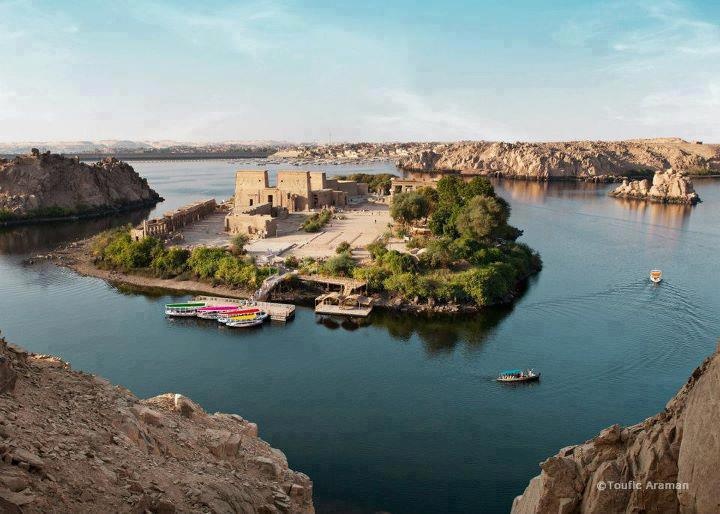
Lake Nasser plays a vital role in the development and stability of Egypt, especially in managing water resources and supporting agriculture. Located near Aswan, the lake serves as a massive water storage system that ensures a continuous supply of water throughout the year. Before its creation, Egypt depended entirely on the annual flooding of the Nile, which could be unpredictable and sometimes destructive. With the existence of Lake Nasser, the country gained control over the river’s flow, allowing water to be stored during periods of abundance and released during dry seasons. This stability significantly improved agricultural planning and food production across the Nile Valley and Delta regions.

In addition to water management, Lake Nasser is also essential for hydroelectric power generation through the Aswan High Dam. The stored water is used to generate electricity that supports homes, industries, and infrastructure throughout Egypt. This has contributed to national development and helped improve living standards for millions of people. The lake also acts as a protective barrier against extreme flooding and drought, reducing the risks that once threatened Egyptian agriculture. Beyond its practical importance, Lake Nasser has become a symbol of modern engineering success and national resilience, demonstrating how large-scale infrastructure projects can transform a country’s economy and environmental management systems.
3. Geography and Natural Environment of Lake Nasser

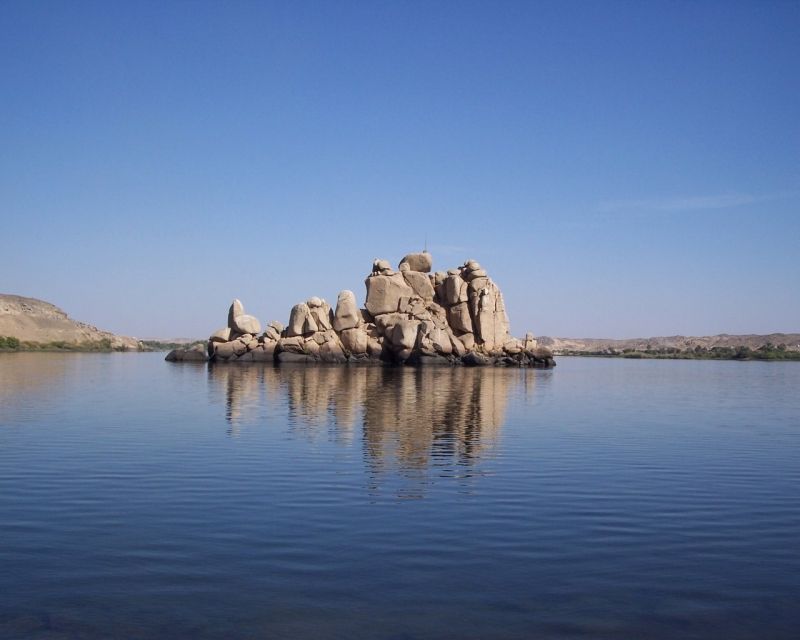
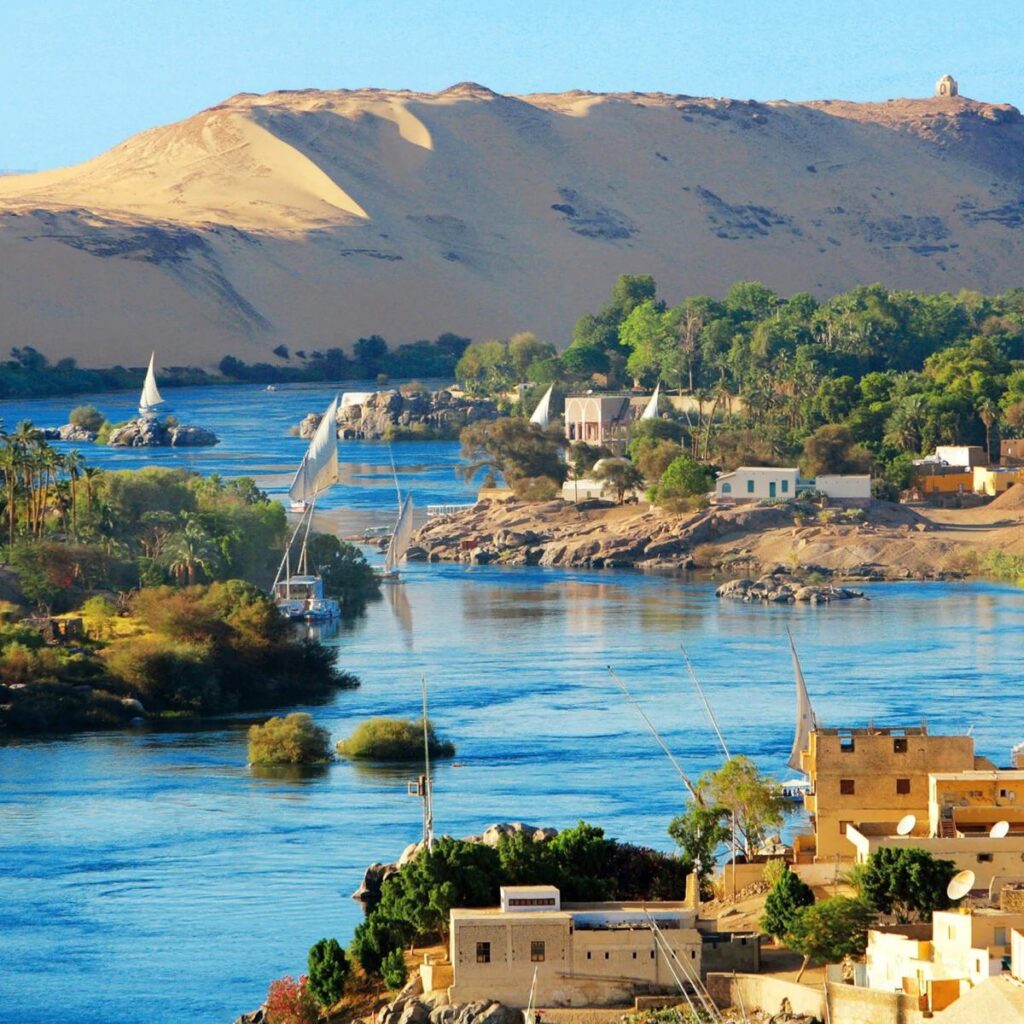
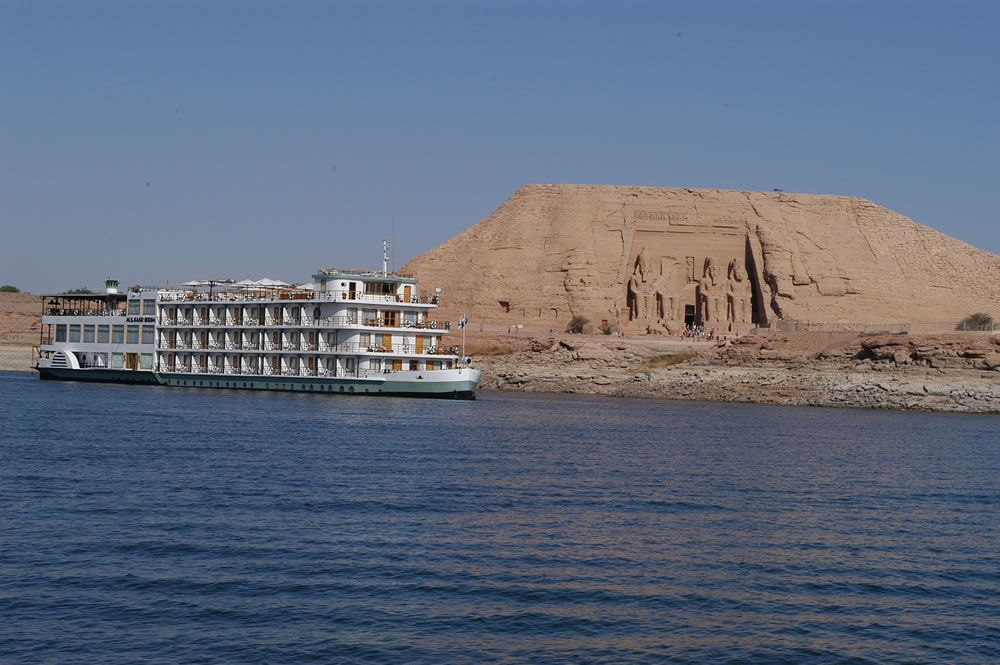
Lake Nasser extends across a vast desert region in southern Egypt, starting near Aswan and continuing deep into northern Sudan. The lake is surrounded by arid desert landscapes, creating a striking contrast between deep blue water and golden sand dunes. Its long, narrow shape follows the original path of the Nile Valley, stretching for hundreds of kilometers. The shoreline is mostly undeveloped, giving the lake a remote and peaceful atmosphere that is very different from the crowded urban areas of northern Egypt. This unique geography makes Lake Nasser one of the most visually impressive and isolated water bodies in the region.

Despite being man-made, the lake has developed its own ecosystem over time. It supports various species of fish and attracts migratory birds, especially in quieter areas along its shores. Fishing has become an important activity in the region, contributing to local livelihoods. The surrounding desert environment also adds to the lake’s natural beauty, especially during sunrise and sunset when the light reflects off the water and creates dramatic scenery. However, the hot climate and high evaporation rates remain environmental challenges that affect water levels. Even with these challenges, Lake Nasser remains a remarkable example of how human engineering and natural landscapes can combine to create a unique geographical feature that plays a major role in both ecology and national development.
4. Wildlife and Ecosystem of Lake Nasser

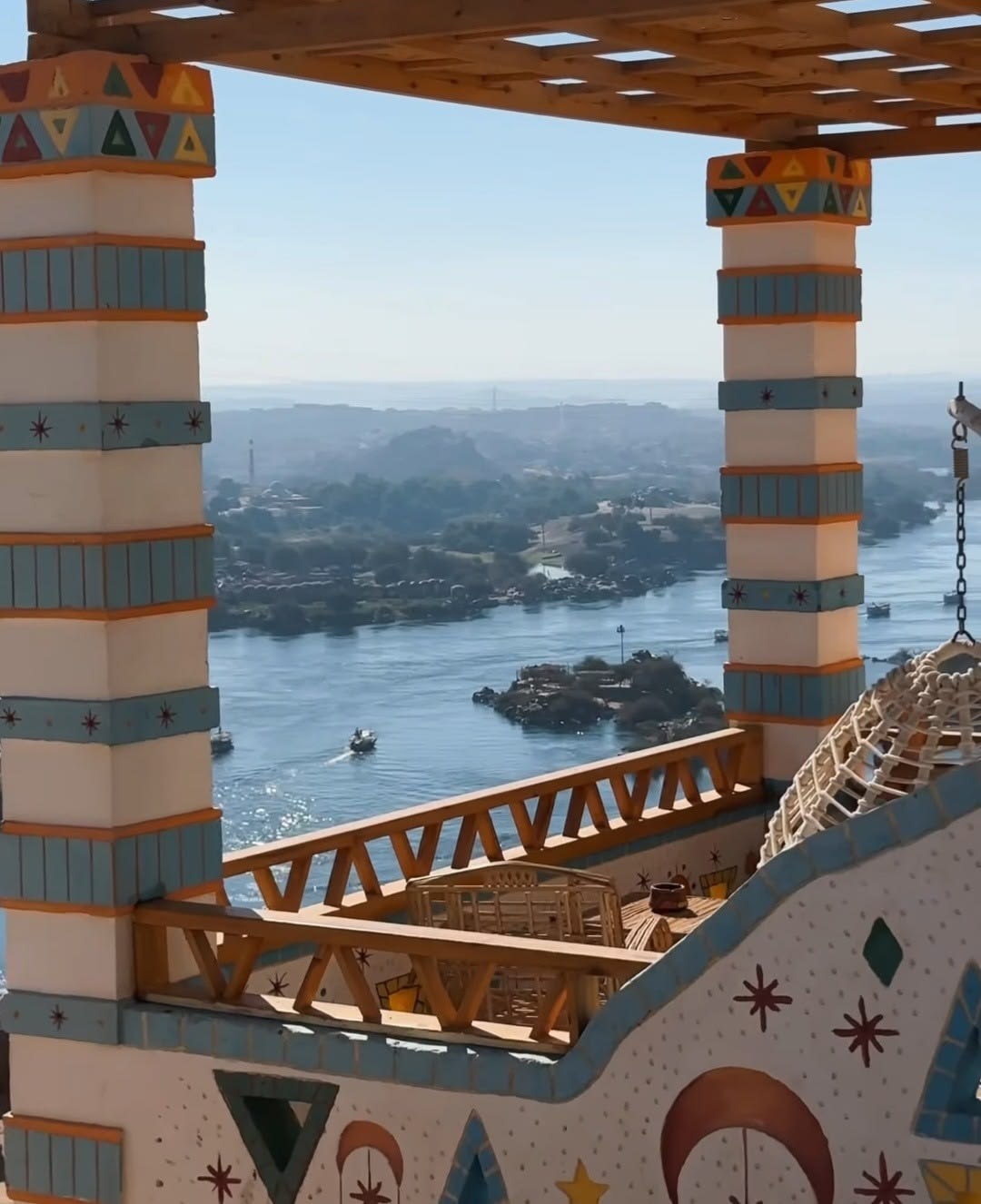
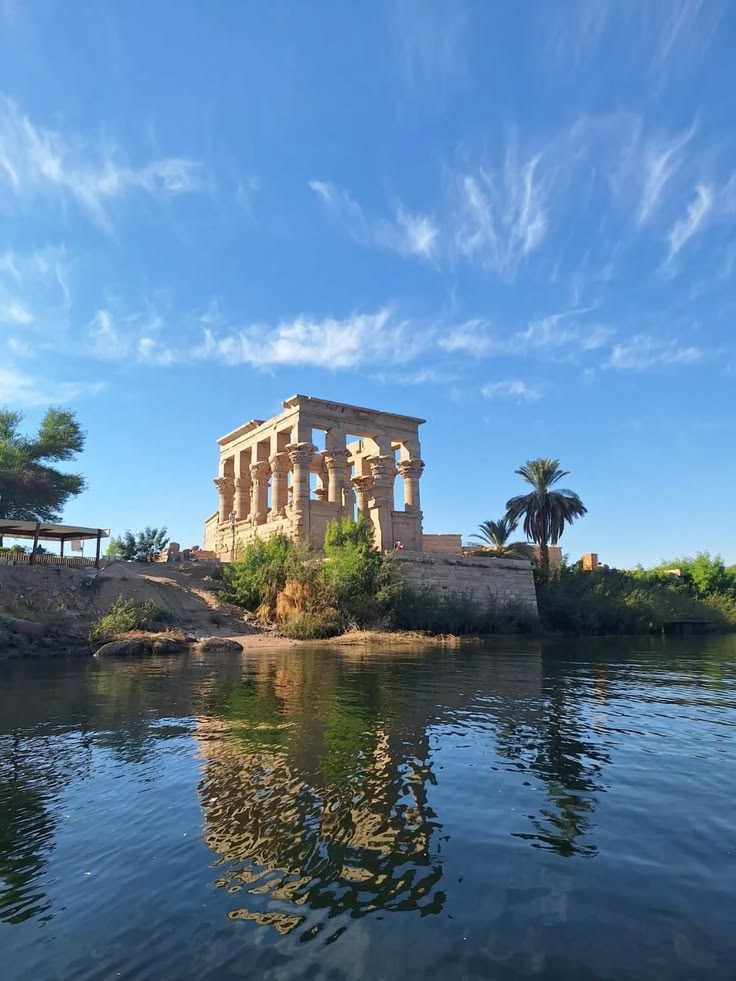
Lake Nasser in Egypt has developed into a unique ecosystem since its creation following the construction of the Aswan High Dam near Aswan. Although it is an artificial lake, over time it has become home to a variety of fish species, birds, and desert-adapted wildlife. The most important ecological development is the growth of freshwater fish populations, which support local fishing activities and contribute to the livelihoods of communities living around the lake. Species such as Nile perch and tilapia are commonly found in its waters, making the lake an important fishing zone in southern Egypt. The presence of water in an otherwise arid desert region has also created new habitats that attract birds, especially migratory species traveling between Africa and Europe.

The surrounding desert environment adds another layer of ecological contrast, where dry sand dunes meet the calm waters of the lake. This rare combination creates a fragile but fascinating ecosystem. While vegetation is limited along most of the shoreline, certain areas support shrubs and plants that have adapted to the harsh climate. The lake also provides a resting point for birds during long migration journeys, making it an important stopover in regional migration routes. However, the ecosystem faces challenges such as high evaporation rates, rising temperatures, and limited rainfall, which affect water levels and long-term environmental balance. Despite these difficulties, Lake Nasser remains one of the most important artificial ecosystems in the region, demonstrating how large human-made water bodies can gradually develop their own natural life systems.

5. Tourism and Activities at Lake Nasser

Lake Nasser has become an increasingly important destination for tourism in Egypt, especially for travelers visiting southern regions near Aswan. The lake offers a very different experience compared to traditional Nile cruises, as it provides a sense of openness, silence, and vast desert scenery. One of the most popular activities is boat cruising on the lake, where visitors can enjoy long stretches of calm water surrounded by untouched desert landscapes. These cruises often provide opportunities for fishing, photography, and relaxation away from crowded tourist areas. The peaceful environment makes Lake Nasser an ideal destination for travelers seeking nature-based experiences in Egypt.

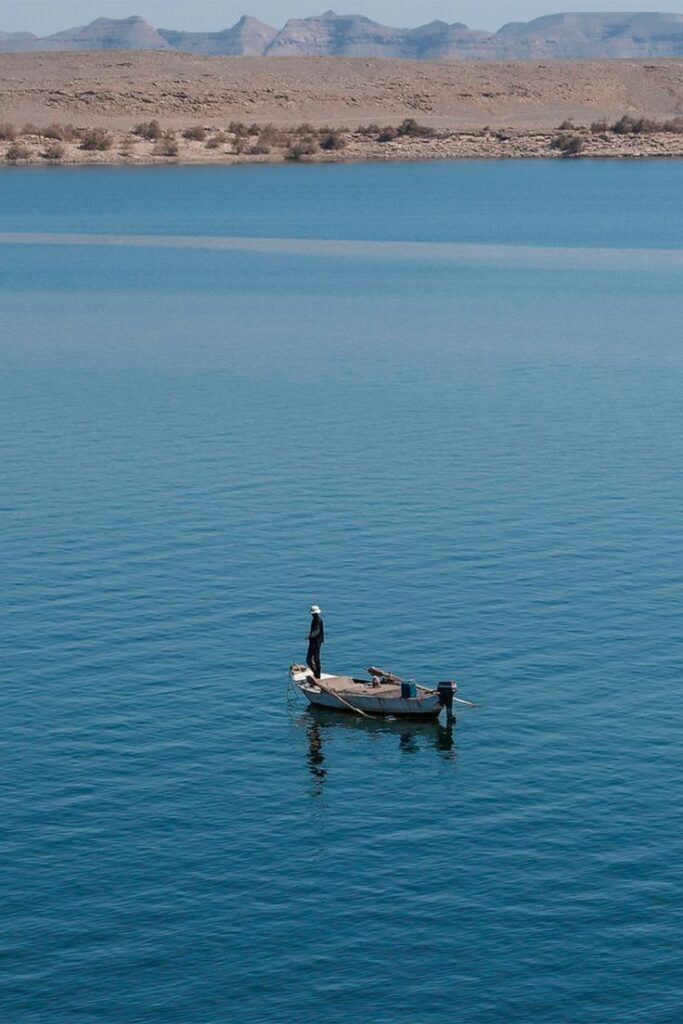
Fishing is another important activity at Lake Nasser, attracting both local fishermen and international enthusiasts. The lake is known for its large freshwater fish, which make it a rewarding location for sport fishing. In addition, some tours include visits to archaeological and historical sites along the lake’s shores, offering a combination of nature and history. One of the most famous nearby attractions is Abu Simbel Temples, which was relocated to higher ground to avoid flooding caused by the lake. This connection between tourism, history, and engineering makes the region especially unique. Overall, Lake Nasser tourism is characterized by tranquility, wide landscapes, and a strong sense of isolation, making it a special destination for those exploring the deeper south of Egypt.

6. Historical and Engineering Significance of Lake Nasser

Lake Nasser holds great historical and engineering importance as one of the largest artificial lakes in the world, created as part of the Aswan High Dam project in Egypt. Located near Aswan, the lake represents a major milestone in modern infrastructure development and water management. Its creation marked a turning point in Egypt’s ability to control the Nile River, transforming it from a naturally flooding system into a regulated water resource. This engineering achievement allowed the country to store vast amounts of water, generate hydroelectric power, and support agricultural expansion, making it one of the most important development projects in modern Egyptian history.

The construction of Lake Nasser also involved significant international cooperation and advanced engineering techniques for its time. The design of the Aswan High Dam required precise calculations to ensure that the lake could safely hold enormous volumes of water without threatening surrounding regions. The project also led to one of the largest archaeological rescue operations in history, as rising waters threatened ancient monuments in southern Egypt. Famous sites such as Abu Simbel Temples were carefully relocated to higher ground to preserve them for future generations. Today, Lake Nasser stands not only as a functional water reservoir but also as a symbol of human engineering ability and the complex relationship between technological progress, environmental change, and cultural preservation.

7. The Social Impact of Lake Nasser on Local Communities

The creation of Lake Nasser in Egypt brought major social changes for communities living near Aswan and along the southern Nile Valley. Before the lake existed, many villages and settlements were located directly along the Nile, where people depended on farming, fishing, and river trade for their livelihoods. When the Aswan High Dam was built and the water level rose to form Lake Nasser, several of these communities were relocated to new areas. This relocation was one of the most significant population movements in modern Egyptian history, as entire families had to leave their ancestral lands and adapt to new environments. While the dam brought national benefits such as improved irrigation and electricity, the social impact on displaced communities was deeply felt and remains an important part of local history.

Over time, new settlements were developed, and many communities adapted to their new surroundings. Some people shifted from traditional agriculture to fishing and tourism-related work around the lake. The government also introduced development programs to support housing, education, and infrastructure for relocated families. Despite these efforts, the cultural and emotional connection to the original Nubian homeland remains strong among many residents. Today, Lake Nasser is not only a symbol of national progress but also a reminder of the human cost of large-scale development projects. It reflects the balance between modernization and preserving cultural identity in a rapidly changing world.

8. The Role of Lake Nasser in Egypt’s Water Security

Lake Nasser plays a crucial role in ensuring water security for Egypt, especially in regions surrounding Aswan and along the Nile Valley. As one of the largest water storage systems in the world, the lake allows Egypt to manage the flow of the Nile River throughout the year. This is especially important because the country relies almost entirely on the Nile for drinking water, agriculture, and industry. Before the construction of the Aswan High Dam, Egypt faced serious challenges due to unpredictable flooding and droughts. With the existence of Lake Nasser, water can now be stored during periods of abundance and released during dry seasons, ensuring a stable and controlled supply for millions of people.

The lake also plays an important role in protecting Egypt from water-related crises. During years of low rainfall in the Nile Basin, stored water in Lake Nasser helps prevent shortages that could affect agriculture and food production. It also supports irrigation projects that have expanded farmland and increased crop yields across the country. In addition, the reservoir helps regulate the timing and intensity of water flow, reducing the risk of destructive floods downstream. However, challenges such as evaporation and climate change continue to affect long-term water availability. Despite these issues, Lake Nasser remains one of the most important components of Egypt’s water management system and a key factor in the country’s ability to sustain its population and economy.

9. Lake Nasser as a Tourism and Cultural Destination

Lake Nasser has become an increasingly important tourism destination in Egypt, offering visitors a unique experience near Aswan that combines natural beauty, history, and tranquility. Unlike traditional Nile cruises, which focus on ancient temples and cities, Lake Nasser provides a more remote and peaceful environment. The vast open waters surrounded by desert landscapes create a dramatic and quiet atmosphere that appeals to travelers seeking relaxation and isolation. Boat cruises on the lake allow visitors to explore its long shoreline, enjoy fishing activities, and experience breathtaking sunrises and sunsets over the desert horizon.

The lake is also closely connected to some of Egypt’s most important archaeological landmarks. One of the most famous nearby sites is Abu Simbel Temples, which was relocated to higher ground to protect it from rising waters. This connection between engineering, history, and tourism makes the region especially unique. Some tours combine visits to the temples with cruises on Lake Nasser, offering a complete cultural experience. The peaceful environment of the lake also attracts photographers and nature lovers who appreciate its untouched scenery and wildlife. Today, Lake Nasser represents not only an engineering achievement but also a growing tourism hub that highlights the beauty and serenity of southern Egypt while preserving its deep historical significance.

10. Lake Nasser and Environmental Balance

Lake Nasser in Egypt plays an important role in shaping the environmental balance of the region around Aswan, but it also created new ecological challenges. When the lake was formed after the construction of the Aswan High Dam, it transformed a vast desert valley into a massive body of freshwater. This change significantly affected natural water flow, sediment movement, and soil fertility downstream. One of the major environmental impacts was the reduction of nutrient-rich silt that used to be carried by the Nile River during annual floods. This silt once naturally fertilized agricultural land, but after the dam’s construction, farmers became more dependent on artificial fertilizers to maintain crop productivity. This shift changed traditional farming practices across Egypt and altered the natural cycle of the river.

At the same time, Lake Nasser created new ecological opportunities. The introduction of a large freshwater ecosystem in a desert environment allowed new fish populations and bird species to develop in the region. Migratory birds began using the lake as a resting point during long journeys, and fishing activities expanded in southern Egypt. However, environmental challenges remain, including high evaporation rates due to intense heat and limited rainfall in the desert region. These factors reduce water levels over time and require careful management to ensure sustainability. Despite these challenges, Lake Nasser continues to play a vital role in balancing human needs with environmental conditions, making it one of the most significant examples of large-scale environmental transformation in modern history.

11. Engineering Legacy of Lake Nasser

The engineering behind Lake Nasser is one of the most impressive achievements in modern infrastructure within Egypt. Created through the construction of the Aswan High Dam near Aswan, the lake represents a carefully planned solution to long-standing challenges related to water management, flooding, and energy production. Engineers designed the system to capture and store the annual flow of the Nile River, turning seasonal floodwaters into a controlled and usable resource. This required advanced planning, geological studies, and large-scale construction techniques that were highly innovative for the time. The result was a stable reservoir capable of supporting agriculture, electricity generation, and national water security.

One of the most important engineering achievements associated with Lake Nasser is its integration with the hydroelectric system of the Aswan High Dam. The stored water is released through turbines that generate electricity for millions of people across Egypt, making the lake a key component of the national power grid. The scale of the reservoir also required careful planning to ensure structural safety, especially considering the extreme desert conditions and high evaporation rates. International cooperation played a role in the project’s success, highlighting its global significance. Today, Lake Nasser is studied by engineers and researchers worldwide as a model of large-scale water management. Its design demonstrates how human innovation can reshape natural systems to meet the needs of modern societies while balancing technical, environmental, and economic factors.

12. Lake Nasser Today: A Symbol of Modern Egypt

Today, Lake Nasser remains one of the most important landmarks in Egypt and continues to define the landscape of southern regions near Aswan. It is not only a functional reservoir but also a powerful symbol of modern Egyptian development and national ambition. The lake represents a turning point in the country’s history when large-scale engineering projects began to reshape natural resources for long-term economic and social benefits. It continues to provide water storage, irrigation support, and hydroelectric power, all of which are essential for sustaining Egypt’s growing population and agricultural needs. Its presence has also helped stabilize the Nile’s flow, reducing the risks of drought and flooding that once threatened communities along the river.

Beyond its practical role, Lake Nasser has also become a destination that reflects the beauty and diversity of southern Egypt. Its vast desert surroundings, calm waters, and connection to historical sites such as Abu Simbel Temples make it a unique blend of nature, history, and engineering. Visitors today experience a landscape that feels both ancient and modern at the same time, where human innovation has created a new natural environment in the heart of the desert. For Egypt, Lake Nasser stands as a lasting legacy of progress, demonstrating how the country transformed one of the world’s most important rivers into a managed resource that continues to support life, culture, and development across generations.

Lake Nasser : Frequently Asked Questions

Lake Nasser is located in southern Egypt near Aswan, and it extends southward into northern Sudan along the Nile River.

Lake Nasser was formed after the construction of the Aswan High Dam when the Nile River was blocked, causing water to accumulate and create a massive artificial reservoir.

It is crucial for Egypt because it stores Nile water, supports irrigation, generates hydroelectric power, and helps protect the country from floods and droughts.

Yes, tourists can visit Lake Nasser through boat cruises, fishing trips, and tours that often include nearby sites such as Abu Simbel Temples.

It is one of the largest artificial lakes in the world, surrounded by desert landscapes, and it plays a key role in Egypt’s water system while also supporting wildlife and tourism.