
Welcome to

Aswan High Dam: Egypt’s Monument of Modern Engineering and National Progress

The Aswan High Dam stands as one of the most significant modern engineering achievements in Egypt and remains a powerful symbol of national ambition, technological progress, and control over the mighty Nile River. Located near Aswan in southern Egypt, this massive structure forever changed the relationship between the Egyptian people and the Nile, the river that has sustained civilization in the region for thousands of years. Before the construction of the dam, Egypt depended heavily on the annual flooding of the Nile to irrigate farmland and support agriculture. Although these floods brought fertile soil, they were often unpredictable, causing devastating droughts in some years and destructive flooding in others. The construction of the Aswan High Dam in the 1960s transformed this situation by regulating the flow of the Nile, storing vast amounts of water, generating hydroelectric power, and supporting economic development across the country.

Beyond its practical importance, the Aswan High Dam became a symbol of modern Egyptian identity and independence during a critical period of national transformation. The project represented the country’s determination to modernize its infrastructure and improve the quality of life for millions of Egyptians. Stretching across the Nile with enormous scale and strength, the dam created Lake Nasser, one of the largest man-made lakes in the world, dramatically reshaping the geography of southern Egypt and northern Sudan. Today, the dam continues to provide electricity, support irrigation systems, and protect Egypt from dangerous floods and water shortages. For travelers visiting Aswan, the site offers more than just a view of a giant engineering structure; it provides insight into the modern history of Egypt and the continuing importance of the Nile in shaping the nation’s future. Standing atop the dam, visitors can witness the contrast between the flowing river to the north and the vast waters of Lake Nasser stretching endlessly toward the south, creating one of the most impressive and historically important landscapes in Egypt.

1. The History Behind the Construction of the Aswan High Dam

The construction of the Aswan High Dam marked one of the most ambitious national projects in the modern history of Egypt. Before the dam was built, the Egyptian people relied heavily on the annual flooding of the Nile River to irrigate farmland and sustain agriculture across the country. While these floods brought fertile soil that supported farming for thousands of years, they were also unpredictable and often dangerous. Some years produced severe floods that destroyed villages and crops, while other years brought droughts that caused food shortages and economic hardship. By the middle of the twentieth century, Egypt’s growing population and increasing agricultural demands made it clear that better control of the Nile was necessary for the country’s future development. As a result, the Egyptian government launched plans to build a massive dam near Aswan to regulate the river’s flow, store water, and generate electricity for millions of people.

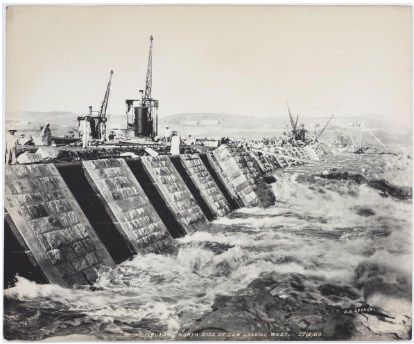
Construction of the Aswan High Dam officially began in 1960 during the presidency of Gamal Abdel Nasser, whose vision for modernization and economic independence made the project a national priority. Thousands of engineers, workers, and technicians participated in the enormous effort to complete the dam, which required moving millions of tons of rock and earth. International cooperation also played an important role, particularly with Soviet engineering and financial assistance during the Cold War era. After years of intense labor and planning, the dam was officially completed in 1970, becoming one of the largest embankment dams in the world at that time. The project not only transformed Egypt’s agricultural system but also became a symbol of national pride and technological achievement. Today, the history of the Aswan High Dam represents far more than construction alone; it reflects Egypt’s determination to modernize its economy, secure its water resources, and shape its own future through large-scale engineering and infrastructure development.
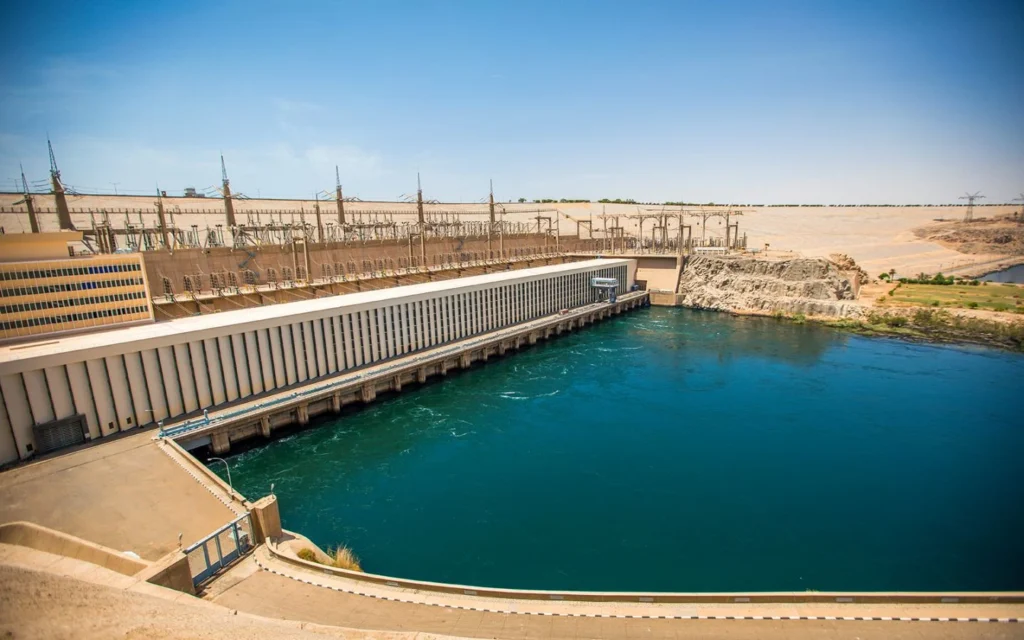
The Aswan High Dam and Lake Nasser

2. The Importance of the Aswan High Dam for Egypt’s Economy

The Aswan High Dam has played a critical role in transforming the economy of Egypt since its completion in the twentieth century. One of the dam’s most important achievements has been its ability to control the waters of the Nile River and provide a stable supply of water throughout the year. Before the construction of the dam, Egyptian agriculture depended entirely on seasonal flooding, which created uncertainty for farmers and limited agricultural productivity. By regulating the river’s flow and storing enormous quantities of water in Lake Nasser, the dam made it possible to expand irrigation systems across the country and support year-round farming. This allowed Egypt to increase food production, cultivate more land, and improve agricultural stability for millions of people living along the Nile Valley. The ability to manage water resources more effectively became especially important as Egypt’s population continued to grow rapidly during the modern era.

In addition to supporting agriculture, the Aswan High Dam became one of the country’s main sources of hydroelectric power. The electricity generated by the dam helped bring energy to cities, villages, factories, and industries across Egypt, contributing significantly to economic development and modernization. At the time of its construction, the hydroelectric station represented a major technological achievement that improved living standards and supported industrial growth throughout the country. The dam also reduced the risk of destructive floods and protected Egypt during periods of drought by storing water for future use. Although debates continue regarding the environmental impact of the dam, its economic importance remains undeniable. Today, the Aswan High Dam continues to support irrigation, electricity production, and water management systems that are essential to the daily lives of millions of Egyptians. For visitors exploring Aswan, the site represents not only an engineering achievement but also a symbol of how infrastructure projects can shape the economy, society, and future of an entire nation.
Aswan

3. Visiting the Aswan High Dam Today

Today, the Aswan High Dam remains one of the most important tourist attractions in Aswan and offers visitors a fascinating look into the modern history and engineering achievements of Egypt. Unlike ancient temples and archaeological monuments that focus on Egypt’s distant past, the dam represents the country’s modern transformation and its efforts to control and utilize the Nile River for national development. Visitors standing on top of the dam can enjoy breathtaking panoramic views of the surrounding landscape, where the flowing Nile River stretches northward while the vast waters of Lake Nasser extend endlessly toward the south. This dramatic contrast between river and reservoir creates one of the most impressive views in southern Egypt and highlights the enormous scale of the project. The site also provides travelers with a deeper understanding of how engineering and water management continue to shape life in Egypt today.

Many travelers visit the Aswan High Dam as part of a larger sightseeing tour that often includes nearby attractions such as Philae Temple and the Unfinished Obelisk. Local guides usually explain the history of the dam, the reasons behind its construction, and the impact it had on agriculture, electricity production, and daily life across the country. The site is particularly interesting for travelers who enjoy engineering, history, and geography because it demonstrates how modern technology transformed one of the world’s oldest civilizations. Early morning and late afternoon visits are recommended due to the strong desert sun during midday hours. Visitors are encouraged to bring water, sunglasses, and cameras to fully enjoy the experience and capture the impressive scenery surrounding the dam. Exploring the Aswan High Dam allows travelers to connect not only with ancient Egypt but also with the modern story of a nation that continues to rely on the Nile River as the lifeblood of its economy, culture, and future development.

4. Lake Nasser: The Massive Reservoir Created by the Aswan High Dam

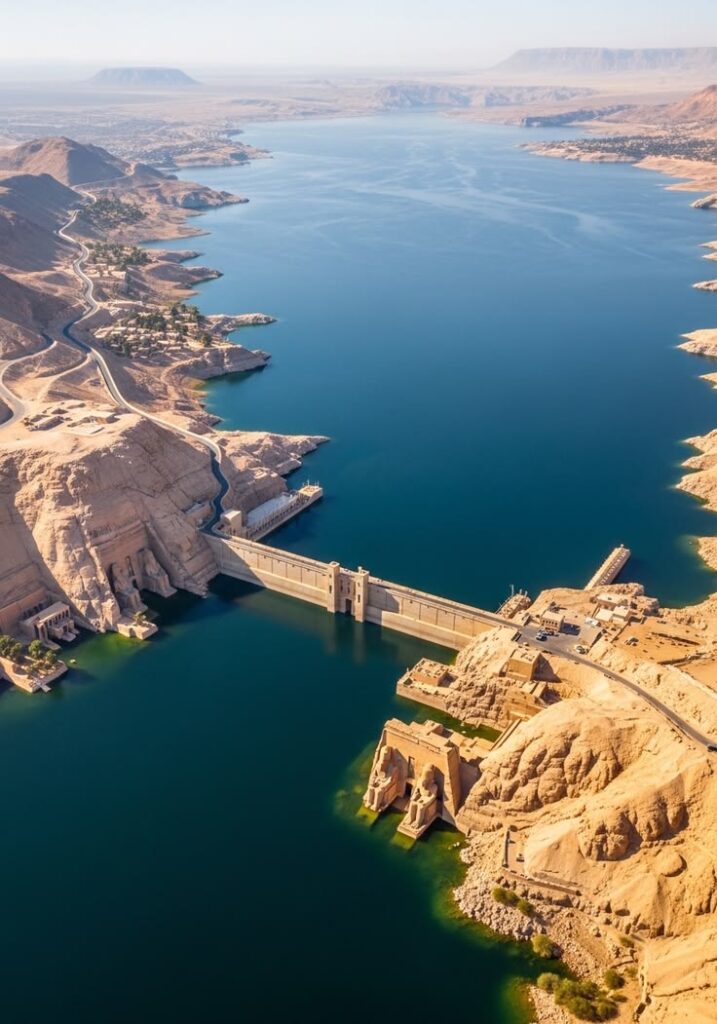
One of the most remarkable results of constructing the Aswan High Dam was the creation of Lake Nasser, one of the largest man-made lakes in the world and one of the most important water reservoirs in Egypt. Stretching for hundreds of kilometers across southern Egypt and into northern Sudan, the lake dramatically transformed the geography of the region and became a vital source of water storage for the country. Named after President Gamal Abdel Nasser, who led the dam project during the 1960s, Lake Nasser was designed to collect excess Nile water during periods of flooding and preserve it for times of drought. This enormous reservoir allows Egypt to regulate its water supply more efficiently throughout the year, helping to support agriculture, drinking water systems, and economic stability for millions of people living along the Nile Valley. The scale of the lake is truly impressive, with vast blue waters extending across the desert landscape and creating a striking contrast against the golden sands of southern Egypt.

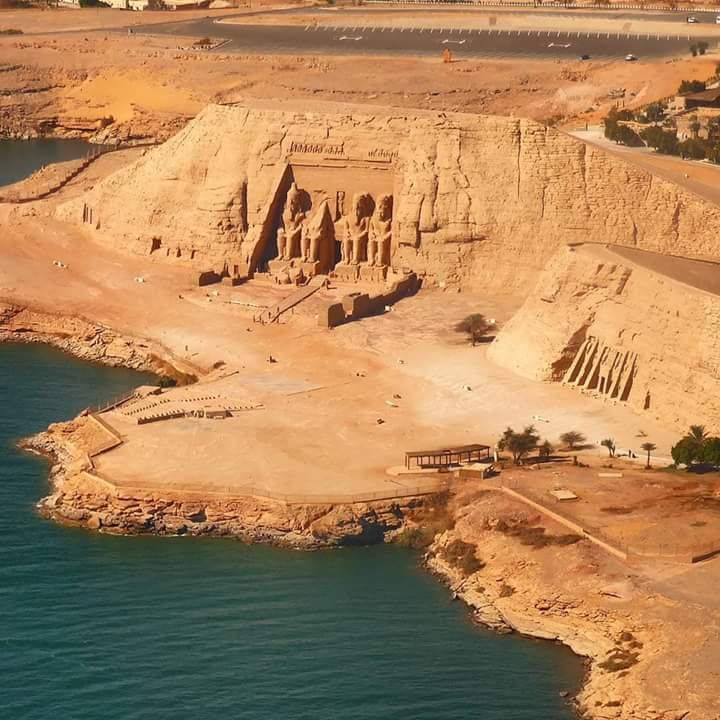
Beyond its practical importance, Lake Nasser also became an important environmental and cultural region connected to the history of Nubia and the ancient monuments of southern Egypt. The creation of the reservoir required the relocation of many Nubian communities as rising waters covered traditional villages and historical lands. It also led to one of the largest international archaeological rescue operations in history, during which monuments such as Abu Simbel Temples and Philae Temple were carefully moved to higher ground to protect them from flooding. Today, Lake Nasser is also known for fishing, tourism, and scenic boat cruises that allow travelers to experience the peaceful beauty of the southern Nile region. For visitors exploring the Aswan High Dam, understanding the importance of Lake Nasser adds a deeper appreciation for the enormous environmental, economic, and historical impact of the project. The lake stands as a lasting symbol of modern engineering, national ambition, and humanity’s ability to reshape natural landscapes on a monumental scale.

5. The Engineering Design of the Aswan High Dam

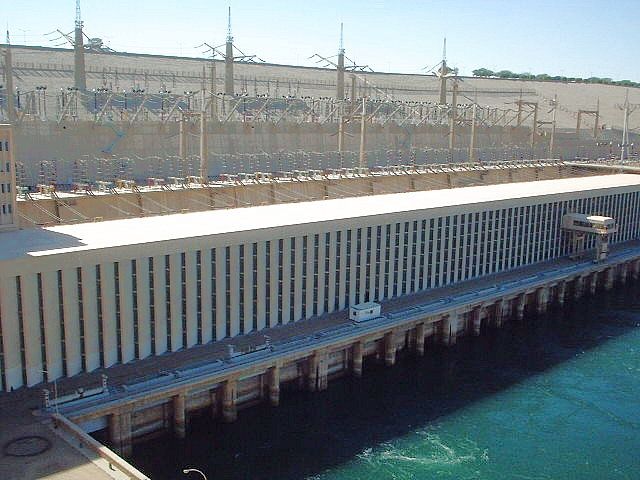
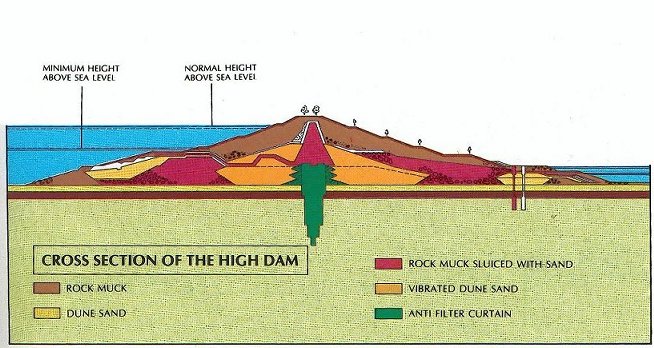
The Aswan High Dam is considered one of the greatest engineering achievements of the twentieth century because of its enormous size, technical complexity, and long-term impact on Egypt. Built across the Nile River near Aswan, the dam was carefully designed to withstand massive water pressure while controlling the annual flow of the river. The structure stretches for several kilometers and was constructed using millions of tons of rock, granite, sand, and clay. Engineers designed the dam as a large embankment structure with a wide base that could safely support the enormous weight of Lake Nasser behind it. The project required advanced planning, geological studies, and the coordination of thousands of workers and engineers over many years. At the time of its completion, the dam became one of the largest embankment dams ever built in the world and represented a major technological accomplishment for modern Egypt.

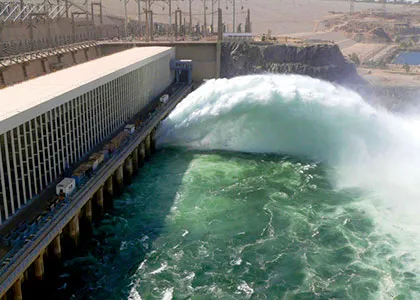
One of the most important features of the Aswan High Dam is its hydroelectric power station, which uses the force of flowing water to generate electricity for millions of people. Massive turbines inside the dam convert the movement of water into electrical energy that powers homes, factories, and infrastructure across the country. The design also includes spillways and water control systems that help regulate the Nile during periods of heavy flooding or drought. Engineers had to ensure that the dam could operate safely under different environmental conditions while protecting nearby communities and agricultural land. Today, the structure continues to function as a critical part of Egypt’s water and energy management systems. For visitors touring the site, the scale of the engineering project is immediately visible, especially when standing on top of the dam overlooking the vast waters of Lake Nasser. The Aswan High Dam remains not only a symbol of modern infrastructure but also a lasting example of how engineering can transform an entire nation’s economy, agriculture, and relationship with nature.

6. The Impact of the Aswan High Dam on Nubian Communities

The construction of the Aswan High Dam brought enormous benefits to Egypt, but it also created major social and cultural changes, especially for the Nubian communities living in southern Egypt and northern Sudan. Before the dam was built, thousands of Nubian families lived in villages along the Nile River in areas that would later become flooded by the waters of Lake Nasser. These communities had deep historical roots in the region, with unique traditions, architecture, language, music, and cultural identity connected closely to the Nile and the surrounding landscape. When the reservoir began to fill after the completion of the dam, many villages disappeared beneath the rising waters, forcing entire communities to relocate to new settlements away from their ancestral lands. This relocation represented one of the most significant social consequences of the dam project and remains an emotional chapter in modern Nubian history.

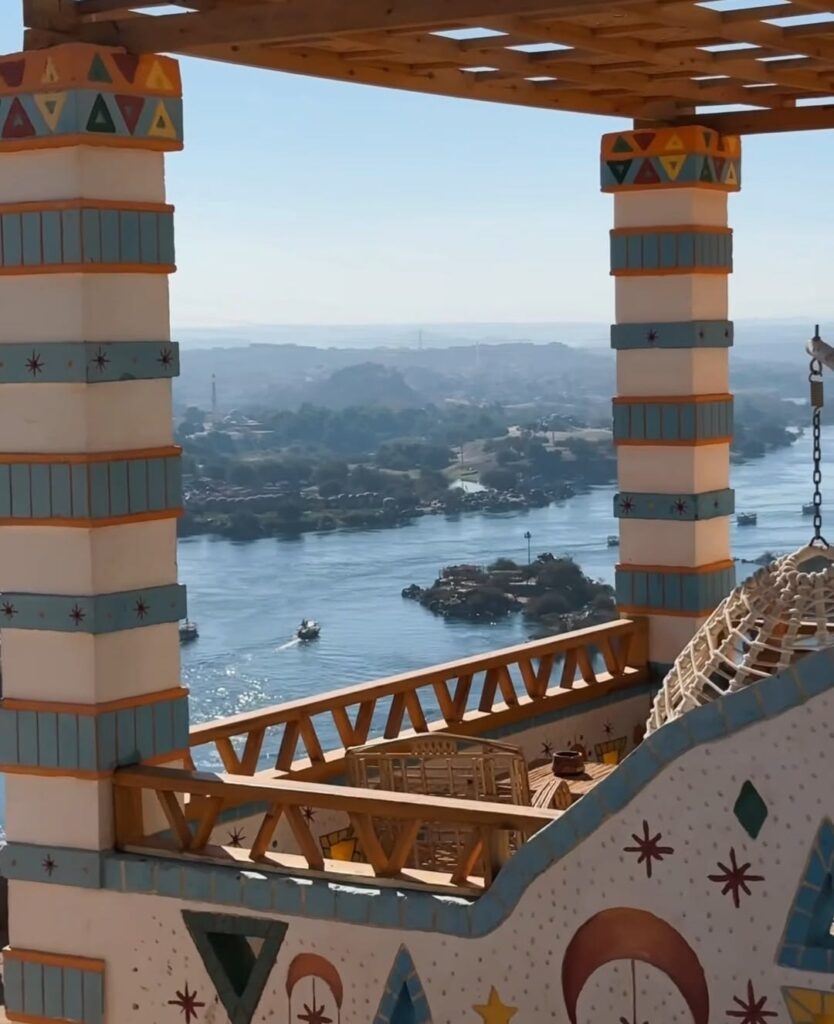
Despite these challenges, Nubian culture continues to survive and thrive in modern Egypt. Many relocated communities near Aswan have preserved their traditions through colorful village life, music, dance, traditional crafts, and hospitality. Visitors exploring Aswan today often combine tours of the High Dam with visits to Nubian villages to better understand both the achievements and the human impact of the project. The story of Nubian relocation also increased international awareness about the importance of preserving cultural heritage during large infrastructure projects. At the same time, the construction of the dam led to the rescue of many important archaeological sites threatened by flooding, including famous temples such as Abu Simbel Temples. Understanding the experiences of Nubian communities adds important emotional and cultural depth to any visit to the Aswan High Dam. It reminds travelers that large engineering achievements often shape not only landscapes and economies but also the lives, memories, and identities of the people connected to those places for generations.

7. The Aswan High Dam as a Modern Tourist Attraction

Today, the Aswan High Dam remains one of the most visited modern landmarks in Aswan and offers travelers a completely different perspective on Egyptian history compared to the country’s ancient temples and pyramids. While many tourists come to Egypt to explore pharaonic monuments, the High Dam introduces visitors to the modern era of national development, engineering, and infrastructure. Standing on top of the dam, travelers can witness breathtaking views of the Nile River flowing northward and the immense waters of Lake Nasser stretching far into the desert landscape. This contrast between river, reservoir, and desert creates one of the most dramatic panoramas in southern Egypt and highlights the enormous scale of the project. The site also provides an opportunity to understand how modern engineering changed the relationship between Egypt and the Nile, the river that has shaped civilization in the region for thousands of years.

Visitors touring the dam often learn about its construction history, hydroelectric systems, water management functions, and economic importance through local guides and informational displays. The site appeals not only to history enthusiasts but also to travelers interested in engineering, geography, environmental studies, and modern political history. Many tours combine the High Dam with nearby attractions such as Philae Temple and the Unfinished Obelisk, creating a balanced experience that connects ancient and modern Egypt in a single day. Early morning or late afternoon visits are especially popular because temperatures are cooler and the lighting creates beautiful views across the surrounding landscape. For photographers, the location offers unique opportunities to capture the immense scale of the dam against the calm blue waters of Lake Nasser. Visiting the Aswan High Dam allows travelers to appreciate how modern engineering and historical geography continue to shape Egypt’s future while remaining deeply connected to the timeless importance of the Nile River.

8. Environmental Effects of the Aswan High Dam

The construction of the Aswan High Dam had a major environmental impact on Egypt and permanently changed the natural behavior of the Nile River. Before the dam was built, the Nile flooded annually, spreading fertile silt across farmland throughout the Nile Valley. This natural cycle had supported Egyptian agriculture for thousands of years by enriching the soil and helping farmers grow crops without relying heavily on artificial fertilizers. After the construction of the dam, the annual floods were brought under control, which provided stability and protection from destructive flooding but also prevented the nutrient-rich silt from reaching agricultural fields downstream. As a result, farmers became more dependent on chemical fertilizers to maintain soil productivity. The dam also changed the flow of sediment into the Mediterranean Sea, affecting parts of the coastline and contributing to erosion in certain areas of the Nile Delta.

At the same time, the dam created important environmental benefits by protecting Egypt from severe droughts and storing large quantities of water in Lake Nasser for future use. During periods of low rainfall in East Africa, the reservoir has played a critical role in securing Egypt’s water supply and preventing major agricultural crises. The creation of Lake Nasser also introduced new ecosystems that support fish populations and wildlife in the southern region near Aswan. However, the massive reservoir increased water evaporation due to the intense desert heat, creating another long-term environmental challenge. Scientists and environmental experts continue to study the balance between the benefits and environmental consequences of the dam, making it one of the most discussed engineering projects in modern African history. For visitors, understanding the environmental impact of the Aswan High Dam adds an important layer to the experience, showing how large infrastructure projects can reshape nature, agriculture, and entire ecosystems while supporting the development and survival of millions of people.

9. The International Rescue Campaign for Nubian Monuments

One of the most remarkable consequences of building the Aswan High Dam was the international effort launched to save ancient monuments threatened by the rising waters of Lake Nasser. As construction progressed in Aswan, archaeologists realized that many important temples and historical sites in southern Egypt and northern Sudan would soon disappear beneath the reservoir created by the dam. In response, UNESCO organized one of the largest archaeological rescue operations in modern history during the 1960s. Countries from around the world contributed financial support, engineering expertise, and archaeological teams to help preserve the endangered heritage of Nubia. This international cooperation became a historic example of global cultural preservation and demonstrated the worldwide importance of Egypt’s ancient monuments.

Among the most famous rescued monuments were the magnificent Abu Simbel Temples and Philae Temple. Engineers carefully cut these massive temples into sections and relocated them to higher ground away from the rising waters. The scale and precision of these operations amazed the world and became symbols of both engineering skill and cultural responsibility. Many smaller temples and archaeological sites were also moved or documented before flooding occurred. The rescue campaign not only protected invaluable historical treasures but also increased international awareness about the importance of preserving world heritage sites threatened by modern development projects. Today, travelers visiting Aswan and the surrounding region can still admire these monuments thanks to the success of this extraordinary international mission. The story of the rescue campaign remains closely connected to the history of the Aswan High Dam and highlights the complex relationship between modernization, environmental change, and cultural preservation in the modern world.

10. The Strategic Importance of the Aswan High Dam Today

Even decades after its construction, the Aswan High Dam continues to play a vital strategic role in the economy and national security of Egypt. The dam remains one of the country’s most important sources of water management, hydroelectric power generation, and agricultural support. Egypt relies heavily on the Nile River for drinking water, irrigation, and electricity, making the regulation of the river essential for the survival of millions of people. By storing vast quantities of water in Lake Nasser, the dam helps protect the country during periods of drought and ensures a stable water supply throughout the year. This storage capacity became especially important during years when rainfall in the Nile Basin decreased, demonstrating the long-term strategic value of the project for Egypt’s future stability and development.

The Aswan High Dam also continues to support industries, transportation systems, and urban growth by generating electricity for homes and businesses across the country. Although Egypt has developed additional energy sources over time, the hydroelectric station at the dam still contributes significantly to the national power grid. The structure also serves as an important symbol of Egyptian modernization and national independence, representing a period when the country invested heavily in large infrastructure projects to strengthen its economy and political position. Today, discussions about water security and regional Nile management have made the dam even more relevant in international and environmental debates. Visitors exploring the site often gain a deeper understanding of how the Nile continues to shape Egypt’s politics, economy, and society in the modern era. The Aswan High Dam therefore remains not only an engineering landmark but also a central part of Egypt’s ongoing relationship with the river that has sustained civilization for thousands of years.

11. Visitor Experience and Scenic Views at the Aswan High Dam

Visiting the Aswan High Dam today offers travelers a unique opportunity to experience one of the greatest engineering achievements in modern African history while enjoying spectacular views of the Nile and Lake Nasser. Located near Aswan, the dam is easily accessible and is often included in sightseeing tours alongside nearby attractions such as the Unfinished Obelisk and Philae Temple. Standing on top of the massive structure, visitors can witness the dramatic contrast between the controlled waters of the Nile flowing northward and the immense reservoir of Lake Nasser stretching across the desert toward Sudan. The scale of the landscape is truly impressive and gives travelers a powerful sense of the engineering effort required to reshape the natural environment on such a monumental level.

The site is especially popular among travelers interested in engineering, geography, and modern Egyptian history because it provides insight into how infrastructure projects can influence entire nations. Local guides often explain the history of the dam’s construction, the creation of Lake Nasser, and the economic benefits the project brought to Egypt. Visitors can also learn about the environmental and cultural challenges associated with the dam, including the relocation of Nubian communities and the rescue of endangered monuments. Early morning and late afternoon are considered the best times to visit because the temperatures are cooler and the sunlight creates beautiful reflections on the water. Photographers especially enjoy capturing the panoramic scenery and the vast desert surroundings. For many travelers, visiting the Aswan High Dam becomes an important part of understanding modern Egypt, offering a fascinating contrast to the country’s ancient temples while highlighting the continuing importance of the Nile River in shaping Egyptian life and civilization.

12. The Lasting Legacy of the Aswan High Dam

The Aswan High Dam remains one of the most influential modern landmarks in Egypt and continues to symbolize the country’s ambition, resilience, and determination to shape its future through engineering and innovation. Since its completion in the twentieth century, the dam has transformed nearly every aspect of life connected to the Nile River, from agriculture and electricity production to water management and national development. It stands as a reminder of how deeply the Nile has always influenced Egyptian civilization and how modern technology allowed Egypt to gain greater control over the river that sustained the country for thousands of years. For millions of Egyptians, the dam represents stability and progress, helping to provide irrigation for farmland, electricity for cities and villages, and protection against devastating floods and droughts. Even decades after its construction, the Aswan High Dam continues to play a critical role in the nation’s economy and daily life.

At the same time, the story of the Aswan High Dam is not only about engineering success but also about cultural preservation, environmental change, and human adaptation. The creation of Lake Nasser reshaped the geography of southern Egypt, led to the relocation of Nubian communities, and inspired one of the largest international archaeological rescue missions in history. Monuments such as Abu Simbel Temples and Philae Temple survived because of global cooperation and dedication to protecting world heritage. Today, travelers visiting the dam experience far more than a modern construction project; they witness a place where ancient history and modern ambition intersect along the banks of the Nile. Standing above the vast waters of Lake Nasser and looking across the desert landscape, visitors gain a deeper appreciation for the enormous scale of the project and its continuing influence on Egypt’s future. The Aswan High Dam remains a lasting symbol of national pride, engineering achievement, and the enduring relationship between Egypt and the timeless waters of the Nile River.

Aswan High Dam : Frequently Asked Questions

The Aswan High Dam is located near Aswan in southern Egypt, across the Nile River close to Lake Nasser.

It was built to control the Nile River’s flooding, provide year-round irrigation for agriculture, generate hydroelectric power, and improve water management across Egypt.

The dam was completed in 1970 after about a decade of construction, which began in the early 1960s under President Gamal Abdel Nasser.

The dam created Lake Nasser, one of the largest man-made lakes in the world, stretching across southern Egypt and into northern Sudan.

Yes, it is a major attraction in Aswan. Visitors can enjoy panoramic views of the Nile and Lake Nasser while learning about one of the most important engineering projects in modern Egyptian history.