

1. The Creation of Lake Nasser
Lake Nasser was formed as a direct result of building the Aswan High Dam in Egypt, near Aswan, during the 1960s. When the dam was constructed across the Nile River, it blocked the natural flow of water, causing a massive reservoir to form behind it. This reservoir gradually filled over several years, eventually becoming what is now known as Lake Nasser. The lake stretches far into southern Egypt and continues into northern Sudan, making it one of the largest artificial lakes in the world. It was named after President Gamal Abdel Nasser, who played a key role in launching the dam project as part of Egypt’s modernization efforts.
The creation of Lake Nasser was not just an engineering decision but a major transformation of the entire Nile Valley ecosystem. Engineers carefully planned the dam’s height and capacity to ensure that the lake could store enough water to regulate the river’s flow throughout the year. This helped Egypt move away from its historical dependence on unpredictable seasonal floods. As the water levels rose, vast desert areas were submerged, and new shorelines were formed, completely reshaping the geography of southern Egypt. The formation of the lake marked a turning point in the country’s relationship with the Nile, turning a natural river system into a controlled water resource managed for national development.
2. The Importance of Lake Nasser for Egypt
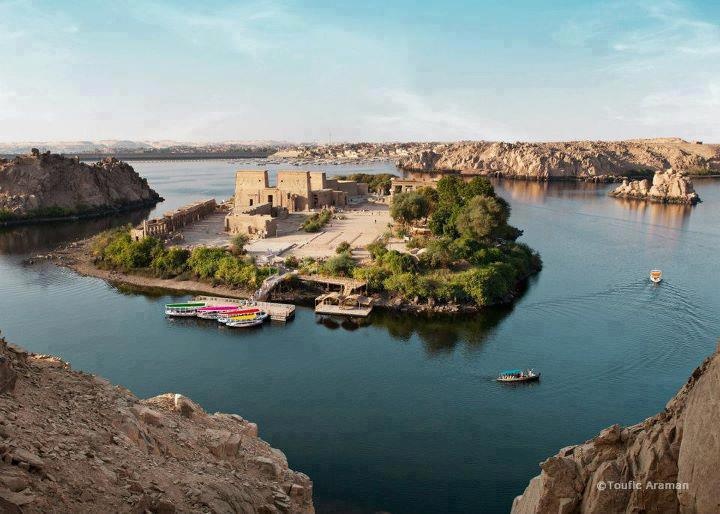
Lake Nasser plays a vital role in the development and stability of Egypt, especially in managing water resources and supporting agriculture. Located near Aswan, the lake serves as a massive water storage system that ensures a continuous supply of water throughout the year. Before its creation, Egypt depended entirely on the annual flooding of the Nile, which could be unpredictable and sometimes destructive. With the existence of Lake Nasser, the country gained control over the river’s flow, allowing water to be stored during periods of abundance and released during dry seasons. This stability significantly improved agricultural planning and food production across the Nile Valley and Delta regions.
In addition to water management, Lake Nasser is also essential for hydroelectric power generation through the Aswan High Dam. The stored water is used to generate electricity that supports homes, industries, and infrastructure throughout Egypt. This has contributed to national development and helped improve living standards for millions of people. The lake also acts as a protective barrier against extreme flooding and drought, reducing the risks that once threatened Egyptian agriculture. Beyond its practical importance, Lake Nasser has become a symbol of modern engineering success and national resilience, demonstrating how large-scale infrastructure projects can transform a country’s economy and environmental management systems.
3. Geography and Natural Environment of Lake Nasser
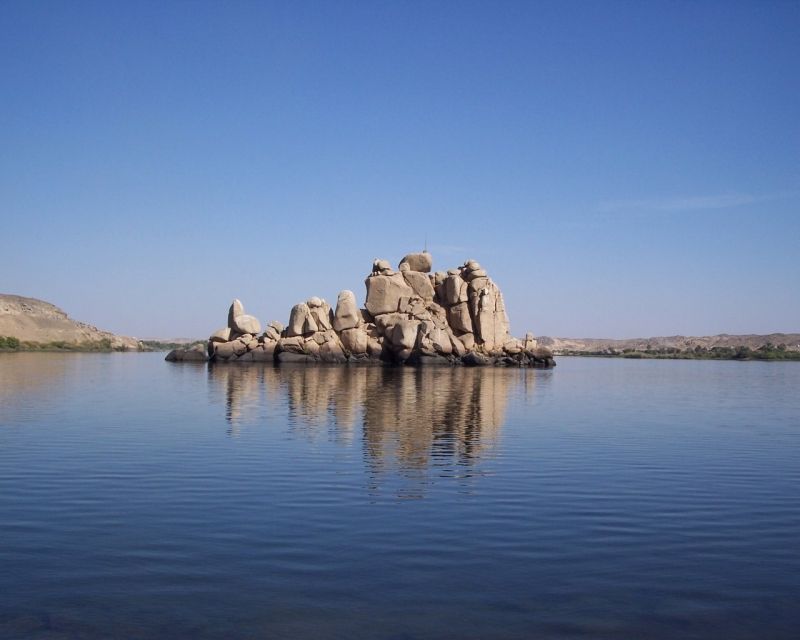
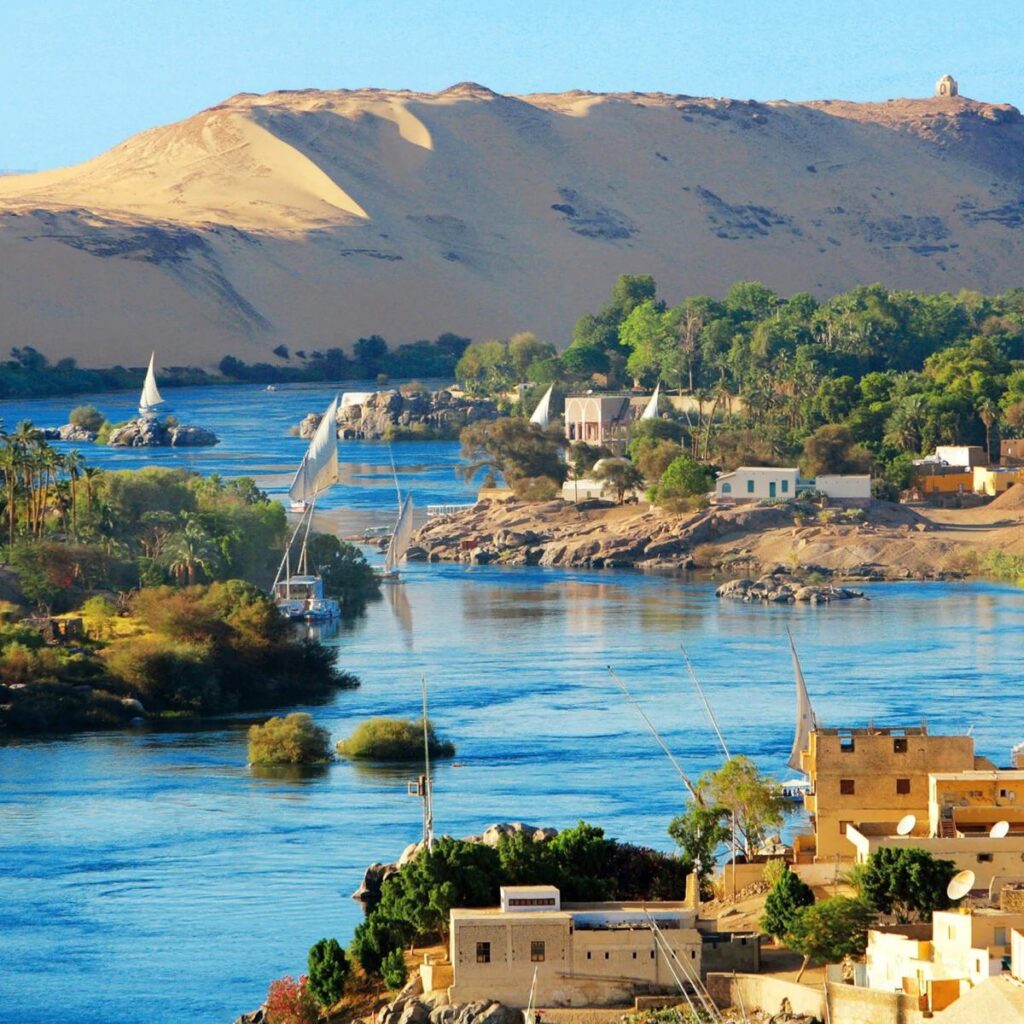
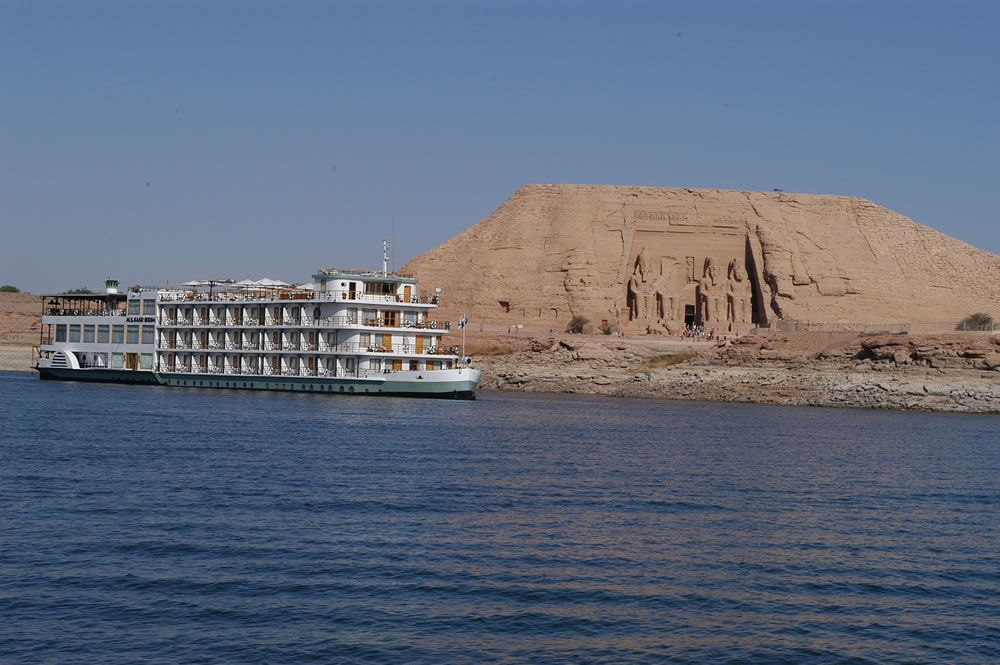
Lake Nasser extends across a vast desert region in southern Egypt, starting near Aswan and continuing deep into northern Sudan. The lake is surrounded by arid desert landscapes, creating a striking contrast between deep blue water and golden sand dunes. Its long, narrow shape follows the original path of the Nile Valley, stretching for hundreds of kilometers. The shoreline is mostly undeveloped, giving the lake a remote and peaceful atmosphere that is very different from the crowded urban areas of northern Egypt. This unique geography makes Lake Nasser one of the most visually impressive and isolated water bodies in the region.
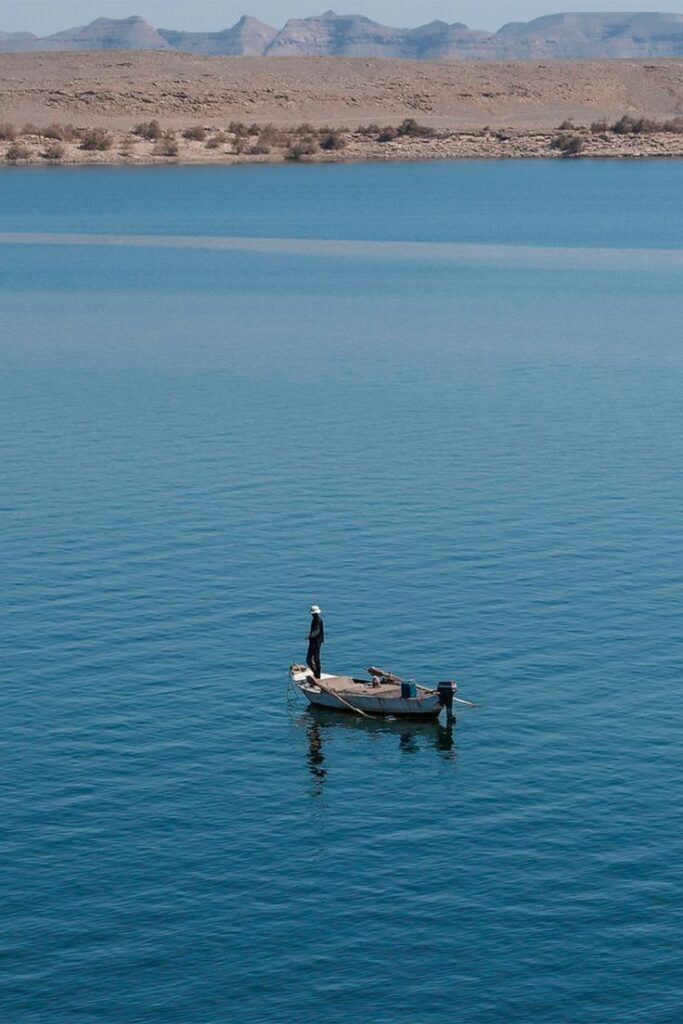
Despite being man-made, the lake has developed its own ecosystem over time. It supports various species of fish and attracts migratory birds, especially in quieter areas along its shores. Fishing has become an important activity in the region, contributing to local livelihoods. The surrounding desert environment also adds to the lake’s natural beauty, especially during sunrise and sunset when the light reflects off the water and creates dramatic scenery. However, the hot climate and high evaporation rates remain environmental challenges that affect water levels. Even with these challenges, Lake Nasser remains a remarkable example of how human engineering and natural landscapes can combine to create a unique geographical feature that plays a major role in both ecology and national development.