
Welcome to

Nubian Villages: A Living Heritage of Color, Culture, and the Nile

Nubian Villages are among the most vibrant and culturally rich communities in southern Egypt, located around the Nile near Aswan. These villages represent the heart of Nubian identity, a civilization that has lived along the Nile for thousands of years, long before modern borders were formed. Known for their brightly painted houses, warm hospitality, and deep connection to the river, Nubian communities offer visitors a completely different experience from other parts of Egypt. Their culture is unique, blending ancient traditions with everyday life that continues to reflect a strong sense of identity, music, language, and art.

Historically, Nubian people lived along the southern Nile Valley, but many communities were relocated during the construction of the Aswan High Dam and the formation of Lake Nasser. This major change reshaped their traditional lands, yet Nubian culture remained strong and alive. Today, many villages near Aswan have been rebuilt in colorful styles, with houses decorated in geometric patterns, murals, and symbols that reflect their heritage. Visitors often reach these villages by small boats across the Nile, which adds to the charm of the experience. Inside the villages, life moves at a peaceful rhythm, with families welcoming guests, sharing traditional food, and preserving customs passed down through generations.

One of the most special aspects of Nubian Villages is the deep hospitality of the people. Guests are often welcomed with tea, music, and storytelling, creating a warm cultural exchange. Traditional Nubian music, featuring rhythmic drums and joyful singing, is an essential part of celebrations and daily life. Handicrafts such as jewelry, baskets, and handmade art are also an important part of the local economy. For travelers exploring Egypt, visiting Nubian Villages offers a meaningful cultural experience that goes beyond sightseeing—it is an opportunity to connect with one of the oldest living cultures in the Nile Valley and understand a way of life deeply rooted in history, resilience, and community spirit.

1. The Origins and History of Nubian Villages

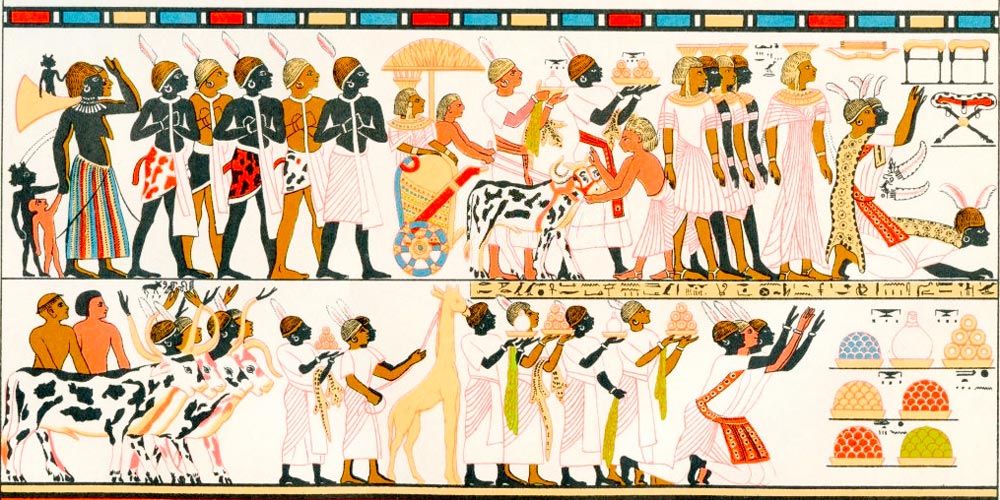
Nubian Villages in southern Egypt, especially around Aswan, are among the oldest continuously inhabited communities along the Nile Valley. The Nubians are an ancient people whose history dates back thousands of years, with roots that stretch deep into the civilizations of the Nile between southern Egypt and northern Sudan. Historically, Nubia was not just a single region but a cultural and geographical area that played an important role in trade, communication, and cultural exchange between Africa and ancient Egypt. The Nubian people developed their own language, customs, architecture, and artistic traditions, many of which are still preserved today despite centuries of change and modernization. Their villages were traditionally built along the Nile River, which provided water for farming, fishing, and transportation, making the river central to every aspect of their daily life.

Over time, Nubian communities became closely connected with ancient Egyptian civilization, often serving as traders, soldiers, and cultural intermediaries. However, their identity remained distinct, shaped by their own language and traditions. One of the most significant changes in Nubian history came during the twentieth century, when the construction of the Aswan High Dam and the creation of Lake Nasser forced many villages to be relocated. Despite this displacement, Nubian culture survived and adapted, with communities rebuilding their villages in new locations while maintaining their heritage. Today, Nubian Villages near Aswan continue to preserve this rich history, offering visitors a glimpse into one of the oldest living cultures in the Nile Valley.
2. Architecture and Colorful Design of Nubian Villages

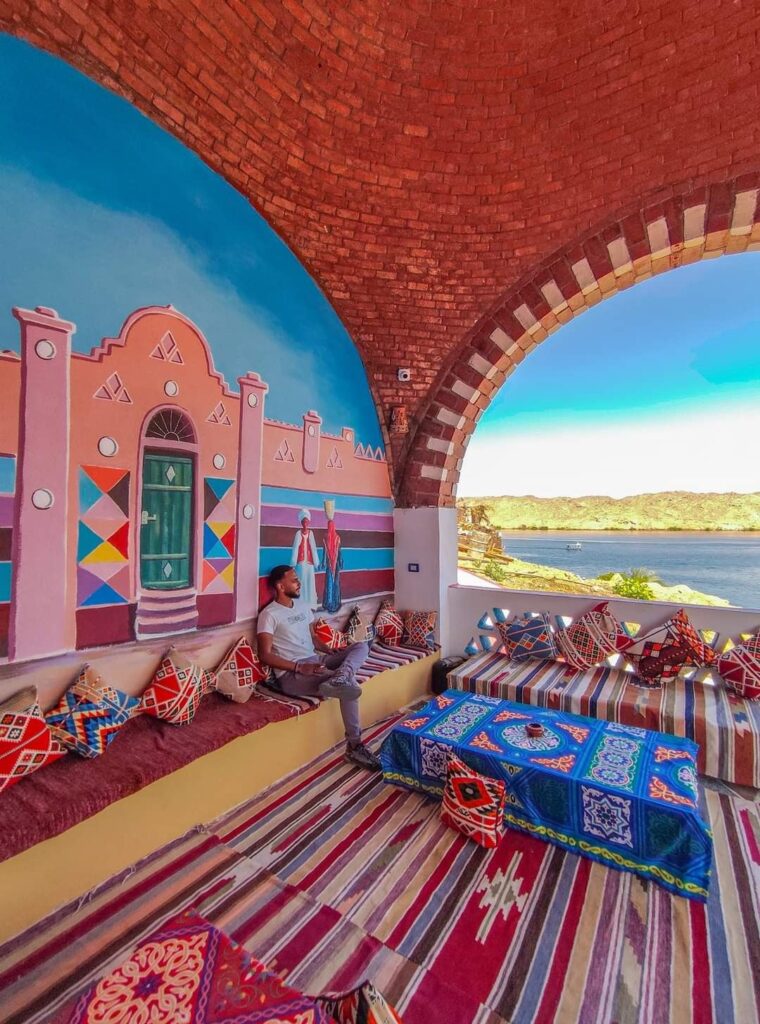
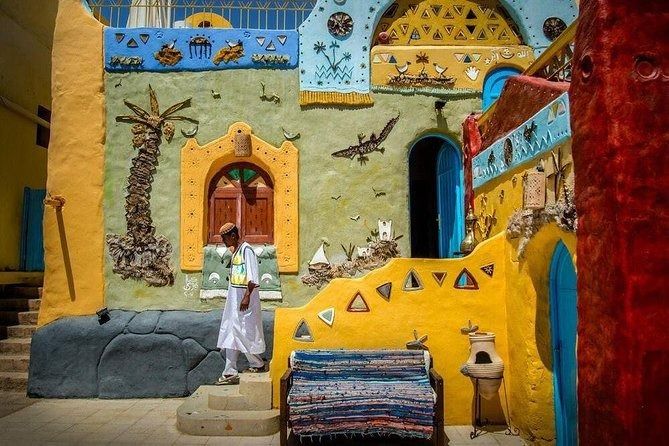
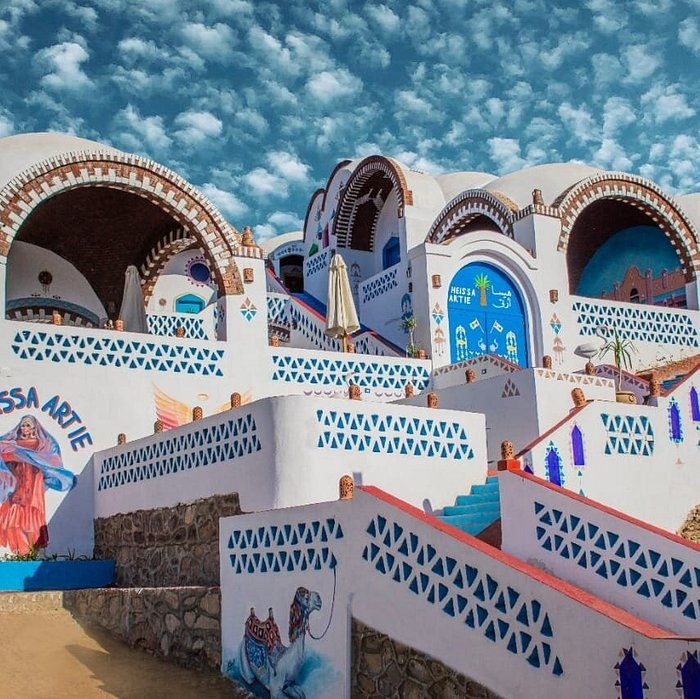
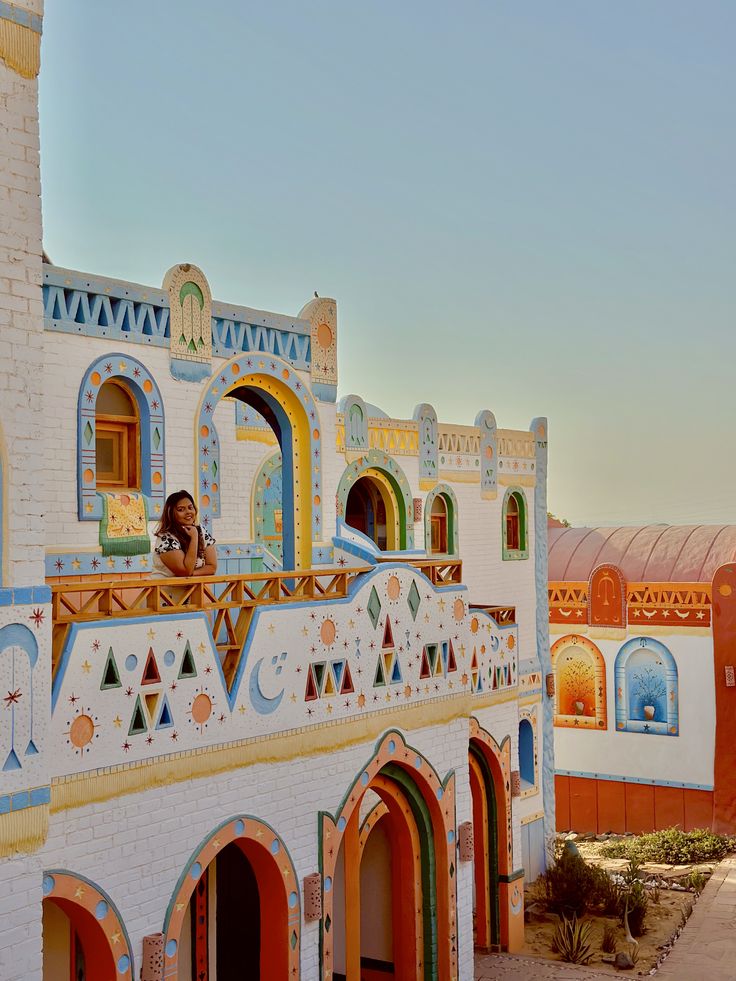
The architecture of Nubian Villages in Aswan is one of their most distinctive and visually striking features, making them stand out from other communities in Egypt. Nubian houses are famous for their bright colors, artistic patterns, and symbolic decorations that reflect the identity and creativity of the Nubian people. Walls are often painted in shades of blue, yellow, orange, and pink, with geometric shapes, natural motifs, and cultural symbols that represent elements of nature, protection, and good fortune. These designs are not random decorations but carry deep cultural meanings passed down through generations. The use of color also helps create a cheerful and welcoming atmosphere, reflecting the strong sense of hospitality that defines Nubian culture.

Traditional Nubian houses are typically built using natural materials such as mud brick and clay, which help keep interiors cool during the hot desert climate. The design of these homes is simple yet practical, with open courtyards, domed roofs, and spacious interiors that encourage family gatherings and social interaction. Many villages are located near the Nile, allowing easy access to water and transportation. The layout of the villages often follows a relaxed and organic pattern rather than strict urban planning, giving them a natural and peaceful feel. Over time, modern influences have been introduced, but many Nubian families continue to preserve traditional architectural styles. Today, visiting these villages offers travelers a chance to experience a unique blend of art, culture, and sustainable living that has evolved over centuries in harmony with the Nile environment.
3. Daily Life and Culture in Nubian Villages

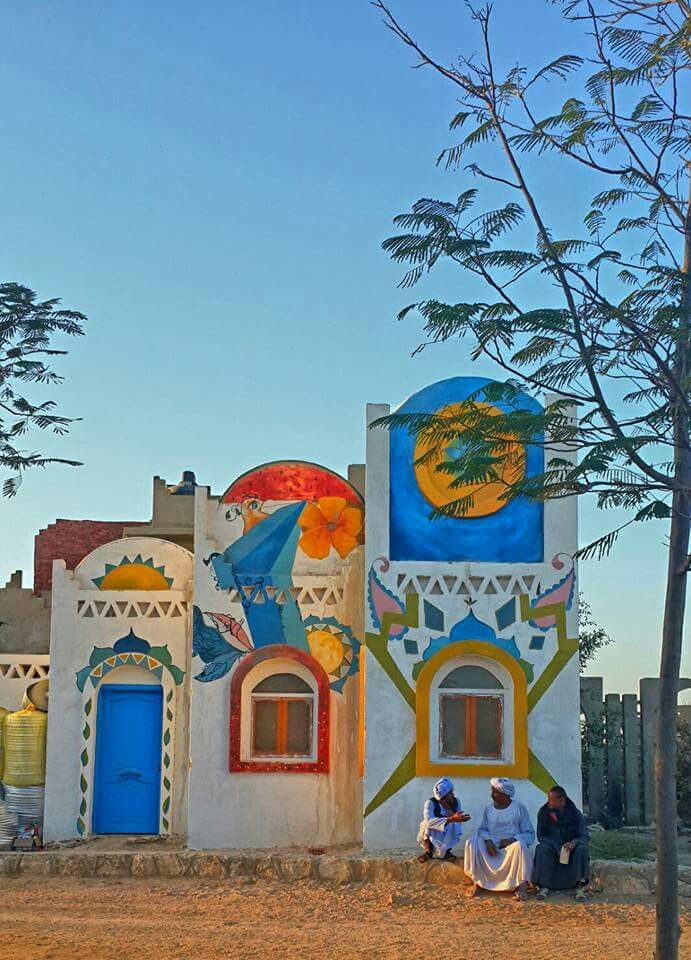
Daily life in Nubian Villages near Aswan is shaped by a strong sense of community, tradition, and connection to the Nile in Egypt. Families in these villages live at a relaxed and peaceful rhythm, where social relationships and hospitality play a central role in everyday life. Many residents engage in traditional activities such as fishing, small-scale farming, craftsmanship, and tourism-related work. The Nile remains an important source of livelihood, just as it has been for thousands of years. Children grow up learning about their cultural heritage through stories, music, and daily interactions with elders, ensuring that Nubian traditions are passed down through generations.

Music and dance are essential parts of Nubian culture, often performed during celebrations, weddings, and community gatherings. Traditional Nubian music is known for its rhythmic drumming, joyful melodies, and expressive singing, creating a lively and welcoming atmosphere. Language is also an important aspect of identity, as many Nubians continue to speak their native language alongside Arabic. Hospitality is one of the most defining features of Nubian life; visitors are often welcomed into homes with tea, food, and friendly conversation, reflecting a deep cultural value of generosity and openness. Crafts such as handmade jewelry, woven baskets, and decorative art are also common and often sold to visitors as part of the local economy. Overall, daily life in Nubian Villages offers a unique cultural experience where tradition and modern life coexist, allowing travelers to witness a living heritage that continues to thrive along the Nile.
4. Nubian Language and Identity

The Nubian Villages near Aswan in Egypt are deeply connected to a strong cultural identity that has survived for thousands of years. One of the most important elements of this identity is the Nubian language, which belongs to one of the oldest language families in the Nile Valley. Although many Nubians today also speak Arabic for daily communication, the Nubian language remains a powerful symbol of heritage, unity, and historical pride. It is commonly used in family settings, traditional songs, and storytelling, helping preserve cultural memory across generations. Efforts are also being made by communities and cultural organizations to document and protect the language so it does not fade with time.

Nubian identity is not limited to language alone; it is also expressed through customs, traditions, and a deep emotional connection to the Nile River. The river is considered the heart of Nubian life, shaping everything from settlement patterns to cultural practices. Despite historical displacement caused by the creation of Lake Nasser, Nubians have maintained a strong sense of belonging and cultural continuity. Their identity is built on resilience, adaptability, and pride in their ancient roots. Today, Nubian Villages continue to serve as living centers of cultural preservation, where language and identity remain active parts of everyday life.

5. Music, Dance, and Celebrations in Nubian Villages

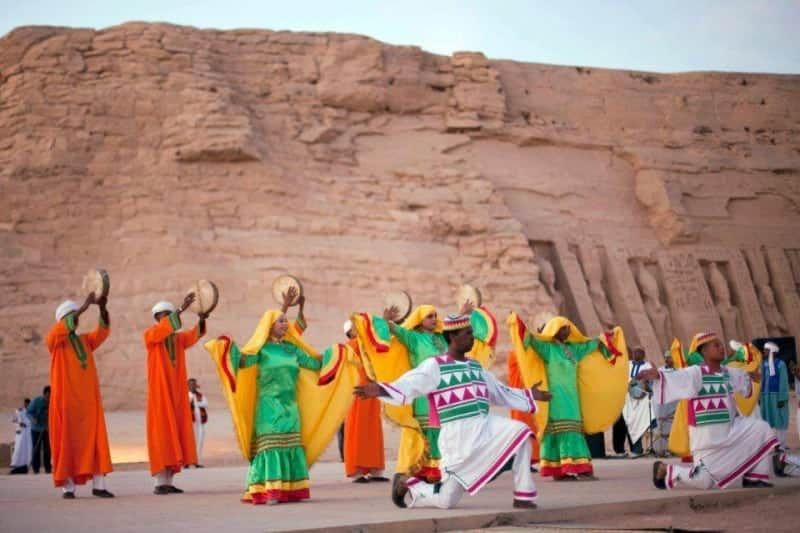
Music and dance are central to life in Nubian Villages around Aswan, making them some of the most vibrant cultural experiences in southern Egypt. Nubian music is characterized by rhythmic drumming, melodic chants, and energetic performances that express joy, storytelling, and community spirit. Traditional instruments such as drums and simple string instruments are used to create a distinctive sound that reflects both African and Nile Valley influences. Music is not just entertainment; it is an important part of cultural expression and is used to celebrate important life events such as weddings, festivals, and community gatherings.

Dance is closely connected to music and often involves group participation, where men and women perform coordinated movements that reflect happiness and unity. These performances are usually spontaneous, creating a warm and welcoming atmosphere for both locals and visitors. Celebrations in Nubian Villages are known for their hospitality, where guests are invited to join in festivities, share food, and enjoy traditional performances. Even in modern times, these cultural practices remain strong, helping to preserve Nubian heritage in an ever-changing world. For travelers, experiencing Nubian music and dance offers a direct connection to the emotional and cultural heart of the community, making it one of the most memorable aspects of visiting the region.

6. Tourism and Visitor Experience in Nubian Villages

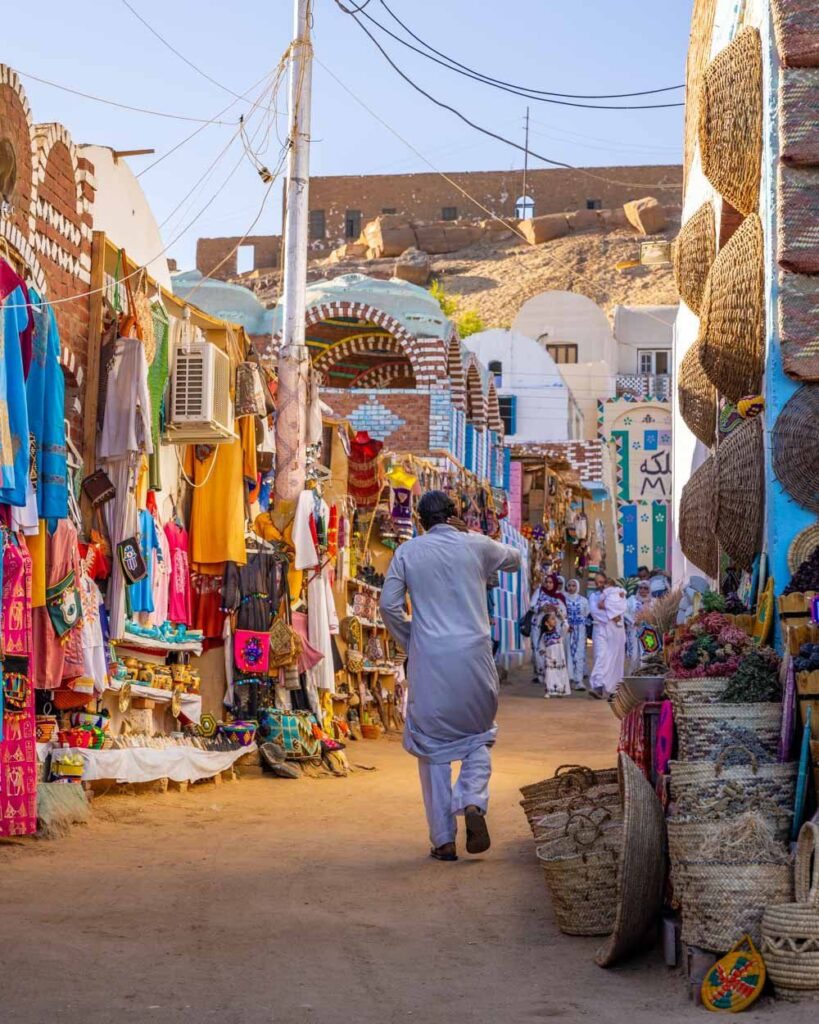
Tourism plays an important role in the Nubian Villages located near Aswan, attracting visitors from around the world who come to experience authentic culture in Egypt. Most villages are accessible by small boats across the Nile, offering travelers a scenic and peaceful journey before even arriving. Upon reaching the villages, visitors are welcomed into colorful streets filled with brightly painted houses, artistic decorations, and friendly locals. The atmosphere is relaxed and inviting, allowing tourists to explore at a slow and enjoyable pace.

Many visitors take part in cultural experiences such as home visits, traditional meals, and guided walks through the village. These interactions provide insight into Nubian daily life, customs, and traditions. Handicrafts are also an important attraction, with local artisans selling handmade jewelry, baskets, and artwork that reflect Nubian heritage. Tourism has become a valuable source of income for many families, helping support the local economy while also encouraging cultural preservation. However, efforts are made to ensure that tourism remains respectful and sustainable, preserving the authenticity of village life. For many travelers, visiting Nubian Villages is not just a sightseeing activity but a meaningful cultural exchange that leaves a lasting impression of warmth, simplicity, and genuine hospitality.

7. Nubian Cuisine and Traditional Food

The Nubian Villages near Aswan in Egypt offer a unique culinary experience that reflects both their desert environment and their close relationship with the Nile. Nubian cuisine is known for being simple, fresh, and full of natural flavors, often relying on locally available ingredients such as fish from the Nile, lentils, rice, vegetables, and aromatic spices. One of the most common cooking methods is slow cooking, which allows flavors to blend naturally and creates rich, comforting dishes. Meals are often prepared at home using traditional techniques passed down through generations, keeping the culinary heritage alive in everyday life.

One of the most distinctive aspects of Nubian food is its connection to hospitality. Guests visiting Nubian homes are usually welcomed with freshly prepared meals, sweet tea, and sometimes traditional bread or rice dishes served with grilled fish or stews. Dates and hibiscus drinks are also very popular, reflecting the agricultural products of southern Egypt. Food is not only about nourishment but also about social connection, as meals are shared experiences that bring families and communities together. For visitors, tasting Nubian cuisine offers a direct and memorable way to understand the culture and warmth of the people living along the Nile.

8. History of Displacement and Resettlement

The history of Nubian Villages in Egypt near Aswan is deeply shaped by one of the most significant modern changes in the Nile Valley: the construction of the Aswan High Dam and the formation of Lake Nasser. During the 1960s, many traditional Nubian settlements were submerged as water levels rose behind the dam. As a result, thousands of Nubian families were relocated from their ancestral lands to new villages built by the Egyptian government. This displacement marked a major turning point in Nubian history, as entire communities had to leave homes that had existed for generations.

Despite this difficult transition, Nubians showed remarkable resilience in preserving their cultural identity. While the physical landscape changed dramatically, traditions, language, and social structures were carefully maintained. New settlements were designed to reflect aspects of traditional Nubian life, although they could never fully replace the original riverside villages. Over time, many Nubians adapted to their new environment while continuing to celebrate their heritage through music, language, and customs. Today, the history of displacement is still an important part of collective memory, reminding both locals and visitors of the human impact of large-scale development projects and the strength of cultural survival.

9. Modern Life and Cultural Preservation in Nubian Villages

Modern life in Nubian Villages around Aswan in Egypt reflects a balance between tradition and contemporary development. While many residents continue to follow traditional ways of life, such as fishing, craftsmanship, and community-based living, modern influences have also become part of daily routines. Younger generations often pursue education and careers in nearby cities, while still maintaining strong emotional and cultural ties to their Nubian roots. Infrastructure such as schools, healthcare facilities, and improved transportation has helped integrate villages more closely with the wider region.

At the same time, cultural preservation remains a major priority. Efforts are being made to protect the Nubian language, support traditional arts, and promote cultural tourism in a respectful and sustainable way. Many villages now welcome visitors who come to experience authentic Nubian life, helping to generate income while raising awareness of their heritage. Community events, music performances, and cultural festivals continue to play an important role in keeping traditions alive. Despite modernization, Nubian Villages remain deeply connected to their identity, offering a rare example of a living culture that successfully adapts to change while preserving its historical roots along the Nile.

10. Nubian Villages and Sustainable Tourism

The Nubian Villages near Aswan in Egypt have become an important example of sustainable cultural tourism along the Nile. In recent years, more visitors have started exploring these villages to experience authentic Nubian life, colorful architecture, and traditional hospitality. Unlike mass tourism destinations, Nubian Villages focus on small-scale, community-based tourism where local families directly benefit from hosting guests. This helps preserve the cultural identity of the community while also providing income opportunities that support everyday life. Many homes are designed to welcome visitors, offering cultural experiences such as traditional meals, guided walks, and handmade crafts.

Sustainable tourism in Nubian Villages also emphasizes respect for local traditions and the environment. Visitors are encouraged to engage with the community in a responsible way, learning about Nubian culture without disrupting daily life. The use of natural materials in housing, along with the village’s close connection to the Nile, highlights a lifestyle that is already environmentally adapted. Tourism projects often support cultural preservation by funding language programs, music events, and craft workshops. In this way, tourism becomes not just an economic activity but also a tool for protecting and celebrating Nubian heritage for future generations.

11. Art, Handicrafts, and Creative Expression

Art and handicrafts are central to the identity of Nubian Villages in Egypt, especially in communities near Aswan. Nubian artistic expression is deeply rooted in history and is visible in every aspect of daily life, from house decorations to handmade objects. Walls are often painted with bright colors and symbolic patterns that reflect nature, protection, and cultural beliefs. These designs are not only decorative but also carry meaning, representing stories, traditions, and identity passed down through generations. Art is considered a natural part of life rather than a separate activity, which makes Nubian villages visually unique and culturally rich.

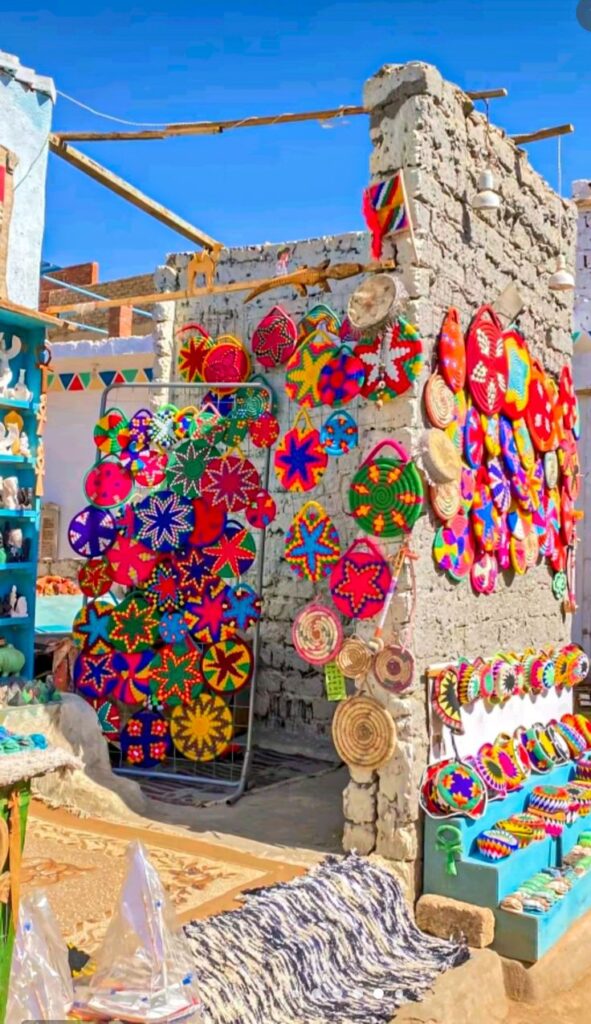
Handicrafts are also an important part of the local economy and cultural preservation. Skilled artisans create items such as woven baskets, pottery, jewelry, and embroidered textiles, often using traditional techniques. These handmade products are sold to visitors and play a role in supporting family incomes. Many designs are inspired by the Nile, desert landscapes, and ancient symbols, connecting modern creations with historical roots. Workshops and small community projects help younger generations learn these skills, ensuring that traditional crafts are not lost over time. Through art and handicrafts, Nubian communities continue to express their identity in creative and meaningful ways.

12. The Future of Nubian Villages

The future of Nubian Villages near Aswan in Egypt is shaped by both challenges and opportunities as they continue to evolve in a modern world. One of the main challenges is preserving cultural identity while adapting to economic and social changes. Younger generations are increasingly connected to urban life, education, and global culture, which can sometimes lead to reduced use of the Nubian language and traditional practices. However, strong community efforts are being made to keep these traditions alive through education, cultural events, and storytelling.

At the same time, tourism and cultural interest from around the world provide new opportunities for development and preservation. By sharing their heritage with visitors, Nubian communities are able to strengthen their economy while also raising awareness of their history and identity. Government and cultural organizations are also supporting projects aimed at restoring traditional architecture, promoting language preservation, and improving infrastructure in village areas. The future of Nubian Villages depends on maintaining a balance between modernization and tradition. With continued effort, they are likely to remain one of the most important living cultural landscapes in Egypt, preserving their unique identity along the banks of the Nile for generations to come.

Nubian Villages : Frequently Asked Questions

The Nubian Villages are located in southern Egypt, mainly around Aswan along the Nile River, with some communities also extending toward the area of Lake Nasser.

They are famous for their colorful houses, rich cultural heritage, unique Nubian language, traditional music, and strong connection to the Nile, making them one of the most authentic cultural experiences in Egypt.

Most visitors reach the villages by small motorboats or feluccas across the Nile from Aswan, which is part of the cultural and scenic experience itself.

Many original villages were relocated during the construction of the Aswan High Dam and the formation of Lake Nasser, which caused significant displacement of Nubian communities.

Yes, they are highly recommended for travelers who want to experience authentic Egyptian culture, enjoy local hospitality, explore handmade crafts, and learn about one of the oldest living cultures in the Nile Valley.