
1. The History and Origins of Kalabsha Temple
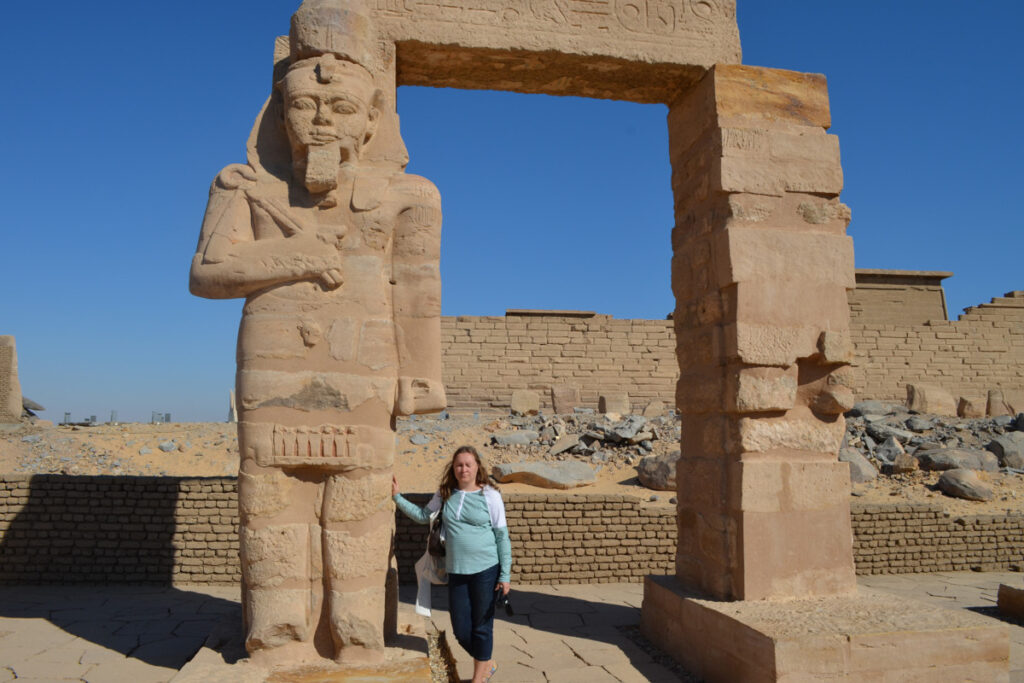
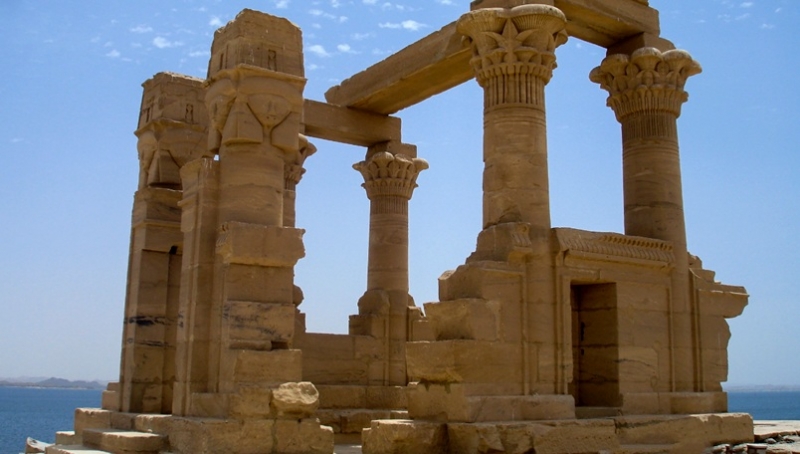
Kalabsha Temple, located near Aswan in southern Egypt, is one of the largest and most impressive Nubian temples from the Roman period. The temple was originally built during the reign of the Roman Emperor Augustus around the first century BCE, although parts of the site may have existed earlier during the Ptolemaic era. It was dedicated mainly to Mandulis, a Nubian sun god worshipped in Lower Nubia, reflecting the strong cultural connection between ancient Egyptian and Nubian religious traditions. Even under Roman rule, Egyptian architectural and spiritual customs continued to influence temple construction, and Kalabsha Temple became a significant religious center in the region.
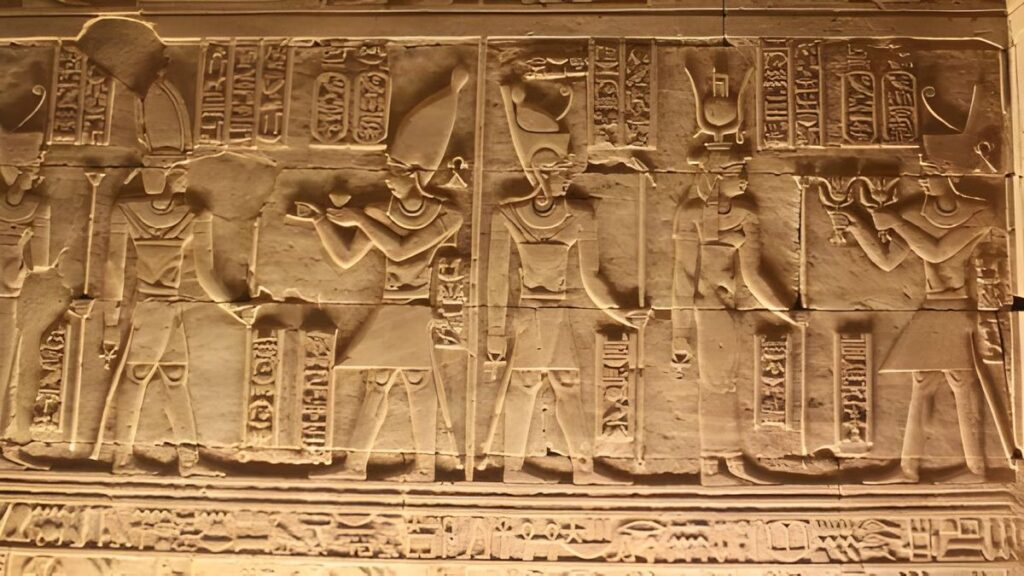
The temple originally stood at Bab al-Kalabsha, south of Aswan near the Nile River, where it served local communities and travelers moving through Nubia. Its location made it an important cultural and religious site linking Egypt with regions further south in Africa. The walls of the temple contain inscriptions and reliefs showing Roman emperors presenting offerings to Egyptian and Nubian gods, demonstrating how foreign rulers adopted local traditions to strengthen their authority. Over the centuries, the temple also experienced periods of Christian influence, and some parts of the structure were later used as a church. This long history of religious transformation makes Kalabsha Temple an important example of cultural continuity and adaptation across different historical periods in Egypt and Nubia.
2. Architecture and Design of Kalabsha Temple
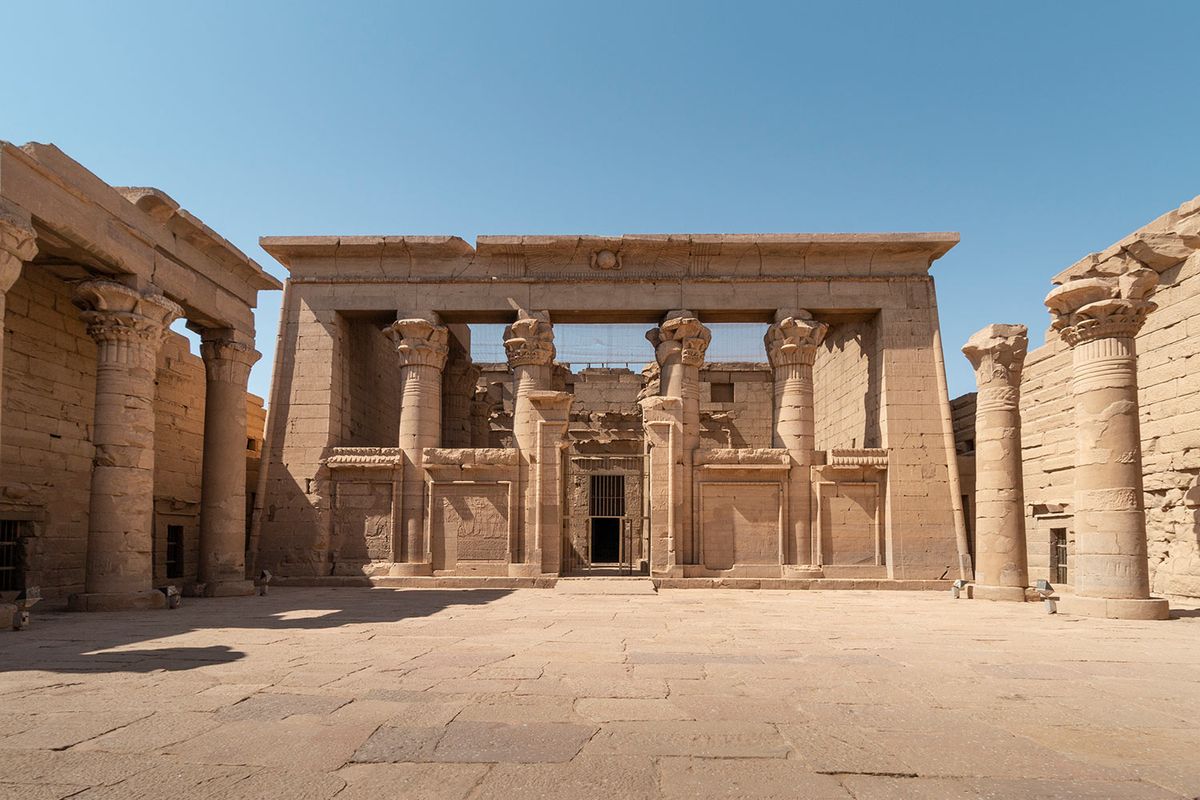
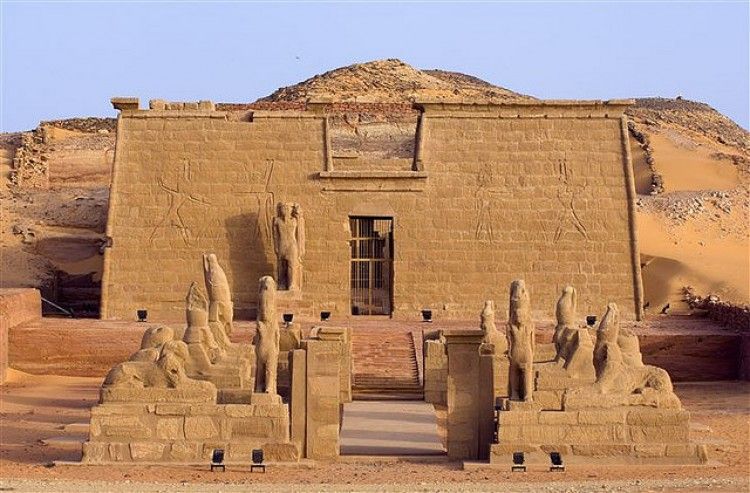
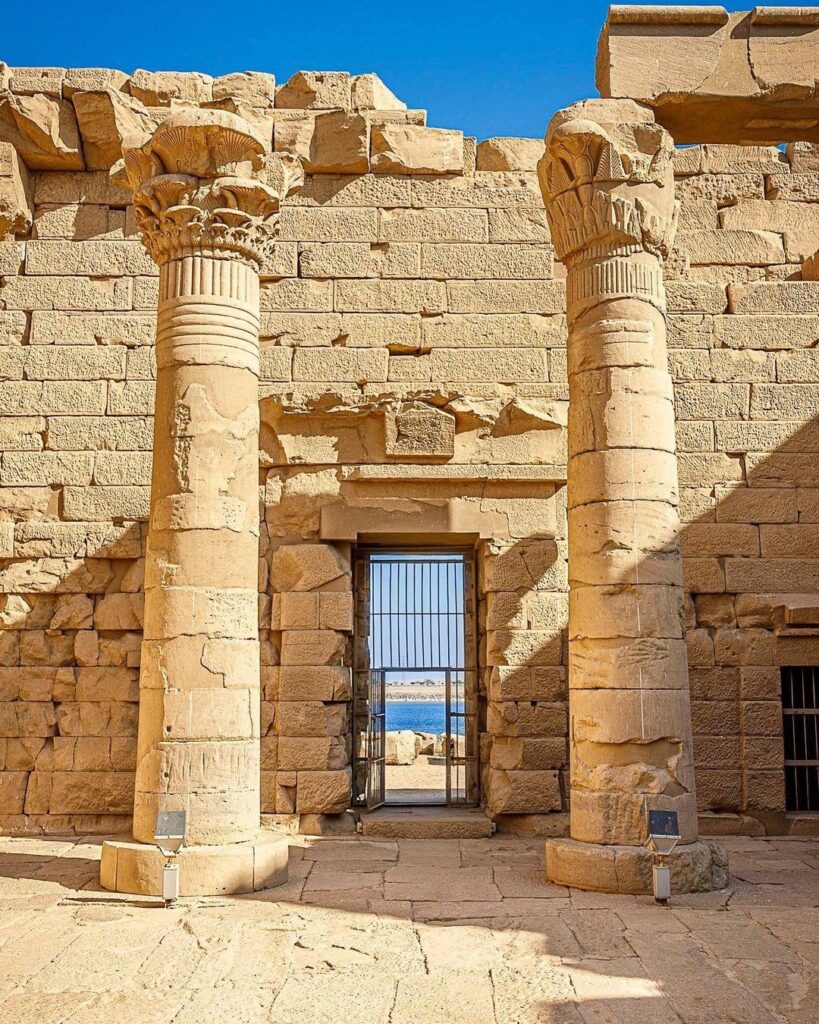
The architecture of Kalabsha Temple near Aswan reflects the grandeur of ancient Egyptian temple design while also incorporating elements from the Roman period in Egypt. Built primarily from sandstone, the temple follows the traditional layout of Egyptian religious architecture, beginning with a large entrance pylon that leads into an open courtyard surrounded by columns. Beyond the courtyard lies a hypostyle hall filled with decorated pillars, followed by smaller sacred chambers and the sanctuary dedicated to the god Mandulis. This progression from open public areas to increasingly sacred inner spaces reflects the spiritual hierarchy commonly found in ancient Egyptian temples.
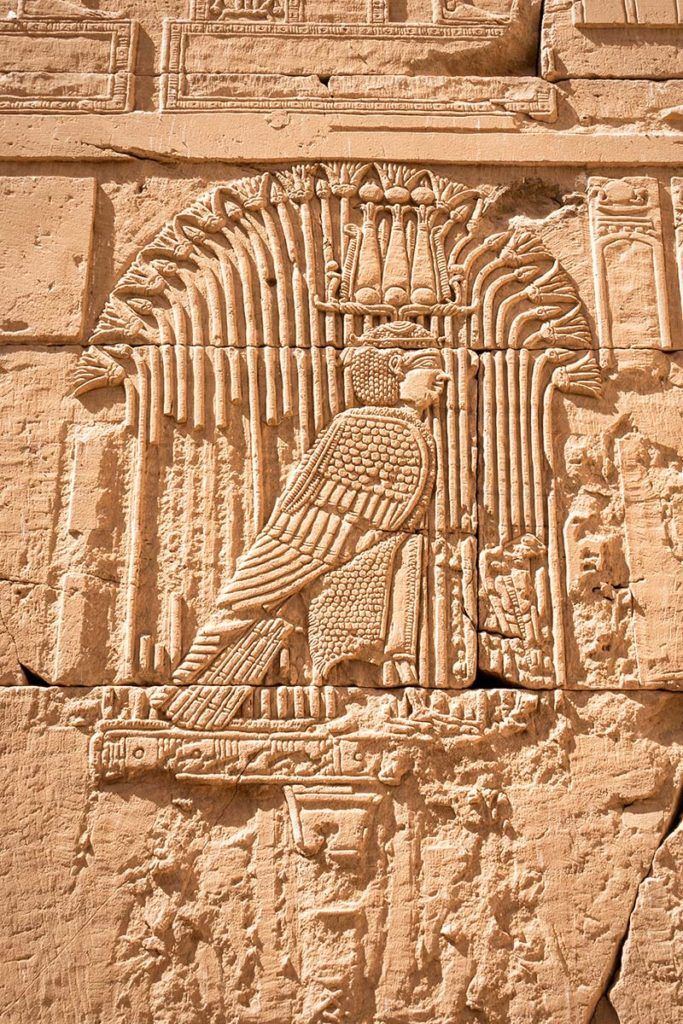
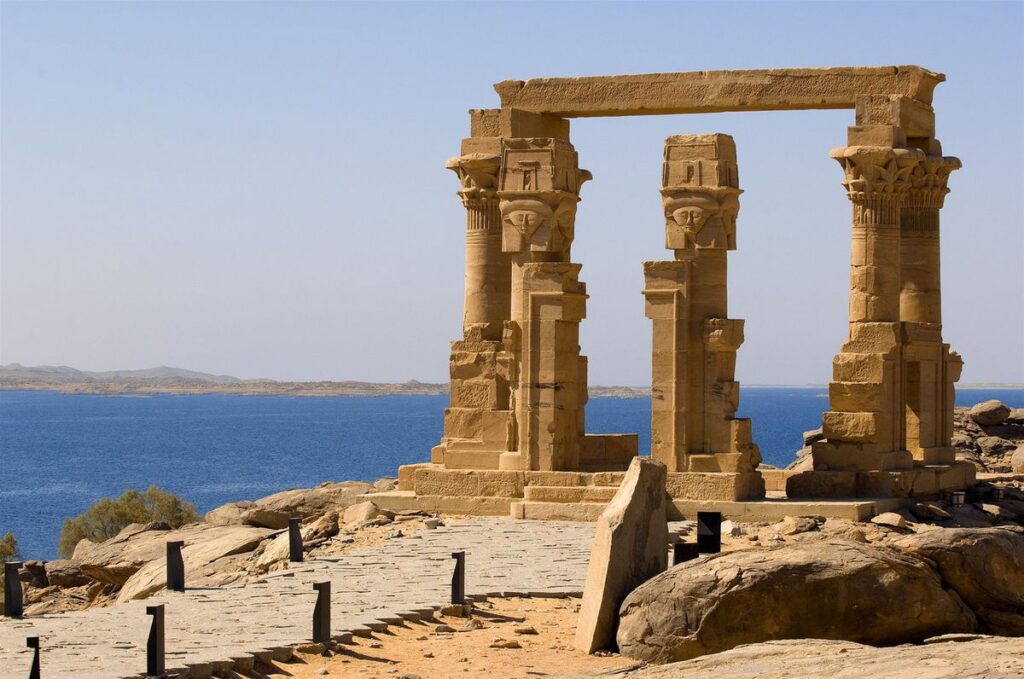
One of the most striking features of Kalabsha Temple is the quality and detail of its carvings and inscriptions. The walls are covered with scenes of emperors performing religious rituals and offering gifts to gods, blending Roman political imagery with traditional Egyptian symbolism. Hieroglyphic inscriptions accompany many of these scenes, preserving important religious and historical information. The temple’s columns are decorated with floral capitals and artistic patterns that demonstrate the high level of craftsmanship achieved during this period. Despite being built under Roman rule, the temple strongly maintains Egyptian architectural identity, showing how local artistic traditions continued to thrive. Its location beside Lake Nasser further enhances its beauty, as the reflection of the temple against the calm water creates a dramatic and peaceful atmosphere for visitors exploring the site today.
3. The Relocation and Preservation of Kalabsha Temple
One of the most remarkable chapters in the history of Kalabsha Temple near Aswan is the story of its relocation and preservation during the twentieth century in Egypt. When the Aswan High Dam was constructed and Lake Nasser began to form, many ancient monuments in Nubia faced the threat of being submerged underwater forever. Kalabsha Temple was among the most important sites at risk. To save the temple, an international archaeological rescue operation was launched under the supervision of UNESCO. Engineers and archaeologists carefully dismantled the temple into thousands of individual stone blocks and transported them to higher ground near its current location beside Lake Nasser.
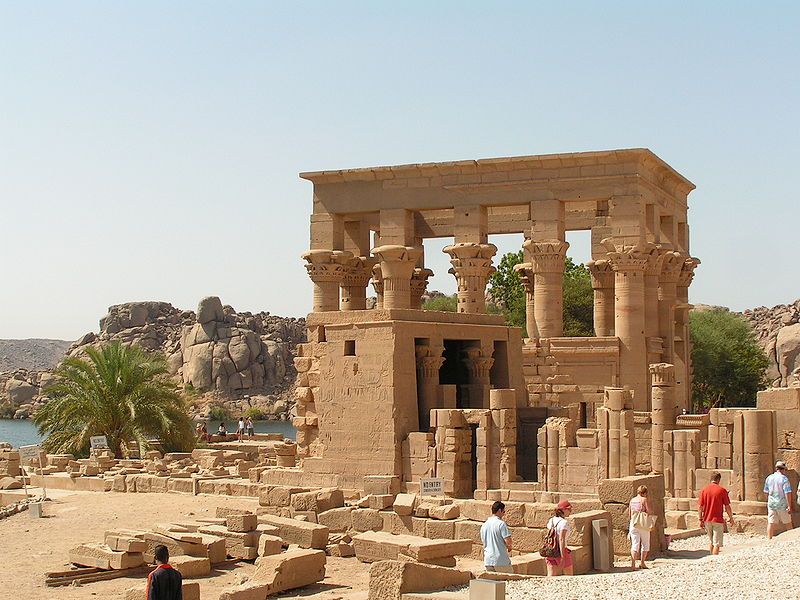
The relocation process required extraordinary precision and planning because every carved stone had to be documented, moved, and reconstructed exactly as it originally appeared. This massive preservation effort successfully protected the temple from destruction while maintaining its historical and artistic integrity. The rescue of Kalabsha Temple became part of one of the largest heritage preservation campaigns in modern history, which also included saving famous monuments such as Abu Simbel and Philae Temple. Today, visitors walking through Kalabsha Temple are not only experiencing ancient history but also witnessing a modern achievement in archaeological conservation. The temple stands as a symbol of international cooperation and humanity’s commitment to preserving cultural heritage for future generations, even in the face of major environmental and engineering changes.