1. The History and Origins of Kom Ombo Temple
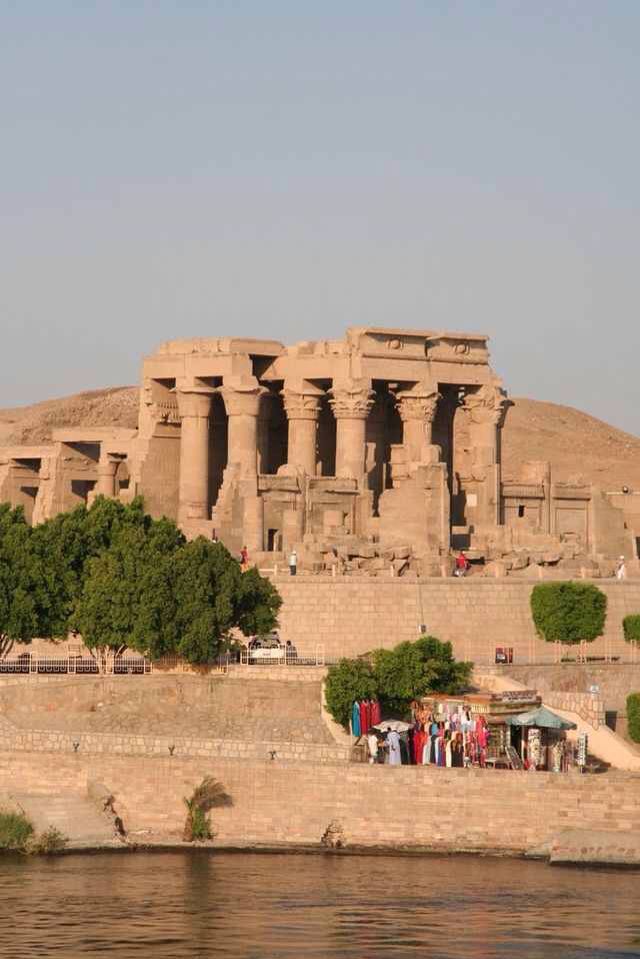
The Temple of Kom Ombo, located near Kom Ombo in southern Egypt, is one of the most distinctive religious monuments from the Ptolemaic period. Construction of the temple began during the reign of Ptolemy VI in the second century BCE and continued under later Ptolemaic rulers and Roman emperors. Although Egypt was ruled by Greek-origin kings during this era, traditional Egyptian religion and temple architecture remained extremely important. Kom Ombo Temple reflects this continuation of ancient traditions while also showing influences from the political and cultural environment of the Ptolemaic period. The temple was strategically built on high ground overlooking the Nile River, making it both a religious center and an important landmark for travelers and traders moving through southern Egypt.
What makes Kom Ombo Temple especially unique is its dedication to two different gods within a single structure. One side of the temple honored Sobek, the crocodile god associated with fertility, strength, and the life-giving power of the Nile, while the other side was dedicated to Horus the Elder, the falcon-headed god of kingship and divine protection. This unusual dual dedication created a perfectly symmetrical design with separate halls, sanctuaries, and entrances for each deity. The temple therefore served two religious communities at the same time, reflecting harmony between different spiritual traditions. Over centuries, Kom Ombo became an important center of worship, attracting priests, pilgrims, and local residents who participated in religious rituals and festivals connected to both gods.
2. Architectural Design and Symmetry of Kom Ombo Temple
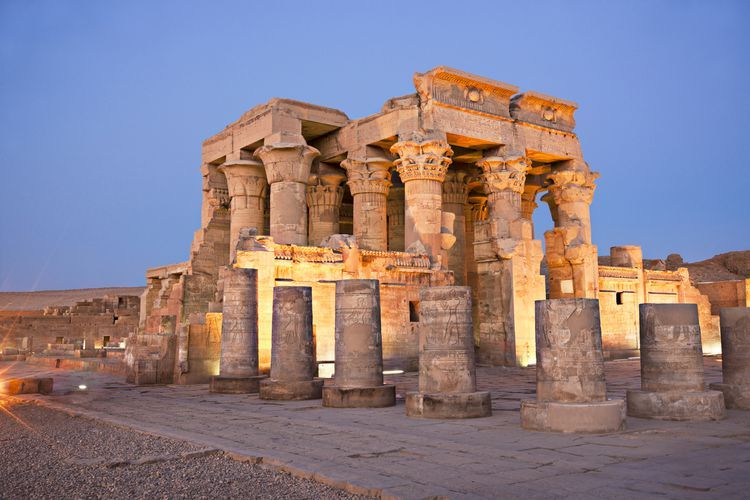
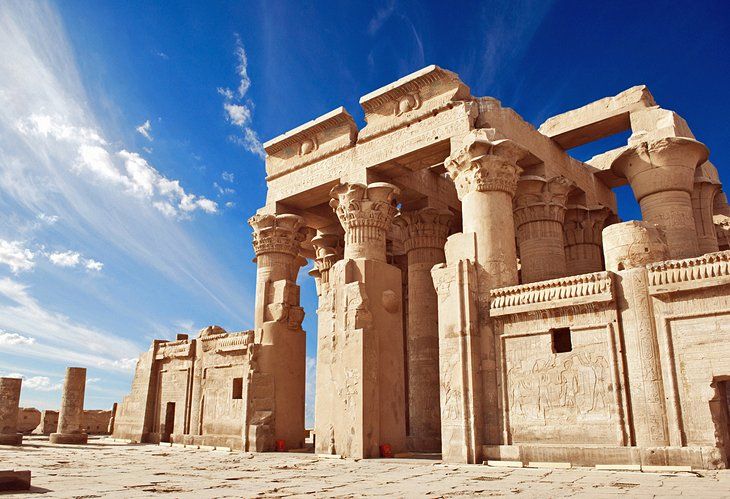
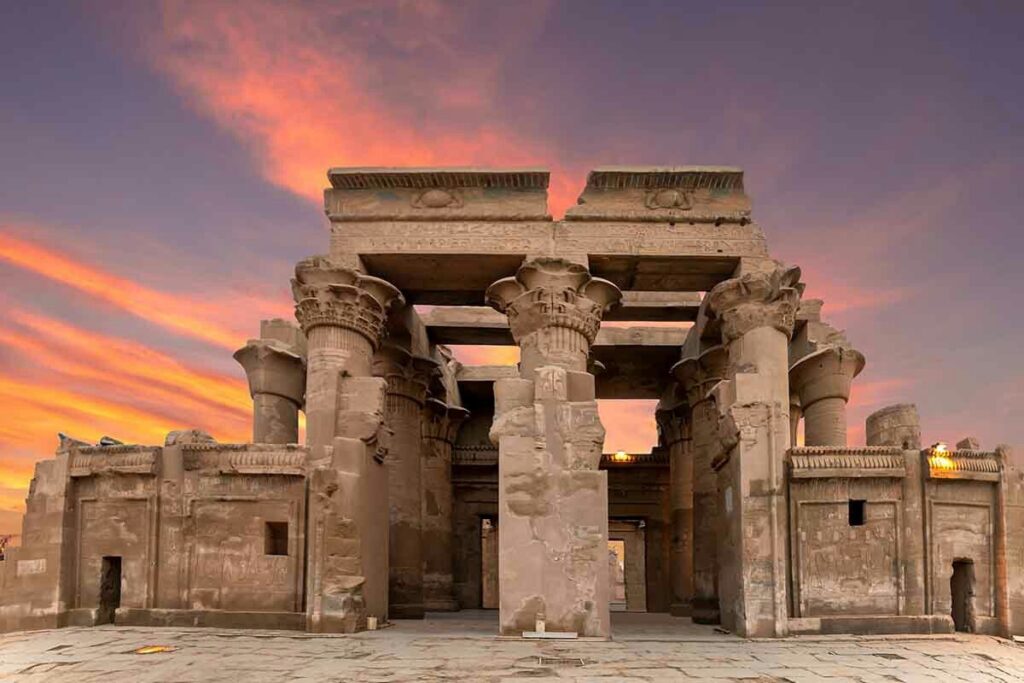
The architecture of the Temple of Kom Ombo near Kom Ombo is considered one of the most unusual and impressive examples of temple design in Egypt because of its perfect symmetry and double structure. Unlike traditional temples dedicated to a single god, Kom Ombo Temple was designed to honor two deities equally, which required architects to create a balanced layout divided into two mirrored sections. The temple features twin entrances, twin hypostyle halls, twin courtyards, and two sanctuaries positioned side by side. This unique arrangement reflects both religious equality and architectural precision, making the temple one of the most remarkable examples of sacred design from the Ptolemaic era.
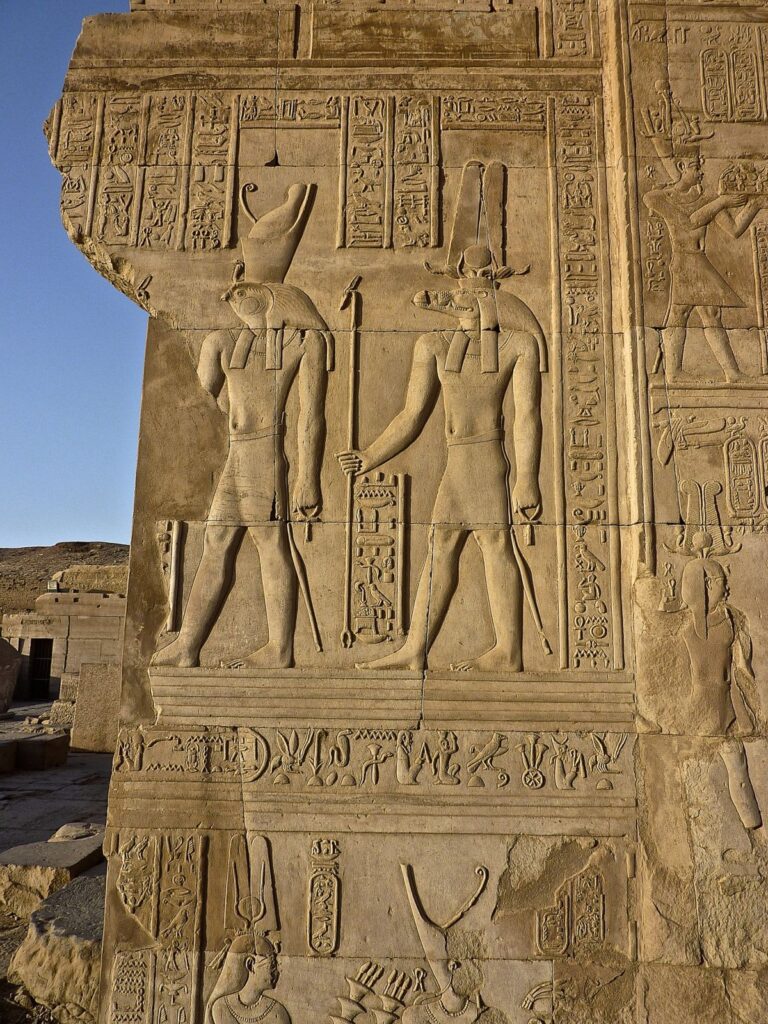
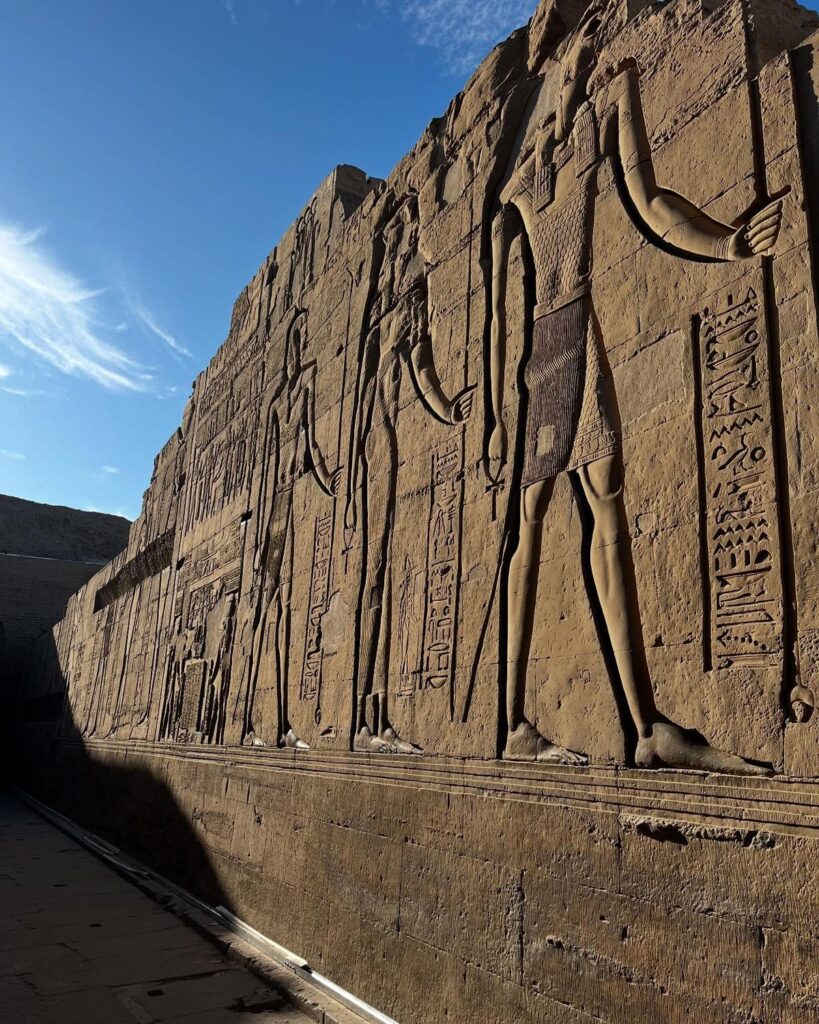
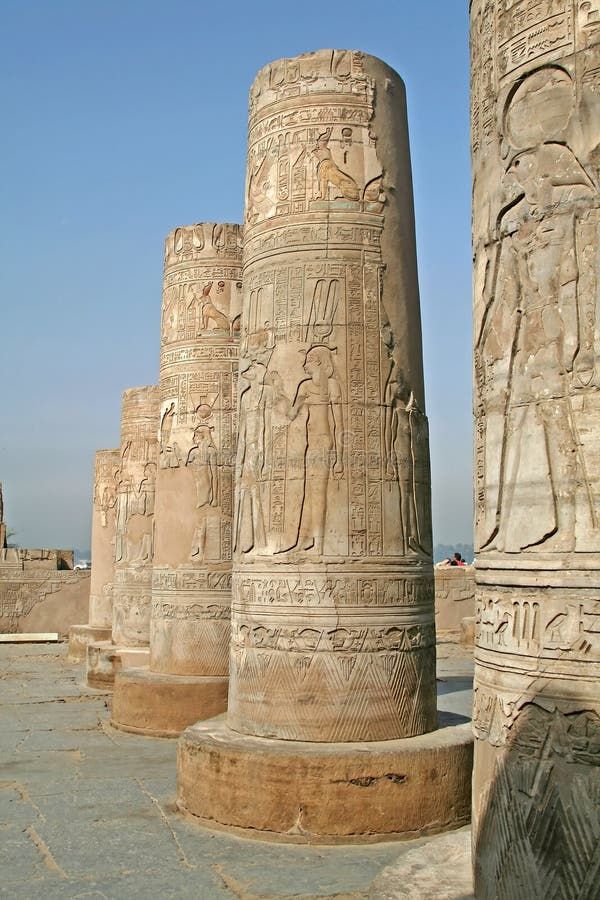
The temple was built primarily from sandstone and decorated with detailed reliefs, hieroglyphs, and artistic carvings that cover nearly every surface. Massive columns support the hypostyle halls, creating a grand and sacred atmosphere as visitors move deeper into the temple. One of the most interesting architectural details is the collection of carvings showing ancient surgical instruments and medical tools, which provide insight into the medical knowledge of ancient Egyptians. The walls also display scenes of religious ceremonies, offerings, and interactions between gods and rulers. Despite damage caused by floods and erosion over the centuries, much of the temple remains remarkably preserved. Its elevated location above the Nile further enhances its dramatic appearance, especially at sunset when the golden sandstone reflects the changing light across the river landscape.
3. Sobek and Horus: The Two Gods of Kom Ombo
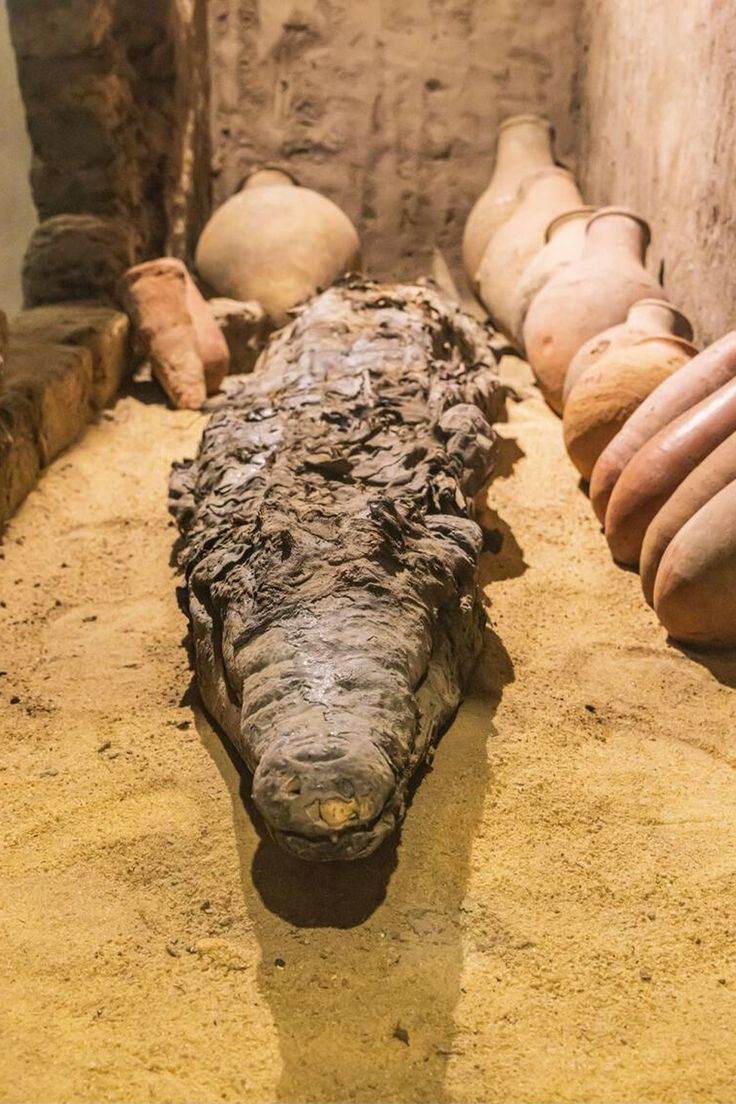
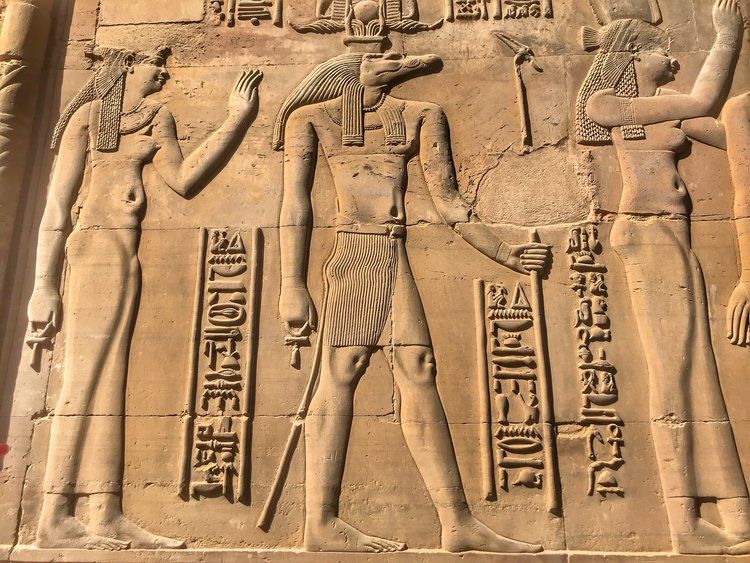
The spiritual importance of the Temple of Kom Ombo in Kom Ombo is deeply connected to the worship of two powerful gods in ancient Egypt: Sobek and Horus the Elder. Sobek, represented as a crocodile or a man with a crocodile head, was associated with the Nile River, fertility, military power, and protection. Ancient Egyptians respected and feared crocodiles because of their strength and connection to the river that sustained life throughout Egypt. As a result, Sobek became an important deity symbolizing both danger and protection. The side of the temple dedicated to Sobek likely attracted worshippers seeking fertility, health, and safety from the unpredictable forces of nature.
The other half of the temple honored Horus the Elder, a falcon-headed god associated with kingship, divine order, and protection. Horus represented stability, justice, and the rightful authority of the pharaoh. By combining the worship of Sobek and Horus within a single temple, Kom Ombo reflected a balance between strength and order, nature and civilization. Priests performed rituals and ceremonies for both gods, maintaining separate sacred spaces within the temple while preserving overall harmony. This dual dedication made Kom Ombo Temple unique in ancient Egyptian religion and demonstrated the complexity of spiritual life during the Ptolemaic period. Today, visitors exploring the temple can still see carvings and inscriptions depicting both gods, allowing them to better understand the religious beliefs and symbolism that shaped ancient Egyptian society.