
Welcome to

Nubian Museum: A Gateway to Nubian History and Culture

The Nubian Museum is one of the most important cultural institutions in southern Egypt, located in the heart of Aswan. It was established to preserve and showcase the rich heritage of Nubia, a region that stretches along the Nile between southern Egypt and northern Sudan. The museum was opened in 1997 as part of a major UNESCO initiative to protect Nubian history and artifacts, especially after many ancient sites were threatened or lost due to the construction of the Aswan High Dam and the formation of Lake Nasser. Today, it serves as a cultural landmark that tells the story of one of the oldest civilizations in Africa.

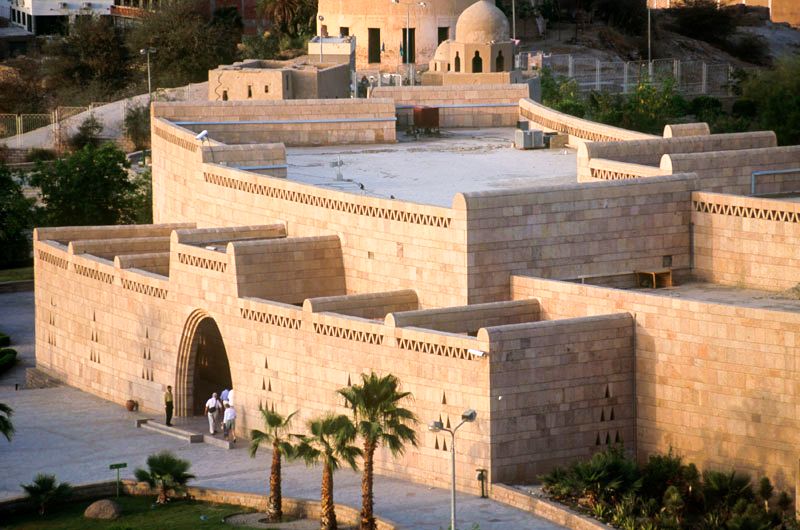
The museum building itself is designed in a style inspired by traditional Nubian architecture, with natural materials, open spaces, and desert landscaping that reflects the environment of the region. Inside, the museum contains thousands of artifacts that span prehistoric, Pharaonic, Roman, Coptic, and Islamic periods, showing the long and complex history of Nubia. Exhibits include statues, pottery, tools, jewelry, and reconstructed models of ancient Nubian homes and temples. One of the most important sections focuses on the rescue of monuments during the UNESCO Nubia Campaign, which saved famous sites like Philae Temple and Abu Simbel from flooding.

Visitors to the Nubian Museum can also explore displays that highlight Nubian daily life, traditions, music, and language. The museum is not only a place for historical preservation but also a center for cultural identity, helping modern Nubians maintain a connection to their heritage. Its location near the Nile adds to its symbolic importance, as the river has always been the lifeline of Nubian civilization. For travelers visiting Aswan, the Nubian Museum offers a deep and educational journey into the history, resilience, and cultural richness of Nubia, making it an essential stop for understanding the southern region of Egypt.

1. History and Purpose of the Nubian Museum

The Nubian Museum located in Aswan in southern Egypt was created to preserve the rich and ancient heritage of Nubia, one of the oldest cultural regions along the Nile Valley. The idea for the museum came after the massive archaeological rescue campaigns led by UNESCO during the construction of the Aswan High Dam and the formation of Lake Nasser, which threatened many Nubian monuments and villages with flooding. Because of this, many important artifacts, temples, and cultural remains needed a safe place for preservation and display. The museum was officially opened in 1997 as part of a global effort to protect Nubian identity and history for future generations.

The main purpose of the Nubian Museum is not only to display artifacts but also to tell the complete story of Nubian civilization from prehistoric times to the modern era. It acts as a cultural archive that protects the memory of a region that has experienced significant change, especially due to displacement caused by the dam project. The museum helps visitors understand how Nubian communities adapted to these changes while maintaining their traditions, language, and identity. It also plays an educational role by raising awareness about the importance of cultural preservation and the impact of large development projects on ancient heritage sites.
2. Architecture and Design of the Nubian Museum

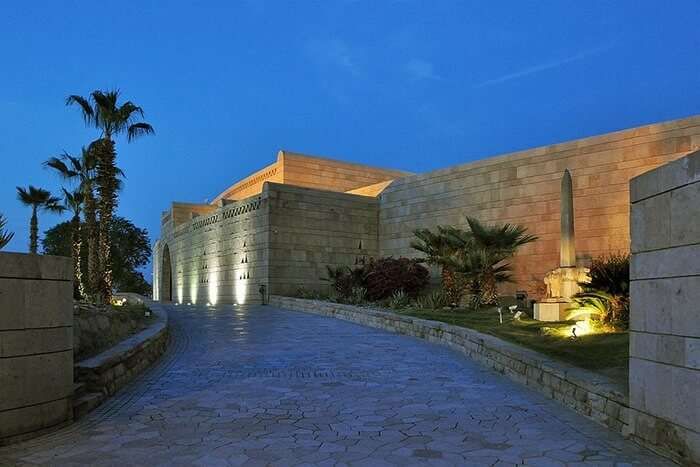
The Nubian Museum in Aswan is itself a reflection of Nubian culture and environment in southern Egypt. Its architectural design is inspired by traditional Nubian village style, combining natural materials, earthy colors, and open spaces that reflect the desert and Nile landscapes. The building was designed to blend with its surroundings, using sandstone and other local materials that give it a warm, natural appearance. The museum is built on a hillside overlooking Aswan, allowing visitors to enjoy beautiful views of the city and the Nile River as they explore its exhibits.

Inside, the museum is organized in a way that guides visitors through different historical periods in a logical and immersive journey. The design includes spacious exhibition halls, open courtyards, and carefully planned lighting that enhances the display of artifacts. Water features and landscaped gardens around the museum represent the importance of the Nile in Nubian life. The overall design creates a calm and reflective atmosphere, making the museum not just a place of learning but also a cultural experience that connects architecture with history. This thoughtful design helps visitors feel closer to the spirit of Nubian civilization.
3. Exhibits and Collections of the Nubian Museum

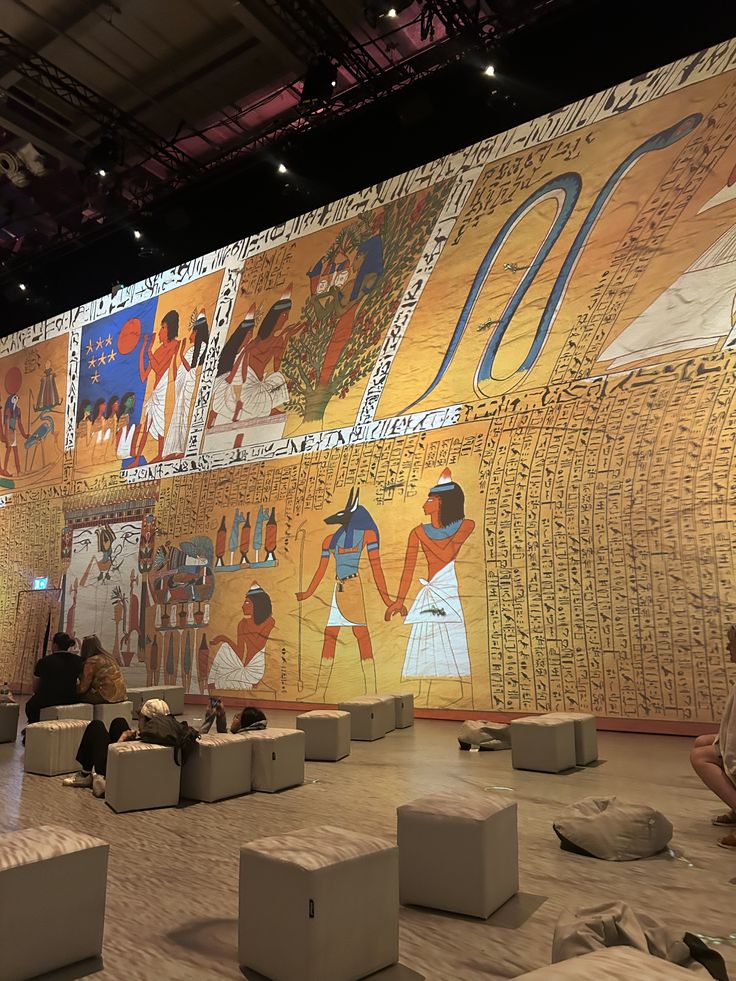
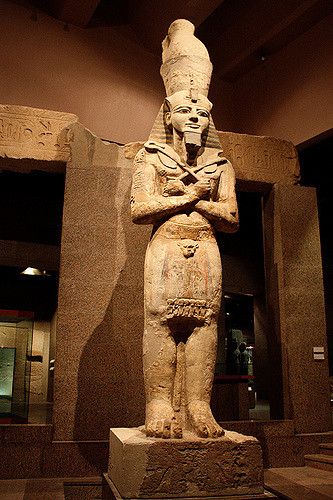
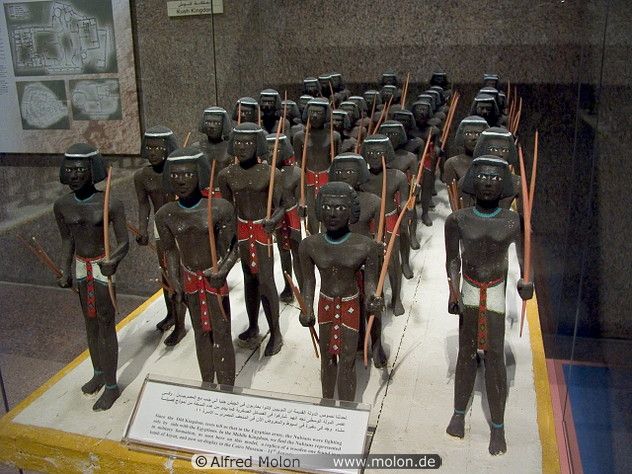
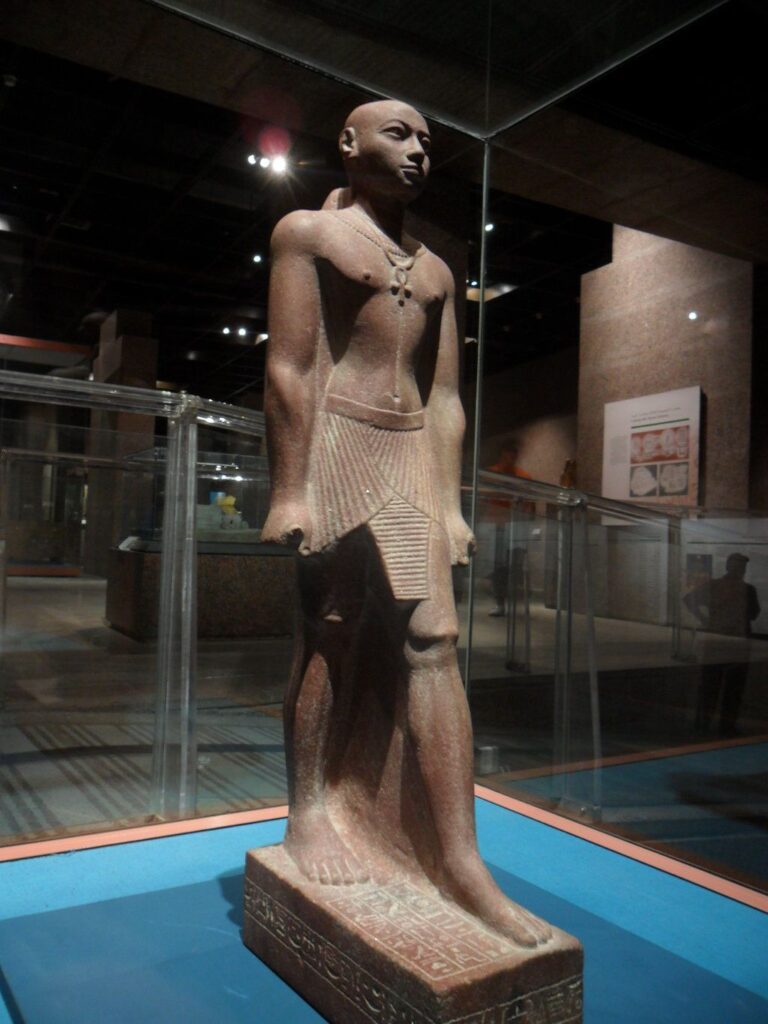
The Nubian Museum in Aswan houses a rich and diverse collection of artifacts that represent the long history of Nubia in southern Egypt. The exhibits cover thousands of years, starting from prehistoric settlements and continuing through Pharaonic, Roman, Coptic, and Islamic periods. Visitors can see ancient tools, pottery, statues, jewelry, and everyday objects that reveal how Nubian people lived, worked, and expressed their culture throughout history. Each artifact tells a story about the development of civilization along the Nile and the strong connection between people and their environment.

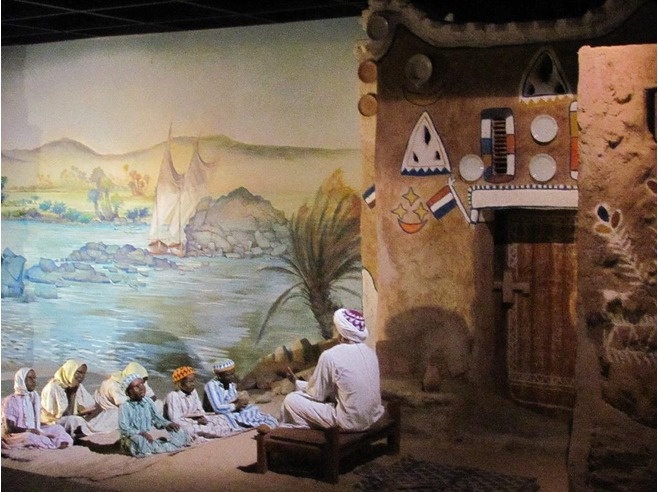
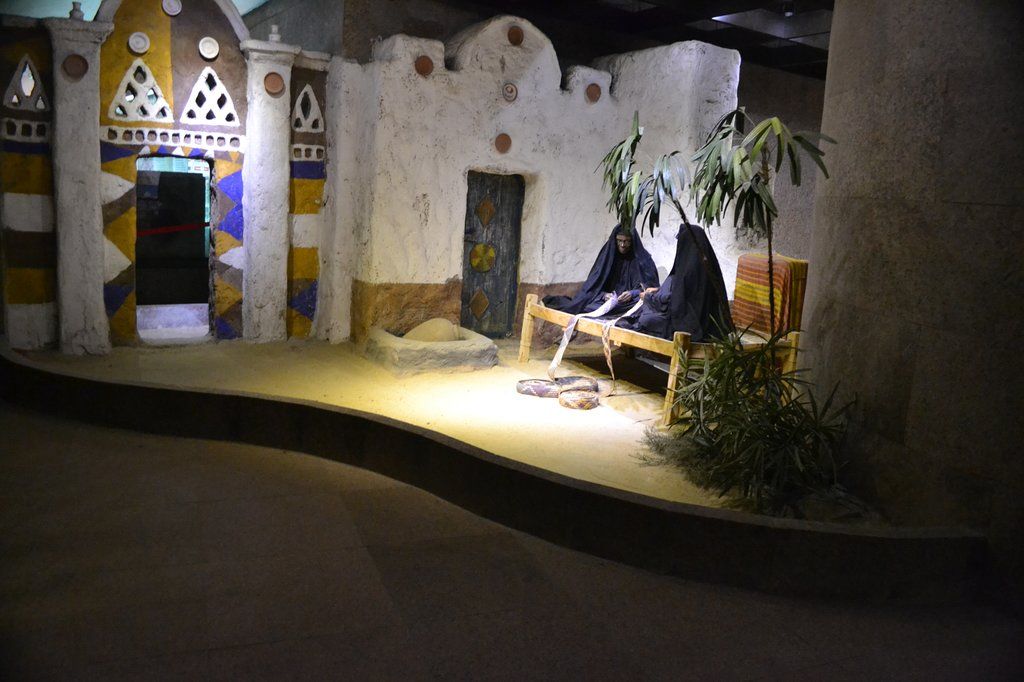
One of the most important sections of the museum is dedicated to the UNESCO rescue campaign, which saved many Nubian monuments from being submerged by Lake Nasser. This section includes photographs, models, and explanations of how temples such as Philae and Abu Simbel were relocated. The museum also features reconstructions of traditional Nubian homes, showing how villages were designed and how people adapted to their environment. In addition, cultural exhibits highlight Nubian music, language, and traditions, helping preserve the identity of modern Nubian communities. Together, these collections make the Nubian Museum a vital center for understanding both ancient history and living culture in the Nile Valley.
4. The Nubian Museum and UNESCO Rescue Campaign

The Nubian Museum in Aswan plays a central role in preserving the memory of one of the most important archaeological rescue efforts in modern history in Egypt. When the Aswan High Dam was constructed and Lake Nasser began to form, many ancient Nubian monuments were at risk of being permanently submerged. In response, UNESCO launched an international campaign in the 1960s to save these priceless heritage sites. The Nubian Museum was later established to document, preserve, and showcase the results of this massive operation, making it a living archive of cultural rescue and international cooperation.

Inside the museum, visitors can explore detailed displays that explain how temples such as Philae and Abu Simbel were carefully dismantled and relocated to higher ground. Photographs, models, and videos illustrate the engineering and archaeological techniques used during the process. This section of the museum highlights not only the importance of preservation but also the global effort that brought together experts from different countries to protect Nubian heritage. The UNESCO campaign is considered one of the greatest achievements in cultural preservation, and the museum ensures that this story is remembered and understood by future generations.

5. Nubian Culture and Daily Life Exhibits

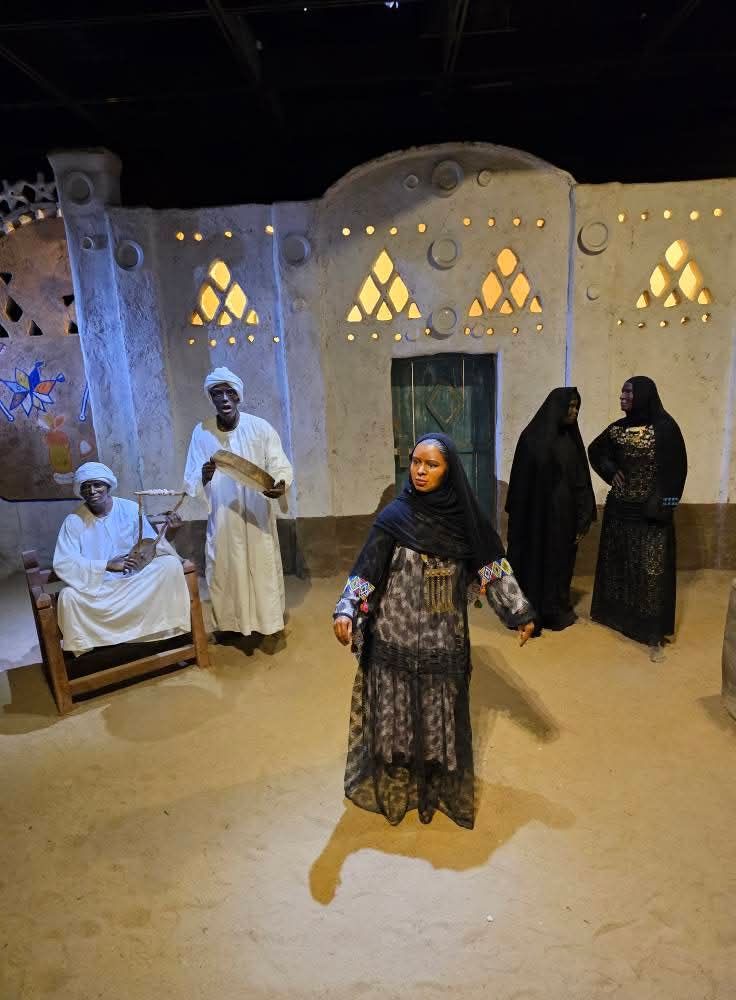
The Nubian Museum in Aswan offers a rich representation of everyday life in Nubia, reflecting the traditions of communities in southern Egypt. These exhibits provide visitors with insight into how Nubian people lived for centuries along the Nile, focusing on their homes, clothing, food, music, and social customs. One of the most interesting parts of the museum is the reconstruction of traditional Nubian houses, which are designed with natural materials, domed roofs, and colorful decorations that reflect the identity and creativity of the Nubian people.

The museum also highlights the importance of family and community in Nubian society. Displays show traditional tools used in farming and fishing, which were essential for survival along the Nile. Clothing exhibits showcase brightly colored garments and jewelry that reflect cultural pride and artistic expression. Music and oral storytelling are also important aspects of Nubian heritage, and the museum includes references to traditional instruments and songs that have been passed down through generations. These exhibits help visitors understand that Nubian culture is not just historical but still alive today, continuing to shape the identity of modern communities along the Nile.

6. Importance of the Nubian Museum Today

Today, the Nubian Museum in Aswan stands as one of the most important cultural landmarks in southern Egypt, serving both as a museum and a cultural center. It plays a key role in preserving Nubian identity, especially after the major changes caused by the construction of the Aswan High Dam and the creation of Lake Nasser. By documenting history, traditions, and archaeological discoveries, the museum ensures that the story of Nubia remains accessible to future generations. It also helps educate visitors about the deep historical connections between Egypt and Nubia along the Nile Valley.

In addition to its educational role, the museum is an important stop for tourists visiting Aswan. It provides context for nearby archaeological sites such as temples and ancient settlements, helping visitors better understand the region’s history. The museum also supports cultural pride among Nubian communities by celebrating their language, traditions, and artistic heritage. Through exhibitions, research, and cultural programs, the Nubian Museum continues to bridge the past and present, making it a vital institution for both heritage preservation and cultural tourism in Egypt.

7. Nubian Museum and Cultural Identity

The Nubian Museum in Aswan plays a vital role in preserving and strengthening cultural identity in southern Egypt. Nubian identity is deeply connected to language, traditions, and the long history of living along the Nile, and the museum helps ensure that these elements are not lost over time. After the displacement of many Nubian communities due to the creation of Lake Nasser, the museum became a symbolic space where history and identity could be preserved together. It allows both Nubians and visitors from around the world to understand the richness of a culture that has existed for thousands of years.

Through its exhibitions, the museum highlights how Nubian people maintained their identity despite major historical challenges. Displays on language, traditional clothing, music, and storytelling show how culture is passed from one generation to another. The museum also emphasizes the emotional connection between Nubian communities and their ancestral lands along the Nile. By preserving artifacts and cultural memory, it reinforces a sense of pride and belonging. Today, the Nubian Museum is not only a place for history but also a center for cultural awareness and identity preservation.

8. Architecture and Design of the Nubian Museum Building

The architecture of the Nubian Museum in Aswan is inspired by traditional Nubian village design and reflects the natural environment of southern Egypt. The building was carefully planned to blend with the surrounding landscape rather than stand apart from it. It uses natural sandstone materials, earthy tones, and flowing architectural forms that resemble the desert hills and Nile Valley. This design choice creates harmony between the museum and its environment, making it feel like a natural extension of the land it represents.

Inside, the museum is designed to guide visitors through a chronological journey of Nubian history. Wide corridors, open courtyards, and natural lighting create a calm and immersive atmosphere. Water features and landscaped gardens outside the building symbolize the importance of the Nile in Nubian life. The architecture also includes spaces for cultural events and educational activities, making it more than just a display area. Overall, the design reflects both functionality and cultural symbolism, reinforcing the museum’s mission to preserve and celebrate Nubian heritage in a visually meaningful way.

9. Visitor Experience at the Nubian Museum

Visiting the Nubian Museum in Aswan is a rich cultural experience for travelers exploring southern Egypt. The museum offers a calm and educational environment where visitors can explore thousands of years of Nubian history at their own pace. Exhibits are carefully organized to make the experience easy to follow, starting from prehistoric times and moving through ancient, medieval, and modern periods. Each section provides detailed explanations that help visitors understand the development of Nubian civilization along the Nile.

Tourists often find the museum especially valuable because it provides context for other archaeological sites in the region. Guided tours help explain the significance of artifacts and the impact of major historical events such as the construction of the Aswan High Dam. The museum also offers opportunities for photography, learning, and cultural appreciation. Many visitors leave with a deeper understanding of Nubian heritage and its importance in Egyptian history. Overall, the Nubian Museum is considered an essential stop in Aswan, offering a meaningful experience that combines education, culture, and history in one location.

10. The Role of the Nubian Museum in Education and Research

The Nubian Museum in Aswan is not only a cultural attraction but also an important center for education and archaeological research in southern Egypt. It provides valuable resources for students, historians, and researchers who are interested in understanding the long and complex history of Nubia. Through its carefully curated exhibits, the museum offers detailed information about ancient civilizations, daily life, religious practices, and the evolution of Nubian society along the Nile. Educational programs and guided tours help visitors of all ages gain a deeper understanding of the region’s heritage.

The museum also supports academic research by preserving artifacts and providing access to historical documentation related to Nubian archaeology. Scholars from around the world visit the museum to study its collections and learn from its archives, especially those related to the UNESCO rescue campaign. Workshops, lectures, and cultural events are regularly organized to promote knowledge about Nubian history and encourage cultural exchange. In this way, the museum plays an active role in bridging the gap between the past and present while supporting ongoing learning and discovery.

11. The Nubian Museum and Cultural Tourism in Aswan

The Nubian Museum in Aswan is an important part of cultural tourism in southern Egypt, attracting visitors from around the world who want to explore the rich heritage of Nubia. As tourism in Aswan continues to grow, the museum serves as a key starting point for understanding the history and culture of the region. Many travelers visit the museum before exploring nearby archaeological sites, as it provides essential background information that enhances their overall experience along the Nile Valley.

The museum contributes to sustainable tourism by promoting awareness and respect for Nubian culture. It encourages visitors to appreciate not only ancient artifacts but also the living traditions of modern Nubian communities. Cultural programs, exhibitions, and events help create meaningful interactions between tourists and local heritage. This approach supports both education and economic development while preserving cultural authenticity. As a result, the Nubian Museum has become an essential destination for anyone interested in responsible and enriching travel experiences in Aswan, combining history, culture, and education in one place.

12. Legacy and Global Importance of the Nubian Museum

The Nubian Museum in Aswan holds global importance as a symbol of cultural preservation and heritage protection in Egypt. It represents one of the most successful efforts in modern history to save and document a threatened civilization. Following the construction of the Aswan High Dam and the creation of Lake Nasser, many Nubian sites were lost or relocated, making the museum essential for preserving the memory of an entire cultural region. Its establishment marked a turning point in how the world approaches heritage conservation and international cooperation.

Today, the museum stands as a lasting legacy of both Nubian civilization and global efforts to protect human history. It continues to inspire similar projects worldwide that aim to safeguard endangered cultural sites. By preserving artifacts, traditions, and historical knowledge, the Nubian Museum ensures that Nubian heritage remains alive and accessible for future generations. Its influence extends beyond Egypt, making it a model for cultural preservation and a reminder of the importance of protecting the world’s shared heritage.

Nubian Museum : Frequently Asked Questions

The Nubian Museum is located in Aswan in southern Egypt, close to the Nile River.

It was built to preserve Nubian history and artifacts, especially after many monuments were saved or relocated during the construction of the Aswan High Dam and the creation of Lake Nasser.

Visitors can see ancient statues, pottery, tools, jewelry, reconstructed Nubian houses, and exhibits about Nubian culture, language, and daily life.

The museum officially opened in 1997 as part of a UNESCO-supported effort to protect Nubian heritage.

Yes, it is highly recommended because it offers a complete overview of Nubian civilization, helps you understand Aswan’s history, and provides context for nearby archaeological sites.