
Welcome to

Cairo: The Eternal Gateway to Egypt’s Past and Vibrant Present

Cairo, a sprawling metropolis where the echoes of ancient history blend seamlessly with the frantic, exciting energy of modern life, stands as the unrivaled capital of Egypt. Known as the “City of a Thousand Minarets,” Cairo is a mesmerizing tapestry of Islamic heritage, Coptic tradition, and the inescapable presence of the ancient pharaonic world just beyond its borders. For any traveler embarking on an Egypt vacation, Cairo is almost certainly the starting point, serving as the essential gateway to the wonders of the Giza Plateau, the treasures of the Grand Egyptian Museum, and the chaotic charm of its historic souks. As you navigate the winding streets of Islamic Cairo or stand in awe before the Great Pyramids, you are witnessing a city that has served as a global crossroads for over a millennium. Whether you are seeking world-class museums, vibrant nightlife, or a deep dive into the roots of civilization, Cairo offers an immersive experience that is as diverse as it is unforgettable. It is a city that never sleeps, inviting you to explore its layers and discover why it remains the beating heart of tourism in Egypt.

the Pyramids

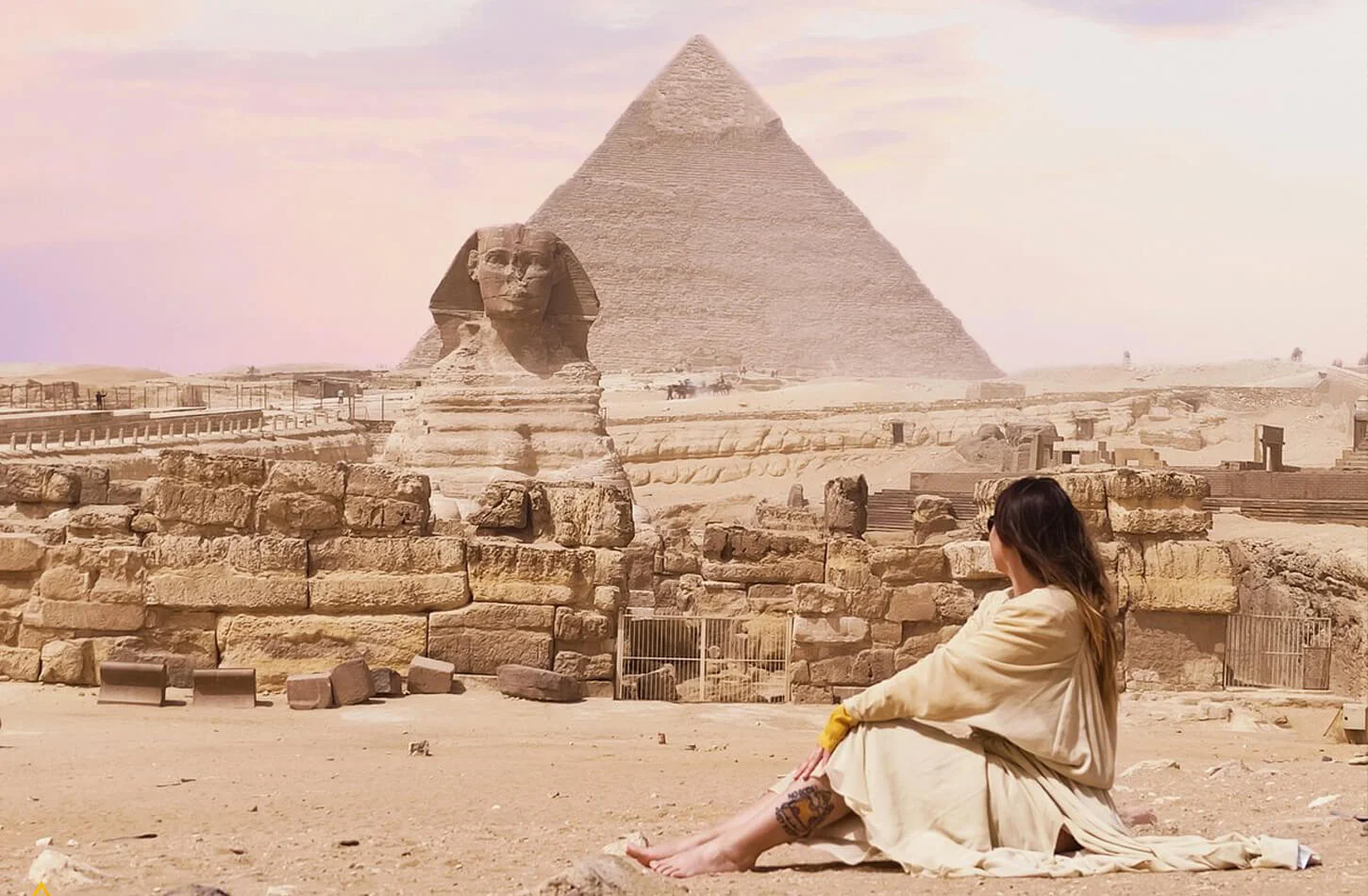
1. The Giza Plateau: Standing Before the Pyramids and the Sphinx

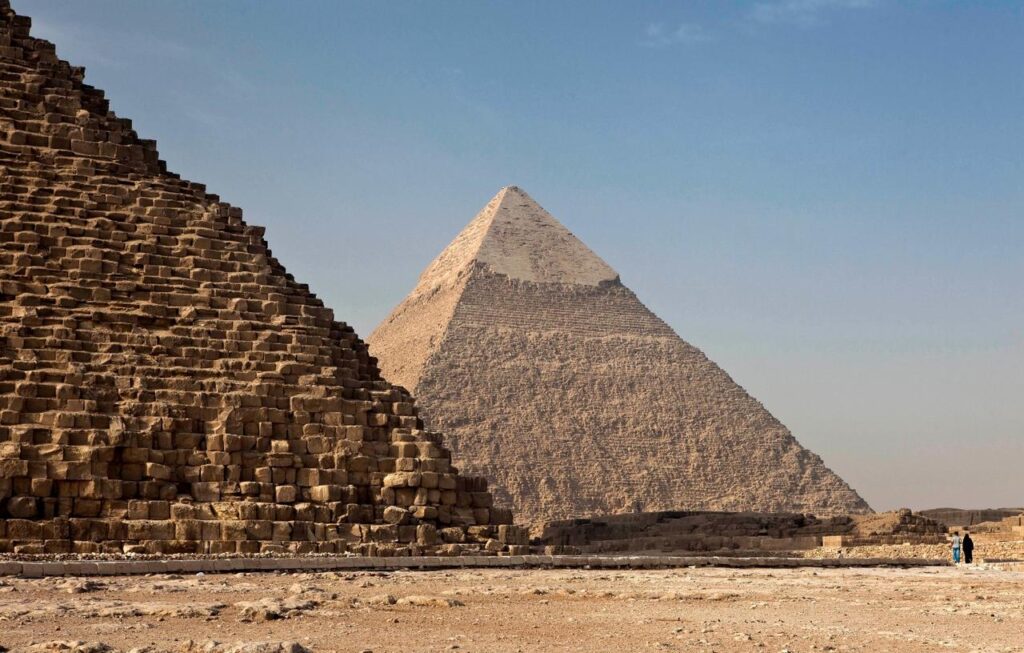
No mention of Cairo is complete without the Giza Plateau, home to the last standing wonder of the ancient world: the Great Pyramid of Giza. Standing before these monumental structures, you are confronted with the true scale of ancient architectural ambition. For travelers planning an Egypt sightseeing tour, the sight of the pyramids against the modern city skyline is an iconic contrast that defines the Egyptian experience. Beyond the pyramids, the enigmatic Great Sphinx continues to guard the plateau, shrouded in mystery and history. Exploring this area is not just about ticking off a bucket-list site; it is about engaging with one of the most significant periods in human history. We recommend hiring a knowledgeable guide to explain the engineering secrets and religious significance of the tombs and temples surrounding the main pyramids. It is an essential stop for anyone wanting to understand the foundations of ancient Egyptian power, and it sets the perfect tone for your deeper exploration of the historical sites in Egypt.
Cairo

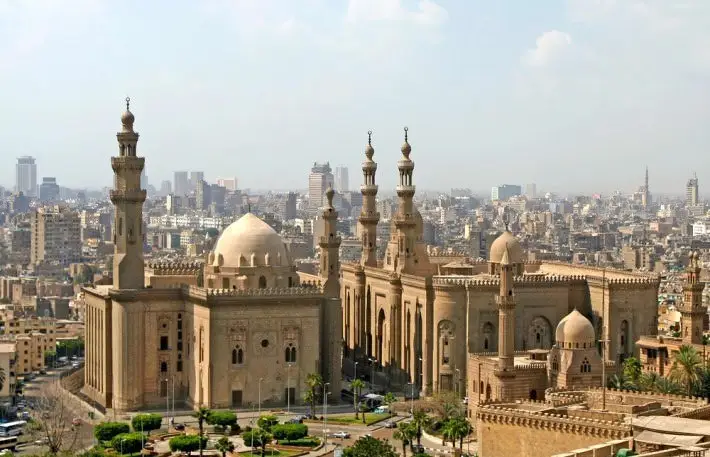
2. Islamic Cairo: A Journey Through a Living Museum

Islamic Cairo is a UNESCO World Heritage site and a breathtaking labyrinth of historic architecture that feels like stepping back into the medieval era. From the massive fortifications of the Saladin Citadel, which offers panoramic views of the entire city, to the stunning Mosque-Madrasa of Sultan Hassan, this area is a treasure trove of intricate geometric patterns and soaring minarets. Walking through the narrow, bustling streets of Al-Muizz Street, you are surrounded by mosques, madrasas, and caravanserais that have stood for centuries. For those interested in cultural tourism in Egypt, this is the most authentic place to observe the city’s rich religious and social history. The area is also home to the legendary Khan el-Khalili bazaar, where the scents of incense and traditional spices fill the air. Engaging with the artisans who have practiced their crafts here for generations provides an intimate look at the enduring spirit of Cairo. It is a vibrant, sensory-filled district that perfectly complements the silence of the ancient monuments, showcasing the depth and diversity of the Egyptian cultural heritage.
The Grand Egyptian Museum

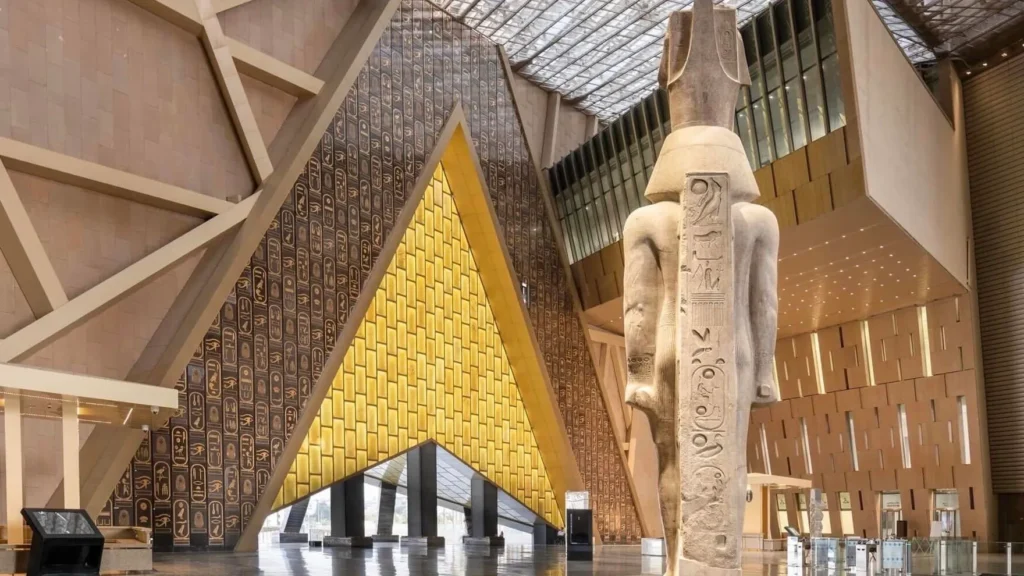
3. The Egyptian Museum and the New Grand Egyptian Museum

Cairo is the world’s most important repository of pharaonic artifacts, and its museums are a mandatory part of any trip to Egypt. The historic Egyptian Museum in Tahrir Square, with its famous red-hued facade, has served as a home to thousands of years of history, including the golden treasures of Tutankhamun. Meanwhile, the opening of the Grand Egyptian Museum (GEM) marks a new era in the presentation of Egyptian history, offering a state-of-the-art facility that showcases the evolution of this incredible civilization. For travelers who are truly passionate about archaeology in Egypt, these museums provide the context necessary to bring the monuments you visit to life. Seeing the jewelry, statues, and daily life objects of the pharaohs up close allows you to connect with the individuals behind the history. Whether you are an expert in ancient cultures or a curious visitor, the depth of these collections is guaranteed to leave you awestruck, making them the educational cornerstone of your Cairo travel itinerary.
4. Exemplary Hospitality: A Collection of Ultra-Luxury Resorts

The hospitality landscape in Sahl Hasheesh is defined by a commitment to ultra-luxury and personalized service, featuring some of the most prestigious hotel brands and boutique properties in the region. Each resort is strategically positioned to offer direct beachfront access, ensuring that every guest is only steps away from the tranquil waters of the Red Sea. These establishments are designed as self-contained sanctuaries where the architecture often reflects the grand “Arabesque” style seen in the Old Town, combined with sleek, modern interiors that prioritize comfort and technology. For travelers seeking a five-star Egypt vacation, Sahl Hasheesh offers a range of options, from adults-only retreats catering to honeymooners and couples to expansive family resorts equipped with sophisticated aqua parks and world-class kids’ clubs. The service philosophy in these hotels is rooted in the traditional Egyptian hospitality, where guests are treated with a level of care and attention that makes every stay feel bespoke. Many resorts offer private butler services, exclusive club lounges, and secluded villas with private infinity pools that overlook the bay. This focus on “high-end seclusion” ensures that even during peak travel seasons, the environment remains peaceful and private. The culinary offerings within these resorts are equally impressive, featuring award-winning chefs who prepare international and local delicacies in stunning settings. In Sahl Hasheesh, the resort is not just a place to sleep; it is the core of the vacation experience, a place where the grandeur of the surroundings is matched by the impeccable quality of the service, creating an atmosphere of pampered luxury that is difficult to replicate elsewhere on the coast.

Cairo

5. Zamalek and Downtown: The Cosmopolitan Pulse of the City

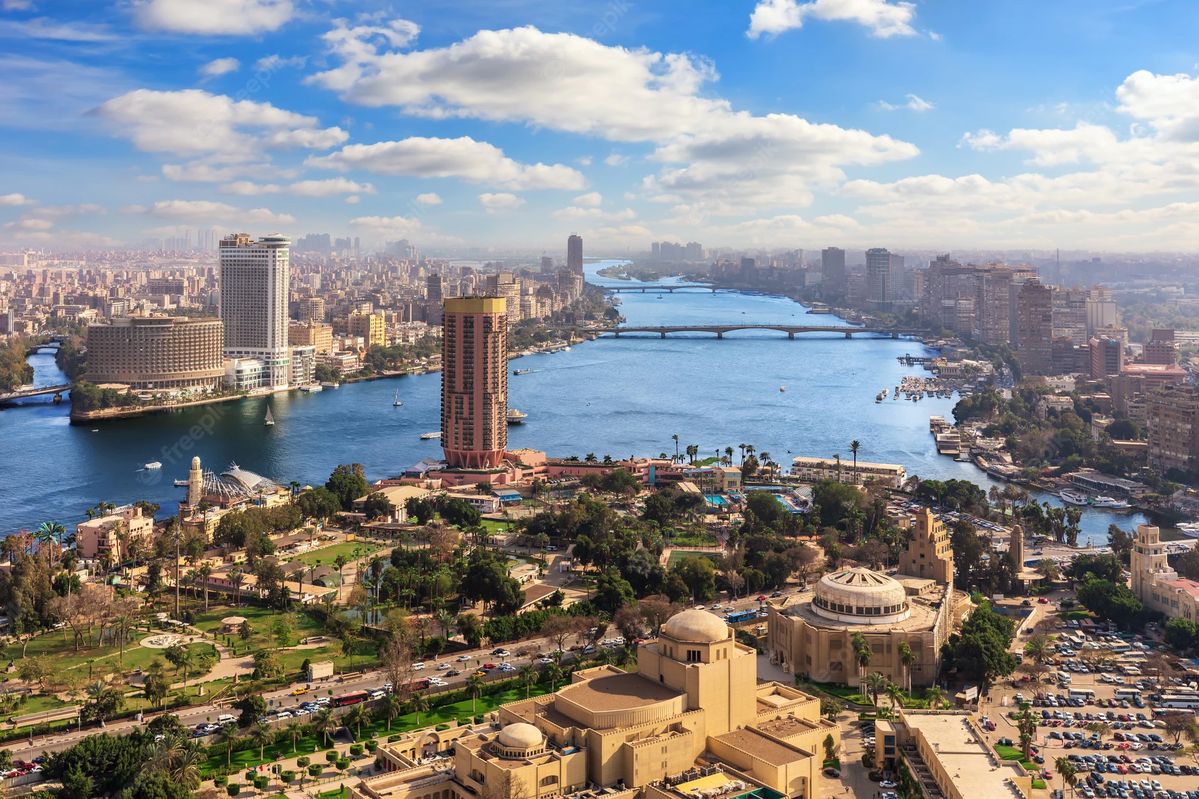
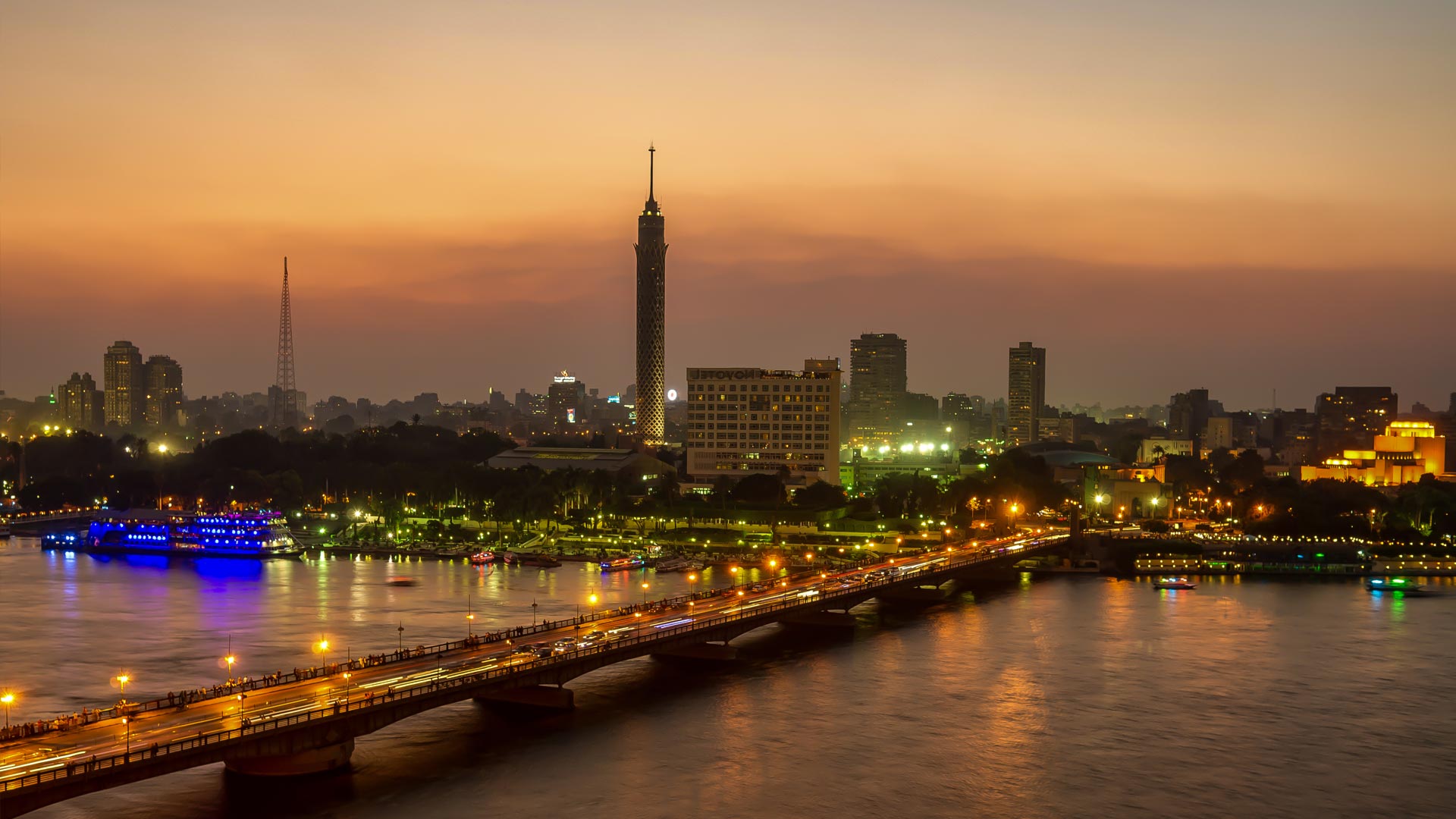
If the ancient monuments represent the soul of Cairo, the districts of Downtown and Zamalek represent its cosmopolitan heart. Downtown Cairo, with its grand 19th-century European-style architecture and wide boulevards, reflects a time when the city was known as the “Paris of the Nile.” It is a hub for theaters, historic cinemas, and classic cafes like the famous Groppi, where intellectual life in Cairo flourished for decades. In contrast, the island of Zamalek, nestled in the middle of the Nile, is a leafy, sophisticated enclave filled with art galleries, boutique shops, and trendy restaurants. For those seeking luxury travel in Egypt, Zamalek offers a refined experience with its beautiful gardens, international embassies, and high-end dining spots. Spending an evening in one of these areas allows you to see the modern face of Cairo—a city that is vibrant, fashionable, and deeply connected to global culture. It is the perfect place to unwind, enjoy a sophisticated dinner with views of the river, and witness how the modern Egyptian lifestyle thrives alongside the city’s ancient, deep-rooted identity.

6. The Nile: A Constant Presence in Cairo’s Daily Life

The Nile River is not just a geographical feature; it is the lifeblood that anchors the sprawling city of Cairo. Experiencing the Nile in the capital is an activity that should not be missed, whether through a sunset felucca ride or a dinner cruise that showcases the city’s glowing skyline at night. The river is the focal point of local recreation, with many residents spending their evenings walking along the bridges or enjoying the view from the numerous riverside parks. For tourists, the Nile offers a unique vantage point from which to view Cairo’s evolution; as you sail, you can spot the ancient minarets of the old city standing proudly alongside modern skyscrapers and luxury hotels. Integrating a river excursion into your Cairo travel itinerary provides a much-needed moment of tranquility amidst the city’s urban intensity. It allows you to appreciate the scale of this massive city and understand why, throughout history, the prosperity of Egypt has always been inexorably linked to the rise and fall of the Nile’s waters.

khan El Khalili bazzar

7. Khan el-Khalili: The Timeless Bazaar of Cairo

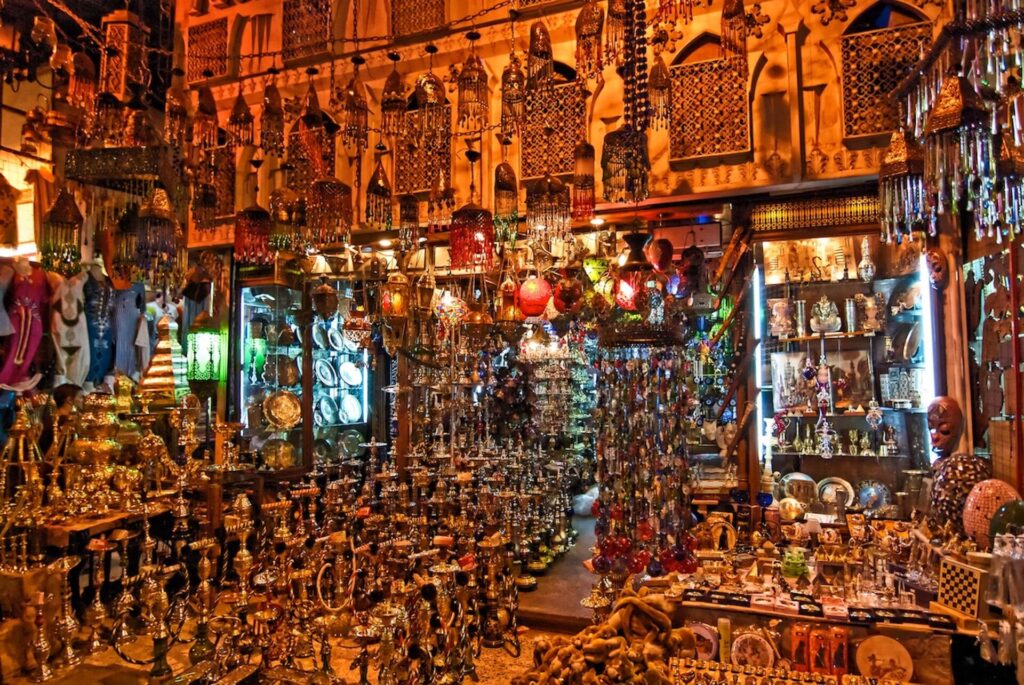
No visit to Cairo is complete without losing yourself in the labyrinthine alleys of Khan el-Khalili, one of the most famous and oldest souks in the Middle East. Dating back to the 14th century, this bustling marketplace is the quintessential shopping experience in Egypt. Here, you can find a dazzling array of goods, from intricate brass lamps and copperware to hand-woven textiles and high-quality Egyptian cotton. As you navigate the crowded stalls, the air is thick with the scent of spices, essential oils, and the aroma of traditional coffee drifting from the legendary El Fishawy café. This is the place to test your haggling skills, interact with local artisans, and find unique, handcrafted treasures. Beyond the commerce, the souk is a social hub where you can observe the authentic, fast-paced rhythm of Cairene life. Whether you are looking for authentic souvenirs from Egypt or simply want to soak in the atmosphere of a historic trading center that has thrived for hundreds of years, the Khan el-Khalili is an unforgettable sensory journey.

8. Culinary Cairo: A Taste of the City's Soul

Cairo’s culinary scene is a vibrant reflection of its diverse history and cosmopolitan nature. From hidden street-food gems to elegant fine-dining establishments, the city offers a flavor for every palate. You cannot visit Cairo without trying Koshary, the city’s beloved national dish, a hearty and delicious mix of pasta, rice, lentils, and chickpeas topped with a spicy tomato sauce. For a more traditional experience, seek out “Foul and Falafel” (Ta’ameya) breakfasts, which are the cornerstone of the daily Cairene diet. If you prefer a more refined dining experience, the city’s historic and upscale restaurants offer classic Egyptian dishes like Molokhia and stuffed pigeon, prepared with recipes passed down through generations. Exploring the food scene in Cairo is a culinary tour in itself, taking you from bustling sidewalk stalls to sophisticated eateries with views of the Nile. Whether you are grabbing a quick bite after visiting a museum or indulging in a long, leisurely dinner, Cairo’s food culture is warm, generous, and an essential part of the Egypt travel experience.

9. Practical Tips: Navigating the Bustle of Cairo

Cairo is a massive, energetic city that can be overwhelming for the first-time visitor, but with a few practical tips, you can navigate it with confidence. Traffic is a significant part of the Cairo experience, so it is highly recommended to use modern ride-sharing apps or hire a reputable private driver for your daily excursions, as this provides a comfortable and stress-free way to reach sites like the Pyramids or the Citadel. For those planning their Egypt sightseeing itinerary, prioritize your most important visits for the early morning to avoid both the peak sun and the heavy afternoon traffic. Additionally, dressing modestly and respecting local customs is appreciated, especially when visiting religious sites or older neighborhoods. It is also wise to stay in areas with good accessibility, such as Zamalek or Downtown, to remain centrally located. By planning your transport in advance and embracing the city’s lively energy, you can focus on the incredible history and culture that define this metropolis, ensuring a seamless trip to Cairo.

The Cairo Opera House and Cultural Centers

10. The Cairo Opera House and Cultural Centers: The Modern Artistic Heart

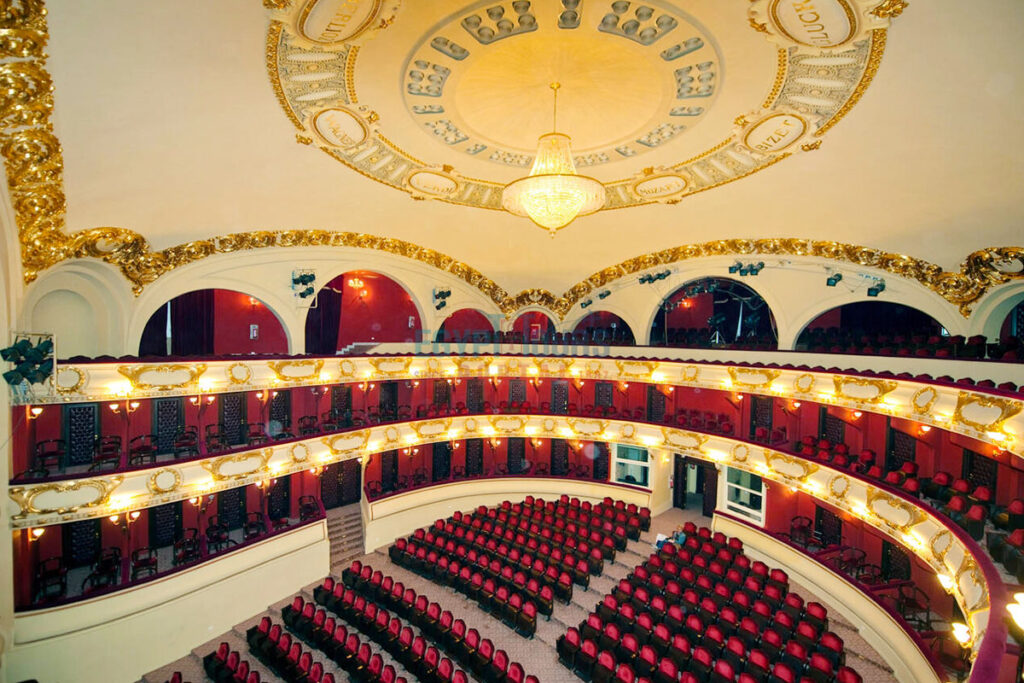
Cairo is the undisputed center for arts and culture in the Arab world, and the Cairo Opera House (part of the National Cultural Centre) is the crown jewel of this scene. Located on Gezira Island, this stunning complex hosts world-class performances ranging from orchestral concerts and ballet to traditional Egyptian music and avant-garde theater. For travelers interested in the modern cultural scene in Egypt, attending a performance here is a fantastic way to engage with the refined artistic side of the city. Beyond the Opera House, Cairo is dotted with numerous galleries, independent cinemas, and cultural spaces in districts like Downtown and Maadi that showcase contemporary Egyptian art. These venues provide a platform for local creators to express the changing identity of the nation. Including an evening at the opera or visiting a contemporary art gallery adds a layer of sophistication to your cultural tour of Cairo, demonstrating that the city is not just a repository of ancient stones but a thriving, creative hub that continues to shape the future of the region.

try Egypt tours

11. Seasonal Charms: Why Cairo is a Year-Round Destination

Cairo’s personality shifts beautifully with the seasons, making it a destination that rewards travelers at any time of year. While the winter months (November to March) offer the most comfortable temperatures for long days of temple and pyramid exploration, the shoulder seasons of spring and autumn bring a pleasant climate that is perfect for outdoor dining along the Nile or strolling through historic neighborhoods. Even the summer months, while hot, offer a unique, vibrant atmosphere with late-night activities, lively street cafes, and festive energy that truly comes alive after sunset. For those planning an Egypt travel tour, understanding these seasonal rhythms can help you tailor your experience—whether you prefer the mild, crisp days of January or the energetic, balmy nights of July. Cairo is a city that never stops, and its ability to adapt to the seasons ensures that whether you are here for a quick stopover or a long-term discovery, the “City of a Thousand Minarets” always has something new and exciting to offer.

An Unforgettable Farewell to the Heart of Egypt

As you bid farewell to Cairo, you will realize that you are leaving behind a city that is as complex and enduring as the civilization that built it. From the eternal silence of the Giza Pyramids to the cacophonous, beautiful energy of Khan el-Khalili, Cairo is a city of layers—each one telling a story of conquest, faith, and survival. It is the essential starting and ending point for any comprehensive journey through Egypt, providing the context that connects every other site you have visited. Whether you leave with a bag full of spices, a camera full of iconic images, or a mind full of historical wonders, your time in Cairo will undoubtedly remain a cornerstone of your travel memories. As you move on to your next destination, carry with you the resilience and warmth of the Cairene people and the awe-inspiring legacy of their ancestors. Start planning your dream trip to Cairo today, and prepare to be enchanted by a metropolis that truly stands as the beating heart of Egypt and a bridge between the ancient and the modern worlds.

Cairo : Frequently Asked Questions

The most efficient way to navigate Cairo is using ride-sharing apps like Uber or Careem, which are reliable and cost-effective. For short distances in historic areas, walking or using local taxis is common, but be prepared for Cairo’s unique traffic patterns.

We recommend a minimum of 3 to 4 days to cover the major highlights, including the Pyramids, the Egyptian Museum (and GEM), Islamic Cairo, and a bit of time to enjoy the city’s modern districts.

Yes, Cairo is a popular tourist destination and is generally safe for travelers. Like any major global metropolis, it is advised to use common sense, keep your belongings secure in crowded markets, and follow the guidance of your tour operators.

While you can explore the Giza Plateau on your own, hiring a professional Egyptologist is highly recommended. They provide invaluable historical context and help you navigate the site efficiently, ensuring you don’t miss hidden gems.

The best time is early morning (around 8:00 AM) right when the gates open. This allows you to avoid the intense heat of the midday sun and the large tour bus crowds, giving you a more personal and peaceful experience.