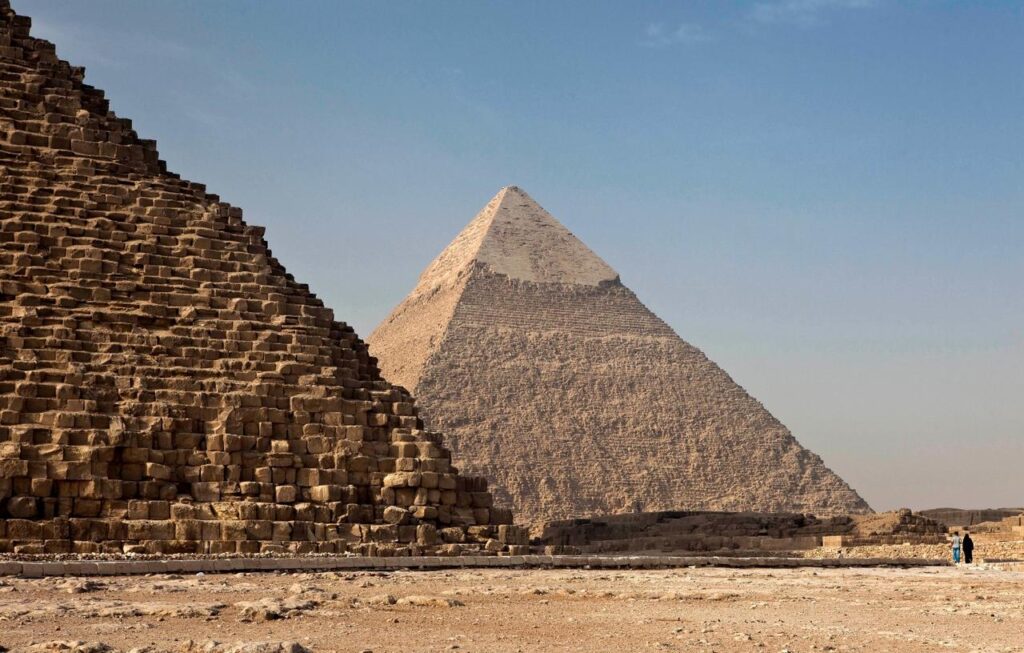

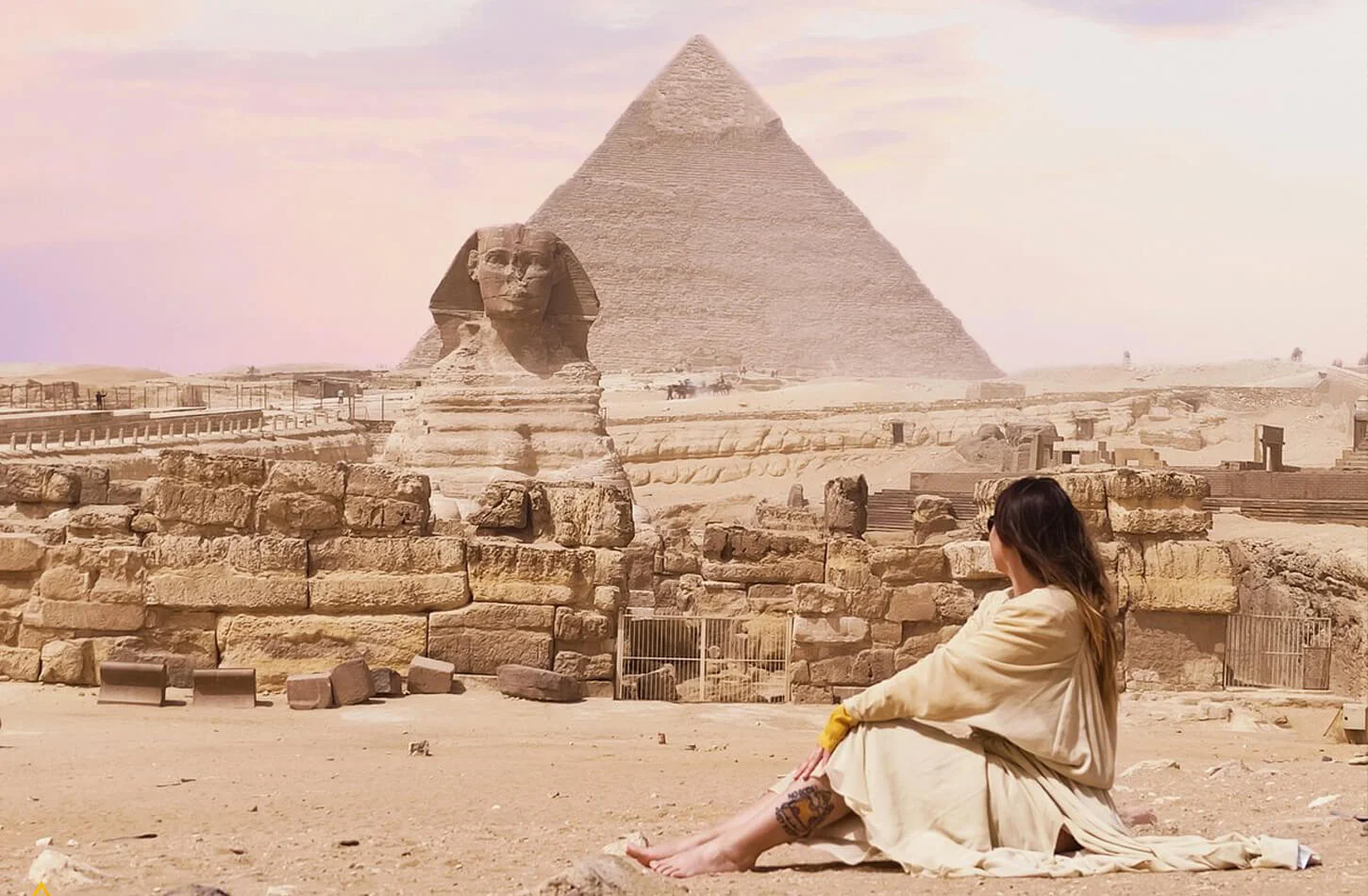
1. The Giza Plateau: Standing Before the Pyramids and the Sphinx
No mention of Cairo is complete without the Giza Plateau, home to the last standing wonder of the ancient world: the Great Pyramid of Giza. Standing before these monumental structures, you are confronted with the true scale of ancient architectural ambition. For travelers planning an Egypt sightseeing tour, the sight of the pyramids against the modern city skyline is an iconic contrast that defines the Egyptian experience. Beyond the pyramids, the enigmatic Great Sphinx continues to guard the plateau, shrouded in mystery and history. Exploring this area is not just about ticking off a bucket-list site; it is about engaging with one of the most significant periods in human history. We recommend hiring a knowledgeable guide to explain the engineering secrets and religious significance of the tombs and temples surrounding the main pyramids. It is an essential stop for anyone wanting to understand the foundations of ancient Egyptian power, and it sets the perfect tone for your deeper exploration of the historical sites in Egypt.
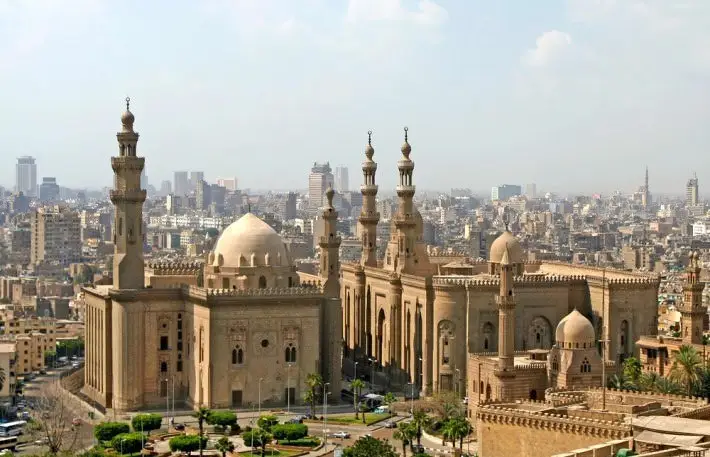
2. Islamic Cairo: A Journey Through a Living Museum
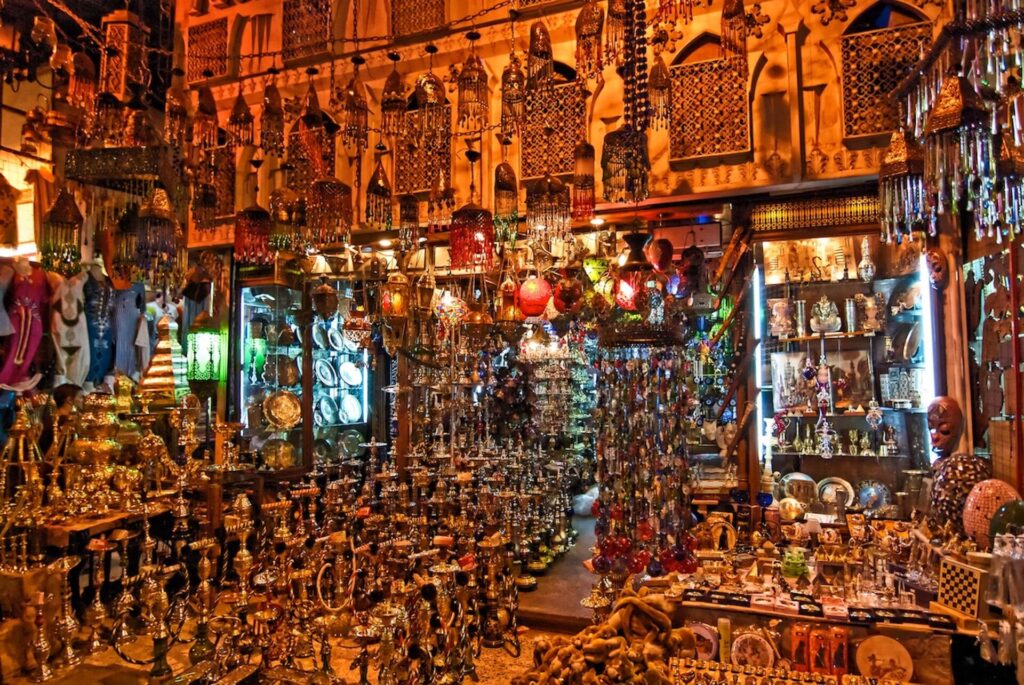
Islamic Cairo is a UNESCO World Heritage site and a breathtaking labyrinth of historic architecture that feels like stepping back into the medieval era. From the massive fortifications of the Saladin Citadel, which offers panoramic views of the entire city, to the stunning Mosque-Madrasa of Sultan Hassan, this area is a treasure trove of intricate geometric patterns and soaring minarets. Walking through the narrow, bustling streets of Al-Muizz Street, you are surrounded by mosques, madrasas, and caravanserais that have stood for centuries. For those interested in cultural tourism in Egypt, this is the most authentic place to observe the city’s rich religious and social history. The area is also home to the legendary Khan el-Khalili bazaar, where the scents of incense and traditional spices fill the air. Engaging with the artisans who have practiced their crafts here for generations provides an intimate look at the enduring spirit of Cairo. It is a vibrant, sensory-filled district that perfectly complements the silence of the ancient monuments, showcasing the depth and diversity of the Egyptian cultural heritage.
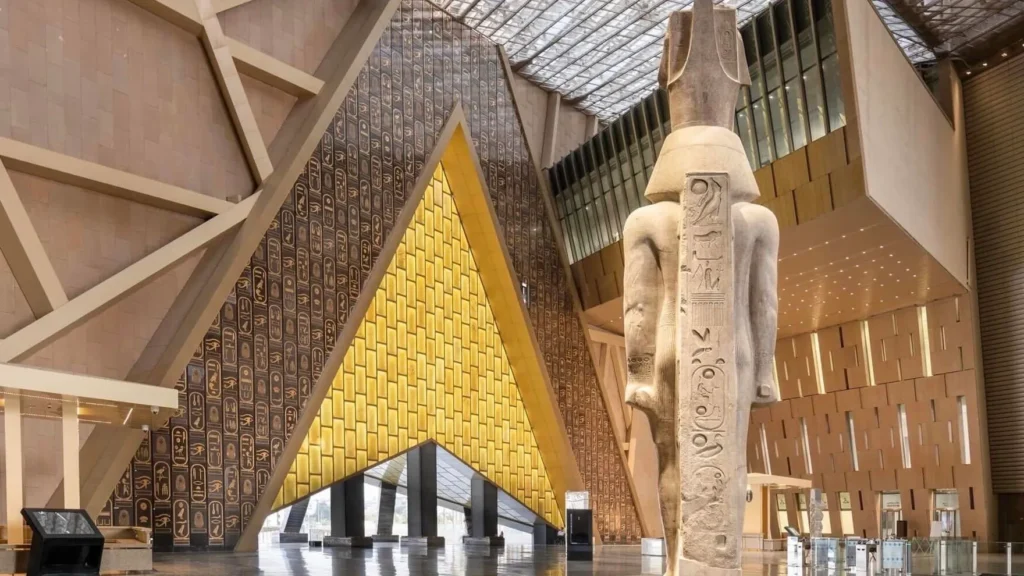
3. The Egyptian Museum and the New Grand Egyptian Museum
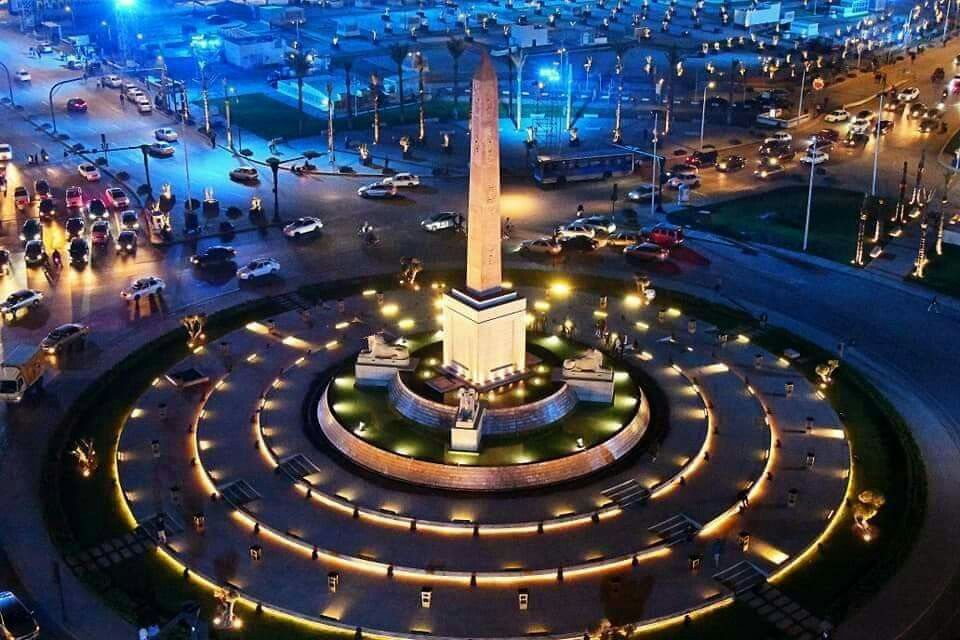
Cairo is the world’s most important repository of pharaonic artifacts, and its museums are a mandatory part of any trip to Egypt. The historic Egyptian Museum in Tahrir Square, with its famous red-hued facade, has served as a home to thousands of years of history, including the golden treasures of Tutankhamun. Meanwhile, the opening of the Grand Egyptian Museum (GEM) marks a new era in the presentation of Egyptian history, offering a state-of-the-art facility that showcases the evolution of this incredible civilization. For travelers who are truly passionate about archaeology in Egypt, these museums provide the context necessary to bring the monuments you visit to life. Seeing the jewelry, statues, and daily life objects of the pharaohs up close allows you to connect with the individuals behind the history. Whether you are an expert in ancient cultures or a curious visitor, the depth of these collections is guaranteed to leave you awestruck, making them the educational cornerstone of your Cairo travel itinerary.