Welcome to

Coptic Cairo: Egypt’s Sacred Heart of Christian Heritage

Coptic Cairo, Egypt, is one of the most remarkable historical and religious destinations in the Egyptian capital, offering visitors a fascinating journey through the origins of Christianity in Egypt and the extraordinary heritage of the Coptic Orthodox Church. Located within the historic district of Old Cairo, this ancient area is famous for its beautiful churches, historic monasteries, religious museums, and archaeological remains dating back to the early centuries of Christianity. Coptic Cairo represents an important part of Egypt’s religious identity and preserves some of the oldest Christian monuments in the Middle East. Its peaceful streets, ancient stone walls, traditional architecture, and remarkable religious landmarks create a unique atmosphere that attracts pilgrims, historians, and international travelers interested in exploring the spiritual and cultural history of Egypt. For anyone searching for the best historical places to visit in Cairo, Coptic Cairo is an essential destination that reveals a fascinating chapter of Egyptian civilization beyond the ancient pharaohs and pyramids.

The history of Coptic Cairo is closely connected to the ancient settlement of Babylon, where the Romans established an important military fortress along the Nile River. Known as Babylon Fortress, this defensive structure became a significant center during the Roman and Byzantine periods and later developed into an important Christian community. As Christianity spread throughout Egypt, churches and religious institutions were established around the fortress, transforming the area into one of the most important centers of early Egyptian Christianity. Today, visitors can still see parts of the ancient fortress walls and towers, which provide a remarkable historical setting for the churches and religious monuments surrounding them. Exploring this district allows travelers to understand how different civilizations and religious traditions contributed to the development of Cairo over thousands of years.

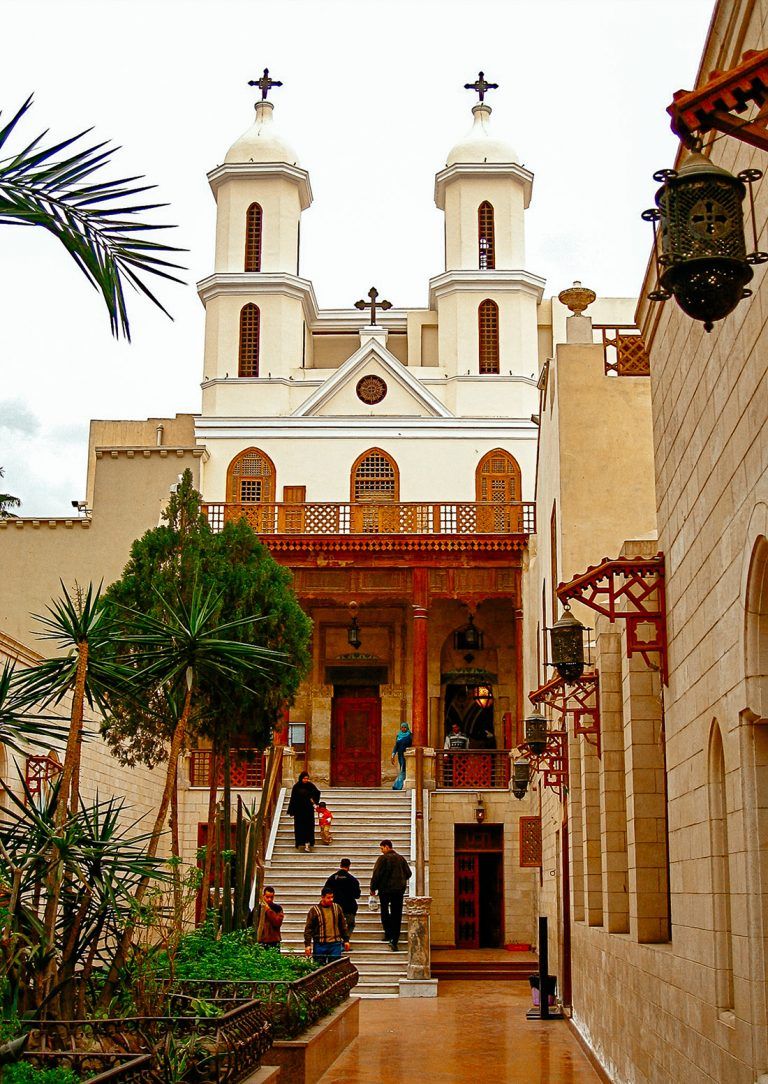
One of the most famous attractions in Coptic Cairo is the Hanging Church, also known as the Church of the Virgin Mary. This extraordinary religious monument is among the oldest and most celebrated Coptic churches in Egypt. Its name comes from its location above the southern gate of Babylon Fortress, where parts of its structure are supported by the ancient fortress remains. The church is particularly famous for its beautiful wooden ceiling, which resembles the shape of Noah’s Ark, as well as its marble columns, religious icons, carved wooden screens, and impressive interior decorations. Throughout its long history, the Hanging Church has undergone several restorations and renovations, preserving its importance as a major center of Coptic Christianity. Visitors can admire its distinctive architectural design and discover the religious traditions that have been maintained here for centuries.

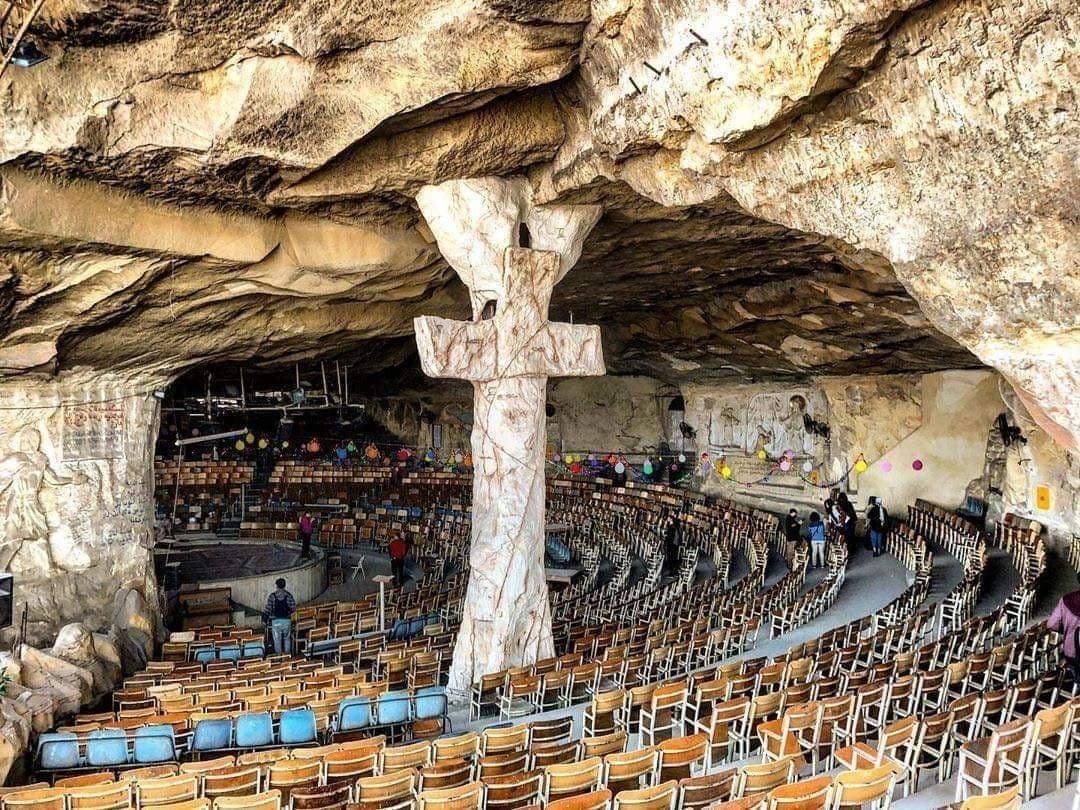
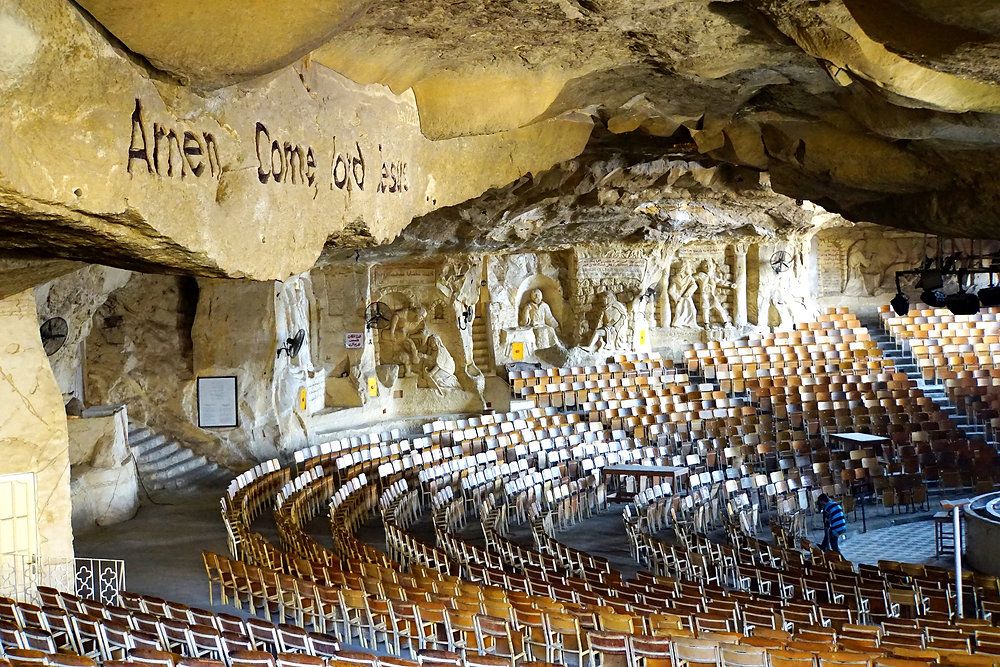
Another important religious landmark is the Church of Saints Sergius and Bacchus, commonly known as Abu Serga. According to Christian tradition, this historic church was built over a cave where the Holy Family is believed to have rested during their journey through Egypt. The church is therefore an important destination for Christian pilgrims and visitors interested in biblical history. Its underground crypt is one of its most significant features, attracting visitors who wish to learn more about the traditional story of the Holy Family’s journey. The church also features a beautiful basilica-style design, ancient columns, wooden decorations, and historic religious icons. Its long history and spiritual importance make Abu Serga one of the most memorable churches to explore in Coptic Cairo.

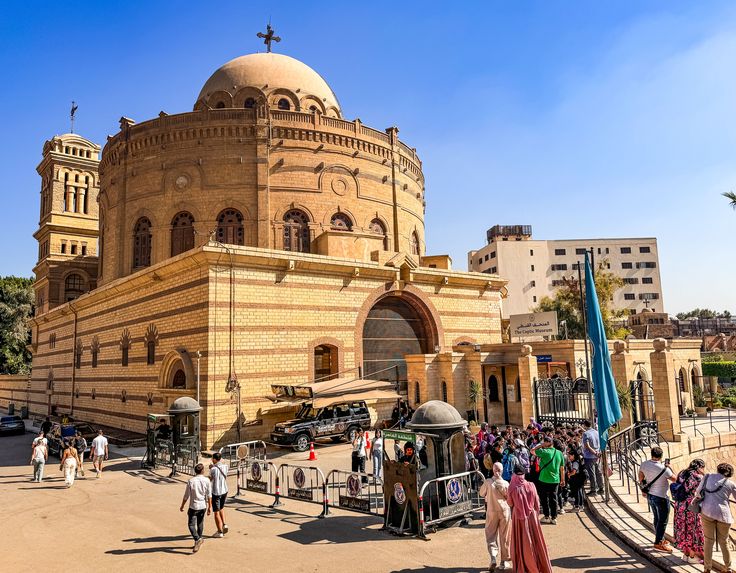
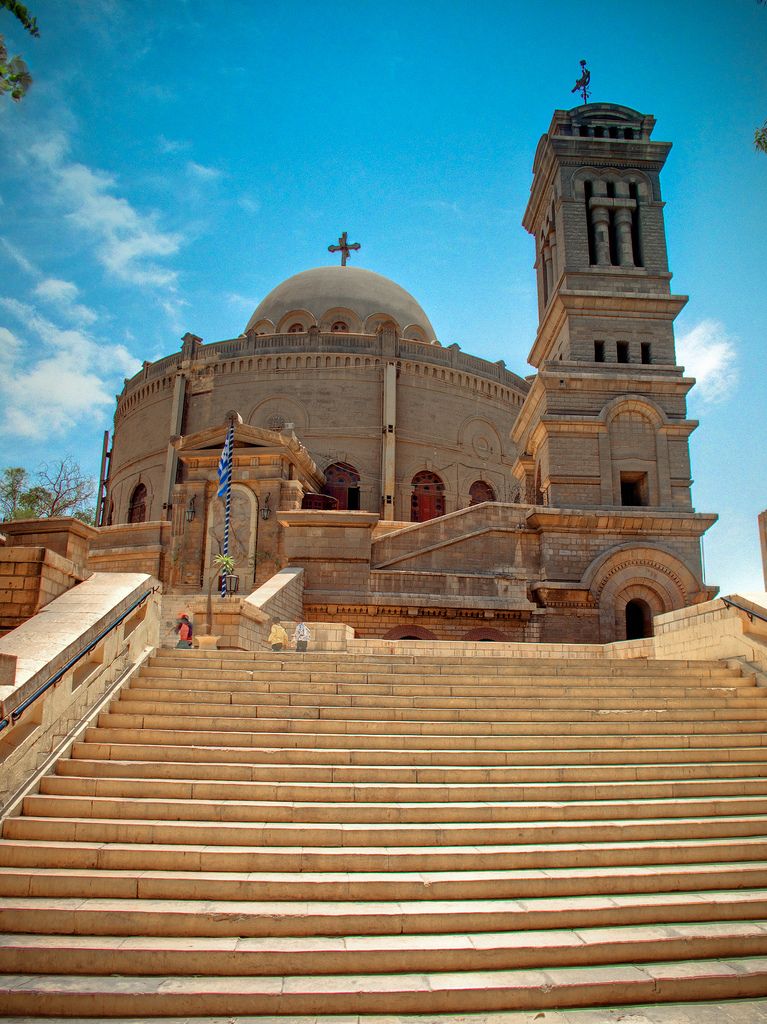
The Church of Saint George, also known as Mar Girgis, is another remarkable monument within the historic Christian district. This beautiful church is dedicated to Saint George, one of the most widely venerated Christian saints in Egypt and throughout the Middle East. The present church is associated with a historic complex built over parts of the ancient Babylon Fortress and is particularly recognizable for its circular architectural design. Its interior contains beautiful icons, religious decorations, and traditional Coptic artistic elements. The nearby Greek Orthodox Patriarchate and other historic religious buildings further demonstrate the importance of this area as a center of Christian worship and religious heritage.

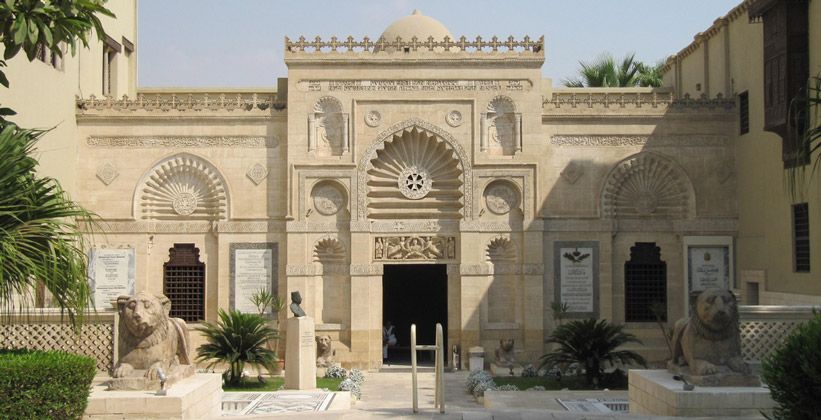
For travelers interested in understanding the history and development of Coptic Christianity, the Coptic Museum is one of the most important cultural attractions in Cairo. Established in 1908, the museum houses an extraordinary collection of Coptic art and archaeological discoveries, including ancient manuscripts, wooden carvings, textiles, icons, stone sculptures, metalwork, and religious objects. Its exhibits illustrate the transformation of Egyptian artistic traditions following the introduction of Christianity and demonstrate how ancient Egyptian, Greek, Roman, Byzantine, and Islamic influences contributed to the development of Coptic culture. The museum’s impressive collection provides visitors with a deeper understanding of the history, religious beliefs, artistic achievements, and everyday life of Egypt’s Christian communities.

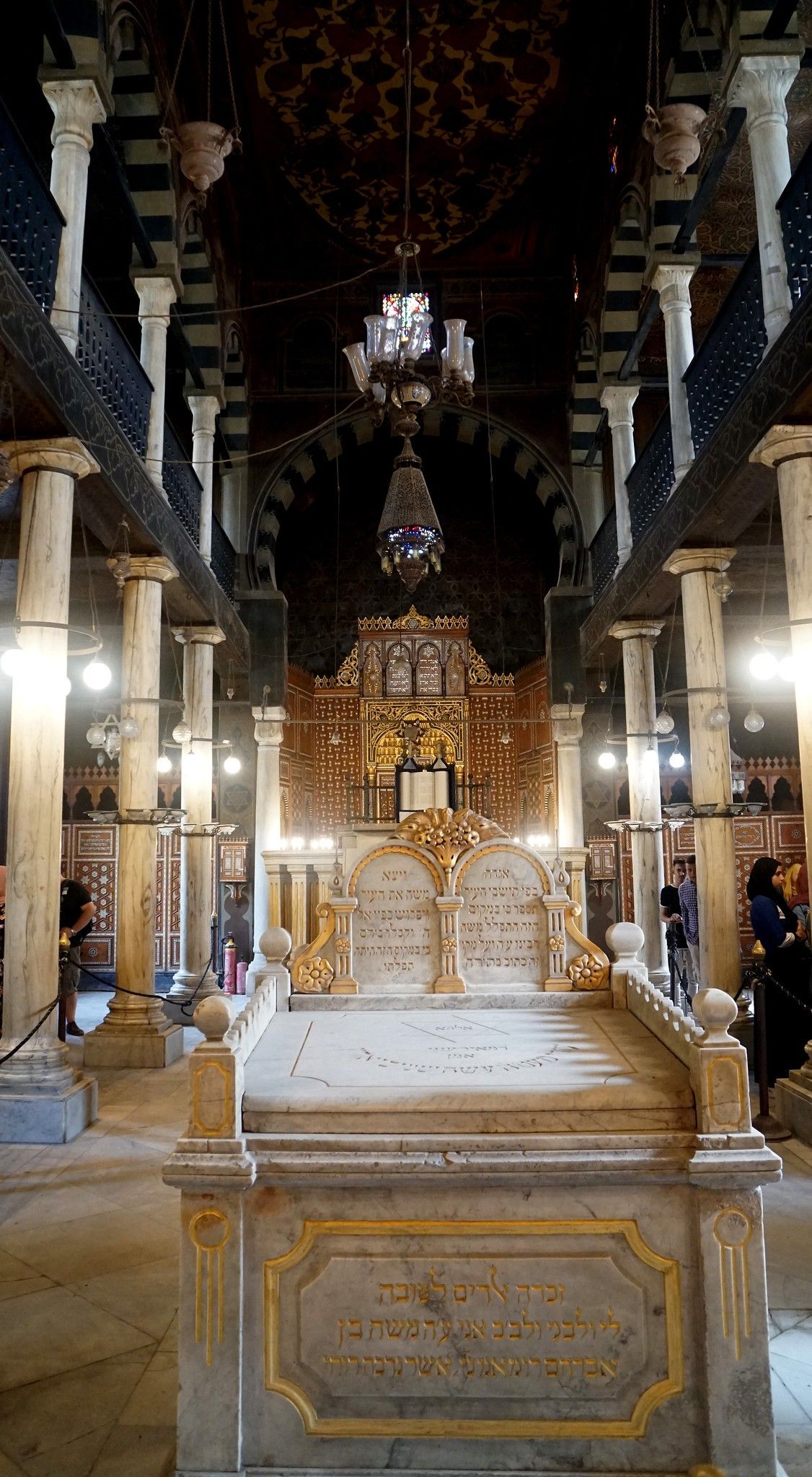
Another fascinating historical site in Coptic Cairo is the Ben Ezra Synagogue, one of the most important Jewish heritage landmarks in Egypt. Although it is not a Christian monument, its location within the historic district highlights the religious diversity that has shaped Old Cairo throughout the centuries. According to tradition, the synagogue stands on a site associated with the discovery of the infant Moses, although this story is part of religious tradition rather than established historical evidence. The building became particularly famous following the discovery of the Cairo Geniza, an extraordinary collection of medieval Jewish manuscripts and documents. These materials provide valuable information about Jewish religious life, commerce, education, and social history across the medieval Middle East. Visiting Ben Ezra Synagogue offers a fascinating opportunity to discover another important aspect of Egypt’s multicultural heritage.

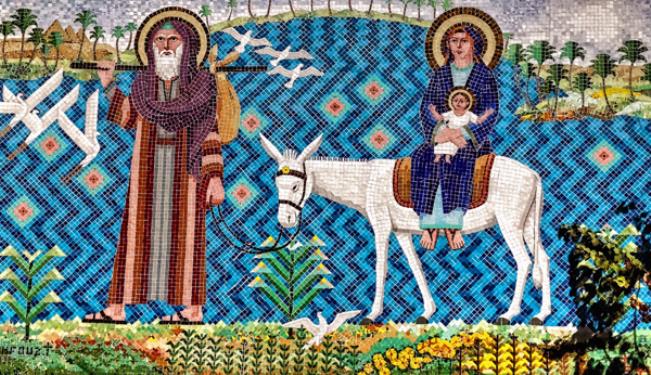
Coptic Cairo is also closely connected to the story of the Holy Family’s journey through Egypt, one of the most important traditions in Egyptian Christianity. According to the Gospel of Matthew and later Christian traditions, Mary, Joseph, and the infant Jesus traveled to Egypt to escape King Herod. Several locations throughout the country are traditionally associated with their journey, and Coptic Cairo contains some of the most significant religious sites connected to this story. The Church of Saints Sergius and Bacchus is particularly important because of its traditional association with the Holy Family’s stay in the area. These sacred locations have attracted Christian pilgrims for centuries and continue to play an important role in religious tourism in Egypt.

Beyond its churches and religious landmarks, Coptic Cairo offers visitors a unique opportunity to explore the architectural traditions and cultural identity of Egypt’s Christian communities. Many of its historic buildings feature ancient stone walls, traditional wooden doors, carved wooden screens, beautiful domes, and decorative religious artwork. The narrow streets and peaceful courtyards create a different atmosphere from the busy commercial districts of modern Cairo. Walking through the area allows travelers to appreciate the historical character of Old Cairo while discovering how different religious communities lived alongside one another throughout the centuries.

The district is also an excellent destination for anyone interested in the development of Coptic art and architecture. Early Christian buildings in Egypt often incorporated elements from older Egyptian and Roman architectural traditions, creating a distinctive style that evolved over many centuries. Churches frequently feature basilica-style layouts, decorated wooden ceilings, marble columns, intricate icons, and symbolic religious paintings. These artistic features reflect the spiritual beliefs and cultural influences that shaped Christianity in Egypt. Exploring the churches with a knowledgeable local guide can help visitors understand the symbolism behind the artwork and discover fascinating details about the history of Coptic religious architecture.

A visit to Coptic Cairo can easily be combined with other famous historical attractions in the Egyptian capital, making it an excellent addition to a private Cairo sightseeing tour. Travelers can explore the nearby Amr Ibn Al-As Mosque, discover the magnificent mosques and medieval streets of Islamic Cairo, or visit the National Museum of Egyptian Civilization (NMEC), which presents the history of Egypt from prehistoric times to the modern era. For those interested in ancient Egyptian history, the Pyramids of Giza, the Great Sphinx, and the Grand Egyptian Museum (GEM) are also highly recommended. Combining these attractions provides a comprehensive understanding of Egypt’s ancient, Christian, Islamic, and modern cultural heritage.

The best time to explore Coptic Cairo is generally between October and April, when temperatures are more comfortable for walking around the historic district and visiting its religious monuments. Morning visits are particularly recommended for travelers who want to explore several churches and museums during one sightseeing excursion. Visitors should wear modest clothing when entering churches and other religious buildings, maintain a respectful atmosphere, and check the latest opening hours and visitor regulations before their visit. Allowing approximately two to three hours for exploring the main attractions can provide a rewarding experience without rushing through the historical sites.

Today, Coptic Cairo remains one of the most important religious and cultural destinations in Egypt, preserving an extraordinary legacy of early Christianity, Coptic art, and the country’s multicultural history. From the magnificent Hanging Church and the historic Church of Abu Serga to the Coptic Museum and Ben Ezra Synagogue, every monument reveals another fascinating chapter in the story of Old Cairo. Whether you are interested in Christian pilgrimage sites, ancient churches, religious architecture, or the history of Egyptian civilization, Coptic Cairo offers an unforgettable cultural experience. Exploring this historic district is an opportunity to discover the deep roots of Christianity in Egypt and appreciate the remarkable religious diversity that has shaped the country throughout thousands of years.


1. The Hanging Church: Coptic Cairo’s Most Iconic Spiritual Landmark

Among the most famous attractions in Coptic Cairo, the Hanging Church stands as one of Egypt’s most treasured Christian landmarks and a masterpiece of Coptic architecture. Officially known as Saint Virgin Mary’s Coptic Orthodox Church, this remarkable monument earned its famous name because it was built above the gatehouse of the ancient Roman Babylon Fortress, creating the impression that it is suspended above the ground. As visitors step inside, they are welcomed by a peaceful spiritual atmosphere, elegant wooden ceilings, beautiful marble details, and an extraordinary collection of ancient religious icons that reflect centuries of Christian devotion in Egypt. For travelers exploring religious sites in Cairo, the Hanging Church remains an unforgettable highlight.

Beyond its architectural beauty, the Hanging Church carries immense historical and spiritual significance, having served for centuries as one of the most important centers of Coptic Christianity. It witnessed major moments in Egypt’s religious history and continues to stand as a symbol of resilience, faith, and cultural continuity. Visiting this sacred site offers more than simple sightseeing—it provides a meaningful connection to Egypt’s enduring Christian heritage and one of the most remarkable chapters of Cairo’s identity.

A Journey Through the Sacred Heart of Egypt OLD CAIRO

2. The Church of Saints Sergius and Bacchus: A Sacred Connection to the Holy Family

One of the most spiritually significant landmarks in Coptic Cairo, the Church of Saints Sergius and Bacchus—commonly known as Abu Serga—holds a special place in Christian tradition and Egyptian heritage. According to long-held belief, this ancient church was built above the site where the Holy Family found refuge during their journey through Egypt, making it one of the most revered pilgrimage destinations in the country. Its peaceful atmosphere, ancient stone architecture, and sacred underground crypt create a deeply moving experience for visitors seeking meaningful religious and cultural exploration in Cairo.

Beyond its spiritual importance, Abu Serga is also a remarkable example of early Coptic architecture and historical preservation. The church reflects centuries of devotion and remains one of the oldest Christian sites in Egypt, offering visitors a rare opportunity to connect with both faith and history in an intimate setting. Whether you visit for religious significance, architectural appreciation, or cultural curiosity, this sacred landmark remains one of the defining highlights of Coptic Cairo.

The Coptic Museum OLD CAIRO

3. The Coptic Museum: Preserving Egypt’s Christian Artistic Legacy

For travelers eager to understand the full depth of Egypt’s Christian history, the Coptic Museum is one of the most enriching attractions in Coptic Cairo. Home to the largest collection of Coptic Christian artifacts in the world, this exceptional museum showcases centuries of religious art, manuscripts, textiles, sculptures, and historical objects that tell the story of Christian life in Egypt across generations. Located in the heart of the district, the museum provides valuable context that transforms a visit to Coptic Cairo from simple sightseeing into a truly immersive cultural experience.

Beyond its extraordinary collection, the museum itself offers a peaceful and beautifully designed environment where visitors can appreciate the artistic and spiritual evolution of Coptic civilization. Every gallery reveals stories of faith, resilience, creativity, and cultural adaptation through changing eras of Egyptian history. For history enthusiasts, religious travelers, and anyone interested in Egypt’s diverse heritage, the Coptic Museum is an essential stop that adds remarkable depth to any exploration of Cairo’s sacred landmarks.

4. Babylon Fortress: The Ancient Roman Foundation of Coptic Cairo

Long before Coptic Cairo became one of Egypt’s most important Christian centers, the area was anchored by the mighty Babylon Fortress, a significant Roman military stronghold that played a crucial role in the region’s history. Built to defend a strategic route along the Nile, this ancient fortress became one of the most important defensive and administrative centers in Roman Egypt. Today, surviving sections of its massive stone walls, towers, and gateways offer visitors a fascinating glimpse into a chapter of Egyptian history that predates many of the district’s famous Christian landmarks. For travelers exploring Coptic Cairo, Babylon Fortress provides essential historical context and reveals the deep layers of civilization that shaped this extraordinary district.

What makes Babylon Fortress especially compelling is how seamlessly it connects Roman military history with Egypt’s Christian heritage. Several of Coptic Cairo’s most iconic religious landmarks, including the Hanging Church, were later built within or above parts of the fortress structure, creating a remarkable fusion of architectural eras. Walking through this historic site allows visitors to imagine centuries of transformation, from Roman occupation to the rise of Christianity in Egypt. It remains one of the most fascinating and historically significant stops for anyone seeking a deeper understanding of Coptic Cairo’s remarkable past.

5. Ben Ezra Synagogue: A Testament to Egypt’s Jewish Heritage

Hidden within the historic heart of Coptic Cairo, the Ben Ezra Synagogue stands as one of Egypt’s most fascinating symbols of religious diversity and multicultural history. Although Coptic Cairo is best known for its Christian landmarks, this beautifully preserved synagogue reflects the important role Egypt’s Jewish community once played in shaping the cultural fabric of the country. According to local tradition, the site is associated with the biblical story of baby Moses being found near the Nile, adding a layer of spiritual significance to its already rich history. For travelers interested in religious heritage and cultural exploration in Cairo, Ben Ezra offers a uniquely meaningful experience.

Beyond its spiritual associations, the synagogue is internationally recognized for its connection to the famous Cairo Geniza, a priceless collection of ancient Jewish manuscripts that offered extraordinary insight into medieval Jewish life across the Middle East. Its elegant design and peaceful atmosphere create a memorable contrast to the surrounding churches and Christian landmarks. Visiting Ben Ezra enriches any exploration of Coptic Cairo by revealing the remarkable coexistence of faiths that has long defined this historic district.

6. The Convent of Saint George: A Hidden Spiritual Treasure

Among the lesser-known but deeply significant landmarks of Coptic Cairo, the Convent of Saint George offers visitors a peaceful and rewarding cultural experience. This historic religious site, dedicated to Saint George, is one of the district’s most important Christian landmarks and is closely connected to Egypt’s enduring Orthodox traditions. Known for its distinctive circular design and tranquil atmosphere, the complex offers a quieter, more intimate perspective compared to some of Coptic Cairo’s more frequently visited attractions.

Beyond its spiritual importance, the convent provides visitors with beautiful architecture, religious artwork, and a genuine sense of devotion that continues to shape daily life within the community. Exploring this hidden gem offers a meaningful opportunity to experience the quieter side of Coptic Cairo while gaining a deeper appreciation for the district’s living Christian heritage. For travelers seeking authentic and less crowded historical experiences in Cairo, the Convent of Saint George is a truly worthwhile stop.

The Holy Family Trail Connection Coptic cairo

7. The Holy Family Trail Connection: Walking Through Sacred History

One of the most meaningful aspects of visiting Coptic Cairo is its profound connection to the Holy Family’s journey through Egypt, making the district one of the country’s most spiritually significant destinations. According to Christian tradition, Mary, Joseph, and the infant Jesus sought refuge in Egypt, and Coptic Cairo is believed to be one of the most important locations associated with that sacred journey. This connection transforms a visit from a simple historical excursion into a deeply symbolic experience for pilgrims and cultural travelers alike.

Beyond religious devotion, the Holy Family connection adds a unique storytelling dimension to the entire district, linking churches, sacred spaces, and historical landmarks into a broader spiritual narrative. For visitors interested in faith-based tourism, cultural heritage, or understanding Egypt’s role in Christian history, this connection makes Coptic Cairo one of the most remarkable destinations in the Middle East. It is a place where history, tradition, and spirituality remain powerfully intertwined.

8. The Religious Complex: A Rare Symbol of Faith and Coexistence

One of the most remarkable aspects of Coptic Cairo is the extraordinary Religious Complex, a historic area where Christianity, Judaism, and Islam exist side by side within a remarkably compact and walkable district. Few places in the world offer such a visible and meaningful representation of religious coexistence, making this area one of Cairo’s most fascinating cultural treasures. Within a short distance, visitors can explore ancient churches, the historic Ben Ezra Synagogue, and nearby Islamic landmarks, all while experiencing a peaceful atmosphere rich with centuries of shared heritage. For travelers interested in cultural tourism in Egypt, the Religious Complex offers a truly unique perspective on the country’s diverse spiritual identity.

Beyond its historical significance, the Religious Complex creates one of the most meaningful experiences in Coptic Cairo because it tells a broader story of connection, tolerance, and cultural continuity across generations. Walking through its stone pathways and sacred courtyards feels like stepping through different chapters of Egypt’s religious history, where every monument contributes to a larger narrative of faith and coexistence. Whether you arrive as a history enthusiast, spiritual traveler, or curious explorer, this extraordinary district remains one of the most unforgettable highlights of any Cairo journey.

Coptic cairo

9. Hidden Paths and Peaceful Atmosphere: The Quiet Soul of Coptic Cairo

Beyond its famous churches and historic landmarks, one of Coptic Cairo’s greatest charms lies in its peaceful atmosphere and timeless character. Unlike the fast-paced energy of modern Cairo, this sacred district offers visitors a quieter and more reflective experience, where narrow stone pathways, hidden courtyards, and ancient walls create a sense of calm that feels worlds away from the city outside. Simply walking through the area becomes an experience in itself, allowing travelers to absorb the spiritual ambiance and appreciate the beauty of a district shaped by centuries of devotion and history.

This authentic atmosphere is part of what makes Coptic Cairo so memorable. Between landmarks, visitors may discover small religious shops, local caretakers preserving sacred spaces, and quiet corners perfect for reflection or photography. Rather than rushing between attractions, the true magic of Coptic Cairo often comes from slowing down and experiencing the environment itself. For travelers seeking meaningful cultural experiences in Egypt, this peaceful side of Cairo offers something genuinely special.

10. Practical Tips for Visiting Coptic Cairo

A visit to Coptic Cairo is one of the most rewarding cultural experiences in Egypt, and a little preparation can help you enjoy it fully. Since many of the major landmarks are located close together, comfortable walking shoes are highly recommended, especially if you plan to spend several hours exploring churches, museums, and historic pathways. Morning visits are often the best choice, offering cooler temperatures, fewer crowds, and a more peaceful atmosphere inside the religious sites. For travelers planning a full cultural day in Cairo, Coptic Cairo pairs exceptionally well with nearby historic attractions.

Modest clothing is strongly advised, particularly when entering active religious sites where respectful dress is appreciated. Hiring a knowledgeable guide can also greatly enhance your experience by explaining the spiritual significance, hidden stories, and historical context behind each landmark. Transportation to Coptic Cairo is easy through private transfers, taxis, or ride-sharing services, making the district accessible from most areas of the city. With thoughtful planning, your visit can become one of the most enriching highlights of your Egypt journey.

11. Why Coptic Cairo Should Be on Every Egypt Travel Itinerary

While many travelers visit Egypt primarily for its pyramids and ancient temples, Coptic Cairo reveals a completely different and deeply meaningful side of the country’s heritage. It offers a rare opportunity to explore Egypt’s Christian history, spiritual traditions, and multicultural identity in one of the most historically significant districts in the nation. From sacred churches and Roman ruins to hidden courtyards and timeless stories connected to the Holy Family, Coptic Cairo delivers an experience that feels both educational and deeply personal.

What makes Coptic Cairo truly unforgettable is its atmosphere of peace, faith, and historical continuity. It is not simply a collection of landmarks, but a living heritage destination where centuries of devotion still shape the present. Whether you are passionate about religious history, architecture, cultural exploration, or meaningful travel experiences, Coptic Cairo offers one of the most distinctive and rewarding journeys in Egypt—and absolutely deserves a place on every well-planned itinerary.

12. An Unforgettable Farewell to Coptic Cairo

As your journey through Coptic Cairo comes to an end, you leave with far more than memories of ancient churches and historic landmarks—you leave with a deeper appreciation for one of Egypt’s most spiritually meaningful and culturally rich destinations. Few places offer such an intimate connection to centuries of Christian heritage, sacred traditions, and remarkable historical continuity, all within a peaceful district that feels untouched by the rush of modern city life. From iconic churches and Roman ruins to sacred stories linked to the Holy Family, every corner of Coptic Cairo reveals a profound chapter of Egypt’s extraordinary identity.

Coptic Cairo is not simply a place to visit; it is a place to reflect, connect, and experience a quieter yet deeply powerful side of Egypt. Whether you arrive as a pilgrim, history enthusiast, cultural traveler, or curious explorer, this remarkable district offers an unforgettable journey through faith, heritage, and timeless beauty. As you continue your Egyptian adventure, the serenity and stories of Coptic Cairo will remain with you as a lasting reminder that Egypt’s greatest treasures are not only found in its ancient monuments, but also in the sacred places where history still lives.

Coptic Cairo : Frequently Asked Questions

Most visitors can comfortably explore the main highlights of Coptic Cairo in half a day, but a full day is ideal if you want to visit the churches, museums, historic sites, and enjoy the peaceful atmosphere without rushing. Travelers interested in religious history or photography may wish to spend even longer.

Absolutely. While Coptic Cairo holds deep spiritual significance, it is equally fascinating for history lovers, architecture enthusiasts, and cultural travelers. Its ancient churches, Roman remains, museums, and rich storytelling make it rewarding for visitors of all interests.

Since many attractions in Coptic Cairo are active religious sites, modest clothing is recommended out of respect. Comfortable walking shoes are also highly advised, as exploring the district involves walking through historic stone pathways and multiple landmarks.

Yes, Coptic Cairo is traditionally believed to be one of the most significant locations connected to the Holy Family’s journey through Egypt. Several landmarks in the district, particularly the Church of Saints Sergius and Bacchus, are closely associated with this sacred tradition, making the area an important pilgrimage destination.

While you can certainly explore Coptic Cairo independently, hiring a knowledgeable guide can greatly enrich the experience. Many landmarks carry deep religious, historical, and cultural significance that are far more meaningful when explained by an expert, helping you uncover stories and details that might otherwise be missed.