
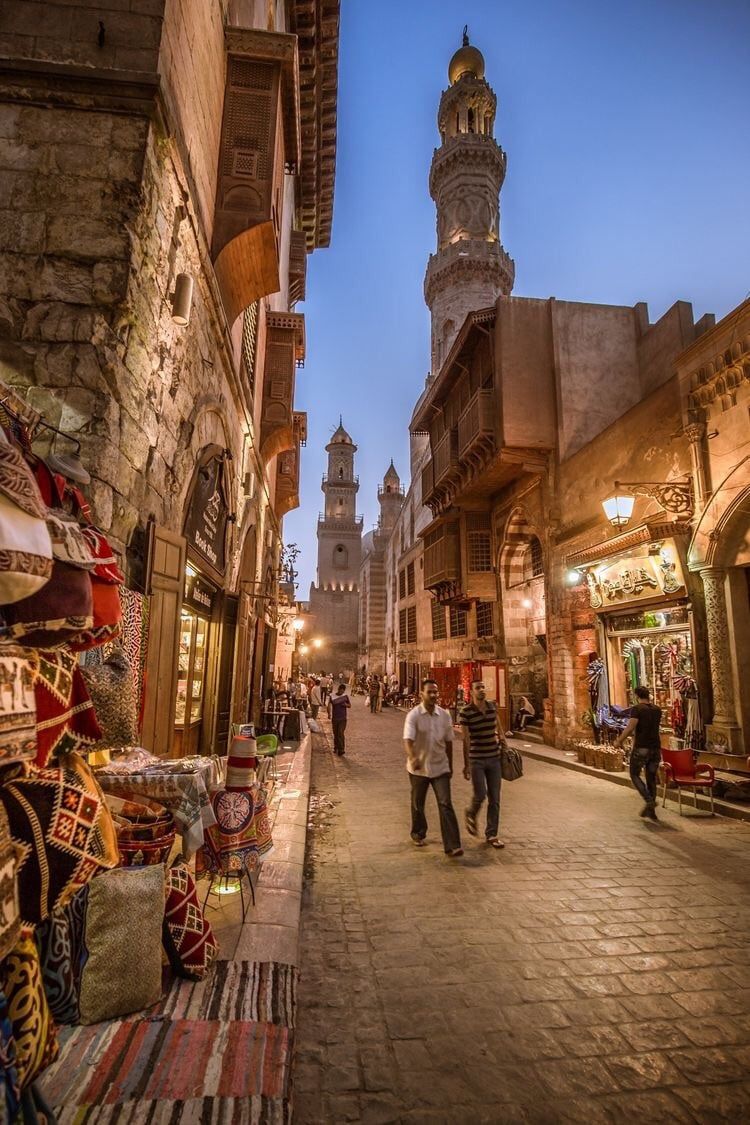
Welcome to

Old Cairo: Where Egypt’s Spiritual Heritage and Timeless History Come Alive

Old Cairo is one of the most captivating and historically layered destinations in Egypt, offering travelers an extraordinary journey through centuries of faith, culture, and civilization. Far removed from the fast-paced rhythm of modern Cairo, this ancient district invites visitors into a world where narrow stone streets, sacred landmarks, and centuries-old architecture tell the story of Egypt’s rich multicultural identity. Known as the heart of Coptic Cairo and home to some of the country’s most treasured religious monuments, Old Cairo is where Christianity, Islam, and Judaism have coexisted for generations, creating one of the most fascinating cultural landscapes in the Middle East.

For travelers planning an unforgettable Egypt cultural tour, Old Cairo stands as an essential destination that reveals a completely different side of the Egyptian experience beyond pyramids and temples. From the legendary Hanging Church and the historic Ben Ezra Synagogue to the ancient Roman Babylon Fortress and peaceful hidden courtyards, every corner holds a remarkable story waiting to be discovered. Whether you are passionate about religious history, architectural beauty, or immersive heritage experiences, Old Cairo offers a unique blend of serenity and historical depth rarely found elsewhere. It is not simply a tourist attraction—it is a living testament to Egypt’s enduring spiritual legacy and one of the most rewarding places to explore during any trip to Cairo.
1. A Journey Through the Sacred Heart of Egypt

Old Cairo is one of the most captivating and historically layered destinations in Egypt, offering travelers an extraordinary journey through centuries of faith, culture, and civilization. Far removed from the fast-paced rhythm of modern Cairo, this ancient district invites visitors into a world where narrow stone streets, sacred landmarks, and centuries-old architecture tell the story of Egypt’s rich multicultural identity. Known as the heart of Coptic Cairo and home to some of the country’s most treasured religious monuments, Old Cairo is where Christianity, Islam, and Judaism have coexisted for generations, creating one of the most fascinating cultural landscapes in the Middle East.

For travelers planning an unforgettable Egypt cultural tour, Old Cairo stands as an essential destination that reveals a completely different side of the Egyptian experience beyond pyramids and temples. From the legendary Hanging Church and the historic Ben Ezra Synagogue to the ancient Roman Babylon Fortress and peaceful hidden courtyards, every corner holds a remarkable story waiting to be discovered. Whether you are passionate about religious history, architectural beauty, or immersive heritage experiences, Old Cairo offers a unique blend of serenity and historical depth rarely found elsewhere. It is not simply a tourist attraction—it is a living testament to Egypt’s enduring spiritual legacy and one of the most rewarding places to explore during any trip to Cairo.

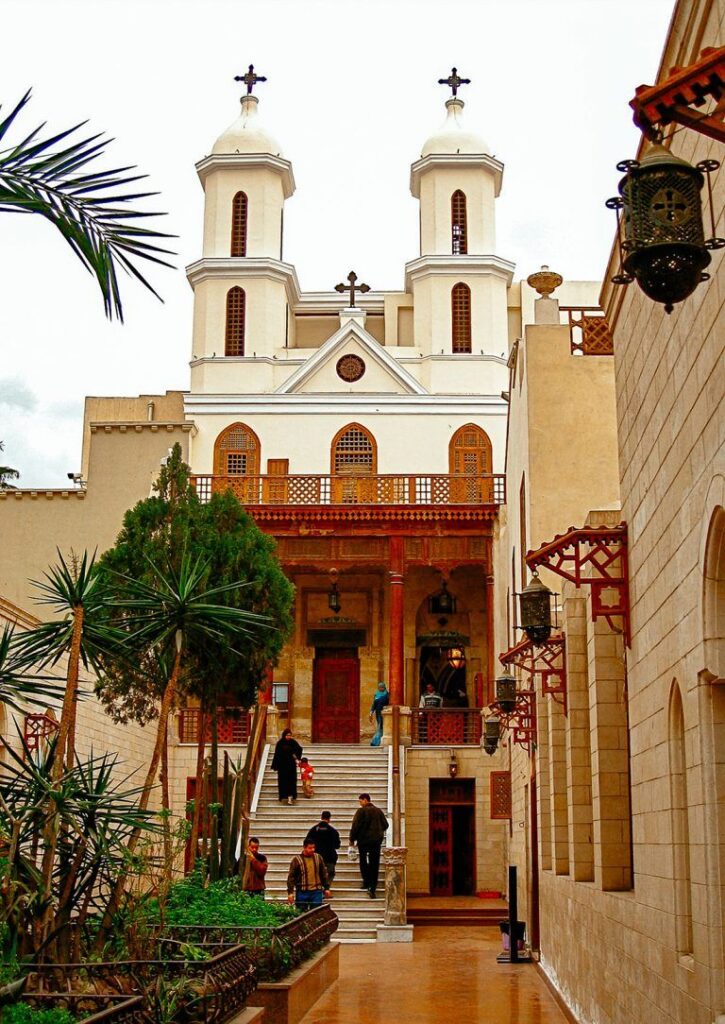
2. The Hanging Church: Old Cairo’s Most Iconic Christian Landmark

Among the most celebrated attractions in Old Cairo, the Hanging Church stands as a masterpiece of Coptic architecture and one of the most important Christian landmarks in Egypt. Officially known as Saint Virgin Mary’s Coptic Orthodox Church, this remarkable structure earned its famous nickname because it was built above the ancient gatehouse of the Roman Babylon Fortress, creating the illusion that it is suspended in the air. Walking through its elegant entrance, visitors are immediately welcomed by a peaceful spiritual atmosphere, intricate wooden ceilings, beautiful marble pulpits, and centuries-old religious icons that reflect Egypt’s deeply rooted Christian heritage. For those interested in historical sites in Cairo, this church is an unforgettable stop that combines architectural beauty with immense religious significance.

Beyond its visual appeal, the Hanging Church represents a vital chapter in Egypt’s religious history, having served as one of the most important centers of Coptic Christianity for centuries. It has witnessed the evolution of Cairo itself, surviving political transformations and preserving its sacred identity through time. Exploring this remarkable site offers more than a simple sightseeing experience—it provides a deeper understanding of the Christian legacy in Egypt and the spiritual diversity that defines Old Cairo. Whether you are a history enthusiast, a cultural traveler, or simply curious about Egypt’s lesser-known treasures, the Hanging Church remains one of the most inspiring places to visit in Old Cairo.
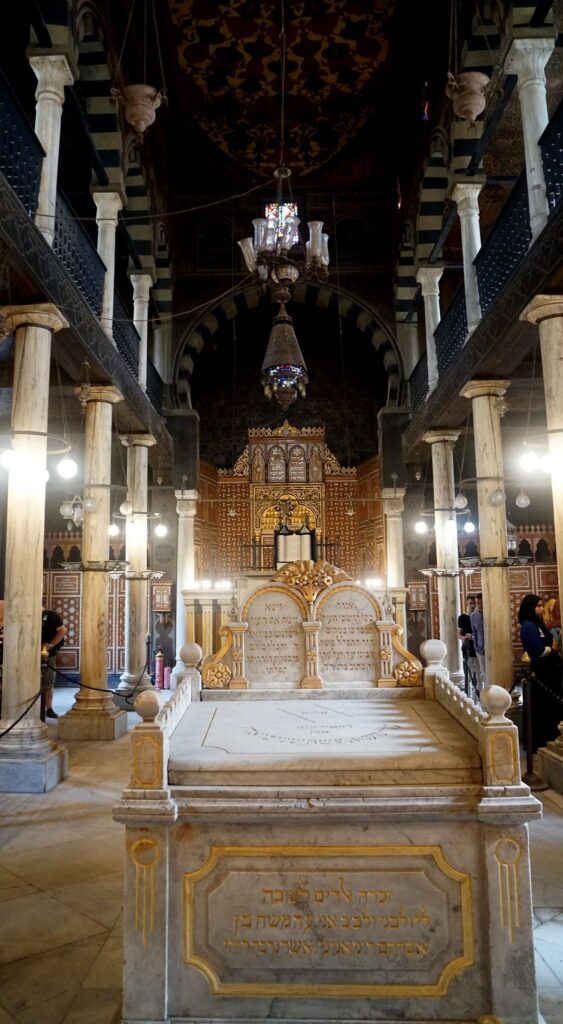
3. Ben Ezra Synagogue: A Hidden Testament to Egypt’s Jewish Heritage

Tucked quietly within the historic streets of Old Cairo, the Ben Ezra Synagogue stands as one of Egypt’s most fascinating yet often overlooked heritage landmarks. This beautifully restored synagogue represents an important chapter in the country’s multicultural history, offering visitors a rare glimpse into the once-thriving Jewish community that played a significant role in Egypt’s social and cultural life for centuries. According to local tradition, the site is believed to be connected to the biblical story of baby Moses being found in the reeds of the Nile, adding an additional layer of spiritual intrigue to its historical significance. For travelers seeking meaningful cultural experiences in Cairo, Ben Ezra offers a quieter but deeply rewarding alternative to the city’s more crowded attractions.

Architecturally elegant and historically profound, the synagogue reflects a unique blend of Jewish, Egyptian, and regional artistic influences. It is also internationally recognized for its connection to the famous Cairo Geniza, a priceless collection of ancient Jewish manuscripts that provided extraordinary insight into medieval life across the Middle East. Visiting Ben Ezra is not merely about seeing another historic building—it is about understanding the remarkable diversity that shaped Old Cairo into the spiritual crossroads it remains today. As part of the Religious Complex, this hidden gem enriches any exploration of Cairo’s historic treasures and offers a truly distinctive perspective on Egypt’s layered identity.

4. Babylon Fortress: The Roman Foundation of Old Cairo

Long before Cairo became the bustling capital of Egypt, the area now known as Old Cairo was anchored by the mighty Babylon Fortress, one of the most significant Roman military structures in the country. Built during the Roman era to protect a strategic crossing along the Nile, this imposing fortress served as both a defensive stronghold and an important center of administration. Today, portions of its ancient walls, towers, and gateways still stand proudly, offering visitors a tangible connection to a period of Egyptian history that is often overshadowed by the pharaohs and Islamic dynasties. For travelers exploring Old Cairo, Babylon Fortress provides essential historical context, revealing that this district’s story extends far beyond its religious significance.

Walking through the remains of Babylon Fortress allows visitors to imagine the strategic importance this location once held, where Roman soldiers, merchants, and travelers moved through one of Egypt’s most vital routes. The fortress later became the foundation upon which many of Old Cairo’s most famous Christian landmarks were built, including the Hanging Church itself, making it a cornerstone of the district’s layered identity. For history lovers and cultural explorers, this site offers a fascinating contrast between imperial military architecture and the sacred atmosphere that later transformed the area. It remains one of the most compelling hidden treasures in Cairo, where ancient Roman engineering meets Egypt’s extraordinary religious heritage.

5. The Church of Saints Sergius and Bacchus: Walking Through Sacred Tradition

Hidden within the peaceful lanes of Old Cairo, the Church of Saints Sergius and Bacchus, locally known as Abu Serga, is one of the most spiritually significant Christian sites in Egypt. Revered by both pilgrims and history enthusiasts, this ancient church is traditionally believed to have sheltered the Holy Family during their journey through Egypt, making it one of the most sacred landmarks in Coptic Cairo. Stepping inside, visitors are welcomed by a deeply serene atmosphere, ancient stone architecture, beautifully preserved icons, and a sense of timeless devotion that has endured for centuries. For travelers interested in religious tourism in Egypt, Abu Serga offers an emotional and meaningful connection to one of Christianity’s most cherished traditions.

Beyond its religious importance, the church stands as a remarkable example of early Coptic architecture and Egypt’s enduring Christian heritage. Its underground crypt, believed to be the resting place of the Holy Family, remains one of the most visited spiritual attractions in Cairo. Exploring this sacred site allows visitors to experience a quieter, more reflective side of Egypt—far removed from the energy of the city’s modern districts. Whether you visit for faith, history, or cultural discovery, the Church of Saints Sergius and Bacchus remains one of Old Cairo’s most unforgettable treasures.

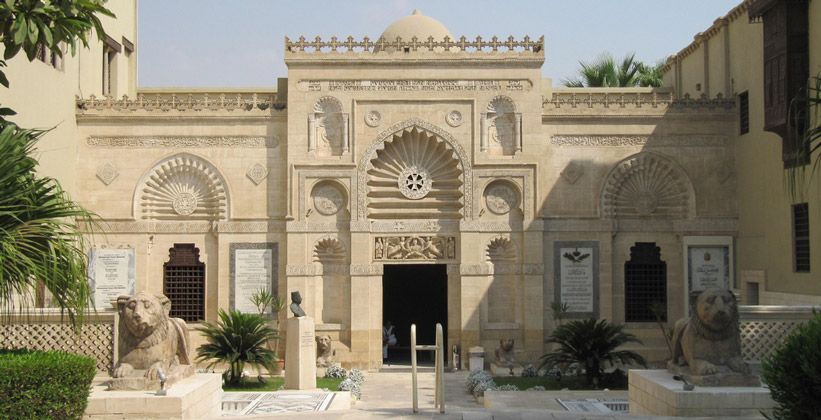
6. The Coptic Museum: Preserving Egypt’s Christian Artistic Legacy

For those seeking a deeper understanding of Egypt’s Christian history, the Coptic Museum is one of the most enriching cultural experiences in Old Cairo. Home to the world’s largest collection of Coptic Christian artifacts, this remarkable museum showcases centuries of religious art, manuscripts, textiles, sculptures, and everyday objects that reveal the evolution of Christian life in Egypt. Located in the heart of the Religious Complex, the museum offers visitors a fascinating journey through a lesser-explored chapter of Egyptian civilization, bridging the transition between ancient pharaonic traditions and later Christian influences. For travelers passionate about history and archaeology in Egypt, this museum is an essential addition to any Cairo itinerary.

Beyond its historical significance, the Coptic Museum stands out for its elegant architecture and peaceful atmosphere, making the experience both educational and visually inspiring. Every gallery tells a story of resilience, creativity, and spiritual devotion, highlighting how Egyptian identity continued to evolve through changing eras. Visiting the museum provides the context needed to fully appreciate the churches and sacred landmarks scattered throughout Old Cairo, transforming a sightseeing visit into a deeper cultural journey. It remains one of Cairo’s most rewarding hidden gems for those eager to discover the richness of Egypt’s religious and artistic heritage.

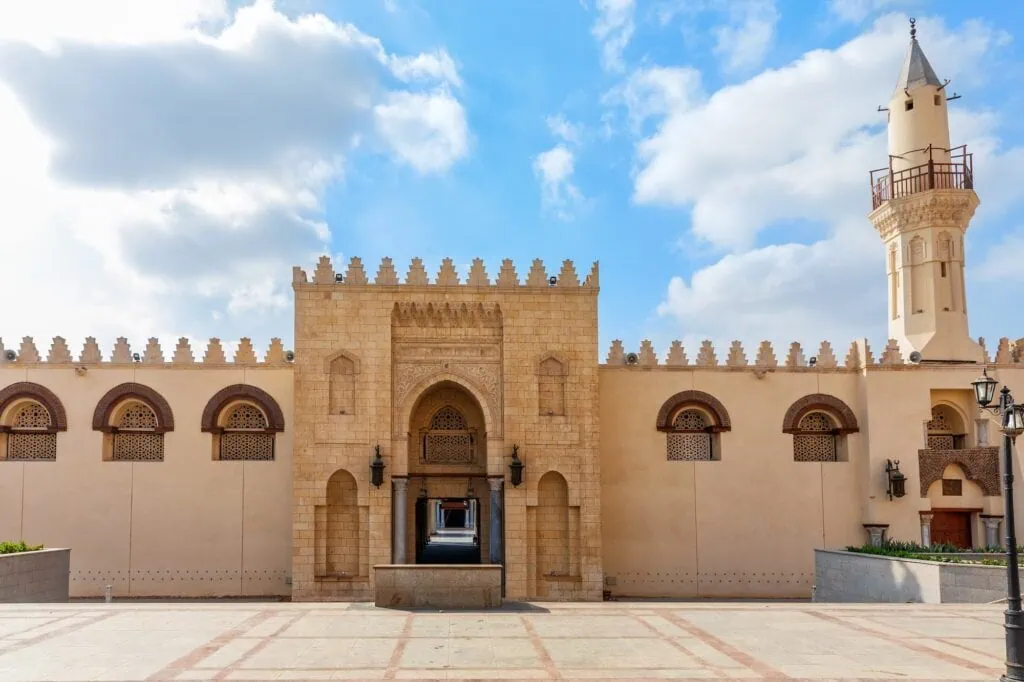
The Mosque of Amr Ibn Al-As OLD CAIRO

7. The Mosque of Amr Ibn Al-As: The Birthplace of Islamic Cairo

Old Cairo’s story is not limited to Christian and Jewish heritage—it also marks the beginning of Egypt’s Islamic history through the iconic Mosque of Amr Ibn Al-As. Built in 641 AD following the Arab conquest of Egypt, this historic mosque is widely recognized as the first mosque ever constructed in Egypt and across Africa. Though it has been rebuilt and expanded multiple times over the centuries, it continues to preserve its immense symbolic importance as the birthplace of Islamic Cairo. For travelers exploring Egypt’s religious diversity, visiting this mosque offers a fascinating perspective on how Old Cairo evolved into one of the most spiritually significant districts in the country.

The mosque’s open courtyards, elegant simplicity, and tranquil atmosphere provide a striking contrast to the more ornate religious landmarks elsewhere in Cairo. Unlike monumental Islamic structures built in later centuries, the Mosque of Amr Ibn Al-As reflects the humble architectural beginnings of Islamic Egypt while carrying extraordinary historical weight. Walking through this sacred space allows visitors to connect with a pivotal moment in Egyptian history that shaped the nation’s cultural and religious identity for generations. It is an essential stop for anyone seeking a complete understanding of Old Cairo’s remarkable multicultural legacy.

8. The Religious Complex: Where Three Faiths Meet in Harmony

Few places in the world capture the spirit of religious coexistence as beautifully as the Religious Complex in Old Cairo. This extraordinary historic area brings together some of Egypt’s most significant Christian, Jewish, and Islamic landmarks within walking distance of one another, creating a cultural landscape unlike anywhere else in the country. Here, visitors can explore ancient churches, the historic Ben Ezra Synagogue, and nearby Islamic landmarks while experiencing the unique atmosphere of a district shaped by centuries of shared heritage. For travelers interested in cultural tourism in Egypt, the Religious Complex offers a rare opportunity to witness how different faiths have left their mark on the same sacred ground.

Beyond its architectural beauty and historical importance, the Religious Complex represents one of Old Cairo’s most powerful experiences because it tells the story of Egypt’s remarkable spiritual diversity. Walking through its peaceful courtyards and historic streets feels like traveling through different chapters of religious history, where every monument contributes to a broader narrative of coexistence and cultural exchange. Whether you are drawn by faith, curiosity, or a passion for history, this extraordinary district offers one of the most meaningful experiences in Cairo and remains an essential highlight of any journey through Egypt’s historic treasures.

9. Hidden Streets and Local Atmosphere: Discovering the Authentic Soul of Old Cairo

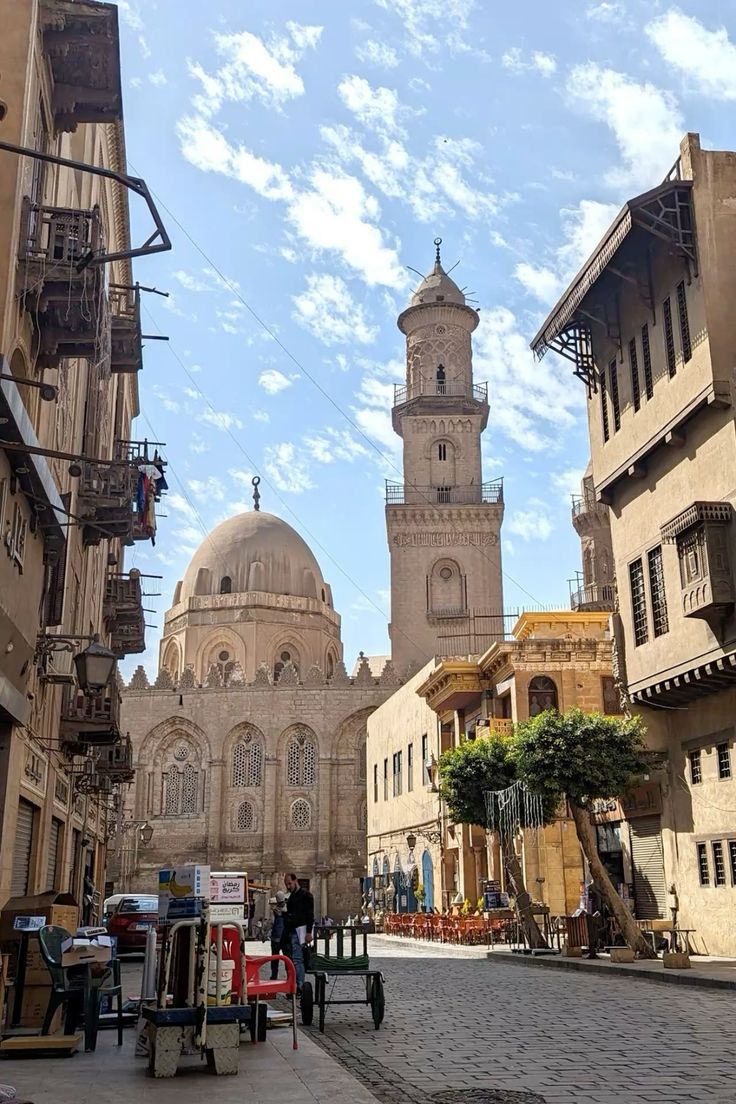
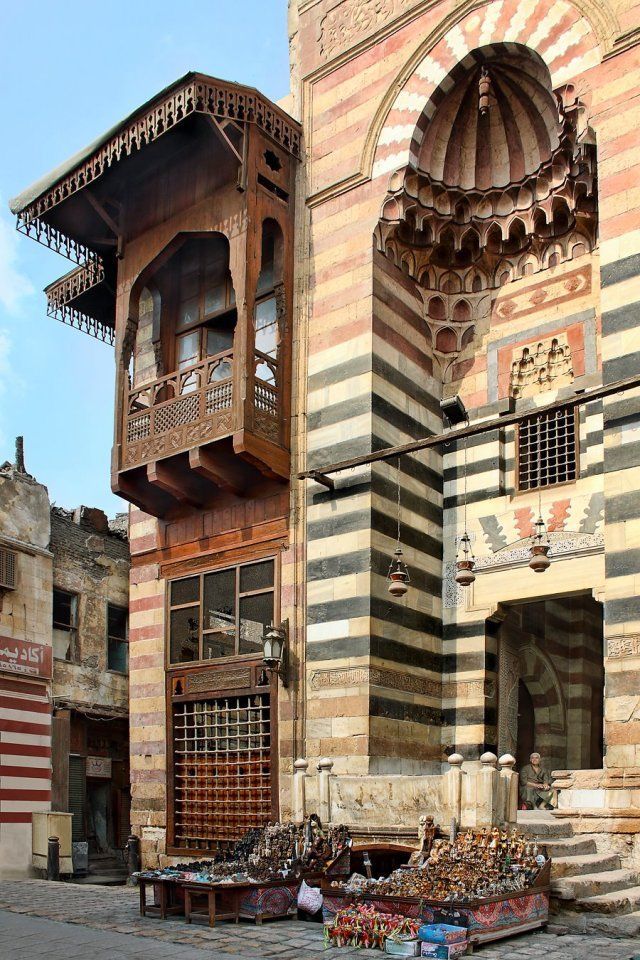
Beyond its famous landmarks and sacred monuments, one of Old Cairo’s greatest charms lies in its quiet streets, hidden passageways, and authentic local atmosphere. Wandering through this historic district offers a completely different experience from the busy energy of central Cairo, allowing visitors to slow down and appreciate the intimate beauty of centuries-old architecture, traditional stone pathways, and peaceful courtyards tucked away from the city’s modern pace. For travelers seeking authentic experiences in Egypt, Old Cairo is not just about checking off major attractions—it is about absorbing the atmosphere of a place where history still feels alive in everyday life.

As you explore the district on foot, you may encounter local artisans, small traditional shops, and residents going about their daily routines in a setting shaped by generations of history. This human element gives Old Cairo its warmth and authenticity, transforming a historical visit into a personal cultural experience. Whether you are taking photographs, enjoying quiet moments between landmarks, or simply getting pleasantly lost in its timeless streets, discovering the hidden soul of Old Cairo often becomes one of the most memorable parts of the journey.

10. Practical Tips for Visiting Old Cairo

Exploring Old Cairo is a deeply rewarding experience, but a little planning can make your visit far more comfortable and enjoyable. Since most of the district’s major attractions are located within walking distance, wearing comfortable shoes is highly recommended, especially if you plan to spend several hours exploring churches, museums, and historic streets. Visiting early in the morning is often the best option, allowing you to avoid crowds while enjoying cooler temperatures, particularly during the warmer months. For travelers planning a cultural day tour in Cairo, combining Old Cairo with nearby attractions can create a well-balanced and enriching itinerary.

It is also important to dress respectfully, especially when entering religious sites such as churches and mosques, where modest clothing is appreciated. Hiring a knowledgeable local guide can greatly enhance the experience by bringing the stories behind each landmark to life and helping you better understand the district’s complex historical layers. Transportation to Old Cairo is relatively straightforward through private transfers, taxis, or ride-sharing apps, making the area easily accessible from most parts of Cairo. With the right preparation, your visit to Old Cairo can become one of the most insightful and unforgettable highlights of your Egypt journey.

11. Why Old Cairo Should Be on Every Egypt Travel Itinerary

While Egypt is globally celebrated for its pyramids, temples, and Red Sea resorts, Old Cairo offers a completely different dimension of the country’s identity—one rooted in spirituality, coexistence, and living history. It is a destination where travelers can move beyond the iconic postcard images and connect with the deeper cultural and religious heritage that has shaped Egypt for centuries. From sacred churches and ancient synagogues to Roman ruins and Islamic landmarks, Old Cairo delivers an extraordinary concentration of history within a compact and walkable setting. For anyone seeking meaningful cultural travel in Egypt, this district is an essential experience.

What makes Old Cairo truly unforgettable is its atmosphere—peaceful, authentic, and rich with stories waiting to be uncovered. It is a place where faith, architecture, and history merge naturally, creating an experience that feels both educational and deeply personal. Whether you are visiting Cairo for the first time or returning to explore beyond the city’s famous highlights, Old Cairo offers a rewarding journey into one of Egypt’s most remarkable historic treasures. It is not simply another stop on the itinerary—it is one of the places that gives Egypt its soul.

12. An Unforgettable Farewell to Old Cairo

As your journey through Old Cairo comes to an end, you leave behind far more than a collection of historic landmarks—you leave with a deeper understanding of Egypt’s spiritual soul and cultural richness. Few destinations offer such an extraordinary blend of Christian, Jewish, Islamic, and Roman heritage within a single walkable district, making Old Cairo one of the most unique historical experiences in the entire country. From the peaceful beauty of ancient churches to the timeless atmosphere of hidden stone streets, every moment spent here reveals a different layer of Egypt’s remarkable story.

Old Cairo is not simply a place to visit; it is a destination to feel, reflect upon, and remember. Whether you arrive as a passionate history lover, a cultural explorer, or a curious traveler seeking something beyond Egypt’s famous pyramids, this remarkable district leaves a lasting impression that extends far beyond the visit itself. As you continue your Egyptian adventure, Old Cairo will remain one of those rare places that stays with you—a timeless reminder of the civilizations, faiths, and human stories that shaped one of the world’s greatest destinations.

Old Cairo : Frequently Asked Questions

Most travelers can comfortably explore Old Cairo in half a day, but if you enjoy history, museums, and religious landmarks, a full day is highly recommended. This allows enough time to visit major attractions like the Hanging Church, Ben Ezra Synagogue, the Coptic Museum, and other historic sites without feeling rushed.

Absolutely. Old Cairo offers a completely different side of Egypt that focuses on spiritual heritage, multicultural history, and authentic local atmosphere rather than ancient pharaonic monuments. It is one of the best places to understand Egypt’s religious and cultural diversity.

Yes, Old Cairo is generally considered safe for tourists and is one of Cairo’s most popular cultural attractions. Like any major destination, it is always wise to stay aware of your surroundings, keep personal belongings secure, and visit with a guide or organized tour if you prefer a smoother experience.

The best time to visit Old Cairo is during the morning, especially between October and April when temperatures are more comfortable for walking. Early visits also help avoid crowds and allow for a more peaceful experience inside the religious landmarks.

While it is possible to explore Old Cairo independently, hiring a knowledgeable guide can significantly enhance your visit. Many landmarks carry deep historical and religious significance that can be easily missed without expert explanation, making a guided tour far more rewarding.