
Welcome to

Islamic Cairo: A Timeless Journey Through Egypt’s Medieval Heart

Islamic Cairo is one of the most extraordinary historic districts in the Middle East, where centuries of architecture, culture, and living heritage come together in a breathtaking open-air museum. Far beyond the modern skyline and bustling traffic of contemporary Cairo, this remarkable part of the city transports visitors into a world of grand mosques, ancient madrasas, vibrant bazaars, and narrow streets that have witnessed the rise and fall of powerful dynasties for over a thousand years. Recognized as a UNESCO World Heritage Site, Islamic Cairo stands as one of the richest concentrations of medieval Islamic architecture anywhere in the world, making it an essential destination for travelers seeking authentic cultural experiences in Egypt.

For those planning an unforgettable Cairo tour, Islamic Cairo offers far more than traditional sightseeing—it delivers a deeply immersive journey into the artistic, religious, and social history that shaped Egypt’s identity for centuries. From the majestic Citadel of Saladin and the stunning Mosque of Muhammad Ali to the legendary Al-Muizz Street and the bustling energy of Khan El Khalili Bazaar, every corner reveals a story carved in stone. Whether you are passionate about architecture, photography, history, or simply discovering the authentic spirit of Cairo, Islamic Cairo promises an unforgettable experience where the past remains beautifully alive.

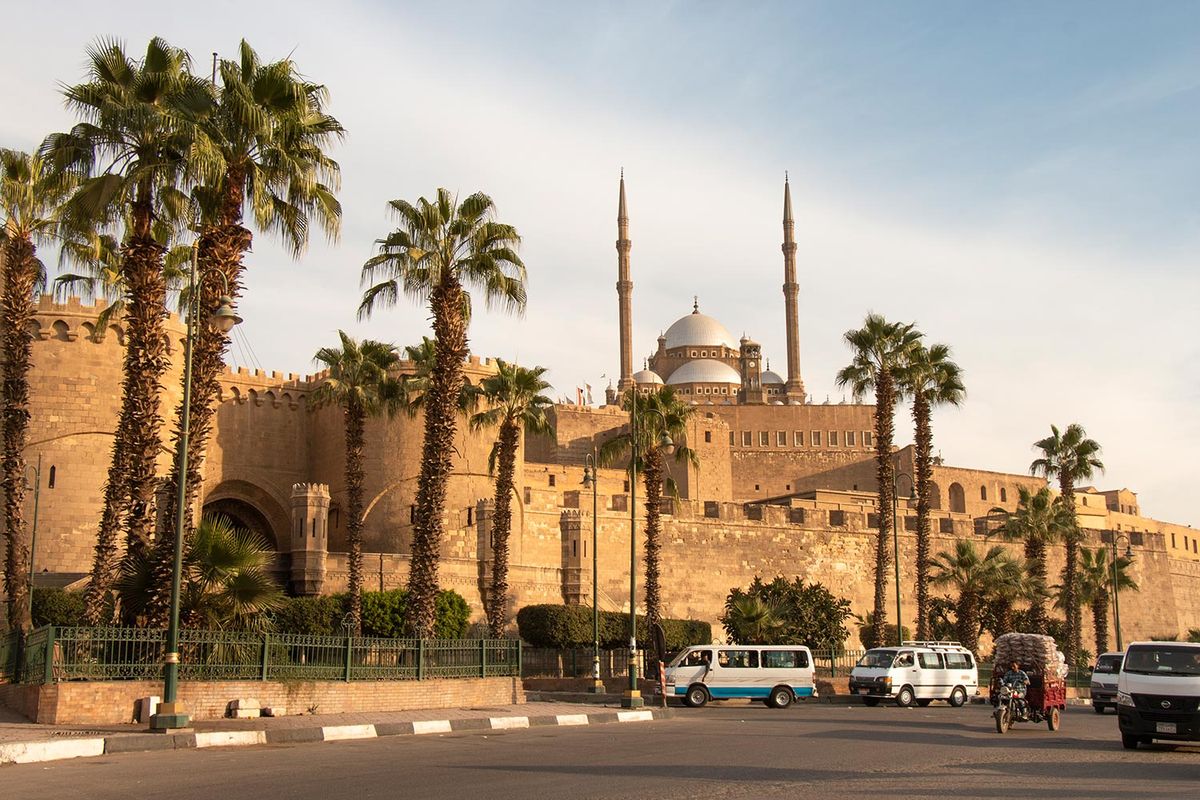
1. The Citadel of Saladin: Cairo’s Legendary Fortress Above the City

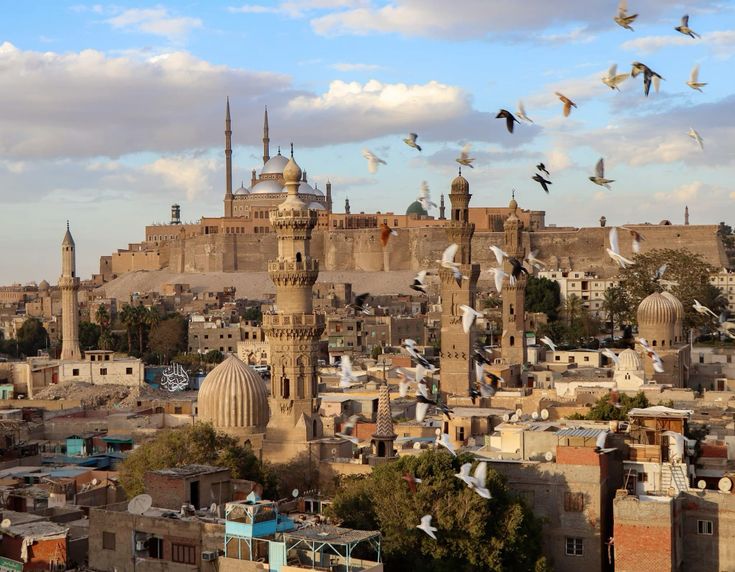
Towering above Cairo from the Mokattam Hills, the Citadel of Saladin stands as one of Egypt’s most iconic Islamic landmarks and one of the most impressive medieval fortresses in the Middle East. Built in the 12th century by the legendary ruler Salah El-Din (Saladin) to protect Cairo from Crusader invasions, this remarkable stronghold served as Egypt’s center of power for centuries. Today, visitors exploring Islamic Cairo are rewarded with panoramic views of the sprawling city, magnificent historic architecture, and a fascinating glimpse into Egypt’s military and political past. For travelers interested in historical attractions in Cairo, the Citadel is an essential stop that combines strategic history with architectural grandeur.

Beyond its defensive role, the Citadel evolved into a royal complex filled with mosques, museums, courtyards, and palaces that reflect different periods of Egyptian history. Walking through its impressive gates offers a journey through centuries of leadership, warfare, and cultural transformation. Whether you are a history enthusiast or a first-time visitor to Cairo, the Citadel offers one of the most memorable introductions to Islamic Egypt and remains a cornerstone of any meaningful exploration of the city.
2. The Mosque of Muhammad Ali: The Jewel of Islamic Cairo

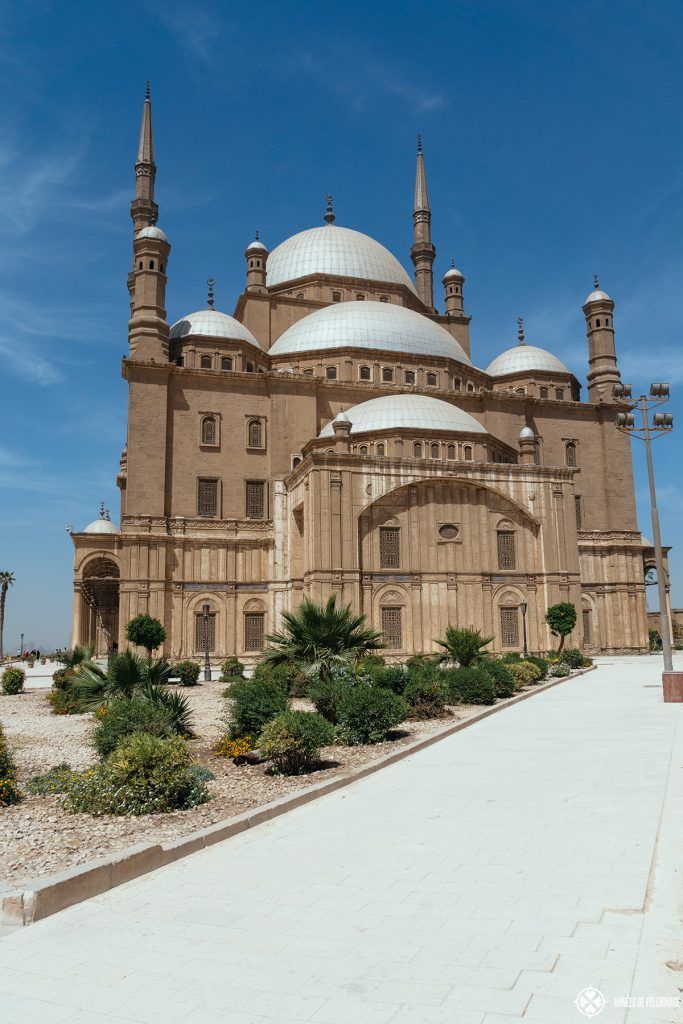
Dominating the skyline from within the Citadel, the Mosque of Muhammad Ali is one of Cairo’s most recognizable architectural masterpieces. Often referred to as the Alabaster Mosque due to its stunning interior walls, this grand structure was commissioned in the 19th century by Muhammad Ali Pasha, the founder of modern Egypt. Inspired by Ottoman mosque design, its soaring domes, elegant minarets, and magnificent prayer hall create an unforgettable visual experience for visitors. For travelers seeking the most beautiful mosques in Cairo, this landmark remains one of the city’s absolute highlights.

Inside, the mosque’s immense chandeliers, intricate decorative details, and serene atmosphere leave a lasting impression. Beyond its beauty, the site represents a pivotal chapter in Egypt’s transition into the modern era under Muhammad Ali’s leadership. Standing within this remarkable monument while overlooking Cairo’s endless skyline creates one of the most iconic travel moments in Egypt. It is a destination where architecture, history, and breathtaking views come together in perfect harmony.
3. Al-Muizz Street: Walking Through Cairo’s Living Medieval Museum

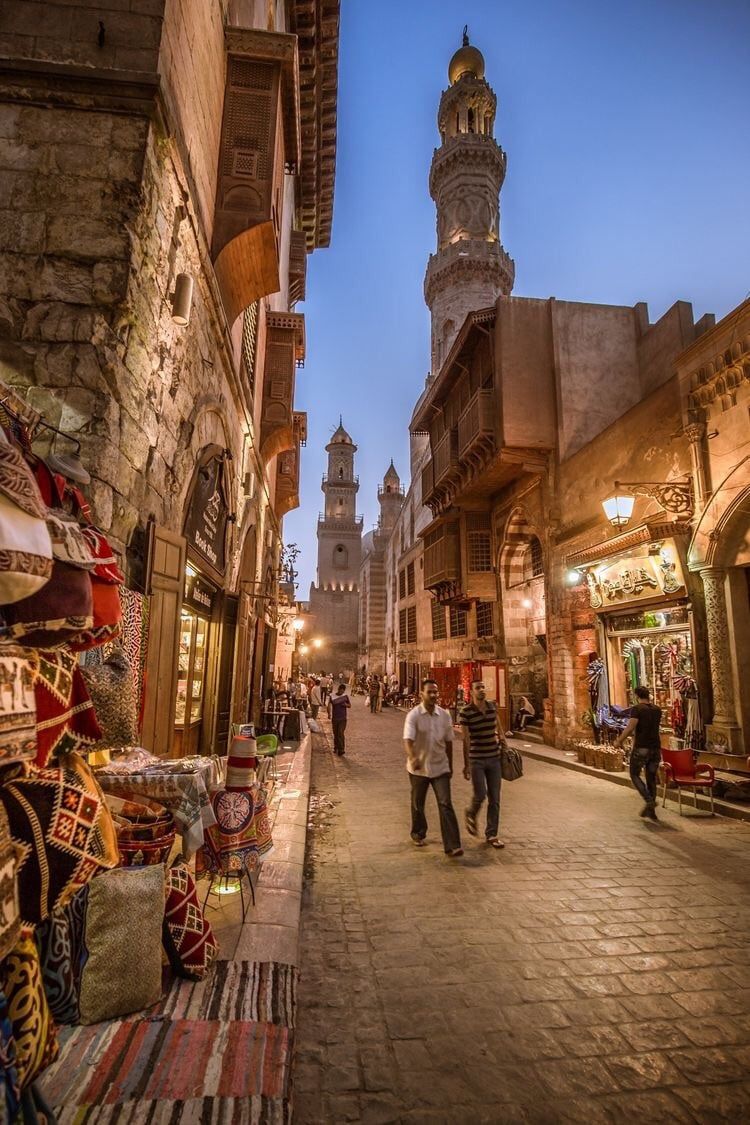
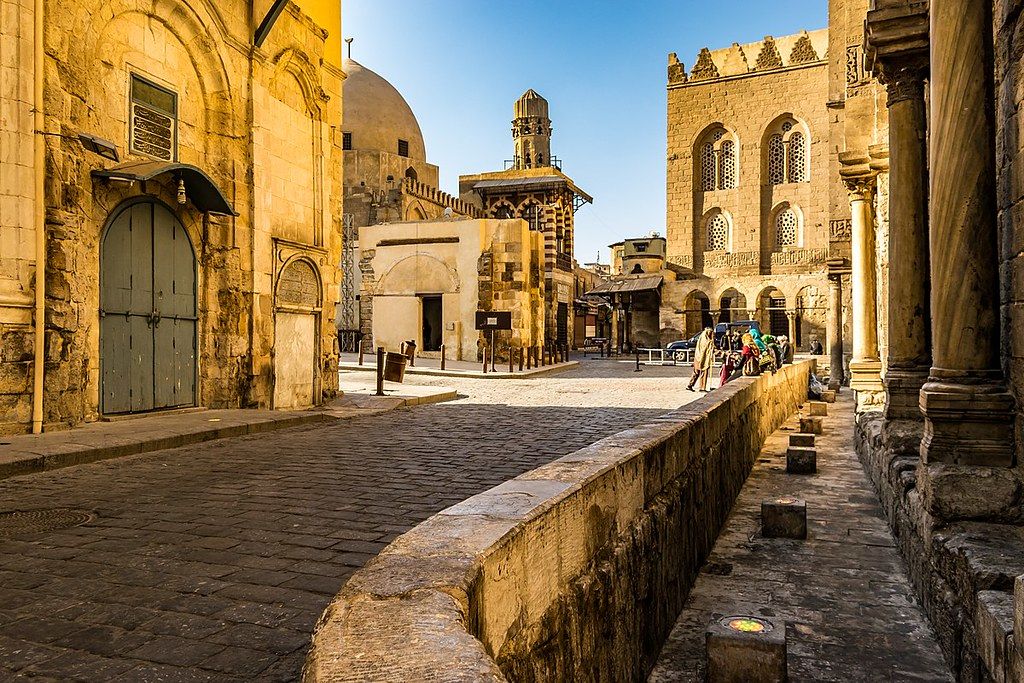
Few places capture the soul of Islamic Cairo quite like Al-Muizz Street, one of the oldest and most historically rich streets in the Islamic world. Stretching through the heart of historic Cairo, this extraordinary avenue is lined with magnificent mosques, madrasas, sabils, mausoleums, and centuries-old buildings that transform an ordinary walk into a journey through medieval Egypt. Recognized as one of the greatest open-air collections of Islamic architecture in the world, Al-Muizz Street is a dream destination for history lovers, photographers, and cultural explorers alike.

As you wander through its lively pathways, you encounter a remarkable blend of preserved heritage and authentic local life, where historic stone facades stand beside traditional shops and vibrant street activity. Day or night, the atmosphere here feels timeless, offering visitors an immersive experience unlike anywhere else in Cairo. Whether you are admiring intricate Islamic craftsmanship or simply soaking in the energy of the old city, Al-Muizz Street remains one of the most unforgettable highlights of any Islamic Cairo adventure.
4. Sultan Hassan Mosque and Madrasa: A Masterpiece of Islamic Architecture

Among the most breathtaking monuments in Islamic Cairo, the Sultan Hassan Mosque and Madrasa stands as one of the finest achievements of medieval Islamic architecture anywhere in the world. Built in the 14th century during the Mamluk era, this colossal complex was designed not only as a grand mosque but also as an important center of Islamic learning. Its immense scale, soaring stone walls, monumental entrance, and exquisite architectural details immediately leave visitors in awe. For travelers exploring the historic treasures of Cairo, this landmark is considered an absolute masterpiece and one of the city’s most unforgettable cultural experiences.

Stepping inside reveals an extraordinary atmosphere of elegance and serenity, where vast courtyards, intricate geometric carvings, and refined craftsmanship showcase the artistic brilliance of the Mamluk period. The monument’s harmonious proportions and sophisticated design reflect the ambition and cultural power of medieval Cairo at its peak. Whether you are passionate about Islamic history, architecture, or heritage tourism in Egypt, Sultan Hassan Mosque offers a profound journey into one of the most remarkable chapters of Cairo’s rich historical legacy.

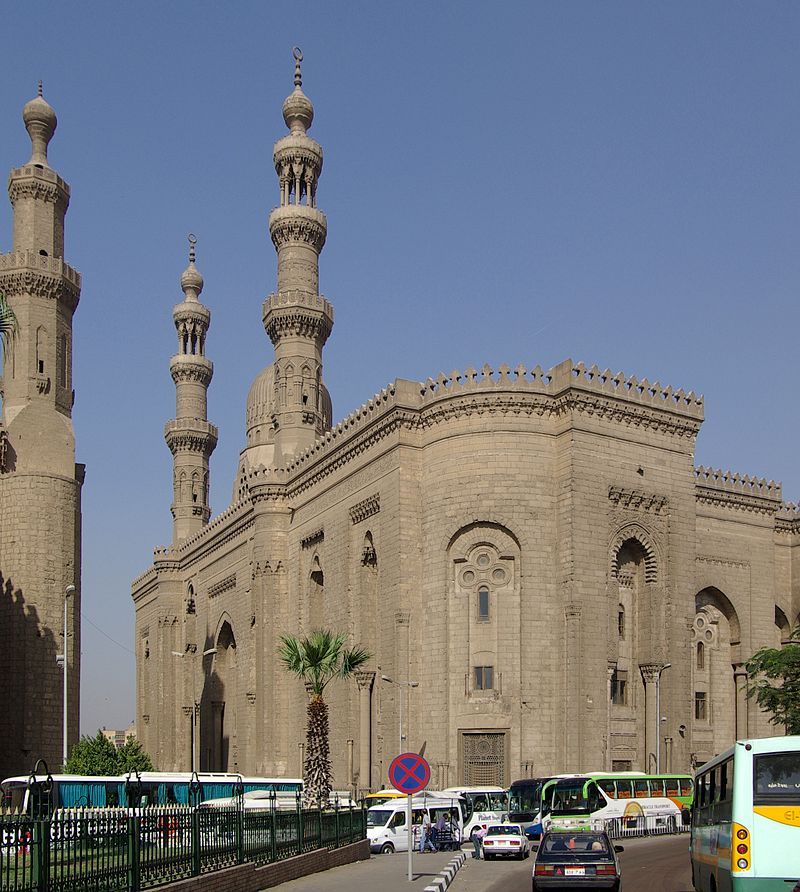
5. Al-Rifa’i Mosque: A Monument of Royal Grandeur

Standing directly opposite Sultan Hassan Mosque, Al-Rifa’i Mosque offers a striking blend of historic inspiration and royal elegance, making it one of Islamic Cairo’s most fascinating landmarks. Built in the 19th and early 20th centuries, this magnificent mosque was designed to complement the grandeur of its medieval neighbor while serving as a royal mausoleum for members of Egypt’s ruling family. Its towering architecture, richly decorated interiors, and impressive scale create an atmosphere of prestige that immediately captures visitors’ attention. For travelers interested in Cairo’s architectural diversity, Al-Rifa’i Mosque provides a remarkable contrast between historic Islamic tradition and later royal ambition.

Beyond its beauty, the mosque carries significant historical importance as the resting place of notable figures, including members of Egypt’s royal family and even international royals. Walking through its grand halls offers a fascinating look into Egypt’s more recent history while maintaining the spiritual atmosphere expected from one of Cairo’s major religious landmarks. It remains an essential stop for anyone exploring the monumental heart of Islamic Cairo.

6. Khan El Khalili Bazaar: Cairo’s Timeless Marketplace

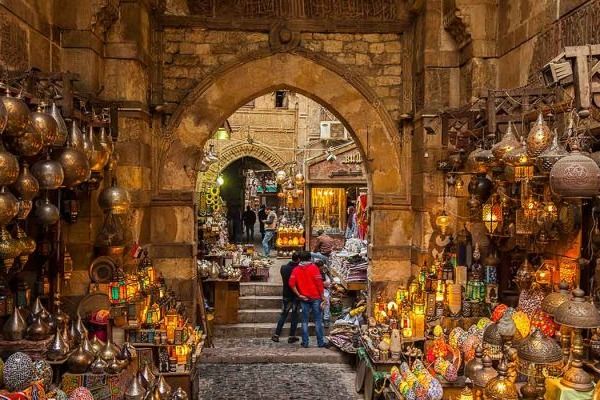
No visit to Islamic Cairo is complete without experiencing the vibrant energy of Khan El Khalili, one of the most famous bazaars in the Middle East and one of Cairo’s most iconic attractions. Established in the 14th century, this legendary marketplace is a maze of narrow alleys filled with traditional shops, artisan workshops, colorful souvenirs, spices, jewelry, handmade crafts, and countless treasures waiting to be discovered. For travelers seeking authentic shopping in Cairo, Khan El Khalili offers a sensory experience unlike anywhere else in Egypt.

Beyond shopping, the bazaar is a living social and cultural landmark where the spirit of old Cairo continues to thrive. The aroma of traditional coffee, the sounds of bargaining merchants, and the visual beauty of handcrafted goods create an unforgettable atmosphere that feels both historic and alive. Whether you are searching for authentic Egyptian souvenirs or simply enjoying the timeless energy of the old city, Khan El Khalili remains one of the most memorable experiences in Islamic Cairo.

7. Al-Azhar Mosque: The Spiritual and Intellectual Heart of Islamic Cairo

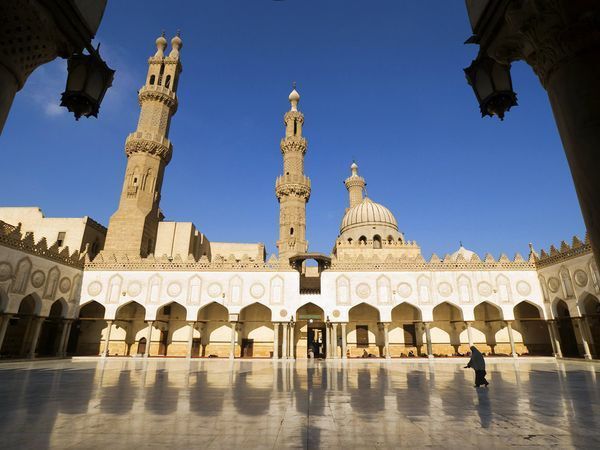
As one of the most important Islamic institutions in the world, Al-Azhar Mosque stands as both a spiritual landmark and a symbol of Islamic scholarship that has shaped religious learning for more than a thousand years. Founded in the 10th century during the Fatimid era, this extraordinary mosque later became the center of Al-Azhar University, one of the oldest and most respected educational institutions in the Islamic world. For travelers exploring Islamic Cairo, visiting Al-Azhar offers far more than architectural admiration—it provides a meaningful connection to the intellectual and spiritual heritage of Egypt.

The mosque’s graceful courtyards, elegant arches, and peaceful atmosphere offer a welcome contrast to the lively streets surrounding it. Despite centuries of expansions and restorations, Al-Azhar has preserved its historic significance as a place of worship, education, and cultural influence. Whether you are fascinated by Islamic history, architecture, or religious heritage, Al-Azhar Mosque remains one of Cairo’s most profound and inspiring destinations.

8. Bab Zuweila: One of Cairo’s Last Great Medieval Gates

Among the most dramatic landmarks in Islamic Cairo, Bab Zuweila stands as one of the last surviving gates of the ancient Fatimid city and a powerful reminder of Cairo’s medieval past. Built in the 11th century, this imposing stone gateway once served as one of the main entrances to the fortified city, controlling movement in and out of the capital during a time of political power and commercial prosperity. For travelers exploring the historic heart of Cairo, Bab Zuweila offers a rare opportunity to experience the city’s defensive architecture up close while stepping directly into centuries of history.

Beyond its military significance, Bab Zuweila offers one of the most unique panoramic viewpoints in Islamic Cairo for those willing to climb its towers. From above, visitors can enjoy breathtaking views over historic mosques, bustling streets, and the timeless skyline of old Cairo stretching into the distance. The gate also carries deep historical symbolism, having witnessed major political events, public ceremonies, and dramatic moments throughout Cairo’s long history. It remains one of the most fascinating and photogenic stops for anyone seeking a deeper connection with Islamic Cairo’s remarkable heritage.

9. Bayt Al-Suhaymi: A Glimpse Into Traditional Cairene Life

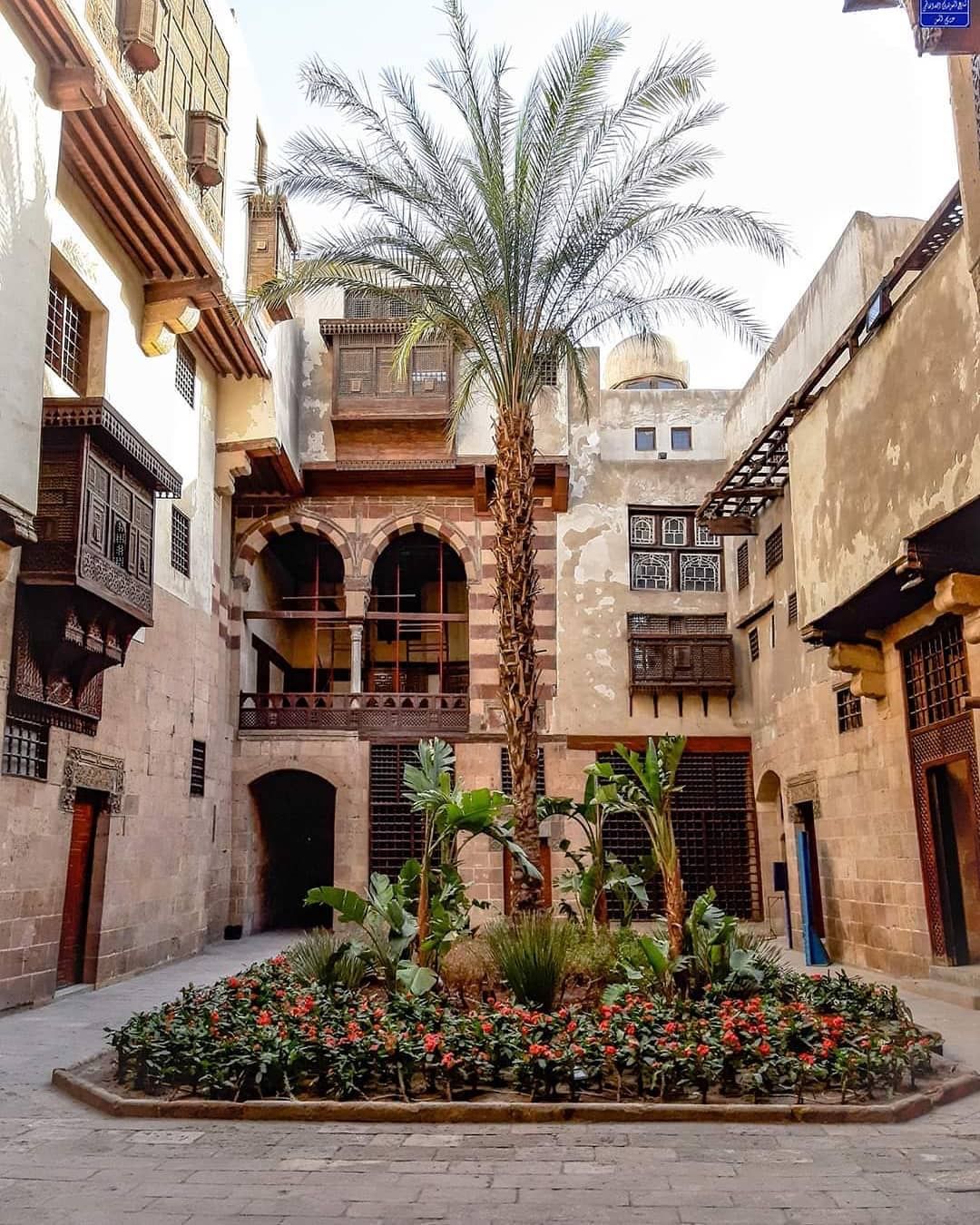
For travelers eager to experience a more intimate side of Islamic Cairo, Bayt Al-Suhaymi offers a fascinating window into traditional life in historic Cairo. This beautifully preserved Ottoman-era house, dating back to the 17th century, showcases the elegance of historic residential architecture far from the grandeur of mosques and fortresses. With its intricate wooden mashrabiya windows, peaceful inner courtyards, decorative ceilings, and refined architectural details, the house reveals how wealthy Cairene families once lived during one of the city’s most culturally vibrant periods. It is one of Islamic Cairo’s hidden gems and a rewarding stop for visitors interested in architecture, heritage, and authentic cultural experiences.

Walking through its beautifully restored rooms feels like stepping into another era, where privacy, artistry, and traditional design shaped everyday life. Unlike monumental landmarks, Bayt Al-Suhaymi offers a personal and human perspective on Cairo’s history, helping visitors imagine life beyond politics and religion. For those looking to explore the lesser-known treasures of Islamic Cairo, this elegant historic house provides a memorable and enriching experience.

10. Practical Tips for Visiting Islamic Cairo

Exploring Islamic Cairo is an unforgettable cultural experience, but thoughtful planning can make your visit far more comfortable and rewarding. Since many of the district’s top attractions are best explored on foot, wearing comfortable walking shoes is essential, especially if you plan to spend several hours moving between mosques, historic streets, and markets. Visiting in the morning or late afternoon is often ideal, particularly during warmer months, as midday heat can make long walks less enjoyable. For travelers planning a historical Cairo tour, combining key landmarks strategically can help maximize your time while avoiding unnecessary backtracking.

Respectful clothing is strongly recommended, especially when visiting active religious sites such as mosques, where modest dress is expected. Hiring a knowledgeable local guide can significantly enrich the experience by explaining the historical context, architectural symbolism, and hidden stories behind the monuments. It is also worth keeping some cash for small purchases in traditional markets, local cafes, or entrance fees where cards may not always be accepted. With the right preparation, Islamic Cairo becomes not just a sightseeing destination, but one of the most immersive cultural journeys in Egypt.

11. Why Islamic Cairo Should Be on Every Egypt Travel Itinerary

While Egypt is globally known for its ancient pyramids and pharaonic temples, Islamic Cairo reveals an entirely different chapter of the country’s extraordinary heritage—one filled with medieval grandeur, spiritual depth, and living cultural traditions. It is a destination where history is not locked behind museum glass but remains woven into the rhythm of daily life, from the call to prayer echoing between historic minarets to the bustling energy of traditional marketplaces. For travelers seeking authentic cultural tourism in Egypt, few places offer such a rich and immersive experience.

What makes Islamic Cairo truly unforgettable is its remarkable ability to transport visitors through time while remaining vibrantly alive in the present. Every street, mosque, gate, and courtyard tells a story of dynasties, scholarship, artistry, and faith that shaped not only Cairo but much of the Islamic world. Whether you are passionate about architecture, photography, history, or meaningful travel experiences, Islamic Cairo offers one of the most rewarding journeys in Egypt and deserves a place on every thoughtfully planned itinerary.

12. An Unforgettable Farewell to Islamic Cairo

As your journey through Islamic Cairo comes to an end, you leave behind far more than magnificent mosques and historic monuments—you leave with a deeper appreciation for one of the most culturally rich and architecturally extraordinary districts in the world. Few places offer such an immersive journey through centuries of faith, artistry, scholarship, and urban life, where every stone carries the memory of powerful dynasties and every narrow street tells a story of Cairo’s enduring spirit. From towering minarets and medieval gates to timeless bazaars and hidden courtyards, Islamic Cairo delivers an experience that remains long after the visit itself.

Islamic Cairo is not simply a historical destination; it is a living masterpiece where the past continues to breathe through everyday life. Whether you arrive as a passionate historian, a curious traveler, a photographer, or someone simply seeking authentic cultural discovery, this remarkable district offers one of Egypt’s most unforgettable travel experiences. As you continue your Egyptian adventure, the atmosphere, beauty, and stories of Islamic Cairo will remain with you as a timeless reminder of the city’s extraordinary heritage and its lasting place at the heart of the Islamic world.

Islamic Cairo : Frequently Asked Questions

A half-day visit is enough to see the major highlights of Islamic Cairo, but a full day is highly recommended if you want to fully enjoy the mosques, historic streets, traditional markets, and hidden architectural gems without rushing. Photography lovers and history enthusiasts may even wish to spend longer exploring the district’s many details.

Absolutely. Islamic Cairo is one of the most rewarding places for first-time visitors because it offers an authentic introduction to Cairo’s cultural identity, architectural beauty, and living history. It provides a completely different experience from the pyramids and modern city districts, making it an essential part of any Cairo itinerary.

Since many attractions in Islamic Cairo are active religious sites, modest clothing is strongly recommended. Visitors should wear clothing that covers shoulders and knees, and comfortable walking shoes are highly advised due to the amount of walking involved through historic streets and uneven pathways.

Yes, Khan El Khalili is one of Cairo’s most iconic attractions and absolutely worth visiting. Beyond shopping for souvenirs, jewelry, spices, and handmade crafts, the market offers an unforgettable cultural atmosphere filled with history, traditional cafés, and authentic local energy.

While it is certainly possible to explore Islamic Cairo independently, hiring a knowledgeable guide can greatly enhance your experience. Many landmarks have rich historical, architectural, and religious stories that are far more meaningful when explained by an expert, helping you discover details you might otherwise miss.