
1. The Importance of the Nile River in Ancient Egyptian Civilization
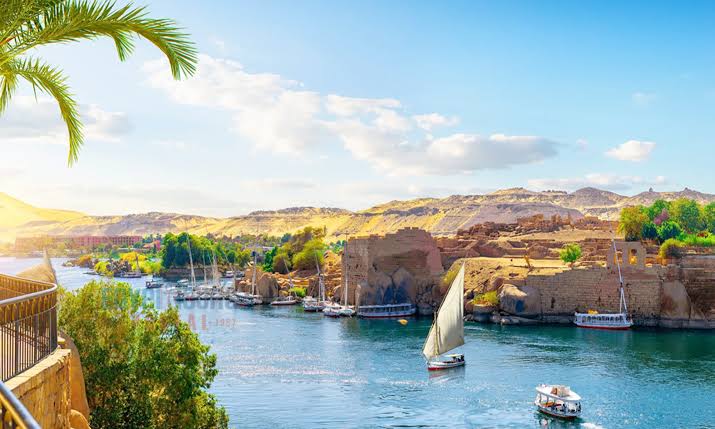
The Nile River was the heart of Ancient Egypt and the main reason this civilization was able to survive and flourish for more than 3,000 years. Stretching across the desert landscape of Egypt, the Nile created a narrow green valley surrounded by vast areas of dry desert. This contrast between water and desert shaped the lifestyle, economy, and development of the ancient Egyptians. Without the Nile River, the rise of the Egyptian civilization would have been almost impossible.
The ancient Egyptians depended on the Nile for agriculture, transportation, fishing, and trade. The annual Nile flooding, known as the inundation season, transformed the land by covering the fields with nutrient-rich soil. This natural process allowed farmers to produce large amounts of crops and supported the growing population of Ancient Egypt. Farming along the Nile Valley became the foundation of the Egyptian economy, providing food not only for local communities but also for royal projects, armies, and temple institutions.
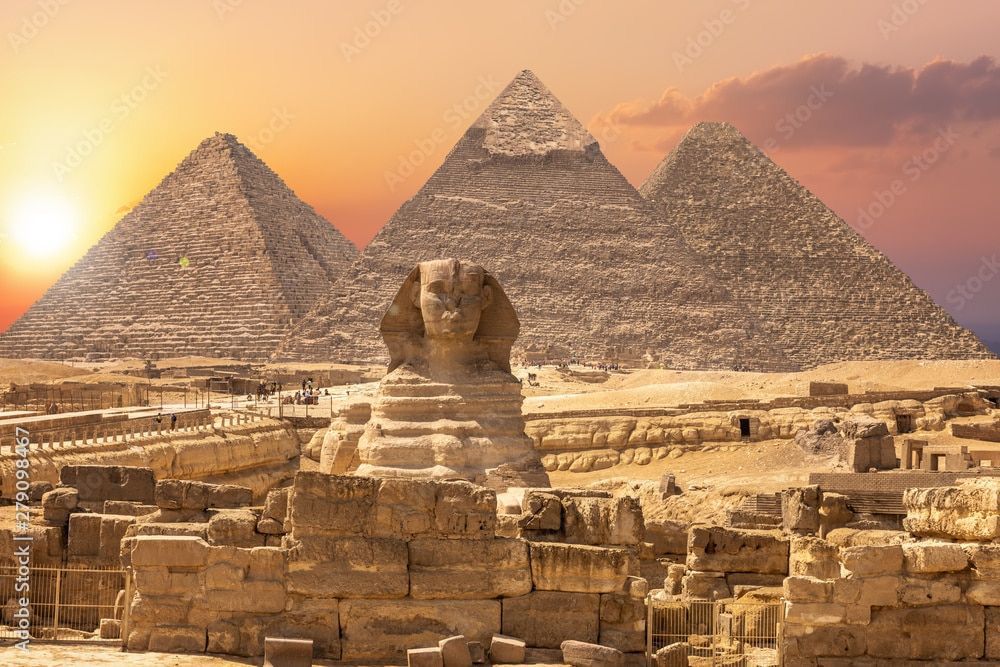
The Nile River also played an important role in connecting different regions of Egypt. Ancient Egyptian boats traveled along the river, transporting people, stones, goods, and building materials. Massive stone blocks used for constructing temples and pyramids were moved through the Nile waterways, helping create some of the world’s most impressive ancient monuments. The river served as a natural highway that connected Upper Egypt in the south with Lower Egypt in the north.
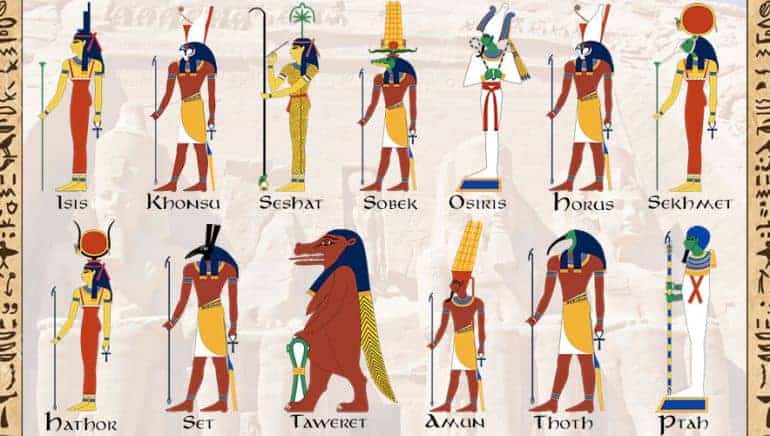
Beyond its practical importance, the Nile had deep religious and spiritual meaning. Ancient Egyptians believed that the river was a gift from the gods and a symbol of life and rebirth. Gods such as Hapi, the deity associated with the Nile flooding, were honored because they were believed to control the river’s fertility. The relationship between the Egyptians and the Nile was reflected in their art, mythology, and religious ceremonies.
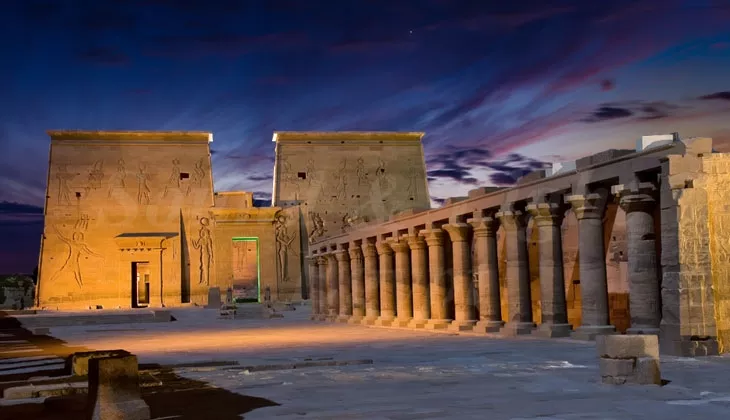
Today, the Nile River remains one of the most important symbols of Egypt. Travelers exploring Egypt can experience the beauty and history of the Nile through Nile cruises, visits to ancient temples, and tours of historic cities such as Luxor and Aswan. Understanding the importance of the Nile is the first step toward discovering the fascinating story of Ancient Egypt life along the river.
2. Daily Life of Ancient Egyptians Along the Nile Valley
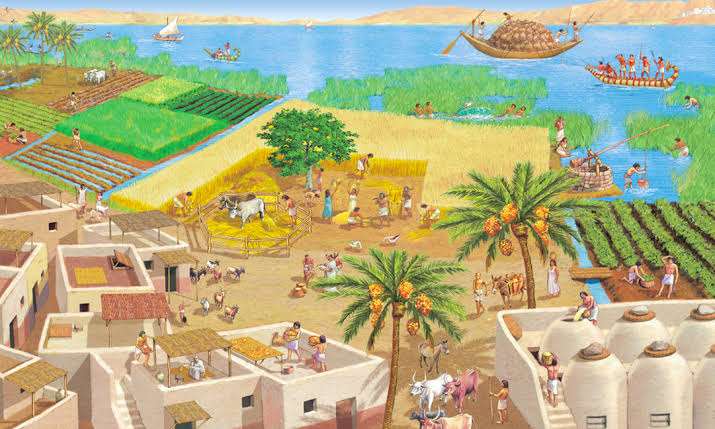
Daily life in Ancient Egypt was closely connected to the rhythm of the Nile River. Most Egyptians lived in villages and towns located near the riverbanks, where they could benefit from fertile farmland, fresh water, and transportation opportunities. Although Egyptian society included different social classes, from Pharaohs and nobles to farmers and workers, everyone depended on the Nile for survival.
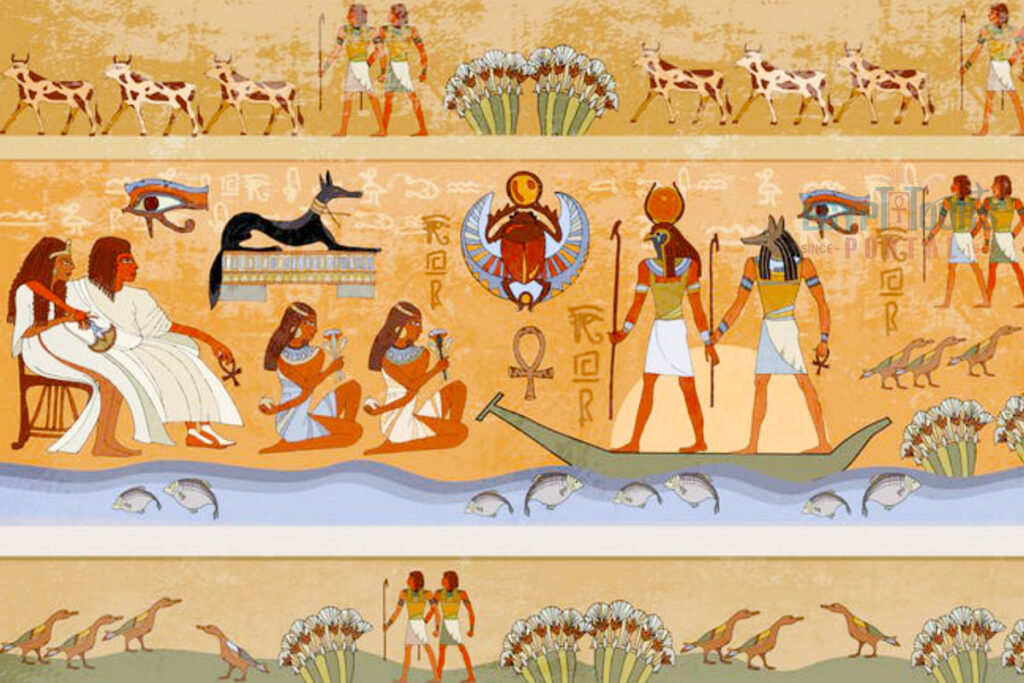
Farmers represented the largest part of the ancient Egyptian population. Their lives followed the agricultural seasons created by the Nile flooding cycle. During the flooding season, when fields were covered with water, farmers repaired tools, maintained canals, and worked on royal construction projects. When the waters receded, they planted crops in the fertile soil left behind by the river. Wheat and barley were among the most important crops, while vegetables, dates, grapes, and flax were also widely cultivated.
Fishing was another important activity along the Nile River. The waters provided various types of fish that became a major source of food for Egyptian families. Fishermen used traditional boats and nets to catch fish, while others hunted birds and collected plants from the river environment. The Nile also provided materials such as papyrus, which was used to create writing materials, ropes, baskets, and small boats.
Homes in Ancient Egypt were usually built from mud bricks made from materials found near the Nile. Villages were designed according to the needs of local communities, with houses, workshops, markets, and religious areas located close together. Families played an important role in society, and children often learned skills from their parents, including farming, crafts, and trade.
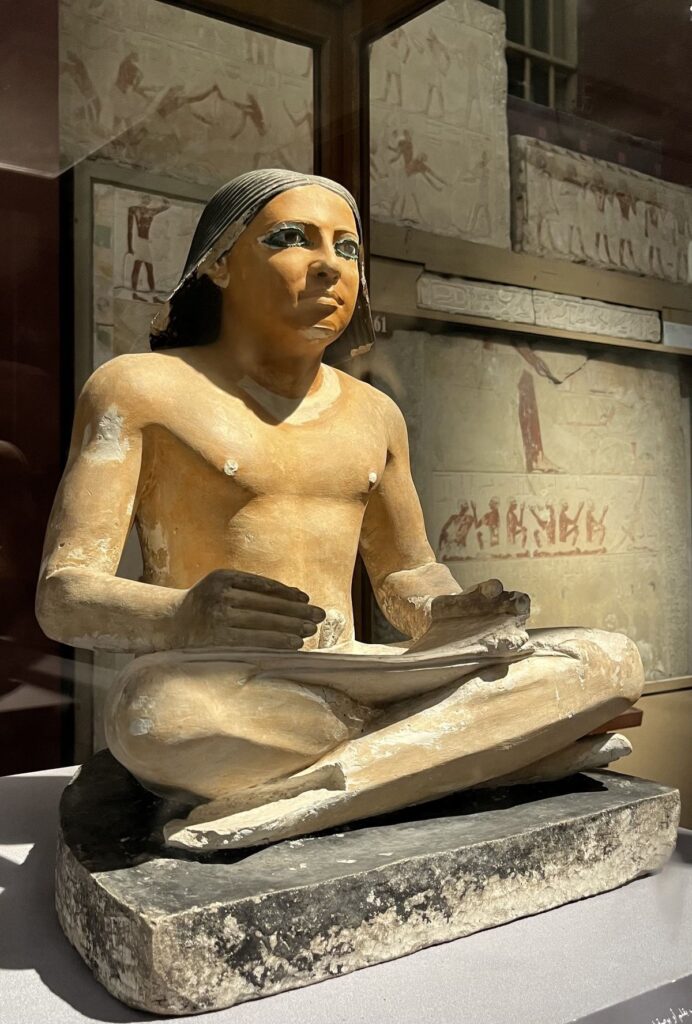
Craftsmen and artisans also benefited from the Nile’s resources. They created pottery, jewelry, furniture, clothing, and tools that reflected the advanced skills of ancient Egyptian society. Many craftsmen worked on temples and royal projects, producing beautiful artwork that still survives today.
Discovering the daily life of Ancient Egyptians along the Nile helps visitors understand that this civilization was not only about pyramids and Pharaohs but also about ordinary people who built communities, raised families, and created a lasting cultural legacy beside the world’s most famous river.
3. Agriculture and Farming: The Foundation of Life Along the Nile
Agriculture was the foundation of Ancient Egyptian life and the main reason communities developed along the Nile Valley. The fertile lands created by the annual Nile flooding allowed ancient Egyptians to grow enough food to support a large population and build one of history’s most powerful civilizations. Farming was not simply an occupation in Ancient Egypt; it was a way of life that influenced society, religion, and the economy.
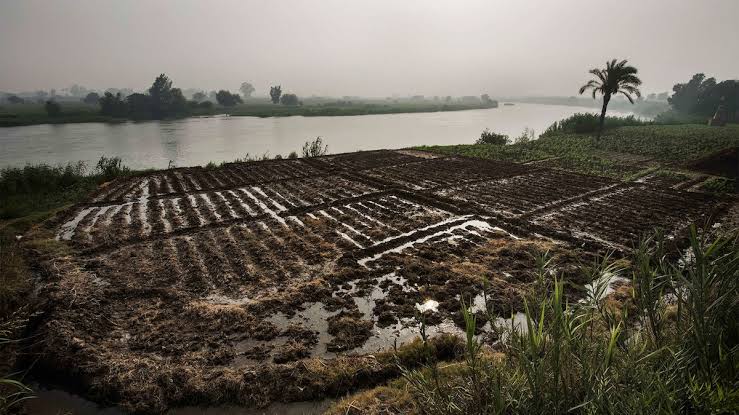
The Nile River provided a unique agricultural environment in the middle of the desert. Each year, the river overflowed its banks and covered the surrounding fields with a layer of dark, fertile soil known as “black land.” This rich soil contained minerals and nutrients that helped crops grow successfully. Ancient Egyptian farmers used simple but effective farming techniques, including irrigation channels, wooden plows, and farming tools made from stone and metal.
The agricultural calendar of Ancient Egypt was divided into three main seasons: the flooding season, the planting season, and the harvesting season. During the flooding period, farmers waited for the Nile waters to spread across the land. After the water disappeared, they planted crops such as wheat, barley, onions, beans, and vegetables. During harvest time, farmers collected crops and stored them for future use.
Agriculture supported every part of Egyptian civilization. The food produced by farmers supplied cities, temples, and royal households. Surplus crops were exchanged through trade, helping Egypt develop strong economic relationships with neighboring regions. Grain storage facilities became important centers of administration, managed by government officials and temple authorities.
The importance of farming was also reflected in ancient Egyptian religion. Many gods were connected to agriculture, fertility, and the Nile River. Egyptians believed that maintaining harmony with nature and honoring the gods ensured successful harvests and continued prosperity.
Today, visitors exploring the Nile Valley can still see the agricultural traditions that have continued for thousands of years. The green fields surrounding Luxor, Aswan, and other Egyptian cities reveal the lasting connection between the Nile River and the people who have depended on it throughout history. Understanding ancient Egyptian farming provides a fascinating view of how the Nile shaped the daily lives and achievements of one of the world’s greatest civilizations.