
Welcome to

Cleopatra’s Spring: The Legendary Oasis of Refreshment in Siwa

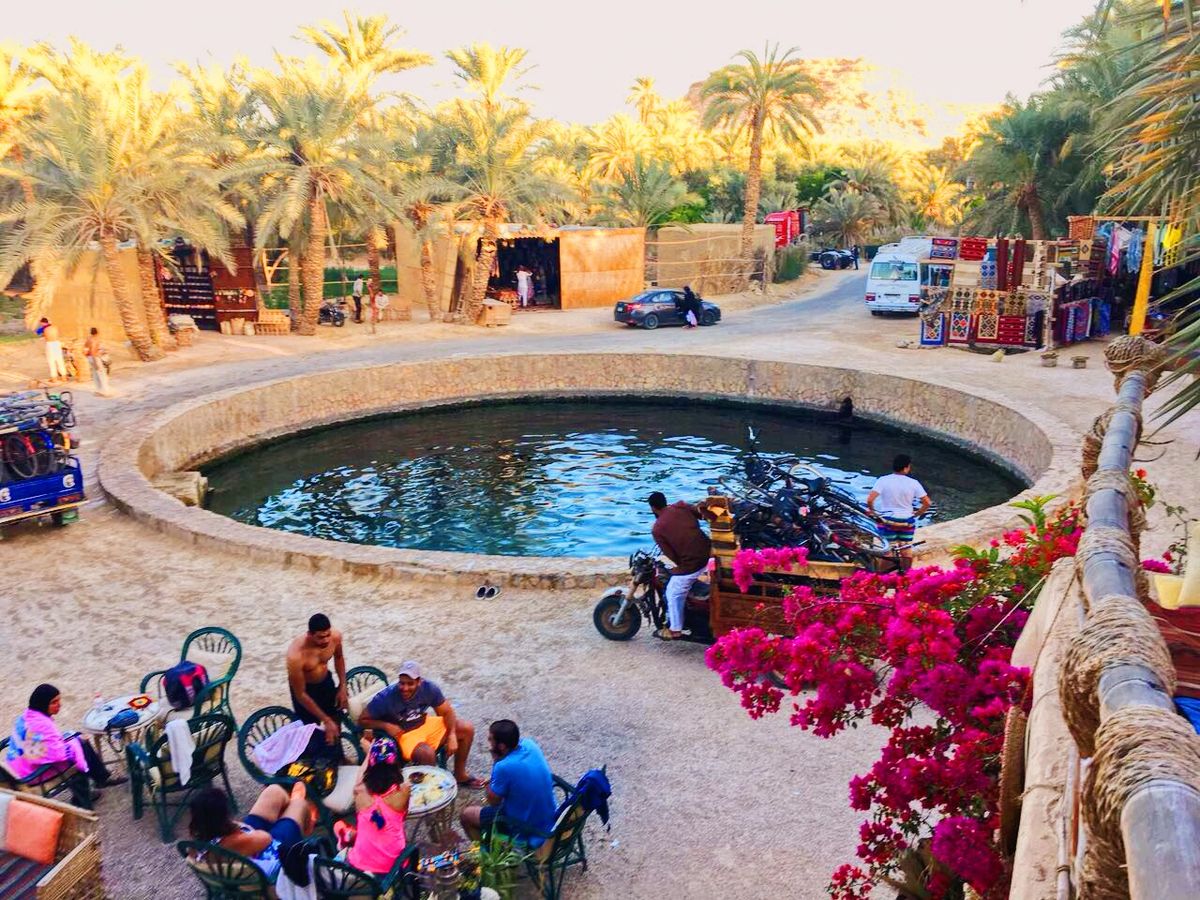
Nestled among the lush palm groves of Siwa Oasis, Cleopatra’s Spring is one of the most famous and beloved attractions in Egypt’s Western Desert. Known locally as Ain Cleopatra, this natural spring has attracted travelers, explorers, and locals for centuries with its crystal-clear waters and tranquil atmosphere. Surrounded by date palms, olive trees, and traditional Siwan landscapes, the spring offers visitors a unique blend of natural beauty, cultural heritage, and relaxation.

According to local legend, the spring earned its name after the famous Egyptian queen Cleopatra VII is believed to have bathed in its refreshing waters during her travels through the region. Although there is no definitive historical evidence supporting this story, the legend has endured for generations and continues to add an air of mystery and romance to the site. Today, Cleopatra’s Spring remains one of the most photographed and visited landmarks in Siwa Oasis.

What makes the spring particularly special is its continuous flow of fresh water. The natural spring feeds a large stone pool where visitors can swim, relax, and enjoy the refreshing waters throughout the year. Unlike many other water sources in desert environments, the spring maintains a steady flow, making it an important part of Siwa’s natural ecosystem and agricultural life.

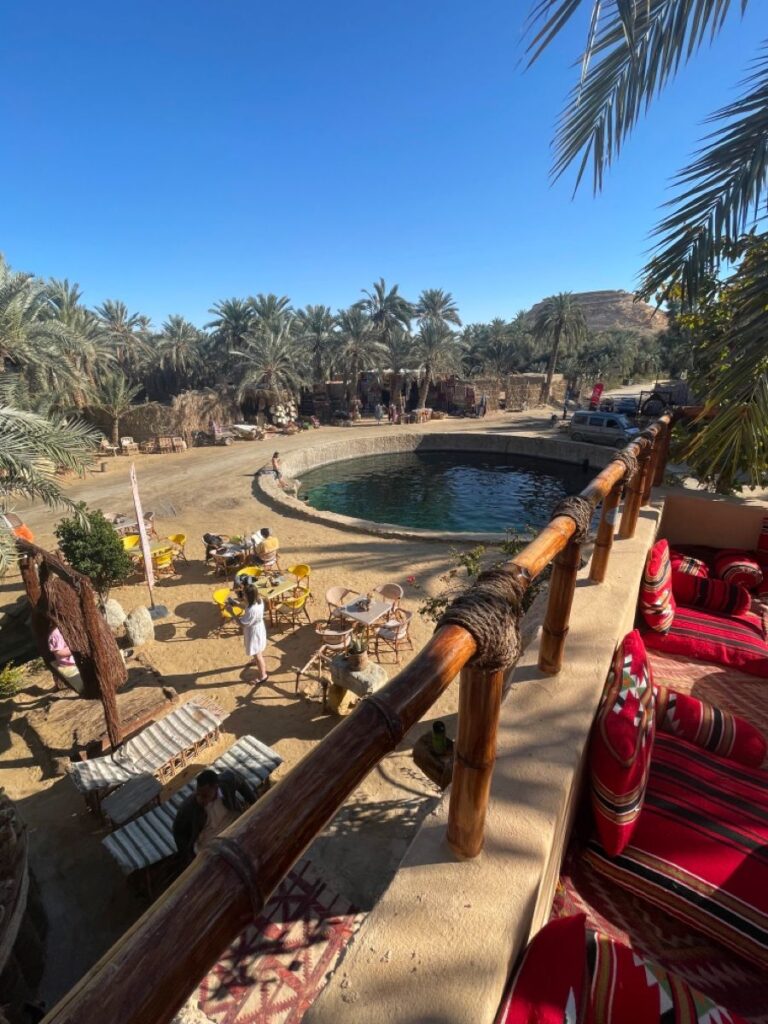
Beyond its historical legends, Cleopatra’s Spring serves as a gathering place where visitors can experience the peaceful charm of Siwa. Traditional cafés and seating areas surround the spring, allowing travelers to enjoy local refreshments while admiring the beautiful scenery. The combination of crystal-clear water, cultural significance, and breathtaking surroundings creates an unforgettable atmosphere.

Whether you are seeking relaxation, history, photography, or an authentic Siwan experience, Cleopatra’s Spring offers a perfect escape into one of Egypt’s most enchanting natural attractions. Its legendary reputation, refreshing waters, and timeless beauty continue to make it a must-visit destination for travelers exploring Siwa Oasis.

1. The History and Legend of Cleopatra’s Spring

Cleopatra’s Spring is one of the most famous landmarks in Siwa Oasis, renowned for its fascinating blend of history, legend, and natural beauty. For centuries, the spring has served as a vital water source for the local community, supporting agriculture, daily life, and the development of settlements throughout the oasis. Its crystal-clear waters and peaceful surroundings have made it a symbol of Siwa’s rich cultural heritage and one of the most visited attractions in Egypt’s Western Desert.

The spring is most widely known for its connection to Queen Cleopatra VII, the last ruler of the Ptolemaic Kingdom of Egypt. According to local legend, Cleopatra visited Siwa Oasis and bathed in the spring’s refreshing waters during her travels. While historians have found no definitive evidence to confirm this story, the legend has endured for generations and remains an important part of the site’s identity. The association with one of history’s most famous queens has added a sense of romance and mystery that continues to attract visitors from around the world.

Long before the legend of Cleopatra emerged, the spring played an essential role in the lives of Siwa’s inhabitants. The constant flow of fresh water made it a valuable natural resource in an otherwise arid desert environment. Communities developed around these water sources, creating the agricultural landscapes that continue to characterize the oasis today.

Throughout history, travelers crossing the Western Desert often stopped at the spring to rest and replenish their supplies. Its reputation as a reliable source of fresh water helped establish Siwa as an important destination for trade, exploration, and cultural exchange.

Today, Cleopatra’s Spring remains both a historical landmark and a living part of Siwa’s heritage. Its combination of natural beauty, local traditions, and legendary connections makes it one of the most captivating attractions in the oasis.
Siwa Oasis

2. Where Is Cleopatra’s Spring Located?

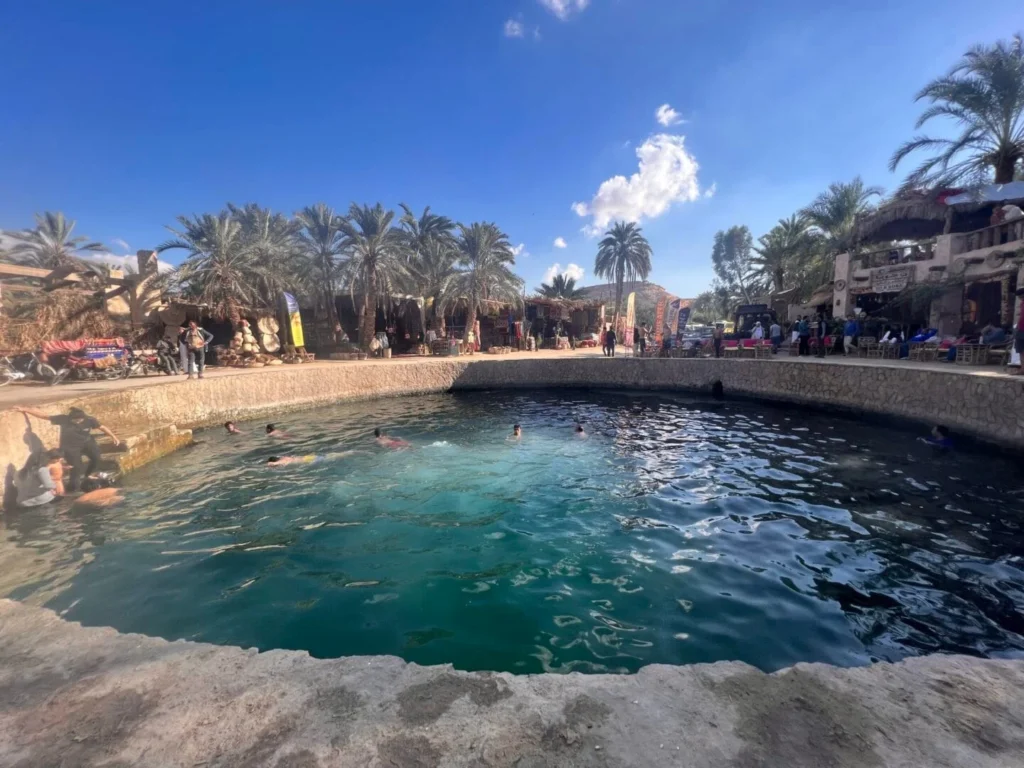
Cleopatra’s Spring is located in the heart of Siwa Oasis, one of Egypt’s most remote and enchanting destinations. Situated approximately 750 kilometers west of Cairo near the Libyan border, Siwa Oasis is famous for its natural springs, salt lakes, ancient temples, and unique cultural traditions. The spring enjoys a central location within the oasis, making it easily accessible for visitors exploring the region’s many attractions.

Surrounded by lush palm groves and olive trees, the spring offers a peaceful escape from the vast desert landscapes that characterize much of the surrounding area. The contrast between the green vegetation and the golden sands of the Sahara creates a stunning natural setting that enhances the appeal of the site. Visitors often describe the area as an oasis in the truest sense of the word—a place of refreshment, beauty, and tranquility amid the desert.

The spring is located close to several of Siwa’s most popular attractions, including Shali Fortress, the Temple of the Oracle, the Mountain of the Dead, and the famous Salt Lakes. This convenient location allows travelers to include Cleopatra’s Spring as part of a broader exploration of the oasis. Many guided tours feature the spring as a key stop due to its historical significance and relaxing atmosphere.

Traditional cafés and seating areas surround the spring, providing visitors with a comfortable place to relax while enjoying views of the water and surrounding palm groves. The nearby facilities make the site accessible and enjoyable for travelers of all ages.

Its central location, natural beauty, and proximity to other major attractions have made Cleopatra’s Spring one of the most visited and beloved destinations in Siwa Oasis. Whether visitors are seeking history, relaxation, or cultural experiences, the spring offers a perfect introduction to the unique charm of this remarkable desert oasis.
3. The Natural Beauty of Cleopatra’s Spring

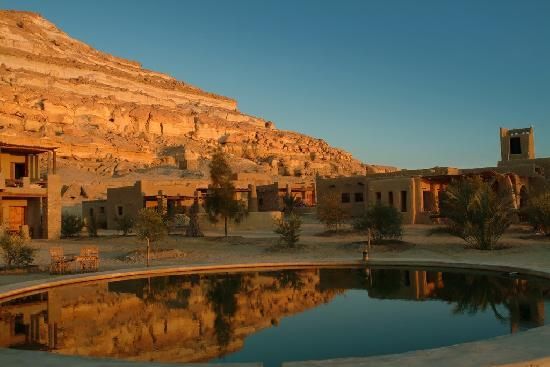
One of the most captivating aspects of Cleopatra’s Spring is its extraordinary natural beauty. The spring is surrounded by lush palm groves, olive orchards, and picturesque desert landscapes that create a peaceful and refreshing environment. In a region known for its vast stretches of golden sand, the sight of crystal-clear water flowing through a vibrant oasis is truly remarkable and leaves a lasting impression on every visitor.

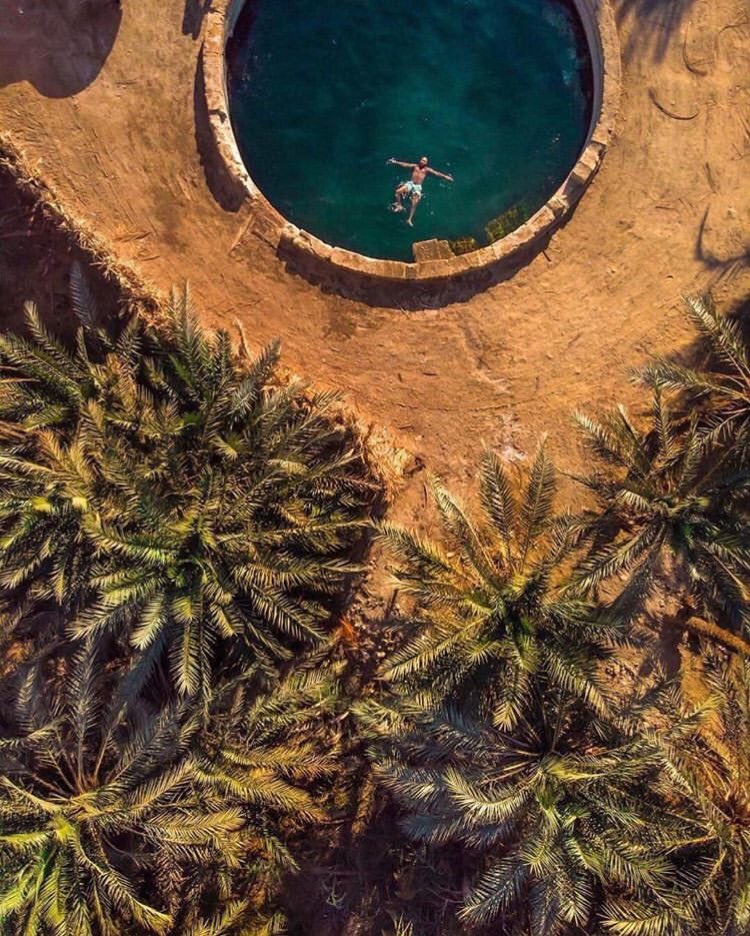
At the center of the attraction lies a large circular stone pool fed by a continuous flow of fresh natural water. The clarity of the water allows visitors to see the bottom of the pool, while the gentle movement of the spring creates a soothing and relaxing atmosphere. The constant flow helps keep the water fresh and inviting throughout the year, making it a popular destination for swimming and relaxation.

The surrounding palm trees add to the beauty of the site by providing shade and creating a serene oasis setting. Visitors can sit beneath the trees, enjoy the cool breeze, and admire the contrast between the lush greenery and the surrounding desert. This unique landscape offers countless opportunities for photography and nature appreciation.

The beauty of Cleopatra’s Spring becomes especially striking during sunrise and sunset. As the changing light reflects on the water and illuminates the palm groves, the entire area takes on a magical appearance. These moments are particularly popular among photographers seeking to capture the charm of Siwa Oasis.

Beyond its visual appeal, the natural environment surrounding the spring contributes to a sense of peace and relaxation that many travelers find unforgettable. Whether swimming in the refreshing water or simply enjoying the scenery, visitors quickly understand why Cleopatra’s Spring has become one of the most cherished attractions in Siwa Oasis.
4. Swimming Experience at Cleopatra’s Spring

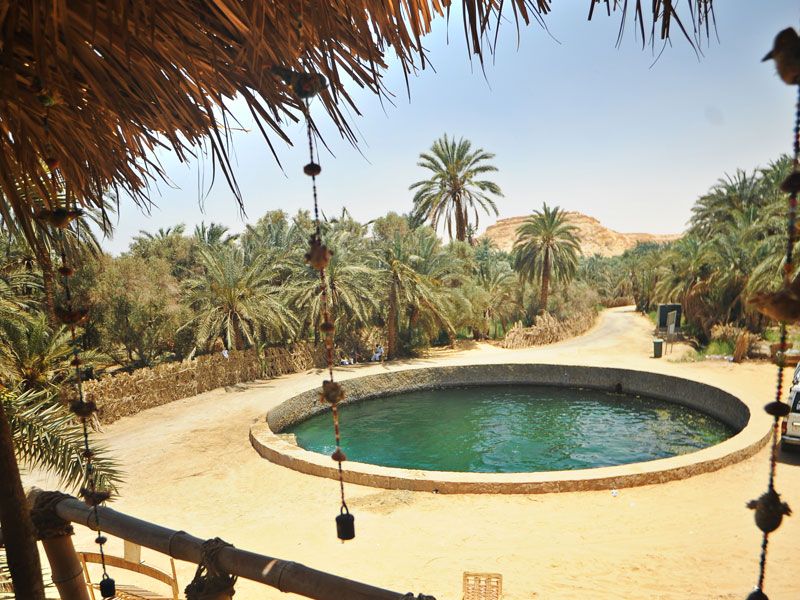
One of the main reasons travelers visit Cleopatra’s Spring is to enjoy its refreshing swimming experience. Unlike many natural attractions that can only be admired from a distance, this famous spring invites visitors to step into its crystal-clear waters and experience one of the most relaxing activities in Siwa Oasis. The spring’s natural beauty, comfortable water temperature, and peaceful surroundings make it a favorite destination for both locals and tourists.

The spring is fed by a continuous flow of fresh groundwater that keeps the water clean and constantly renewed. This natural circulation helps maintain a pleasant environment for swimming throughout the year. Visitors can comfortably enter the large stone pool and enjoy a refreshing escape from the desert heat, especially during the warmer months.

Many travelers describe swimming in Cleopatra’s Spring as a unique and rejuvenating experience. The cool, clear water provides a welcome contrast to the surrounding desert climate, while the tranquil atmosphere allows visitors to relax and unwind. Whether taking a leisurely swim or simply sitting in the water while enjoying the scenery, the spring offers a perfect opportunity to connect with nature.

The site is suitable for visitors of all ages, making it a popular stop for families, couples, and solo travelers alike. The surrounding palm groves and traditional cafés further enhance the experience by creating a peaceful oasis setting where visitors can relax before or after their swim.

In addition to recreation, swimming at Cleopatra’s Spring offers a chance to experience a natural water source that has supported life in Siwa Oasis for centuries. The combination of refreshing waters, scenic surroundings, and cultural significance makes swimming in the spring one of the most memorable activities in the region.

For many visitors, a swim in Cleopatra’s Spring becomes one of the highlights of their journey through Siwa Oasis, providing a refreshing and authentic experience that perfectly captures the beauty and charm of this remarkable desert destination.

5. Cultural Significance of Cleopatra’s Spring

Cleopatra’s Spring is more than just a natural attraction; it is an important cultural landmark that reflects the history, traditions, and daily life of Siwa Oasis. For generations, the spring has served as a gathering place for local communities, providing fresh water that supported agriculture, settlements, and social activities in one of Egypt’s most remote regions. Its importance extends beyond its physical beauty, making it a symbol of Siwa’s enduring connection to nature and heritage.

The spring has long played a central role in the oasis’s agricultural system. The continuous flow of fresh water helped irrigate date palm groves, olive orchards, and other crops that remain essential to the local economy. This reliable water source contributed significantly to the development and prosperity of Siwa throughout its history.

Local traditions and folklore have also strengthened the spring’s cultural importance. The legend linking the site to Queen Cleopatra has been passed down through generations, becoming an integral part of Siwa’s identity and tourism appeal. While historians continue to debate the story’s authenticity, it remains one of the most fascinating aspects of the attraction.

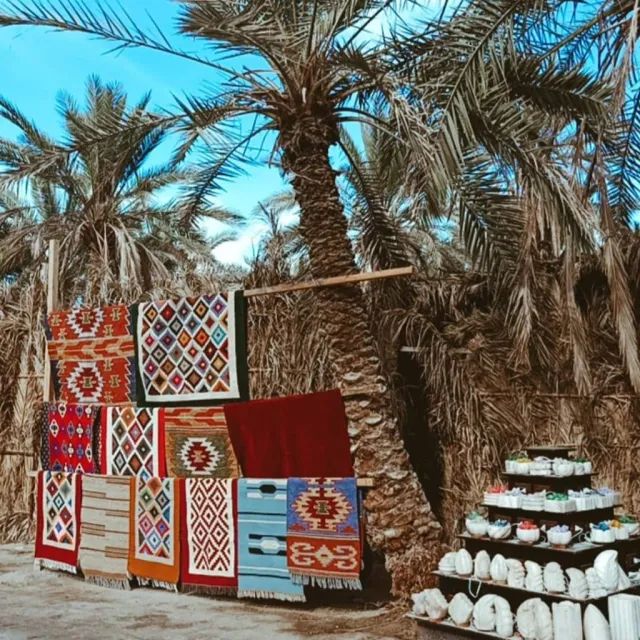
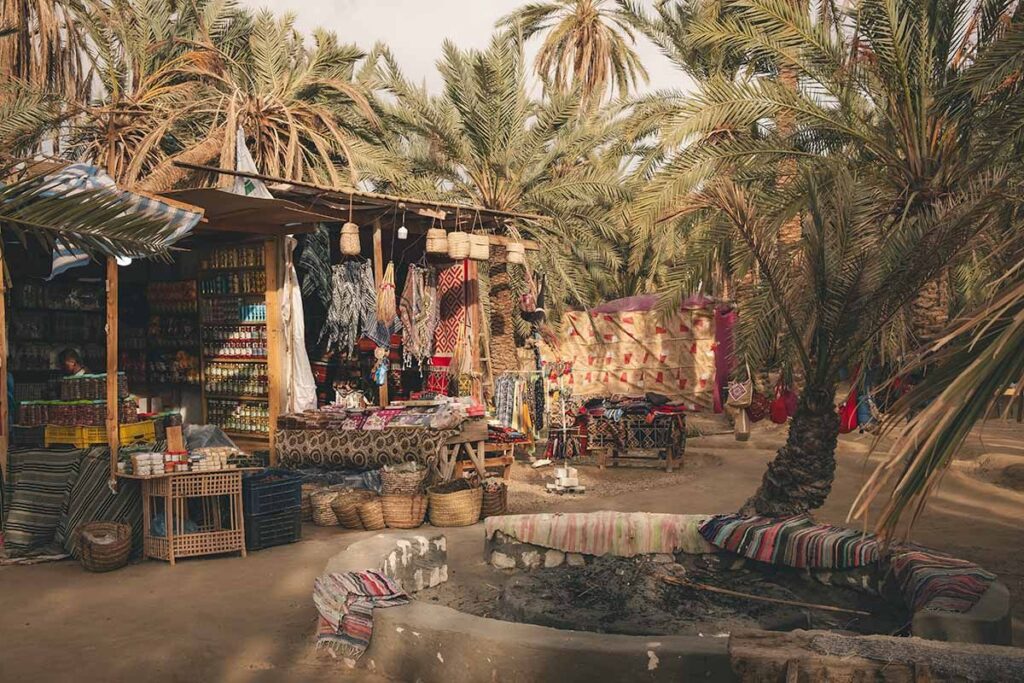
Today, Cleopatra’s Spring continues to serve as a place where visitors can experience authentic Siwan culture. Traditional cafés, local markets, and nearby villages offer opportunities to interact with residents and learn about the customs that have shaped life in the oasis for centuries. This combination of history, culture, and natural beauty makes the spring one of Siwa’s most treasured landmarks.

6. Best Time to Visit Cleopatra’s Spring

Choosing the right time to visit Cleopatra’s Spring can significantly enhance the experience. Located in the heart of Siwa Oasis, the spring can be enjoyed throughout the year, but certain seasons and times of day provide particularly favorable conditions for swimming, sightseeing, and photography.

The most popular time to visit is between October and April, when temperatures are mild and comfortable. During these months, visitors can explore the oasis, swim in the spring, and enjoy outdoor activities without the intense heat of the summer season. The pleasant climate also makes it easier to visit nearby attractions such as the Temple of the Oracle and Shali Fortress.

Summer months from May to September can be extremely hot, with daytime temperatures often exceeding 40°C (104°F). However, the refreshing waters of Cleopatra’s Spring provide welcome relief from the desert heat. Many visitors choose to swim early in the morning or later in the afternoon when temperatures are more comfortable.

Sunset is widely considered one of the best times to visit the spring. The golden light reflecting on the water and surrounding palm groves creates a magical atmosphere that attracts photographers and nature lovers alike. Many cafés around the spring offer excellent viewpoints where visitors can relax and enjoy the scenery.

Regardless of the season, Cleopatra’s Spring remains one of Siwa’s most enjoyable attractions. Careful timing simply allows visitors to make the most of its natural beauty and relaxing environment.

7. Things to Do at Cleopatra’s Spring

Cleopatra’s Spring offers a variety of activities that make it one of the most enjoyable destinations in Siwa Oasis. Whether visitors are interested in relaxation, photography, cultural experiences, or simply escaping the desert heat, the spring provides something for everyone.

Swimming is undoubtedly the most popular activity. The cool, clear waters invite visitors to take a refreshing dip and enjoy a unique natural swimming experience. Many travelers spend hours relaxing in the spring while admiring the surrounding palm groves and tranquil scenery.

Photography enthusiasts will find countless opportunities to capture stunning images. The combination of crystal-clear water, lush vegetation, traditional Siwan architecture, and desert landscapes creates a beautiful setting for memorable photographs. Sunrise and sunset are particularly popular times for capturing the spring’s beauty.

Visitors can also relax at the traditional cafés and restaurants surrounding the spring. These establishments offer local drinks, snacks, and meals while providing excellent views of the water. Sitting beside the spring and enjoying the peaceful atmosphere is an experience many travelers remember long after leaving Siwa.

Exploring the nearby palm groves and local villages is another rewarding activity. These areas provide insight into daily life in Siwa and allow visitors to experience the region’s unique culture and traditions. Many travelers combine their visit to Cleopatra’s Spring with other nearby attractions, creating a full day of exploration.

Whether swimming, relaxing, taking photographs, or discovering local culture, visitors will find plenty of ways to enjoy one of Siwa Oasis’s most famous and beloved landmarks.

8. Why Cleopatra’s Spring Is One of the Most Famous Attractions in Siwa Oasis

Cleopatra’s Spring has earned its reputation as one of the most famous attractions in Siwa Oasis due to its unique combination of history, legend, natural beauty, and cultural significance. While Siwa is home to many remarkable sites, few places capture the imagination of visitors quite like this iconic natural spring. Its connection to the legendary Queen Cleopatra, along with its refreshing waters and picturesque surroundings, has made it a must-visit destination for travelers from around the world.

One of the primary reasons for its popularity is the enduring legend that Cleopatra herself bathed in the spring. Although historical evidence remains limited, the story has become deeply rooted in local folklore and continues to fascinate visitors. The association with one of history’s most famous queens adds a sense of mystery and romance that enhances the appeal of the site.

The spring’s natural beauty also contributes significantly to its fame. Surrounded by lush palm groves and traditional Siwan landscapes, the crystal-clear waters create a peaceful and inviting environment. The contrast between the refreshing spring and the surrounding desert scenery offers a unique experience that many travelers find unforgettable.

Another factor behind the spring’s popularity is its accessibility. Located near several of Siwa’s major attractions, including Shali Fortress, the Temple of the Oracle, and the Salt Lakes, Cleopatra’s Spring is often included in sightseeing itineraries. This convenient location makes it easy for visitors to experience multiple highlights of the oasis during a single trip.

In addition, the spring offers a relaxing and authentic cultural experience. Visitors can swim in the refreshing water, enjoy local hospitality at nearby cafés, and learn about the traditions of Siwa Oasis. This combination of relaxation, history, and cultural immersion makes Cleopatra’s Spring one of the most beloved destinations in Egypt’s Western Desert.

Today, the spring continues to attract travelers seeking both natural beauty and historical intrigue. Its timeless charm and legendary status ensure that it remains one of the most iconic landmarks in Siwa Oasis.

9. Visitor Experience at Cleopatra’s Spring

A visit to Cleopatra’s Spring offers one of the most relaxing and authentic experiences in Siwa Oasis. From the moment visitors arrive, they are welcomed by the sight of crystal-clear water surrounded by lush palm trees and traditional Siwan scenery. The peaceful atmosphere and natural beauty of the spring create a refreshing escape from the busy pace of modern life and provide a unique opportunity to connect with the oasis’s tranquil environment.

Many visitors begin their experience by taking a swim in the spring’s cool, fresh water. The natural pool is spacious and inviting, allowing travelers to relax while enjoying the soothing effects of the constantly flowing spring water. Whether visiting during the warm summer months or the mild winter season, swimming in Cleopatra’s Spring remains one of the most enjoyable activities in Siwa.

Beyond swimming, visitors often spend time walking around the spring, admiring the surrounding palm groves, and taking photographs of the picturesque landscape. The area’s natural beauty creates a perfect setting for relaxation, while the nearby cafés provide comfortable places to sit and enjoy traditional Siwan hospitality.

The spring also offers a chance to experience local culture. Travelers can interact with residents, learn about Siwa’s traditions, and enjoy authentic food and drinks in nearby establishments. This cultural connection adds depth to the visit and helps visitors better understand the unique character of the oasis.

Whether travelers are looking for relaxation, photography, cultural experiences, or simply a peaceful place to unwind, Cleopatra’s Spring provides a memorable experience that captures the essence of Siwa Oasis.

10. Travel Tips for Visiting Cleopatra’s Spring

Planning ahead can help visitors make the most of their time at Cleopatra’s Spring. While the attraction is easy to access and enjoy, a few practical travel tips can ensure a comfortable and rewarding experience for first-time visitors.

One of the most important recommendations is to bring appropriate swimwear if planning to enter the water. Since swimming is one of the main attractions, having comfortable clothing and a towel will make the visit more enjoyable. Visitors should also consider bringing a change of clothes, especially if they plan to continue sightseeing after their swim.

Sun protection is essential throughout the year. The desert climate of Siwa means that sunlight can be strong even during cooler months. Sunscreen, sunglasses, and a hat are highly recommended, particularly for visitors spending extended periods outdoors.

Travelers interested in photography should consider visiting early in the morning or during sunset. These times provide the most attractive lighting conditions and create beautiful reflections on the water. The softer light also makes exploring the surrounding area more comfortable.

It is also a good idea to carry cash, as some local cafés and small vendors may not accept electronic payments. Supporting local businesses allows visitors to enjoy authentic Siwan products and contributes to the local economy.

Finally, visitors should respect local customs and help preserve the natural beauty of the spring by avoiding littering and following any site regulations. Responsible tourism helps protect this remarkable attraction for future generations.

11. Nearby Attractions to Explore Around Cleopatra’s Spring

Cleopatra’s Spring is ideally located near many of Siwa Oasis’s most famous attractions, making it an excellent starting point for exploring the region. Visitors can easily combine a visit to the spring with several historical, cultural, and natural sites that showcase the unique beauty and heritage of the oasis.

One of the most important nearby attractions is Shali Fortress, the historic center of Siwa. Built from traditional kershef materials made of salt and mud, this ancient fortress offers spectacular panoramic views and provides insight into the oasis’s rich architectural history. Exploring its narrow pathways and ruins is a fascinating experience for history enthusiasts.

Another must-visit destination is the Temple of the Oracle, one of Egypt’s most significant ancient religious sites. Famous for its connection to Alexander the Great, the temple attracts visitors interested in archaeology, ancient history, and the mysteries of the Oracle of Amun.

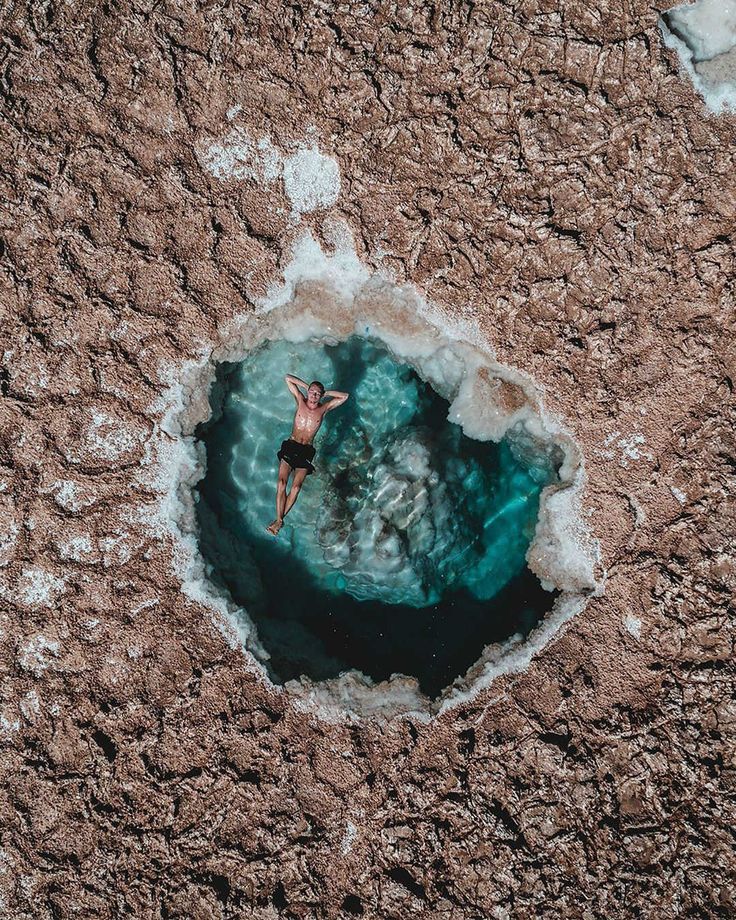
The Siwa Salt Lakes are also located nearby and have become one of the oasis’s most popular natural attractions. Their crystal-clear turquoise waters and extraordinary floating experience make them a perfect complement to a visit to Cleopatra’s Spring.

Nature lovers can explore the Great Sand Sea, where desert safaris offer exciting adventures including dune bashing, sandboarding, and unforgettable sunset views across the Sahara Desert. These excursions provide a completely different perspective on the natural beauty of Siwa.

Together, these nearby attractions create a diverse and rewarding travel experience. Combining Cleopatra’s Spring with the historical landmarks, natural wonders, and cultural treasures of Siwa Oasis allows visitors to fully appreciate one of Egypt’s most remarkable destinations.

12. Conclusion: Why Cleopatra’s Spring Is a Must-Visit Destination in Siwa Oasis

Cleopatra’s Spring remains one of the most iconic and cherished attractions in Siwa Oasis, offering visitors a unique blend of natural beauty, historical intrigue, and cultural significance. Surrounded by lush palm groves and fed by crystal-clear freshwater, the spring has served as a source of life and relaxation for centuries. Its peaceful atmosphere and picturesque setting make it one of the most memorable destinations in Egypt’s Western Desert.

The legendary connection to Queen Cleopatra adds an extra layer of fascination to the site. Whether the famous ruler actually visited the spring or not, the enduring story has become an important part of Siwa’s heritage and continues to capture the imagination of travelers from around the world. Combined with the spring’s refreshing waters and scenic surroundings, this legend has helped establish Cleopatra’s Spring as one of the oasis’s most famous landmarks.

Beyond its historical and cultural appeal, the spring offers visitors a chance to relax, swim, and enjoy the tranquility of nature. The constant flow of fresh water, the surrounding greenery, and the welcoming local atmosphere create an experience that is both refreshing and authentic. It is a place where travelers can escape the pressures of everyday life and immerse themselves in the unique charm of Siwa Oasis.

Its convenient location near other major attractions, including the Temple of the Oracle, Shali Fortress, and the Siwa Salt Lakes, makes it an essential stop on any Siwa itinerary. Visitors can easily combine a trip to the spring with a broader exploration of the oasis’s rich history and natural wonders.

For anyone planning to visit Siwa Oasis, Cleopatra’s Spring is a destination that should not be missed. Its timeless beauty, legendary reputation, and relaxing atmosphere continue to attract visitors year after year, making it one of Egypt’s most captivating natural and cultural treasures.

Cleopatra’s Spring : Frequently Asked Questions

Cleopatra’s Spring is named after the legendary Egyptian queen Cleopatra VII. According to local folklore, Cleopatra once bathed in the spring during her visit to Siwa Oasis. Although there is no definitive historical evidence to confirm the story, the legend has become an important part of the site’s identity and popularity.

Yes, visitors can swim in Cleopatra’s Spring. The spring features a large natural pool fed by continuously flowing freshwater, making it one of the most popular swimming spots in Siwa Oasis. The refreshing water and beautiful surroundings create a relaxing experience for travelers.

Cleopatra’s Spring is located in the heart of Siwa Oasis in Egypt’s Western Desert. It is situated near several of the oasis’s most famous attractions, including the Temple of the Oracle, Shali Fortress, and the Siwa Salt Lakes, making it easy to include in a sightseeing itinerary.

The best time to visit Cleopatra’s Spring is between October and April when temperatures are mild and comfortable. Many visitors also prefer visiting during sunrise or sunset to enjoy the beautiful scenery and ideal photography conditions.

Visitors can swim in the natural freshwater pool, relax in the peaceful surroundings, enjoy traditional Siwan cafés, take photographs of the beautiful landscape, and explore nearby attractions throughout Siwa Oasis. The spring offers a perfect combination of relaxation, nature, and cultural experiences.