
Welcome to

Siwa Oasis: Egypt’s Hidden Paradise of Emerald Springs and Ancient Legends

The Siwa Oasis stands as one of Egypt’s most enchanting and untouched geographical treasures, offering luxury travelers an unforgettable escape into a world of dramatic desert landscapes, crystal-clear salt pools, and rich cultural heritage. Located deep within the heart of the Western Desert, near the Libyan border, this breathtaking natural paradise serves as a spectacular sanctuary of thousands of majestic olive and date palm trees, vibrant freshwater springs, and towering sun-drenched sand dunes. Most famously, Siwa boasts an incredibly unique history that sets it completely apart from the Nile Valley, preserving its own distinct Amazigh (Berber) language, traditional mud-brick architecture, and fascinating ancient customs. For global explorers seeking an authentic desert expedition far beyond the classic monument trails, discovering the wonders of Siwa offers far more than a standard holiday—it provides a deeply immersive journey into the peaceful harmony of natural beauty and historical mystery. From swimming in the miraculous, high-buoyancy salt lakes to walking through the romantic ruins of ancient fortresses that dominate the horizon, every single corner of the oasis tells a captivating story of isolation, survival, and timeless cultural pride. Whether you are passionate about wellness tourism, historical exploration, eco-friendly luxury travel, or spectacular desert photography, the story of Siwa promises to be one of the most rewarding highlights of your Egyptian travels. Stepping into this serene world allows visitors to completely disconnect from the frantic pace of modern life and experience the legendary hospitality of an ancient community that has successfully protected its magical heritage for thousands of years. Today, this hidden emerald jewel keeps the authentic spirit of desert adventure beautifully alive, making it the ultimate destination for those looking to witness the true magic of Egypt’s untamed horizons.

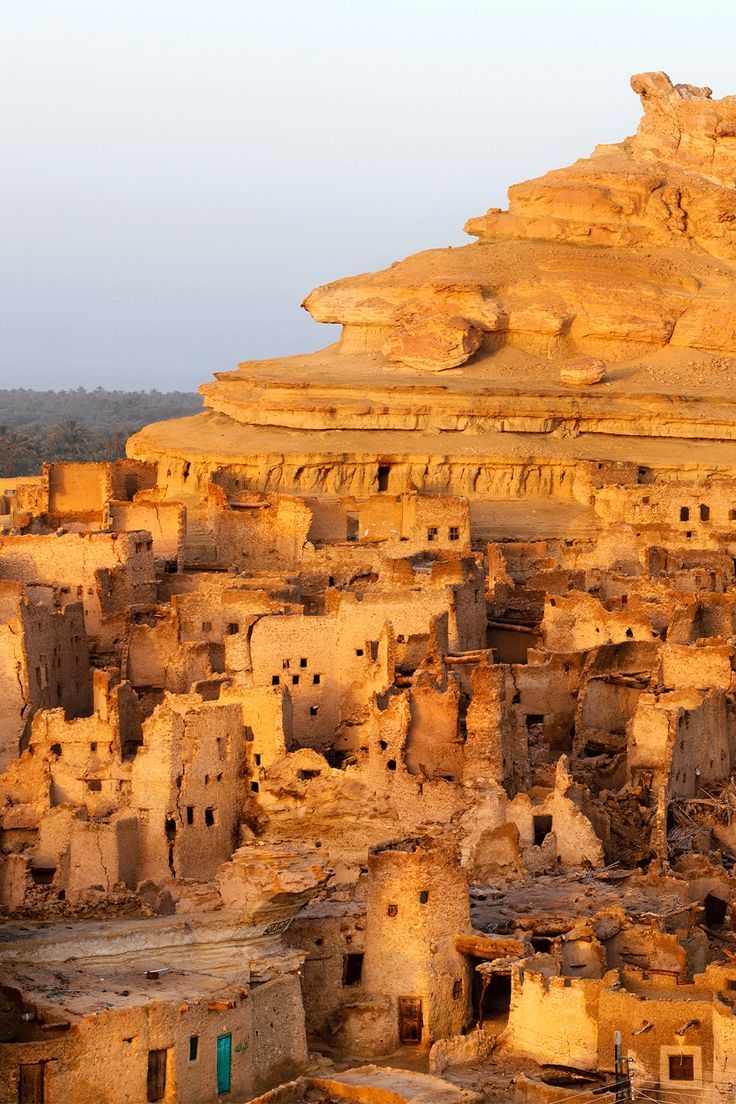
1. The Shali Fortress: A Majestic Mud-Brick Labyrinth of the Past

The romantic ruins of the Shali Fortress stand as a dramatic testament to the architectural ingenuity and historical resilience of the Siwan people. Built in the early thirteenth century from a unique local material known as “kersheef”—a natural mixture of salt-rich mud, clay, and sand harvested from the nearby salt lakes—this monumental stronghold was designed to protect the isolated oasis community from the constant threat of nomadic desert raiders. As the kersheef dried under the intense desert sun, it hardened into a remarkably durable, well-insulated structure that kept the interiors cool during scorching summer days and warm during freezing winter nights. For centuries, the entire population of the oasis lived within this towering, multi-layered labyrinth of narrow alleyways, hidden tunnels, and interconnected residential quarters that climbed gracefully up the hillside. Although a rare, devastating three-day rainstorm in 1926 caused significant structural damage and forced the residents to build modern homes at the base of the hill, the melting silhouette of the fortress remains a breathtaking sight. Today, exploring the winding pathways of Shali offers luxury travelers an incredibly evocative walk through time, providing photographers with spectacular panoramic views of the surrounding palm groves, glistening lakes, and the vast desert horizon at sunset.
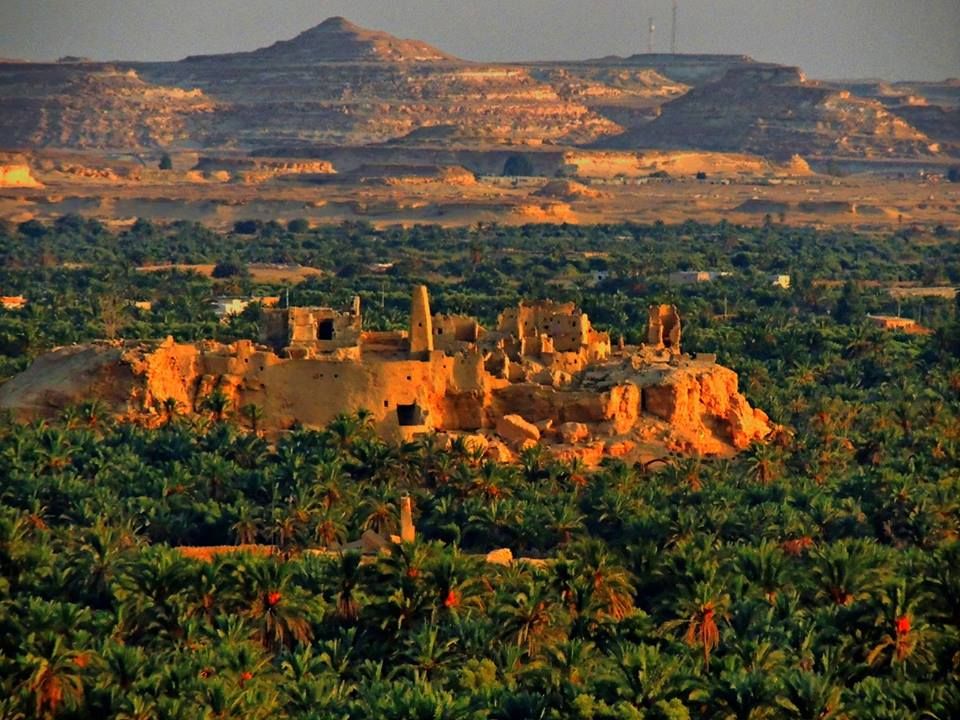
2. The Oracle Temple of Amun and the Legend of Alexander the Great

Deeply woven into the historical fabric of the Siwa Oasis is the legendary Oracle Temple of Amun, a sacred sanctuary perched majestically atop the rocky hill of Aghurmi. In the ancient world, this mysterious oracle possessed such immense spiritual authority and prophetic fame that its reputation spread far beyond the borders of Egypt, drawing rulers, philosophers, and military commanders from across the Mediterranean. The most famous historical chapter unfolded in the winter of 331 BC, when a young Alexander the Great embarked on a perilous, deeply ambitious military trek across the treacherous Western Desert sands specifically to consult the Siwan Oracle. Upon his dramatic arrival, the high priests welcomed the Macedonian conqueror into the sacred inner sanctum, declaring him to be the true, divine son of Amun-Ra, which instantly legitimized his royal sovereignty over the entire Egyptian empire. For contemporary cultural travelers, standing inside the stone ruins of this world-altering site offers a profound connection to the grand political narratives of classical antiquity. The temple’s weathered walls, ancient columns, and panoramic vantage points serve as a powerful reminder of a time when the strategic fate of global empires depended entirely on the mystical pronouncements delivered within this peaceful, palm-fringed desert sanctuary.
Siwa Oasis - try egypt tours

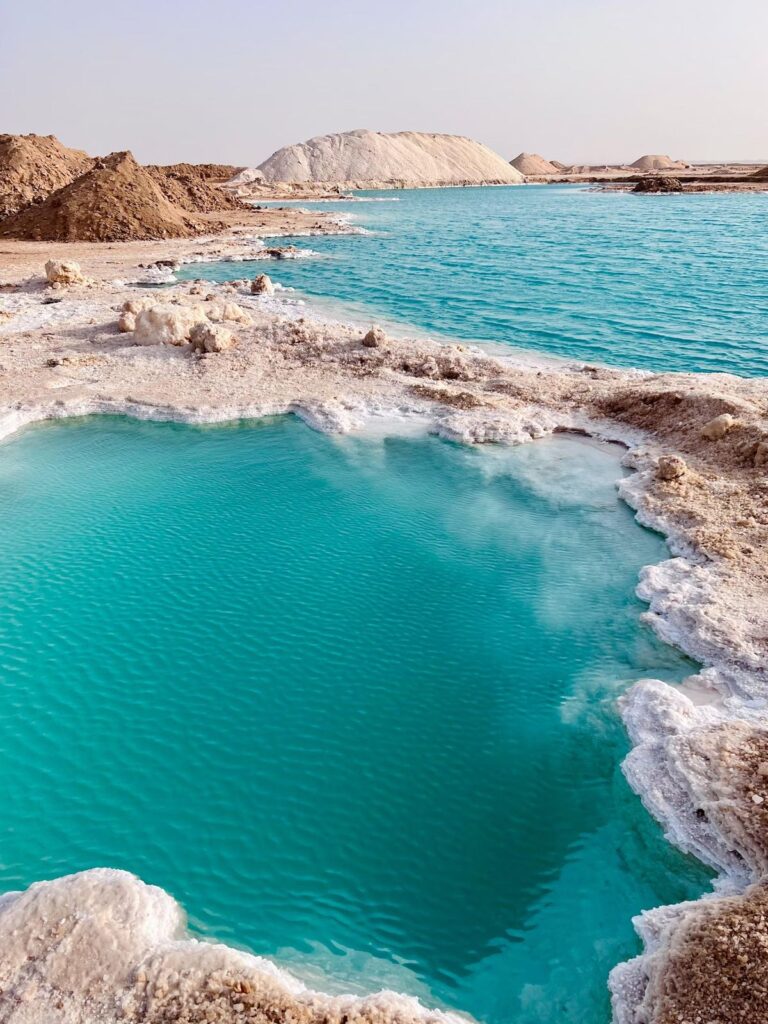
3. Therapeutic Salt Pools and the High-Buoyancy Wellness Experience

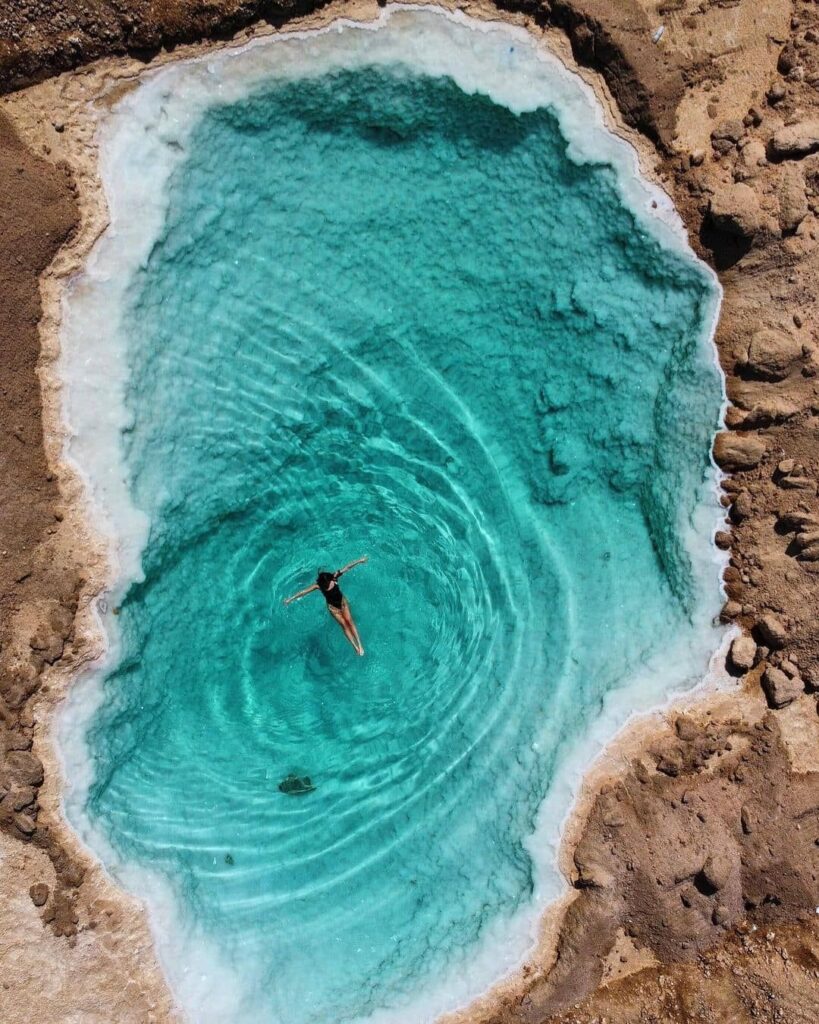
Beyond its rich archaeological treasures, the Siwa Oasis has rapidly transformed into a premier global destination for luxury wellness tourism, thanks to its miraculous, high-buoyancy salt pools. Scattered across the pristine desert landscape, these vibrant, turquoise-colored pools feature an incredibly high concentration of natural mineral salts, mimicking the therapeutic properties of the Dead Sea. The salt levels are so intense that swimmers float effortlessly on the surface of the crystal-clear water without needing to make a single movement, creating a deeply relaxing sensation of weightlessness that instantly relieves physical tension, reduces muscle stress, and promotes profound mental clarity. Surrounded by pure, snow-white salt crusts that contrast beautifully with the deep blue desert sky, these natural springs offer an unforgettably scenic environment for rejuvenation and wellness photography. The mineral-rich waters and surrounding clays are also celebrated for their exceptional dermatological benefits, naturally exfoliating the skin, detoxifying the body, and healing various ailments. Indulging in a therapeutic floating session during the late afternoon allows global explorers to combine the ultimate body-mind relaxation with a visually stunning sunset experience, making it one of the most rewarding and unforgettable natural highlights of a bespoke Egyptian expedition.
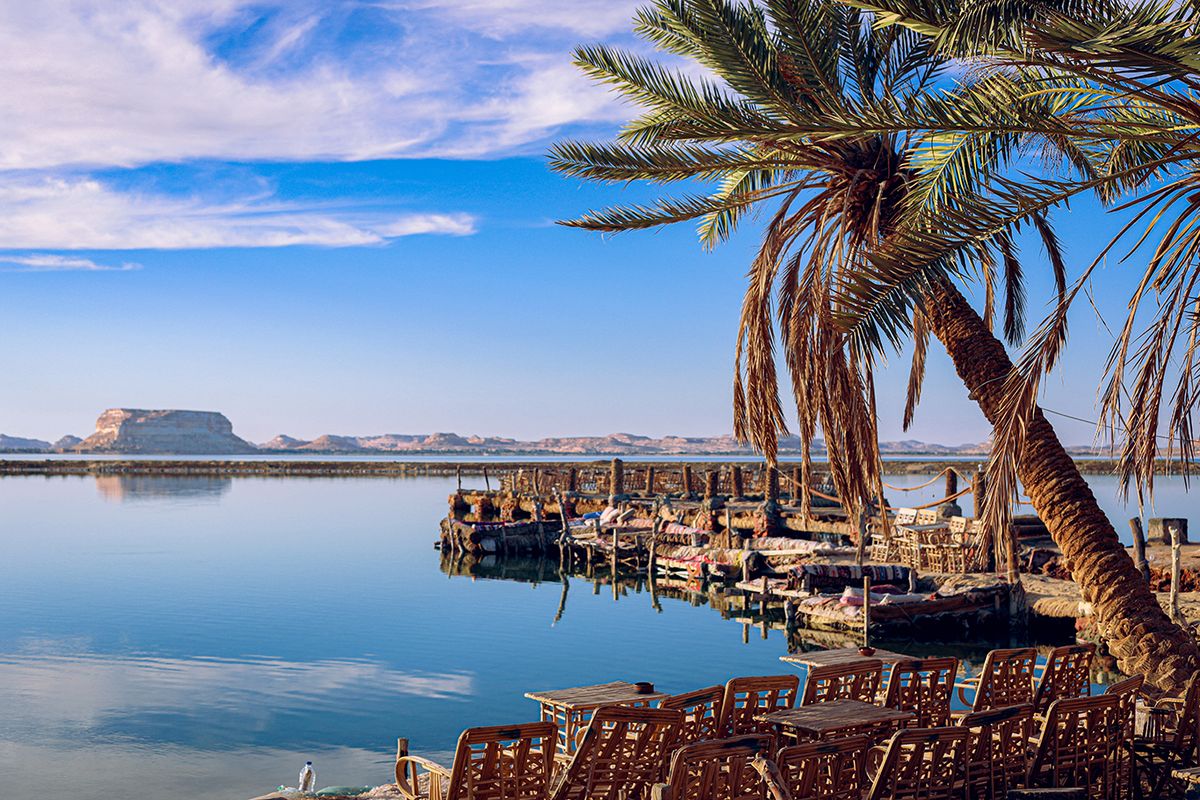
4. Cleopatra’s Bath: Swimming in the Legendary Emerald Springs

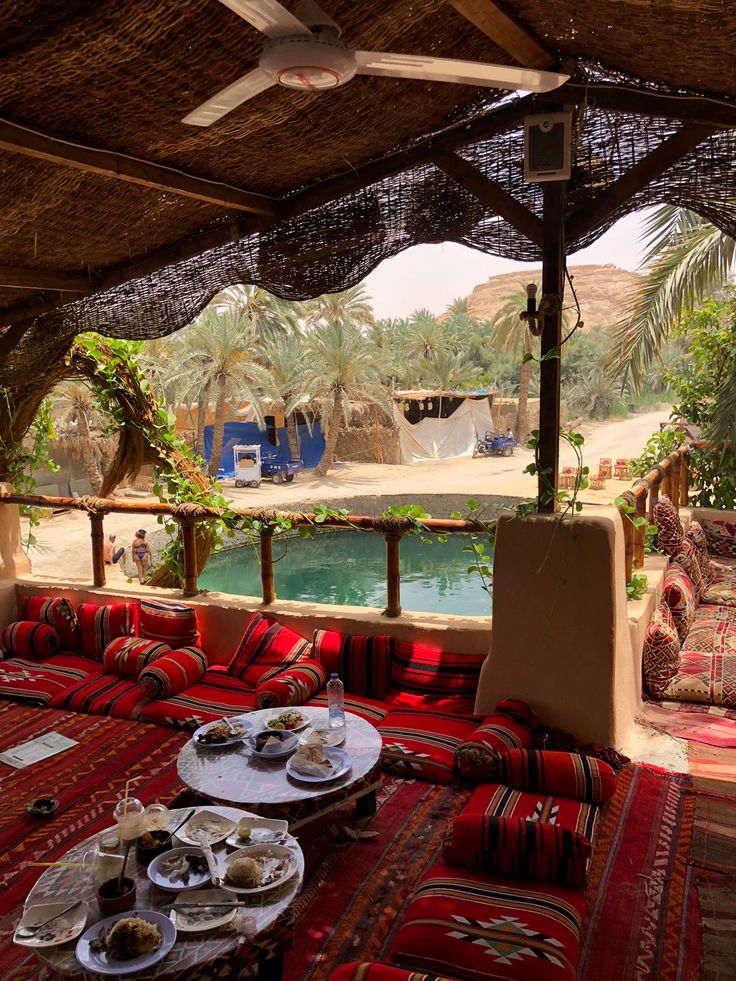
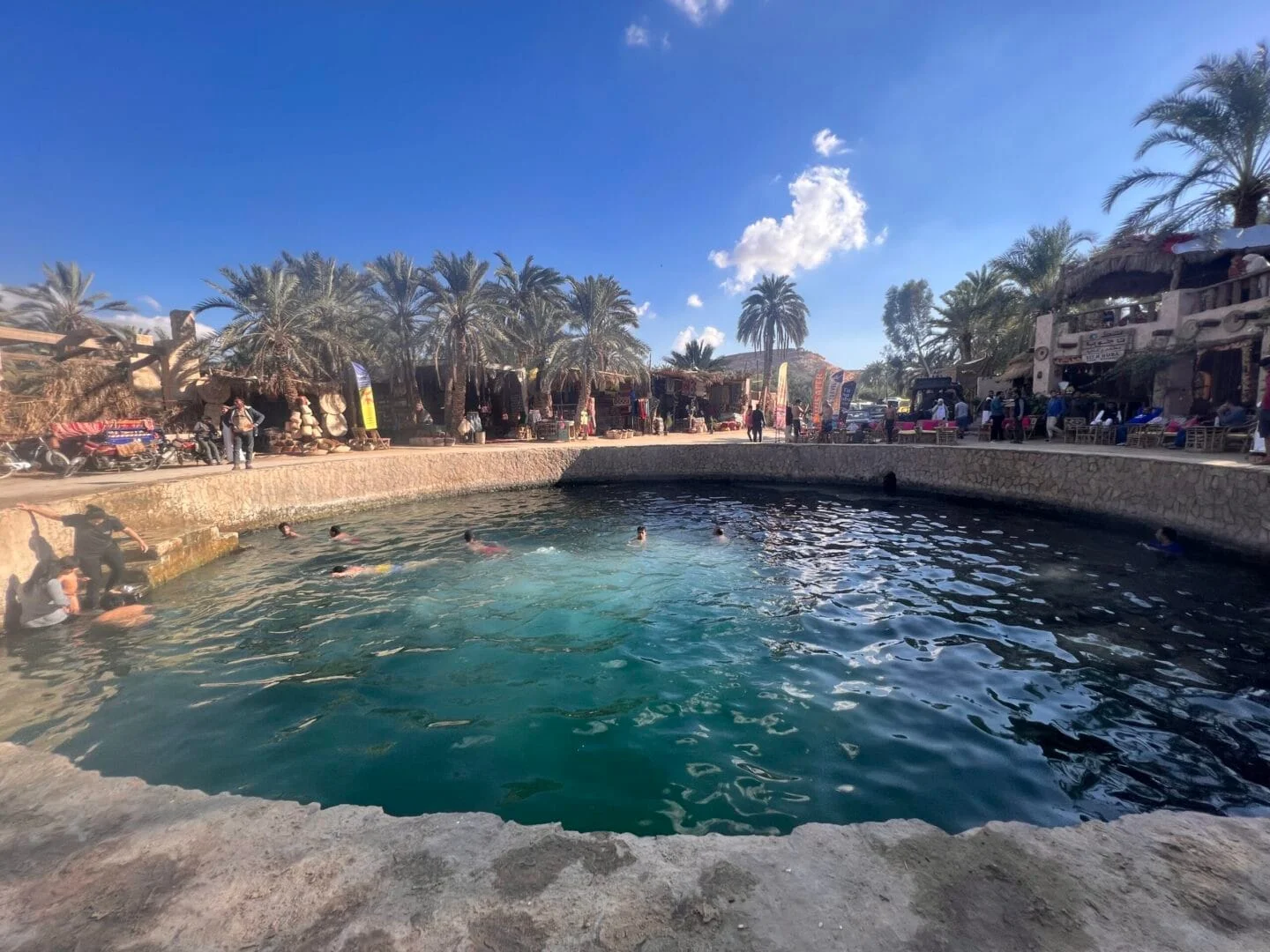
No luxury itinerary to the Siwa Oasis is truly complete without experiencing the absolute magic of Cleopatra’s Bath, the most famous natural freshwater spring in the region. Also known locally as Ain el-Guba, this magnificent, circular stone pool is continuously fed by natural underground aquifers, filling the basin with crystal-clear, emerald-tinted water that bubbles gently to the surface. Local legends beautifully suggest that the legendary queen herself traveled to this remote desert paradise to swim in these rejuvenating waters and maintain her timeless beauty, adding a wonderful touch of royal romance to the location. The pool is surrounded by lush date palm groves, fragrant olive trees, and charming traditional open-air cafes, creating a wonderfully serene, oasis atmosphere where travelers can completely unwind after a long day of desert exploration. Diving into the cool, mineral-rich waters provides an incredibly refreshing escape from the intense desert heat, naturally revitalizing the body and soothing the skin. For lifestyle and travel photographers, capturing the spectacular reflections of the towering palm trees against the pristine, shimmering surface of the water offers an absolute visual masterpiece. Visiting this iconic natural sanctuary during the peaceful early morning hours allows global explorers to enjoy an intimate, deeply immersive connection with the tranquil rhythms of oasis life, transforming a simple swimming stop into a profoundly memorable highlight of their bespoke Egyptian desert journey.

5. Fatnas Island: The Ultimate Desert Sunset Experience

For travelers seeking the absolute pinnacle of natural tranquility and breathtaking scenery, Fatnas Island offers the ultimate sunset experience within the Siwa Oasis. Located approximately six kilometers fantasy-like west of the main town center, this beautiful peninsula extends gracefully into the shimmering saltwater expanses of Lake Siwa, surrounded by a dense, vibrant forest of majestic date palms and ancient olive trees. Often referred to locally as the Fantasy Island, it features a spectacular freshwater pool right at its edge, allowing visitors to enjoy a refreshing swim while admiring the open, panoramic vistas of the surrounding desert lake and distant mountain silhouettes. As the late afternoon approaches, the entire landscape undergoes a magical transformation, with the sky melting into a brilliant canvas of deep orange, vibrant pink, and golden purple hues that reflect flawlessly onto the calm, mirror-like surface of the water. Relaxing in a traditional open-air lounge, sipping authentic Siwan lemongrass tea, and watching the sun slowly dip below the desert horizon provides a deeply peaceful, meditative escape from the frantic pace of modern life. It stands as an absolute paradise for travel photographers and romance seekers alike, ensuring that your evening on the island remains a beautifully vivid, unforgettable highlight of your bespoke luxury expedition across the Western Desert.

6. The Mountain of the Dead: Unlocking Ancient Royal Secrets

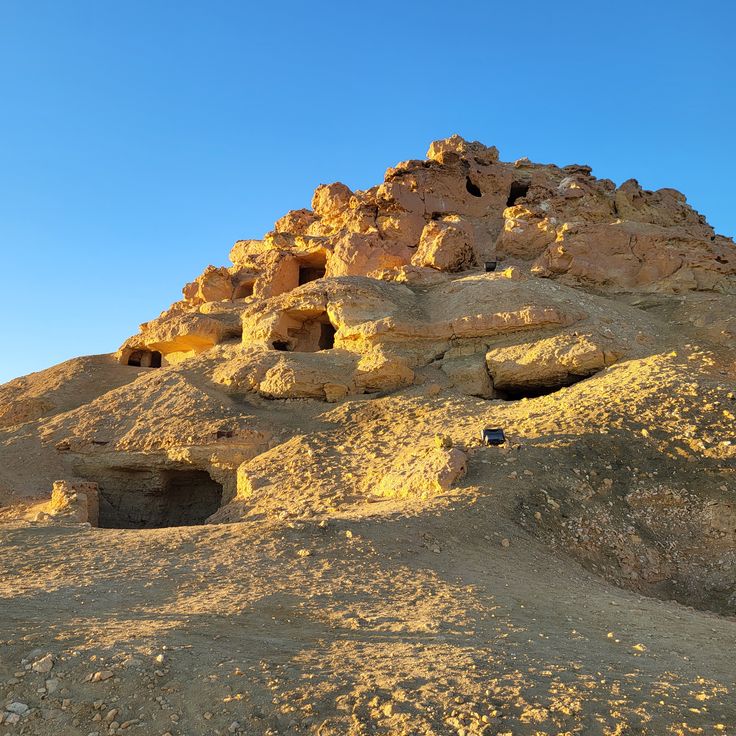
Perched dramatically on the northern edge of the oasis town, Gebel al-Mawta, or the Mountain of the Dead, stands as a fascinating archaeological wonder that reveals the deep historical connection between Siwa and classic pharaonic civilization. This cone-shaped limestone hill is entirely honeycombed with dozens of ancient rock-cut tombs dating primarily from the 26th Dynasty, the Ptolemaic era, and the Roman periods, showcasing how generations of oasis dwellers honored their deceased loved ones. Walking up the gentle slopes of the mountain allows cultural travelers to explore several beautifully preserved burial chambers, the most famous of which is the Tomb of Si-Amun. Inside this remarkable sanctuary, the ancient walls are adorned with incredibly vibrant, detailed frescoes that blend traditional Egyptian religious iconography with subtle Greek artistic influences, depicting the tomb owner praying to Osiris and Isis beneath a ceiling covered in elegant star patterns. Another must-visit highlight is the Tomb of the Crocodile, celebrated for its unique depictions of the ancient river deity. Exploring these subterranean treasures with a knowledgeable local guide offers a profound, immersive educational experience, providing global history enthusiasts with an incredible window into the spiritual evolution, artistic cross-currents, and enduring religious traditions that thrived within this isolated desert sanctuary for millennia.

7. Eco-Luxury Resorts and Sustainable Adrere Amellal Magic

The evolution of hospitality in the Siwa Oasis has achieved international acclaim through its pioneering commitment to eco-luxury, most famously represented by the world-renowned Adrere Amellal resort. Tucked away at the base of a dramatic white limestone cliff, this extraordinary eco-lodge is constructed entirely from traditional kersheef mud-brick and local palm wood, blending seamlessly into the natural topography of the desert landscape. Operating completely without modern electricity, the resort utilizes natural architectural ventilation, glowing beeswax candles, and starry desert skies to create an incredibly romantic, torch-lit atmosphere that redefines the meaning of premium travel. Every single element of the experience emphasizes deep environmental sustainability and cultural preservation, from the organic, locally sourced gourmet meals harvested from the oasis gardens to the employment of traditional Siwan craftsmen who keep indigenous building techniques alive. Staying in such a thoughtfully curated sanctuary allows luxury global travelers to completely disconnect from digital distractions and immerse themselves in the raw, authentic rhythms of the desert without sacrificing exceptional comfort or sophisticated service. It offers a powerful, inspiring model for modern conscious tourism, proving that true luxury lies in absolute peace, environmental harmony, and a profound respect for the host community’s heritage.

8. The Thrill of the Great Sand Sea Safari Expedition

For adventure enthusiasts and luxury thrill-seekers, the proximity of the Siwa Oasis to the Great Sand Sea offers the ultimate gateway to an unforgettable desert safari expedition. Stretching for hundreds of kilometers along the horizon, this massive expanse of pristine, wind-sculpted sand dunes represents one of the largest and most dramatic desert landscapes on Earth. Embarking on a professional 4×4 wheel-drive journey across these towering, golden waves of sand provides an exhilarating adrenaline rush, as expert local drivers navigate the steep crests and deep valleys with absolute precision. Along the way, travelers can pause to experience the unique thrill of sandboarding, sliding down smooth, monumental slopes that look like frozen ocean waves. The safari also uncovers hidden desert secrets, including secluded natural hot springs tucked between the dunes and ancient marine fossil fields that date back millions of years to a time when the Sahara was a vast prehistoric ocean bed. As the afternoon fades, the expedition stops atop a high vantage point for a traditional Bedouin-style campfire gathering, where you can sip hot, sweet Siwan tea under a spectacular, unobstructed canvas of stars. This high-energy desert journey provides a perfect contrast to the peaceful, calm rhythms of the palm groves, offering global explorers a complete, well-rounded encounter with the raw, majestic power of Egypt’s untamed wilderness.

Siwa Oasis

9. Celebrating the Rich Tapestry of Amazigh Cultural Heritage

The true soul of the Siwa Oasis lies within its vibrant population, who proudly preserve their distinct Amazigh (Berber) cultural heritage, completely independent of mainstream Egyptian traditions. For centuries, the extreme geographic isolation of the oasis allowed the community to safeguard its unique language, Siwi, a lively spoken dialect that traces its roots directly back to the ancient indigenous populations of North Africa. Luxury travelers visiting the local markets are instantly captivated by the exquisite artistry of traditional Siwan craftsmanship, most famously displayed in their intricately detailed hand-woven carpets, elegant silver jewelry, and brilliant wedding garments decorated with vintage mother-of-pearl buttons and colorful geometric patterns. The community’s deep cultural pride is also beautifully reflected in their traditional musical celebrations and annual harvest festivals, where soulful desert melodies and rhythmic drumbeats bring the entire town together in joyful harmony. Engaging with this warm, incredibly welcoming community offers global explorers a rare and profound cultural encounter, providing a beautiful glimpse into an authentic way of life where ancestral wisdom, tight-knit family values, and indigenous identity are passionately protected and passed down proudly to every new generation.

Siwa Oasis

10. Indulging in the Organic Flavors of Traditional Siwan Cuisine

A bespoke expedition to the Siwa Oasis is an absolute paradise for food connoisseurs, offering a unique opportunity to indulge in the fresh, completely organic flavors of traditional Siwan cuisine. Blessed with an abundance of natural freshwater springs and exceptionally fertile soil, the oasis produces some of the finest dates, olives, and premium cold-pressed olive oils in the entire Mediterranean region. Local chefs utilize these high-quality ingredients to craft slow-cooked, deeply aromatic desert dishes that are packed with natural flavors and served in cozy, torch-lit outdoor settings under the stars. A signature highlight of the culinary journey is “Abou Mazmouz,” a succulent lamb dish that is carefully seasoned with indigenous desert herbs, wrapped in fresh palm leaves, and slow-roasted to absolute perfection in a traditional underground clay oven. Dining in Siwa is always a beautifully relaxed, communal experience, where gourmet meals are paired with fresh, sun-ripened pomegranates, sweet figs, and endless cups of fragrant, locally harvested lemongrass tea. Exploring these rich culinary traditions allows luxury travelers to savor the pure, farm-to-table essence of the desert, transforming every single meal into a delightful celebration of agricultural abundance and exceptional oasis hospitality.

11. The Healing Sand Baths of Mountain Dakrour

For centuries, the striking flat-topped silhouette of Mountain Dakrour has been celebrated across North Africa as a legendary center for natural physiotherapy and traditional sand bath healing. During the scorching summer months, from June to September, the mountain becomes the focal point for a highly unique, centuries-old wellness ritual managed by experienced local healers who possess deep ancestral knowledge of the desert’s therapeutic properties. Patients seeking relief from chronic conditions such as rheumatism, arthritis, joint pain, and spinal stiffness are carefully buried up to their necks in the clean, sun-baked desert sand during the hottest hours of the day. The intense, natural dry heat of the sand acts as a powerful sauna, promoting deep detoxification, stimulating blood circulation, and naturally relaxing stubborn muscle tissues. Following the therapeutic burial session, guests are wrapped in heavy woolen blankets and escorted to traditional tents to relax and sip warm herbal infusions, allowing the body to cool down gradually in a controlled environment. Witnessing this authentic medical tradition offers wellness travelers a fascinating, deeply immersive insight into indigenous holistic healthcare, showcasing how the natural elements of the earth are masterfully utilized to achieve physical balance and deep rejuvenation.

12. Embracing the Eternal Serenity of Egypt's Living Oasis

As your luxury journey through the breathtaking landscapes of the Siwa Oasis draws to a peaceful close, leaving this emerald sanctuary fills every global traveler with a profound sense of inner calm and lifelong inspiration. The magical combination of towering kersheef fortresses, therapeutic turquoise salt pools, and ancient prophetic temples represents a spectacular living masterpiece that successfully defies the modern world’s frantic pace. Today, this hidden desert jewel does not simply exist as a remote vacation spot; it stands as a proud, breathing testament to the enduring power of cultural preservation, environmental harmony, and authentic indigenous hospitality. By strolling through its majestic, sun-dappled palm groves, sharing a warm cup of lemongrass tea with its welcoming people, and watching the desert sky melt into a golden sunset over the lakes, international visitors become part of an unbroken story of survival and beauty that spans back to the time of Alexander the Great. The peaceful rhythms of Siwa are far more than a scenic escape; they are a timeless reminder of how human civilization can thrive in perfect, sustainable balance with the natural earth. Departing this untouched paradise ensures you carry a piece of Egypt’s authentic desert soul with you, leaving an indelible mark on your memory and inviting you to return to its eternal embrace forever.

Siwa Oasis : Frequently Asked Questions

It is completely safe, and you do not need to know how to swim at all! Because of the exceptionally high concentration of natural mineral salts, the water features extreme buoyancy similar to the Dead Sea. You will effortlessly float on the surface without any physical effort, making it a deeply relaxing, weightless wellness experience that is accessible to everyone.

The absolute best time to visit Siwa is during the autumn, winter, and early spring months—specifically from October to April. During this period, the desert weather is beautifully mild and sunny during the day, perfect for exploring fortresses and sand dunes, with pleasantly cool evenings that are ideal for relaxing around a traditional campfire.

Traditional buildings in Siwa, like the Shali Fortress, are constructed using a rare local material called “kersheef.” This is a completely organic mixture of salt-rich mud, clay, and sand harvested from the local lakes. Kersheef acts as an excellent natural insulator, keeping the interiors wonderfully cool during the hot summer days and trapping warmth during the freezing desert nights.

Siwa is located deep within the Western Desert, approximately 300 kilometers south of Marsa Matrouh. Because it requires a scenic 8 to 9-hour drive from Cairo or Alexandria, it is highly recommended to plan at least a 3 to 4-night stay. This ensures you have ample time to comfortably enjoy the eco-luxury resorts, salt pools, and desert safaris without feeling rushed.

To respect the beautiful, conservative cultural heritage of the local Amazigh community, it is highly recommended to wear modest, loose-fitting clothing that covers the shoulders and knees while exploring the towns and markets. Additionally, be sure to pack comfortable walking shoes for the rocky fortresses, swimwear for the pools, high-SPF sunscreen, and warm layers for the cool desert nights.