
1. What Is the Great Sand Sea?
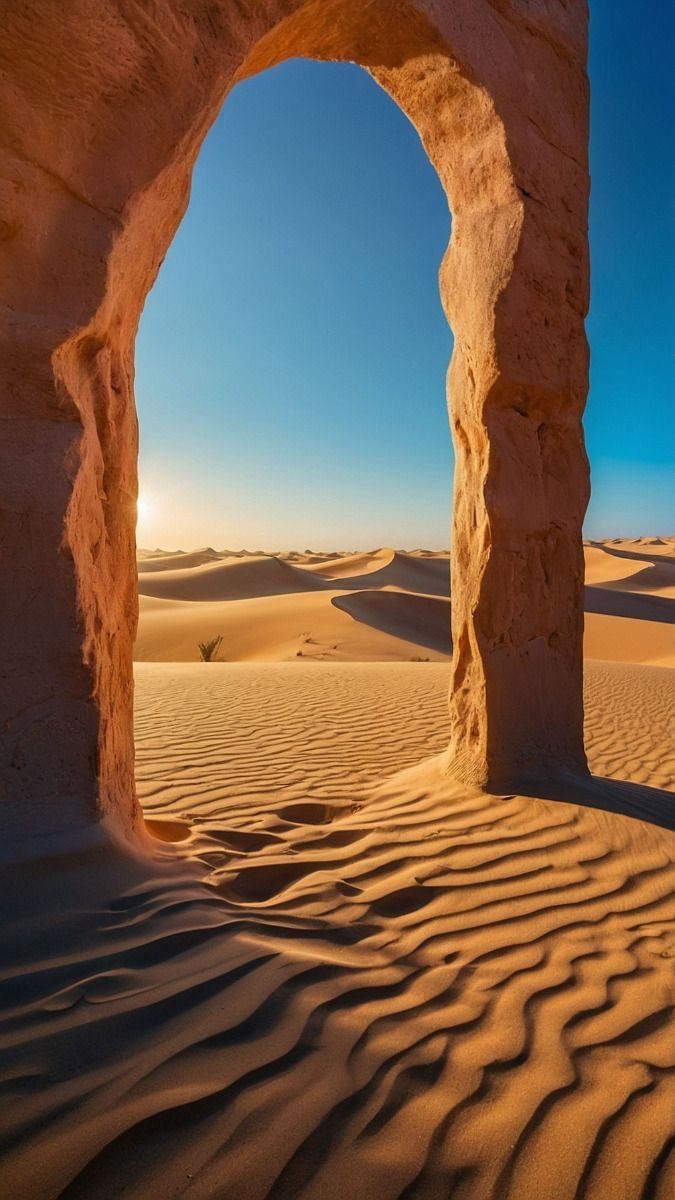
The Great Sand Sea is one of the largest and most impressive sand dune fields in the world, stretching across the remote landscapes of Egypt’s Western Desert and extending into neighboring Libya. Covering approximately 72,000 square kilometers, this vast desert region is characterized by endless dunes that create a spectacular sea-like appearance, which inspired its name. The immense scale and natural beauty of the Great Sand Sea make it one of the most extraordinary geographical features in the Sahara Desert.
Located west of Siwa Oasis, the Great Sand Sea forms part of the larger Sahara Desert, the largest hot desert on Earth. The region consists primarily of massive sand dunes that vary in shape and size, including crescent-shaped dunes, linear dunes, and towering ridges sculpted by the wind over thousands of years. These formations create a constantly changing landscape that remains one of the most fascinating natural environments in North Africa.
The Great Sand Sea is not only remarkable for its size but also for its isolation. Large portions of the area remain untouched by modern development, preserving the wilderness and pristine beauty of the desert. Visitors often describe the experience of standing among the dunes as both humbling and inspiring due to the overwhelming scale of the landscape.
Today, the Great Sand Sea has become a popular destination for adventure tourism. Travelers visit to experience desert safaris, sandboarding, photography, and the unique atmosphere of the Sahara. Its proximity to Siwa Oasis makes it one of the region’s most sought-after attractions.
Whether viewed from a towering dune or explored during an off-road adventure, the Great Sand Sea offers a remarkable glimpse into the power and beauty of nature, making it one of Egypt’s most unforgettable destinations.
2. The Geography and Formation of the Great Sand Sea
The Great Sand Sea is one of the most significant geological formations in the Sahara Desert and represents a fascinating example of how natural forces can shape landscapes over vast periods of time. The region consists primarily of enormous sand dunes that stretch across the Egypt-Libya border, forming one of the largest continuous dune systems in the world.
The formation of the Great Sand Sea began thousands of years ago as wind transported vast quantities of sand across the desert. Over time, these sands accumulated into massive dune fields, gradually creating the remarkable landscape visible today. Constant wind activity continues to shape and reshape the dunes, causing subtle changes in their size, orientation, and appearance. This dynamic process means that the desert is constantly evolving, even though the changes often occur slowly.
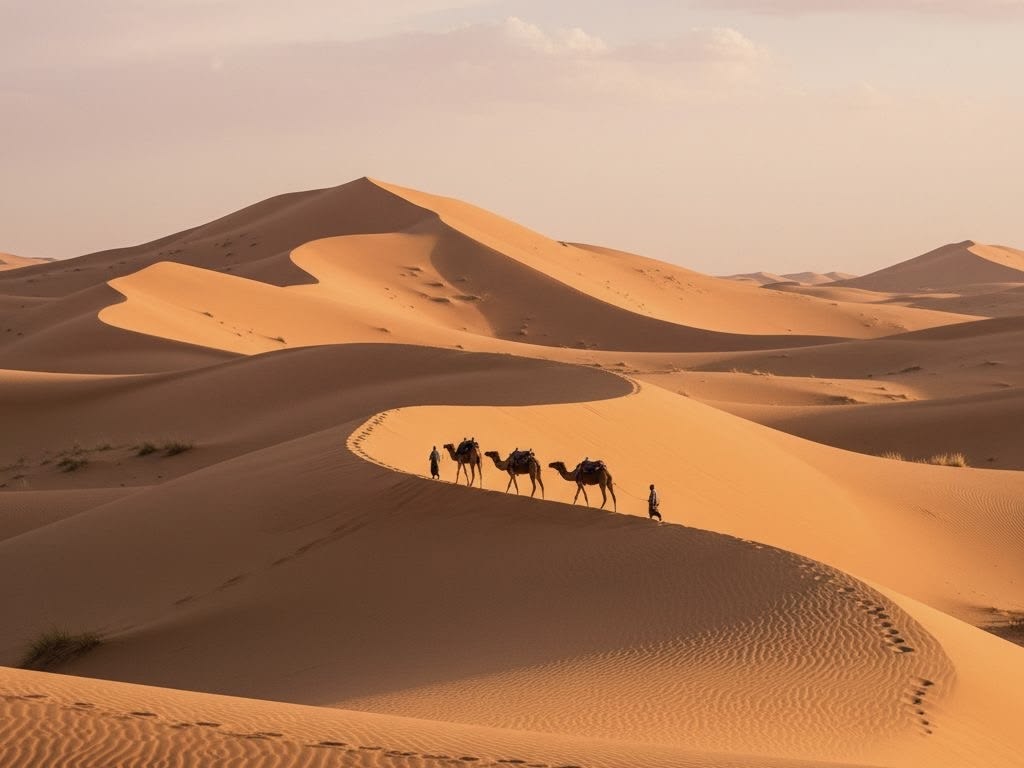
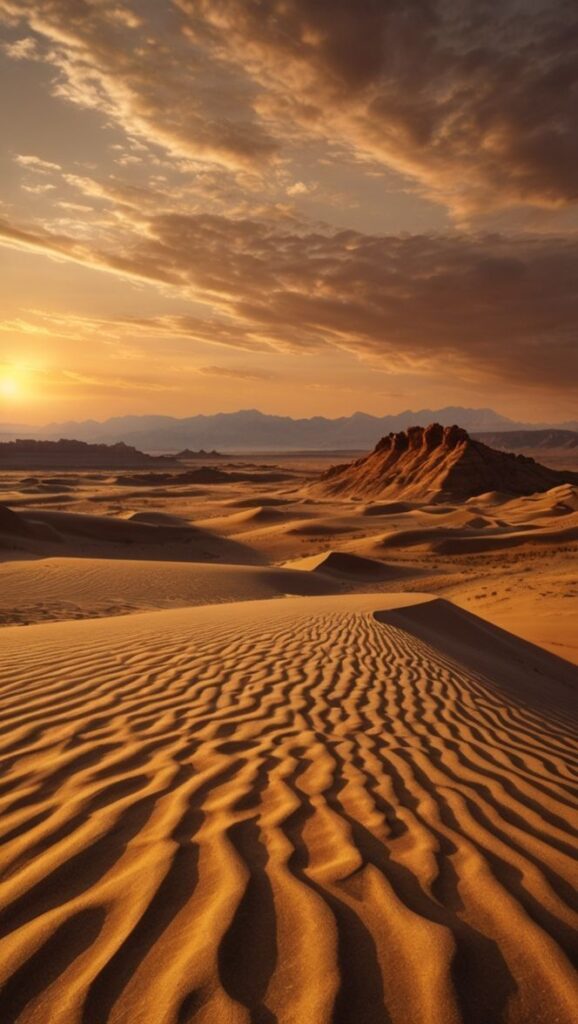
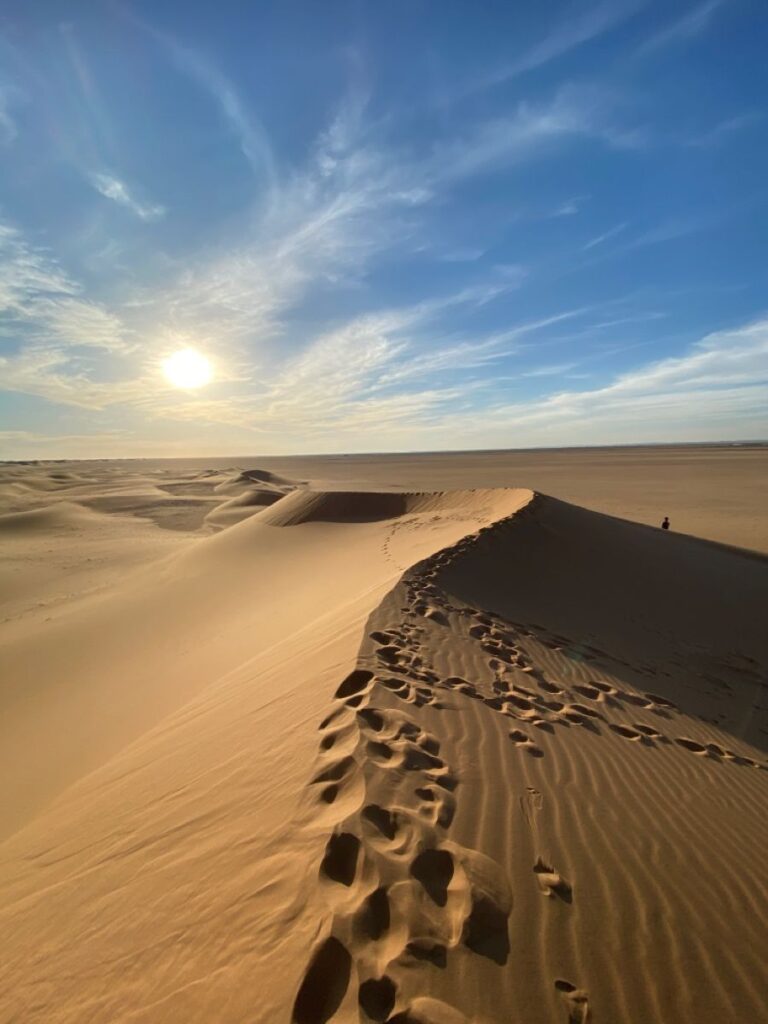
The dunes themselves vary significantly in height and structure. Some reach heights of more than 100 meters, creating dramatic natural formations that dominate the horizon. Depending on wind conditions and local geography, the dunes can form long ridges, crescent-shaped patterns, or vast rolling waves that resemble an ocean frozen in time.
The region experiences an extremely arid climate, with very little rainfall throughout the year. These dry conditions contribute to the preservation of the dunes and help maintain the distinctive desert environment. Despite the harsh climate, the area contains pockets of life, particularly around natural springs and oases located near the desert’s edge.
The unique geography of the Great Sand Sea has attracted scientists, geologists, and explorers for generations. Its vast dune systems provide valuable insights into desert formation processes and environmental change, while its breathtaking landscapes continue to inspire visitors from around the world.
3. Why the Great Sand Sea Is Famous
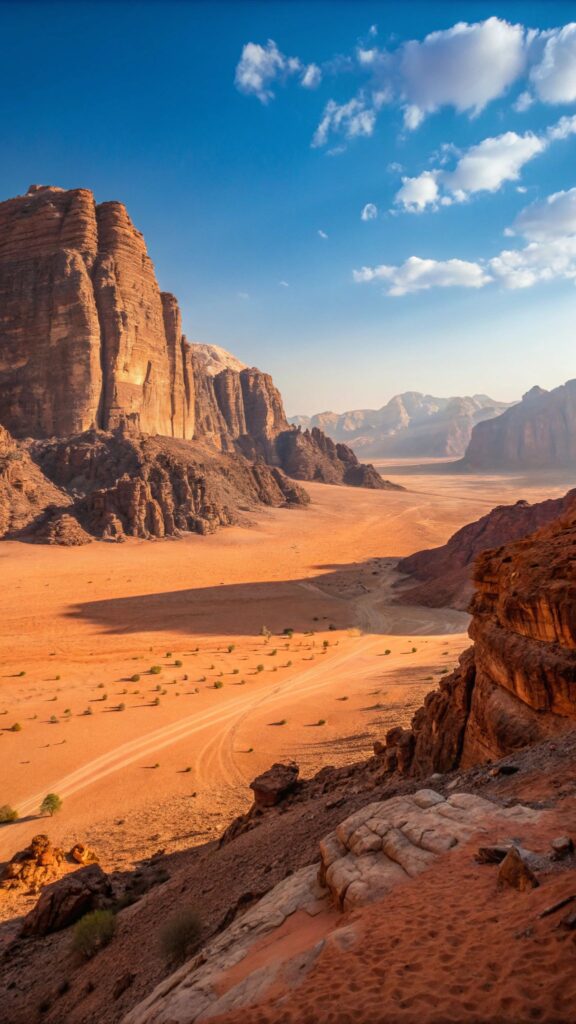
The Great Sand Sea is famous for its extraordinary size, stunning landscapes, and thrilling desert adventures. As one of the largest dune fields on Earth, it represents one of the most iconic natural attractions in Egypt’s Western Desert. The combination of endless golden dunes, dramatic scenery, and remote wilderness has made it a favorite destination for explorers, photographers, and adventure seekers alike.
One of the main reasons for the area’s fame is the sheer scale of its sand dunes. Visitors often find themselves surrounded by an endless horizon of golden waves that stretch as far as the eye can see. The vastness of the landscape creates a sense of wonder and isolation that is rarely experienced in other destinations.
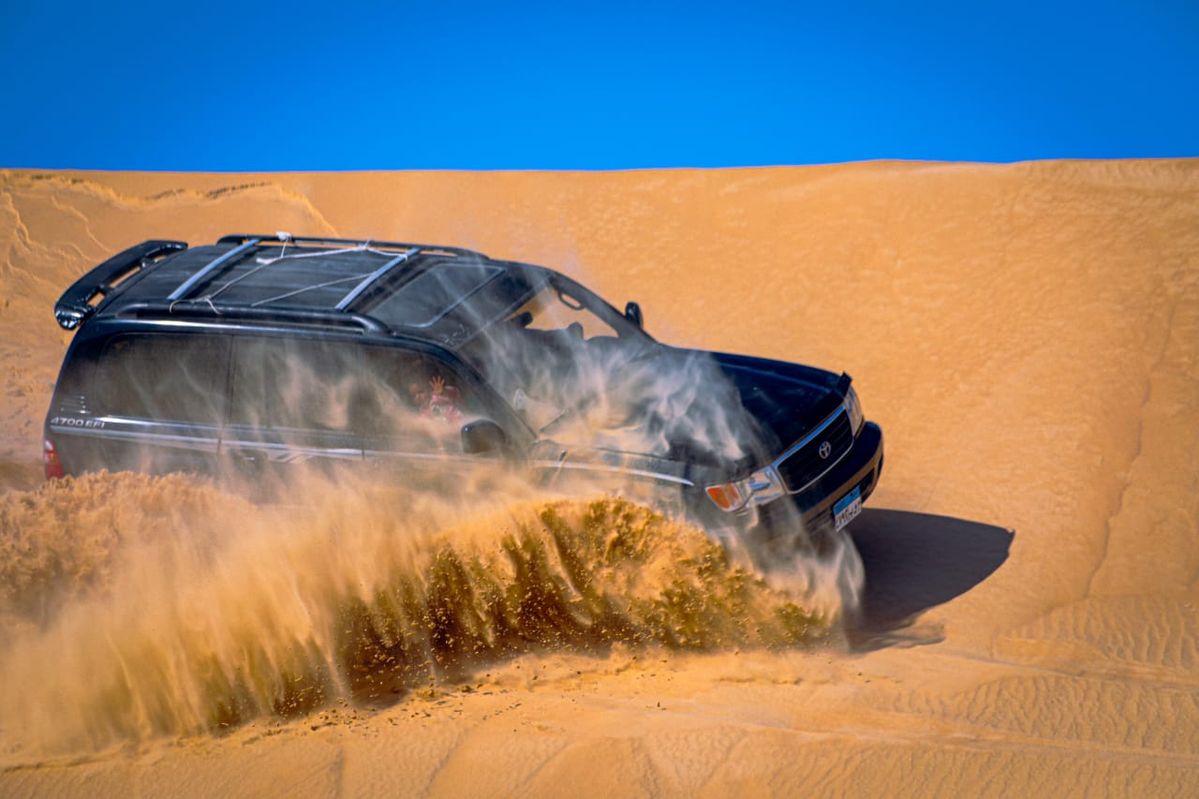
The Great Sand Sea is also renowned for its adventure tourism opportunities. Desert safaris conducted in powerful four-wheel-drive vehicles allow visitors to navigate steep dunes and experience the excitement of off-road exploration. Sandboarding has become another popular activity, offering travelers the chance to slide down massive dunes while enjoying breathtaking desert views.
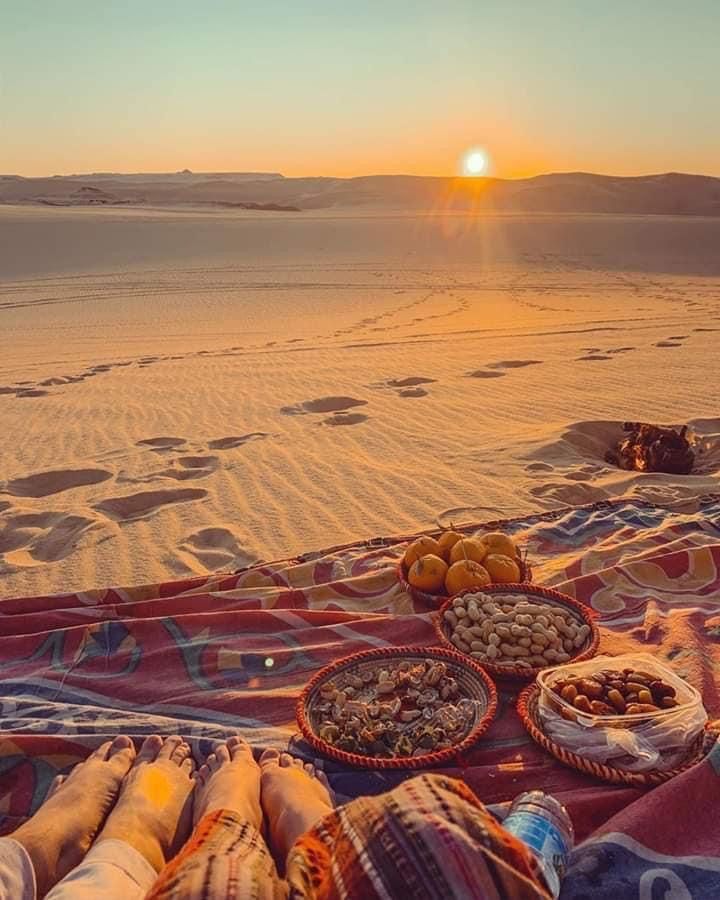
Photography enthusiasts are particularly attracted to the region because of its spectacular natural beauty. The changing light during sunrise and sunset transforms the dunes into a stunning display of colors, creating some of the most dramatic landscapes in Egypt. These unique conditions make the Great Sand Sea one of the country’s premier photography destinations.
Another reason for its popularity is its proximity to Siwa Oasis. Many travelers combine visits to the Great Sand Sea with excursions to nearby attractions such as Ain Wahid, Cleopatra’s Spring, the Temple of the Oracle, and the Salt Lakes. Together, these sites create one of the most rewarding travel experiences in Egypt’s Western Desert.
Today, the Great Sand Sea remains one of Egypt’s most extraordinary natural treasures, attracting visitors who wish to experience the beauty, adventure, and timeless mystery of the Sahara Desert.