
1. The Architectural Masterpiece of Marcel Dourgnon: A Neoclassical Palace for the Pharaohs
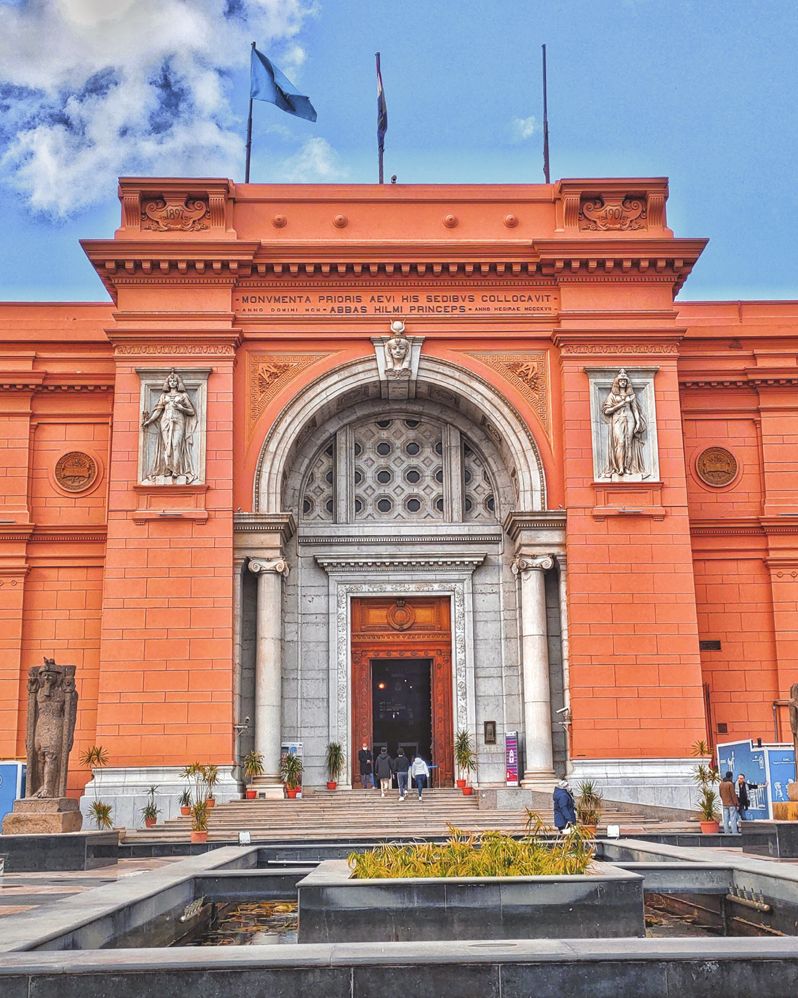
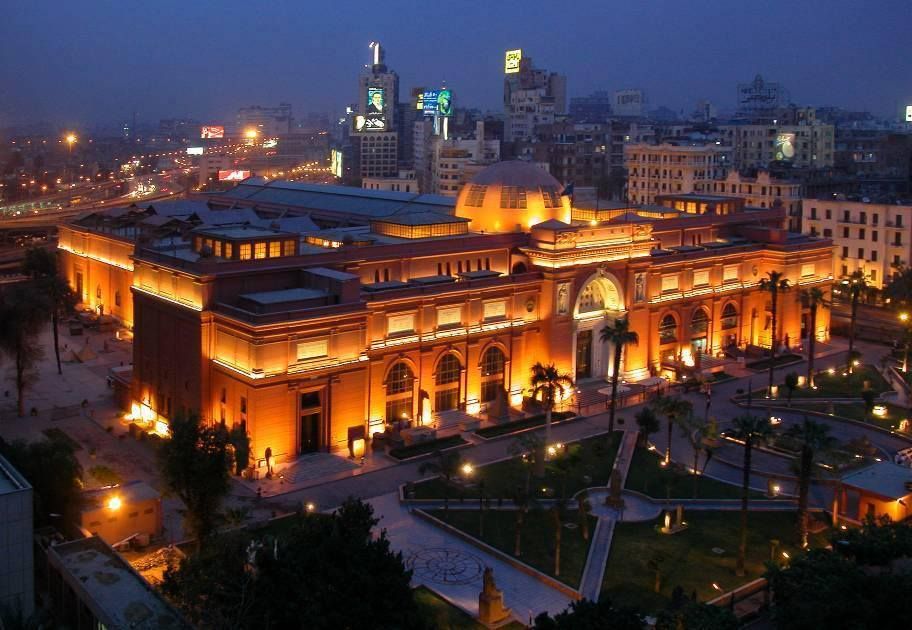
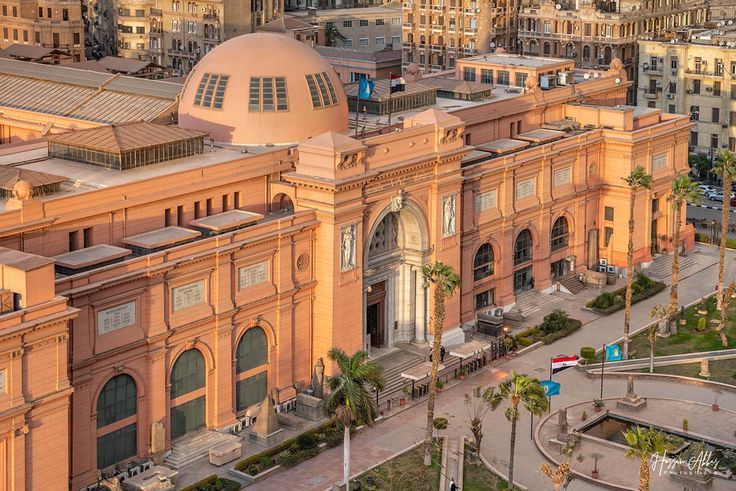
The physical structure of the Egyptian Museum in Tahrir Square is a historic monument in its own right, offering travel content creators, architecture enthusiasts, and cultural historians a captivating visual narrative. Designed by French architect Marcel Dourgnon after a prestigious international competition, the building opened its doors in 1902 as the world’s very first custom-built museum space dedicated entirely to a nation’s antiquities. Its distinctive, rose-pink neoclassical façade stands as a majestic landmark in downtown Cairo, bridging the gap between European architectural elegance and the monumental spirit of ancient Egypt.
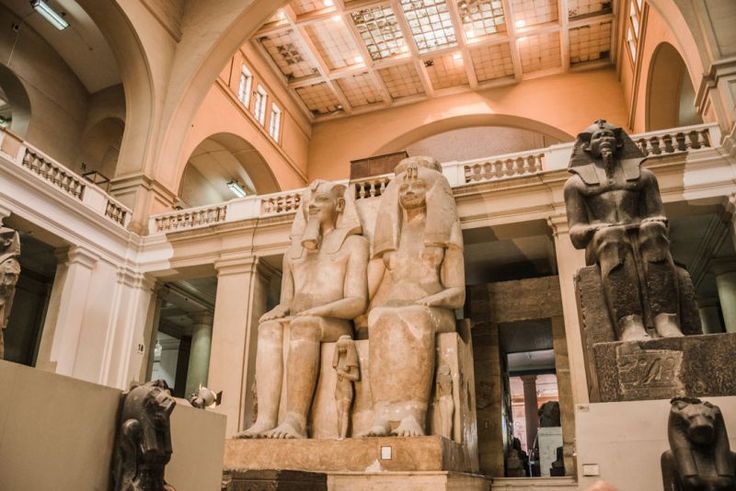
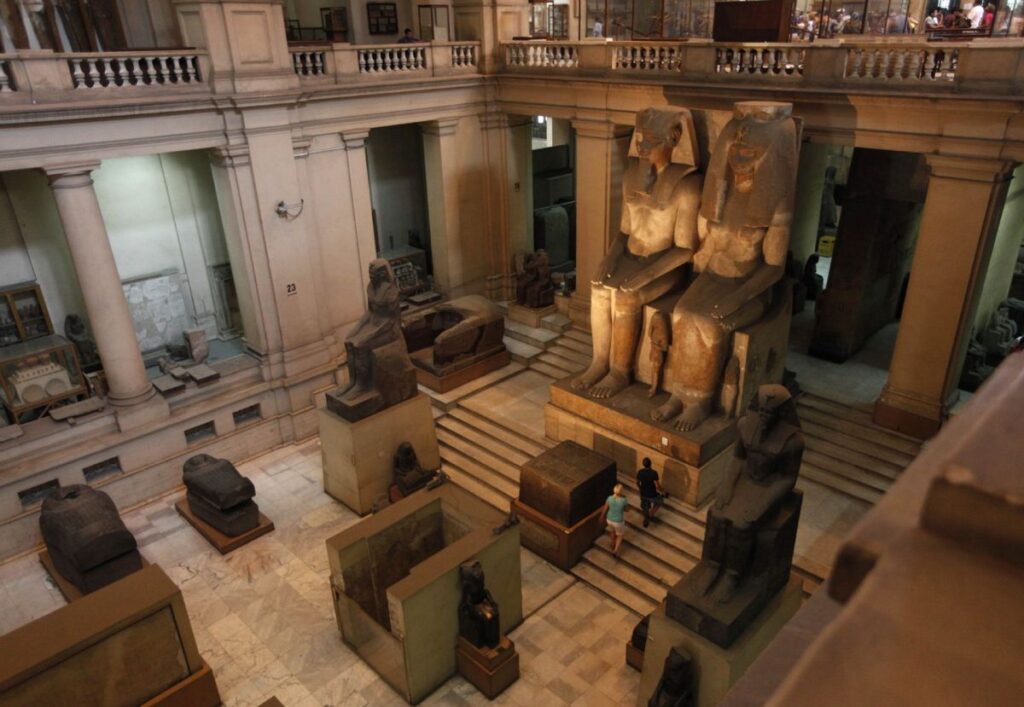
For digital storytellers and photographers, the interior layout provides a brilliant lesson in early 20th-century museum design. The heart of the building features a spectacular, double-height central atrium capped by a grand iron-and-glass skylight. This soaring ceiling allows natural, cinematic daylight to flood the ground floor galleries, bathing the colossal stone monuments below in soft, authentic light that shifts dramatically as the afternoon progresses. Walking through the museum’s heavy iron doors feels like stepping back into the golden age of discovery, where the architecture itself serves as a romantic frame for the treasures within.
2. The Ground Floor: A Chronological Walk Through the Epochs of Stone
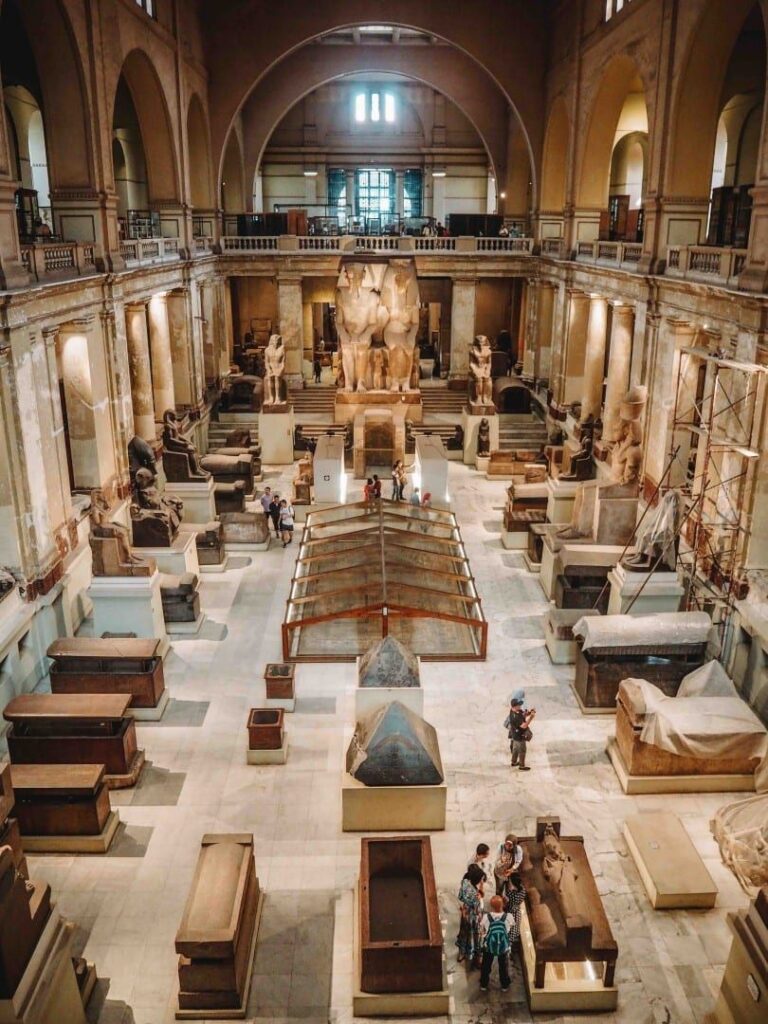
The ground floor of the Tahrir Museum offers independent travelers, analytical history buffs, and professional vloggers an unparalleled, highly structured journey through the grand timeline of pharaonic art. The galleries are meticulously organized in a clockwise chronological loop, allowing visitors to literally walk through the evolution of Egyptian sculpture across three distinct millennia. You begin your exploration with the robust, block-like geometric perfection of Old Kingdom masterpieces, transition into the expressive, emotionally complex portraits of the Middle Kingdom, and finish amidst the elegant, hyper-detailed colossal statuary of the New Kingdom.
As you navigate these high-ceilinged halls, you encounter some of the most celebrated and iconic masterpieces in the history of art. Among the absolute highlights are the stunning diorite statue of Pharaoh Khafre, depicting the pyramid builder protected by the wings of the falcon god Horus, and the legendary, incredibly lifelike limestone statues of Prince Rahotep and his wife Nofret, whose brilliant, inset quartz eyes seem to gaze directly across the centuries at modern onlookers. This dense arrangement of multi-ton granite, basalt, and limestone monuments creates a powerful, tactile experience that showcases the absolute mastery ancient Egyptian sculptors held over the toughest stones on earth.
3. The Upper Floor: An Atmospheric Treasury of Gold, Wood, and Papyrus
Climbing the grand, sweeping staircases to the museum’s upper floor transitions the visitor into an intimate, mesmerizing world dedicated to the delicate craftsmanship, elite funerary arts, and daily life of the ancient elite. While the ground floor celebrates monumental stone, the upper galleries focus on exquisite, fragile materials like gilded wood, painted cartonnage, fragile papyrus scrolls, and intricate jewelry. It is an extraordinary space that reveals the profound spiritual beliefs, complex burial rituals, and artistic sophistication of the dynastic court.
For digital content creators, this level provides an endless supply of fascinating cultural narratives. The galleries house the magnificent, globally acclaimed collection of Yuya and Thuya—the great-grandparents of King Tutankhamun—which features remarkably preserved gilded sarcophagi, intricate royal chariots, and beautifully crafted furniture that rival the finest treasures of the pharaohs. Additionally, the rooms dedicated to the Royal Cachette collections display row upon row of intricately painted wooden coffins found stacked together in hidden tombs. Walking through these long, atmospheric corridors offers an unforgettable, nostalgic look into the raw romance of early Egyptology, retaining an authentic charm that cannot be replicated in any modern, minimalist gallery setting.