
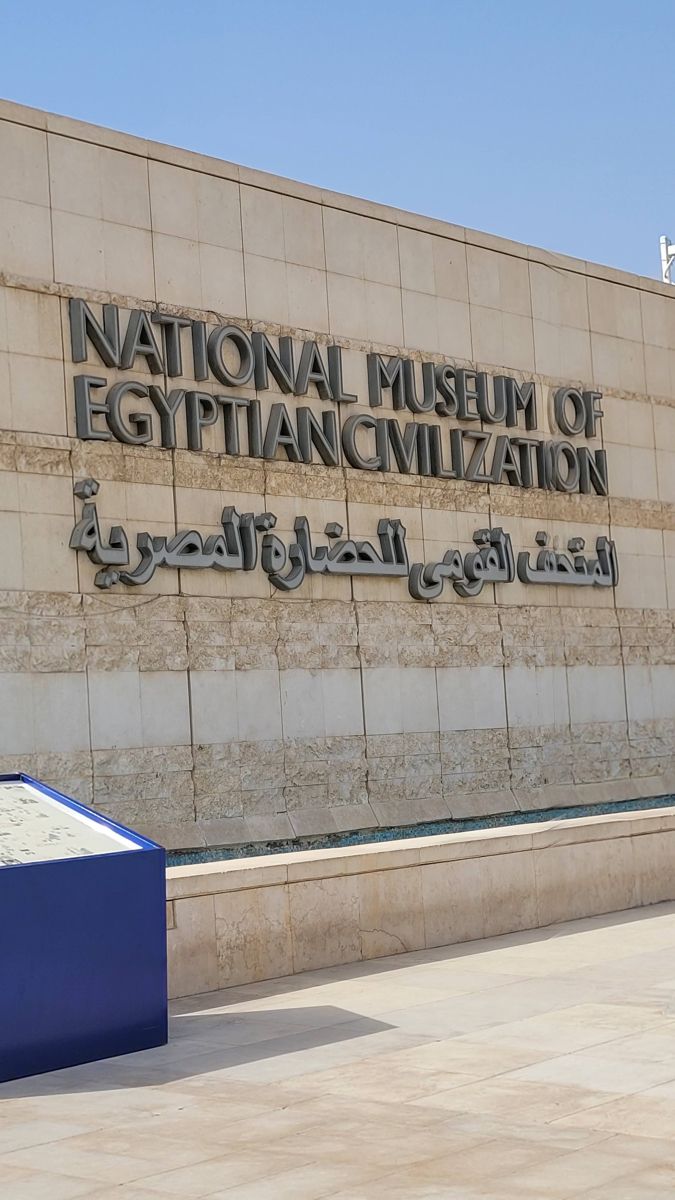
Welcome to

The National Museum of Egyptian Civilization (NMEC): A Cinematic Journey Through Time

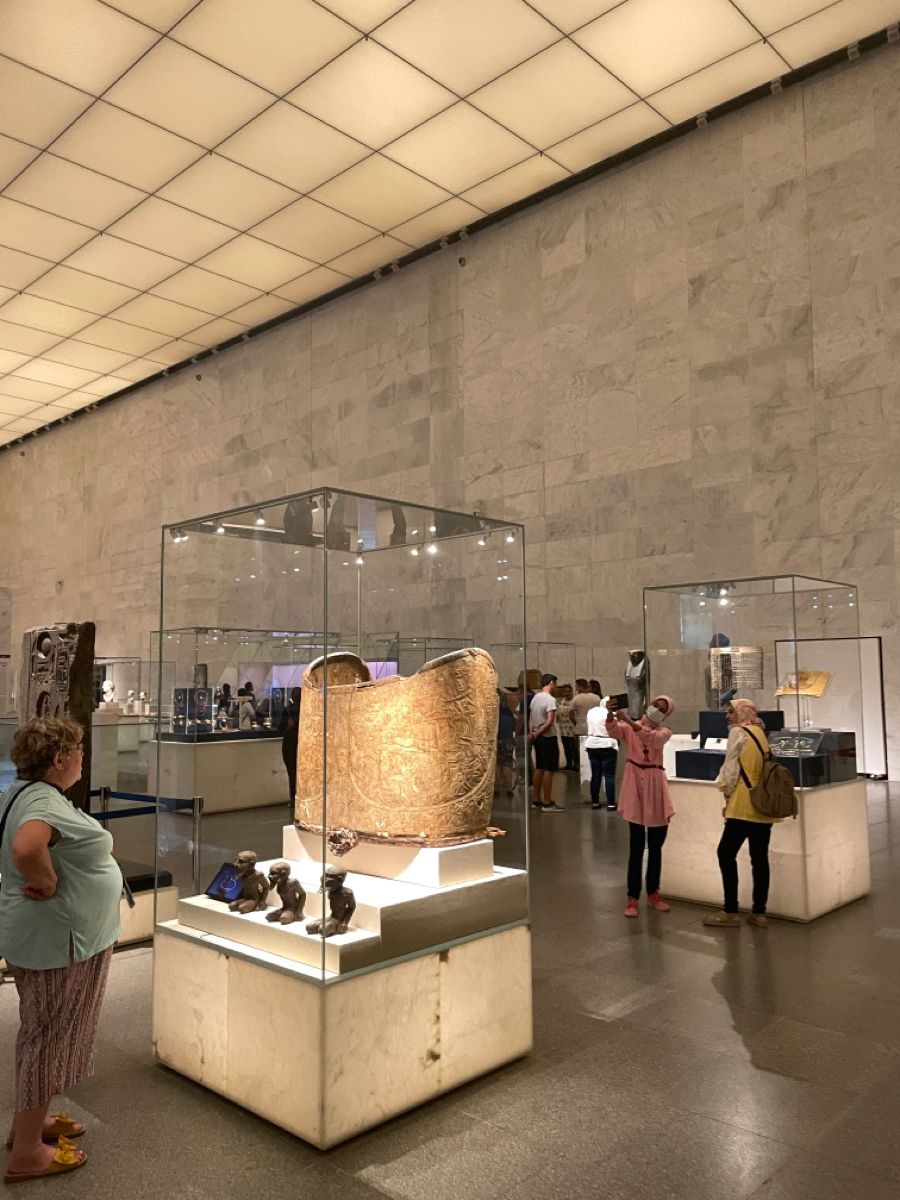
What makes the National Museum of Egyptian Civilization (NMEC) a transformative highlight for contemporary travel content creators and cultural explorers is its brilliant, single-gallery approach to human history. Unlike traditional museums that scatter history across maze-like rooms, NMEC’s magnificent Main Exhibition Hall functions as a seamless, continuous chronological loop. As you walk through this beautifully illuminated, high-ceilinged space, you effortlessly travel across thousands of years of human innovation, tracing the unbroken evolution of Egyptian culture from the dawn of pre-dynastic tool-making, through the majestic pharaonic and Greco-Roman eras, into the profound artistic traditions of the Coptic, Islamic, and modern periods.

For professional storytellers, lifestyle vloggers, and independent researchers, this modern architectural layout provides a visually stunning backdrop for high-impact educational media. The curation completely reimagines how antiquities are displayed, seamlessly blending tangible, pristine treasures—such as the world’s oldest fully intact skeleton from Nazlet Khater and the exquisite, intricately detailed textiles of the Coptic and Islamic courts—with interactive digital displays and smart media touchpoints.

Furthermore, the museum’s lower level houses its ultimate, globally acclaimed crown jewel: the Royal Mummies Hall. Engineered to look and feel exactly like a royal underground tomb in the Valley of the Kings, this highly secure, dimly lit sanctuary serves as the final resting place for Egypt’s greatest pharaohs, including Ramesses II and Queen Hatshepsut. NMEC successfully pairs this deep reverence for ancient kings with a breathtaking, expansive panoramic view of the Ain as-Sira lake from its modern outdoor terraces. It stands as a triumph of 21st-century museology, offering an elite, deeply cohesive cultural journey that honors Egypt’s enduring global legacy through an entirely fresh and captivating lens.

1. The Architectural Marvel of Fustat: A Modern Sanctuary for a Living Heritage

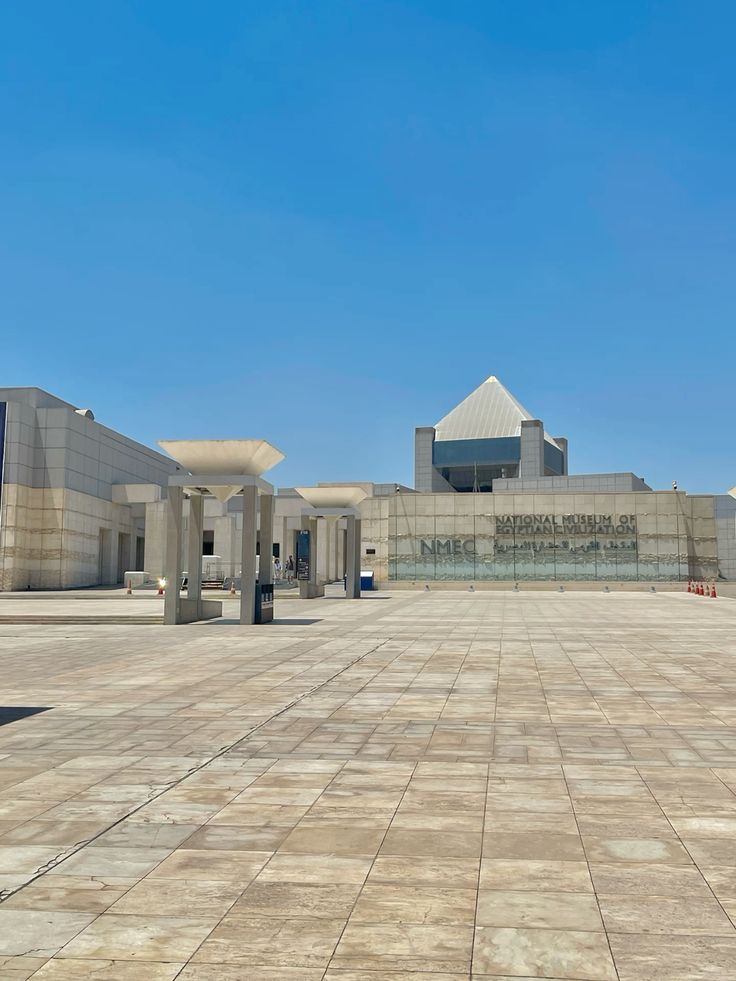
The structural brilliance of the National Museum of Egyptian Civilization (NMEC) offers travel content creators, architecture enthusiasts, and lifestyle vloggers a magnificent canvas for contemporary visual storytelling. Located in the historic district of Fustat—the very first capital of Islamic Egypt—the building stands as a triumph of 21st-century engineering, beautifully contrasting with the ancient landscapes that surround it. Its sleek, geometric lines and expansive glass walls reflect a modern nation proudly showcasing its history, while the iconic glass pyramid crowning the complex serves as a dramatic, luminous landmark that brilliantly anchors the entire outdoor plaza.

For professional media production, the museum’s expansive exterior layout provides an elite, high-value backdrop that goes far beyond standard interior museum frames. The building is meticulously designed to overlook the historic, newly restored Ain as-Sira lake, creating a breathtaking waterside promenade where visitors can capture cinematic wide shots of Cairo’s skyline. The seamless blending of wide open-air terraces, manicured botanical paths, and reflective water features allows digital storytellers to frame the museum not just as an indoor repository of artifacts, but as a vibrant, luxury lifestyle destination that celebrates the fluid connection between Egypt’s natural environment and its architectural future.
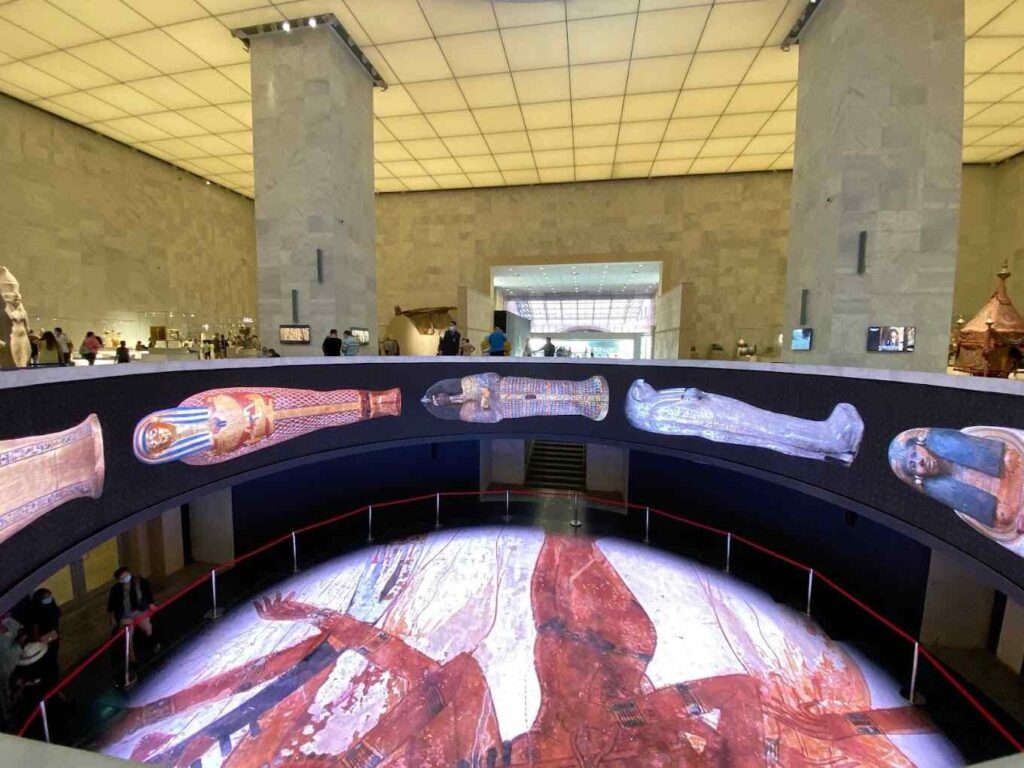
2. The Main Exhibition Hall: A Masterclass in Chronological Continuity

The interior curation of NMEC’s Main Exhibition Hall completely revolutionizes the museum experience for independent travelers, analytical history buffs, and digital media planners. Moving away from the dense, storehouse-style layouts of older institutions, this massive, hyper-modern hall functions as a single, beautifully integrated cultural loop. Here, history is presented not as isolated fragments, but as a continuous, flowing stream of human ingenuity. Visitors flow effortlessly across distinct historical eras, tracking how the artistic, scientific, and craftsmanship mastery born in the pharaonic age directly influenced the Greco-Roman, Coptic, Islamic, and modern cultural expressions of Egypt.

This spacious, high-ceilinged environment is an exceptional asset for capturing high-impact educational media and pristine social content. Instead of overwhelming the senses, the minimalist, ultra-modern display cases house carefully selected master-level artifacts that represent pivotal turning points in human innovation. Highlights include the extraordinary, 35,000-year-old skeleton from Nazlet Khater—one of the oldest fully intact human remains in the world—displayed alongside exquisite pharaonic medical instruments, intricately woven Coptic textiles, and magnificent Islamic wooden astrolabes. This clean, thoughtfully spaced curation ensures that every single object has the room to tell its own unique story, offering creators an unmatched setting for crisp, high-contrast imagery.
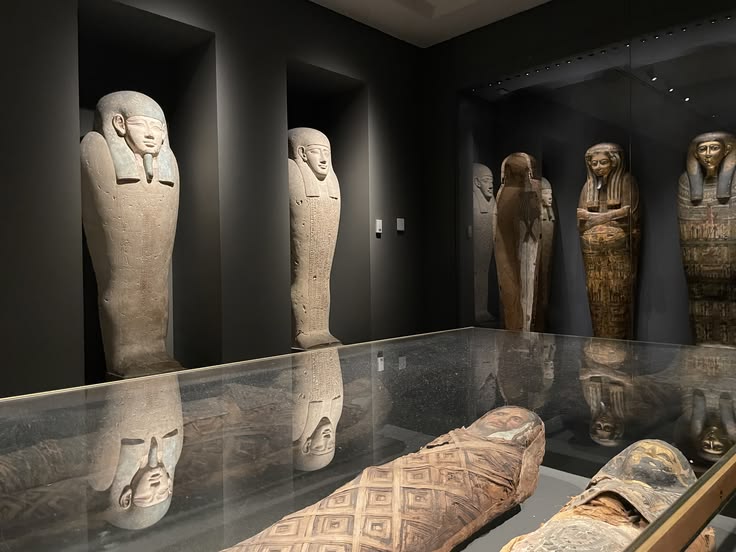
3. The Royal Mummies Hall: An Elite Sanctuary of Sovereignty and Reverence

The lower level of the museum houses its ultimate, globally acclaimed crown jewel: the legendary Royal Mummies Hall. Specially engineered to evoke the deep, sacred atmosphere of an elite underground rock-cut tomb in the Valley of the Kings, this highly secure and dimly lit sanctuary serves as the final resting place for 22 of Egypt’s most powerful pharaohs and queens. Entering this deeply revered space transitions the visitor away from a standard exhibition and into an intimate, solemn encounter with the actual men and women who shaped the ancient world, including the mighty empire-builder Ramesses II and the legendary female Pharaoh Hatshepsut.

For digital travel operators and cultural journalists, this hall provides an unparalleled, emotionally resonant narrative that instantly captivates global audiences. Every royal mummy is displayed within a specialized, state-of-the-art climate-controlled capsule, accompanied by their original sarcophagi and high-tech digital screens that display detailed X-ray scans and historical backgrounds. The profound stillness, dark granite finishes, and soft, dramatic spotlights create an intense, reverent ambiance that honors the divine status of these ancient rulers. It stands as the absolute pinnacle of contemporary museology, offering an elite, unforgettable cultural experience that beautifully balances advanced scientific preservation with the deepest respect for national heritage.
4. The Dyeing Workshop and Textiles: Unraveling the Secrets of Ancient Craftsmanship

The brilliant inclusion of the historic Fustat Dyeing Workshop within the NMEC complex offers digital content creators, luxury travel operators, and cultural historians an entirely unique narrative angle focused on industrial heritage. Discovered during the museum’s initial excavation phases, this exceptionally preserved, multi-kiln archaeological site dating back to the early Islamic period stands as the only complete dyeing facility ever uncovered in Egypt. It serves as a powerful, tangible testament to Fustat’s historical position as a booming global hub for textile production, trade, and chemical artistry.

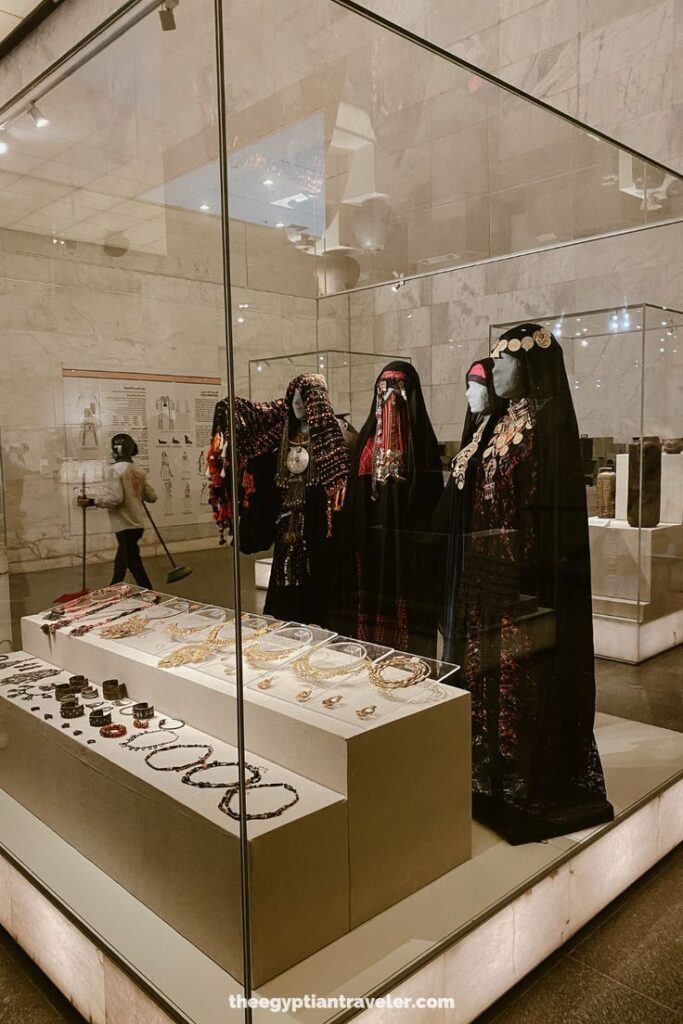
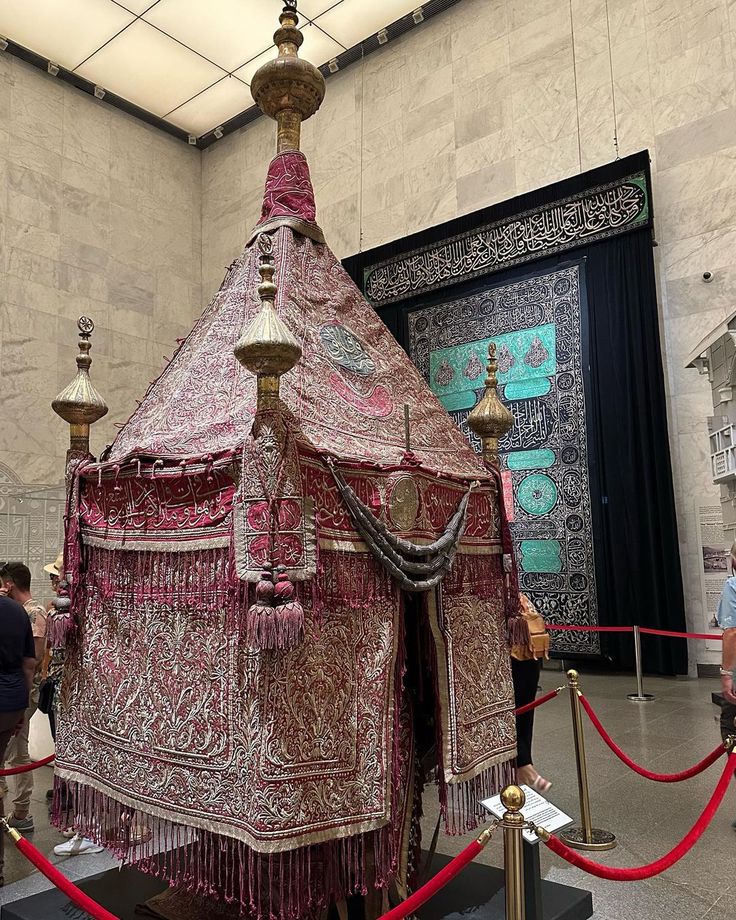
For creative travel writers and independent documentary filmmakers, this specialized focus transitions into an exquisite, world-class Textile Gallery located within the main exhibition spaces. The museum beautifully showcases the ultimate evolution of Egyptian fashion and weaving across three millennia, displaying everything from pristine, pleated Old Kingdom linen dresses to hyper-detailed, jewel-toned Coptic tunics and magnificent, gold-embroidered Islamic Kiswa fragments (the sacred cover of the Kaaba). Highlighting this specific connection between the outdoor archaeological workshop and the indoor fabric treasures allows creators to deliver a highly sophisticated, expert-level perspective on Egypt’s living material history, proving that NMEC is a premier celebration of the everyday genius and craftsmanship of the Egyptian people.

5. The Capital Museum: A High-Tech Interactive Hub of Urban History

Perched inside the striking glass pyramid that crowns the NMEC complex, the specialized Capital Museum offers digital storytellers, architectural enthusiasts, and luxury travel planners a pioneering approach to urban history. This cutting-edge exhibition space focuses entirely on the evolution of Egypt’s historic capitals, tracing the strategic, economic, and cultural rise of cities like Memphis, Thebes, Alexandria, and Fustat, straight through to modern Cairo and the New Administrative Capital.

For professional content creators and vloggers, this hall serves as an incredible workspace for high-impact visual media. Rather than relying solely on traditional stone fragments, the Capital Museum utilizes an extraordinary, state-of-the-art interactive map and massive 3D projection displays that allow visitors to virtually fly through the ancient layouts of these legendary metropolises. Highlighting this hyper-modern exhibition in your media adds a sophisticated, forward-thinking layer to your travel guides, illustrating how Egypt has consistently reinvented the concepts of architecture and urban design over five thousand years.

6. The Interactive Restoration Labs: Witnessing Live Science and Conservation

One of the most innovative and exclusive features that sets NMEC completely apart from other global institutions is its fully integrated, state-of-the-art Mummies Conservation Center and Restoration Labs. Located within the secure lower levels of the complex, these world-class laboratories are where elite Egyptian scientists, chemists, and archaeologists utilize advanced 21st-century technology to clean, preserve, and study the nation’s most fragile organic antiquities.

While the primary research zones remain highly sterile and secure, the museum features brilliant, interactive glass viewports and digital educational screens that allow independent travel writers, educational content creators, and curious students to glimpse into the actual world of living science. Visitors can see how advanced multi-spectral imaging, CT scans, and precise climate-controlled capsules are engineered to protect ancient organic materials like wood, leather, and textiles. Documenting this brilliant bridge between deep history and cutting-edge science provides your audience with an elite, behind-the-scenes narrative that proves Egypt is not just a protector of its past, but a global leader in the future of heritage preservation.

7. The Fustat Cultural Renaissance: A Living Hub of Art and Education

The true genius of the National Museum of Egyptian Civilization (NMEC) lies in its deliberate departure from the traditional concept of a museum as a silent, static storehouse for the dead. For modern cultural vloggers, lifestyle writers, and independent digital storytellers, this sprawling complex serves as a dynamic, living community hub. By integrating active research facilities, world-class restoration laboratories, and a vibrant cultural center directly into its design, NMEC has successfully sparked a massive heritage renaissance in the historic district of Fustat, positioning itself as the beating heart of Cairo’s contemporary art scene.

For professional content creators, this multifaceted environment provides an endless stream of rich, high-engagement narratives that go far beyond standard antiquities. The museum regularly hosts live traditional craft workshops, classical music concerts on its open-air terraces, and international art exhibitions that showcase how modern Egyptian artists draw inspiration from their multi-layered ancestry. Documenting this seamless harmony between ancient innovation and active, 21st-century cultural expression allows you to deliver a highly sophisticated travel narrative—one that introduces global audiences to an energetic, forward-looking Egypt that passionately celebrates its living heritage.

8. The Outdoor Promenade and Ain as-Sira: A Cinematic Lakefront Oasis

The seamless blending of indoor archaeology with breathtaking natural landscapes makes NMEC an elite destination for lifestyle vloggers, professional travel photographers, and digital media planners. Stepping outside from the high-tech galleries onto the museum’s expansive, multi-level outdoor promenade reveals the beautifully restored Ain as-Sira Lake. Once a forgotten historic water feature, this natural sulfur spring has been masterfully transformed into a pristine, luxury waterfront oasis, complete with synchronized dancing fountains, manicured botanical walkways, and elegant open-air seating.

For creative storytellers and independent filmmakers, this lakeside setting provides a spectacular, high-contrast visual environment that is entirely unique to Cairo. The wide, marble-paved terraces offer sweeping, unobstructed views of the historic Citadel of Saladin and the ancient minarets of Fustat, creating a cinematic backdrop where the deep past meets the polished elegance of modern urban design. Capturing your media frames during the late afternoon allows you to utilize the spectacular Cairo golden hour, catching the warm sunset light as it reflects off the glass pyramid of the museum and the tranquil waters of the lake, delivering a sophisticated, world-class aesthetic that highlights Egypt’s stunning environmental and cultural revitalization.

9. The Pottery Heritage of Fustat: Documenting Egypt’s First Industrial Art

For independent documentary filmmakers, cultural travel writers, and digital media planners, NMEC’s strategic location in Fustat provides a direct connection to one of Egypt’s oldest living artistic traditions: clay pottery. Long before it housed a state-of-the-art museum, this specific region along the Nile was renowned for centuries as the primary industrial powerhouse for earthenware production. The mineral-rich clay beds of Fustat supplied the kilns that crafted everything from ancient pharaonic storage amphorae to the exquisitely glazed, jewel-toned tiles that adorned medieval Cairo’s grandest palaces and mosques.

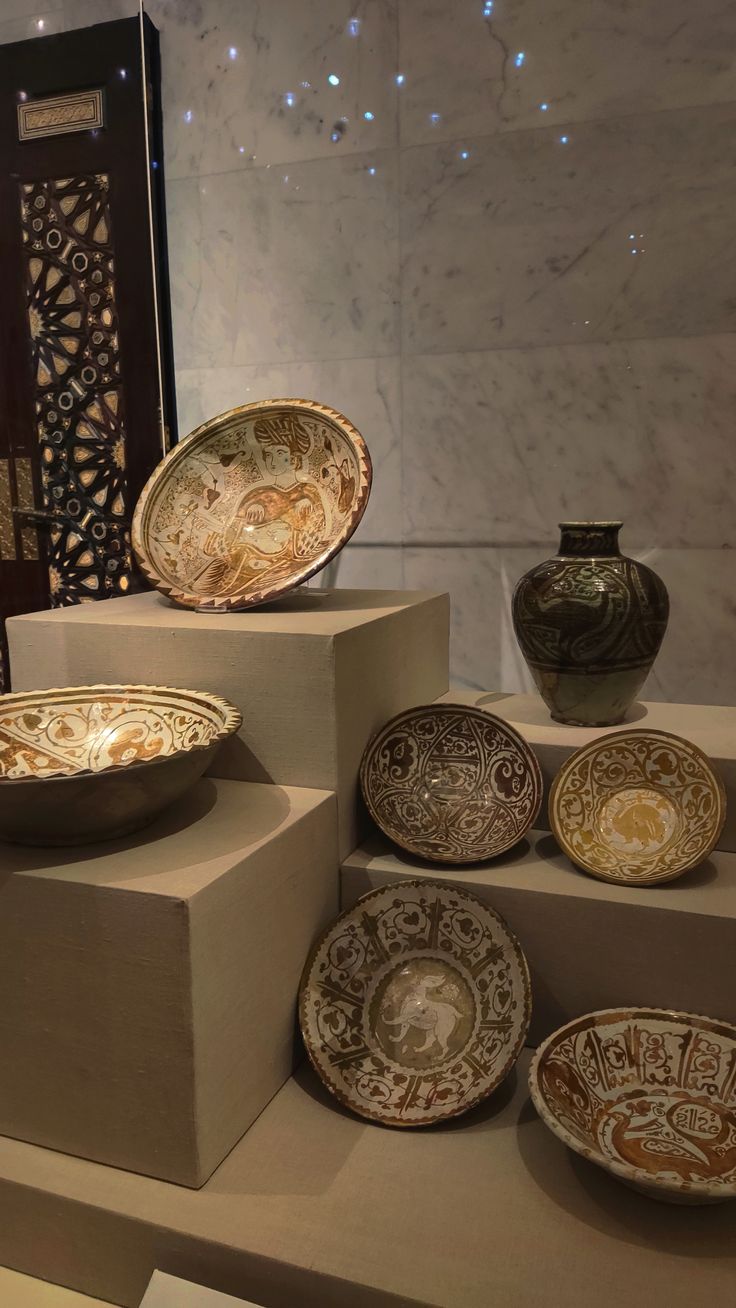
For high-impact visual storytelling, this deep industrial heritage is beautifully celebrated within the museum’s specialized handicraft displays. Content creators can film and document an extraordinary evolution of form and color, tracking how simple, utilitarian clay vessels gracefully transformed into highly sophisticated, calligraphic lusterware during the Islamic golden age. Highlighting this seamless link between the ancient clay pits of Fustat and the luxury ceramic masterpieces housed inside the modern display cases allows you to deliver an expert-level narrative that honors the uninterrupted, generational genius of Egypt’s working-class artisans.

10. The Greco-Roman and Coptic Transition: A Century of Shared Artistic Genius

One of the most visually stunning and historically profound segments of NMEC’s main loop is the dedicated gallery space showcasing the transition from the Greco-Roman period into the Coptic Christian era. For cultural journalists and analytical history buffs, this specific zone completely deconstructs the misconception that Egypt’s history is divided into separate, isolated boxes. Instead, the curation masterfully illustrates a beautiful, organic blending of cultures, showing how classical European styles seamlessly merged with traditional pharaonic spirituality to birth a entirely unique, deeply expressive local identity.

This brightly lit gallery space serves as an exceptional backdrop for capturing rich, high-contrast media. Creators can stand inches away from the hauntingly beautiful Fayum Mummy Portraits—where realistic, expressive wax paintings on wood boards replaced traditional sculpted pharaonic masks—and trace how those exact facial techniques evolved into the iconic, wide-eyed gaze of early Coptic religious icons. Displaying these masterpieces alongside intricately carved limestone friezes featuring grapevine motifs and beautifully preserved, multicolored textiles provides your digital audience with a sophisticated masterclass in art history, proving that Egypt’s creative soul remained brilliantly adaptable across changing empires.

11. The Islamic Golden Age: A Celebration of Science, Mathematics, and Luxury Art

As visitors continue along NMEC’s seamless chronological path, they step into a grand pavilion dedicated entirely to the profound scientific, intellectual, and aesthetic achievements of Egypt’s Islamic eras. For professional travel vloggers and digital storytellers, this space offers a spectacular shift in visual texture. Moving away from the monumental stone sculptures of the ancient world, the gallery focuses heavily on intricate geometric precision, breathtaking fluid calligraphy, and hyper-advanced scientific instruments that helped drive the global renaissance of knowledge.

The exceptional curation of this hall provides an endless stream of fascinating, high-engagement narratives for digital media. Creators can capture pristine, detailed macro shots of world-class artifacts, including heavy bronze astrolabes used by medieval astronomers to map the stars, mathematically perfect geometric wood panels inlaid with mother-of-pearl, and rare, illuminated medical manuscripts. By documenting these treasures not just as decorative art, but as the physical remnants of a bustling global center of science and luxury trade, your travel content presents a profoundly rich, comprehensive portrait of Cairo’s enduring status as an elite capital of human civilization.

12. The Modern Beacon of Fustat: A Triumphant Conclusion to the Story of a Nation

As your journey through the continuous chronological loop of the National Museum of Egyptian Civilization (NMEC) comes to an end, you step back out onto the lakeside terraces with a profound sense of closure. This monumental achievement in Fustat successfully proves that Egypt’s story did not conclude with the final pharaoh, nor did it freeze inside classical antiquity. Instead, NMEC functions as an elite, living monument that knits thousands of years of human survival, artistic evolution, and scientific triumph into a single, breathtakingly cohesive historical masterpiece.

For professional travel writers, lifestyle creators, and digital media strategists, this final perspective is what truly crowns a piece of content. NMEC stands as a triumphant beacon of 21st-century museology—a place where the sacred, underground silence of the Royal Mummies Hall effortlessly coexists with interactive 3D digital pyramids and a bustling, contemporary waterfront arts scene. Leaving this state-of-the-art complex, your audience is left not with the image of a vanished empire, but with a deep, respectful understanding of an eternal, unbroken civilization that continues to innovate, inspire, and anchor the global cultural landscape.

The National Museum of Egyptian Civilization (NMEC) : Frequently Asked Questions

Yes, unlike traditional museum setups where a separate ticket was required to view the royal mummies, NMEC offers a fully integrated experience. Your general admission ticket grants you full access to both the magnificent Main Exhibition Hall on the ground floor and the underground Royal Mummies Hall. However, please keep in mind that to maintain maximum reverence and respect for these ancient rulers, photography of any kind—including non-flash smartphone photography—is strictly prohibited once you step inside the sacred mummy gallery.

NMEC is located in the historic district of Fustat (Old Cairo), which is about a 15 to 20-minute drive from Tahrir Square or Downtown Cairo depending on traffic. The most convenient way for international travelers and content creators to reach the museum is via ride-hailing apps (like Uber or Careem) or by hiring a private vehicle. If you are planning a flexible itinerary with a private driver, the museum complex features a massive, highly secure, and modern on-site parking facility capable of accommodating hundreds of private cars and tour buses.

The museum welcomes visitors daily from 9:00 AM to 5:00 PM. For professional lifestyle vloggers, independent photographers, and travelers who want to experience the galleries in serene peace, the absolute best time to arrive is right at 9:00 AM when the doors open. This allows you to explore the sprawling Main Exhibition Hall before the afternoon crowds arrive. Afterward, you can step out onto the outdoor promenade during the late afternoon to capture the spectacular Cairo golden hour reflecting off the pristine waters of Ain as-Sira Lake.

Yes, NMEC is widely praised as one of the most accessible and barrier-free cultural sites in Egypt. The entire complex was engineered from the ground up using modern, international accessibility standards. It features smooth, wide ramps connecting the outdoor lakefront promenade to the main building, spacious elevators to transport visitors down to the underground Royal Mummies Hall, and fully flat, open layouts throughout the main galleries, making it exceptionally comfortable for wheelchair users and travelers with limited mobility.

Absolutely. NMEC is designed as a complete, luxury lifestyle destination rather than just a traditional gallery. The museum features a selection of high-end, contemporary cafes and dining options located within the main building and out on the beautiful waterside terrace. Visitors can enjoy premium Egyptian coffee, fresh juices, and a variety of local and international dishes while taking in the stunning, panoramic views of the synchronized fountains and the historic Citadel of Saladin framing the Fustat horizon.