
Welcome to

Saqqara: Egypt’s Timeless Necropolis and the Birthplace of Pyramid History

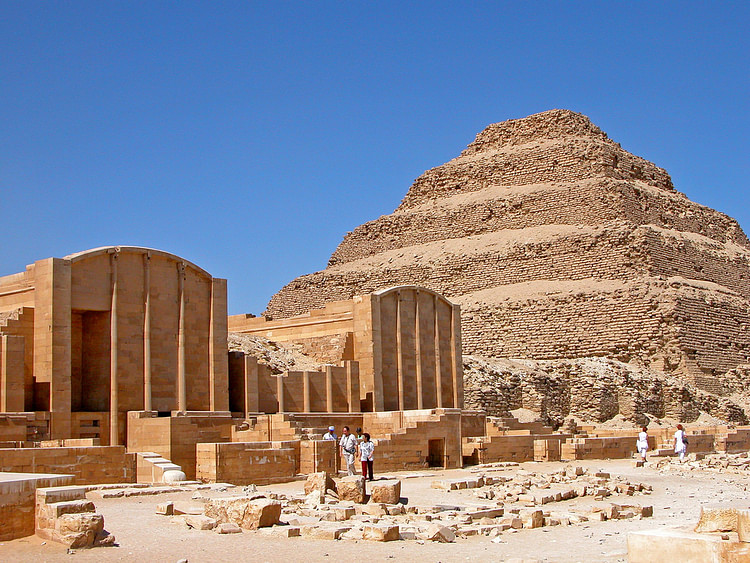
Saqqara stands as one of Egypt’s most extraordinary archaeological treasures, offering travelers a fascinating journey into the origins of pyramid construction, royal burial traditions, and the earliest achievements of ancient Egyptian civilization. Located just south of Cairo near the ancient capital of Memphis, this vast necropolis served as the sacred burial ground for the ancient city for thousands of years, preserving an incredible concentration of tombs, temples, pyramids, and archaeological wonders. Most famously, Saqqara is home to the Step Pyramid of Djoser, the world’s oldest large-scale stone structure and one of the most important milestones in architectural history.

For travelers seeking a deeper connection with ancient Egypt beyond the more famous sites of Giza, Saqqara offers far more than a simple archaeological visit—it provides an immersive experience into the innovation, artistry, and spiritual beliefs that shaped one of the world’s greatest civilizations. From beautifully decorated tombs and sacred burial chambers to remarkable pyramids and vast desert landscapes, every corner of Saqqara tells a story of royal ambition, engineering brilliance, and timeless legacy. Whether you are passionate about archaeology, ancient history, photography, or cultural exploration, Saqqara promises one of the most rewarding and unforgettable historical experiences near Cairo.

1. A Journey Through the Birthplace of Pyramid Architecture

Saqqara stands as one of Egypt’s most extraordinary archaeological destinations, offering travelers a remarkable journey into the origins of pyramid construction and ancient royal burial traditions. As the vast necropolis of the ancient capital Memphis, Saqqara served as a sacred burial ground for thousands of years, preserving some of the most important monuments in Egyptian history. It is here that visitors encounter the revolutionary Step Pyramid of Djoser, the world’s oldest large-scale stone monument and the architectural breakthrough that transformed the future of pyramid building in ancient Egypt. For travelers seeking authentic historical experiences near Cairo, few destinations offer such extraordinary significance.

Walking through Saqqara feels like stepping into the earliest chapters of Egypt’s architectural and spiritual story. The site stretches across an immense desert landscape filled with pyramids, elaborately decorated tombs, ceremonial structures, and hidden archaeological treasures that reveal the remarkable evolution of ancient engineering and funerary traditions. Unlike more familiar sites focused on later monumental achievements, Saqqara offers a fascinating glimpse into the experimental beginnings of pyramid design and royal burial innovation.

What makes Saqqara especially unforgettable is its unique role in architectural history. This was the place where ancient Egyptian builders first transformed ambitious vision into monumental stone reality, creating designs that would inspire some of the world’s greatest wonders. Whether you are a history enthusiast, archaeology lover, or first-time visitor to Egypt, Saqqara offers one of the most meaningful and unforgettable cultural experiences in the country.
2. The Step Pyramid of Djoser: The World’s First Pyramid

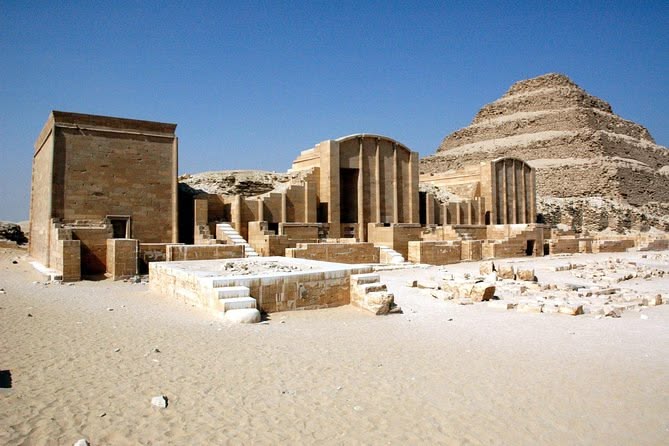
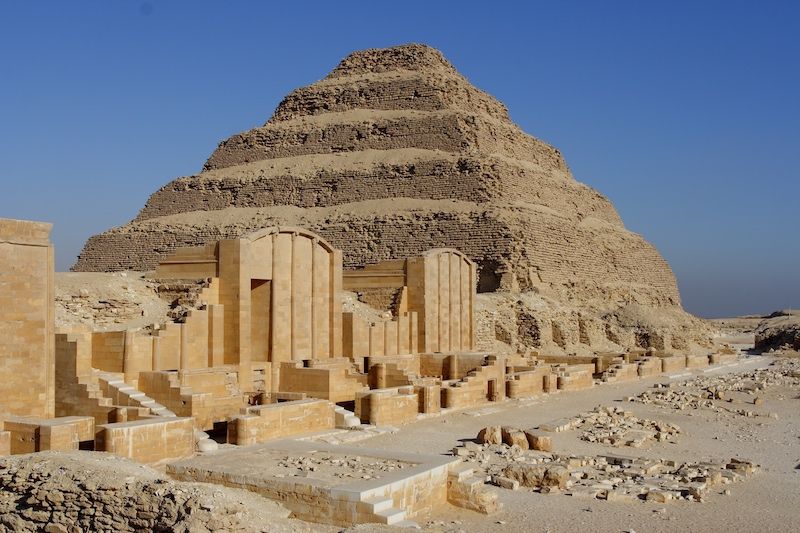
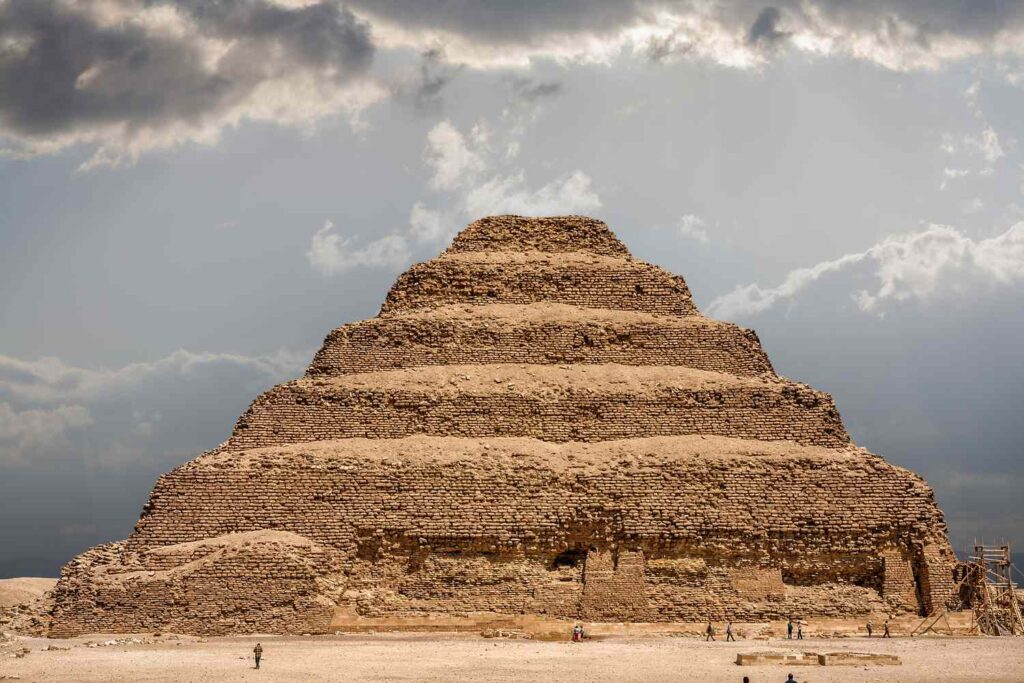
One of the most iconic highlights of visiting Saqqara is the extraordinary Step Pyramid of Djoser, one of the most important monuments in the history of architecture and ancient Egypt. Built during the Third Dynasty for Pharaoh Djoser, this remarkable structure is widely recognized as the world’s first large-scale stone pyramid and the earliest major step in the evolution of pyramid design. Created by the brilliant architect Imhotep, the Step Pyramid marked a revolutionary moment in engineering, transforming traditional burial practices into one of history’s most influential architectural achievements.

Standing before the Step Pyramid is an unforgettable experience. Its distinctive tiered design immediately sets it apart from the smooth-sided pyramids that would later define Egypt’s skyline, offering visitors a fascinating look at the experimental beginnings of monumental pyramid construction. The scale, historical significance, and simplicity of its ancient form create a powerful atmosphere that connects travelers directly with one of humanity’s earliest architectural breakthroughs.

Beyond its visual impact, the Step Pyramid carries extraordinary historical importance. It represents innovation, royal ambition, and the birth of architectural ideas that would shape Egypt for centuries. For travelers exploring Saqqara, this incredible monument remains one of the most unforgettable highlights and a defining symbol of ancient Egyptian ingenuity.
Saqqara - Try Egypt tours

3. Exploring Saqqara’s Extraordinary Tombs and Hidden Treasures

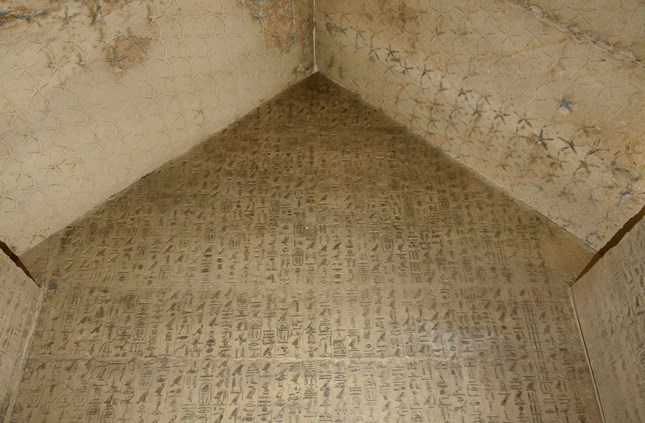
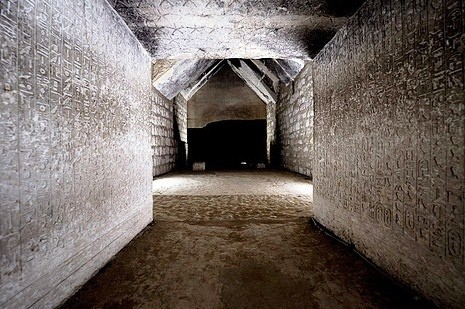
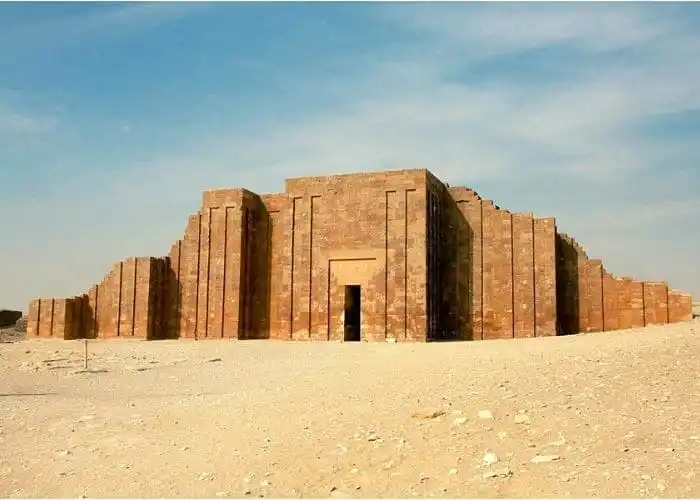
Beyond its famous pyramids, Saqqara offers visitors a fascinating opportunity to explore some of ancient Egypt’s most beautifully preserved tombs and hidden archaeological treasures. The site is home to remarkable burial chambers adorned with vivid wall carvings, colorful reliefs, hieroglyphic inscriptions, and artistic details that provide extraordinary insight into daily life, religious beliefs, and funerary traditions in ancient Egypt. For travelers seeking a richer archaeological experience, these tombs often become some of Saqqara’s most memorable highlights.

Walking through these ancient burial spaces feels like entering a forgotten world preserved beneath the desert sands for thousands of years. Every chamber reveals intricate craftsmanship and storytelling through art, depicting scenes of farming, hunting, offerings, rituals, and the spiritual journey into the afterlife. Unlike monumental structures admired from the outside, these intimate spaces offer a much more personal and immersive connection to ancient Egyptian civilization.

For archaeology enthusiasts, history lovers, and curious travelers alike, Saqqara’s hidden treasures add extraordinary depth to the visit. They reveal that the site is far more than the home of the Step Pyramid—it is a vast historical landscape filled with artistic brilliance, religious symbolism, and remarkable discoveries that continue to reshape our understanding of ancient Egypt.
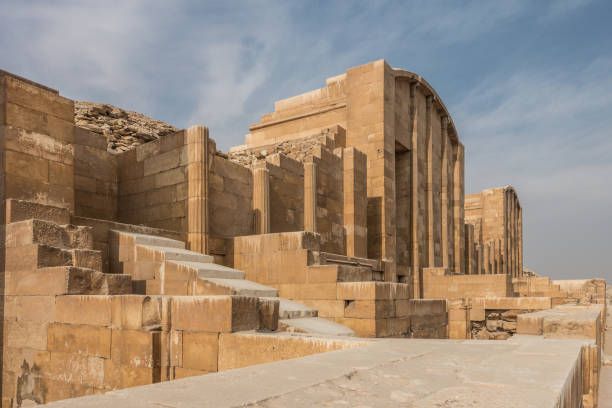
4. A Photographer’s Paradise: Capturing the Ancient Wonders of Saqqara

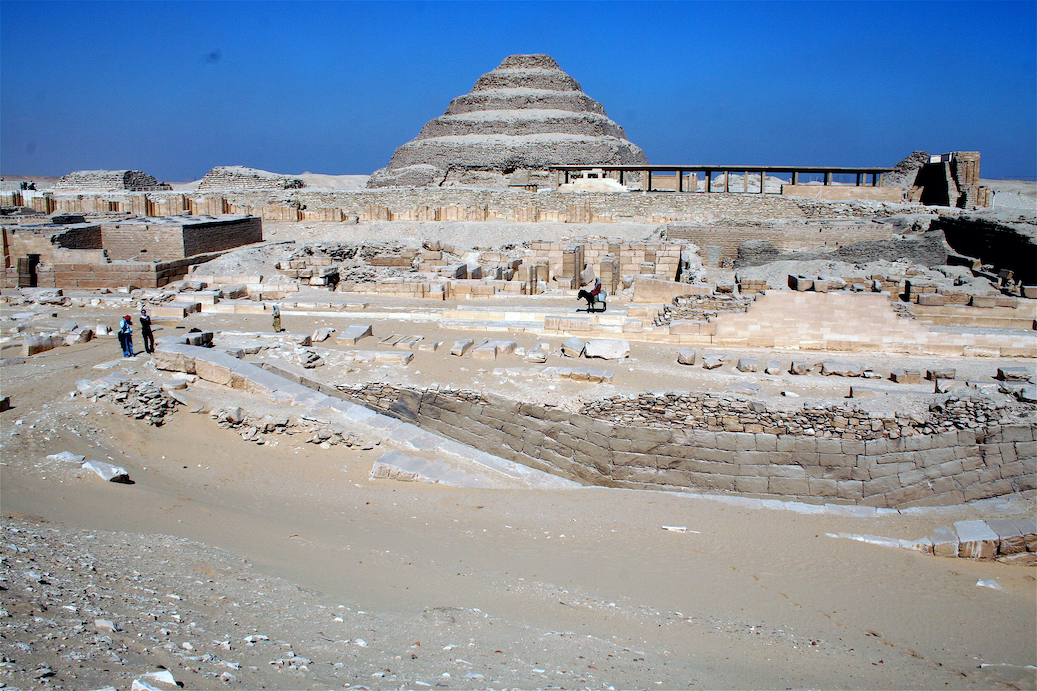
Saqqara is not only one of Egypt’s most historically significant archaeological sites, but also one of the most visually extraordinary destinations for photographers and travelers who appreciate ancient monuments and timeless desert landscapes. Every corner of this remarkable necropolis offers unforgettable visual opportunities, from the iconic Step Pyramid of Djoser and ancient stone courtyards to beautifully decorated tomb entrances and sweeping desert panoramas. For visitors interested in travel photography in Egypt, Saqqara provides an exceptional setting where archaeology, history, and dramatic scenery come together in unforgettable ways.

Walking through Saqqara with a camera feels like exploring a vast open-air museum of ancient civilization. The unique stepped silhouette of Djoser’s pyramid creates striking architectural compositions, while the surrounding tombs, temples, and archaeological remains offer fascinating details perfect for capturing both grand historical scenes and intimate artistic moments. The contrast between ancient stone structures and the quiet desert landscape creates a timeless atmosphere that makes every photograph feel deeply connected to Egypt’s extraordinary past.

Lighting adds another layer of beauty to the photography experience, with morning visits often providing softer natural light, clearer skies, and a quieter atmosphere for uninterrupted shots. Whether you are a professional photographer, history enthusiast, or simply someone who loves capturing meaningful travel memories, Saqqara remains one of the most visually rewarding and unforgettable archaeological destinations near Cairo.

5. The Historical Importance of Egypt’s Greatest Ancient Necropolis

Beyond its extraordinary monuments, Saqqara holds immense historical significance as one of the most important archaeological and funerary landscapes in ancient Egypt. For thousands of years, this vast necropolis served as the sacred burial ground for Memphis, Egypt’s first great capital, making it a central part of the country’s religious and royal history. Pharaohs, nobles, priests, and high-ranking officials were laid to rest here, transforming Saqqara into a remarkable historical archive that preserves the evolution of Egyptian civilization across multiple dynasties.

Walking through Saqqara offers visitors far more than a simple archaeological experience—it provides a direct connection to the beliefs, ambitions, and artistic achievements that shaped ancient Egyptian society. The site reflects centuries of architectural experimentation, religious symbolism, and funerary traditions that reveal how ancient Egyptians understood life, death, and the afterlife. Few places in Egypt offer such a broad historical timeline within a single location.

For history enthusiasts, Saqqara remains one of the most meaningful cultural destinations near Cairo. It is not simply a collection of monuments, but a place where some of ancient Egypt’s most important historical developments unfolded, making it an unforgettable experience for anyone seeking a deeper understanding of this extraordinary civilization.

6. A Sacred Landscape of Ancient Egyptian Beliefs

Saqqara was not only a royal burial ground, but also one of the most spiritually significant landscapes in ancient Egypt, offering visitors fascinating insight into the religious beliefs that shaped one of the world’s greatest civilizations. The site was deeply connected to ideas of death, rebirth, and the afterlife, where elaborate tombs, burial chambers, and funerary monuments were carefully designed to guide the deceased into eternity. This spiritual importance makes Saqqara far more than an archaeological site—it is a powerful reflection of ancient Egyptian religious thought.

Exploring Saqqara allows travelers to imagine a world where every carved inscription, offering chamber, and architectural detail held symbolic meaning. Ancient Egyptians believed that preserving the body, honoring the gods, and preparing the journey to the afterlife were essential parts of existence, and Saqqara became one of the most important places where these beliefs were expressed through architecture and ritual.

For travelers interested in mythology, archaeology, and ancient spiritual traditions, this sacred dimension makes Saqqara even more fascinating. It transforms the site from a collection of ruins into a deeply meaningful historical landscape where faith, symbolism, and architectural brilliance came together in extraordinary ways.

7. A Peaceful Escape Into Egypt’s Ancient Desert History

While many of Egypt’s most famous attractions are known for dramatic crowds and bustling visitor activity, Saqqara offers a more peaceful and immersive archaeological experience. The vast desert setting, open historical spaces, and quieter atmosphere allow travelers to explore one of Egypt’s greatest ancient treasures at a slower and more reflective pace. This calm environment makes Saqqara especially appealing for visitors seeking a deeper connection with history away from the busier tourist centers.

Walking through Saqqara creates a unique sense of stepping back in time. Surrounded by ancient pyramids, tombs, and desert silence, visitors can appreciate the scale, artistry, and historical significance of the site without the overwhelming energy often found at larger attractions. This slower rhythm allows for a more personal and meaningful encounter with ancient Egypt’s remarkable legacy.

For history lovers, photographers, and thoughtful cultural travelers, Saqqara offers something truly special—a chance to experience one of the world’s most important archaeological landscapes in a quieter, more contemplative setting. Rather than simply visiting another famous monument, travelers often leave feeling they have discovered one of Egypt’s most profound historical treasures.

8. A Gateway to Memphis, Dahshur, and Egypt’s Ancient Wonders

Saqqara is far more than a standalone archaeological site—it serves as one of the most important gateways to exploring some of Egypt’s greatest ancient wonders. Located just south of Cairo near the ancient capital of Memphis, Saqqara sits at the heart of one of Egypt’s richest historical regions, surrounded by world-famous archaeological treasures that reveal the remarkable evolution of ancient Egyptian civilization. For travelers seeking a deeper journey into Egypt’s ancient past, Saqqara offers the perfect starting point for an unforgettable cultural adventure.

Its strategic location makes it easy to combine Saqqara with some of Egypt’s most extraordinary nearby attractions. Visitors can seamlessly continue their exploration to Memphis, the first capital of ancient Egypt, where colossal statues and royal history bring the earliest chapters of Egyptian civilization to life. Nearby Dahshur offers another fascinating experience, home to the Bent Pyramid and Red Pyramid, where travelers can witness the next major stage in pyramid architectural development. Together, these destinations create an exceptional full-day archaeological journey through Egypt’s ancient engineering brilliance and royal legacy.

Beyond convenience, Saqqara provides valuable historical context for understanding the broader story of ancient Egypt. As one of the country’s most significant burial landscapes, it helps visitors connect nearby monuments to the evolving beliefs, architecture, and royal traditions that shaped Egyptian history for thousands of years. Exploring Saqqara alongside Memphis and Dahshur creates a far richer appreciation of Egypt’s extraordinary heritage, making it one of the most rewarding experiences for history enthusiasts, archaeology lovers, and first-time visitors alike.

9. Hidden Tombs and Unexpected Archaeological Discoveries

One of the most rewarding aspects of visiting Saqqara is discovering the hidden tombs and lesser-known archaeological treasures that many visitors might easily overlook. Beyond the famous Step Pyramid of Djoser, the site contains an extraordinary collection of decorated tombs, underground burial chambers, ancient courtyards, and remarkable ruins that reveal deeper layers of Egypt’s ancient past. For travelers who enjoy authentic exploration and historical discovery, Saqqara offers far more than its most iconic monuments.

Taking time to explore beyond the main visitor pathways allows travelers to uncover some of the site’s most fascinating details. Beautiful wall carvings, preserved hieroglyphic inscriptions, burial shafts, and ceremonial spaces provide intimate glimpses into the daily life, spiritual beliefs, and funerary traditions of ancient Egyptians. Unlike sites focused only on grand monumental architecture, Saqqara offers a richer and more exploratory archaeological experience where every corner can reveal something unexpected.

For archaeology enthusiasts, photographers, and curious cultural travelers, these hidden discoveries often become some of the most memorable parts of the visit. Rather than simply viewing famous landmarks, visitors experience the excitement of uncovering fragments of an ancient civilization that still continues to reveal new secrets beneath the desert sands.

10. Practical Tips for Visiting Saqqara

A visit to Saqqara is one of the most fascinating archaeological experiences near Cairo, and a little preparation can make the journey even more enjoyable and comfortable. Since the site covers a large open desert area with uneven pathways, sandy ground, and extensive walking between monuments and tombs, wearing comfortable shoes is highly recommended. Bringing water, sunglasses, and sun protection is especially important, particularly during warmer months when temperatures can rise quickly.

Morning visits are often the best option for travelers seeking cooler weather, softer natural light for photography, and a quieter atmosphere before larger tour groups arrive. Since Saqqara is frequently combined with nearby attractions such as Memphis and Dahshur, planning a full-day archaeological excursion allows visitors to make the most of the region’s extraordinary historical richness and explore multiple iconic sites in one journey.

Hiring a knowledgeable guide can significantly enhance the experience by bringing the site’s ancient history, religious symbolism, and archaeological importance to life. With expert storytelling and historical insight, Saqqara becomes far more than a collection of ancient ruins—it transforms into one of Egypt’s most immersive and unforgettable historical experiences.

11. Why Saqqara Should Be on Every Egypt Travel Itinerary

While Egypt is world-famous for the Pyramids of Giza and its grand temple complexes, Saqqara offers something uniquely special—a direct connection to the earliest breakthroughs of pyramid architecture and ancient funerary tradition. As home to the world’s first large-scale stone pyramid and one of Egypt’s most historically significant necropolises, Saqqara provides cultural depth and historical importance that few destinations can match. For travelers seeking to understand the foundations of ancient Egyptian civilization, it remains an essential experience.

What makes Saqqara truly exceptional is the variety of experiences it offers in a single visit. Travelers can admire revolutionary pyramid architecture, explore beautifully decorated tombs, connect with ancient religious beliefs, and easily combine the site with nearby wonders such as Memphis and Dahshur. This creates a rich and rewarding journey through some of Egypt’s most important archaeological landscapes and architectural milestones.

For history lovers, archaeology enthusiasts, photographers, and first-time visitors alike, Saqqara represents far more than a simple day trip from Cairo—it is a gateway into the origins of ancient Egyptian innovation, spirituality, and royal ambition. Whether explored as part of a larger archaeological adventure or as a dedicated cultural visit, Saqqara remains one of Egypt’s most meaningful destinations that should never be missed.

12. An Unforgettable Farewell to Saqqara

As your journey through Saqqara comes to an end, you leave with far more than photographs of ancient pyramids, tombs, and desert landscapes—you leave with a deeper appreciation for one of the most important archaeological sites in human history. Few places in Egypt offer such a profound connection to the origins of pyramid construction, royal burial traditions, and the spiritual beliefs that shaped one of the world’s greatest civilizations. From the revolutionary Step Pyramid of Djoser and beautifully decorated tombs to hidden underground chambers and vast historic landscapes, every moment in Saqqara tells a story of innovation, legacy, and timeless wonder.

What makes Saqqara truly unforgettable is not simply its historical significance, but the immersive experience it offers to every visitor. Unlike attractions focused on a single monument, Saqqara reveals an entire evolving chapter of ancient Egyptian civilization, where architecture, religion, engineering, and artistry come together in extraordinary harmony. Whether you arrived seeking archaeology, photography, cultural exploration, or a deeper understanding of Egypt’s ancient past, the site delivers an experience that remains memorable long after the visit ends.

As you continue your Egyptian adventure, the legacy of Saqqara will remain one of the most fascinating memories of your journey through Cairo’s historic surroundings. It is far more than an archaeological site—it is a living symbol of Egypt’s earliest innovation and enduring greatness, where some of humanity’s most extraordinary architectural and spiritual achievements first took shape. For anyone seeking to experience the true depth of ancient Egyptian civilization, Saqqara remains a destination that should never be missed.

Saqqara: Frequently Asked Questions

Saqqara is famous for being home to the Step Pyramid of Djoser, the world’s oldest large-scale stone structure and the first true pyramid in history. It is one of Egypt’s most important archaeological sites and served as the vast necropolis of the ancient capital Memphis for thousands of years, preserving extraordinary tombs, pyramids, and ancient monuments.

Most visitors spend around 2 to 4 hours exploring Saqqara, depending on how many tombs, pyramids, and archaeological areas they wish to visit. Since Saqqara is often combined with nearby attractions such as Memphis and Dahshur, many travelers choose to include it as part of a full-day historical tour from Cairo.

The Step Pyramid of Djoser is the world’s first large-scale stone pyramid, built during the Third Dynasty for Pharaoh Djoser and designed by the brilliant architect Imhotep. It represents one of the most important architectural breakthroughs in human history and marks the beginning of pyramid construction in ancient Egypt.

Absolutely. While Giza is world-famous for its iconic pyramids, Saqqara offers a completely different and deeper archaeological experience, with beautifully decorated tombs, quieter surroundings, and direct insight into the earliest development of pyramid architecture and ancient Egyptian funerary traditions.

Yes, Saqqara is ideally located near some of Egypt’s most important ancient sites, including Memphis, the first capital of ancient Egypt, and Dahshur, home to the Bent Pyramid and Red Pyramid. Many travelers combine all three destinations in one unforgettable archaeological day trip from Cairo.