
Welcome to

Shali Fortress: The Organic Mud-Brick Citadel of Siwa Oasis

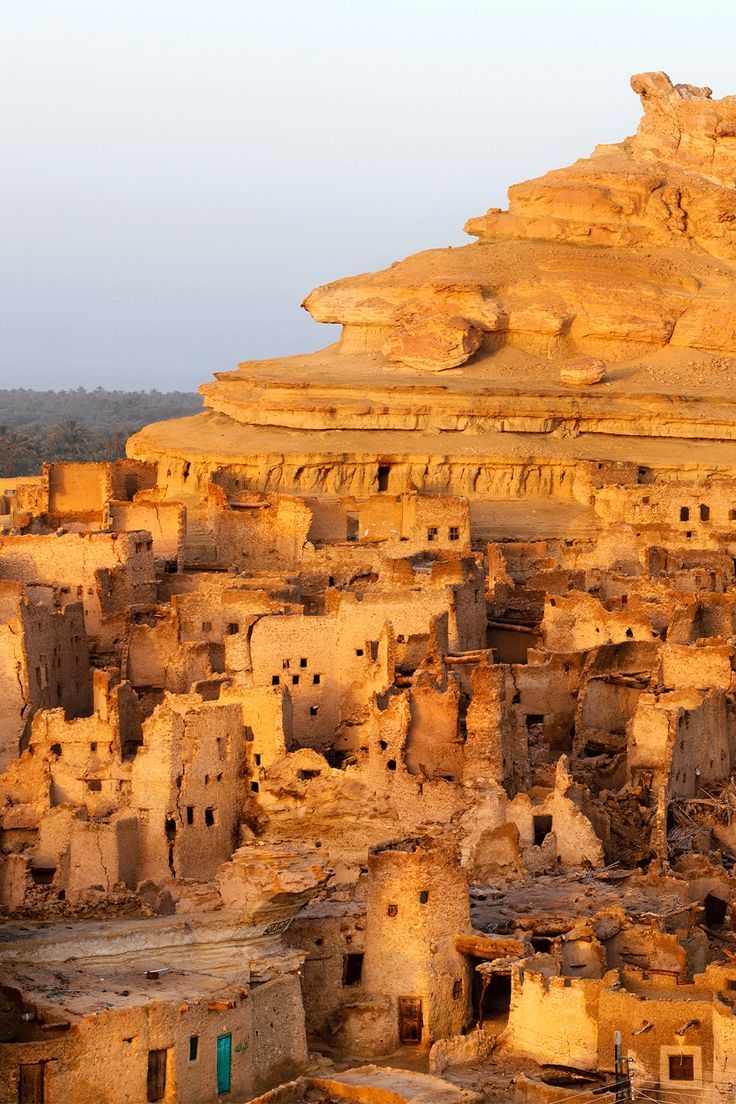
Rising like a surreal, melting sandcastle from the vibrant heart of the Siwa Oasis is one of the most structurally unique and historically mesmerizing wilderness bastions on Earth: the ancient Shali Fortress. Built in the early 13th century, this labyrinthine mud-brick citadel stands as a brilliant monument to human adaptability, architectural ingenuity, and the fierce spirit of desert survival. Unlike the classic stone fortresses of the Nile Valley or the Mediterranean coast, Shali was constructed entirely from Karsheef—a localized, eco-friendly blend of salt-saturated mud, clay, and palm logs harvested directly from the oasis floor. This organic material hardened into a remarkably durable shield, creating a fortified vertical village that successfully protected the indigenous Siwan people from aggressive nomadic raiders for hundreds of years. Today, the weathered, organic ruins of this medieval stronghold dominate the town’s modern skyline, serving as a poignant, living bridge between the oasis’s turbulent tribal past and its peaceful, culturally rich present. Walking into the cavernous, winding alleyways of Shali is akin to stepping directly into an esoteric, ancient world where time has entirely dissolved. The fortress is not merely an archaeological attraction; it is a profound testament to a deeply isolated community’s ability to build an impenetrable sanctuary out of the very earth beneath their feet. For modern global travelers, writers, and cultural researchers, Shali represents the absolute, soul-stirring heart of Siwan heritage. It invites onlookers to scale its rugged, historic heights, unravel its complex defensive secrets, and experience the breathtaking, sweeping desert vistas that make this organic citadel an indispensable, world-class crown jewel of authentic Egyptian cultural tourism.

1. The Secrets of Karsheef: Earth’s Unique Architectural Medium

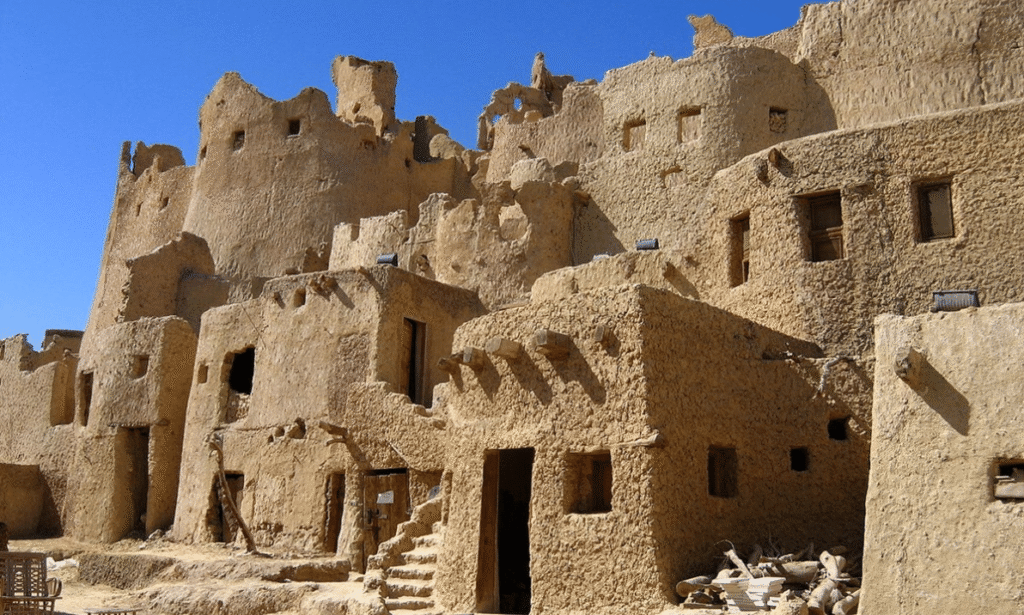
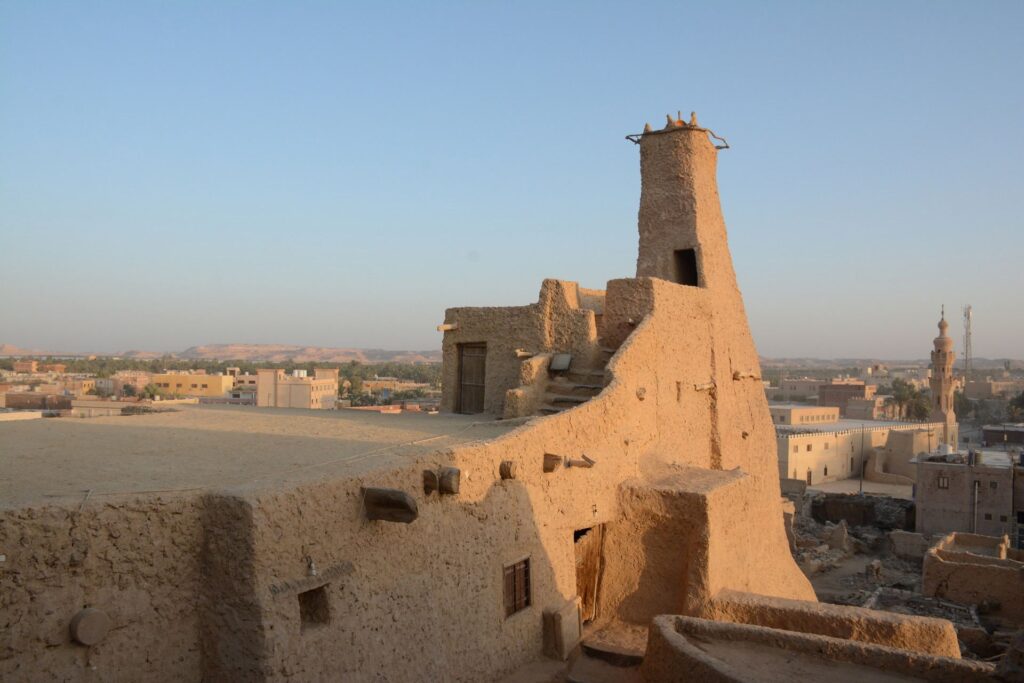
The absolute defining feature of Shali Fortress lies in its extraordinary, organic building material known locally as Karsheef. This traditional substance is a highly unique, eco-friendly blend of sun-dried mud, dense clay, and coarse salt crystals harvested directly from the beds of Siwa’s neighboring salt lakes. Unlike standard sun-baked mud bricks used throughout the Nile Valley, the incredibly high salt content within Karsheef acts as a natural, industrial-strength cement when dried by the intense desert sun. To provide essential internal support and structural elasticity, ancient Siwan builders masterfully reinforced this salty mud mixture with split trunks of indigenous date palms and olive trees, using them as sturdy ceiling beams, lintels, and window frames. This brilliant combination created an exceptionally durable, well-insulated vertical village that kept the interior rooms comfortably cool during scorching desert summers and cozily warm during freezing winter nights. Visually, the use of Karsheef gives Shali its mesmerizing, melting sandcastle appearance, as the irregular textures and warm, earth-toned colors seamlessly dissolve into the surrounding desert landscape. It is a spectacular example of indigenous vernacular architecture, proving that ancient societies could construct towering, impenetrable structures using nothing but the raw, natural ingredients provided by their immediate environment.
2. A Fortress Born of Fear: Tracing the Medieval Foundations

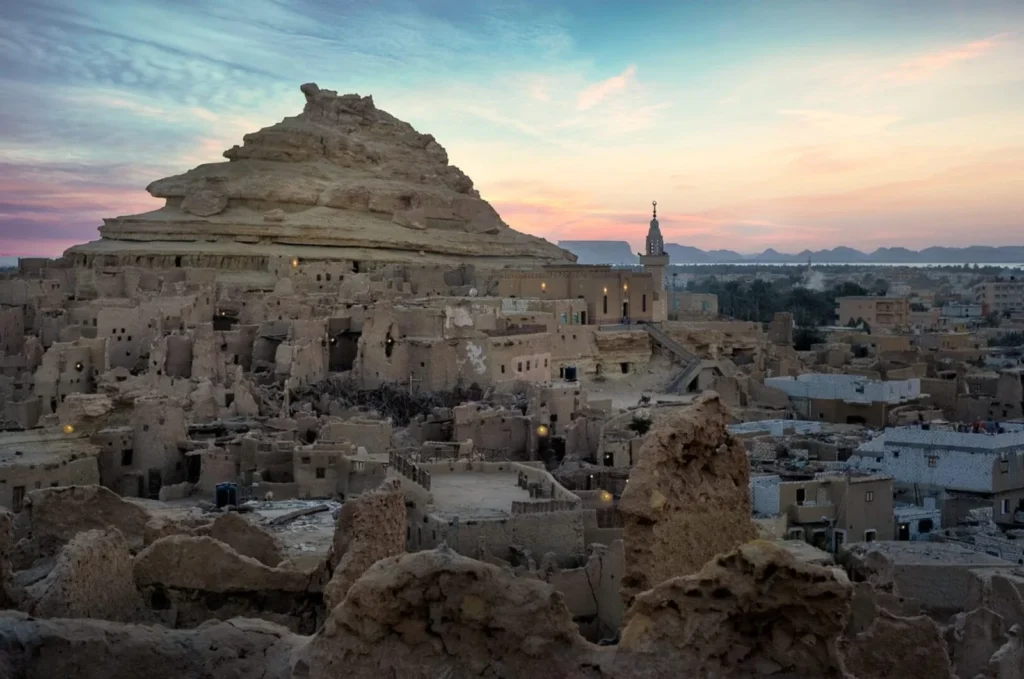
To truly understand the complex layout of Shali Fortress, one must step back to the turbulent geopolitical landscape of the early 13th century. Founded in the year 1203, the citadel was born out of an urgent, desperate necessity for collective security and tribal survival. During this medieval era, the isolated Siwa Oasis was constantly vulnerable to sudden, violent raids launched by aggressive nomadic Bedouins from the Western Desert and fierce Libyan tribes seeking to plunder the town’s valuable date and olive harvests. Driven by fear, a small group of forty original Siwan families decided to abandon their scattered, unprotected settlements on the oasis floor and build a single, highly fortified sanctuary. They selected a prominent hill in the center of the oasis, establishing a densely packed, vertical city that could easily be defended by a small number of men. The entire fortress was surrounded by a massive, thick protective wall with a single, heavily guarded main gate known as Anshal, ensuring that no outsiders could gain entry unnoticed. For over seven centuries, this defensive stronghold acted as a secure shield for the indigenous population, allowing them to preserve their unique language, customs, and independence against external threats.
3. The Labyrinthine Defense: Engineering Security in the Sky

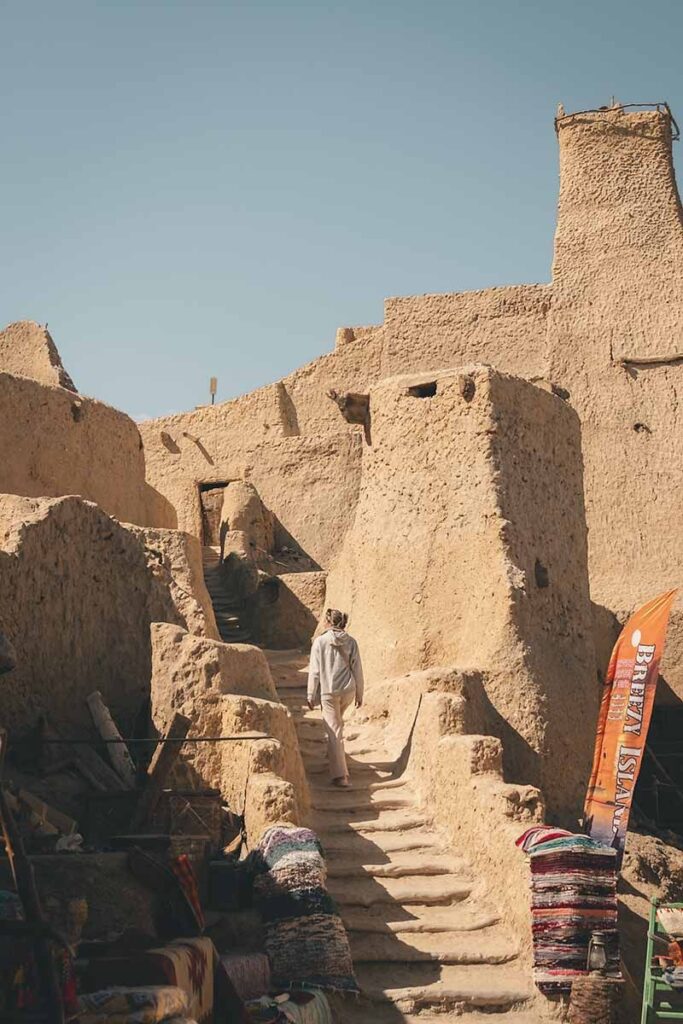
The internal architecture of Shali Fortress is a brilliant masterclass in defensive engineering, purposefully designed to confuse and disorient any enemy invaders who managed to breach its outer walls. Instead of wide streets or organized grids, the interior of the citadel consists of an incredibly tight, dizzying labyrinth of narrow alleyways, steep staircases, and dark, covered tunnels. These winding pathways were deliberately made wide enough only for a single donkey or two people to pass through at a time, effectively preventing large groups of enemy soldiers from advancing together. Furthermore, the houses within the fortress were built directly on top of one another, climbing several stories high against the hillside to form an interconnected, multi-layered defensive hive. This vertical design allowed defenders stationed on the higher rooftops to easily rain rocks, boiling oil, and heavy debris down upon invaders trapped in the narrow corridors below. The lower levels of the fortress were utilized for vast food storage and freshwater wells, ensuring the community could easily survive prolonged sieges. This clever spatial arrangement transformed the entire mountain into a giant, living trap, demonstrating how spatial design could be utilized as a highly effective military weapon.
4. The Cataclysm of 1926: The Storm That Melted History

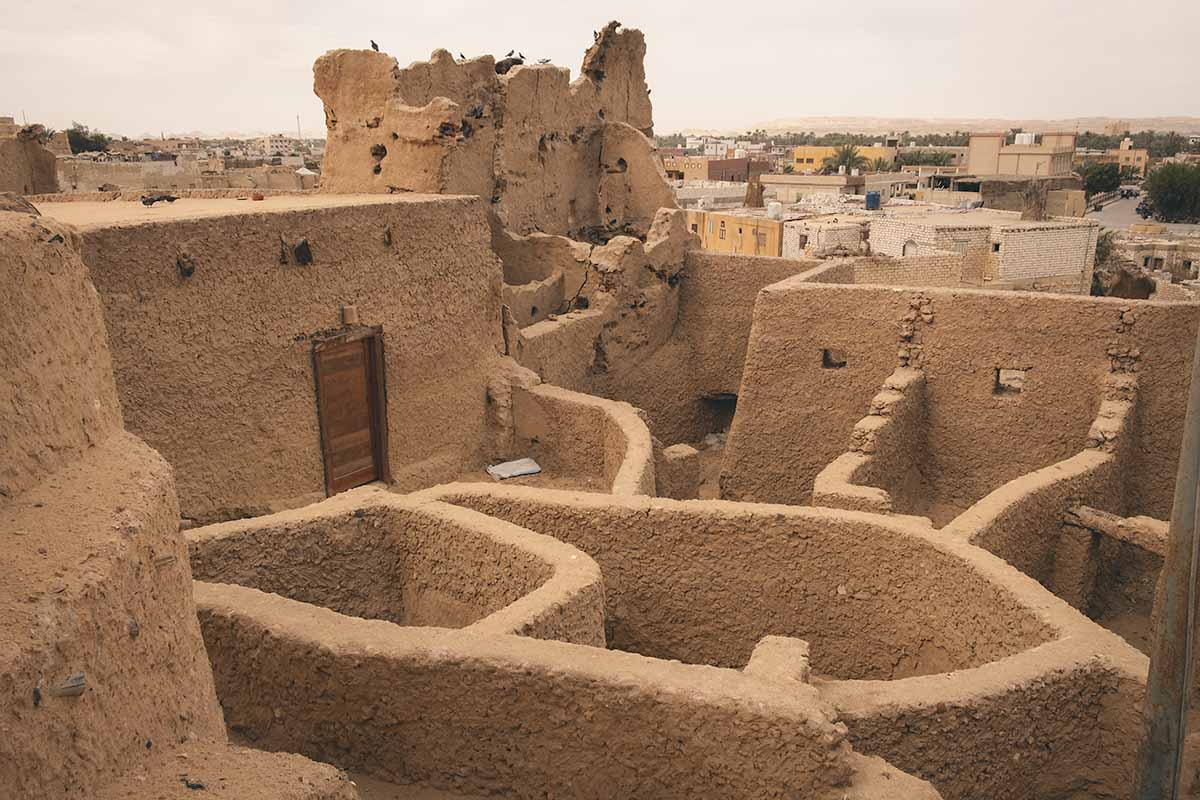
For over seven hundred years, the salt-infused walls of Shali Fortress stood completely unbroken against the human forces of war and tribal conflict. However, the ultimate downfall of this legendary mud-brick citadel came from a completely unexpected enemy: the skies. In the winter of 1926, the hyper-arid Siwa Oasis was struck by an unprecedented, catastrophic meteorological event that would alter its landscape forever. A relentless, torrential rainstorm battered the region continuously for three devastating days. Because Karsheef relies entirely on its high salt content to bind the mud and clay together, the heavy downpour proved to be a fatal chemical catalyst. As the rainwater soaked into the walls, it dissolved the ancient salt crystals, causing the structural foundation of the fortress to literally melt away. Towering homes, ancient mosques, and multi-story defensive walls collapsed into piles of muddy debris, making the citadel entirely uninhabitable within seventy-two hours. Faced with the sudden destruction of their ancestral homes, the local Siwan families had no choice but to abandon the high slopes of the mountain and build new, modern concrete houses on the flat ground surrounding the ruins. This dramatic climate disaster effectively transformed Shali overnight from a bustling, vibrant vertical city into a hauntingly beautiful, silent ghost town, freezing its centuries-old history in a state of poetic, weathered ruin.

5. The Heart of the Old Mosque: Spiritual Anchors in Mud

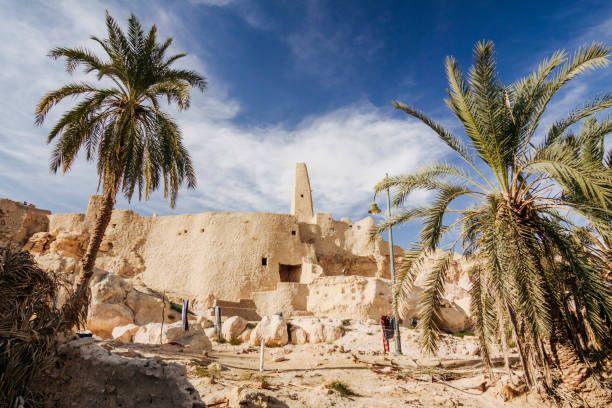
At the very base of the labyrinthine slopes of Shali Fortress lies one of its most historically significant and spiritually moving structures: The Old Mosque of Shali. Constructed at the same time as the fortress foundations in the early 13th century, this humble yet magnificent house of worship is officially recognized as the oldest surviving mud-brick mosque in North Africa. Built entirely from Karsheef and supported by thick, rustic trunks of local palm trees, its design reflects a beautiful simplicity that contrasts sharply with the grand stone mosques of the Nile Valley. The mosque features a remarkably preserved, low-profile minaret that offers a commanding view of the ancient town gate, which historically allowed the muezzin to double as a lookout for incoming desert raiders. Inside, the prayer hall is a sanctuary of profound silence, where rough-hewn pillars cast long, meditative shadows across the sandy floors. For over seven hundred years, this sacred space served as the absolute social and spiritual epicenter of Siwan life, where tribal elders gathered daily to make crucial political decisions, resolve community disputes, and pray for rain and protection. Even after the devastating storm of 1926, the mosque remained a sacred symbol of resilience, and its recent meticulous restoration allows modern travelers to step inside and experience the exact same tranquil, timeless atmosphere that comforted generations of desert dwellers.

6. The Resurrection of Shali: A Masterpiece of Sustainable Restoration

For decades following the climate disaster of 1926, Shali Fortress stood as a hauntingly beautiful but rapidly deteriorating ghost town, slowly eroding under the harsh desert winds. However, the 21st century brought a spectacular renaissance for this organic citadel through a massive, internationally acclaimed sustainable restoration project. Launched by the Egyptian government in partnership with European cultural institutions and local eco-conscious developers, the initiative aimed to carefully rebuild and stabilize the melting fortress without altering its historic character. The key to the project’s massive success was the exclusive employment of local Siwan craftsmen who still possessed the ancient, generational knowledge of working with Karsheef. Tons of traditional salt-mud mixture were harvested from the oasis lakes to repair collapsed walls, reinforce crumbling staircases, and reconstruct traditional doorways. Crucially, the restoration also revived the ancient marketplace at the base of the fortress, transforming abandoned rooms into vibrant cultural centers, traditional craft shops, and boutique eco-lodges. Completed recently, this monumental preservation effort has successfully breathed new life into the dead fortress, transforming a decaying archaeological ruin into a thriving, self-sustaining model of eco-tourism that honors the past while supporting the modern local economy.

7. Scaling the Peak of Shali: The Ultimate Sunset Sanctuary

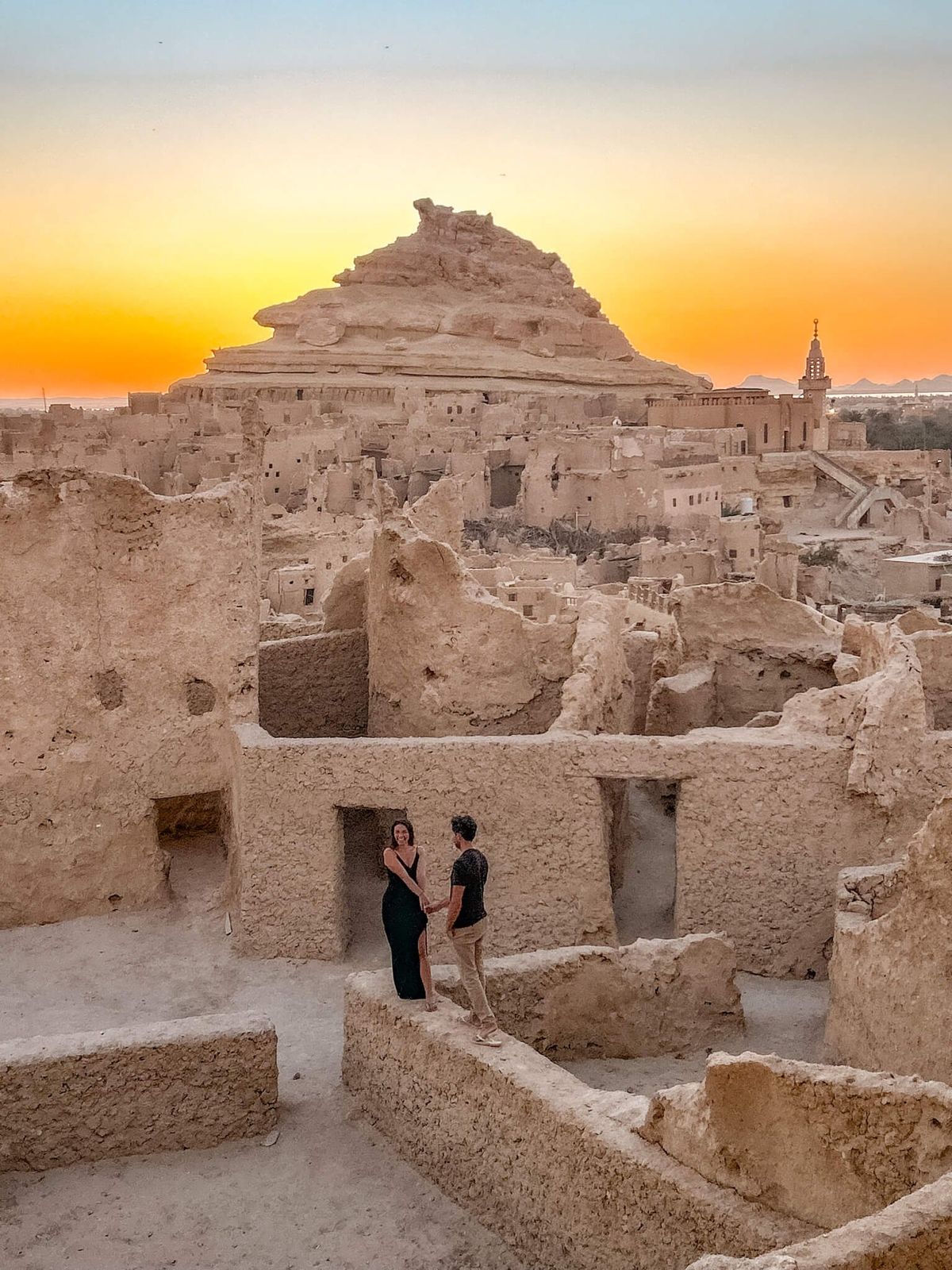
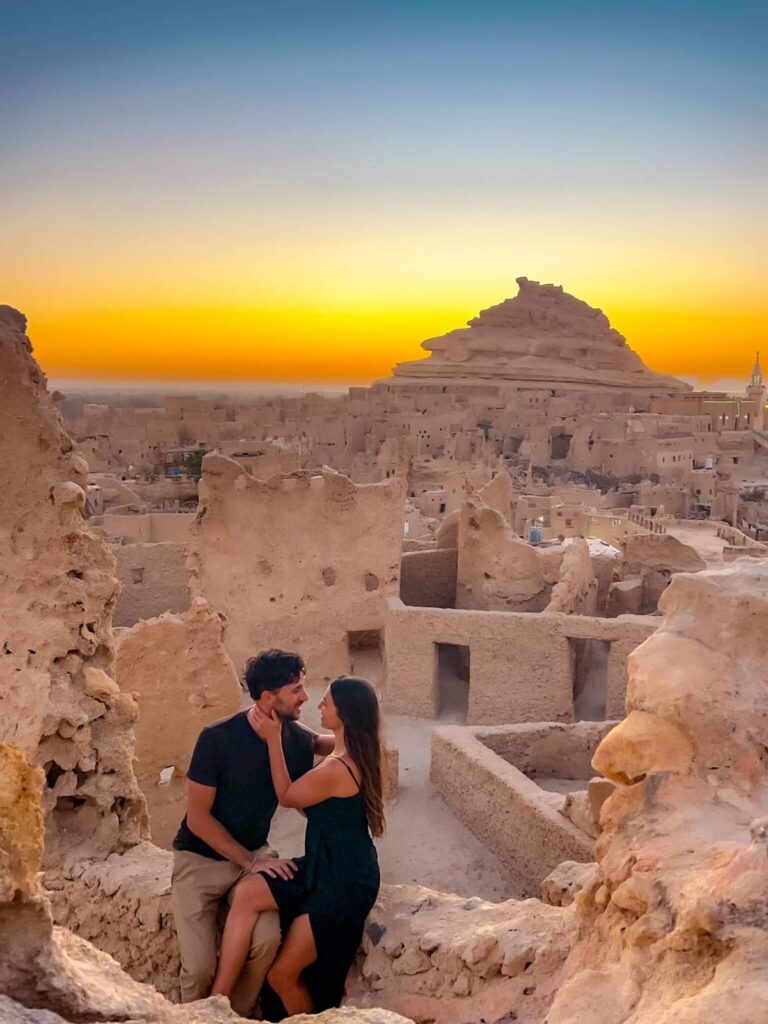
While exploring the interior tunnels of Shali Fortress offers an intimate look at ancient engineering, climbing the winding, newly restored paths to the absolute summit of the citadel provides an unforgettable sensory experience. The peak of the fortress, once the highly guarded command center for Siwan tribal chiefs, now serves as the ultimate vantage point for global travelers and photographers. Standing atop this weathered mud-brick crown, the entire layout of the Siwa Oasis is revealed in a spectacular, breathtaking 360-degree panorama. Looking downward, you can trace the dizzying maze of the old city ruins seamlessly blending into the bustling streets of the modern town below. Extending outward from the town center is a vast, shimmering ocean of deep green palm trees and ancient olive orchards that contrast dramatically with the pale, arid desert mountains on the horizon. To the west, the expansive, crystalline waters of Lake Siwa mirror the sky like a giant, turquoise mirror. The absolute magic of this location peaks during the golden hour of sunset, when the blazing desert sun dips below the horizon, painting the sky in deep shades of amber, violet, and crimson, and bathing the melting mud walls of Shali in a warm, ethereal glow that feels entirely out of this world.

8. The Living Legacy: Language, Culture, and Tribal Customs Within the Walls

Shali Fortress is far more than an architectural curiosity; it is the physical crucible that allowed the unique cultural identity of the Siwan people to remain beautifully preserved across centuries of isolation. Because the fortress functioned for generations as a self-contained, highly restricted vertical kingdom, its inhabitants were completely shielded from the linguistic and cultural assimilation that occurred throughout the rest of Egypt. Within these tight mud-brick walls, the locals proudly maintained their native tongue, Siwi—a distinct, unwritten Amazigh (Berber) dialect that traces its origins to North Africa rather than the Arabic-speaking Nile Valley. The physical layout of the fortress also dictated the social structure of the community, which was strictly organized into two major tribal factions: the Easterners (Sharqiyyin) and the Westerners (Gharbiyyin). Life inside the citadel was governed by rigid traditional laws; for instance, the heavy main gate was locked firmly at sunset, and any young, unmarried men who arrived late were forced to sleep outside the walls in the cold desert night to ensure the safety and honor of the families within. Today, although the families now live in modern homes below the citadel, the cultural footprint forged within Shali remains intensely alive. The traditional crafts, intricate silver jewelry designs, and colorful embroidery patterns sold in the marketplace today are identical to those created by women inside the fortress centuries ago, offering tourists an authentic encounter with a living, breathing civilization.

9. The Renaissance of Commerce: The Revitalized Souq of Shali

At the foot of the towering mud walls of Shali Fortress lies a bustling, sensory-rich arena that has fueled the economic life of the oasis for generations: the traditional Old Souq. As part of the recent, massive sustainable restoration of the citadel, this ancient marketplace has experienced a spectacular commercial renaissance. What once was a collection of decaying, abandoned rooms has been masterfully transformed into a vibrant, eco-friendly open-air bazaar that captivates every passing traveler. Walking through the souq is an unforgettable sensory experience; the air is richly perfumed with the deep, earthy scents of locally grown mint, drying chamomile, and rich desert spices. Small, artisanal shops built from traditional Karsheef display the exquisite, authentic crafts of the Siwan people. Here, visitors can purchase world-famous Siwan olive oil, sweet dates stuffed with almonds, and glowing lamps handcrafted from pure crystals of pink Himalayan salt mined from the nearby lakes. The souq also serves as a living gallery for traditional Amazigh silver jewelry and hand-woven carpets featuring complex geometric symbols. By exploring this lively market, tourists do not just buy souvenirs; they directly contribute to the economic sustainability of the local community, keeping the ancient mercantile traditions of the silk road and desert caravans alive in the modern world.

10. A Photographer’s Paradise: Capturing the Textures of Time

For visual storytellers, travel photographers, and filmmakers from around the globe, Shali Fortress represents an absolute, unrivaled paradise of light, shadow, and organic texture. The unique architectural composition of Karsheef creates a visual canvas that is entirely different from any stone or concrete monument on Earth. The weathered, jagged edges of the melting buildings, the dark, cavernous doorways, and the narrow, winding staircases create a dramatic interplay of geometric shapes that shifts beautifully throughout the day. In the early morning, the soft, pale sunlight gently illuminates the rough-textured walls, revealing the tiny, glittering salt crystals embedded deep within the mud bricks. As the sun moves higher, the deep, geometric shadows cast within the narrow alleyways provide a stunning, high-contrast playground for black-and-white photography. However, the absolute peak of visual magic occurs during the late afternoon golden hour. As the sun begins to set over Lake Siwa, its warm, amber rays hit the ancient citadel, making the entire mountain appear as if it is glowing from within like a massive, burning ember. Capturing the silhouettes of local Siwans in traditional attire walking past these historic, textured backdrops offers photographers a rare chance to freeze a moment of pure, timeless poetic beauty.

11. Global Recognition: Shali as a Model of Eco-Tourism

In an era where modern global travel is increasingly focused on environmental responsibility and cultural preservation, Shali Fortress has emerged as a world-class model of sustainable eco-tourism. International architectural organizations, environmental scientists, and cultural heritage experts frequently study the citadel as a premier example of “vernacular architecture”—a method of building that relies entirely on local materials and climate-adapted engineering. The global recognition of Shali peaks during major cultural events and international heritage days hosted within its newly restored amphitheater. These celebrations bring together global researchers, artists, and eco-travelers to discuss how ancient, organic building techniques can provide brilliant solutions for modern, green architecture and sustainable living. The fortress demonstrates to the global tourism industry that historical preservation does not mean freezing a site in the past; rather, it means actively integrating the monument into the economic and cultural life of the modern community. For conscious global travelers, a visit to Shali is deeply rewarding, offering the rare thrill of exploring an ancient, medieval desert stronghold while knowing that their presence directly supports a pioneering, globally recognized movement of environmental conservation and cultural respect.

12. Practical Guide: Navigating Your Expedition into the Heart of Shali

To fully experience the magical essence of Shali Fortress without any hitches, a few essential practical tips should be kept in mind by every modern explorer. Located directly in the geographic center of modern Siwa town, the citadel is exceptionally easy to reach from almost any local hotel, either on foot, by renting a bicycle, or by hopping into a traditional horse-drawn Kareta. The site is completely open to the public daily, and there is currently no entry fee to wander through its mesmerizing ruins. To enjoy the climb comfortably, it is highly recommended to plan your visit during the cooler morning hours or late in the afternoon, as the midday desert sun can make scaling the exposed paths quite intense. Wearing sturdy, closed-toe walking shoes with a strong grip is absolutely vital, as the terrain consists of steep, uneven gravel paths and rugged mud-brick staircases that can be slippery. Additionally, it is incredibly beneficial to hire an authorized local Siwan guide at the base of the fortress; their captivating storytelling, deep knowledge of the hidden tunnels, and insights into family histories will bring the silent walls vividly to life. Remember to carry a bottle of water, wear high-quality sun protection, and ensure your camera batteries are fully charged before heading up. By following these simple guidelines, your journey into the labyrinthine heights of Shali will undoubtedly stand out as a magical, once-in-a-lifetime highlight of your Egyptian desert adventure.

Shali Fortress : Frequently Asked Questions

Shali Fortress is a historic, medieval mud-brick citadel located in the absolute center of the Siwa Oasis. Founded in the year 1203, it was constructed by a small group of forty original Siwan families to serve as a heavily fortified, vertical village capable of protecting the indigenous population from violent raids by nomadic desert Bedouins and foreign invaders.

Karsheef is the extraordinary, eco-friendly building material used to construct the entire fortress. It is a localized blend of sun-dried mud, dense clay, and coarse salt crystals harvested from Siwa’s salt lakes, reinforced internally with indigenous palm and olive wood logs. When dried by the desert sun, the high salt content acts as natural cement, creating a highly insulated structure that stays cool in summer and warm in winter.

While the citadel successfully resisted human warfare for over seven centuries, it was catastrophically damaged by a relentless, three-day torrential rainstorm in the winter of 1926. Because Karsheef relies entirely on dry salt to maintain its strength, the heavy downpour literally dissolved the salt crystals, causing the multi-story mud houses and walls to melt and collapse, forcing the population to relocate to modern homes below.

Yes, it is entirely safe and open to the public. In recent years, the citadel underwent a massive, internationally acclaimed sustainable restoration project. Local Siwan craftsmen used traditional Karsheef techniques to stabilize the crumbling ruins, rebuild the ancient pathways, and restore the Old Mosque at its base, transforming the site into a safe, thriving model for global eco-tourism.

The fortress is located right in the middle of Siwa town and is completely free to visit. The absolute best times to explore are early morning to avoid the desert heat, or late afternoon to experience a breathtaking 360-degree sunset view from the summit. Visitors should wear sturdy walking shoes with good grip to navigate the uneven terrain and are highly encouraged to hire a local Siwan guide to unlock the rich history and oral legends of the site.