
Welcome to

Temple of the Oracle: The Sacred Sanctuary That Shaped Ancient History

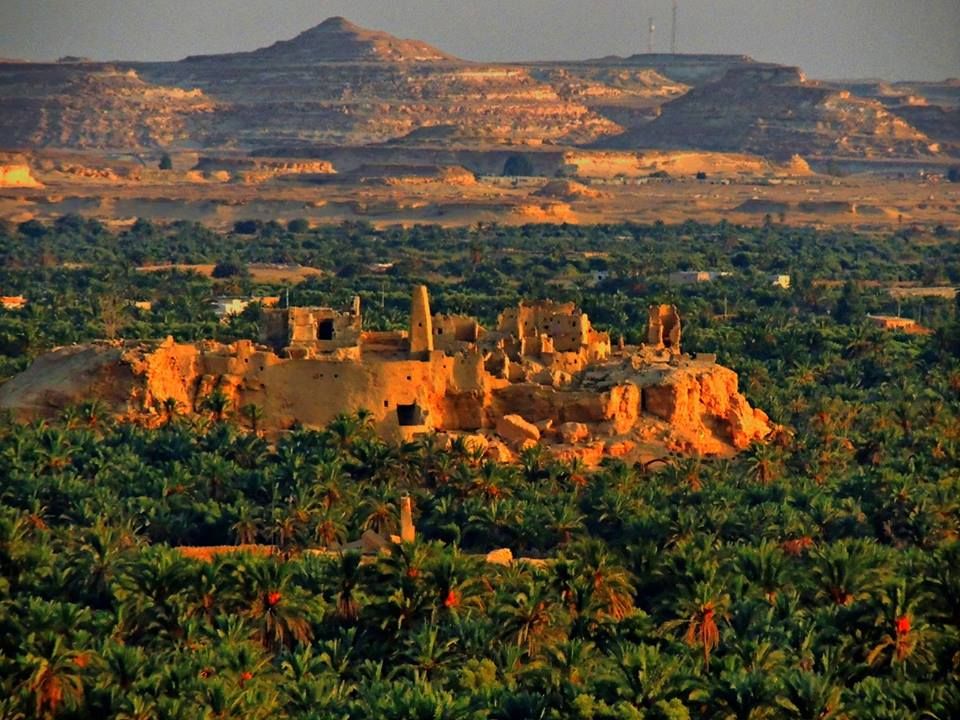
Hidden within the breathtaking landscapes of Egypt’s remote Siwa Oasis, the Temple of the Oracle stands as one of the country’s most fascinating and mysterious ancient monuments. For centuries, this sacred sanctuary attracted rulers, pilgrims, and travelers seeking divine guidance from the powerful Oracle of Amun. Surrounded by golden desert scenery and steeped in legends, the temple remains a symbol of spirituality, wisdom, and the enduring legacy of Ancient Egyptian civilization.

Built during the 26th Dynasty, the Temple of the Oracle gained worldwide fame when Alexander the Great journeyed across the harsh Western Desert in 331 BC to consult the oracle. According to ancient accounts, the priests of Amun confirmed his divine status, a moment that significantly influenced his reign and helped shape the course of history. This remarkable event transformed the temple into one of the most celebrated religious centers of the ancient world.

Today, the Temple of the Oracle continues to captivate visitors with its rich historical significance, unique architecture, and breathtaking location overlooking the palm groves and salt lakes of Siwa Oasis. Although time has left parts of the structure in ruins, its spiritual atmosphere and historical importance remain remarkably preserved. Walking through its ancient stone walls allows travelers to connect with a place where religion, politics, and prophecy once intersected in extraordinary ways.

Whether you are passionate about archaeology, fascinated by the story of Alexander the Great, or simply searching for one of Egypt’s most unique off-the-beaten-path destinations, the Temple of the Oracle offers an unforgettable journey into the heart of ancient history. Its timeless mysteries, cultural significance, and stunning desert surroundings make it one of the most remarkable treasures waiting to be discovered in Egypt.

1. The History Behind the Temple of the Oracle

The Temple of the Oracle, also known as the Oracle Temple of Amun, is one of the most historically significant monuments in Egypt’s Western Desert. Located atop the ancient Aghurmi Hill in the heart of Siwa Oasis, the temple dates back to the 26th Dynasty of Ancient Egypt, around the 6th century BC. It was dedicated to Amun, one of the most revered deities in the Egyptian pantheon, who was worshipped as the king of the gods and the protector of pharaohs. Over time, the temple evolved into a renowned center of prophecy and religious consultation, attracting visitors from across Egypt and the Mediterranean world.

The temple’s fame was built upon the belief that the god Amun communicated his divine will through the priests who served within its sacred chambers. Kings, military leaders, and ordinary pilgrims traveled long distances through the desert to seek guidance on matters ranging from political decisions to personal concerns. The Oracle’s reputation grew so powerful that it became one of the most respected religious institutions of the ancient world.

The most famous event in the temple’s history occurred in 331 BC when Alexander the Great arrived at Siwa Oasis after conquering Egypt. Determined to legitimize his rule and establish his divine authority, Alexander undertook a challenging journey across the desert to consult the Oracle of Amun. Ancient historians recorded that the priests welcomed him as the son of Amun, a declaration that strengthened his political position and contributed to the legend that surrounded his reign. This encounter elevated the temple’s status and secured its place in world history.

For centuries, the Temple of the Oracle remained a symbol of spiritual authority and religious influence. Although its role gradually declined with changing political and religious landscapes, the temple continues to stand as a remarkable reminder of Ancient Egypt’s rich heritage and its profound impact on the ancient world.
2. The Location and Geographic Significance

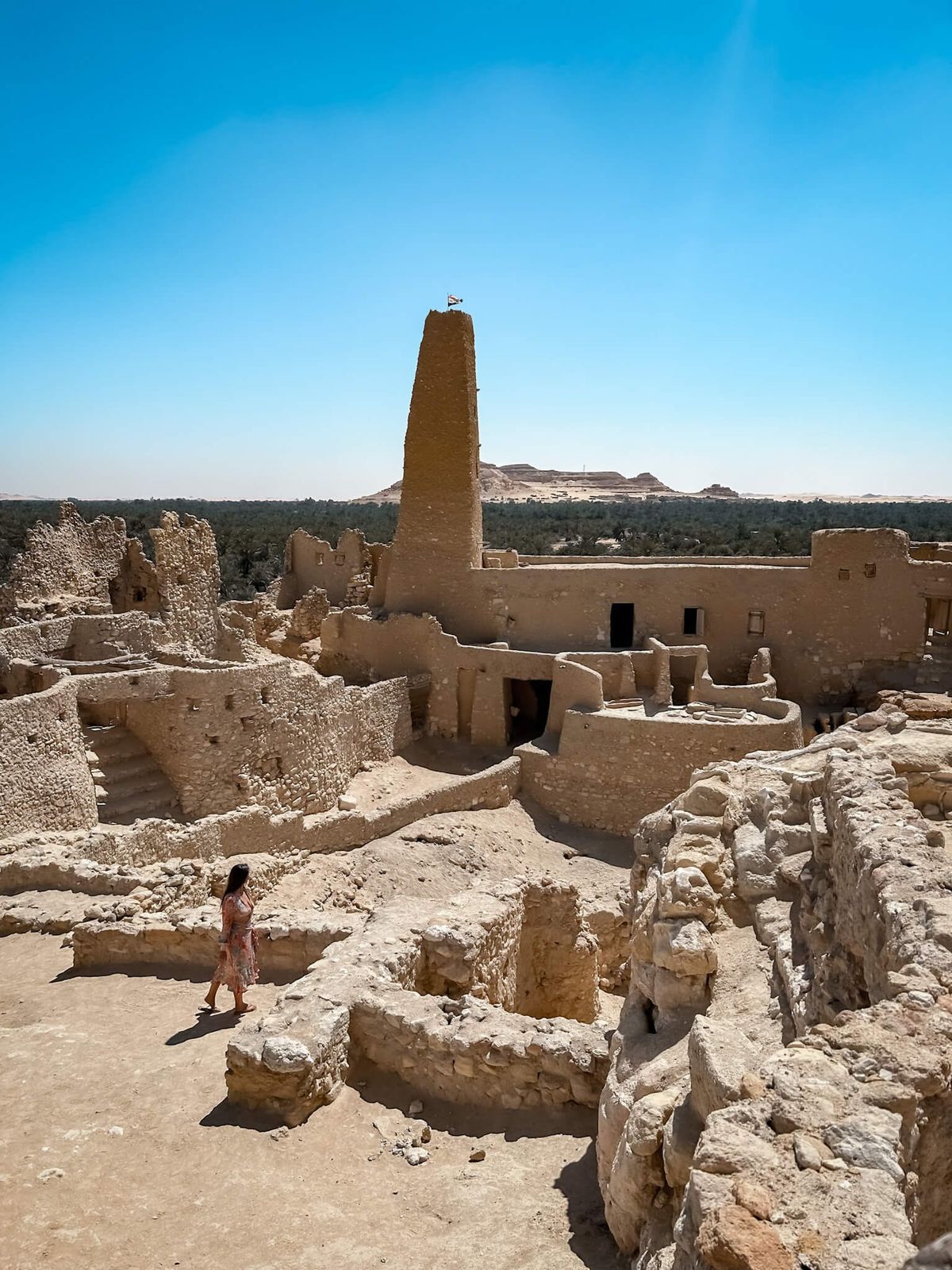
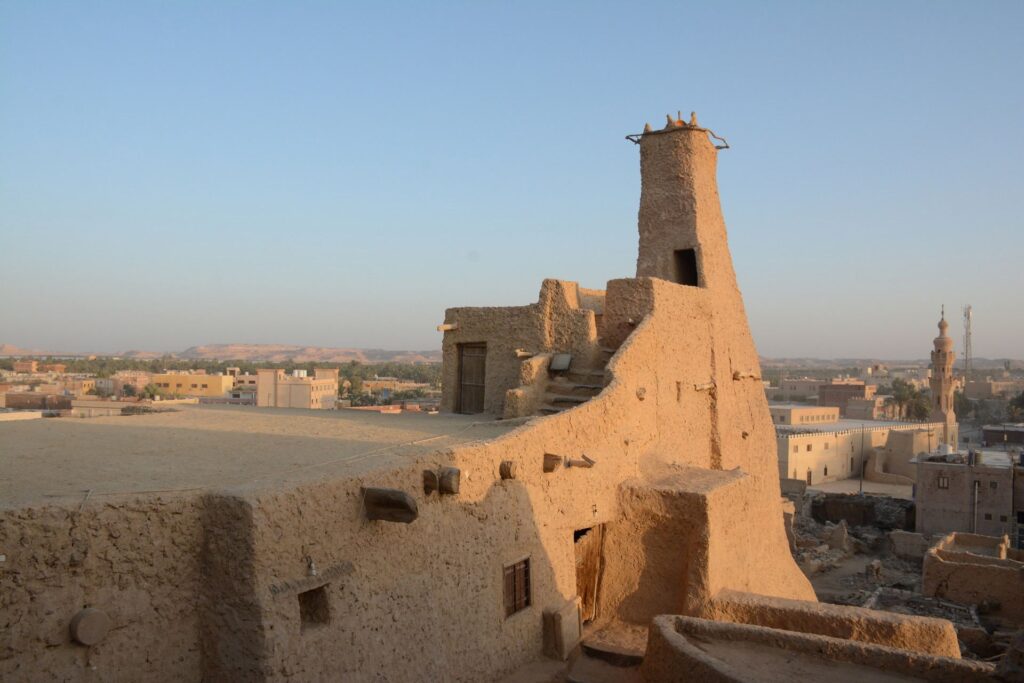
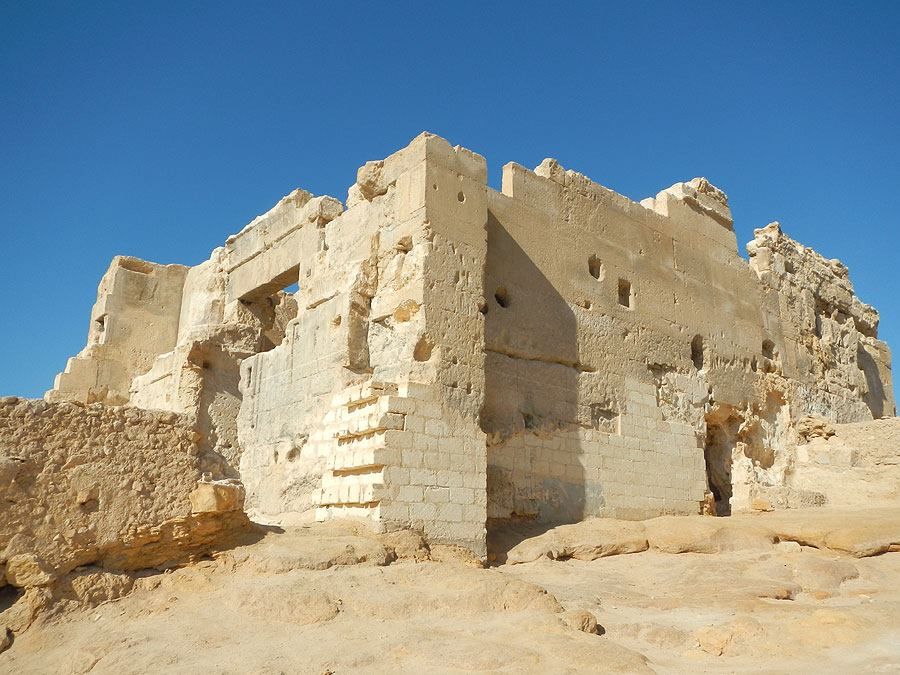
The Temple of the Oracle occupies a spectacular location in Siwa Oasis, one of Egypt’s most isolated and enchanting destinations. Situated approximately 750 kilometers west of Cairo and close to the Libyan border, Siwa Oasis is surrounded by vast stretches of the Sahara Desert. The temple itself stands atop Aghurmi Hill, offering panoramic views of lush palm groves, olive plantations, salt lakes, and the traditional mud-brick settlements that characterize the oasis. This elevated position not only provided natural protection but also enhanced the temple’s sacred and commanding presence.

The geographic isolation of Siwa played a crucial role in the development of the Oracle’s reputation. Ancient travelers considered the oasis a mysterious and distant place where divine wisdom could be sought away from the distractions of major cities. The challenging journey required to reach the temple added to its spiritual prestige, as only the most determined pilgrims, rulers, and seekers could undertake the arduous desert crossing.

Despite its remote location, Siwa Oasis occupied an important position along ancient trade routes connecting Egypt with North Africa. Merchants, travelers, and diplomats passing through the region contributed to the spread of the Oracle’s fame far beyond Egypt’s borders. As stories of the temple’s prophetic powers circulated throughout the Mediterranean world, visitors arrived from distant lands to seek answers from the god Amun.

Today, the temple’s location remains one of its most attractive features. Visitors can experience the unique beauty of Siwa Oasis while exploring one of Egypt’s most fascinating archaeological sites. The combination of dramatic desert landscapes, rich cultural traditions, and profound historical significance creates an unforgettable atmosphere that distinguishes the Temple of the Oracle from other ancient monuments in Egypt. Its setting perfectly reflects the sense of mystery and spirituality that has surrounded the site for more than two thousand years.
3. Who Built the Temple of the Oracle and Why?

The Temple of the Oracle was constructed during the 26th Dynasty of Ancient Egypt, a period often referred to as the Saite Period, which lasted from approximately 664 to 525 BC. Although historians continue to debate the precise details of its construction, it is generally believed that the temple was commissioned by Egyptian rulers who sought to strengthen the worship of Amun and expand religious influence throughout Egypt’s western territories. The oasis of Siwa had long been considered a sacred place, making it an ideal location for establishing an important religious center dedicated to the powerful god.

The primary purpose of the temple was to serve as a sanctuary where priests could communicate the will of Amun to worshippers. Ancient Egyptians believed that the gods actively influenced human affairs and could provide guidance on critical matters. Through rituals, ceremonies, and sacred consultations, the priests interpreted divine messages and delivered them to those seeking answers. This function transformed the temple into one of the most respected oracle centers in the ancient world.

The choice of Siwa Oasis as the temple’s location was far from accidental. Its remote desert setting contributed to an atmosphere of mystery and spiritual isolation. Ancient people often associated distant and secluded places with divine power, believing that they offered a closer connection to the gods. By establishing the temple in such a unique environment, its builders reinforced the perception that the Oracle possessed extraordinary wisdom and supernatural authority.

Beyond its religious role, the temple also served political purposes. Egyptian rulers understood the influence of religion on society and used major temples to reinforce their legitimacy and authority. By supporting the Oracle of Amun, they strengthened their connection to one of Egypt’s most important deities. The temple’s enduring reputation, particularly after the visit of Alexander the Great, demonstrates the success of its founders in creating a sanctuary whose influence would extend far beyond the borders of Egypt and survive for centuries.
4. Architectural Features and Design of the Temple of the Oracle

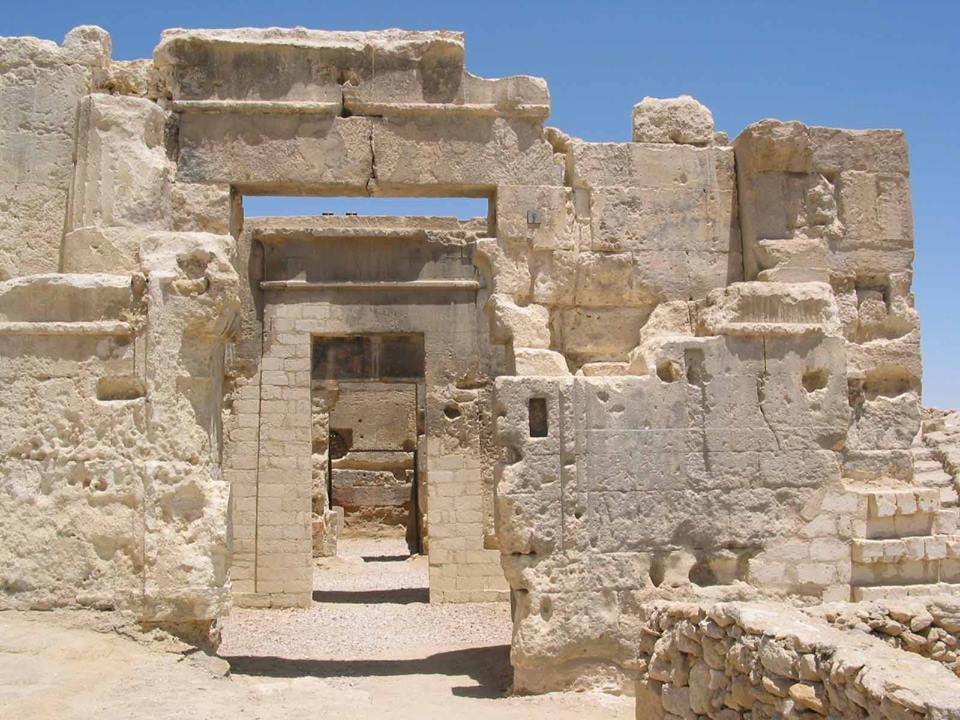
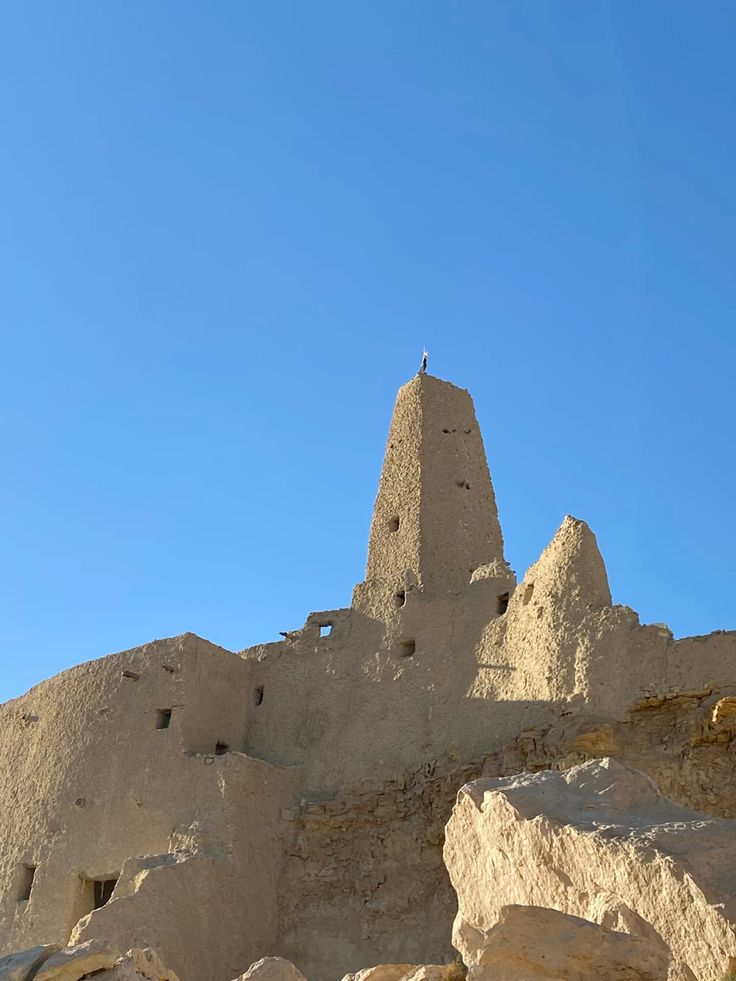
The Temple of the Oracle is not only famous for its historical and religious significance but also for its distinctive architectural design, which reflects the ingenuity of Ancient Egyptian builders. Perched atop Aghurmi Hill in Siwa Oasis, the temple was strategically positioned to dominate the surrounding landscape, creating a powerful visual impression for visitors approaching the sacred site. Although centuries of weathering and natural erosion have damaged parts of the structure, the remaining ruins still reveal important details about its original construction and architectural beauty.

Built primarily from local limestone, the temple was designed according to traditional Egyptian architectural principles while incorporating features suitable for its desert environment. The structure originally consisted of several chambers, corridors, and sanctuaries dedicated to religious ceremonies and consultations with the Oracle of Amun. Thick stone walls provided protection from the harsh desert climate, helping to maintain a cooler interior environment and preserve the sacred atmosphere within the temple.

One of the most remarkable aspects of the temple’s design is its elevated location. The builders intentionally selected the summit of Aghurmi Hill to emphasize the spiritual importance of the sanctuary. From this vantage point, priests and worshippers could overlook the palm groves, salt lakes, and fertile lands of Siwa Oasis. The elevated setting also reinforced the belief that the temple served as a bridge between the earthly world and the divine realm of the gods.

Inside the temple, sacred chambers were carefully arranged to accommodate religious rituals and consultations. It is believed that certain rooms were reserved exclusively for priests, who interpreted the messages of Amun and delivered them to pilgrims seeking guidance. Narrow passageways and enclosed spaces enhanced the sense of mystery that surrounded the Oracle, making each visit a deeply spiritual experience.

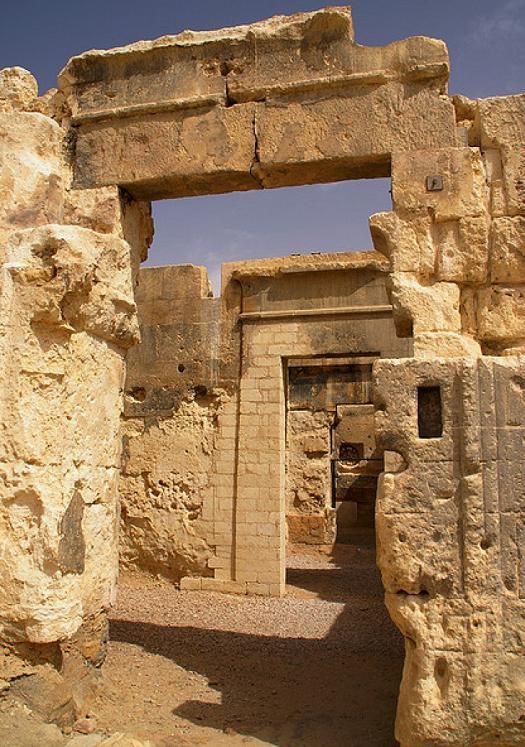
Today, visitors can still observe many of the temple’s surviving architectural elements, including portions of its walls, foundations, and ceremonial rooms. Despite the passage of more than two millennia, the Temple of the Oracle remains a fascinating example of Ancient Egyptian architecture and a testament to the skill of the craftsmen who created one of Egypt’s most legendary religious sanctuaries.

5. The Most Important Attractions Within the Temple of the Oracle

Although the Temple of the Oracle is smaller than many of Egypt’s grand temple complexes, it contains several fascinating features that continue to attract historians, archaeologists, and travelers from around the world. Every section of the temple played a role in its religious function, contributing to the mysterious atmosphere that made the Oracle of Amun one of the most respected spiritual institutions of the ancient world.

One of the most significant areas within the temple is the sacred sanctuary, where priests conducted religious ceremonies and interpreted the divine messages of Amun. This chamber was considered the holiest part of the complex and was accessible only to selected priests and important visitors. Ancient pilgrims believed that the god communicated through the priests, making the sanctuary the spiritual heart of the temple.

Visitors can also explore the remains of the temple’s ceremonial halls and passageways. These interconnected spaces were used for religious rituals, processions, and consultations. The narrow corridors and enclosed chambers create an atmosphere of mystery, allowing modern visitors to imagine the experience of ancient worshippers seeking answers from the Oracle. Despite the effects of time, many structural details remain visible and provide valuable insights into the temple’s original layout.

Another notable attraction is the temple’s elevated position on Aghurmi Hill. While not a specific chamber, this location is one of the site’s greatest highlights. From the temple ruins, visitors can enjoy breathtaking panoramic views of Siwa Oasis, including vast palm groves, traditional villages, and shimmering salt lakes. The stunning scenery adds to the temple’s sense of isolation and spiritual significance.

The surviving stone walls themselves are also important attractions. Their weathered appearance reflects more than two thousand years of history, preserving the legacy of a site that once influenced kings and conquerors. Together, these architectural and historical features make the Temple of the Oracle one of the most unique and rewarding monuments to explore in Egypt’s Western Desert.

6. Religious and Cultural Significance of the Temple

The Temple of the Oracle held an extraordinary position in the religious and cultural life of the ancient world. Dedicated to Amun, one of Ancient Egypt’s most powerful gods, the temple served as a sacred center where divine guidance was believed to be revealed through the Oracle. For centuries, people traveled across deserts and distant lands to seek wisdom, blessings, and answers to important questions concerning their lives, kingdoms, and future endeavors.

In Ancient Egyptian religion, Amun was regarded as the king of the gods and a symbol of creation, power, and divine authority. The priests of the Temple of the Oracle were believed to possess a unique ability to communicate with him. Through sacred rituals, ceremonies, and consultations, they interpreted the will of the deity and provided guidance to rulers and pilgrims alike. This role elevated the temple far beyond the status of an ordinary religious sanctuary.

The temple’s cultural importance extended well beyond Egypt’s borders. Its reputation spread throughout the Mediterranean world, attracting visitors from Greece, North Africa, and other neighboring regions. The most famous visitor was Alexander the Great, whose consultation with the Oracle became one of the defining moments of his life. According to historical accounts, the priests recognized him as the son of Amun, reinforcing his authority and strengthening his image as a divinely chosen ruler.

The Temple of the Oracle also played a vital role in shaping the identity of Siwa Oasis. The sanctuary transformed the remote oasis into a destination of international importance, bringing together people from different cultures and backgrounds. This exchange of ideas, beliefs, and traditions enriched the cultural landscape of the region and contributed to its historical significance.

Today, the temple remains a powerful symbol of Egypt’s spiritual heritage. Its enduring legacy continues to fascinate visitors who seek to understand the beliefs, traditions, and religious practices that shaped one of the world’s greatest civilizations.

7. Fascinating Facts and Hidden Secrets of the Temple of the Oracle

The Temple of the Oracle is surrounded by countless mysteries, legends, and intriguing stories that have fascinated historians and travelers for centuries. While its historical importance is well documented, many aspects of the temple continue to spark curiosity and debate. These fascinating facts and hidden secrets contribute to the enduring allure of one of Egypt’s most enigmatic ancient sites.

Perhaps the most famous mystery associated with the temple is the visit of Alexander the Great in 331 BC. Historical sources confirm that Alexander traveled across the harsh Western Desert to consult the Oracle of Amun, but the exact details of the consultation remain unknown. Ancient historians recorded that the priests greeted him as the son of Amun, yet the precise words spoken during the meeting were never revealed. This secrecy has inspired countless theories about what Alexander was told and how it influenced his future ambitions.

Another intriguing aspect of the temple is its reputation for prophecy. Ancient visitors firmly believed that the Oracle possessed the ability to predict future events and provide divine guidance. Although modern scholars generally attribute these prophecies to the interpretations of highly respected priests, the temple’s reputation for supernatural wisdom spread throughout the Mediterranean world and attracted pilgrims from distant regions.

The location of the temple itself adds to its mystery. Hidden within the remote Siwa Oasis and surrounded by vast desert landscapes, the sanctuary was often viewed as a place where the boundary between the human and divine worlds became blurred. Many ancient travelers considered the difficult journey to the oasis part of a spiritual pilgrimage that prepared them to receive sacred wisdom.

Archaeologists have also uncovered evidence suggesting that the temple once played a more complex religious and political role than previously believed. Ongoing research continues to reveal new details about its construction, ceremonies, and influence on regional affairs.

Even today, visitors often describe a unique atmosphere surrounding the temple. Whether inspired by its remarkable history, its connection to Alexander the Great, or its breathtaking desert setting, the Temple of the Oracle remains a place filled with wonder, mystery, and timeless fascination.

8. Archaeological Discoveries and Research at the Temple of the Oracle

The Temple of the Oracle has been the focus of archaeological interest for many decades, providing valuable insights into the religious, cultural, and political history of Ancient Egypt. Although the temple is smaller than many of the country’s more famous monuments, its historical significance has made it an important site for researchers seeking to understand the role of oracles and sacred sanctuaries in the ancient world. Through excavations, surveys, and ongoing studies, archaeologists have uncovered evidence that continues to shed light on the temple’s remarkable past.

One of the most important discoveries at the site has been the identification of architectural features that reveal how the temple functioned as a center of worship and consultation. Researchers have studied the remains of sanctuaries, ceremonial chambers, and passageways, helping to reconstruct the layout of the ancient structure. These findings suggest that the temple was carefully designed to support religious rituals while creating an atmosphere of mystery and reverence for visitors seeking guidance from the Oracle of Amun.

Archaeological investigations have also provided valuable information about the relationship between the temple and the surrounding community of Siwa Oasis. Artifacts discovered in and around the site indicate that the sanctuary played a significant role in local life, serving as both a religious center and a symbol of political authority. Pottery fragments, inscriptions, and architectural remains have helped researchers better understand the daily activities that took place within the temple complex.

The connection between the temple and Alexander the Great remains one of the most fascinating areas of study. While no direct inscription documenting his visit has been found, historical accounts and archaeological evidence strongly support the tradition that he traveled to Siwa to consult the Oracle. This association continues to attract scholarly attention and contributes to the temple’s global fame.

Today, ongoing research and conservation efforts aim to preserve the Temple of the Oracle for future generations. Each new discovery enhances our understanding of this extraordinary sanctuary, ensuring that its history, mysteries, and cultural significance remain an important part of Egypt’s archaeological heritage.

9. Visitor Experience and Things to Do at the Temple of the Oracle

A visit to the Temple of the Oracle offers a unique opportunity to explore one of Egypt’s most mysterious and historically significant landmarks. Unlike the crowded archaeological sites found in major tourist destinations, the temple provides a peaceful and authentic experience that allows visitors to connect with the rich history of Siwa Oasis. Surrounded by stunning desert landscapes, palm groves, and traditional settlements, the site offers much more than a simple sightseeing excursion.

One of the main activities for visitors is exploring the temple ruins themselves. Walking through the ancient chambers and passageways allows travelers to imagine the ceremonies and consultations that once took place within these sacred walls. The atmosphere of the site is enhanced by its remote location and centuries-old stone structures, creating an unforgettable sense of discovery.

Photography enthusiasts will find countless opportunities to capture breathtaking images. The temple’s elevated position on Aghurmi Hill provides spectacular views of Siwa Oasis, making it one of the best panoramic viewpoints in the region. Visitors can photograph the contrast between the golden desert, green palm groves, and sparkling salt lakes that surround the site.

Many travelers also combine their visit to the Temple of the Oracle with nearby attractions such as Shali Fortress, Cleopatra’s Spring, the Mountain of the Dead, and Siwa’s famous salt lakes. Exploring these sites offers a deeper understanding of the oasis’s unique culture and history.

For those interested in local traditions, a visit to Siwa provides an opportunity to experience the distinctive customs, cuisine, and hospitality of the Siwan people. Together, these experiences make a trip to the Temple of the Oracle a memorable journey into both ancient history and living culture.

10. Best Time to Visit the Temple of the Oracle

Choosing the right time to visit the Temple of the Oracle can greatly enhance the overall experience. Located in the heart of the Western Desert, Siwa Oasis experiences a desert climate characterized by hot summers and mild winters. Understanding seasonal weather conditions helps visitors plan a comfortable and enjoyable trip to this remarkable archaeological site.

The best time to visit the Temple of the Oracle is between October and April, when temperatures are significantly cooler and more pleasant for outdoor exploration. During these months, daytime temperatures are generally comfortable, allowing visitors to spend extended periods exploring the temple and other attractions throughout Siwa Oasis. The mild weather also makes activities such as desert excursions, sightseeing, and photography much more enjoyable.

Winter months, particularly from November to February, are considered the peak tourist season in Siwa. During this period, visitors can expect clear skies, refreshing temperatures, and ideal conditions for exploring the oasis. The cooler climate creates a perfect environment for walking through the temple ruins while enjoying panoramic views of the surrounding landscapes.

In contrast, the summer season from May to September can be extremely hot, with temperatures often exceeding 40°C (104°F). While the temple remains open to visitors, sightseeing during midday can be challenging due to the intense heat. Travelers visiting during summer are advised to explore early in the morning or late in the afternoon when temperatures are more manageable.

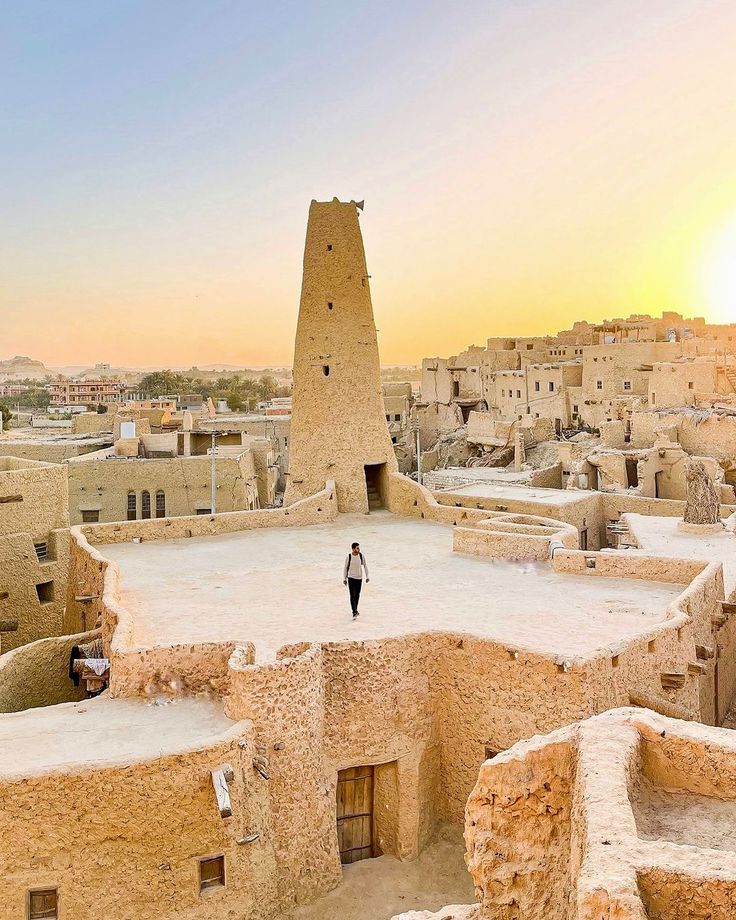
Sunrise and sunset are particularly magical times to visit the Temple of the Oracle. The soft golden light enhances the beauty of the ancient stone ruins and creates spectacular photography opportunities. Regardless of the season, planning a visit during these hours allows travelers to experience the site at its most atmospheric and visually stunning.

11. Travel Tips for First-Time Visitors

Visiting the Temple of the Oracle is a rewarding experience, but proper planning can make the journey even more enjoyable. Because Siwa Oasis is one of Egypt’s most remote destinations, first-time visitors should prepare carefully to ensure a smooth and memorable trip. A few practical travel tips can help travelers make the most of their visit while fully appreciating the history and beauty of this extraordinary site.

One of the most important recommendations is to allow sufficient time for exploring Siwa Oasis. While the Temple of the Oracle is a major attraction, the oasis is home to many other fascinating landmarks, including Shali Fortress, Cleopatra’s Spring, Fatnas Island, and the famous salt lakes. Spending at least two or three days in Siwa allows visitors to experience the region’s full charm and cultural richness.

Comfortable clothing and footwear are essential, especially when exploring archaeological sites and desert landscapes. Lightweight clothing, a hat, sunglasses, and sunscreen are highly recommended, particularly during warmer months. Visitors should also carry plenty of water to stay hydrated while sightseeing.

Hiring a knowledgeable local guide can greatly enhance the experience. Guides provide valuable historical context, explain the significance of the temple’s various features, and share local legends that may not be found in guidebooks. Their insights help bring the history of the Oracle to life.

Photography lovers should bring a quality camera or smartphone, as the temple and surrounding oasis offer exceptional photo opportunities. Early morning and late afternoon provide the best lighting conditions for capturing the beauty of the site.

Finally, visitors are encouraged to respect the archaeological remains and local traditions. Preserving this unique cultural heritage ensures that future generations will continue to enjoy and learn from one of Egypt’s most remarkable historical treasures.

12. Conclusion: Discover the Timeless Legacy of the Temple of the Oracle

The Temple of the Oracle stands as one of Egypt’s most fascinating and historically significant monuments, offering visitors a unique opportunity to explore a site where religion, politics, and legend once converged. Nestled within the breathtaking landscapes of Siwa Oasis, this ancient sanctuary has captivated travelers, historians, and archaeologists for centuries. Its association with the powerful god Amun and the legendary visit of Alexander the Great has secured its place among the most remarkable landmarks of the ancient world.

Beyond its historical importance, the temple represents the enduring spiritual heritage of Ancient Egypt. The sacred chambers, weathered stone walls, and elevated position atop Aghurmi Hill continue to evoke a sense of mystery and wonder, allowing modern visitors to imagine the profound experiences of those who once sought guidance from the famous Oracle. Every corner of the site tells a story of faith, wisdom, and the pursuit of divine knowledge.

A visit to the Temple of the Oracle is more than a journey into the past; it is an opportunity to experience the extraordinary beauty of Siwa Oasis and discover one of Egypt’s most unique destinations. Surrounded by palm groves, salt lakes, and vast desert landscapes, the temple offers an unforgettable combination of natural scenery and cultural heritage. Whether you are passionate about ancient history, interested in archaeology, or simply looking for an off-the-beaten-path adventure, the site provides a truly rewarding experience.

As one of the hidden treasures of Egypt’s Western Desert, the Temple of the Oracle continues to inspire curiosity and admiration. Its rich history, architectural significance, and timeless mysteries ensure that it remains a must-visit destination for travelers seeking to uncover the secrets of one of the world’s greatest civilizations. Exploring this legendary sanctuary is a journey through history that leaves a lasting impression on every visitor.

The Temple of the Oracle : Frequently Asked Questions

The Temple of the Oracle is famous for being one of the most important religious sites in the ancient world. Dedicated to the god Amun, the temple served as a center of prophecy where priests delivered divine guidance to rulers and pilgrims. It is particularly renowned for the visit of Alexander the Great in 331 BC, when he consulted the Oracle and was reportedly declared the son of Amun.

The Temple of the Oracle is located in Siwa Oasis, a remote and beautiful desert oasis in Egypt’s Western Desert. The temple stands atop Aghurmi Hill, approximately 750 kilometers west of Cairo and near Egypt’s border with Libya. Its elevated position offers spectacular views of the oasis and surrounding landscapes.

Alexander the Great traveled to the Temple of the Oracle after conquering Egypt to seek confirmation of his divine status and legitimacy as a ruler. According to ancient accounts, the priests of Amun recognized him as the son of the god, a declaration that strengthened his authority and contributed to his legendary reputation.

Visitors can explore the remains of the ancient sanctuary, including its stone walls, ceremonial chambers, passageways, and foundations. The site also offers stunning panoramic views of Siwa Oasis, making it an excellent destination for history enthusiasts, photographers, and travelers seeking a unique cultural experience.

The best time to visit the Temple of the Oracle is between October and April when temperatures are mild and comfortable for sightseeing. Winter months are particularly popular due to pleasant weather conditions, making it easier to explore both the temple and the many attractions of Siwa Oasis.