
Welcome to

The Magnificent Mosque of Muhammad Ali: Cairo’s Iconic Alabaster Masterpiece

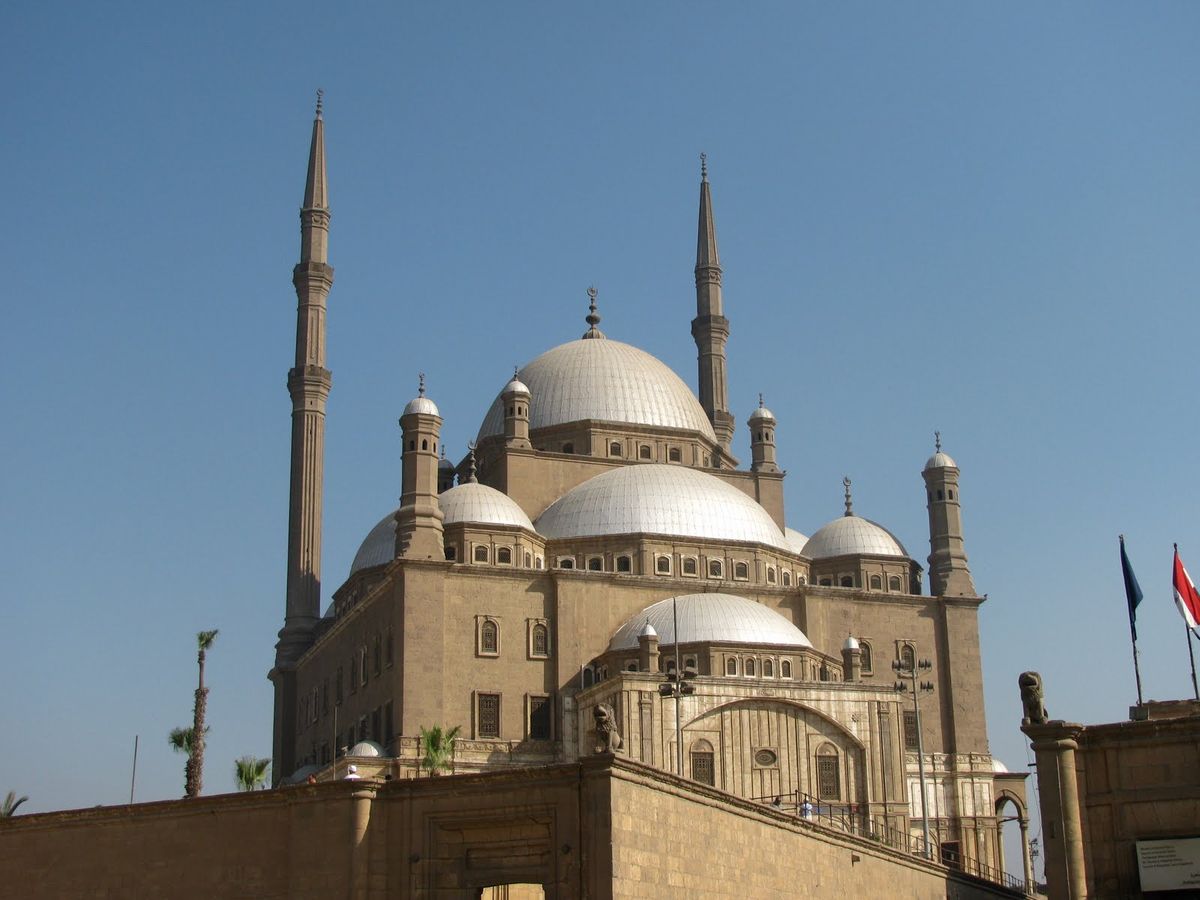
The Mosque of Muhammad Ali is one of Cairo’s most breathtaking Islamic landmarks and the undeniable centerpiece of the Citadel of Salah El Din. Often referred to as the Alabaster Mosque due to the extensive use of smooth alabaster stone throughout its interior and exterior, this magnificent structure dominates Cairo’s skyline with its soaring domes, elegant courtyards, and striking twin minarets. Built in the 19th century by Muhammad Ali Pasha, the founder of modern Egypt, the mosque stands as both a religious masterpiece and a powerful symbol of Egypt’s transformation during a period of modernization and political ambition.

Stepping into the Mosque of Muhammad Ali is an unforgettable experience. The vast prayer hall immediately impresses visitors with its grand scale, intricate Ottoman-inspired architecture, ornate chandeliers, beautifully decorated ceilings, and richly detailed interior design. The atmosphere inside is both majestic and peaceful, offering a striking contrast to the busy energy of Cairo beyond the Citadel walls. For travelers interested in Islamic architecture in Egypt, the mosque remains one of the finest examples of Ottoman influence in the country.

Beyond its architectural beauty, the mosque carries deep historical significance. Commissioned in memory of Muhammad Ali’s son, Tusun Pasha, the mosque became a statement of power, legacy, and national identity during one of Egypt’s most transformative historical eras. Its elevated position within the Citadel also provides some of the most spectacular panoramic views across Cairo, making it not only a place of worship and history, but also one of the city’s most rewarding sightseeing experiences.

Whether you are passionate about architecture, photography, history, or cultural exploration, the Mosque of Muhammad Ali remains one of Cairo’s most unforgettable attractions and an essential highlight of any visit to the Citadel of Salah El Din.

1. A Masterpiece of Ottoman Architecture in the Heart of Cairo

The Mosque of Muhammad Ali stands as one of Cairo’s most extraordinary architectural masterpieces, offering visitors a remarkable glimpse into Egypt’s Islamic heritage and Ottoman artistic influence. Located within the historic Citadel of Salah El Din, this magnificent mosque dominates Cairo’s skyline with its soaring domes, elegant twin minarets, and grand symmetrical design. Built in the 19th century by Muhammad Ali Pasha, widely regarded as the founder of modern Egypt, the mosque was created not only as a place of worship, but also as a bold architectural statement reflecting power, ambition, and transformation during one of Egypt’s most defining historical eras.

Walking toward the mosque is an unforgettable experience, as its immense scale and elegant design immediately capture attention. Inspired by the great imperial mosques of Istanbul, the structure reflects classic Ottoman architectural principles, with a vast central dome, graceful semi-domes, ornate detailing, and an impressive open courtyard that enhances its monumental beauty. Unlike older Islamic mosques in Cairo that reflect Mamluk or Fatimid styles, the Mosque of Muhammad Ali offers visitors a distinctly different architectural experience that feels both grand and internationally inspired.

For architecture enthusiasts, photographers, and cultural travelers, the mosque offers one of the most visually striking experiences in Cairo. Every angle presents elegant proportions, intricate craftsmanship, and timeless beauty that make the building one of Egypt’s most recognizable Islamic landmarks. It is far more than a religious monument—it is an architectural icon that symbolizes Egypt’s connection between tradition, modernization, and imperial artistic influence.
2. The Stunning Interior of the Alabaster Mosque

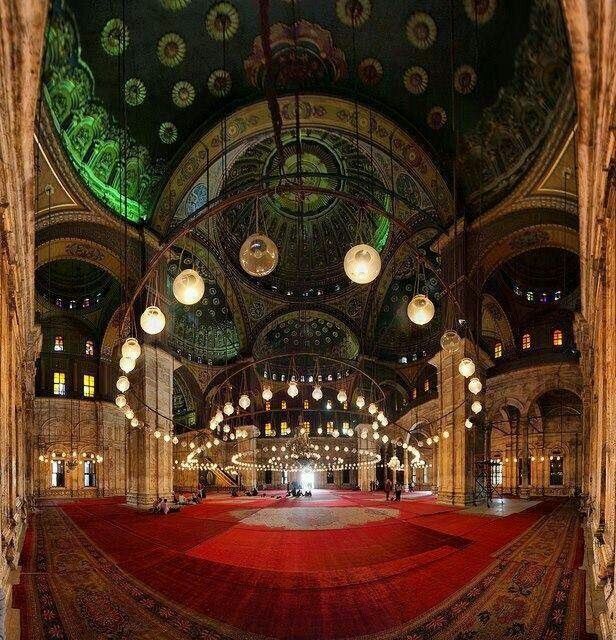
Stepping inside the Mosque of Muhammad Ali reveals one of the most breathtaking interiors in all of Cairo, where grandeur, artistry, and spiritual atmosphere come together in extraordinary harmony. Often called the Alabaster Mosque because of the smooth alabaster stone that decorates much of its interior and lower walls, the mosque offers visitors an immediate sense of elegance and magnificence. The immense prayer hall, soaring domes, suspended chandeliers, decorative arabesque details, and richly ornamented ceilings create an unforgettable visual experience that leaves a lasting impression on every visitor.

The design of the interior reflects classic Ottoman influence, with a spacious central prayer area that emphasizes openness, symmetry, and dramatic vertical scale. Sunlight filtering through beautifully arranged windows adds warmth and depth to the decorative details, creating a peaceful and majestic ambiance. The combination of soft natural light, elegant architectural proportions, and intricate craftsmanship transforms the mosque into one of Cairo’s most captivating sacred spaces.

Beyond its visual beauty, the interior also offers a sense of calm and reflection that contrasts with the busy city beyond the Citadel walls. Whether visitors arrive for cultural exploration, photography, or spiritual appreciation, the experience of standing beneath the grand domes of the Mosque of Muhammad Ali is truly unforgettable. It remains one of the most rewarding architectural interiors to explore in Egypt.
3. Spectacular Panoramic Views Over Cairo

One of the most unforgettable highlights of visiting the Mosque of Muhammad Ali is the extraordinary panoramic view it offers over Cairo. Thanks to its elevated location within the Citadel of Salah El Din, the mosque provides some of the most breathtaking city views in the Egyptian capital, allowing visitors to admire Cairo from a completely different perspective. Stretching across historic districts, modern neighborhoods, countless mosque minarets, and distant landmarks, the scenery creates one of the most memorable visual experiences in the city.

The mosque’s terraces and surrounding open spaces offer ideal vantage points for sightseeing and photography. On clear days, visitors may even catch distant glimpses of the Pyramids on the horizon, adding an extra sense of wonder to the experience. The contrast between the grandeur of the mosque’s Ottoman domes and the sprawling urban landscape below creates a dramatic visual composition that perfectly captures Cairo’s blend of ancient heritage and modern life.

Beyond its beauty, these panoramic views also enhance the historical significance of the location. Standing at this elevated point helps visitors understand why the Citadel served as Cairo’s strategic political and military center for centuries. Whether visited in the soft light of morning or during the golden tones of sunset, the panoramic views from the Mosque of Muhammad Ali remain one of the most unforgettable highlights of any Cairo journey.
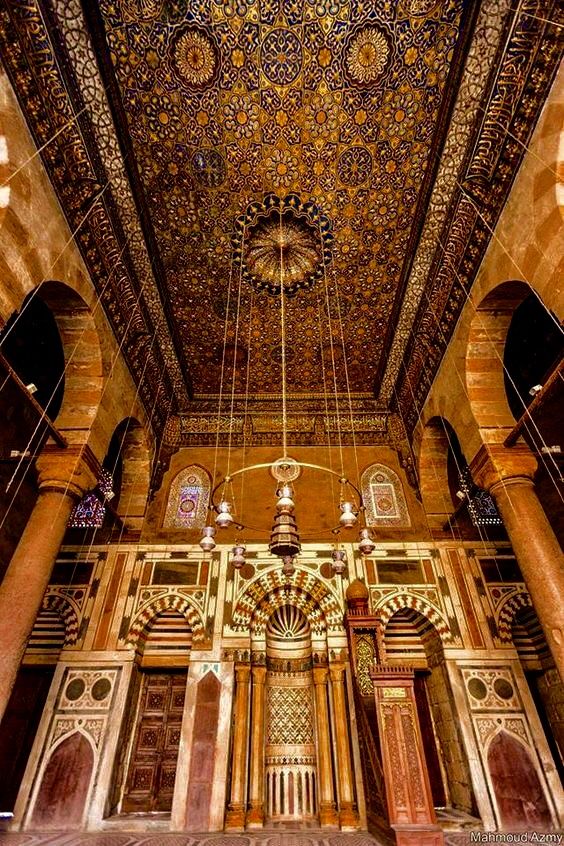


4. A Photographer’s Paradise: Capturing the Beauty of the Mosque of Muhammad Ali

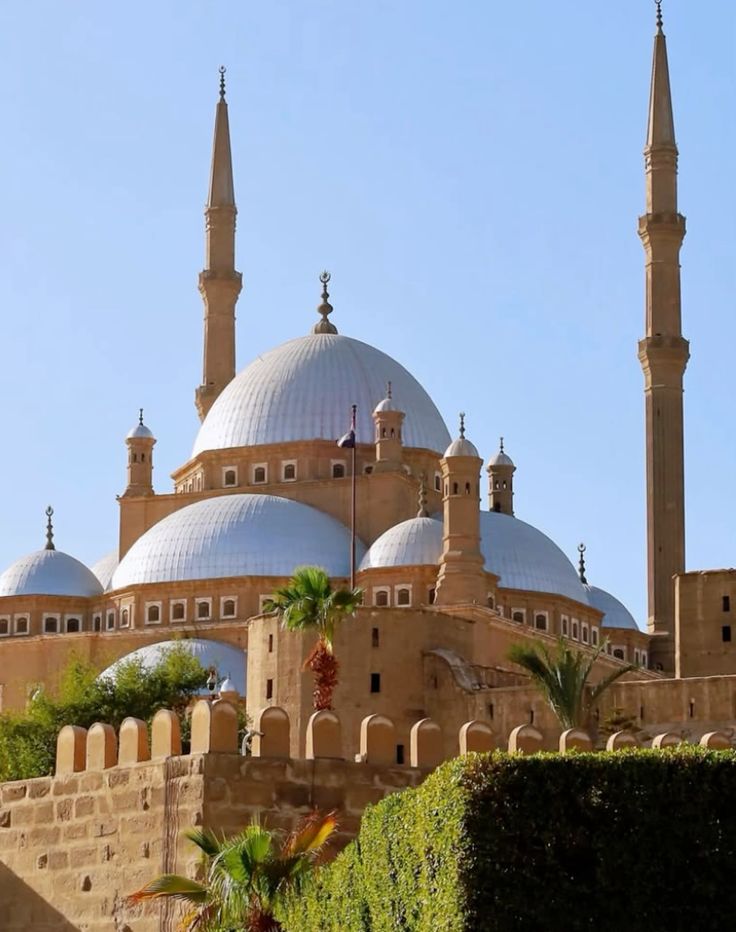
The Mosque of Muhammad Ali is not only one of Cairo’s most iconic Islamic landmarks, but also one of the city’s most spectacular destinations for photographers and travelers who appreciate extraordinary architecture. Every corner of this magnificent mosque offers breathtaking visual opportunities, from its soaring Ottoman-style domes and elegant twin minarets to its grand open courtyard, intricate decorative details, and dramatic panoramic views over Cairo. For visitors interested in travel photography in Egypt, the mosque provides one of the most rewarding and visually unforgettable experiences in the city.

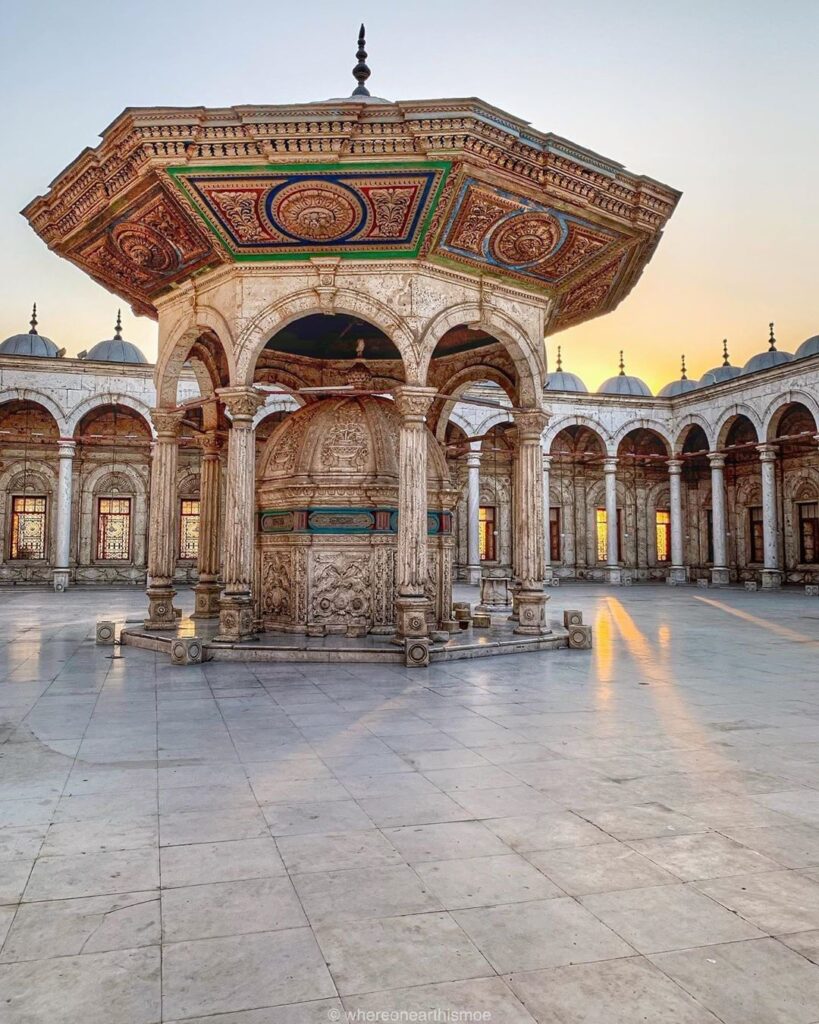
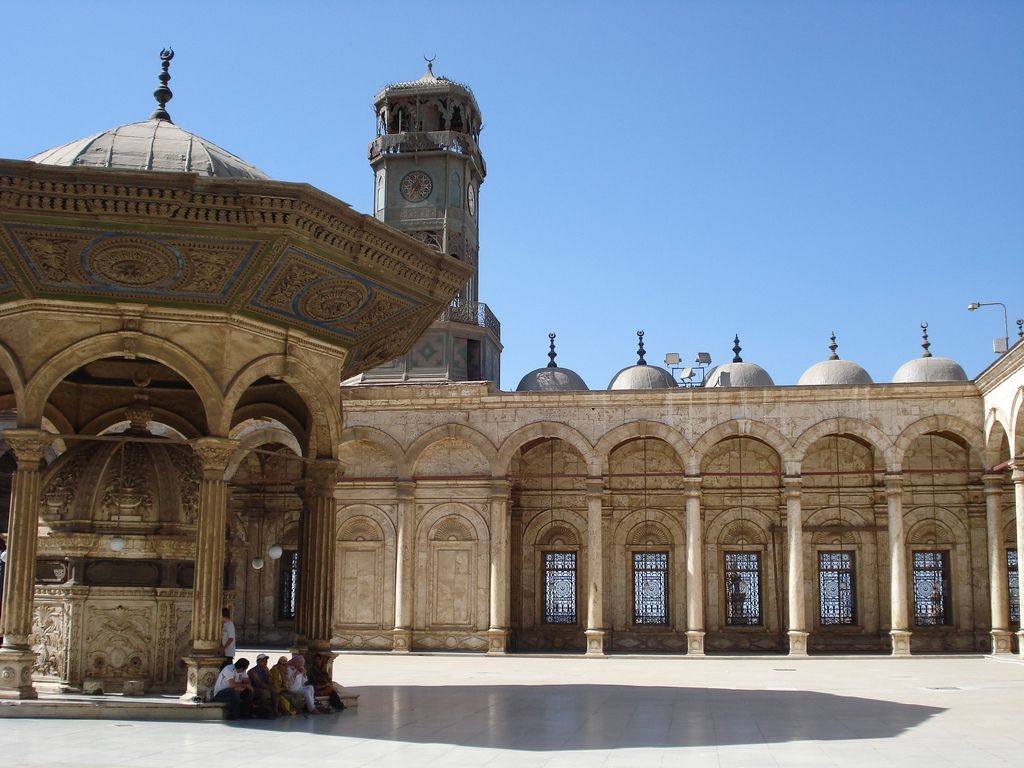
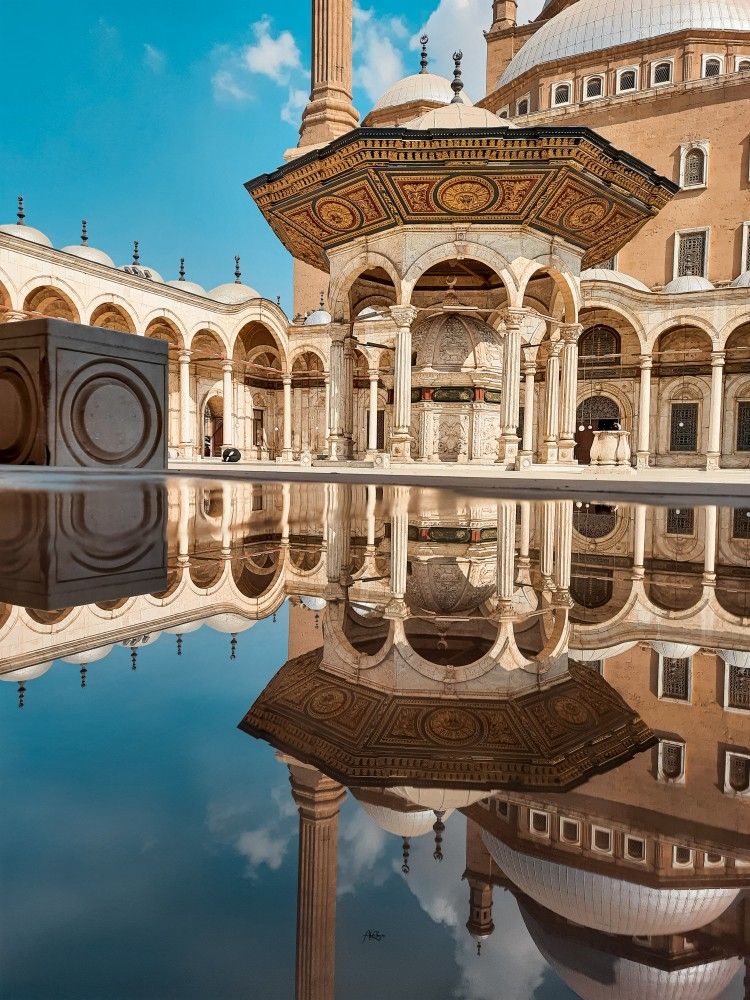
Walking through the mosque with a camera feels like exploring a masterpiece of architectural design. The contrast between the smooth alabaster surfaces, ornate chandeliers, richly decorated ceilings, and the vast open prayer hall creates endless opportunities for striking interior photography. Outside, the elegant courtyard with its symmetrical arches and open skyline views offers equally stunning compositions, especially for those seeking dramatic architectural shots or atmospheric travel images.

Lighting plays a major role in the photography experience. Morning visits often provide softer natural light and clearer skies for panoramic city shots, while late afternoon bathes the mosque in warm golden tones that enhance its grandeur and atmosphere. Whether capturing intricate details inside the prayer hall, panoramic views from the Citadel, or the majestic silhouette of the mosque itself, photographers of every level will find endless inspiration here. The Mosque of Muhammad Ali remains one of Cairo’s most photogenic and unforgettable landmarks.

5. The Historical Legacy of Muhammad Ali Pasha

Beyond its breathtaking architecture, the Mosque of Muhammad Ali carries profound historical significance as a symbol of one of Egypt’s most transformative eras. Commissioned by Muhammad Ali Pasha, widely recognized as the founder of modern Egypt, the mosque reflects a period of political ambition, modernization, and sweeping reform that reshaped the nation in the 19th century. Built in memory of his son, Tusun Pasha, the mosque became far more than a place of worship—it became a lasting statement of power, legacy, and national identity.

Walking through the mosque, visitors are not simply admiring a beautiful building, but stepping into a chapter of Egyptian history marked by dramatic change. Muhammad Ali’s influence extended far beyond architecture, as he transformed Egypt’s military, economy, governance, and international standing. The grandeur of the mosque reflects his desire to create a monument that would symbolize strength, prestige, and the modernization of the Egyptian state.

For history enthusiasts, the mosque offers a fascinating connection between architecture and political history. It stands as a physical reminder of a leader whose legacy continues to shape Egypt’s historical narrative. Visiting the mosque provides not only visual inspiration, but also deeper insight into the ambitions and historical transformations that defined modern Egyptian identity.

6. Spiritual Atmosphere and Religious Significance

The Mosque of Muhammad Ali remains not only an architectural masterpiece, but also an active place of worship that carries deep spiritual and religious significance. As one of Cairo’s most important Islamic landmarks, the mosque continues to welcome worshippers and visitors alike, offering an atmosphere of peace, reflection, and reverence within one of the city’s busiest historical districts. This living spiritual presence gives the mosque a deeper meaning that extends far beyond its visual beauty.

Stepping inside the grand prayer hall, visitors immediately notice the calm and sacred ambiance that fills the space. The vast domes, filtered natural light, elegant chandeliers, and harmonious architectural design create an environment that encourages quiet contemplation and spiritual appreciation. Even for non-Muslim visitors exploring the mosque as a cultural landmark, the atmosphere offers a powerful sense of serenity and respect.

Its religious importance also adds depth to the visitor experience, reminding travelers that this is not merely a preserved monument, but a functioning sacred space woven into Cairo’s ongoing spiritual life. Whether arriving for worship, cultural exploration, or architectural admiration, the mosque offers a meaningful experience that beautifully blends faith, history, and artistic achievement.

7. Sunset Magic: When the Mosque Becomes Truly Breathtaking

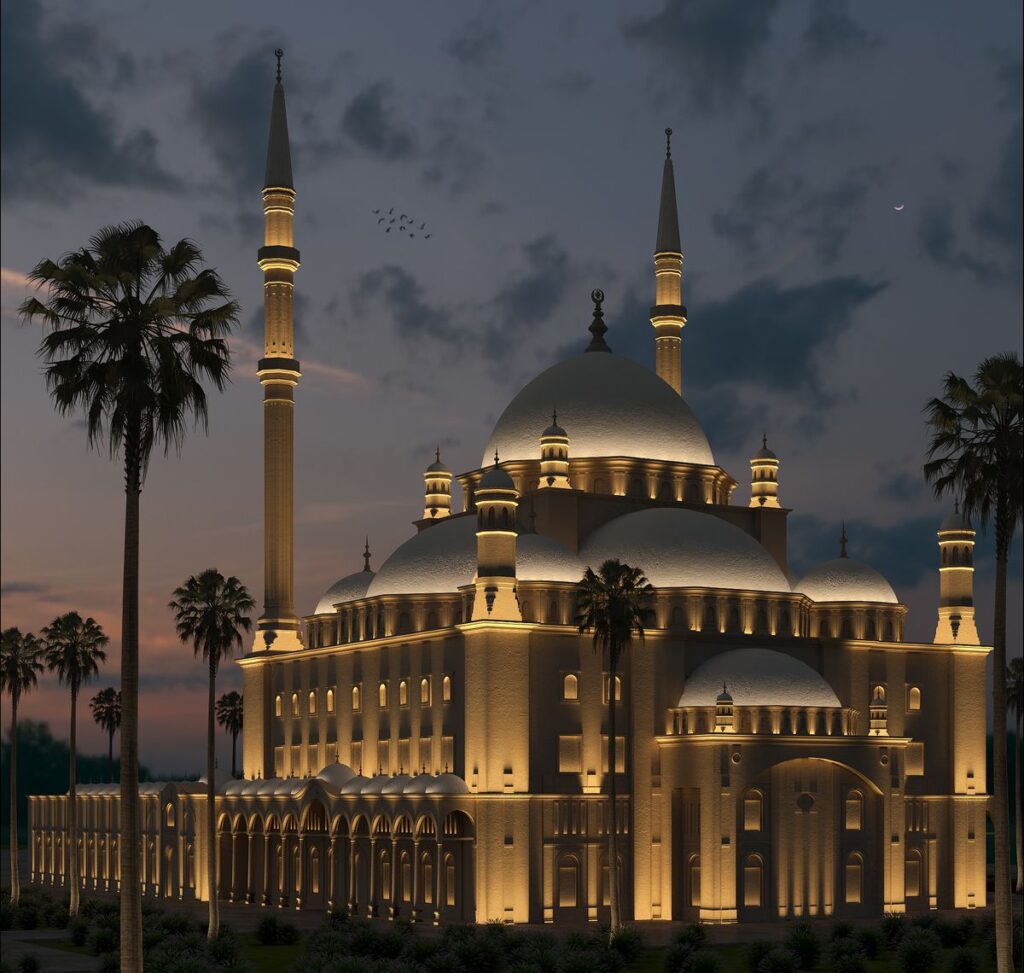
While the Mosque of Muhammad Ali is magnificent at any hour, many visitors believe it becomes especially unforgettable during the late afternoon and sunset. As warm golden sunlight begins to wash across the alabaster walls, domes, and elegant courtyard, the entire mosque takes on a magical atmosphere that feels both peaceful and awe-inspiring. This is one of the most visually rewarding times to experience one of Cairo’s most iconic landmarks.

The elevated setting within the Citadel makes sunset particularly spectacular, as visitors can watch the vast Cairo skyline gradually glow beneath the fading daylight. The combination of the mosque’s majestic Ottoman silhouette and the endless urban panorama creates one of the most dramatic and memorable scenes in the city. Photographers, couples, and cultural travelers often find this to be one of the most enchanting moments of their Cairo experience.

Beyond the visual beauty, sunset adds an emotional depth to the visit. Standing in a place of such historical and spiritual significance while watching Cairo transition from day to evening creates a powerful connection between past and present. Rather than simply visiting a famous attraction, travelers experience a timeless moment where architecture, history, and atmosphere come together in extraordinary harmony.

8. A Gateway to Cairo’s Islamic Heritage and Historic Wonders

The Mosque of Muhammad Ali is far more than a magnificent standalone landmark—it serves as one of the most remarkable gateways to exploring Cairo’s rich Islamic heritage and historic treasures. Located within the iconic Citadel of Salah El Din, the mosque places visitors at the heart of one of Cairo’s most culturally significant districts, where centuries of religious architecture, political history, and artistic achievement come together. For travelers seeking a deeper understanding of Cairo beyond its ancient monuments, the mosque offers the perfect starting point for a broader cultural journey.

Its location makes it easy to combine the mosque with several of Cairo’s most famous Islamic landmarks, including Sultan Hassan Mosque, Al-Rifa’i Mosque, Al-Azhar Mosque, and the historic streets of Islamic Cairo. This allows visitors to create a seamless full-day cultural experience filled with architectural masterpieces, religious heritage, and historic exploration. Few places in Cairo offer such immediate access to such a rich concentration of iconic Islamic attractions.

Beyond convenience, the mosque provides important historical context for understanding Cairo’s evolution as a center of faith, governance, and architectural excellence. As part of the Citadel complex, the mosque stands within a location that once served as Egypt’s political and military heart for centuries. Exploring the Mosque of Muhammad Ali alongside nearby landmarks creates a richer appreciation for Cairo’s enduring cultural identity, making it one of the most rewarding experiences for history lovers, architecture enthusiasts, and first-time visitors alike.

9. Hidden Details and Unexpected Discoveries Inside the Mosque

One of the most rewarding aspects of visiting the Mosque of Muhammad Ali is discovering the hidden details and subtle architectural features that many visitors may initially overlook. Beyond its grand domes, soaring minarets, and dramatic panoramic views, the mosque reveals countless smaller artistic treasures that add depth and character to the experience. Intricate decorative patterns, beautifully crafted arches, ornate chandeliers, carved details, and carefully balanced architectural symmetry create an environment where every corner offers something fascinating to admire.

Taking time to explore beyond the first impression allows visitors to fully appreciate the extraordinary craftsmanship that defines this iconic landmark. The quiet corners of the prayer hall, the elegant open courtyard, and the delicate decorative elements all reveal the level of artistry and precision that went into creating one of Cairo’s most remarkable religious monuments. Unlike attractions that impress only at first glance, the Mosque of Muhammad Ali continues to reveal new details the longer visitors spend exploring.

For architecture enthusiasts, photographers, and culturally curious travelers, these unexpected discoveries often become some of the most memorable parts of the visit. Rather than simply viewing the mosque as a famous landmark, visitors gain a deeper appreciation for its artistic sophistication and historical richness. In the Mosque of Muhammad Ali, some of the most unforgettable moments are found in the quiet beauty of its hidden details.

10. Practical Tips for Visiting the Mosque of Muhammad Ali

A visit to the Mosque of Muhammad Ali is one of the most unforgettable cultural experiences in Cairo, and a little preparation can make the visit even smoother and more enjoyable. Since the mosque is located within the Citadel of Salah El Din, visitors should plan for a moderate amount of walking across open courtyards, stone pathways, and historic grounds. Wearing comfortable shoes is highly recommended, especially for those combining the mosque with a broader Citadel tour.

As an active place of worship, respectful dress is important when visiting the mosque. Modest clothing that covers shoulders and knees is recommended, and visitors should be prepared to remove their shoes before entering the prayer area if required. Bringing water and sun protection can also be helpful, particularly during warmer months, as parts of the Citadel complex are exposed to direct sunlight.

Morning visits are ideal for cooler temperatures, softer lighting, and fewer crowds, while late afternoon offers breathtaking golden light and spectacular panoramic views over Cairo. Travelers interested in photography should especially consider these times for the best visual experience. Combining the mosque with nearby Islamic landmarks creates a richer cultural itinerary and allows visitors to fully appreciate Cairo’s extraordinary historic heritage.

11. Why the Mosque of Muhammad Ali Should Be on Every Cairo Travel Itinerary

While Cairo is famous for its pyramids, museums, and ancient monuments, the Mosque of Muhammad Ali offers a completely different but equally unforgettable side of Egypt’s cultural identity. It is one of the city’s most iconic Islamic landmarks, combining extraordinary architecture, political history, spiritual significance, and breathtaking panoramic views in a single destination. For travelers seeking a deeper understanding of Cairo beyond the pharaonic era, the mosque provides one of the most rewarding and visually stunning experiences in the city.

What makes the mosque truly exceptional is its remarkable variety of experiences. In a single visit, travelers can admire grand Ottoman-inspired architecture, explore one of Cairo’s most magnificent interiors, experience a living place of worship, enjoy spectacular city views, and connect with the legacy of one of Egypt’s most influential historical leaders. Few attractions offer such a rich blend of beauty, culture, history, and atmosphere in one location.

For architecture lovers, photographers, cultural explorers, and first-time visitors alike, the Mosque of Muhammad Ali represents an essential Cairo experience. It captures the elegance of Islamic design, the spirit of Egypt’s modern transformation, and the timeless beauty of Cairo’s historic skyline. Whether included in a larger Citadel tour or visited as a dedicated cultural stop, the Mosque of Muhammad Ali remains one of Egypt’s most unforgettable landmarks that should never be missed.

12. An Unforgettable Farewell to the Mosque of Muhammad Ali

As your journey through the Mosque of Muhammad Ali comes to an end, you leave with far more than beautiful photographs of domes, minarets, and panoramic city views—you leave with a deeper appreciation for one of Cairo’s most magnificent architectural and cultural landmarks. Few places in Egypt combine such extraordinary beauty, spiritual atmosphere, political history, and artistic craftsmanship within a single destination. From the elegant alabaster walls and soaring Ottoman-style domes to the peaceful prayer halls and breathtaking views over Cairo, every moment inside the mosque tells a story of ambition, faith, and timeless grandeur.

What makes the Mosque of Muhammad Ali truly unforgettable is not only its architectural splendor, but the immersive experience it offers to every visitor. It is a place where history feels alive, where spiritual tradition continues, and where the legacy of one of Egypt’s most transformative leaders remains visible in every carefully crafted detail. Whether you arrived seeking cultural discovery, architectural inspiration, photography opportunities, or simply one of Cairo’s most iconic attractions, the mosque delivers an experience that stays with you long after the visit ends.

As you continue your journey through Egypt, the elegance and atmosphere of the Mosque of Muhammad Ali will remain one of the most vivid memories of your time in Cairo. It is far more than a historic mosque—it is a living symbol of Egypt’s cultural richness, artistic achievement, and enduring spiritual heritage. For anyone seeking to experience the true beauty and historical depth of Cairo, the Mosque of Muhammad Ali remains a landmark that should never be missed.

Mosque of Muhammad Ali : Frequently Asked Questions

The Mosque of Muhammad Ali is famous for being one of Cairo’s most iconic Islamic landmarks and one of Egypt’s finest examples of Ottoman architecture. Often called the Alabaster Mosque, it is known for its magnificent domes, elegant twin minarets, richly decorated interiors, and breathtaking panoramic views over Cairo from its location within the Citadel of Salah El Din.

The mosque is commonly known as the Alabaster Mosque because large sections of its interior and exterior lower walls are covered in smooth alabaster stone, giving the building its distinctive elegant appearance and soft luminous beauty.

The mosque was commissioned by Muhammad Ali Pasha, the ruler widely regarded as the founder of modern Egypt, and construction began in 1830. It was built in memory of his son, Tusun Pasha, and designed in the Ottoman architectural style inspired by the great mosques of Istanbul.

Yes, the Mosque of Muhammad Ali remains an active place of worship. Visitors are welcome to explore the mosque, but respectful dress and appropriate behavior are expected, especially during prayer times.

Absolutely. Since the mosque is located inside the Citadel of Salah El Din, it can easily be combined with other attractions within the Citadel complex as well as nearby Islamic Cairo landmarks such as Sultan Hassan Mosque, Al-Rifa’i Mosque, and Al-Azhar Mosque, making it an ideal part of a full cultural day tour in Cairo.