
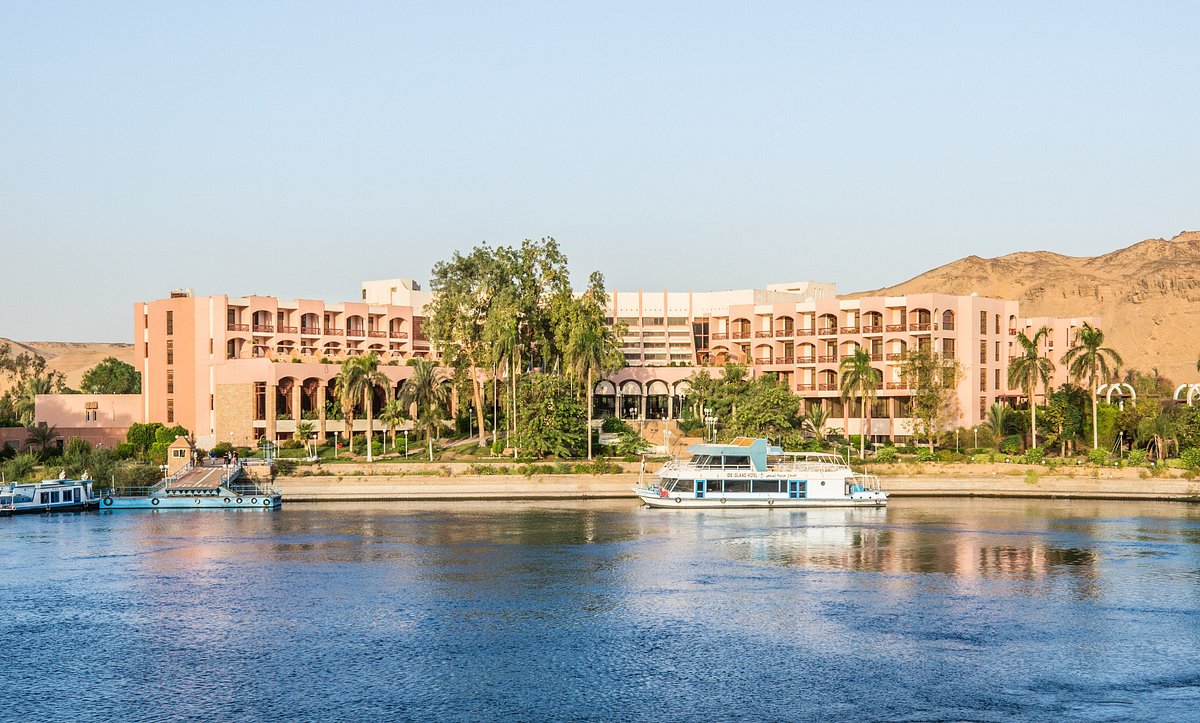
Welcome to

Aswan: The Sun-Kissed Gateway to Nubian Culture and Ancient Wonders

Aswan, the southernmost city in Egypt, sits peacefully along the banks of the Nile, where the river winds through amber-colored desert dunes and massive granite boulders. Often described as Egypt’s most tranquil destination, Aswan serves as the spiritual and cultural gateway to Nubia. For travelers seeking an unforgettable Egypt vacation, this city offers a unique blend of ancient pharaonic monuments, breathtaking natural landscapes, and a vibrant, warm culture that feels distinct from the bustle of Cairo. The city is renowned for its golden sunsets, the rhythmic movement of traditional felucca sailboats, and its deep connection to the history of the Nile. Whether you are exploring the majestic temples that stand as sentinels of time or immersing yourself in the colorful, welcoming atmosphere of a Nubian village, Aswan provides a soulful experience that resonates with history buffs and leisure travelers alike. It is a place where time slows down, allowing you to appreciate the timeless beauty of the river that has nurtured civilization for thousands of years, making it an essential chapter in your journey through Egypt.

1. The Architectural Marvels: Philae Temple and Beyond

The archaeological significance of Aswan is anchored by the breathtaking Temple of Philae, dedicated to the goddess Isis. Situated on an island in the middle of the Nile, this temple was meticulously dismantled and relocated block-by-block to Agilkia Island to save it from the rising waters of Lake Nasser, making it a triumph of modern engineering and heritage preservation. Exploring this site is a highlight of any tour to Egypt, as the reflection of the columns against the surrounding water at sunset creates a scene of ethereal beauty. Beyond Philae, Aswan is home to the Unfinished Obelisk, which offers a rare, firsthand look at the sophisticated ancient stone-carving techniques of the pharaohs. These sites are not just remnants of the past; they are symbols of Egypt’s dedication to preserving its history. For those interested in archaeological tourism in Egypt, Aswan provides a deeper, more intimate connection to the craftsmen and builders who transformed stone into eternal art. Each monument here is a testament to the religious fervor and architectural genius of an era that continues to command awe and admiration from modern visitors.

The Nubian Experience

2. The Nubian Experience: A Splash of Color and Culture

Perhaps the most distinctive aspect of Aswan is its rich and colorful Nubian heritage, which distinguishes it from the rest of the country. A visit to the vibrant Nubian villages, typically reached by a short motorboat ride across the Nile, is an essential part of the Aswan travel experience. These communities are famous for their brightly painted homes, intricate wall decorations, and warm, hospitable residents who have maintained their unique language, customs, and musical traditions for centuries. Engaging with the Nubian culture provides travelers with a genuine insight into a society that has lived in harmony with the Nile since ancient times. You can enjoy traditional Nubian music, sample local delicacies flavored with exotic spices, and shop for unique handicrafts such as woven baskets and beaded jewelry. For those looking for authentic travel experiences in Egypt, the Nubian villages offer a refreshing and heartwarming contrast to the standard tourist circuit. It is a place where cultural exchange happens over a cup of hibiscus tea, allowing you to connect with the living spirit of the region and create memories that are deeply rooted in the heart of the community.

The Felucca Journey

3. The Felucca Journey: Sailing the Timeless Nile

There is no experience more quintessential to Aswan than gliding across the Nile in a traditional felucca. These wind-powered wooden sailboats have been used on the river since antiquity, and they offer a serene, eco-friendly, and profoundly peaceful way to explore the river’s winding paths. As you drift past Elephantine Island and the botanical gardens of Kitchener’s Island, you gain a perspective on the landscape that is simply not possible from the shore. The rhythm of the water against the hull and the sight of the lateen sail silhouetted against a brilliant orange sunset make this one of the most iconic activities in Egypt. It is a moment of pure tranquility, far removed from the city’s noise, where you can simply watch the desert sands meet the river’s edge. For travelers looking to integrate relaxation into their Egypt travel itinerary, a sunset felucca ride is non-negotiable. It captures the very essence of the Nile, emphasizing the connection between the ancient landscape and the travelers who have sought its beauty for generations, turning a simple boat trip into a lifetime highlight .
4. Abu Simbel: A Monumental Encounter with Ramses II

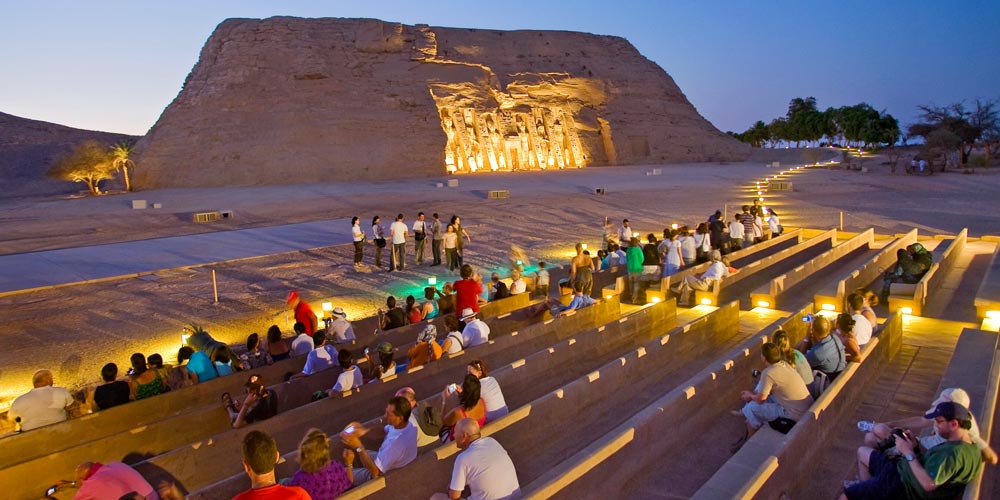
While located a few hours south of the city, the temples of Abu Simbel are intrinsically linked to the Aswan experience and represent one of the most awe-inspiring historical sites in Egypt. Carved directly into a solid rock cliff by Pharaoh Ramses II, these twin temples were designed to showcase the power of Egypt to its southern neighbors and to honor the sun gods. The four colossal statues of Ramses II that guard the entrance are iconic symbols of ancient majesty. What makes Abu Simbel even more remarkable is its modern history; like Philae, the entire complex was moved in the 1960s in a massive international effort to save it from the flooding caused by the High Dam. Visitors often opt for Abu Simbel day tours from Aswan, arriving early to witness the desert light hit the temples. Twice a year, a solar alignment occurs where the sun’s rays penetrate the inner sanctum to illuminate the statues of the gods, a testament to the ancient Egyptians’ astronomical precision. This site is a bucket-list destination for anyone on an Egyptian archaeological tour, offering a sense of scale and ambition that is truly unparalleled in the ancient world.

Aswan

5. The Aswan High Dam: A Feat of Modern Engineering

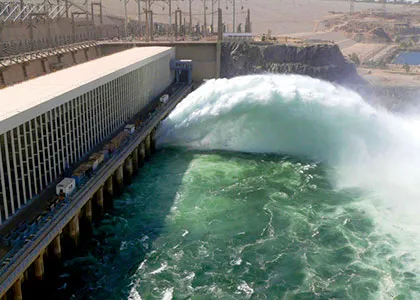
Aswan is not only a guardian of the ancient past but also a hub of modern Egyptian progress, exemplified by the Aswan High Dam. Constructed in the 1960s, this massive granite structure forever changed the landscape of the country by controlling the Nile’s annual floods and providing hydroelectric power to millions. For those interested in modern history in Egypt, a visit to the High Dam offers a fascinating look at the scale of 20th-century engineering and its impact on the nation’s agriculture and economy. From the top of the dam, you can witness the contrast between the Nile River to the north and the vast expanse of Lake Nasser—the world’s largest man-made lake—stretching to the south. The dam stands as a symbol of national pride and a pivotal point in Egypt’s development. While it led to the relocation of several ancient monuments and communities, it remains an essential stop for travelers who want to understand the contemporary infrastructure of Egypt. Standing atop this engineering marvel provides a unique vantage point to appreciate how the Nile continues to be managed and utilized as the lifeblood of the Egyptian people today.

Kitchener’s Island

6. Kitchener’s Island: A Botanical Oasis on the Nile

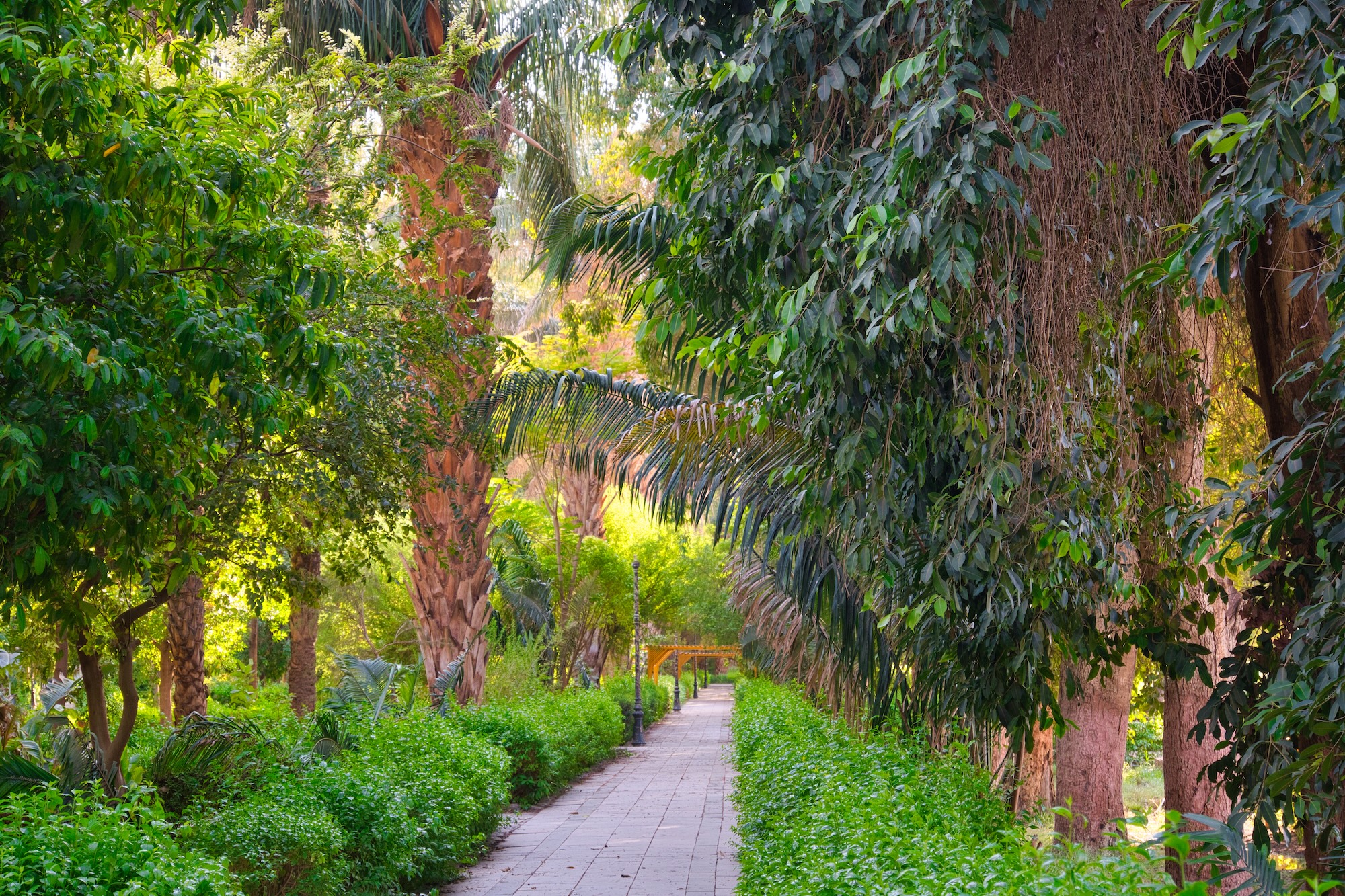
In the middle of the Nile, across from the city of Aswan, lies Kitchener’s Island, home to the stunning Aswan Botanical Garden. This island was gifted to Lord Kitchener in the late 19th century, and he transformed it into a lush sanctuary by planting a vast collection of exotic flora from across Asia and Africa. Today, it serves as a peaceful retreat for travelers seeking nature activities in Egypt, away from the desert heat and temple tours. Walking through the shaded paths of the garden, you are surrounded by rare palm trees, vibrant bougainvillea, and aromatic flowers, all while enjoying panoramic views of the river and the traditional feluccas sailing by. The island is accessible only by boat, making the journey part of the charm. It is a favorite spot for birdwatchers and photographers who wish to capture the green heart of Aswan. Including a visit to the Botanical Garden in your Aswan travel itinerary offers a refreshing change of pace, highlighting the city’s softer, more romantic side. It is a place where the natural beauty of the Nile Valley is celebrated in its most refined form, providing a serene backdrop for reflection during your journey through the south of Egypt.

The Aswan Souk

7. The Aswan Souk: A Sensory Exploration of Spice and Silk

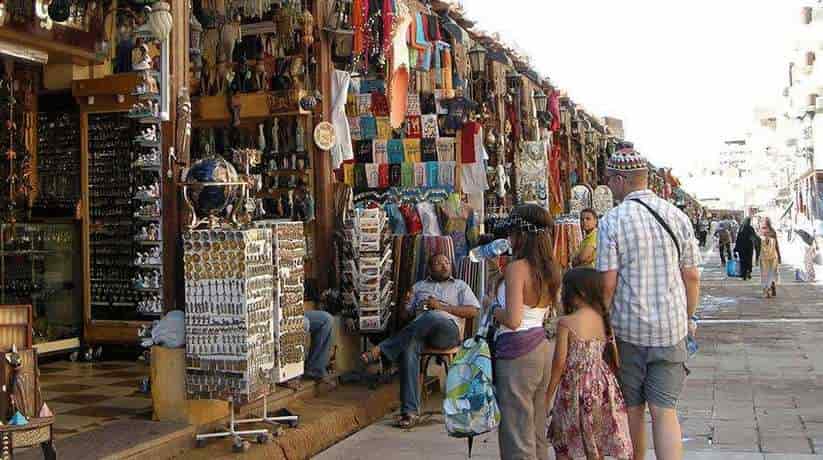
The Aswan Souk, also known as Sharia as-Souq, is one of the most vibrant and colorful marketplaces in all of Egypt. Unlike the sprawling markets of Cairo, the Aswan bazaar has a more intimate, laid-back feel, yet it remains the primary center for traditional Egyptian commerce in the region. As you walk through the lively street, you are greeted by the intoxicating aromas of spices, dried hibiscus (karkade), and aromatic herbs that are famously grown in the surrounding Nubian lands. This is the best place to purchase authentic Nubian handicrafts, including intricately woven baskets, hand-beaded jewelry, and colorful textiles that reflect the artistic heritage of the area. The souk is also the place to find high-quality Egyptian perfumes and oils, which have been traded along the Nile for centuries. Engaging with the friendly merchants, who are known for their hospitality, is an essential part of the Aswan shopping experience. It is not just a place to buy souvenirs; it is a cultural hub where you can observe the daily rhythms of local life, sip tea, and appreciate the craftsmanship that makes Aswan a unique destination for every traveler.

8. Culinary Traditions: Savory Flavors of the South

Aswan’s cuisine is a delightful reflection of its geography and heritage, offering flavors that are distinct from those found in the north of the country. When exploring local food in Egypt, you must try the traditional dishes that define Aswan, which often feature fresh Nile fish, lentils, and the vibrant spices of the Nubian culture. One of the most popular experiences is visiting a local Nubian home or restaurant to taste authentic dishes, often prepared with a blend of Egyptian and Sudanese influences. The use of peanuts, okra, and fresh herbs gives Aswan’s food a unique profile that is both hearty and healthy. For dessert, the date-based treats are legendary; Aswan’s dates are considered some of the finest in the world, and they are incorporated into various sweets, honey-soaked pastries, and natural snacks. Dining along the riverfront at sunset, with a view of the sailboats and the desert hills, elevates the culinary tour of Aswan into a memorable experience. It is a chance to nourish yourself with flavors that tell the story of the river’s bounty and the traditions of the people who have called it home for generations.

Aswan Excursions

9. Practical Logistics: Making the Most of Your Aswan Journey

Planning a trip to Aswan requires a bit of logistical preparation to ensure you fully enjoy the peaceful atmosphere of the city. Aswan is well-connected to Cairo and Luxor via domestic flights and luxury trains, making it a logical stop at either the beginning or end of your Nile Valley tour. For those looking to explore the city and its surrounding islands, private motorboats and local feluccas are the primary and most efficient modes of transport. When it comes to accommodation, Aswan boasts everything from luxury Nile-view hotels—famous for hosting historical figures—to charming boutique guesthouses on the islands, which provide a more immersive and quiet stay. It is highly recommended to plan your sightseeing for the early morning to avoid the peak heat of the afternoon, leaving your evenings free to enjoy the vibrant culture of the souk. Additionally, keep in mind that the Nubian culture is deeply respectful and welcoming, so dressing modestly when visiting village areas is always appreciated. By following these Aswan travel tips, you can navigate the city with ease, ensuring your focus remains on the breathtaking scenery and the ancient history that defines this beautiful corner of Egypt .

The Nubian Museum

10. The Nubian Museum: A Treasury of Preserved History

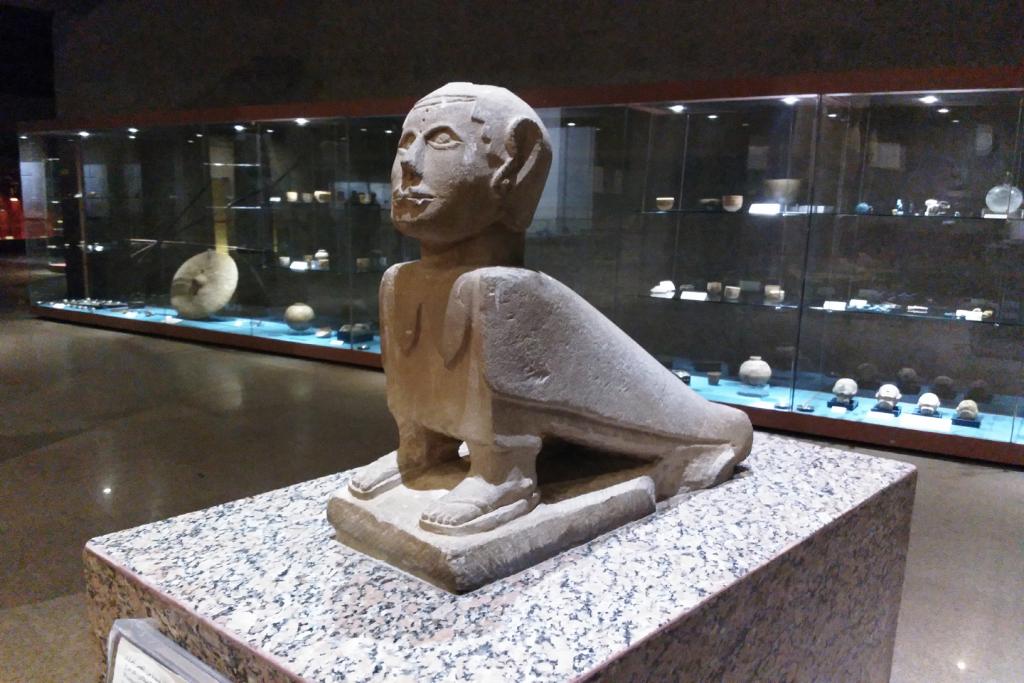
No visit to Aswan is complete without spending time in the Nubian Museum, an architectural and historical landmark that houses a staggering collection of artifacts covering thousands of years of human history. This museum, a UNESCO-awarded project, was built specifically to house the archaeological findings discovered during the salvage operation of the Philae and Abu Simbel temples. For those interested in the historical legacy of Egypt, the museum offers a fascinating journey from the prehistoric era, through the Pharaonic periods, to the rich culture of the modern Nubian people. The exhibits are beautifully curated, featuring statues, pottery, and detailed displays of Nubian architecture and daily life. Walking through these halls provides a deep understanding of the region’s complexity and its importance as a crossroads between Egypt and its African neighbors. Including the Nubian Museum in your Egypt sightseeing tour adds an essential layer of intellectual depth to your trip, allowing you to see the “Big Picture” of how the Nile valley was shaped over millennia. It is a quiet, contemplative space that highlights the importance of preservation in a rapidly changing world.

Festivals and Seasons

11. Festivals and Seasons: The Rhythms of Aswan Life

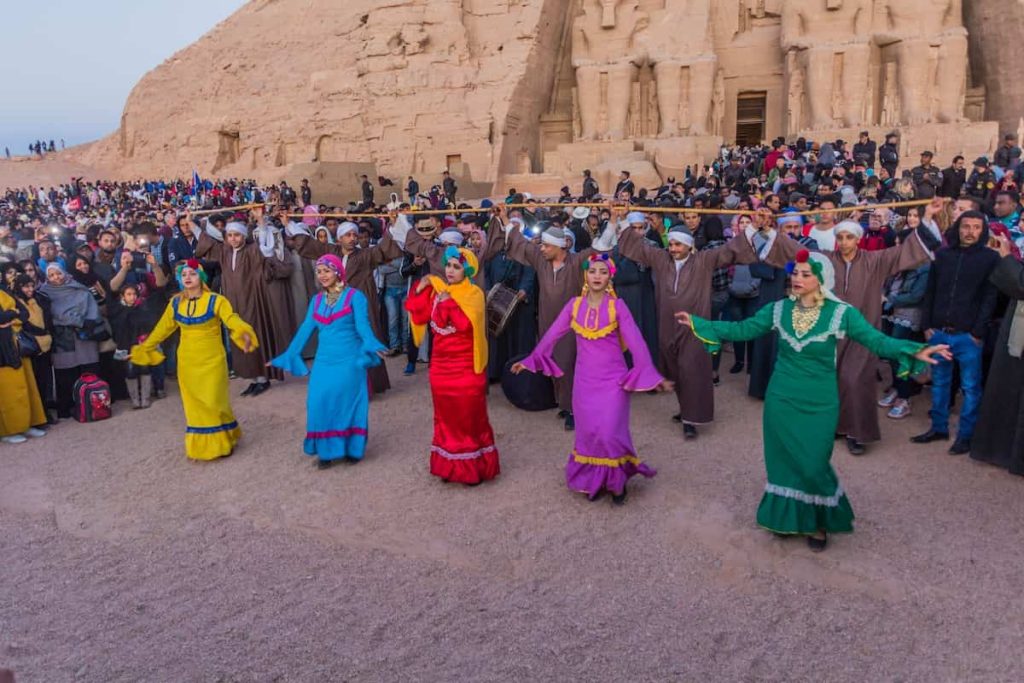
Aswan is a city that moves at the rhythm of the river, and its seasonal festivals reflect this deep connection to nature. The city is particularly famous for the Sun Festival at Abu Simbel, which occurs twice a year (in February and October) and remains one of the most spectacular cultural events in the country. During this time, the city comes alive with music, traditional dance performances, and a palpable sense of excitement that draws travelers from all over the world. Even outside of these major festivals, the winter months (October to April) provide a perfect, temperate climate that makes Aswan an ideal destination for outdoor adventure in Egypt. During these cooler months, you can spend your days hiking through the desert, exploring temples, and your nights enjoying the lively, outdoor atmosphere of the city’s waterfront cafes. Understanding the seasonal pulse of Aswan allows you to better plan your visit, ensuring you can participate in the local celebrations or enjoy the serene desert tranquility that defines this region. Aswan is not just a place to see; it is a place to experience, and timing your visit to its natural and cultural rhythms is key to a truly rewarding trip.

An Unforgettable Farewell to the Soul of the Nile

As you prepare to leave Aswan, you will likely carry with you the serene images of feluccas on the water, the golden hues of the desert at sunset, and the warmth of the Nubian people. Aswan is more than just a city; it is the heartbeat of the Nile and a sanctuary for the soul of ancient Egypt. Whether you came to witness the engineering marvel of the High Dam, the spiritual serenity of Philae, or the vibrant color of a Nubian village, you leave having experienced a destination that is truly unparalleled. It is a vital and beautiful component of any Egypt travel plan, offering a peaceful counterpoint to the intensity of Cairo and the bustle of the north. As you look back on your time here, you will realize that Aswan’s magic lies in its ability to connect you with the very roots of civilization. Start planning your dream trip to Aswan today, and prepare to be enchanted by a city that has been capturing the hearts of travelers for thousands of years. The Land of the Sun and the Nile is waiting for you to discover its secrets and become part of its eternal story.

Aswan: Frequently Asked Questions

The most popular way to travel between Luxor and Aswan is by a multi-day Nile River cruise, which allows you to visit temples like Edfu and Kom Ombo along the way. Alternatively, the train journey is a fast, scenic, and budget-friendly option that takes about 3 to 4 hours, offering beautiful views of the Nile Valley.

Absolutely. Despite the 3-hour drive each way, the Abu Simbel Temples are among the most impressive monuments in Egypt. Witnessing these massive structures carved into the mountainside is an unforgettable experience and a must-do for any traveler visiting Aswan. Most tours depart very early in the morning to avoid the midday heat.

The Nubian Villages, located on the banks of the Nile, are famous for their brightly colored houses, unique architectural style, and the welcoming nature of the local people. They offer a rare opportunity to experience traditional life, sample authentic Nubian food, and purchase handmade crafts that you won’t find anywhere else in Egypt.

The best time to visit Aswan is during the winter months (October to April). The weather is warm and sunny during the day and pleasantly cool at night, making it perfect for temple exploration and outdoor activities like felucca sailing. The summer months (June to August) can be extremely hot, which is something to consider if you are sensitive to high temperatures.

While the Nile in Aswan is beautiful and clean, it is generally recommended to swim only in designated areas or hotel pools. If you wish to experience the water, many travelers enjoy a refreshing dip at private beach resorts or during specific excursions organized by local boat operators who know the safe areas, but swimming directly in the open river is not advised due to currents and varying depths.