
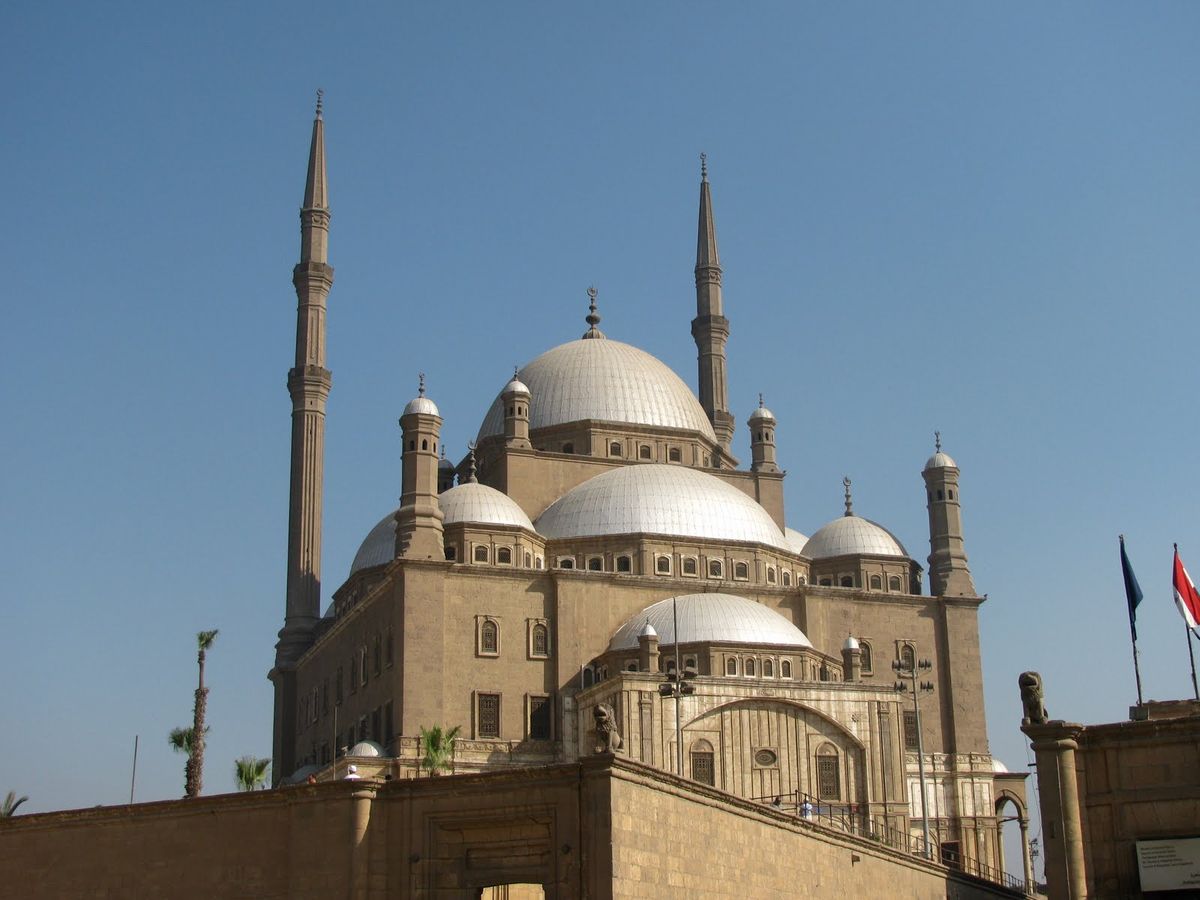
Welcome to

Citadel of Salah El Din: Cairo’s Majestic Fortress of History and Power

Perched high above the bustling streets of Cairo, the Citadel of Salah El Din stands as one of Egypt’s most iconic historical landmarks, offering visitors an extraordinary journey through centuries of military power, Islamic architecture, and royal history. Built in the 12th century by the legendary Sultan Salah El Din (Saladin), this magnificent fortress was designed to protect Cairo from invading Crusader forces and quickly became the political and military heart of Egypt for nearly 700 years. Today, the Citadel remains one of Cairo’s most impressive attractions, where breathtaking panoramic city views, grand mosques, historic museums, and remarkable architectural masterpieces come together in one unforgettable destination.

For travelers seeking a deeper connection with Cairo’s rich Islamic heritage, the Citadel offers far more than a simple sightseeing stop—it delivers an immersive experience into the city’s powerful past. From the awe-inspiring Mosque of Muhammad Ali, often called the Alabaster Mosque, to ancient defensive walls, royal courtyards, and fascinating military exhibits, every corner of the fortress tells a story of ambition, leadership, and transformation. Whether you are passionate about history, architecture, photography, or cultural exploration, the Citadel of Salah El Din promises one of the most rewarding and memorable experiences in Cairo.

1. A Journey Through Cairo’s Most Powerful Historic Fortress

The Citadel of Salah El Din is one of Cairo’s most extraordinary historical landmarks, offering travelers a fascinating journey into the heart of Egypt’s military, political, and architectural heritage. Towering above the city from the Mokattam Hills, this legendary fortress has witnessed centuries of transformation, from medieval warfare and royal rule to modern preservation as one of Cairo’s most visited cultural attractions. Built in the late 12th century by Sultan Salah El Din, the Citadel was originally designed as a strategic military stronghold to defend Cairo against Crusader attacks, but it soon evolved into the seat of Egyptian government for nearly seven centuries. For travelers seeking authentic historical experiences in Cairo, few landmarks offer the same scale, significance, and atmosphere.

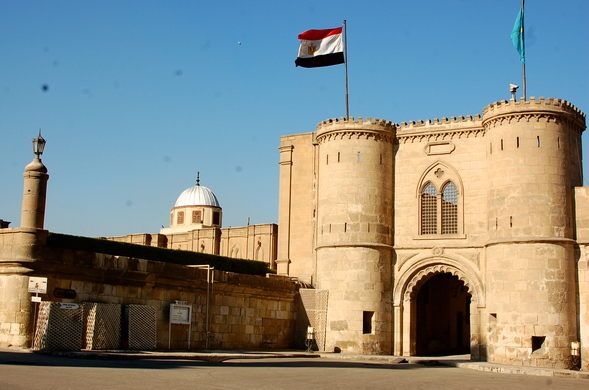
Walking through the Citadel feels like stepping directly into Egypt’s layered past. Massive stone walls, fortified gates, elegant courtyards, and towering domes create an unforgettable setting where every structure tells a story of conquest, leadership, faith, and architectural ambition. Unlike monuments that preserve only a single era, the Citadel reflects multiple periods of Egyptian history, including Ayyubid, Mamluk, and Ottoman influences, making it one of the most historically diverse sites in the country.

What makes the Citadel especially remarkable is its commanding position above Cairo, offering breathtaking panoramic views across the city skyline. From this elevated vantage point, visitors can appreciate both the grandeur of the fortress itself and the vast urban landscape it once protected. Whether you are a history enthusiast, architecture lover, or first-time visitor to Egypt, the Citadel of Salah El Din provides one of Cairo’s most immersive and unforgettable cultural experiences.
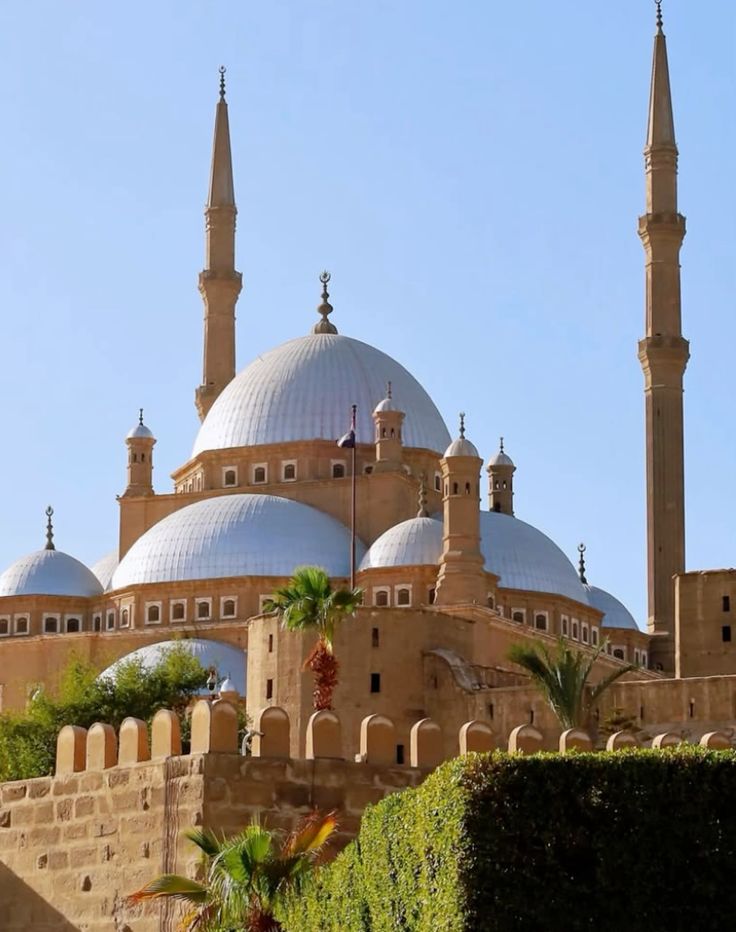
2. The Magnificent Mosque of Muhammad Ali

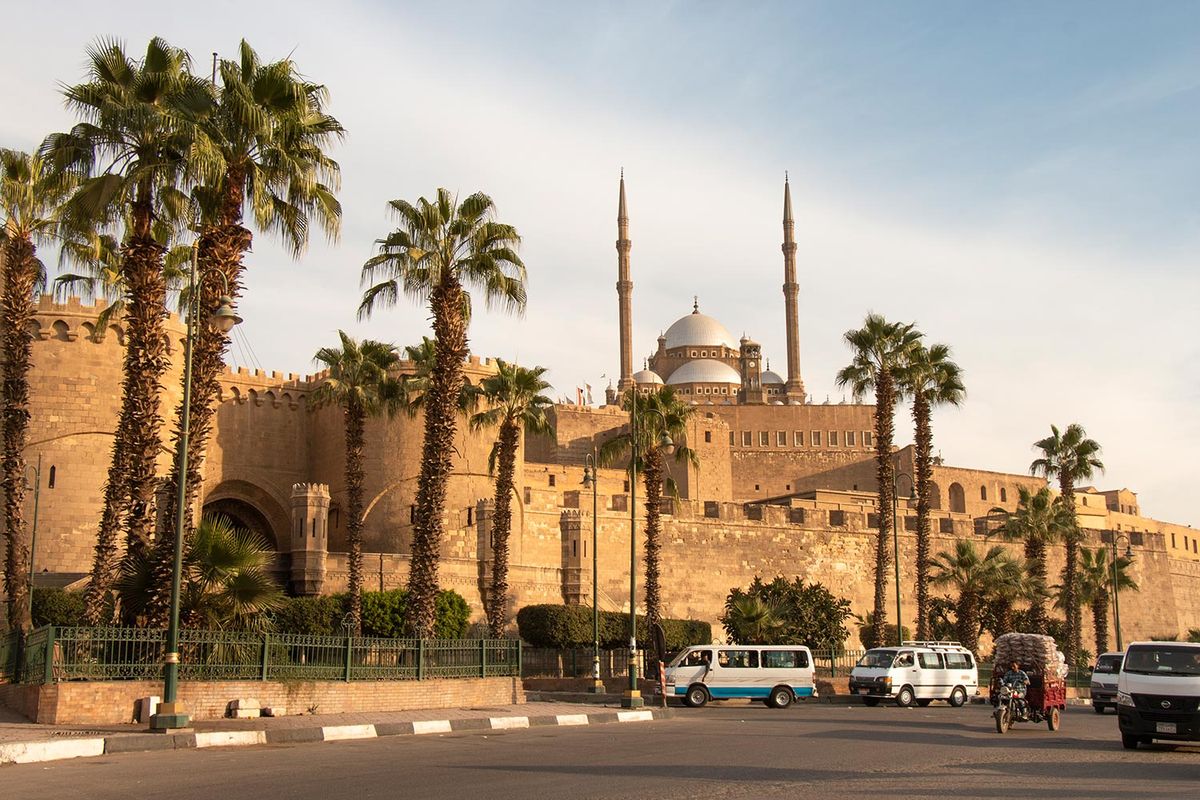
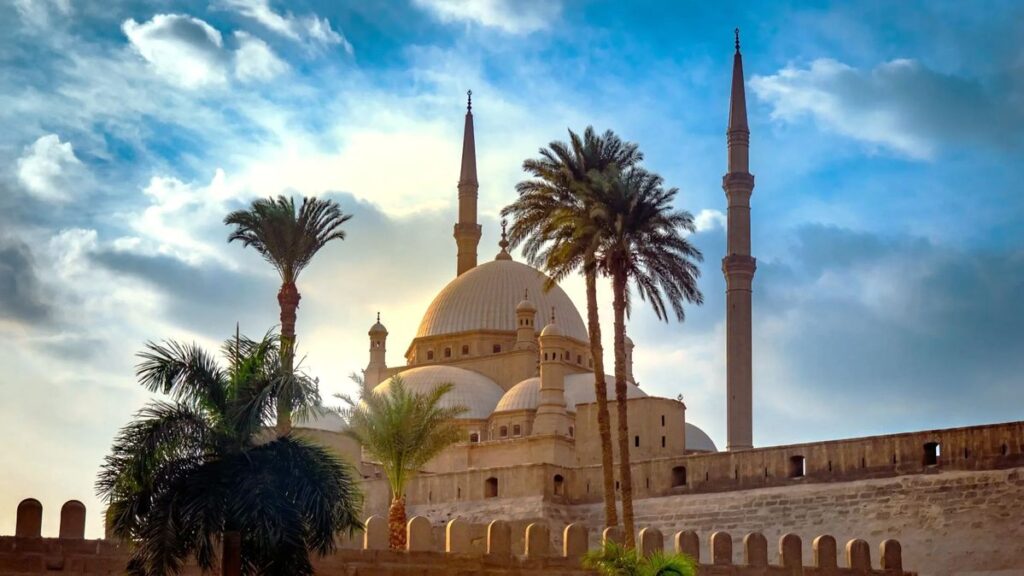
One of the most iconic highlights within the Citadel of Salah El Din is the magnificent Mosque of Muhammad Ali, often recognized as one of Cairo’s most breathtaking Islamic landmarks. Dominating the skyline with its soaring domes and elegant twin minarets, this remarkable mosque has become one of the city’s most recognizable symbols. Built in the 19th century by Muhammad Ali Pasha, the founder of modern Egypt, the mosque was designed in a grand Ottoman architectural style inspired by Istanbul’s imperial mosques, creating a striking contrast against the medieval fortress surroundings.

Stepping inside the mosque reveals a world of extraordinary beauty and craftsmanship. Vast prayer halls, ornate chandeliers, intricate decorative details, alabaster-covered walls, and richly designed ceilings create an atmosphere of elegance and spiritual grandeur. The sheer scale of the interior leaves a lasting impression, while the peaceful ambiance offers a powerful contrast to the bustling city outside. For visitors interested in Islamic architecture in Cairo, the Mosque of Muhammad Ali is an essential experience.

Beyond its architectural splendor, the mosque holds immense historical importance as a symbol of Egypt’s transformation during the era of modernization and political reform under Muhammad Ali. It represents both religious devotion and royal ambition, standing as a monument to one of the most influential figures in Egyptian history. Whether admired from a distance or explored from within, the mosque remains one of the most unforgettable parts of the Citadel experience.
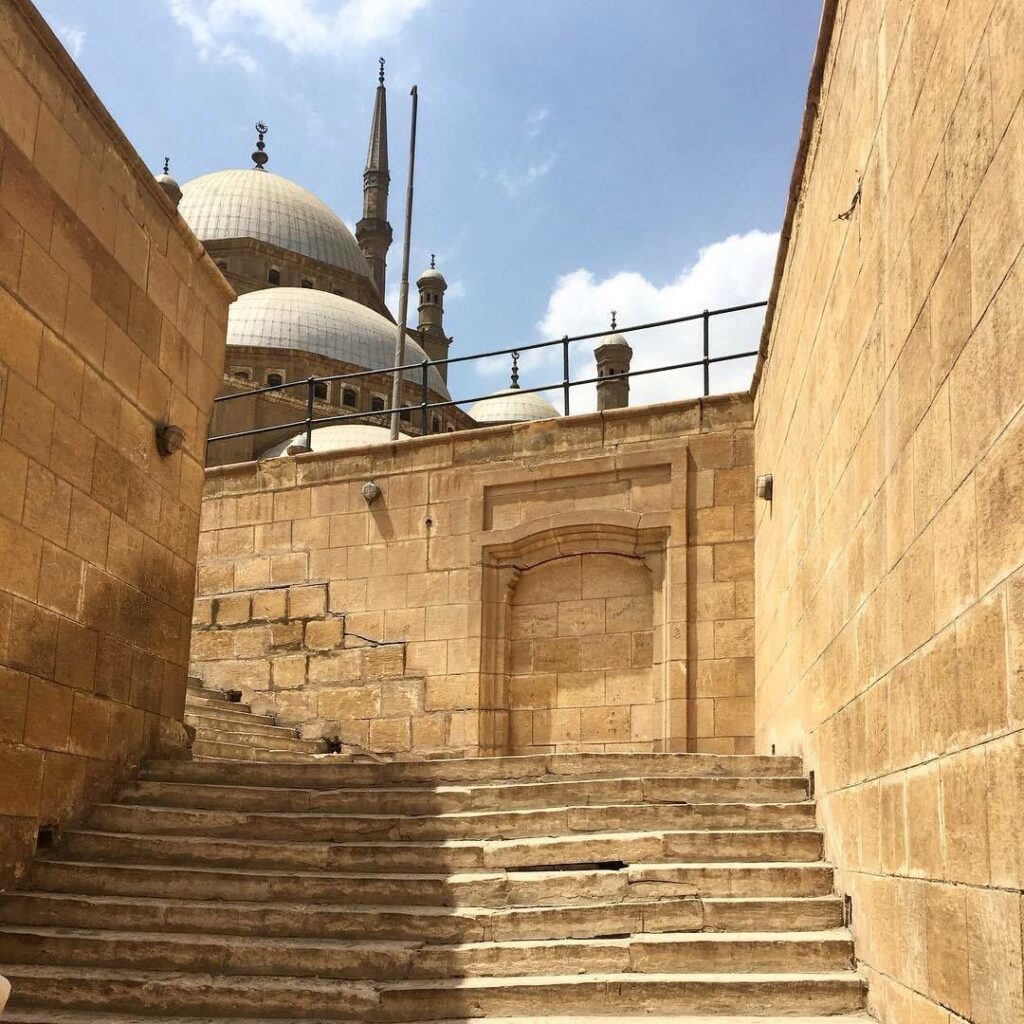
3. Spectacular Panoramic Views Over Cairo

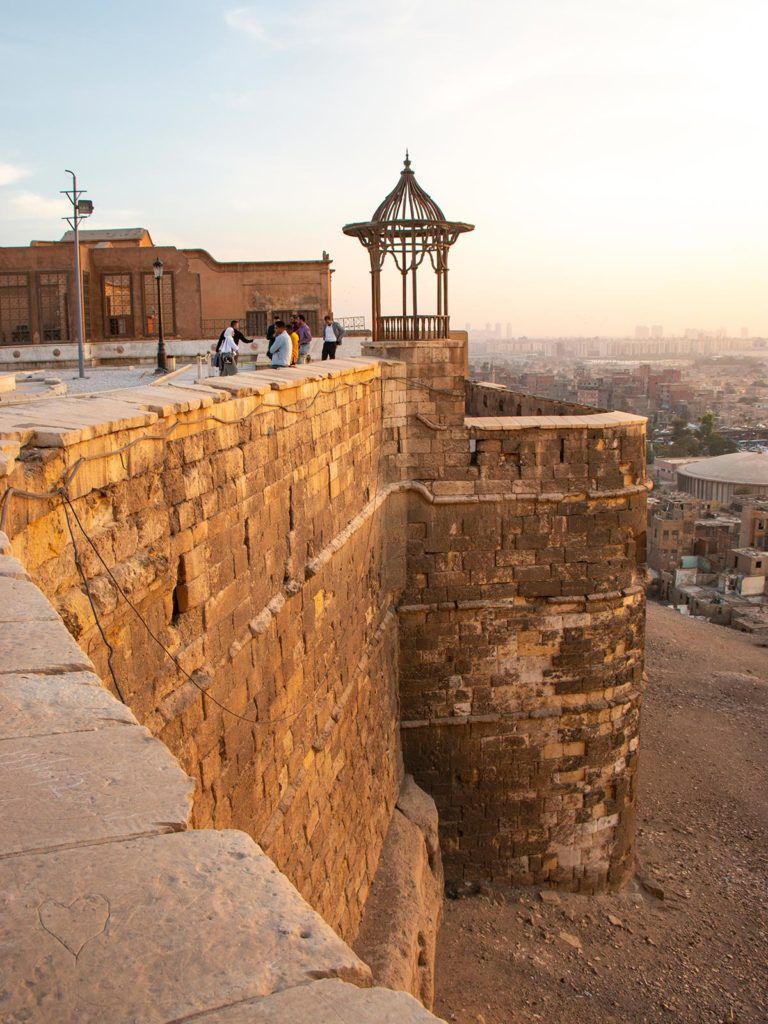
One of the most unforgettable experiences at the Citadel of Salah El Din is the breathtaking panoramic view over Cairo, offering visitors a completely different perspective of Egypt’s vibrant capital. Thanks to its elevated position atop the Mokattam Hills, the Citadel provides some of the finest city views in Cairo, stretching across historic districts, modern neighborhoods, mosque minarets, and distant landmarks that define the city’s extraordinary skyline. For travelers who appreciate scenic viewpoints, photography, or simply unforgettable cityscapes, this experience alone makes the visit worthwhile.

On clear days, the view becomes even more spectacular, with the possibility of seeing some of Cairo’s most famous landmarks in the distance, including glimpses of the Pyramids on the horizon. The contrast between the ancient fortress walls in the foreground and the sprawling modern city below creates a dramatic visual experience that captures Cairo’s unique blend of history and contemporary life. Morning visits often provide clearer skies, while sunset can add warm golden tones that make the scenery even more magical.

Beyond photography, these views help visitors better understand the Citadel’s original military purpose. From this commanding location, it becomes immediately clear why Salah El Din selected this strategic hilltop position to defend Cairo centuries ago. The panoramic experience is not merely beautiful—it offers historical insight into the fortress’s design and significance. For many travelers, this viewpoint becomes one of the most memorable highlights of their entire Cairo journey.
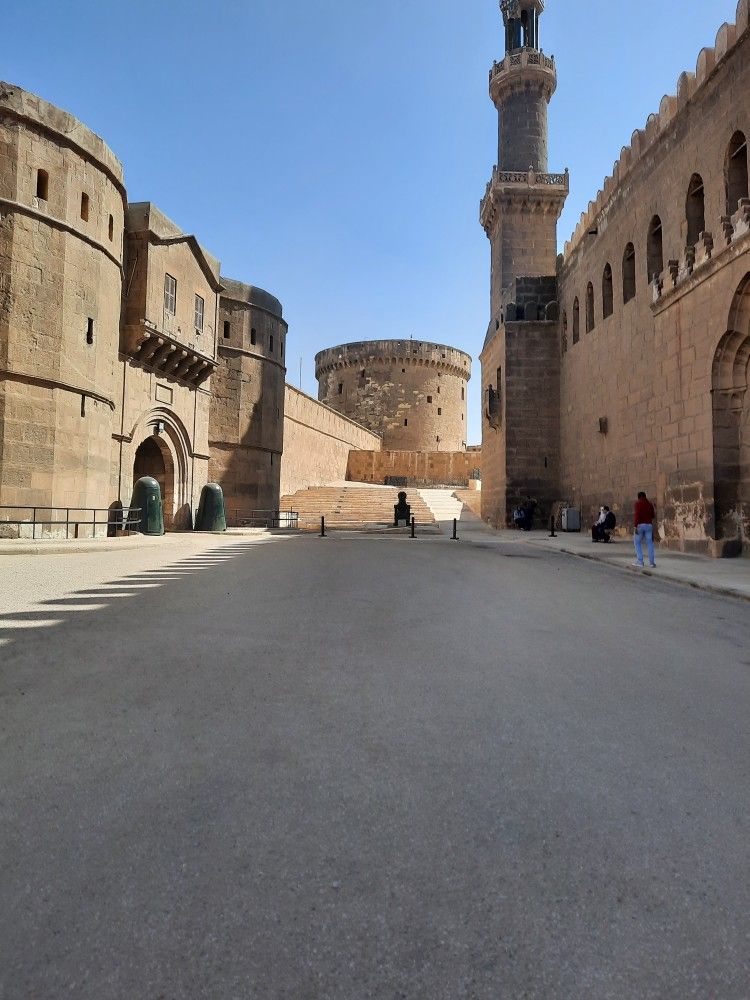
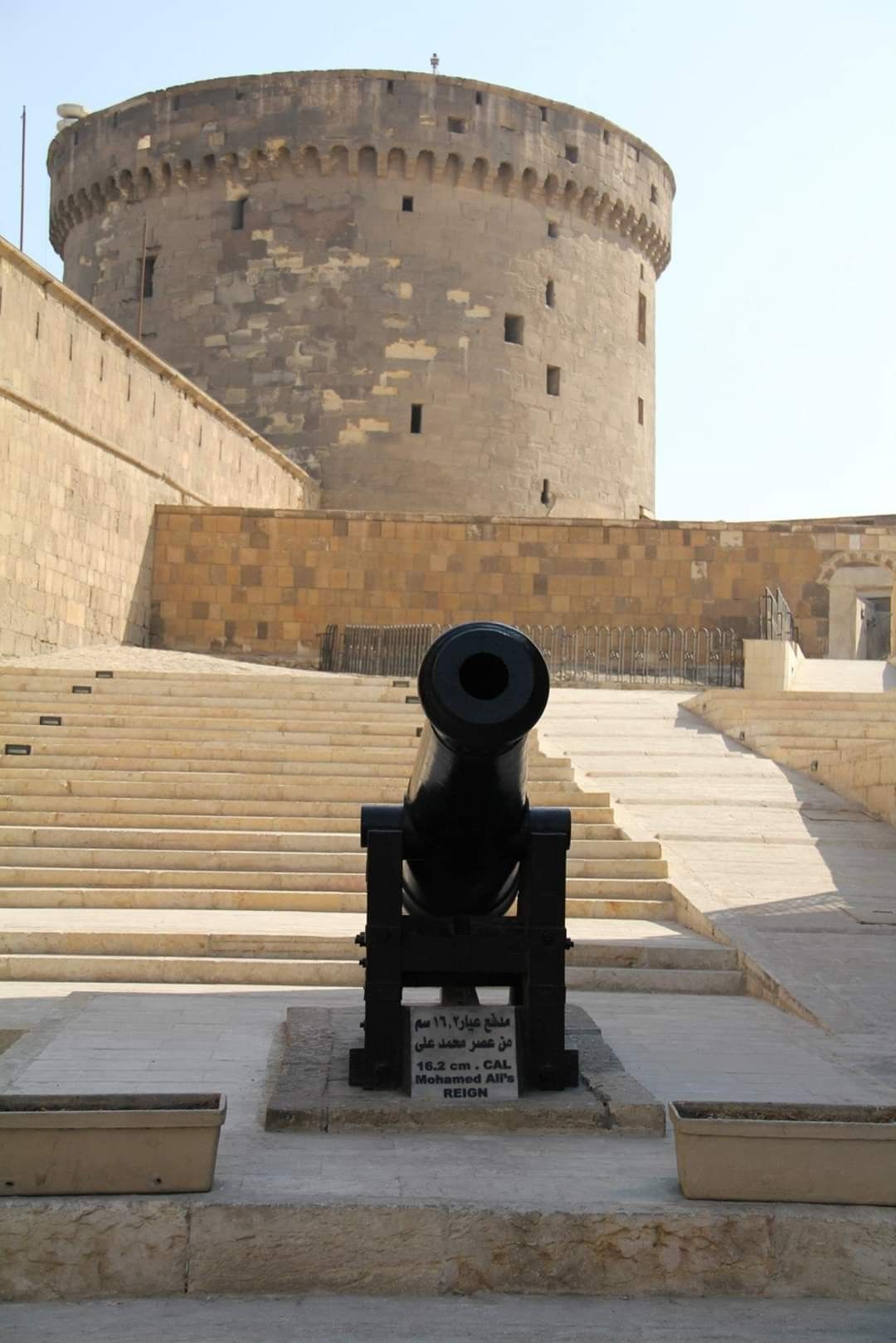


4. A Photographer’s Paradise: Capturing the Beauty of Cairo from the Citadel

The Citadel of Salah El Din is not only one of Cairo’s most historically significant landmarks, but also one of the city’s most visually spectacular destinations for photographers and travelers who appreciate breathtaking architecture and unforgettable cityscapes. Every corner of this magnificent fortress offers a striking visual composition, from massive medieval stone walls and elegant Islamic domes to ornate courtyards, towering minarets, and sweeping panoramic views over Cairo’s endless skyline. For visitors interested in travel photography in Egypt, the Citadel provides an extraordinary setting where history, architecture, and atmosphere come together beautifully.

Walking through the Citadel with a camera feels like exploring an open-air historical masterpiece. The contrast between centuries-old military architecture and the vibrant modern city below creates dramatic perspectives that are difficult to find anywhere else in Cairo. The Mosque of Muhammad Ali, with its grand Ottoman-inspired design, offers some of the most photogenic scenes in the entire city, while hidden corners of the fortress reveal fascinating textures, historic gateways, and timeless architectural details perfect for capturing unique moments.

Lighting also plays an important role in the photography experience. Morning visits often provide clearer skies and softer natural light, ideal for architectural shots and panoramic city views, while late afternoon brings warm golden tones that add depth and atmosphere to the fortress surroundings. Whether you are a professional photographer, social media traveler, or simply someone who loves capturing memorable destinations, the Citadel of Salah El Din remains one of Cairo’s most rewarding and visually unforgettable places to explore.

5. Exploring the Historic Museums Inside the Citadel

Beyond its impressive fortress walls and iconic mosques, the Citadel of Salah El Din offers visitors a fascinating opportunity to explore several museums that reveal different chapters of Egypt’s military and royal history. These museums add an extra layer of cultural depth to the visit, transforming the Citadel from a simple historic landmark into a rich educational experience. For travelers interested in understanding Egypt beyond its ancient pharaonic monuments, the museums inside the Citadel provide valuable insight into more recent periods of the country’s political and military development.

Among the most notable attractions are the Military Museum, which showcases weapons, uniforms, military artifacts, and exhibits tracing Egypt’s armed history across different eras, and other collections that help visitors better understand the evolution of the nation’s defense and governance. Walking through these exhibits offers a fascinating contrast to the grandeur of the surrounding architecture, allowing travelers to connect historical events with the physical spaces where power was once exercised.

For history enthusiasts, these museum experiences make the Citadel especially rewarding. Rather than simply admiring beautiful structures from the outside, visitors gain a deeper appreciation for the fortress’s long-standing role as the center of Egyptian leadership and defense. Exploring these cultural spaces helps bring the Citadel’s story to life, making the overall experience far more immersive and memorable.

6. The Military Legacy of Salah El Din’s Fortress

The Citadel of Salah El Din stands as one of the most important military landmarks in Egyptian history, representing centuries of strategic planning, defense, and political power. Originally commissioned by Sultan Salah El Din in the 12th century as part of Cairo’s defensive system against Crusader threats, the fortress was built with a clear military purpose: to protect the capital from invasion and establish a secure seat of authority. Its massive stone fortifications, elevated hilltop position, and carefully planned defensive design reflect the military intelligence behind one of the Islamic world’s most influential rulers.

Walking through the fortress today, visitors can still sense the Citadel’s original defensive character. Thick walls, guarded entrances, watch points, and strategic architectural layouts reveal how seriously medieval leaders approached the protection of Cairo. Unlike purely ceremonial palaces or religious monuments, the Citadel was designed first and foremost as a functioning military stronghold, making it a unique destination for travelers interested in historic warfare and fortress architecture.

What makes the Citadel especially fascinating is how its military purpose evolved over the centuries. Successive rulers expanded, modified, and adapted the fortress to suit changing political realities, transforming it from a medieval defensive bastion into the center of Egyptian government and royal authority. This combination of military engineering, political significance, and architectural endurance makes the Citadel one of Cairo’s most historically compelling landmarks.

7. Sunset Magic: When the Citadel Becomes Truly Unforgettable

While the Citadel of Salah El Din is impressive at any time of day, many visitors find that the experience becomes especially magical during the late afternoon and sunset hours. As the sunlight softens and Cairo begins to glow beneath the fortress, the atmosphere transforms into something truly unforgettable. Warm golden light reflecting off stone walls, mosque domes, and historic courtyards creates a breathtaking setting that feels both peaceful and dramatic at the same time.

The elevated location of the Citadel makes sunset one of the most spectacular moments to visit. Watching the vast Cairo skyline gradually shift in color while the city’s minarets, rooftops, and distant landmarks emerge beneath the evening light creates an extraordinary visual experience. Photographers, couples, and cultural travelers often consider this one of the most memorable parts of the visit, as the fortress offers one of the most romantic and scenic viewpoints in the city.

Beyond the beauty itself, sunset adds a deeper emotional dimension to the experience. Standing within a fortress that has witnessed centuries of Egyptian history while overlooking the endless life of modern Cairo creates a powerful sense of connection between past and present. Rather than simply visiting a historical site, travelers become part of a timeless moment where history, architecture, and atmosphere come together in one unforgettable Cairo experience.

8. A Gateway to Cairo’s Islamic Heritage and Historic Treasures

The Citadel of Salah El Din is far more than a standalone historical fortress—it serves as one of the most important gateways to exploring Cairo’s extraordinary Islamic heritage and cultural treasures. Strategically positioned in the heart of historic Cairo, the Citadel connects visitors to centuries of architectural brilliance, religious history, and political legacy that shaped the city into one of the Islamic world’s most influential capitals. For travelers seeking a deeper cultural experience in Cairo, the Citadel offers the perfect starting point for discovering the city’s remarkable historic identity.

Its location makes it easy to combine the Citadel with some of Cairo’s most iconic Islamic landmarks, including Sultan Hassan Mosque, Al-Rifa’i Mosque, Al-Azhar Mosque, and the historic streets of Islamic Cairo. This creates an ideal full-day cultural itinerary where visitors can seamlessly move from fortress exploration to grand mosques, ancient architecture, and vibrant historic districts. Few places in Cairo offer such a rich concentration of heritage experiences within close reach.

Beyond convenience, the Citadel provides valuable historical context for understanding the broader story of Islamic Cairo. As the former center of political power and military defense, the fortress played a central role in shaping the city’s evolution for centuries. Exploring the Citadel alongside nearby landmarks allows travelers to see how religion, governance, architecture, and daily life were deeply interconnected throughout Cairo’s history. Whether you are a history enthusiast, architecture lover, or first-time visitor to Egypt, the Citadel of Salah El Din offers one of the most rewarding gateways into Cairo’s timeless Islamic legacy.

9. Hidden Corners and Unexpected Discoveries Inside the Citadel

One of the most rewarding aspects of visiting the Citadel of Salah El Din is discovering the hidden corners and lesser-known details that many visitors often overlook. Beyond the famous Mosque of Muhammad Ali and the panoramic viewpoints, the fortress contains quiet courtyards, historic passageways, defensive walls, smaller architectural treasures, and fascinating spaces that reveal a more intimate side of Cairo’s historic stronghold. For travelers who enjoy slow exploration and authentic discovery, the Citadel offers far more than its most photographed landmarks.

Wandering through these quieter sections allows visitors to appreciate the true scale and complexity of the fortress. Ancient stone corridors, old gateways, elevated terraces, and lesser-visited museum spaces offer glimpses into the Citadel’s long and evolving history. These areas often feel more peaceful than the main attractions, creating opportunities to connect more deeply with the atmosphere of the site while imagining the centuries of political and military life that once unfolded here.

For photographers, history enthusiasts, and curious explorers, these unexpected discoveries often become some of the most memorable parts of the experience. Rather than simply following the main visitor route, taking time to explore hidden architectural details reveals the Citadel’s layered character and enduring charm. In the Citadel of Salah El Din, some of the most fascinating moments are often found away from the obvious highlights.

10. Practical Tips for Visiting the Citadel of Salah El Din

A visit to the Citadel of Salah El Din is one of the most enriching cultural experiences in Cairo, and a little preparation can make the journey even more comfortable and enjoyable. Since exploring the fortress involves walking through large open spaces, stone pathways, stairways, and historic courtyards, wearing comfortable shoes is highly recommended. During warmer months, bringing water, sunglasses, and sun protection can also make the visit far more pleasant, especially during midday hours.

Morning visits are often ideal for travelers seeking cooler temperatures, clearer panoramic views, and a quieter atmosphere before larger crowds arrive. Late afternoon is another excellent option for those hoping to enjoy softer lighting and the spectacular sunset views over Cairo. Visitors interested in photography should consider planning around these times for the most rewarding visual experience.

Hiring a knowledgeable guide can significantly enhance the visit by providing historical context about the fortress, the Mosque of Muhammad Ali, and the surrounding Islamic landmarks. Combining the Citadel with nearby attractions such as Sultan Hassan Mosque or Islamic Cairo creates a richer and more complete cultural itinerary. With thoughtful planning, a visit to the Citadel becomes not only informative, but one of the most unforgettable highlights of any Cairo journey.

11. Why the Citadel of Salah El Din Should Be on Every Cairo Travel Itinerary

While Cairo is world-famous for its pyramids, museums, and ancient monuments, the Citadel of Salah El Din offers a completely different but equally unforgettable side of Egypt’s history. It is one of the rare places where military heritage, Islamic architecture, political history, and breathtaking city views come together in a single destination. For travelers seeking a deeper understanding of Cairo beyond the pharaonic era, the Citadel delivers one of the city’s most complete and rewarding cultural experiences.

What makes the Citadel truly special is its extraordinary variety. In a single visit, travelers can admire grand Ottoman-style mosques, explore centuries-old fortress walls, discover military museums, enjoy panoramic views across Cairo, and experience the atmosphere of one of Egypt’s most historically significant landmarks. Few attractions offer such a rich combination of history, architecture, photography, and cultural immersion in one location.

For history lovers, photographers, architecture enthusiasts, and first-time visitors alike, the Citadel represents an essential Cairo experience. It captures the spirit of the city’s Islamic and political legacy while offering unforgettable visual beauty and meaningful cultural insight. Whether included as part of a larger Cairo itinerary or visited as a dedicated historical excursion, the Citadel of Salah El Din remains one of Egypt’s most iconic destinations that should never be missed.

12. An Unforgettable Farewell to the Citadel of Salah El Din

As your journey through the Citadel of Salah El Din comes to an end, you leave with far more than photographs of magnificent architecture and panoramic city views—you leave with a deeper appreciation for one of Cairo’s most powerful historical landmarks. Few places in Egypt capture such a remarkable blend of military strength, political legacy, Islamic architecture, and cultural heritage within a single destination. From towering fortress walls and grand mosques to hidden courtyards and sweeping views over Cairo, every moment inside the Citadel tells a story of ambition, resilience, and transformation.

What makes the Citadel truly unforgettable is not simply its historical importance, but the immersive experience it offers to every visitor. It is a place where history feels alive, where centuries of Egyptian leadership and architectural achievement can still be felt in every stone pathway and monumental structure. Whether you arrived seeking historical insight, breathtaking photography, cultural exploration, or simply one of Cairo’s most iconic attractions, the Citadel delivers an experience that remains memorable long after the visit ends.

As you continue your Egyptian adventure, the grandeur and atmosphere of the Citadel of Salah El Din will remain one of the defining memories of your time in Cairo. It is far more than a historic fortress—it is a living symbol of Cairo’s enduring spirit, where history, architecture, and cultural identity come together in one extraordinary destination. For anyone seeking to experience the true depth of Cairo’s rich heritage, the Citadel of Salah El Din remains a landmark that should never be missed.

Citadel of Salah El Din : Frequently Asked Questions

The Citadel of Salah El Din is famous for being one of Cairo’s most important historical landmarks and one of the greatest examples of medieval Islamic military architecture in Egypt. Built in the 12th century by Sultan Salah El Din to protect Cairo from Crusader invasions, the fortress later served as the political center of Egypt for nearly 700 years. It is also home to the magnificent Mosque of Muhammad Ali, panoramic views over Cairo, and several historical museums.

Most visitors spend around 2 to 4 hours exploring the Citadel, depending on their interests. Travelers who wish to visit the Mosque of Muhammad Ali, explore the museums, enjoy panoramic viewpoints, and take photographs may prefer a longer visit. If combined with nearby attractions in Islamic Cairo, it can easily become a full-day cultural experience.

The best time to visit is usually in the morning or late afternoon. Morning visits offer cooler temperatures, clearer panoramic views, and fewer crowds, while late afternoon provides beautiful lighting and spectacular sunset views over Cairo. Avoiding the hottest midday hours is recommended, especially during summer.

On exceptionally clear days, some visitors may catch distant views of the Pyramids from the Citadel’s panoramic viewpoints. However, visibility depends heavily on weather conditions and Cairo’s air clarity. Regardless, the city views from the Citadel remain among the most impressive in Cairo.

Absolutely. The Citadel is ideally located near many of Cairo’s major Islamic landmarks, including Sultan Hassan Mosque, Al-Rifa’i Mosque, Al-Azhar Mosque, and the historic streets of Islamic Cairo. Many travelers combine the Citadel with a broader cultural day tour to experience Cairo’s rich Islamic heritage more fully.